15 Everyday Things That Were Invented In The 21st Century
It’s easy to think of the 21st century as the age of smartphones and social media, but the innovations that truly changed daily life often slip by unnoticed. These aren’t the headline-grabbing technologies that dominate tech conferences — they’re the quiet inventions that became so essential you forgot they didn’t always exist.
Some arrived with fanfare before becoming mundane. Others crept into your routine so gradually that their absence would feel strange now.
The century is barely a quarter old, yet it has already reshaped how you wake up, travel, pay for things, and even how you think about everyday problems.
YouTube
YouTube launched in 2005. Three former PayPal employees built it because they couldn’t easily share party videos.
Now it’s where you learn to fix your sink at 2 AM. The first video was 18 seconds of a guy at the zoo talking about elephants.
Nobody predicted that amateur footage would eventually compete with television networks for your attention.
Wikipedia
Wikipedia went live in 2001, and it fundamentally changed how arguments get settled. Before Wikipedia, you could debate random facts for hours without resolution — now someone pulls out their phone and the discussion ends (though new arguments about Wikipedia’s reliability often begin, which is its own kind of progress).
The encyclopedia that anyone can edit shouldn’t work, yet it does: millions of volunteer editors have created the most comprehensive reference work in human history. And it’s free, which still seems too good to be true.
Tesla Model S
The Model S launched in 2012 and did something that seemed impossible: it made electric cars desirable. Before Tesla, electric vehicles were either golf carts with delusions of grandeur or science experiments that normal people couldn’t afford or didn’t want.
Tesla proved that electric didn’t have to mean compromise. The Model S was faster than most sports cars, more spacious than luxury sedans, and could drive itself down the highway while you watched Netflix.
It single-handedly shifted the entire automotive industry toward electrification.
Netflix Streaming
Netflix started mailing DVDs in 1997, but streaming didn’t arrive until 2007. That shift from physical discs to instant access changed everything — not just how you watch movies, but what gets made and who gets to make it.
Streaming killed the video store, transformed television into something you binge rather than appointment viewing, and created a world where “Netflix and chill” became a cultural reference point. The ability to watch anything, anywhere, anytime stopped feeling like magic and started feeling like a basic human right.
Uber
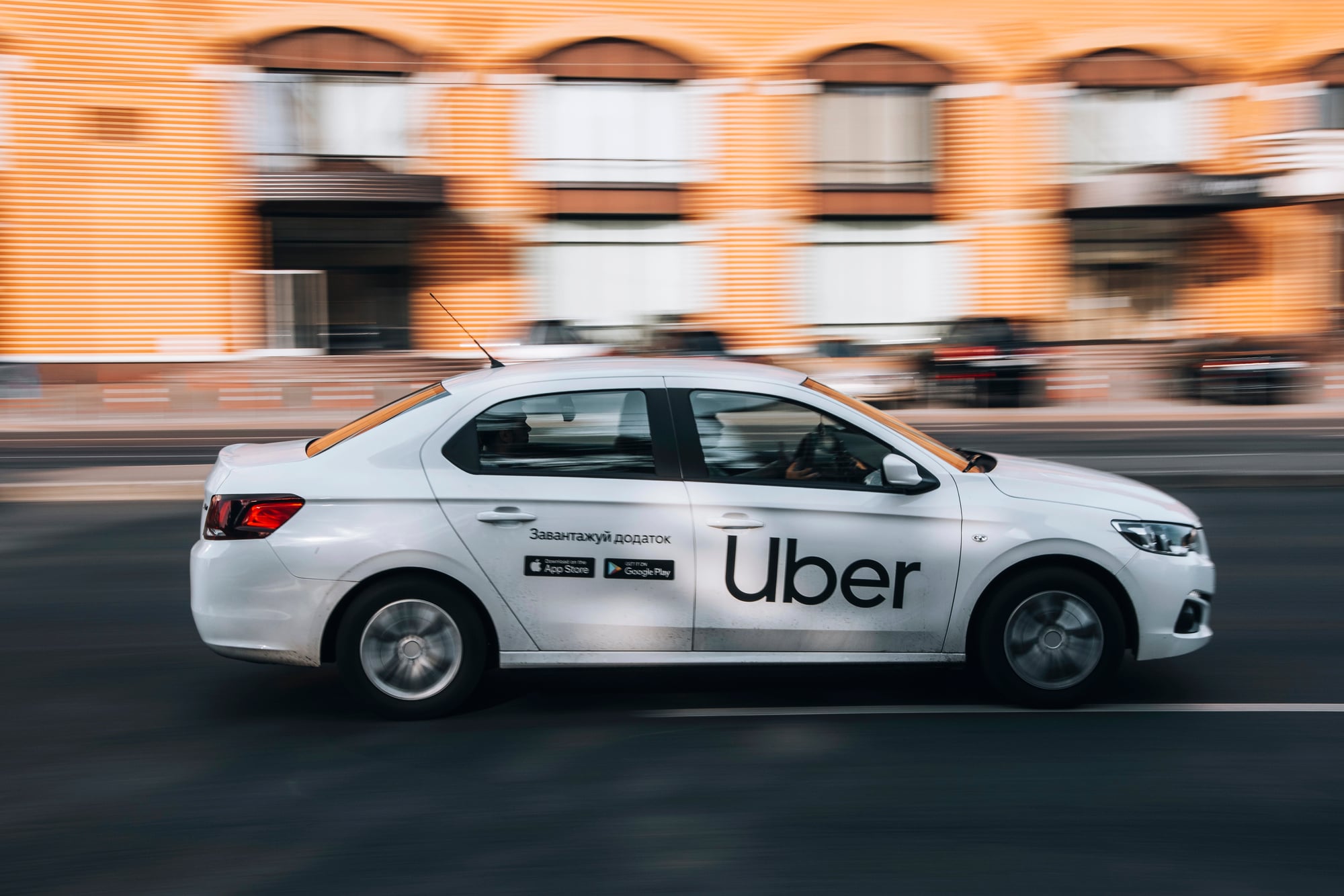
Uber launched in 2009 and solved a problem so elegantly that you forget how annoying the old way was. Before ride-sharing apps, getting a taxi meant standing on street corners hoping one would appear, carrying exact change, and having no idea when (or if) your ride would show up.
Now you summon a car with your thumb, watch it approach in real-time, and the payment happens invisibly. The app that started as “Uber for taxis” spawned an entire economy of “Uber for everything else.”
iPad
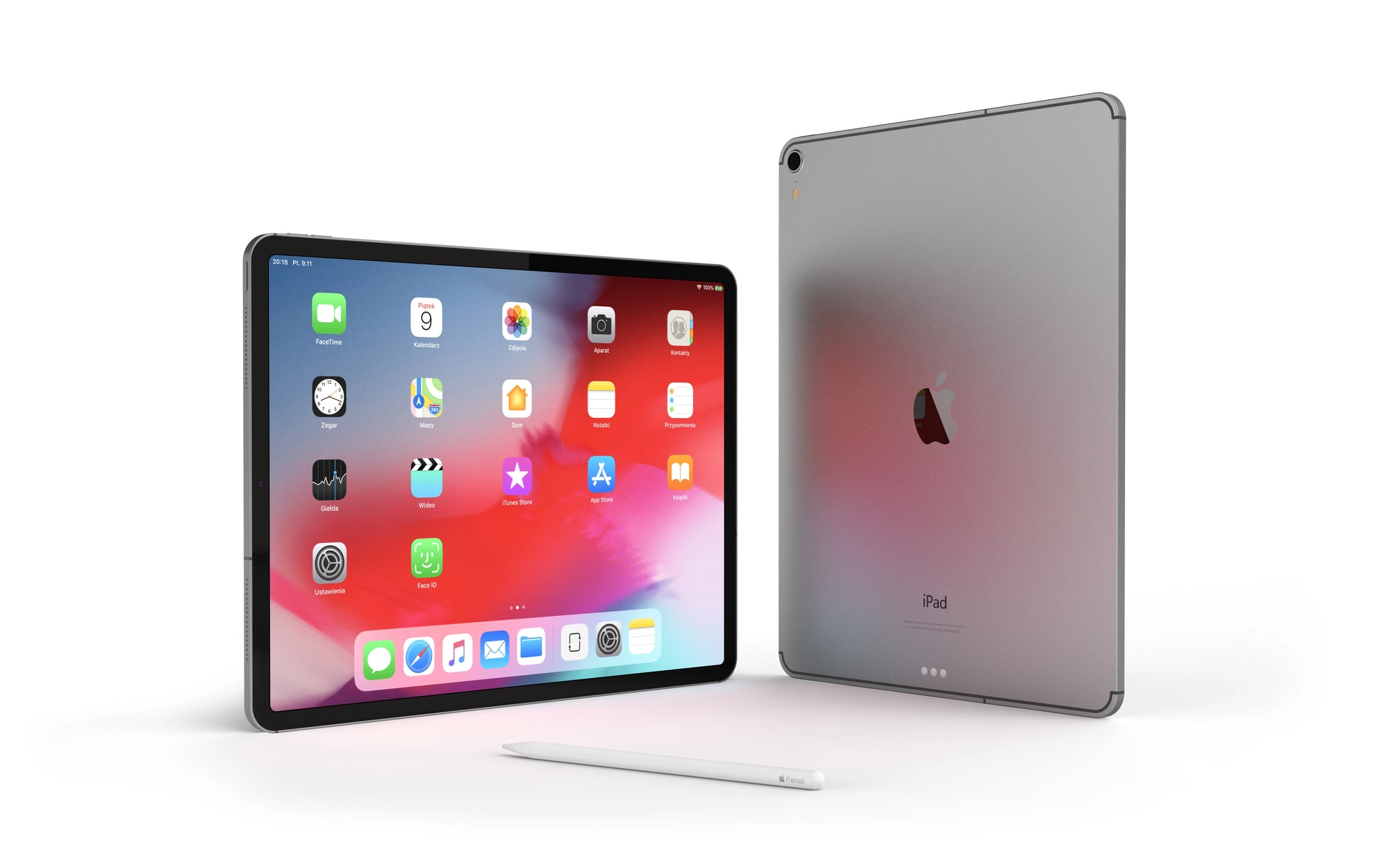
The iPad arrived in 2010 to widespread skepticism (nobody really understood what a tablet computer was for), but it created its own category of device that sits perfectly between your phone and your laptop.
It’s the computer that doesn’t feel like a computer — the device that finally made technology accessible to people who found traditional computers intimidating.
And it turns out there were a lot of those people. The iPad didn’t just fill a gap in the market; it revealed a gap that most people didn’t know existed.
Children who can barely walk navigate iPads instinctively, which says something profound about how natural the interface became. Artists abandoned their drawing tablets for iPads, readers gave up physical books for the screen, and suddenly everyone had a computer they could use while lying on the couch.
WhatsApp launched in 2009 and quietly became how the world communicates. Text messaging used to cost money per message — WhatsApp made it free over internet connections.
But the real revolution was global. WhatsApp connected people across countries and continents without the traditional barriers of international messaging fees.
Families separated by borders could stay in daily contact. Small businesses could coordinate with suppliers worldwide.
It’s messaging that works the same whether you’re texting your neighbor or someone on another continent.
Airbnb
Airbnb started in 2008 when two guys rented air mattresses in their San Francisco apartment during a design conference. The idea seemed absurd: who would stay in a stranger’s home when hotels existed?
Turns out, lots of people would — especially when it meant staying in actual neighborhoods instead of hotel districts, having access to kitchens and living spaces, and often paying less for more room.
The platform that began with air mattresses and breakfast became a parallel hospitality industry that changed how you think about travel. Cities had to rewrite zoning laws.
Hotels had to compete with every apartment owner. Tourism spread beyond traditional hotel districts into residential neighborhoods.
What started as a clever way to make rent money became a fundamental shift in how people experience new places.
Spotify
Music streaming existed before Spotify launched in 2008, but nobody had figured out how to make it work for everyone — artists, labels, and listeners. Spotify’s genius was making streaming feel like ownership without the friction of actually buying anything.
The ability to access virtually any song ever recorded for a monthly fee seemed too good to be true, because in many ways it was.
The economics are still being worked out. But Spotify solved the consumer side of the equation so elegantly that owning music started to feel antiquated.
Facebook began in 2004 as a college directory but evolved into something much stranger: a platform where you maintain relationships with people you barely know, share personal updates with acquaintances from high school, and argue about politics with relatives you only see at weddings.
Despite its obvious problems, Facebook succeeded at something unprecedented — it created a persistent social layer over your entire life.
The platform where you originally reconnected with old friends became where you get news, organize events, and maintain a version of yourself for public consumption.
GPS Navigation
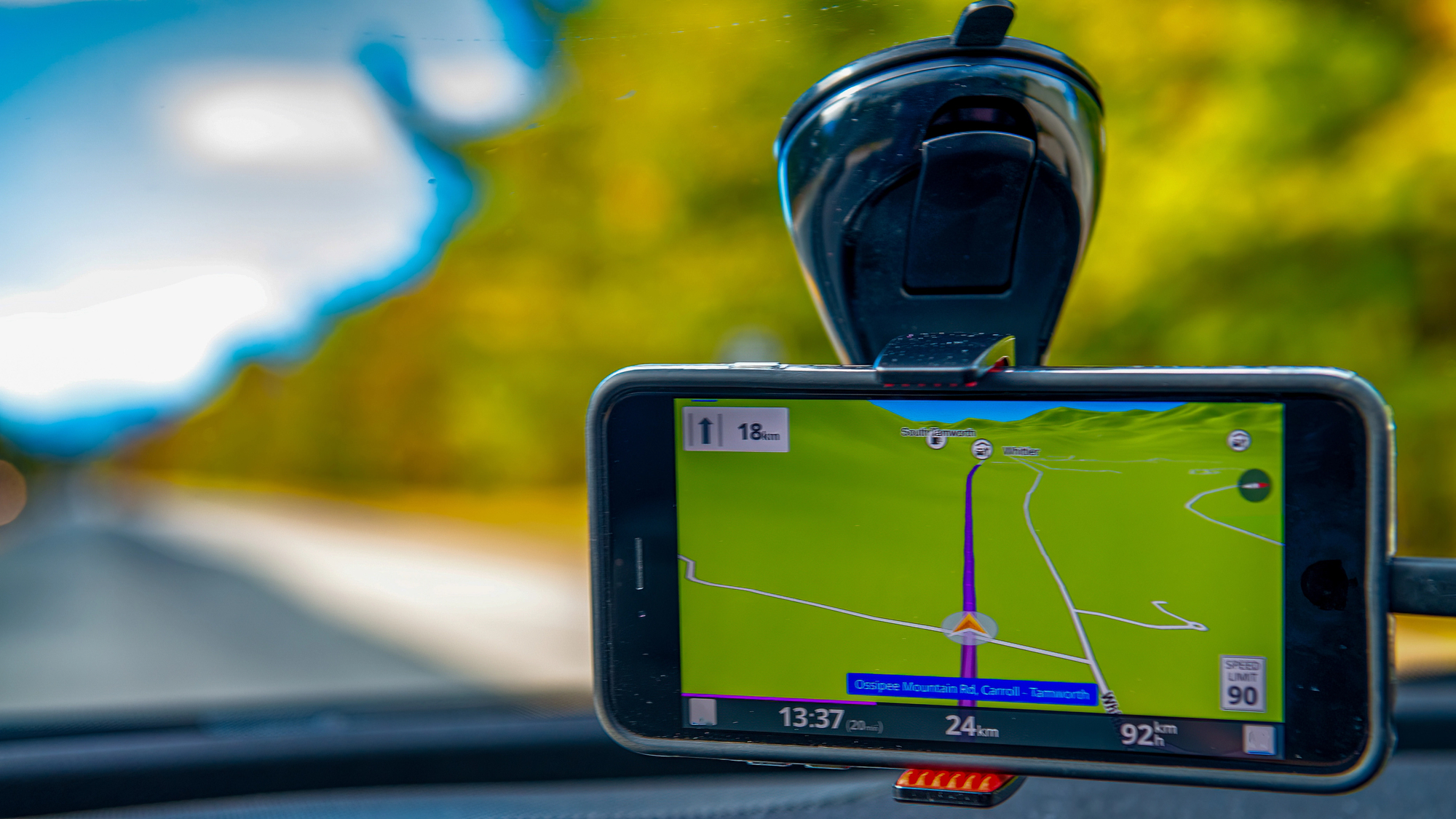
Car GPS systems existed in the 1990s, but they were expensive, clunky, and often wrong. Smartphone GPS changed everything by making accurate navigation free and universal.
Now you navigate to places you’ve been dozens of times just to avoid traffic. GPS didn’t just replace paper maps — it changed your relationship with geography itself.
Getting lost went from a common experience to something that only happens when your phone dies.
Ring Doorbell
The Ring doorbell launched in 2014 and turned your front door into a security system. The ability to see who’s at your door from anywhere feels like a small convenience until you don’t have it anymore.
But Ring did something more significant than solving package theft — it changed the social contract of answering your door.
Now you can see who’s there before deciding whether to engage. The doorbell that records everything created a weird new dynamic where visitors know they’re being watched and recorded.
Amazon Prime
Amazon Prime started in 2005 as a shipping subscription — pay once, get free two-day delivery on everything. It seemed like a simple value proposition, but it fundamentally altered your relationship with buying things.
Prime made online shopping feel instant instead of something you had to plan for (and it trained you to expect that level of convenience from every retailer).
But the real transformation was psychological: once you paid for Prime, Amazon became your default store for everything because the shipping was “free.” The subscription that started as a convenience became a shopping habit that’s difficult to break.
Prime turned Amazon from one option among many into the first place you look for everything.
Venmo
Venmo launched in 2009 and solved the awkward problem of splitting bills and paying friends back. Before peer-to-peer payment apps, you either carried cash or owed people money for longer than anyone felt comfortable with.
But Venmo did something unexpected — it made financial transactions social.
Your payments became a feed that friends could see and comment on. Suddenly, how you split dinner or paid rent became a form of social media.
The app that was supposed to make money transfers invisible instead made them part of your public persona.
TikTok
TikTok arrived in 2016 and perfected something that other platforms had been attempting for years: making video creation accessible to everyone. The app’s sophisticated editing tools and effects made amateur videos look professional, while its algorithm ensured that good content could find an audience regardless of who created it.
TikTok didn’t just create another social media platform — it created a new form of entertainment that was simultaneously more democratic and more addictive than anything that came before.
The app where teenagers posted dance videos became a cultural force that influenced music, politics, and how an entire generation consumes media.
Looking Back From Tomorrow
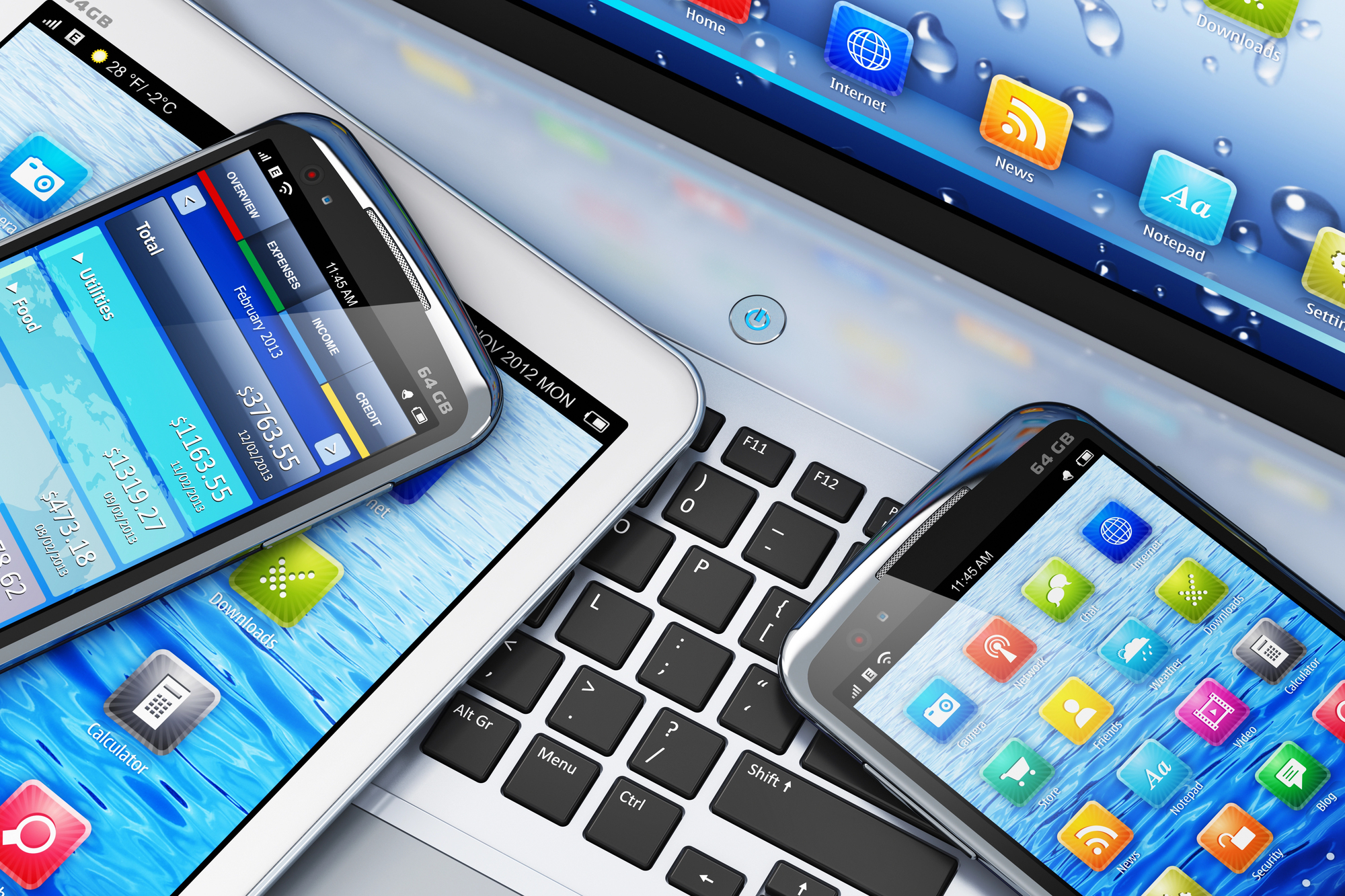
These inventions share something that sets them apart from earlier technologies: they arrived quietly and became indispensable without much fanfare. The smartphone got all the attention, but YouTube changed how you learn things.
Electric cars made headlines, but GPS changed how you navigate the world. Social media dominated conversations about technology, but Venmo changed how you handle money with friends.
The 21st century’s most important innovations weren’t the ones that promised to change everything — they were the ones that actually did, so gradually that you didn’t notice until they were gone.
And that might be the most impressive trick of all: creating the future without anyone realizing it was happening.
More from Go2Tutors!

- The Romanov Crown Jewels and Their Tragic Fate
- 13 Historical Mysteries That Science Still Can’t Solve
- Famous Hoaxes That Fooled the World for Years
- 15 Child Stars with Tragic Adult Lives
- 16 Famous Jewelry Pieces in History
Like Go2Tutors’s content? Follow us on MSN.