CGI Effects That Aged Terribly
It’s risky using computer-made images in movies. If done well, they vanish inside the scene, unnoticed by anyone watching.
Yet when they miss the mark, everything feels stuck – trapped in the era their tech could barely handle. What shows age faster than visuals once called groundbreaking?
Now they just seem thin, almost breaking under scrutiny.
Some older CGI scenes that now seem off weren’t rushed or low effort. Pushing boundaries defined them.
Back then, creators tested unproven tools while viewers watched, betting bold ideas mattered more than flaws. People usually accepted the trade-off.
Today’s clearer displays and stricter eyes make those choices stand out like rough sketches on glass. Take a moment to notice shots once hailed as progress but now barely hold up – and how time quietly sets them up to fail.
Early Digital Humans and Uncanny Movement

One of the fastest ways for CGI to age badly is through digital humans. Early attempts to recreate realistic faces and bodies often fell into an unsettling middle ground.
Skin lacked texture, eyes failed to focus naturally, and movements felt slightly delayed, as if characters were reacting a beat too late.
Films that relied heavily on digital doubles or fully animated human characters suffered the most. What once looked like a technical marvel now highlights how difficult it is to replicate subtle muscle tension and micro-expressions.
Modern viewers are quick to sense something off, even if they cannot articulate why. The result is distraction rather than immersion.
The Mummy Returns and the Scorpion King

At the time of its release, The Mummy Returns was praised for its scale and energy. One sequence, however, has become infamous.
The fully digital Scorpion King was intended to be a climactic spectacle, blending creature design with human features.
Instead, the effect aged almost immediately. The textureless skin, rigid movement, and mismatched lighting made the character feel disconnected from the surrounding environment.
What was meant to feel threatening now reads as oddly weightless. It serves as a reminder that partial realism often ages worse than stylization.
Overconfidence in Early Motion Capture

Motion capture promised a shortcut to realism. By mapping real performances onto digital models, filmmakers believed they could preserve human nuance while expanding visual possibilities.
Early implementations, however, struggled with translation.
Movements often transferred accurately, but emotional subtlety did not. Facial data was limited, and body motion alone could not convey intent.
Characters moved convincingly yet felt emotionally hollow. Over time, audiences became more sensitive to this gap, exposing the limits of early capture techniques.
The Polar Express and Digital Faces

The Polar Express aimed for photorealistic animation long before the technology was ready. While environments and motion impressed at the time, the characters’ faces became a sticking point.
Eyes appeared glassy, expressions muted, and smiles strangely fixed.
The film now sits at the center of conversations about the uncanny valley. Its ambition is clear, but so are its constraints.
Advances in facial animation have since highlighted just how much information early systems could not capture, making the film feel more like a prototype than a finished vision.
Particle Effects and Early Digital Physics

Explosions, smoke, and debris were among the earliest CGI tools to be widely adopted. In many cases, they replaced practical effects entirely.
Early digital physics, however, lacked complexity.Particles moved too uniformly, dispersed too evenly, and interacted poorly with real-world elements.
What once felt spectacular now often looks flat. Smoke lacks weight.
Fire moves too cleanly. Debris floats rather than falls.
Modern simulations incorporate chaos and randomness, qualities early CGI could not convincingly replicate.
Spider-Man and Digital Stunts

The first Spider-Man film relied heavily on CGI to depict web-slinging through cityscapes. At the time, the freedom of movement felt exhilarating.
Today, certain sequences reveal their digital origins clearly.The issue is not concept, but integration.
Lighting mismatches, simplified backgrounds, and overly smooth motion break the illusion.Modern superhero films still use CGI extensively, but improvements in compositing and camera tracking have raised expectations
. Earlier attempts now feel like early drafts of a visual language that had not yet matured.
Fully Digital Environments Without Texture
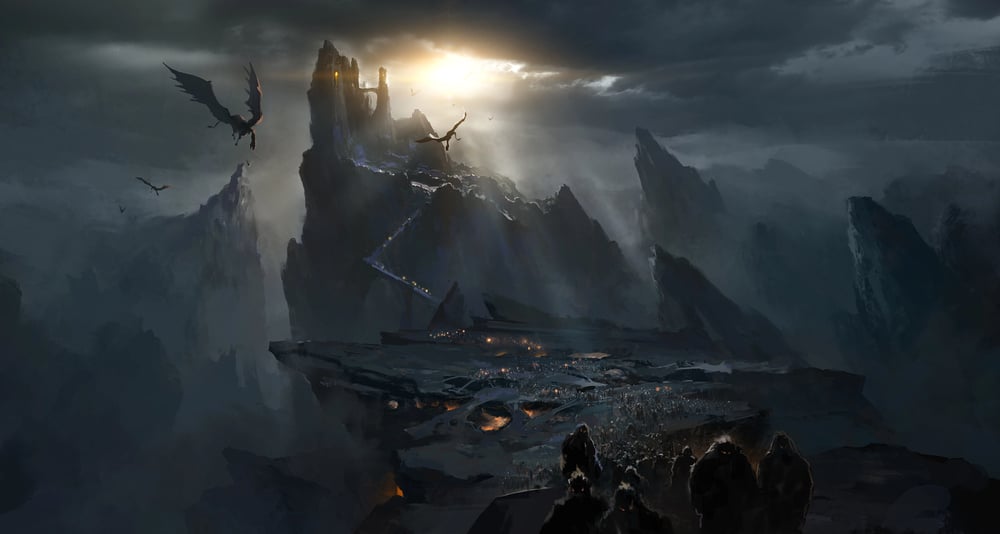
Creating entire worlds digitally was once a necessity rather than a choice. Location shooting and set construction could not always meet narrative demands.
Early CGI environments often leaned on clean surfaces and broad shapes to reduce rendering strain.Over time, this simplicity became a liability.
Surfaces lacked wear, imperfections, and environmental storytelling.Modern audiences expect texture everywhere, from chipped paint to uneven stone.
When environments feel too clean, they reveal their artificial origins immediately.
The Matrix Reloaded and the Burly Brawl
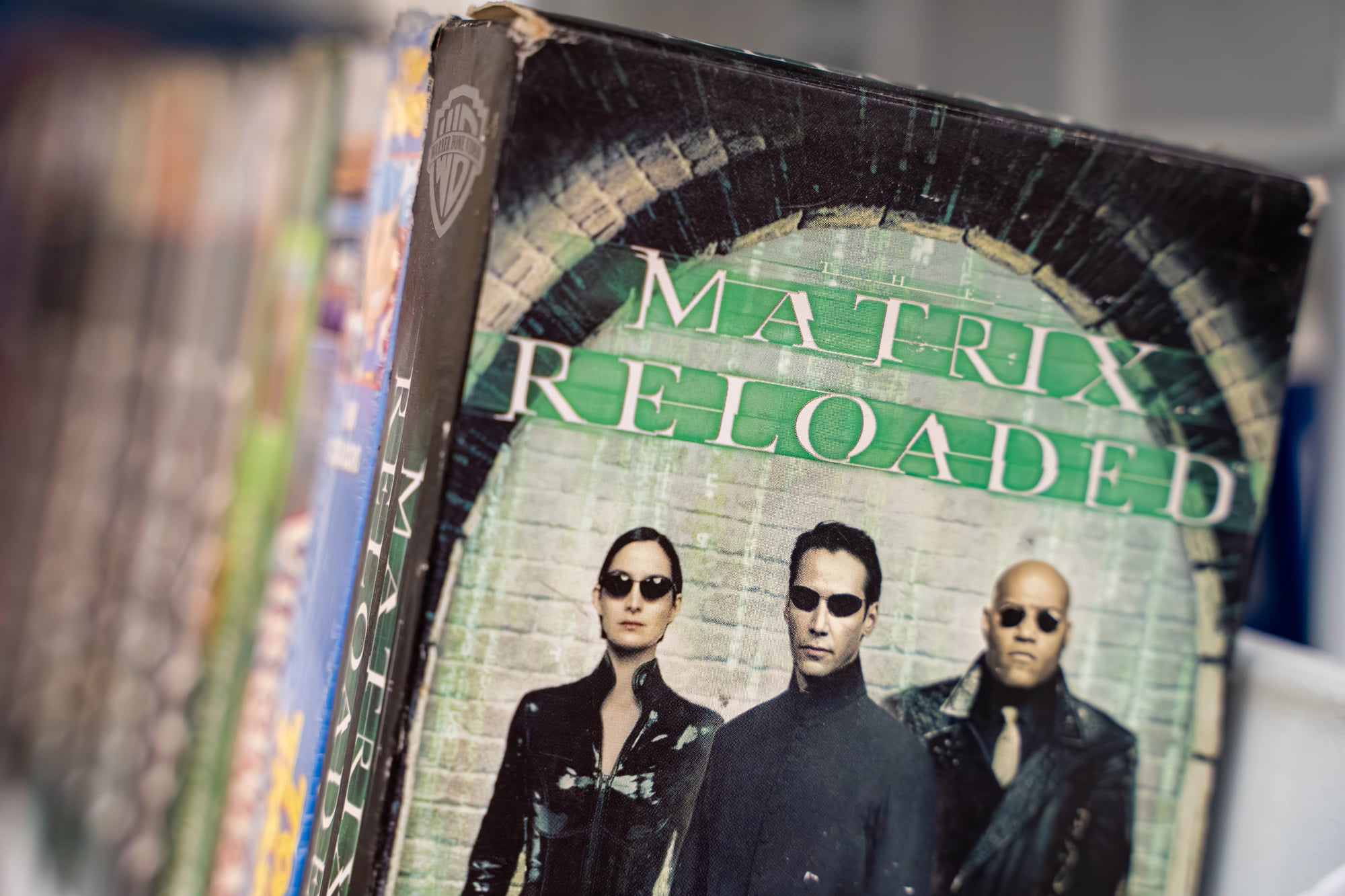
The Burly Brawl sequence in The Matrix Reloaded pushed digital duplication to its limits. Hundreds of identical opponents filled the screen, engaging in complex choreography that would have been impossible practically.
While impressive at release, the sequence now highlights early CGI weaknesses. Digital doubles move differently than physical bodies, especially in close combat.
Weight distribution, impact response, and facial detail falter under scrutiny. What once felt groundbreaking now feels noticeably synthetic, particularly when compared to the film’s practical fight scenes.
CGI Creatures Without Physical Reference

Creatures created entirely in computers often lacked grounding in physical reality. Without practical models or real-world reference points, animators struggled to convey believable mass and interaction.
Limbs moved without resistance. Footfalls lacked impact.
Contact with environments felt decorative rather than reactive. Modern creature design often blends digital work with practical elements, precisely because pure CGI tends to age poorly without physical anchors.
Jurassic Park III and Shifting Standards

The original Jurassic Park is often praised for how well its effects hold up. By the time the third installment arrived, reliance on CGI had increased.
While still competent, the balance between practical and digital work shifted noticeably.
Certain dinosaur shots now reveal less convincing integration. Skin textures appear smoother, and interactions feel lighter.
The comparison highlights an important lesson. More CGI does not always mean better results, especially when practical techniques are reduced rather than refined.
De-Aging Before It Was Ready

Early attempts at making actors appear younger through CGI often produced stiff or unnatural results. Facial smoothing removes detail without restoring vitality.
Movements remained unchanged, creating a mismatch between appearance and physicality.As techniques improved, later films demonstrated how much data and subtlety are required to make de-aging believable.
Early efforts now stand as reminders that realism depends on coherence, not surface-level correction.
Why These Effects Failed the Test of Time

CGI ages badly when it draws attention to itself. Effects that aimed to impress rather than support the story were especially vulnerable.
As technology advanced, audiences became better at spotting shortcuts, inconsistencies, and visual compromises.Another factor is display technology.
Higher resolution screens reveal flaws that were invisible on older formats.What once passed unnoticed now sits inches from the viewer’s eyes, magnifying every limitation.
When Practical Effects Age Better
Odd, really, that certain outdated techniques survive this long. Physical props shift naturally under tension, guided by performers themselves.
Imperfections fit in – somehow they keep everything grounded.This isn’t a problem with CGI falling apart. Control matters most.
If visuals back up something grounded, they stick around – while those aiming to wipe reality fade fast. Some tools work better when quiet.
Why It Still Matters
A wobbly CGI moment holds lessons on daring too much. When directors pushed tools past their limits, frames cracked under pressure.
Had they played it safe, today’s cinema might look different.Peering into the past isn’t meant to mock.
What matters is seeing how change actually unfolds.Before any invention fades into the background, its rough edges show clearly.
Clumsy results frequently set the stage for smoother ones that vanish from view, hinting that what feels revolutionary now might later seem awkward, yet still essential.
More from Go2Tutors!

- The Romanov Crown Jewels and Their Tragic Fate
- 13 Historical Mysteries That Science Still Can’t Solve
- Famous Hoaxes That Fooled the World for Years
- 15 Child Stars with Tragic Adult Lives
- 16 Famous Jewelry Pieces in History
Like Go2Tutors’s content? Follow us on MSN.