15 Hornet Traits That Alarm Scientists
Hornets are basically wasps on steroids, but scientists keep finding stuff about them that’s way worse than anyone expected. These things don’t just look scary—they’ve got abilities that could seriously mess up entire ecosystems and hurt people in ways researchers are just starting to figure out.
Here is a list of 15 hornet traits that have scientists genuinely freaked out about what these bugs can actually do.
Insane Venom Strength
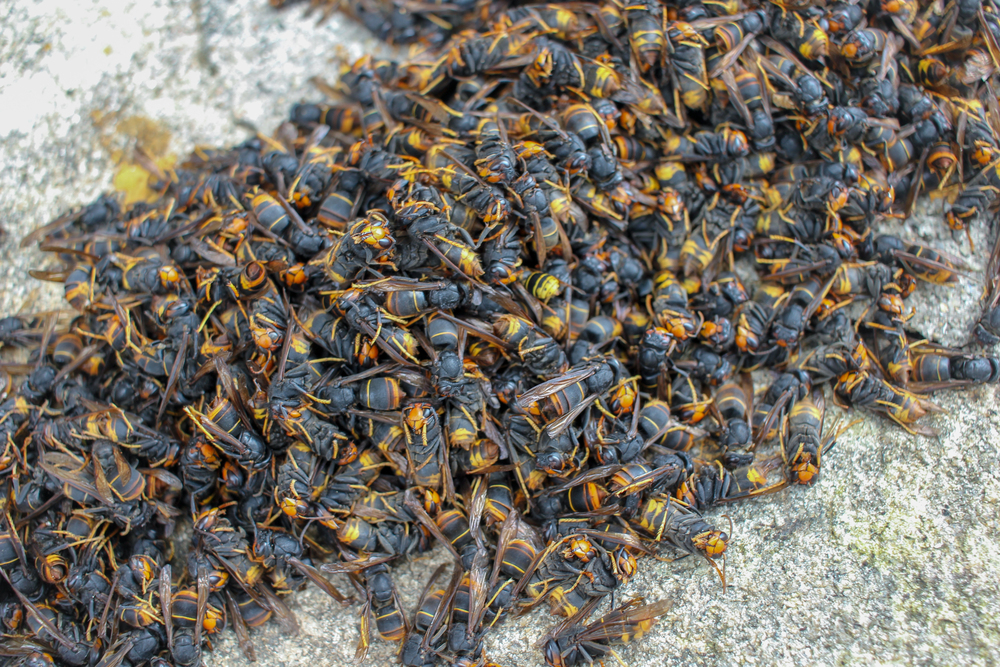
Scientists tested hornet venom and found out it’s way more dangerous than they thought. Asian giant hornet venom has an LD50 of 4.1 milligrams per kilogram, but some species like Vespa luctuosa hit just 1.6 mg/kg—making it the deadliest wasp venom on the planet.
One giant hornet packs enough poison to kill about 10 mice, and a small colony could take down something weighing 150 pounds. The really scary part? These things can sting you over and over again, unlike bees that die after one shot.
Bee Colony Wipeouts
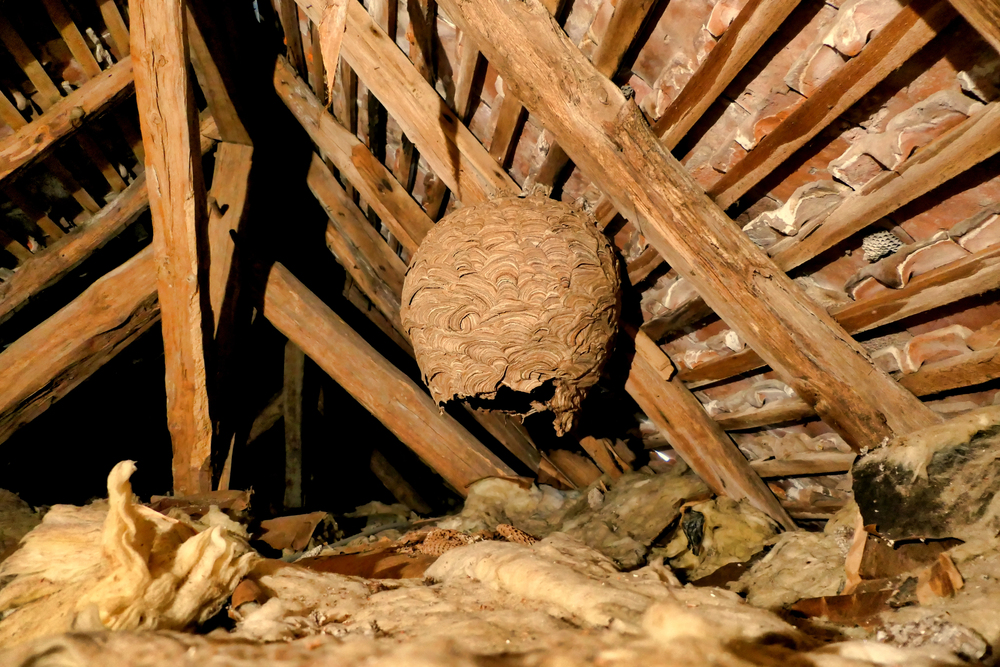
Asian giant hornets can completely destroy a honeybee colony in just a few hours through what scientists call a ‘slaughter phase.’ They waltz into beehives and chop off every bee’s head, then take over the whole place to feed their babies.
Just a handful of hornets can wipe out colonies with tens of thousands of bees. This hunting method works so well that researchers worry we could lose the pollinators that keep our food system running.
Like Go2Tutors’s content? Follow us on MSN.
Super Fast Spreading
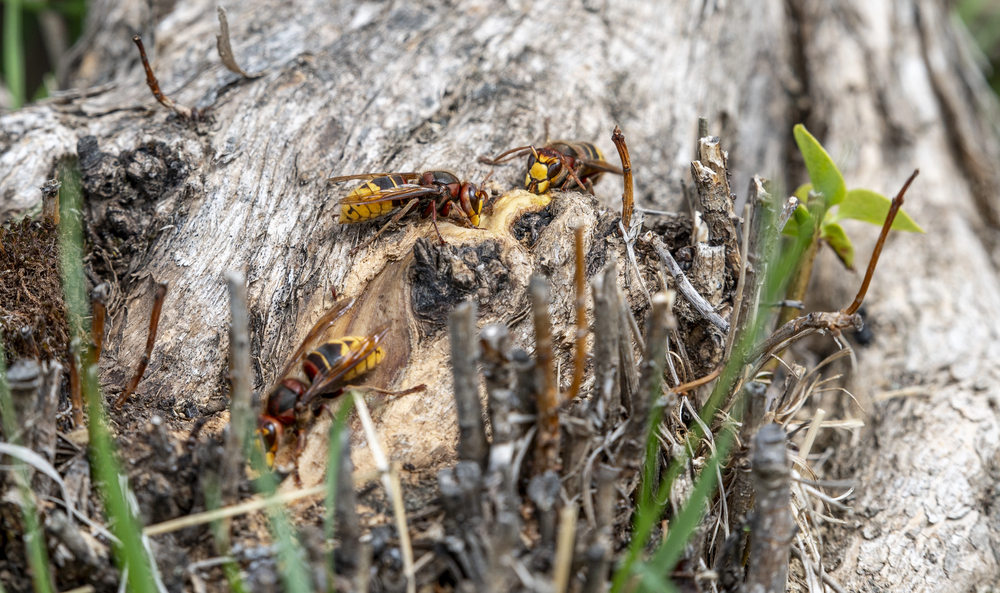
Scientists tracking these things found they can spread up to 68 miles per year when they’re looking for new places to live. Without anyone stopping them, invasive hornets could take over entire regions in just 20 years.
Climate models show they could thrive along most of the U.S. coastlines, big chunks of Europe, and other continents. That’s way faster expansion than researchers saw coming for any bug invasion.
Chemical Warfare Communication
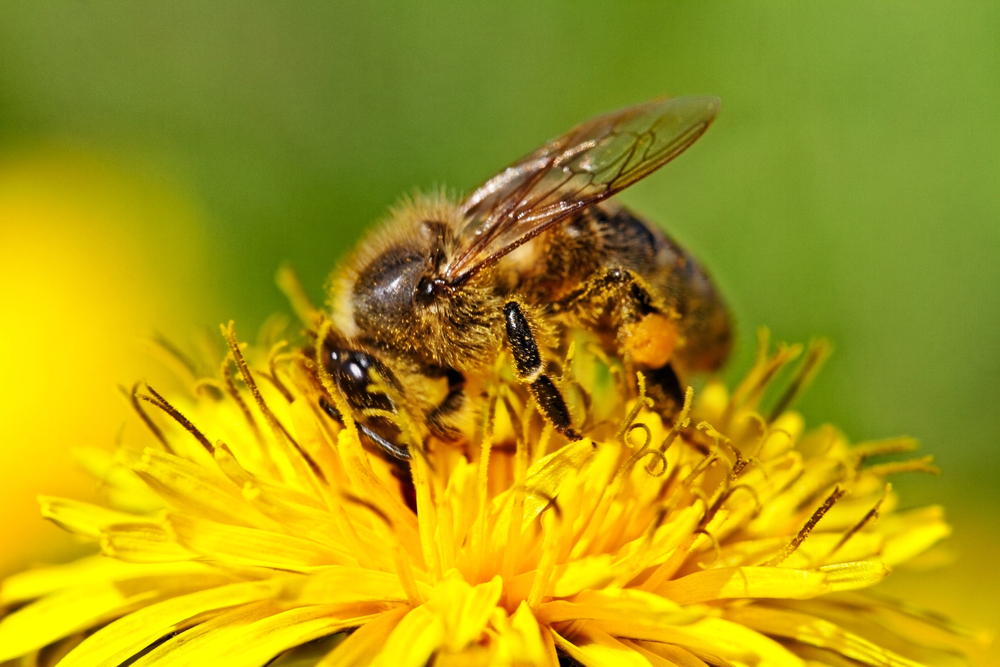
Hornets use chemical signals that scientists are just figuring out, and it’s pretty sophisticated stuff. When a hornet dies near its nest, it releases alarm chemicals that make hundreds of its buddies come out swinging.
Research found specific compounds like 2-pentanol and isoamyl alcohol that work together to make them super aggressive. These chemicals stick to your clothes and skin, so even after the first attack, you’re marked for more trouble later.
Heat Weapon Resistance
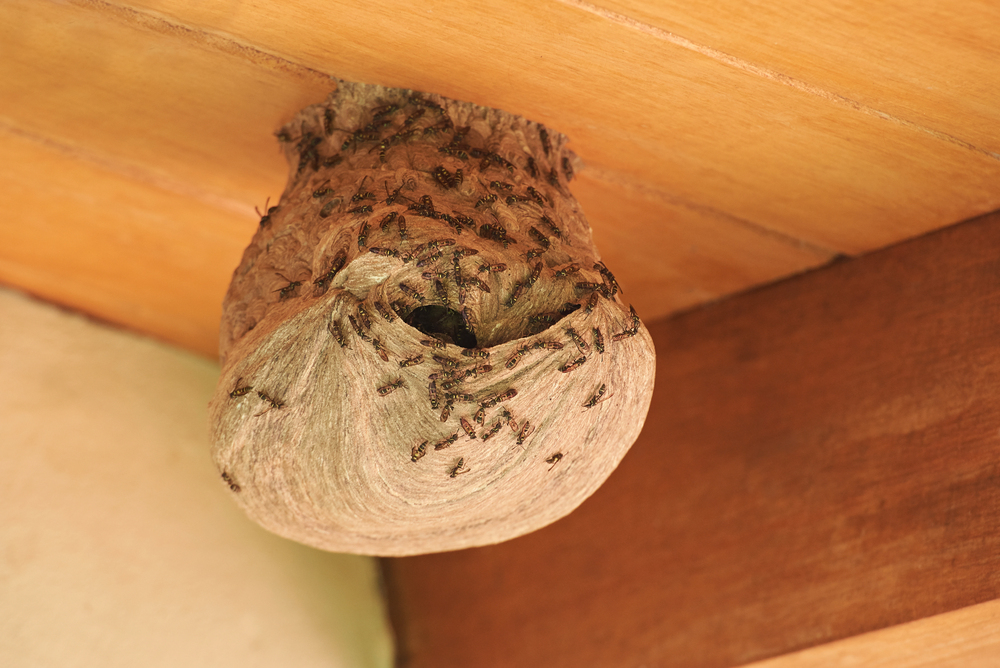
Japanese honeybees figured out how to kill hornets by surrounding them and vibrating their wings to create deadly heat. Pretty clever, right? But scientists discovered some hornet species are getting resistant to this trick.
This back-and-forth evolution worries researchers because it shows hornets can beat defenses that took millions of years to develop.
Like Go2Tutors’s content? Follow us on MSN.
Underground Fortress Building
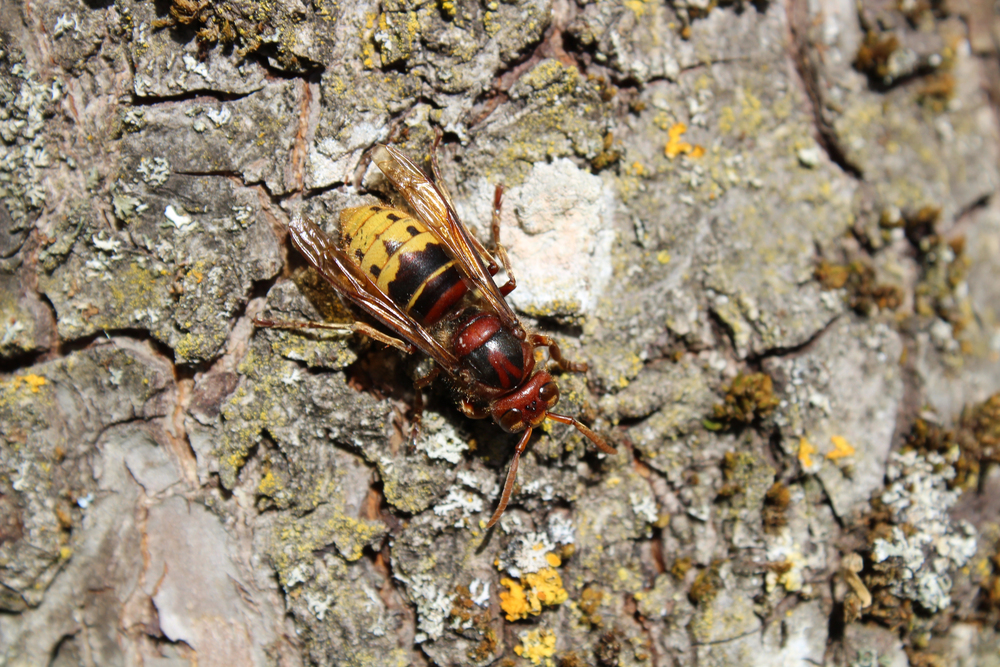
Most wasps build nests you can see, but many hornet species dig massive underground colonies that stay hidden for years. Scientists have found nests with up to 700 adults living in spaces carved out around dead tree roots or old animal burrows.
These hidden colonies can grow huge and pump out new queens without anyone knowing they’re there, making it nearly impossible to stop them early.
Queen Production Factory
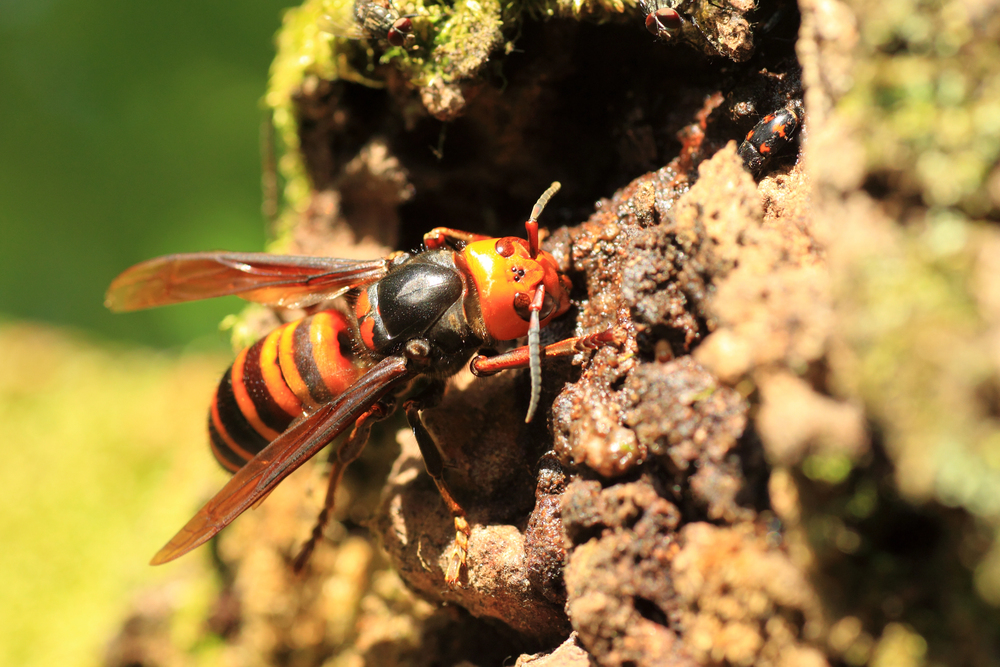
Big hornet colonies can crank out dozens or even hundreds of new queens each year, which is way more than most social bugs manage. Scientists tracking colony genetics found proof that queens can survive winter and start new colonies the next year.
This means even if you destroy most colonies, the few survivors can rebuild their populations really fast.
Massive Size Differences
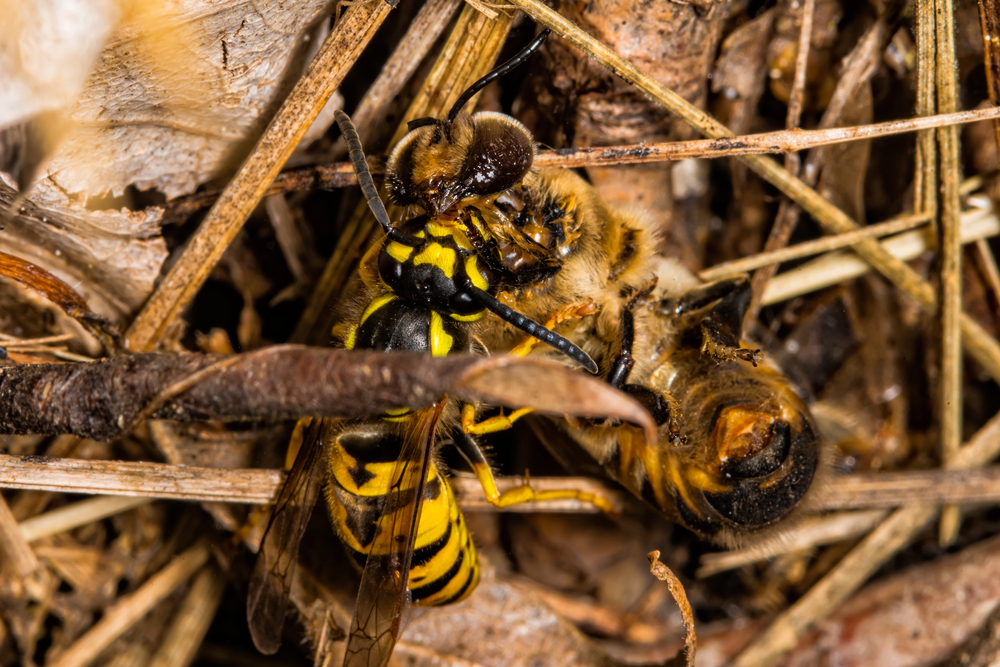
Asian giant hornets can get over 2 inches long with 3-inch wingspans—bigger than some small birds. But scientists are worried about reports of even larger ones and how much size varies within groups.
Worker hornets from the same colony can be totally different sizes, suggesting they can change their physical development based on what the colony needs or environmental conditions.
Like Go2Tutors’s content? Follow us on MSN.
Target Lock-On Abilities
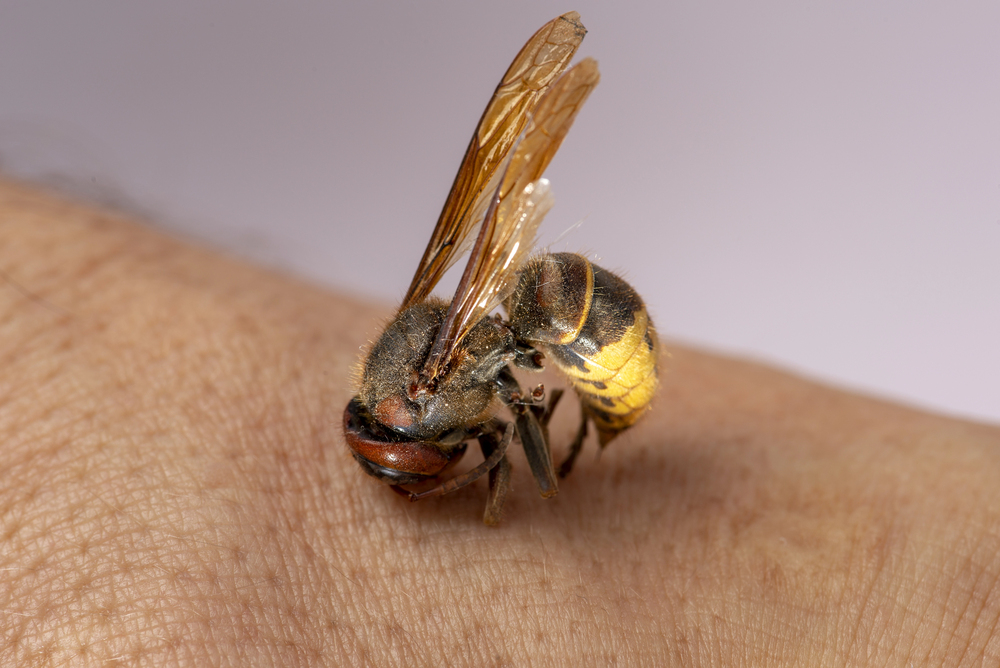
Research shows hornets have really good sensory systems for finding their favorite prey. They can smell bee pheromones from far away and seem especially tuned into compounds in honeybee alarm signals.
Some species love geraniol, a chemical in bee group pheromones, letting them find active hives with scary accuracy. This targeting ability makes them way more effective killers than random hunters.
Poison That Sticks Around
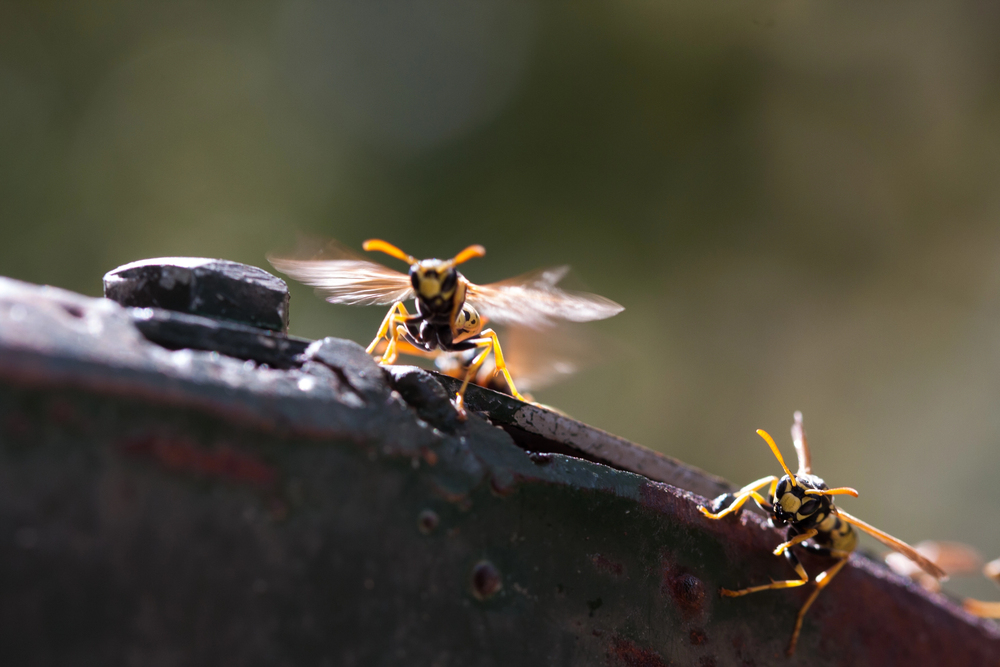
Hornet venom has stuff in it that hangs around in victims’ bodies longer than typical bug poison. Scientists found unique nerve toxins that can block nerve signals, plus chemicals that damage kidneys and cause organ failure.
Their delivery system includes quarter-inch stingers that can punch through normal protective gear. Research shows hornets can control how much venom they inject depending on whether they’re killing prey or fighting off threats.
City Life Adaptation
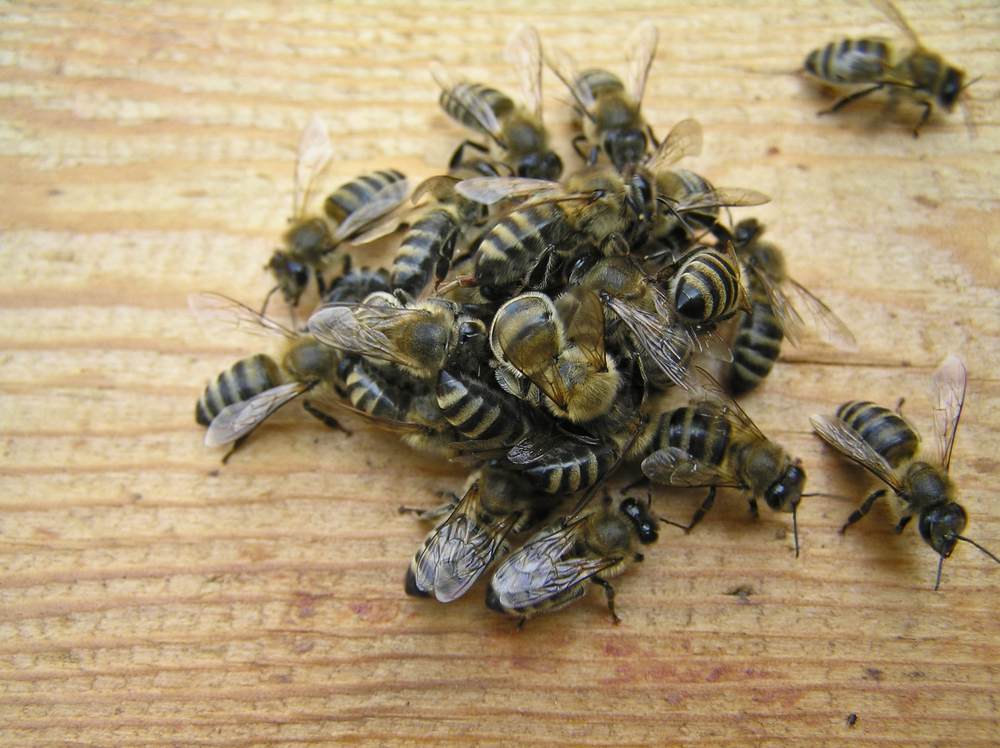
Scientists watch hornets getting better and better at living around humans, finding food and nesting spots in suburban and city areas. They’ve learned to use garbage, artificial food sources, and even go after backyard beehives.
This flexibility lets them thrive in places where native species can’t hack it, giving them advantages that local bugs just don’t have.
Like Go2Tutors’s content? Follow us on MSN.
Weather Toughness
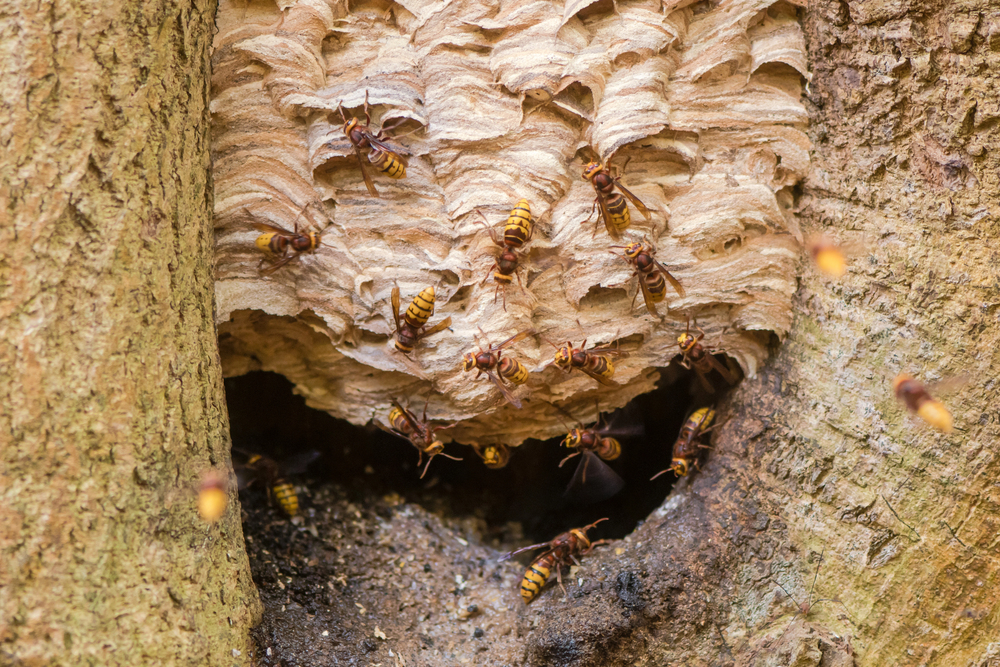
Climate research shows hornets can handle way broader temperature ranges than scientists first predicted. Some species deal with both extreme heat and cold better than many native bugs, letting them set up shop in all kinds of different climates.
Scientists worry this toughness means climate change might actually help invasive hornets spread instead of limiting where they can live.
Team Attack Strategies
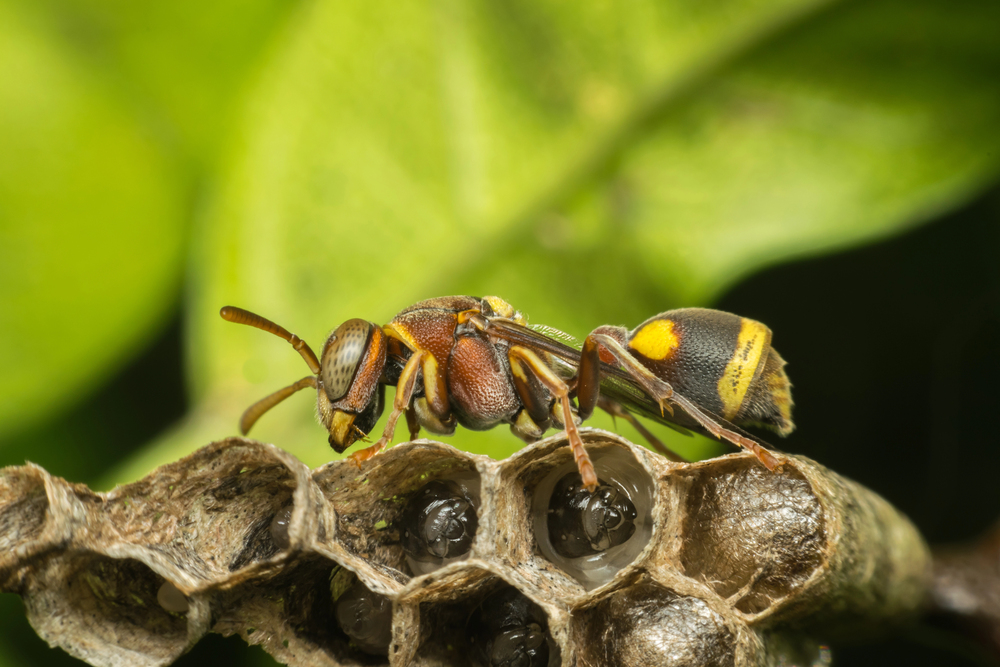
Field observations show hornets using coordinated group hunting that scientists didn’t think bugs were smart enough to pull off. They organize multi-stage attacks where scout hornets mark targets with chemicals, then come back with big groups for total destruction.
This level of teamwork suggests they’re smarter than researchers thought, and scientists are still trying to figure out exactly how smart.
Learning to Beat Traps
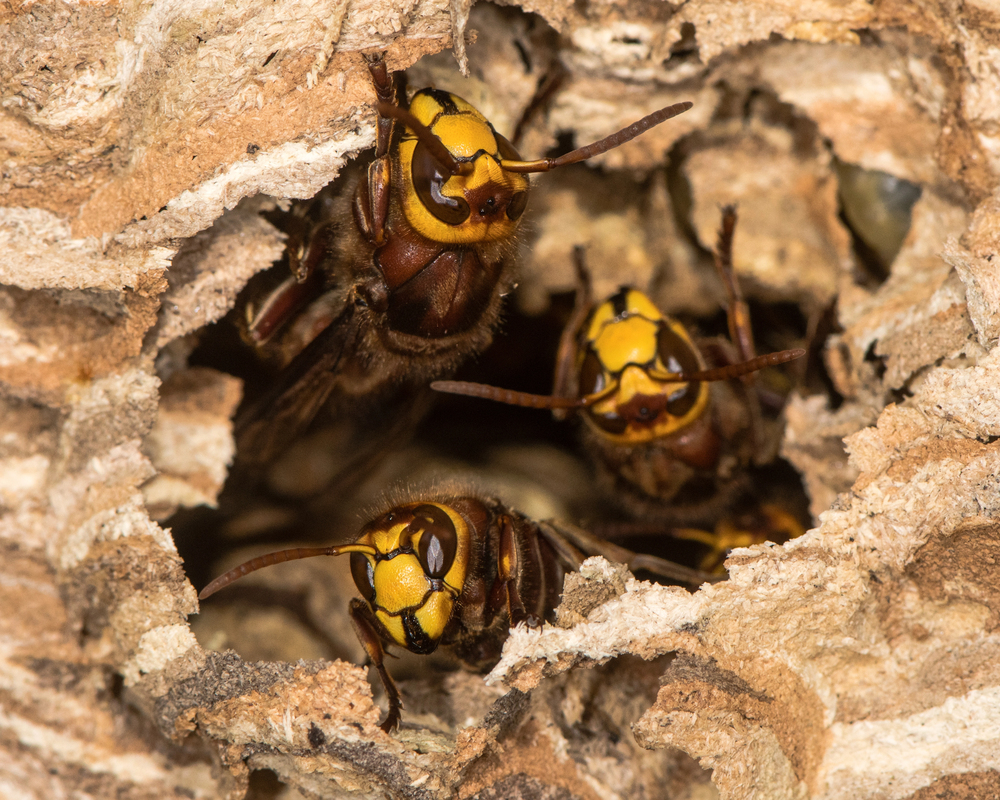
Scientists testing different ways to control hornets found they’re getting resistant to standard pest control methods. They quickly learn to avoid certain trap types and can spot and dodge some chemical lures after getting exposed once.
This learning ability makes it really hard to get rid of them and forces researchers to keep coming up with new tricks.
Like Go2Tutors’s content? Follow us on MSN.
Bullying Everything Else
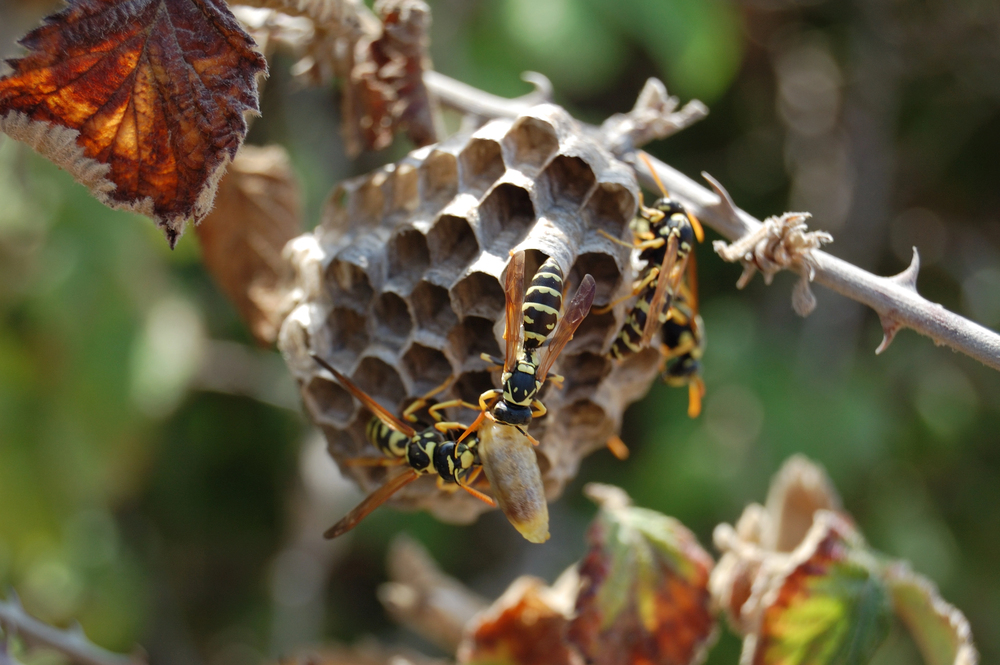
Research shows hornets can beat virtually every other bug species their size or smaller. They hog food sources, kick out native wasps and bees, and even eat other hornets when resources get tight.
Scientists worry about domino effects on entire bug communities, since hornets can mess up pollination networks, natural pest control, and food webs that have been stable for thousands of years.
Bad News Getting Worse
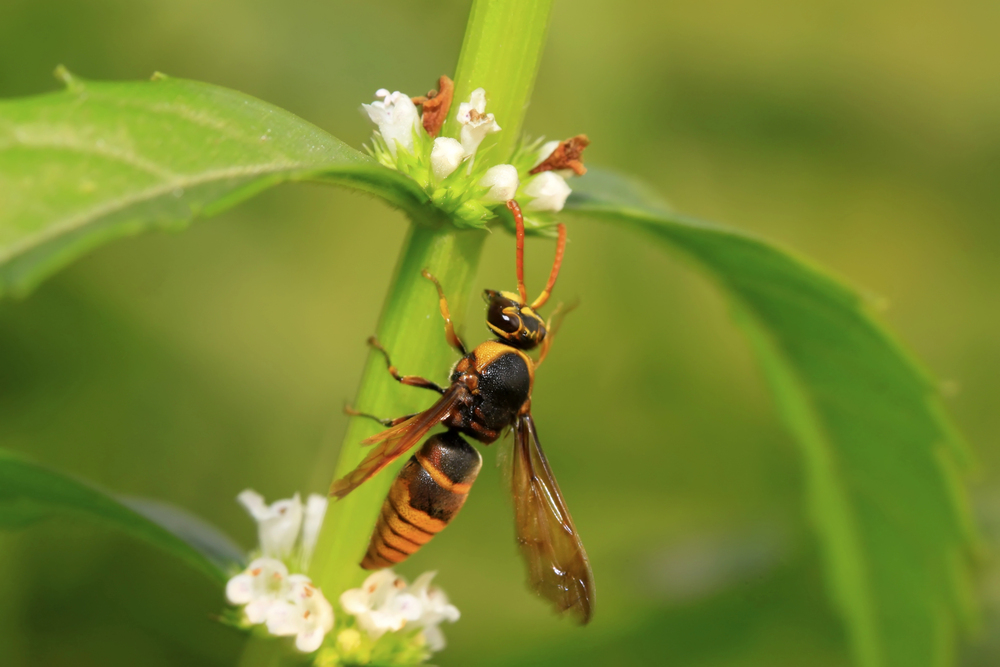
All these traits add up to make hornets one of the nastiest invasive species problems scientists deal with today. Their ability to adapt, spread, and dominate ecosystems is a real threat to both wild nature and human stuff.
Understanding what these things can do is crucial for figuring out how to stop them, but the research also shows how hard it gets to control hornet populations once they get established somewhere new.
More from Go2Tutors!

- 16 Historical Figures Who Were Nothing Like You Think
- 12 Things Sold in the 80s That Are Now Illegal
- 15 VHS Tapes That Could Be Worth Thousands
- 17 Historical “What Ifs” That Would Have Changed Everything
- 18 TV Shows That Vanished Without a Finale
Like Go2Tutors’s content? Follow us on MSN.