Influential Television Shows of the 90s
The 1990s didn’t just give us great television.
It fundamentally rewired what the medium could be.
Before streaming services and prestige dramas became the norm, a handful of shows broke through the noise and changed everything.
They introduced complex storytelling, pushed boundaries on what could be discussed in living rooms across America, and created cultural moments that still echo today.
Some made us laugh until our sides hurt.
Others kept us up at night theorizing about conspiracies. A few managed to do both.
The decade’s best shows weren’t just entertainment.
They were water cooler necessities, appointment viewing before anyone called it that.
Here’s a closer look at the shows that defined the decade and shaped everything that came after.
Seinfeld
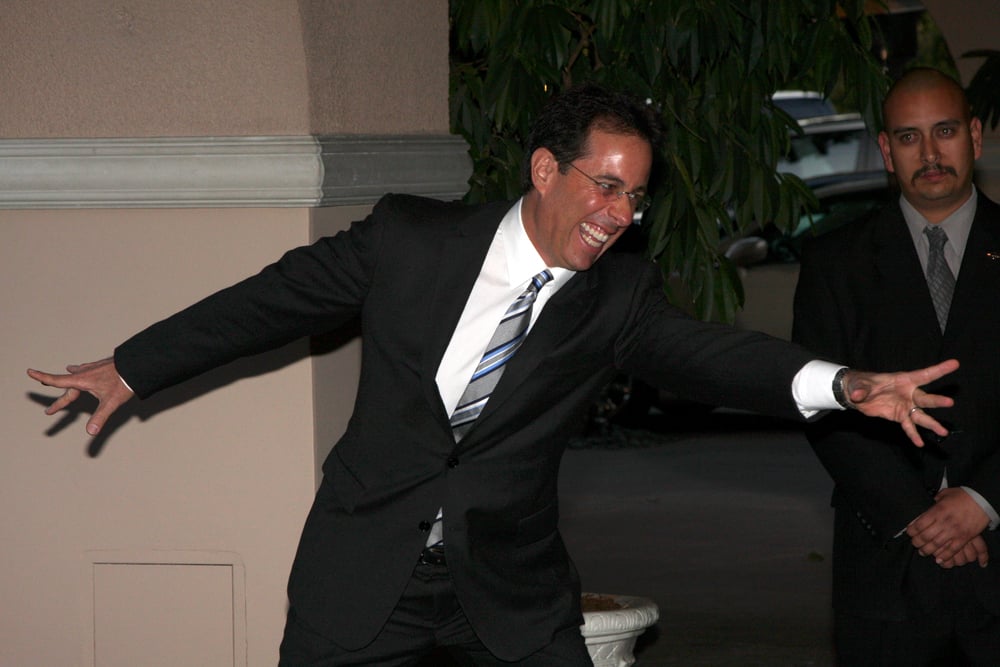
It’s accurate but somehow inadequate to describe Seinfeld as influential.
Much like describing the sun as warm.
By transforming ordinary observations about everyday life into a cultural phenomenon, the show about nothing became everything and redefined what sitcoms could achieve.
David Larry and J. Seinfeld’s production did not rely on sentimental scenes or ethical teachings.
Rather, it extolled selfishness, pettiness, and the ridiculous neuroses that define humanity.
For its time, the show was groundbreaking in its willingness to allow its characters to be truly unlikeable and to suffer real repercussions.
As demonstrated in the series finale.
Seinfeld’s language and structure were what really made it revolutionary.
The concept of interconnected storylines that unexpectedly converged was made popular by it.
This technique, which seems commonplace today, was revolutionary in the early 1990s.
The show also mercilessly introduced terms like “close talker,” “low talker,” “re-gifter,” “double-dipper,” and dozens more into the American language.
Even now, most people can quickly understand what you mean when you mention the Soup Nazi or use the phrase “yada yada yada.”
Although the show ended in 1998, its influence can still be seen in almost all subsequent comedies.
The X-Files
The X-Files arrived in 1993 and tapped into something deeper than just aliens and government conspiracies.
It captured the zeitgeist of millennial anxiety and mistrust.
Chris Carter’s series about FBI agents Mulder and Scully investigating paranormal phenomena became a template for serialized mystery storytelling on television.
The show’s genius lay in its balance between mythology episodes that advanced the alien conspiracy arc and standalone “monster of the week” installments that allowed casual viewers to jump in anytime.
This structure influenced everything from Lost to Stranger Things.
Beyond its narrative innovations, The X-Files proved that genre television could be legitimately prestigious.
Gillian Anderson and David Duchovny brought depth and chemistry to characters that could have been one-dimensional archetypes.
The believer and the skeptic.
The show tackled paranoia, faith, science, and government overreach with a sophistication that elevated what network television could achieve.
It also demonstrated that audiences would follow complex, ongoing storylines if the payoff felt worth it.
The show’s aesthetic—dimly lit, atmospheric, perpetually rainy—became instantly recognizable and widely imitated.
Friends
Few shows have maintained cultural relevance quite like Friends.
What started as a mid-90s sitcom about six twentysomethings in New York became a global phenomenon that continues to dominate streaming platforms decades later.
The show’s influence extends far beyond its ten-season run.
It essentially created the template for ensemble comedies focused on found family rather than biological relatives.
The concept of your friends serving as your primary support system resonated with a generation moving to cities, delaying marriage, and redefining adulthood.
Friends also revolutionized how television characters could evolve while maintaining their core traits.
Ross, Rachel, Monica, Chandler, Joey, and Phoebe went through genuine changes—relationships, careers, personal growth—without losing what made them funny.
The show’s writers understood that character development and comedy aren’t mutually exclusive.
Its influence on popular culture remains staggering. The Rachel haircut, Central Perk as an aspirational hangout, and catchphrases like “How you doin’?” and “We were on a break!”
The show’s ability to balance humor with genuine emotion set a standard that countless sitcoms have tried to replicate.
The Sopranos
Though The Sopranos premiered in January 1999, technically making it a late-90s arrival, its impact on television cannot be overstated.
David Chase’s HBO drama about a New Jersey mob boss seeing a therapist shattered every preconception about what television could be.
The show brought cinematic quality to the small screen, with film-level production values, complex moral ambiguity, and character depth that rivaled the best literature.
Tony Soprano, brilliantly portrayed by James Gandolfini, became television’s first true antihero protagonist. Someone simultaneously monstrous and sympathetic.
The Sopranos proved that television could be art, not just disposable entertainment.
It pioneered the idea that viewers would invest in deeply flawed characters without needing them to be redeemable.
The show’s willingness to embrace ambiguity, leave questions unanswered, and reject easy resolutions paved the way for every prestige drama that followed.
Without The Sopranos, there’s no Breaking Bad, Mad Men, or The Wire.
It demonstrated that audiences were sophisticated enough to handle complex narratives, psychological depth, and stories without clear heroes or villains.
The show fundamentally changed what networks and studios believed television could achieve.
ER

ER made medical dramas matter again.
Premiering in 1994, Michael Crichton’s fast-paced hospital drama revolutionized how television depicted medicine.
It eschewed the soap opera melodrama of its predecessors for gritty realism and documentary-style camerawork.
The show’s signature long takes, where cameras followed characters through the chaotic emergency room in single unbroken shots, created an immersive urgency that kept viewers on edge.
It made you feel like you were right there in the trauma bay, adrenaline pumping alongside the doctors and nurses.
What set ER apart was its commitment to authenticity and its willingness to let medicine be the star.
Medical terminology flew fast and often went unexplained.
The show trusted audiences to keep up or figure it out through context.
The ensemble cast, which launched the careers of George Clooney, Julianna Margulies, and others, portrayed medical professionals as brilliant but flawed.
They were capable of saving lives one moment and making devastating mistakes the next.
The show tackled serious issues—healthcare inequality, addiction, workplace dynamics—without preaching.
Its influence rippled through the entire medical drama genre, setting standards for realism and pacing that shows still chase today.
Twin Peaks
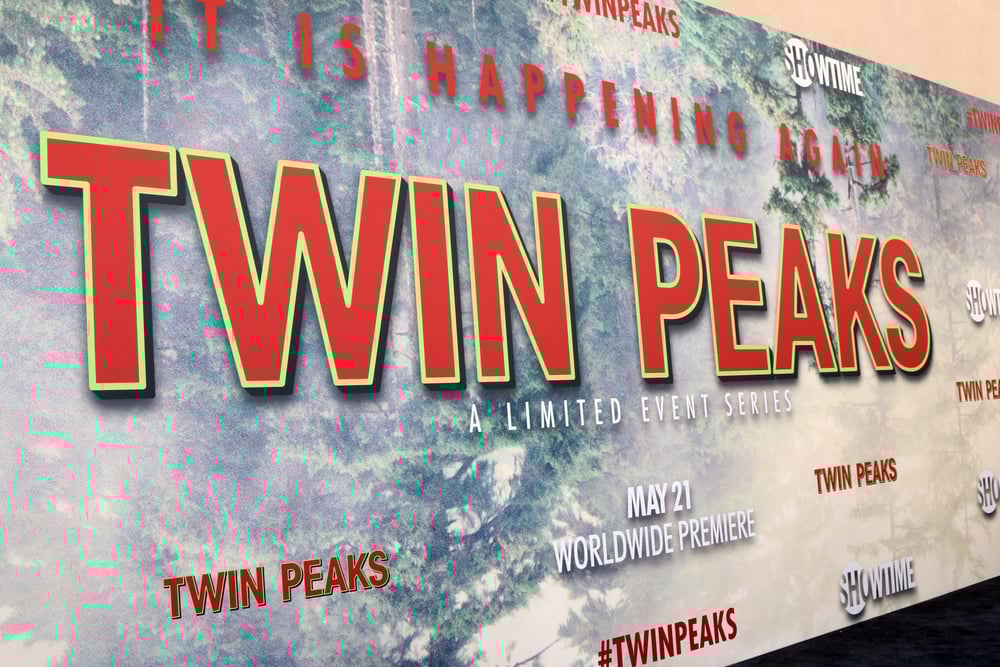
David Lynch’s Twin Peaks was unlike anything television had seen before. Honestly, unlike anything since.
The 1990 series about FBI Agent Dale Cooper investigating the murder of homecoming queen Laura Palmer in a small Washington town blended soap opera, horror, surrealism, and noir into something utterly unique.
Lynch brought his cinematic sensibilities to network television, proving that the medium could be genuinely weird, artistic, and challenging.
The show’s deliberate pacing, dream logic, and refusal to provide easy answers divided audiences but influenced generations of creators.
Twin Peaks demonstrated that television could be authored. That a distinct creative vision could shine through network constraints.
Its impact on prestige television and genre-bending storytelling cannot be overstated.
Shows like Lost, True Detective, and Stranger Things owe a clear debt to Lynch’s willingness to embrace mystery and atmosphere over resolution.
The show also proved that a passionate cult following could matter as much as massive ratings.
That lesson became increasingly relevant in the fragmented media landscape that followed.
Even its abrupt cancellation after two seasons became part of its legend.
Lynch returned for a third season in 2017 that somehow felt both timeless and perfectly timed.
The Fresh Prince of Bel-Air

The Fresh Prince of Bel-Air launched Will Smith into superstardom while delivering something network sitcoms desperately needed.
Authentic Black voices and perspectives presented with humor and heart.
The show’s premise, with a street-smart West Philadelphia teen sent to live with wealthy relatives in Bel-Air, allowed for sharp social commentary wrapped in accessible comedy.
It explored class differences, racial identity, privilege, and family dynamics without ever feeling like a lecture.
The show balanced broad physical comedy with moments of genuine emotional weight.
Particularly in episodes dealing with absent parents, racism, and violence.
What made The Fresh Prince influential was its refusal to be just one thing.
It could be silly and profound within the same episode. Sometimes within the same scene.
The show introduced audiences to a vision of Black excellence and complexity that mainstream television rarely presented.
Carlton’s preppy conservatism, Will’s street credibility, Uncle Phil’s dignified success—these weren’t stereotypes but fully realized characters representing the diversity of Black American experience.
The show’s theme song became iconic, instantly recognizable across generations.
Its influence extends beyond television into music, fashion, and broader popular culture.
It proved that representation done right resonates far beyond its initial run.
Buffy the Vampire Slayer
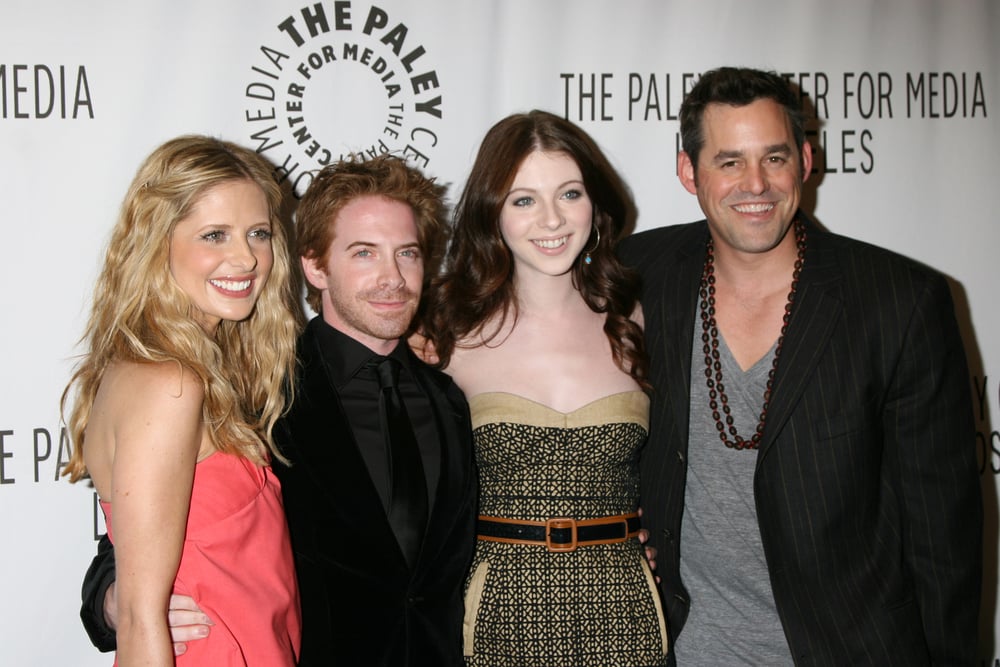
Joss Whedon’s Buffy the Vampire Slayer, which premiered in 1997, took a campy concept and transformed it into sophisticated storytelling about power, responsibility, and growing up.
The show followed teenage Buffy Summers, chosen to fight vampires and demons while navigating high school.
A premise that became a perfect metaphor for adolescent struggles.
Whedon and his writers understood that monsters could represent real fears. Rejection, heartbreak, losing yourself in a relationship, facing adulthood.
The show’s willingness to treat its teenage characters as intelligent, capable, and complex set it apart from typical teen programming.
Buffy pioneered serialized storytelling in genre television, with season-long arcs and genuine consequences that carried forward.
Characters died and stayed dead. Relationships evolved and sometimes ended badly.
The show trusted its audience to follow mythology, character development, and thematic depth simultaneously.
It also revolutionized television writing with its distinct voice—witty, self-aware, emotionally honest.
The “Buffy-speak” style of clever pop culture references and invented slang influenced countless shows afterward.
Perhaps most importantly, it proved that female-led action shows could succeed.
It paved the way for more diverse protagonists in genre television.
The show’s passionate fanbase helped demonstrate the power of online communities in keeping shows alive and relevant.
Why Television Changed Forever

The shows that dominated the 90s didn’t just entertain millions.
They proved that television could be as artistically ambitious, culturally significant, and creatively daring as any other medium.
They pushed boundaries, took risks, and trusted audiences to follow complex narratives and flawed characters into uncomfortable territory.
These weren’t shows designed to fade into background noise.
They demanded attention and rewarded it with storytelling that still holds up decades later.
The streaming era, with its prestige dramas and binge-worthy complexity, exists because these 90s pioneers demonstrated what was possible when creators stopped underestimating viewers.
Every modern show that takes risks, develops characters over seasons, or blends genres owes something to the decade that transformed the small screen into something genuinely unmissable.
More from Go2Tutors!

- The Romanov Crown Jewels and Their Tragic Fate
- 17 Halloween Costumes Once Considered Taboo
- Famous Hoaxes That Fooled the World for Years
- 15 Child Stars with Tragic Adult Lives
- 16 Famous Jewelry Pieces in History
Like Go2Tutors’s content? Follow us on MSN.



