15 Foods the Titanic Served
When the Titanic set sail in April 1912, it carried more than 2,200 passengers and crew — and enough food to feed a small city. The ship’s kitchens were stocked with tens of thousands of pounds of meat, fish, produce, and specialty ingredients.
First-class passengers dined like royalty. Third-class passengers ate better than they would have back home.
And everyone, in some way, sat down to meals that reflected the ambitions of a ship that was supposed to be the greatest ever built. Here’s a look at 15 foods that actually appeared on the Titanic’s menus.
Oysters

First-class passengers started their meals with oysters. Fresh, chilled, served on ice — it was the kind of opener that set the tone for everything that followed.
Oysters were a staple of Edwardian fine dining, and the Titanic’s kitchens spared nothing to deliver them properly.
Consommé Olga

This was a rich, clarified beef broth served as a soup course in first class. The name sounds theatrical, and the preparation matched — consommé takes patience to make right, involving slow-cooked stock that gets strained until it runs perfectly clear.
It was the kind of dish that separated a serious kitchen from an ordinary one.
Poached Salmon with Mousseline Sauce

Salmon appeared on the first-class dinner menu on the night of April 14, 1912 — the night the ship hit the iceberg. Served with a mousseline sauce, which is essentially hollandaise lightened with whipped cream, it was a delicate and refined course.
The contrast between its elegance and what was about to happen that night is hard to ignore.
Filet Mignons Lili

One of the signature meat dishes from the final first-class dinner. This was a beef tenderloin served with artichoke hearts, truffle, and foie gras.
French-inspired, labor-intensive, and expensive. The Titanic’s head chef, Charles Proctor, ran a kitchen capable of pulling off dishes like this at scale, which is remarkable in itself.
Chicken À La Maryland
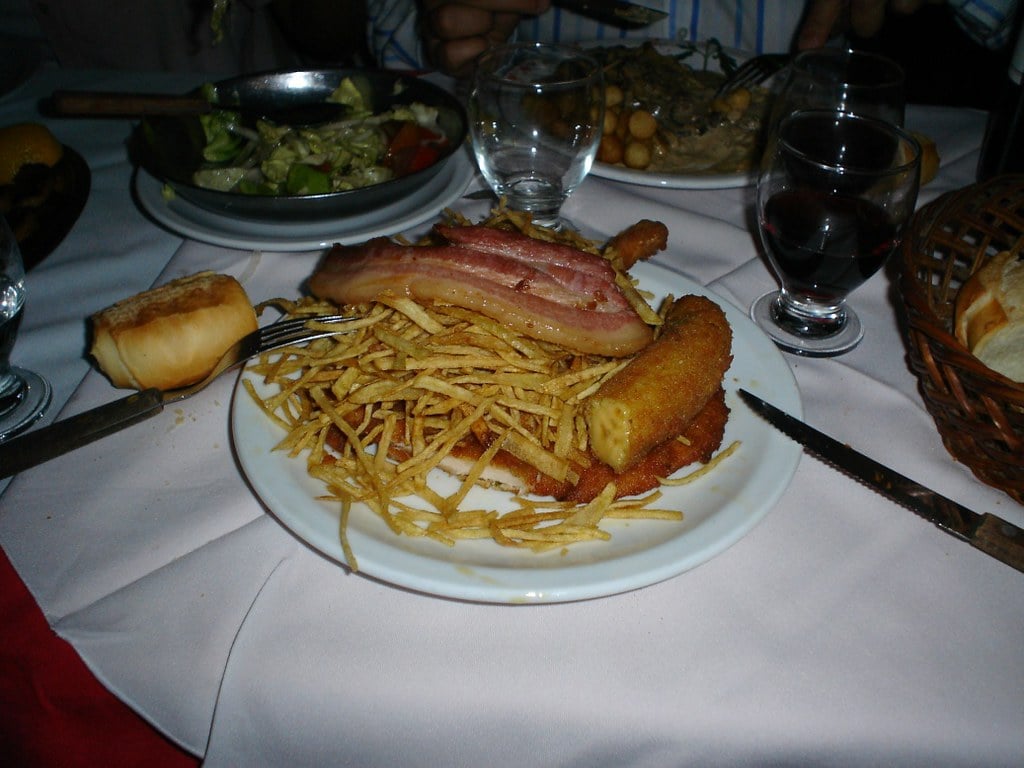
This American-style dish — fried chicken with cream gravy, corn fritters, and sometimes bananas — found its way onto both the first-class and second-class menus. It shows how the kitchens catered to different tastes, mixing classic European dishes with crowd-pleasers that passengers from the United States would recognize.
Lamb with Mint Sauce

A straightforward, traditional British preparation that appeared frequently on the Titanic’s menus across classes. Roasted lamb with mint sauce was comfort food for English passengers, the kind of dish that felt like home.
Second-class passengers in particular received generous portions of well-prepared traditional meats throughout the voyage.
Roast Duckling with Apple Sauce

Duck appeared on several menus during the crossing. Roasted to order and served with apple sauce, it was a classic pairing that required both skill and timing.
The Titanic carried live poultry in coops on the lower decks, so much of the poultry served to passengers was genuinely fresh.
Grilled Mutton Chops
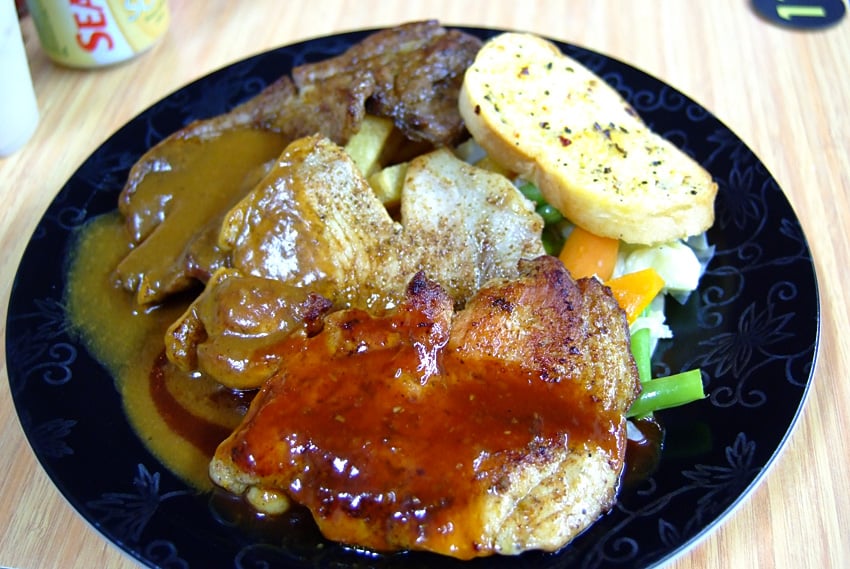
Third-class passengers often get overlooked in conversations about Titanic food, but the reality is they ate reasonably well. Grilled mutton chops appeared on the third-class breakfast menu.
By the standards of working-class life in 1912, getting a proper meat breakfast at sea was not a given — the Titanic’s third-class fare was considered notably decent for the era.
Potatoes — Every Possible Way
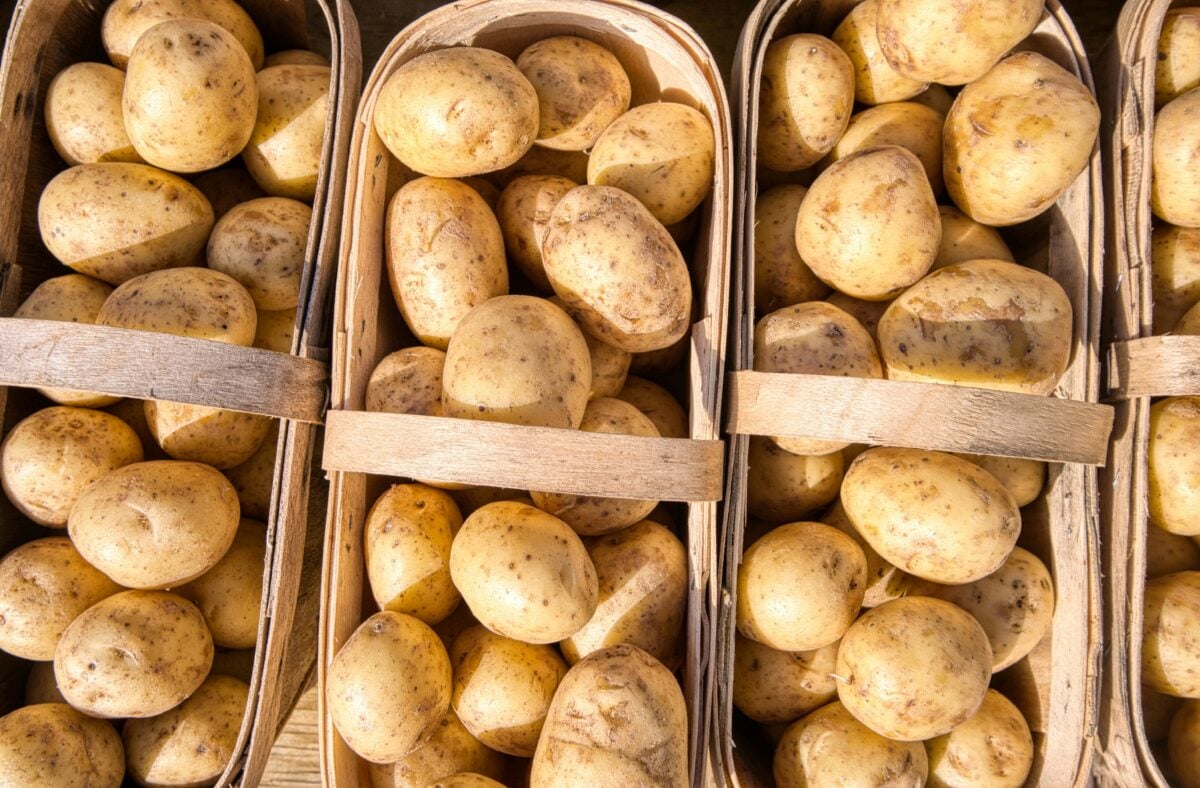
The Titanic served potatoes in more forms than most restaurants today. Boiled, roasted, fried, mashed, creamed, au gratin — they appeared at nearly every meal across every class. The ship carried tens of thousands of pounds of potatoes for the crossing.
There’s something almost grounding about that. No matter how elaborate the rest of the menu got, potatoes were always there.
Waldorf Pudding

This dessert, inspired by the famous Waldorf salad, appeared on the first-class menu and combined apples, walnuts, and cream in a cold pudding format. It was named after the Waldorf-Astoria Hotel in New York — the very city the Titanic was heading toward.
A small irony, sitting there on the dessert menu.
Éclair au Chocolat
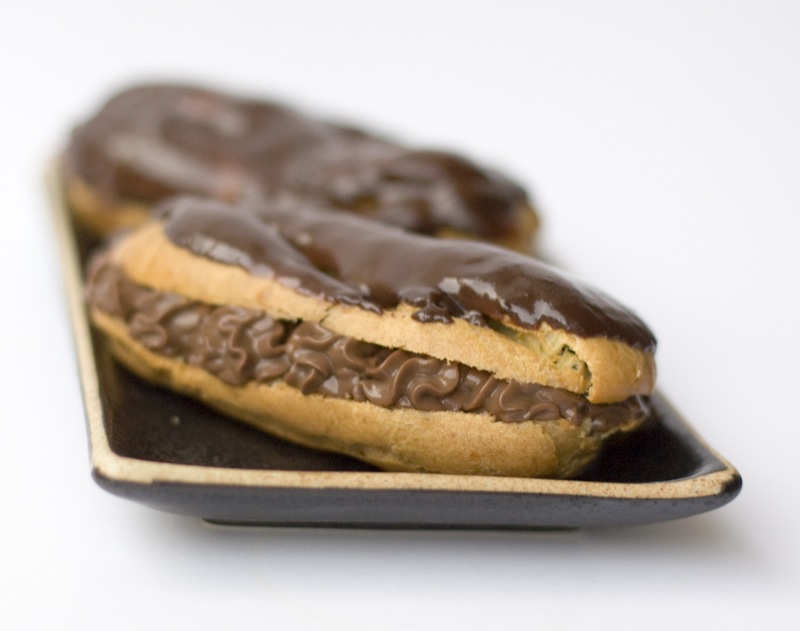
Chocolate éclairs brought a taste of France aboard the Titanic. A special kitchen existed just for pastries, meant only for first-class guests.
Because of it, desserts like petits fours and layered cakes arrived with care. Each sweet ending felt intentional, not simply part of the routine.
The meals carried thoughtfulness through details such as these.
Punch Romaine
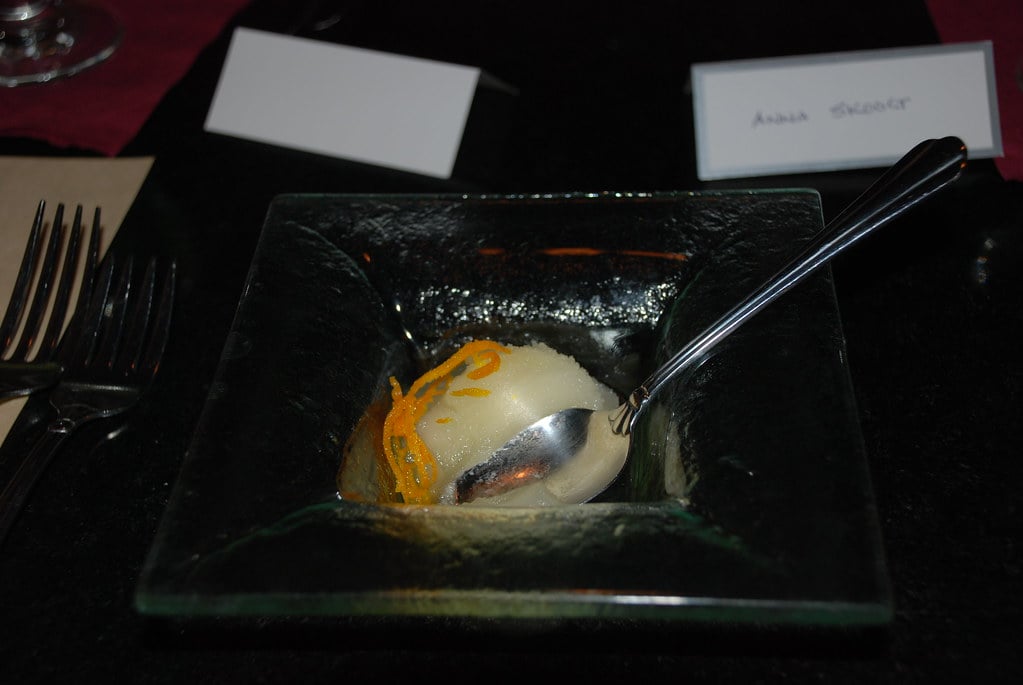
A single spoonful sat cool against the tongue, placed just so between heavier dishes on that final first-class menu. Not quite sweet, not quite sharp – champagne swirling with rum, softened by orange juice, lifted with froth from eggs whipped long and hard.
White wine curled through the mix, giving it depth without weight. Halfway to dessert, yet closer to a drink poured after dark.
Survivors brought it up later, unprompted – the cold brightness of it lingering in memory more than hours spent waiting in lifeboats.
Fresh Bread and Hardtack

Midnight flour dust still hung in the air below decks. First and second class passengers found soft bread at their meals, made fresh every morning.
Third class ate harder fare – thick, dry sea biscuits built to last weeks without spoiling. A roll steaming on a plate meant comfort was near.
Crack one of those flat crackers open and you tasted what it felt like to be far from luxury. What people chewed through said more than menus ever did.
Plum Pudding

Midway through April 1912, every large ship leaving Britain saved space for plum pudding. Heavy, nearly black, studded with raisins and candied peel – its scent laced with clove, warm like old kitchens.
Onboard the Titanic, they poured a glossy syrup beside each portion, offering it from first to third class alike. One bite, somehow held centuries of Sunday dinners, empire, and steam-powered journeys at once.
Ice Cream

On the first-class menu, ice cream appeared alongside other dishes, while simpler versions turned up in different areas of the ship. Cold storage aboard the Titanic worked well enough to preserve milk-based treats during the entire journey.
Folks who’d traveled on earlier vessels found this kind of freshness surprising. Kids onboard, particularly those staying in third class, likely saw scoops of dessert as one of their favorite moments.
The Menu That Survived the Sinking

The thing that stands out about Titanic meals? Not their quality alone. How they reveal 1912 – social gaps, big dreams, the quiet belief that disaster couldn’t happen.
That evening, someone in first class faced ten dishes one after another. Someone below decks got hearty food – more reliable than many knew back in their own kitchens.
Now they’re held in glass cases, these slips of inked paper. Pockets saved some when hands slipped them away during quiet moments.
Salt water gave up others years after waves pulled everything under. Time turned up more at dusty auctions where old things change hands.
A meal begun like any other on open water ended unlike anything before it. Something about the meal felt true.
Those sitting at the table, chewing, laughing, passing bowls – they weren’t acting. It sticks in your mind, that kind of honesty.
More from Go2Tutors!

- The Romanov Crown Jewels and Their Tragic Fate
- 13 Historical Mysteries That Science Still Can’t Solve
- Famous Hoaxes That Fooled the World for Years
- 15 Child Stars with Tragic Adult Lives
- 16 Famous Jewelry Pieces in History
Like Go2Tutors’s content? Follow us on MSN.



