18 Stores That Were Considered “Cool” for Teens in the ’80s and ’90s
The shopping mall was the ultimate teen hangout spot during the ’80s and ’90s. Before online shopping existed, teenagers flocked to these retail palaces to spend their allowance, socialize with friends, and establish their identity through what they purchased.
The right shopping bag from the right store could instantly boost your social status.
Here is a list of 18 retailers that defined the teen shopping experience during this golden age of mall culture.
The Gap
Once the epitome of casual cool, The Gap transformed from a basic jeans store into a cultural phenomenon during the ’80s and ’90s. Their minimalist aesthetic and those iconic commercials featuring celebrities in simple white tees and denim created an aspirational yet attainable brand image.
The pocket tee was practically a uniform for teens looking to fit in while standing out just enough.
Hot Topic
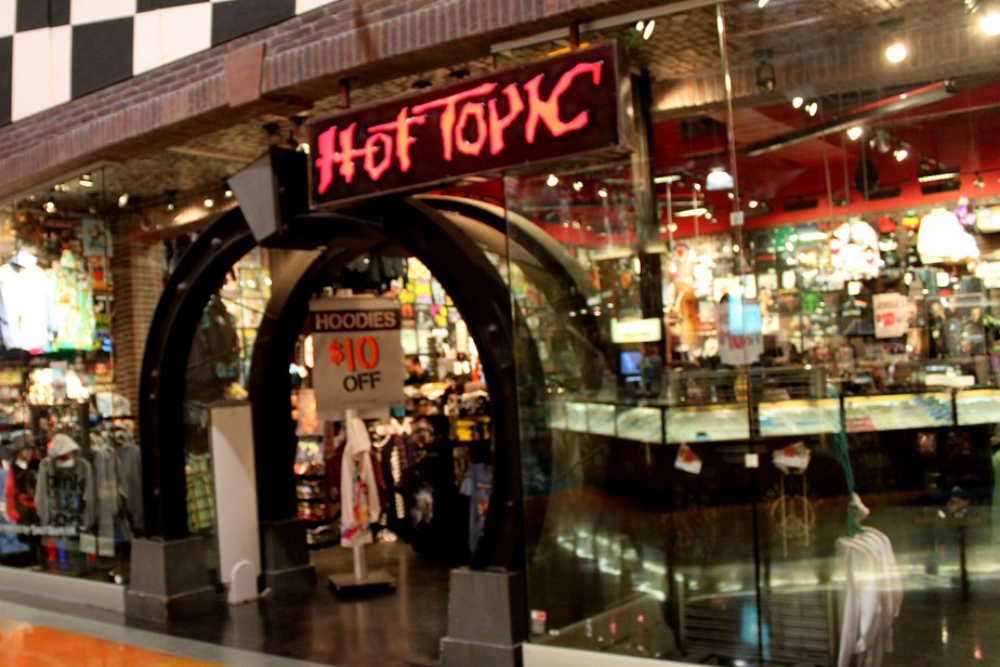
This dark, loud store was the sanctuary for alternative teens who loved everything from goth to punk to anime. Walking into Hot Topic meant being greeted by pounding music, black walls, and merchandise that parents simply didn’t understand.
It became the go-to destination for band tees, studded accessories, and hair dye in colors that would make your school principal nervous.
Like Go2Tutors’s content? Follow us on MSN.
Contempo Casuals
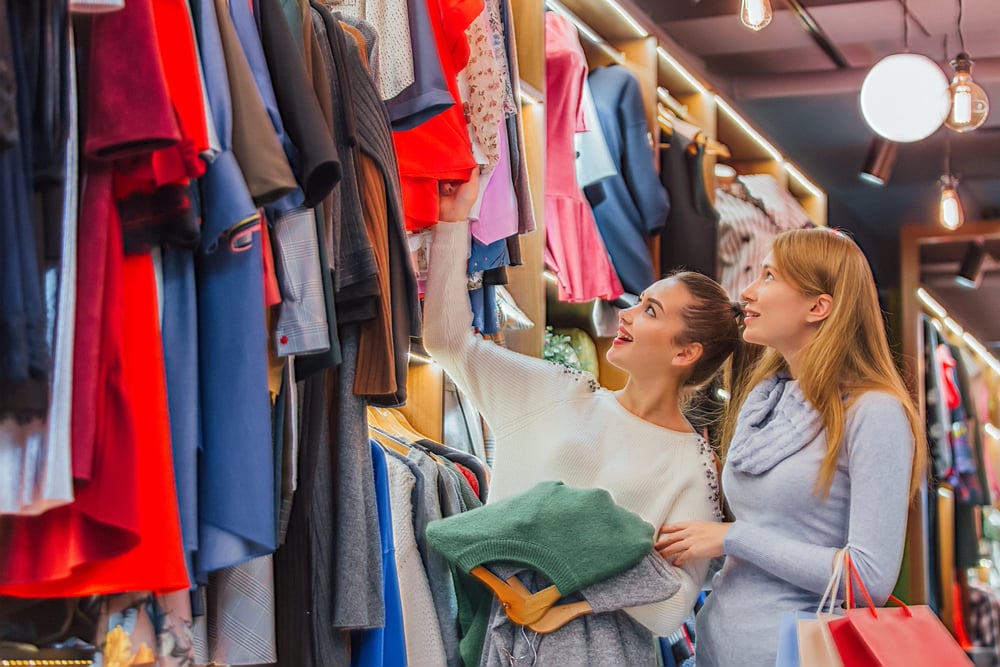
Before fast fashion was a concept, Contempo Casuals offered trendy clothes that wouldn’t break the bank. The store mastered the art of turning runway looks into mall-friendly versions that suburban teens could actually afford.
Their colorful, fashion-forward pieces were essential for any girl wanting to recreate outfits inspired by ‘Clueless’ or ‘Beverly Hills, 90210.’
Sam Goody
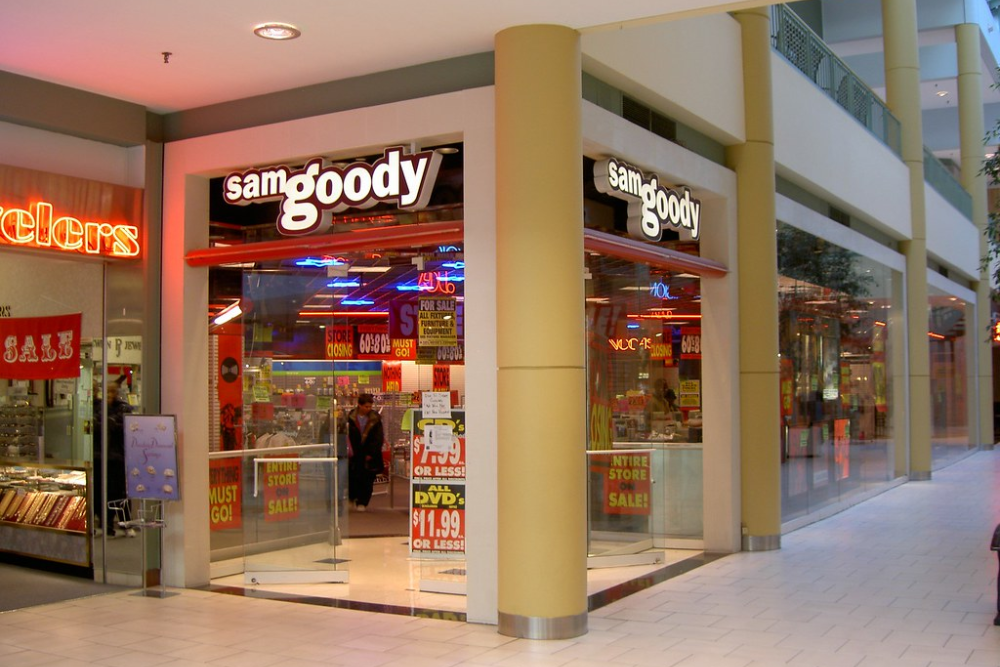
This music retailer was where teens spent hours flipping through CDs and cassettes before the digital revolution changed everything. The excitement of purchasing a new album, unwrapping the plastic, and studying the liner notes on the ride home was a ritual that defined musical discovery.
Sam Goody’s listening stations allowed you to sample new music before committing your hard-earned cash.
Spencer Gifts
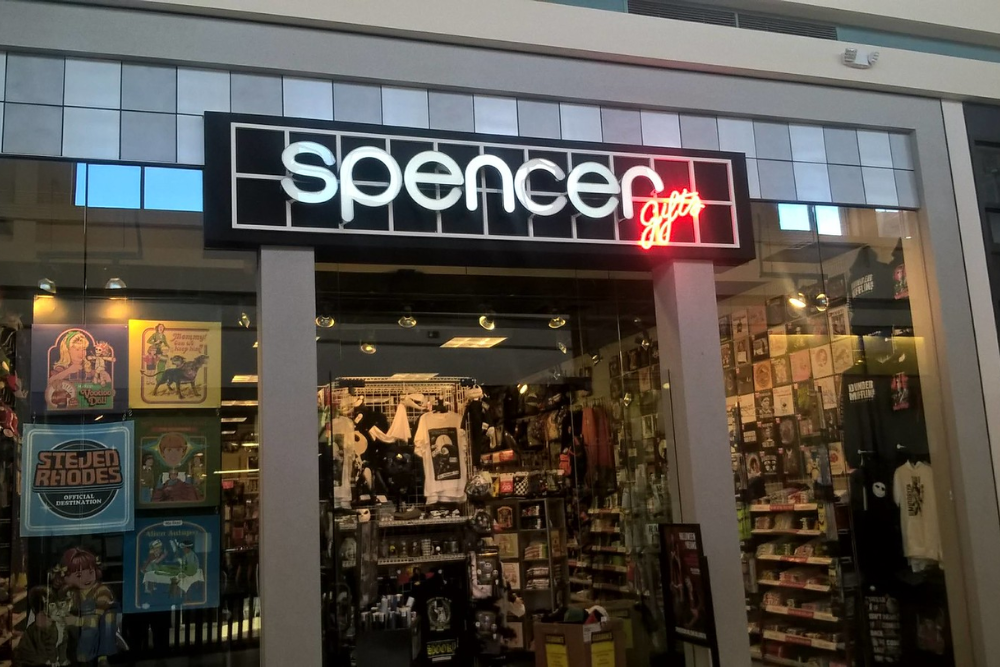
Half gag gift shop, half teenage wasteland, Spencer’s was where kids went when their parents weren’t watching. The front of the store featured novelty items and pop culture merchandise, but everyone knew the back section housed more risqué items that pushed the boundaries of what was appropriate for younger shoppers.
Those black light posters were a staple in many teenage bedrooms.
Like Go2Tutors’s content? Follow us on MSN.
Limited Too
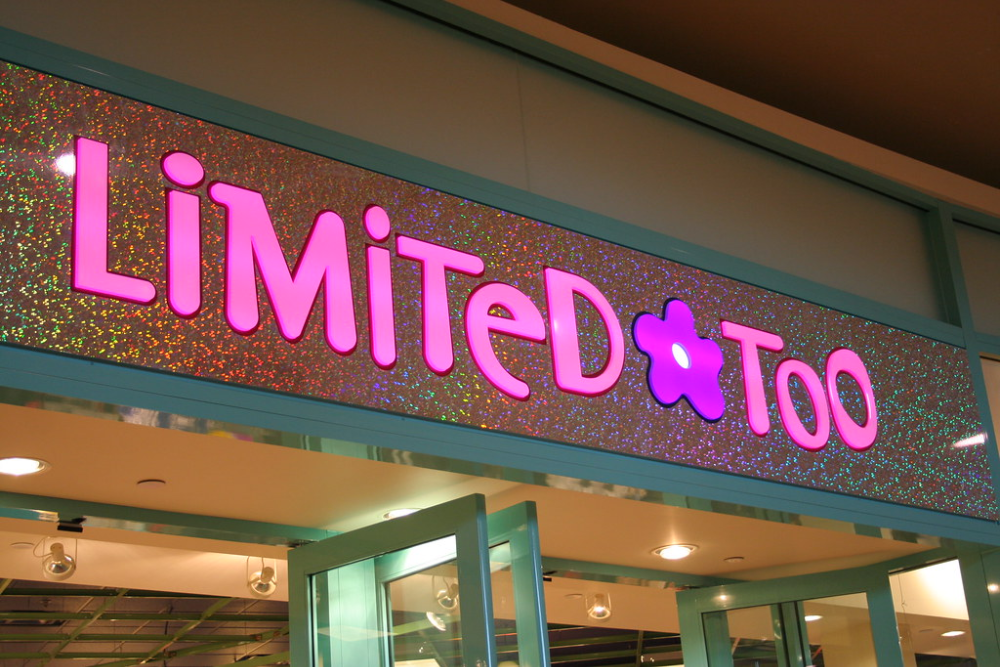
The ultimate tween girl destination before graduating to more mature stores. Limited Too’s pastel paradise offered glittery tops, scented everything, and accessories covered in butterflies and stars.
Their clothing frequently featured embellishments that sparkled, jingled, or changed color, creating a sensory experience as much as a shopping one.
Structure
Before becoming Express Men, Structure was where fashion-conscious teenage boys shopped for clothes that made them look more sophisticated than they actually were. The store offered a step up from casual wear but wasn’t as formal as department store options.
Their button-downs and sweaters helped many young men navigate their first school dances and dates.
Wet Seal

This retailer mastered the art of affordable trend cycles, offering styles that captured the essence of what was popular without the designer price tags. Wet Seal was particularly skilled at creating knockoffs of celebrity outfits seen in music videos and teen movies.
Their dresses and tops were staples at high school dances across America.
Like Go2Tutors’s content? Follow us on MSN.
Gadzooks
With its loud music and edgy merchandise, Gadzooks positioned itself as the cool alternative to more mainstream teen retailers. The store carried brands that helped teens express their individuality while still remaining acceptable to the larger peer group.
Their selection of graphic tees and unique accessories made them a mall favorite for those seeking something slightly different.
Delia’s
Perhaps best known for its iconic catalog that circulated through teenage hands like contraband, Delia’s eventually expanded to physical stores that captured the same quirky, youthful aesthetic. Their platform shoes, baby doll dresses, and playful accessories defined a certain brand of ’90s girlhood.
Getting the Delia’s catalog in the mail was cause for celebration in many teenage bedrooms.
Miller’s Outpost
This casual clothing store later rebranded as Anchor Blue but was originally known for providing affordable basics with a Western touch. Miller’s Outpost was where many teens purchased their first pair of ‘real’ jeans.
Their denim selection was extensive for the time, offering different washes and cuts when such variety wasn’t common at youth-oriented retailers.
Like Go2Tutors’s content? Follow us on MSN.
Pacific Sunwear (PacSun)
PacSun brought California surf and skate culture to malls across America, making teens in Minnesota feel connected to the coastal lifestyle. The store’s bright, airy atmosphere and casual cool merchandise offered an escape from everyday suburban life.
Their board shorts, graphic tees, and flip-flops became the unofficial uniform of summer for an entire generation.
Abercrombie & Fitch
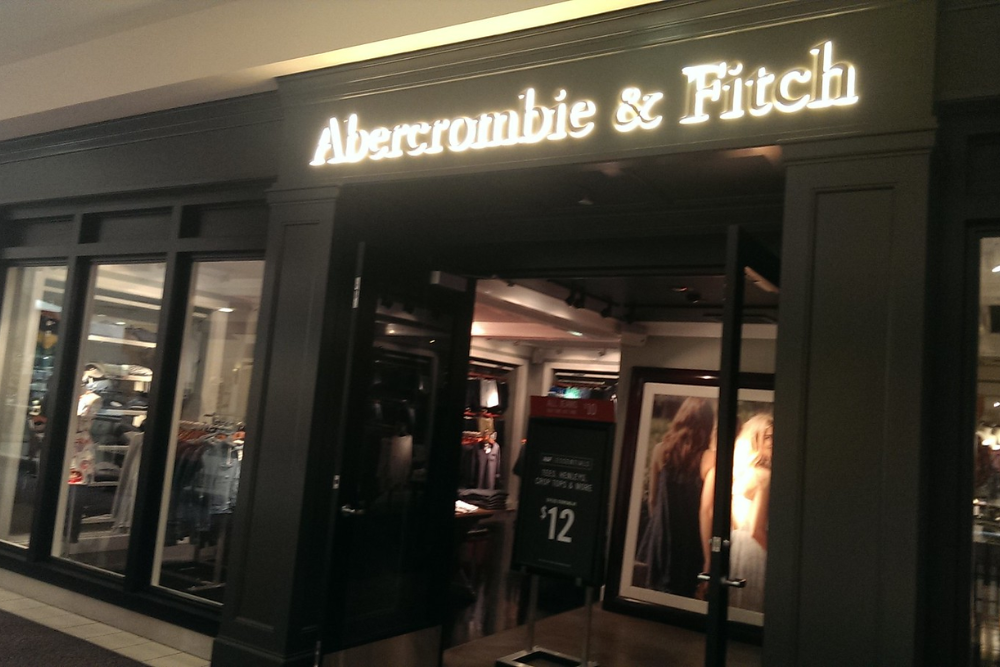
After reinventing itself from an outdoor outfitter to a teen fashion destination, A&F became notorious for its dimly lit stores, pounding music, and provocative marketing. The cologne that wafted from their stores could be detected from halfway across the mall.
Wearing their moose logo was a status symbol that immediately identified you as part of a certain social group.
Journeys
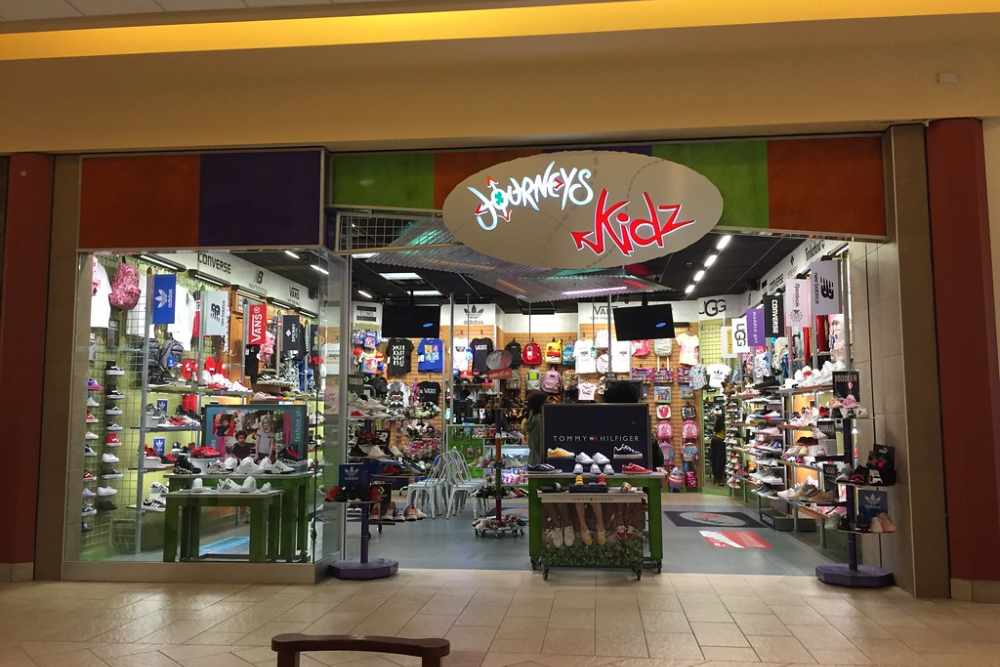
This footwear retailer became the destination for teens seeking alternative shoes beyond what athletic stores offered. Journeys introduced many suburban kids to brands like Vans, Doc Martens, and Airwalk, helping them dip their toes into counter-culture through relatively safe means.
Their wall of shoes represented different identity options for teens figuring out who they wanted to be.
Like Go2Tutors’s content? Follow us on MSN.
Electronics Boutique
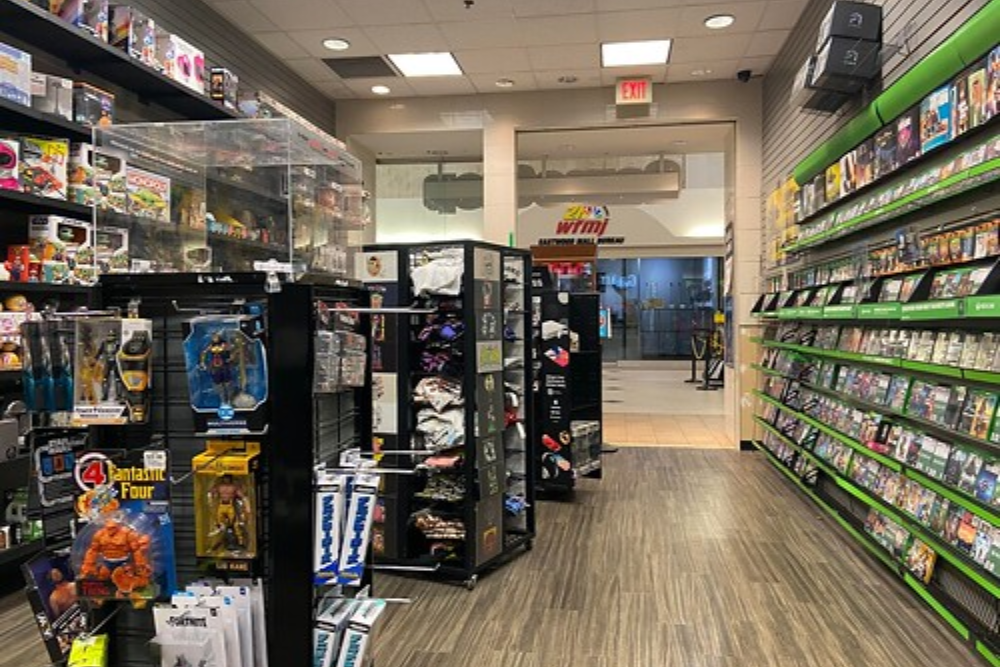
Before becoming GameStop, Electronics Boutique was the promised land for teenage gamers. The small stores packed with video games, accessories, and gaming magazines served as community hubs where tips were exchanged and new releases were hotly anticipated.
The transparent plastic bags with their distinctive logo were badges of honor in school hallways.
Claire’s
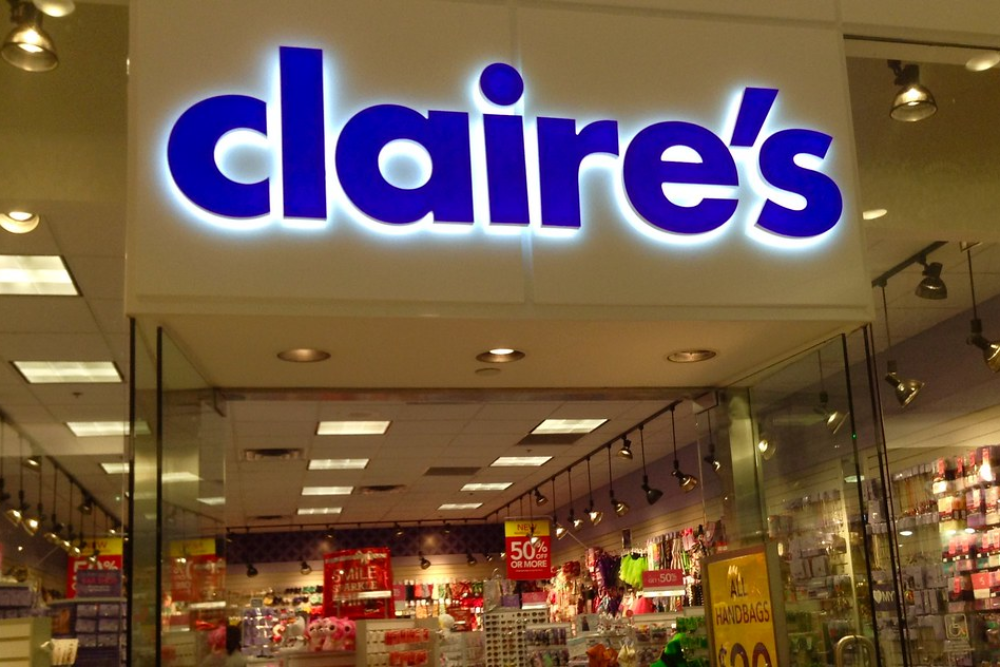
This accessory haven was often a girl’s first independent shopping experience. Claire’s ear-piercing service was a rite of passage, and their affordable jewelry allowed young people to experiment with styles without significant investment.
The tiny store somehow managed to stock thousands of items from plastic chokers to temporary tattoos to friendship bracelet kits.
Suncoast Motion Picture Company
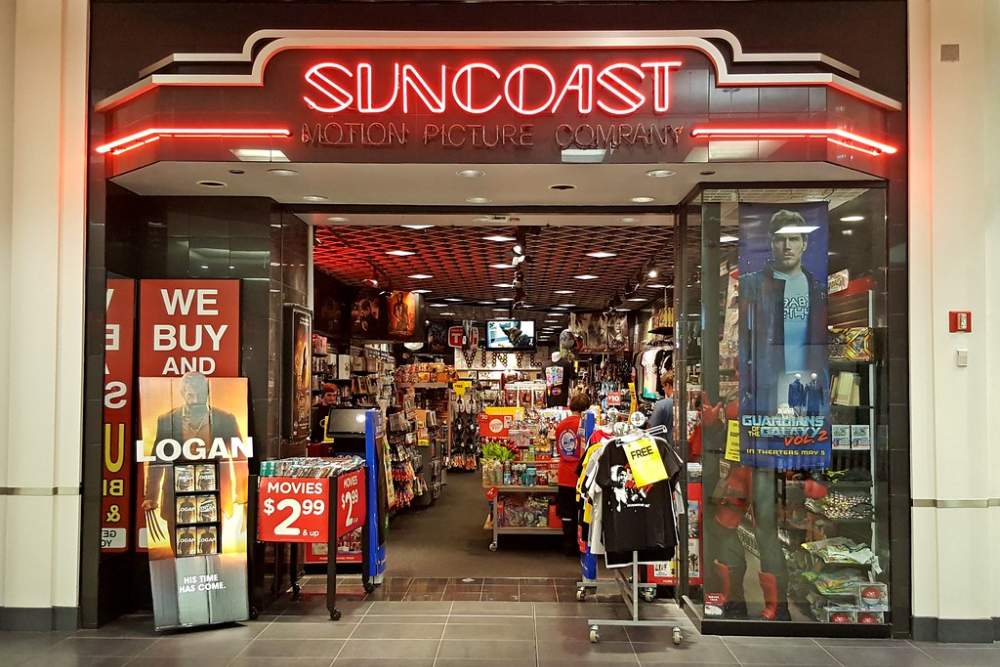
Before streaming services, Suncoast was where film-loving teens built their VHS and DVD collections. The store specialized exclusively in movies when such focus was unusual, making it a destination for those developing more sophisticated media tastes.
Their display cases featuring special editions and box sets were objects of desire for many budding cinephiles.
Like Go2Tutors’s content? Follow us on MSN.
Merry-Go-Round
With its flashy, trend-driven merchandise, Merry-Go-Round catered to teens who wanted to make a statement. The store specialized in club wear and fashion-forward pieces that pushed the boundaries of typical mall offerings.
Their neon colors and bold patterns helped many teenagers of the era develop their unique style voice, for better or worse.
When Malls Were Kingdoms
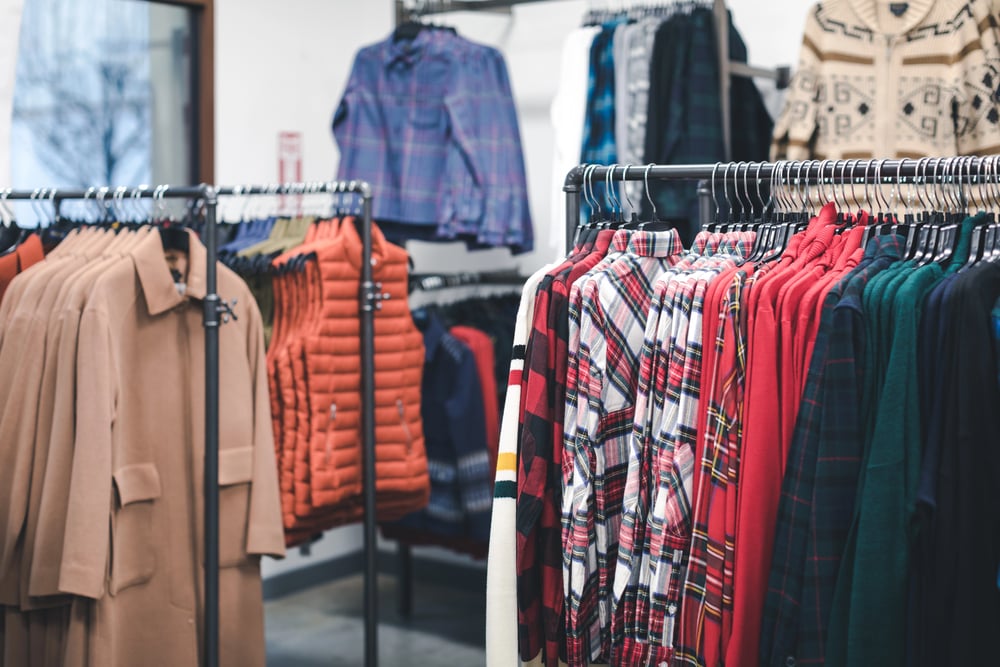
These stores weren’t just places to shop—they were cultural institutions that helped shape generational identity. Today’s teens may have unlimited options online, but they’ll never experience the thrill of seeing a friend across a crowded food court or the satisfaction of walking through the mall with bags from the ‘right’ stores.
While fashion and shopping habits have evolved dramatically since then, the influence of these retail pioneers continues to echo in today’s nostalgia-driven market trends.
More from Go2Tutors!

- 18 Unexpectedly Valuable Collectibles You Might Have Lying Around
- 15 Things Every Teenager in the ’70s Did That Teens Today Wouldn’t Understand
- 15 Strange Things People Have Tried to Ban (And Failed)
- 15 Inventions That Were Immediately Banned After Being Created
- 20 Actors Who Were Almost Cast in Iconic Roles
Like Go2Tutors’s content? Follow us on MSN.