Instagram Trends Everyone Copied
At some point, you scrolled past a post and thought: I’ve seen this exact thing fifteen times this week. That’s Instagram doing what it does best — turning one person’s idea into a format, and a format into something inescapable.
Some of these trends genuinely changed how people create content. Others just made every feed look identical for three months before quietly dying.
Either way, they all passed through millions of accounts like a wave, and most people jumped in without thinking too hard about why.
The Flat Lay
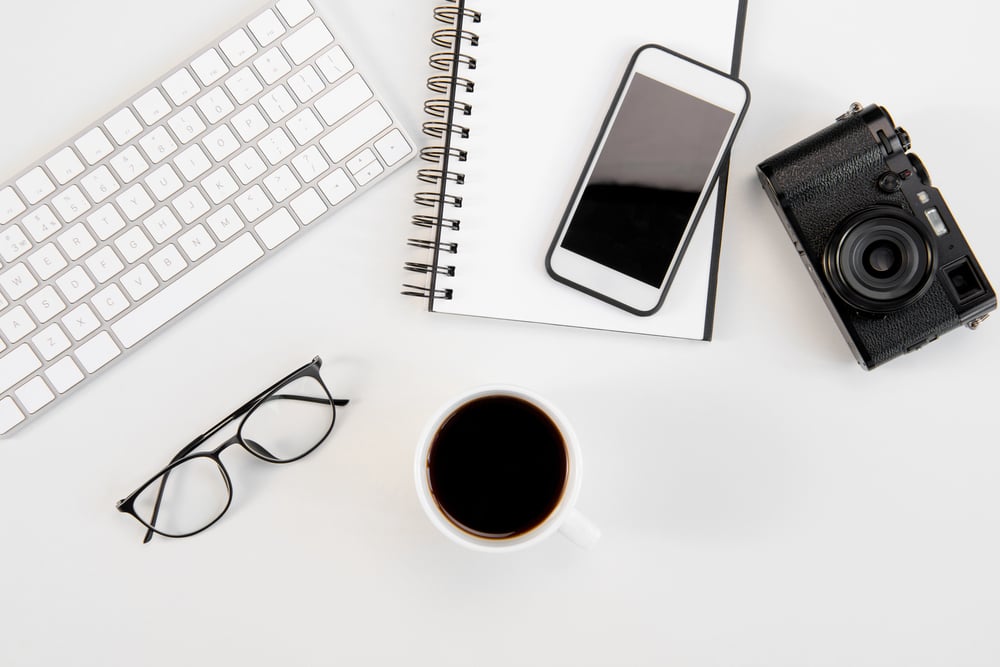
Long before Reels existed, the flat lay ruled Instagram. You’d arrange your coffee, your notebook, your glasses, and maybe a small plant on a white surface, then shoot straight down from above.
Food bloggers did it with brunch plates. Fashion accounts did it with outfit components.
Stationery lovers did it with pens and planners. At its peak, the flat lay was basically the default mode for product photography on the platform.
The style was clean, easy to replicate, and endlessly adaptable — which is exactly why it spread so far and eventually started to feel exhausted.
The Orange and Teal Colour Grade

There was a period where almost every lifestyle photo on Instagram had the same warm orange skin tones and cool teal shadows. This colour grade came from cinematic film editing and got borrowed wholesale into the preset culture that exploded around 2016 and 2017.
Preset packs sold for real money. Influencers built entire feeds around a consistent warm-cool split. The look was polished and photogenic, but once you learned to see it, you couldn’t unsee it — every beach photo, every coffee shop shot, every golden hour portrait processing through the same invisible filter.
Millennial Pink Everything
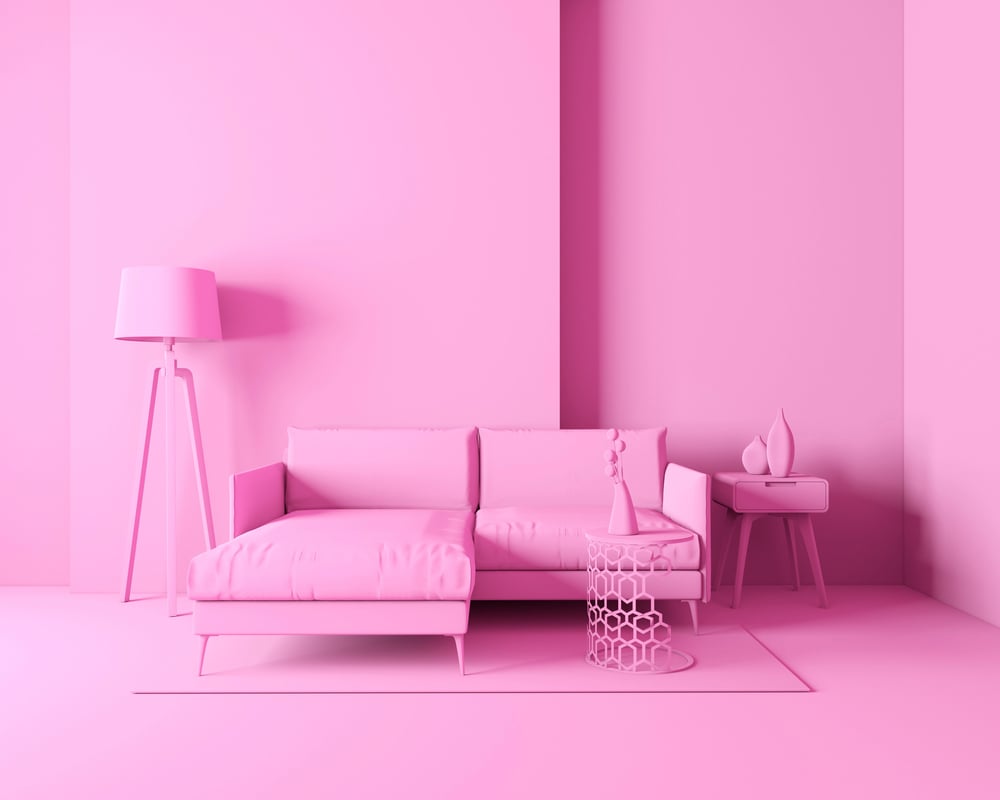
For a few years, pink wasn’t just a colour — it was a personality. The specific shade was warm, dusty, and very particular: not bubblegum, not hot pink, but something closer to a faded blush.
It turned up everywhere. Walls in cafes were repainted to attract photos.
Packaging was redesigned around it. Clothing brands leaned hard into it.
Instagram accounts built entire aesthetics on collections of pink objects, pink food, and pink interiors. The trend had a good run before tipping into self-parody, but while it lasted, it genuinely shaped the visual direction of an enormous amount of content.
The “What I Eat in a Day” Format
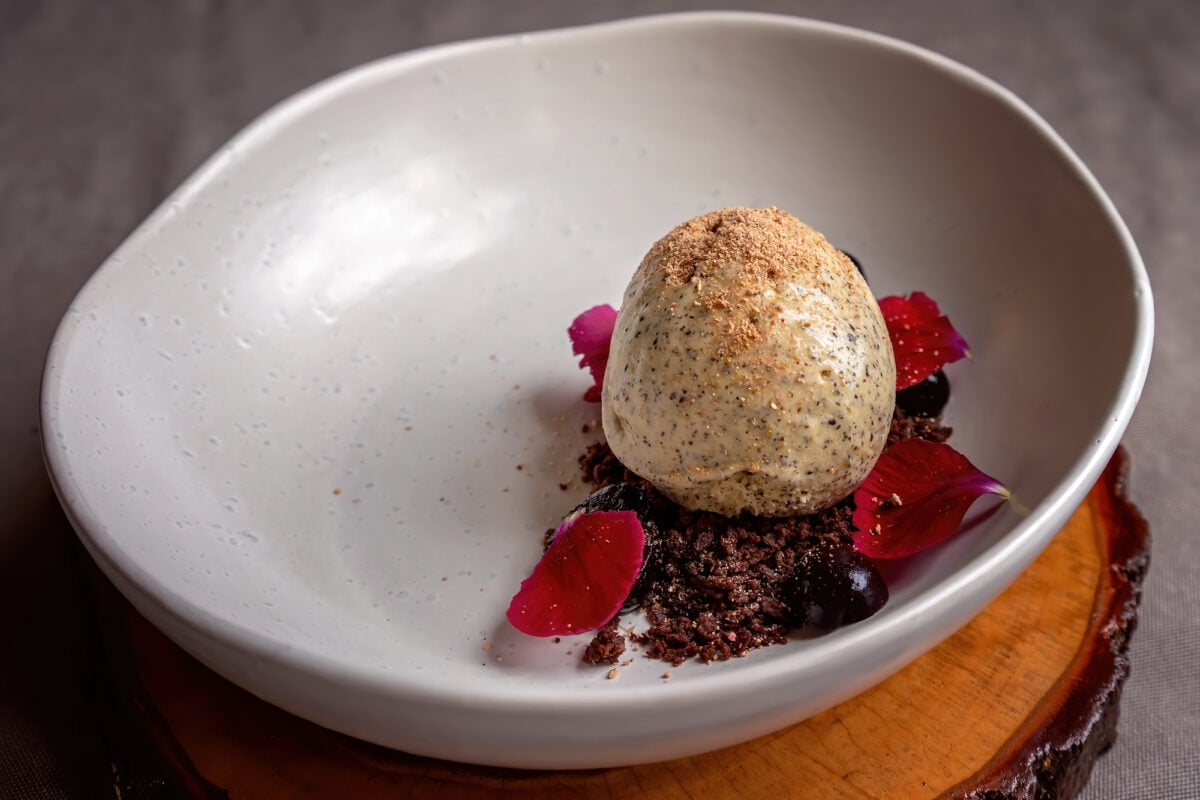
Food content has always lived comfortably on Instagram, but the “what I eat in a day” format became its own genre. The formula was consistent: breakfast shot, mid-morning snack, lunch, afternoon treat, dinner, maybe dessert.
Each image was styled and captioned. The format was approachable enough that almost anyone could participate — you didn’t need a recipe, just documentation.
Wellness accounts, fitness creators, and food bloggers all ran with it, and for a while it felt like half of Instagram was photographing every meal they ate.
Before and After Carousels
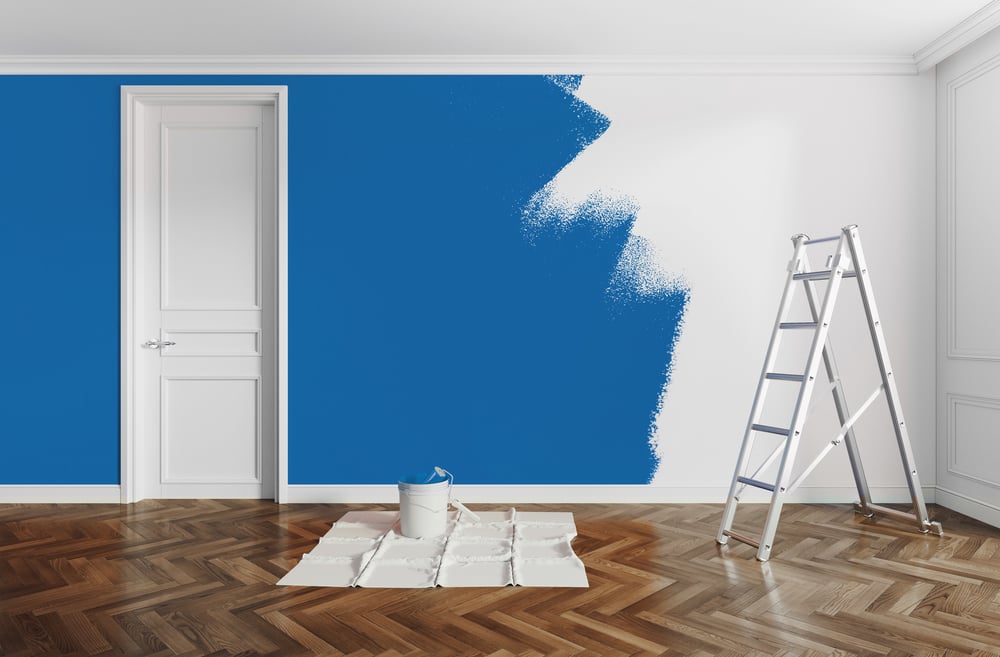
The carousel format arrived and creators immediately figured out that the swipe mechanic was perfect for reveals. Before-and-after content exploded: home renovations, fitness journeys, room makeovers, hair transformations, skin routines.
The first image draws you in and the second image pays it off. It’s a simple formula, and it worked so reliably that brands and individuals alike started reverse-engineering content specifically to fit the reveal structure.
Now the format is essentially a standard content type rather than a trend — it has been absorbed into the platform’s normal vocabulary.
Motivational Quotes on Plain Backgrounds

At some point, posting a motivational quote in bold sans-serif text over a plain white or black background became a legitimate content strategy. Accounts dedicated entirely to quotes built huge followings.
Entrepreneurs shared them to signal ambition. Fitness coaches used them to fill gaps in their posting schedule.
The content was easy to produce and easy to share, which made it ubiquitous fast. The saturation eventually turned it into a punchline — “inspirational quote account” became shorthand for low-effort content — but in its prime, this style racked up enormous save and share numbers.
The Boomerang

When Instagram launched Boomerang as a standalone app in 2015, the looping video format spread immediately. Champagne pours that are reversed back into the bottle.
Hair flips that went forward and back. Waves crashing and retreating on a two-second loop.
For a couple of years, weddings, brunches, and birthday parties all produced a small pile of Boomerangs that ended up in Stories or on the main feed. The format had a specific visual energy — playful and a little showy — that matched the platform’s mood perfectly at the time. Most people have stopped using it, but it has been a long moment.
#OOTD Posts

Outfit of the Day content predated Instagram but found its natural home there. The formula: full-length photo, outfit details in the caption, maybe a tag for each brand. Fashion bloggers built careers on daily outfit documentation.
Regular users posted their own versions without the brand deals. The format created a casual, repeatable content structure that worked for almost anyone interested in clothes.
It also drove enormous traffic to fast fashion brands as followers went looking for the exact items they’d just seen styled on someone they admired.
Aesthetic Coffee Shots

The overhead coffee shot became so common that it turned into a meme about itself. Latte art, a croissant on the side, morning light hitting the rim of the cup.
Cafes started designing their cups and presentations with the shot in mind. Some opened spaces were specifically to be photographed.
The coffee photo was never really about coffee — it was about signalling a certain pace of life, a slow morning, a moment of calm before the day started. That’s what made it so easy to reproduce.
Everyone has a morning, and everyone has a phone.
The Reel Transition

When Reels arrived, transitions became the signature move of the format almost immediately. The wardrobe change cut — where you throw a jacket at the camera and emerge in a different outfit.
The hand-over-lens move. The spin and outfit swap.
Tutorials spread the techniques, and creators across every category started experimenting with them. Travel videos, fitness videos, day-in-the-life content — they all got the transition treatment.
For a while, a well-executed transition was enough to carry an entire video even when the underlying content wasn’t particularly interesting.
Grid Themes and Colour Coordination
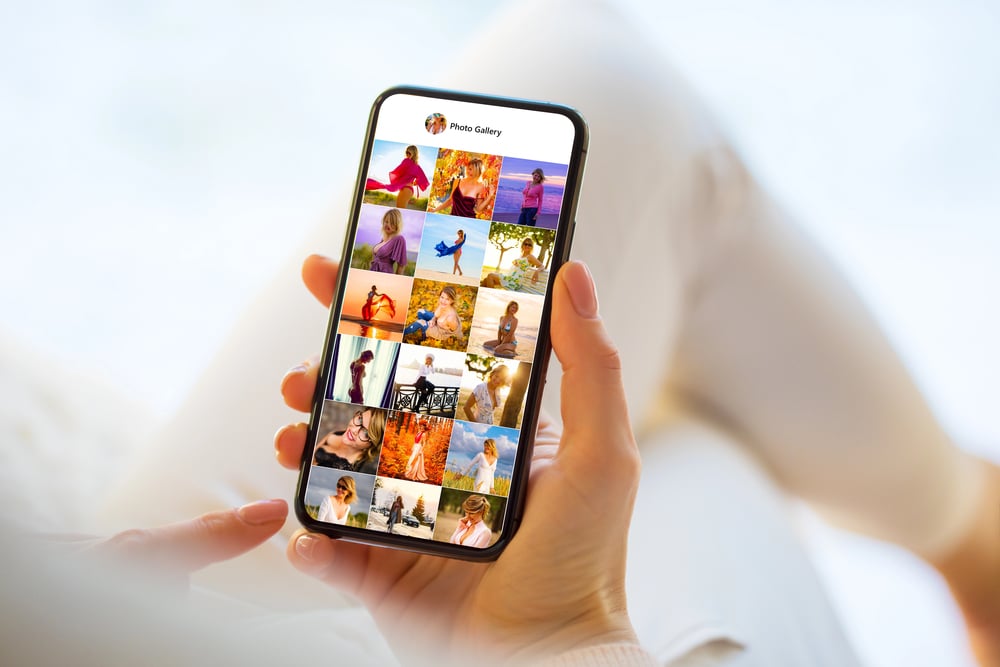
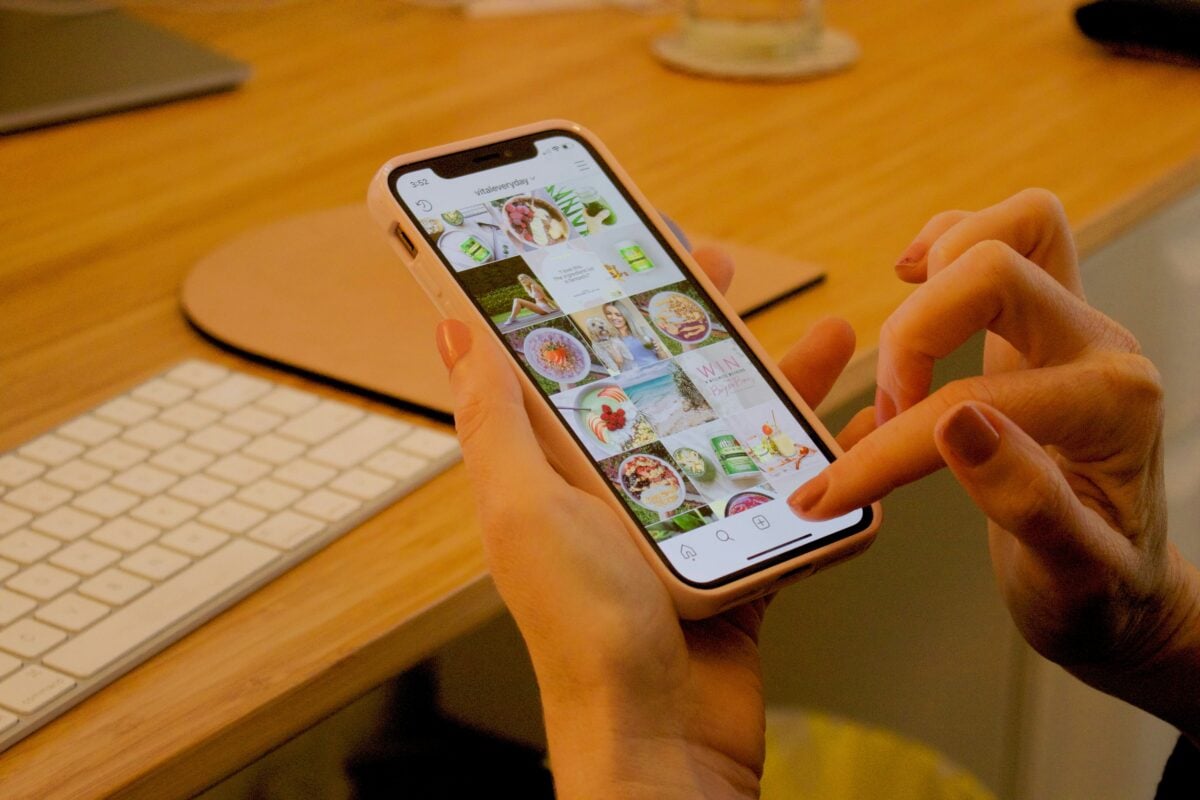
At some point, having a cohesive Instagram grid became treated like a professional requirement. People planned posts in advance using layout apps, making sure the colours, tones, and spacing across nine, twelve, or eighteen images created a unified pattern when viewed together.
Some accounts created checkerboard patterns between quote tiles and photos. Others maintained strict colour palettes across every post.
It was a significant amount of work for something most visitors to a profile barely noticed. The trend has faded as the algorithm shifted attention away from the grid and toward individual posts and Stories.
Sharing “Real” and Unfiltered Content

As polished perfection started to feel hollow, a counter-trend emerged: raw, unedited, deliberately imperfect posts framed as authenticity. No filter, messy background, slightly unflattering angle — and a caption explaining that this was the “real” version of life.
The intent was genuine for some creators, but the format spread so fast that “authentic” content became its own aesthetic. People started carefully styling their unstaged moments.
The no-makeup selfie got a specific kind of lighting. The messy desk photo got arranged. Authenticity, when it becomes a trend, tends to fold back on itself.
Sunset and Golden Hour Saturation

Golden hour photography has existed as long as cameras have, but Instagram intensified the obsession with it. The soft warm light in the hour before sunset became the default setting for outdoor portraits, beach photos, and travel content.
Accounts planned shoots around it. Travel guides started listing golden hour times alongside opening hours.
The images are genuinely beautiful, which is exactly why so many people took them — and exactly why, after a while, you could scroll through hundreds of them without any one image standing out from the rest.
The Soft Life Aesthetic
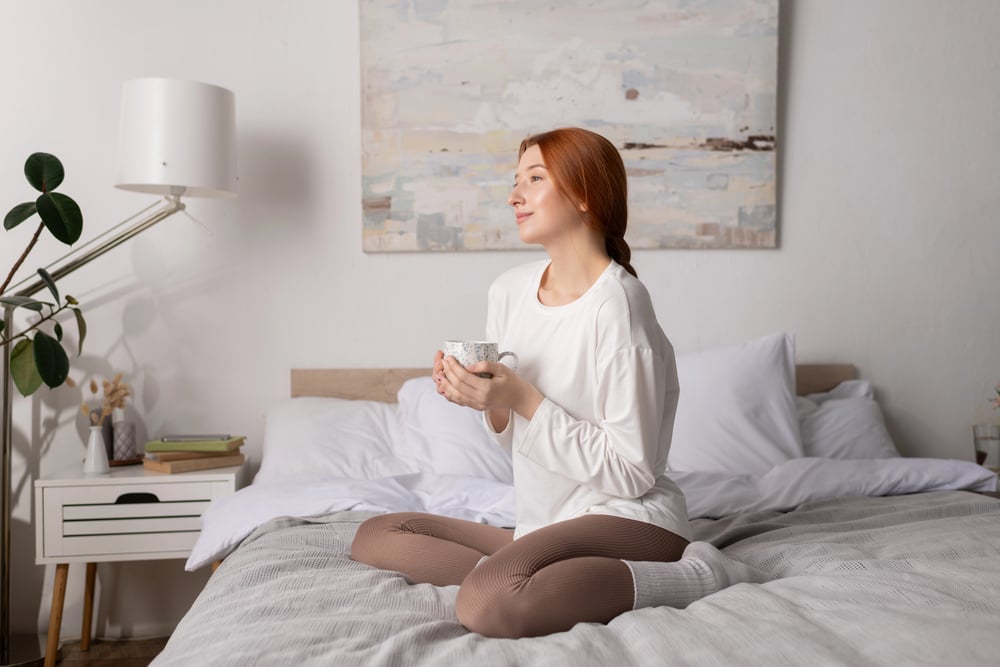
More recently, the “soft life” aesthetic took hold: neutral tones, linen textures, candles, slow mornings, flowers in simple vases, unhurried meals. The visual language was deliberately quiet — the opposite of the loud, maximalist content that had dominated earlier years.
Accounts built around this aesthetic accumulated large, dedicated followings from people who found the slower visual pace appealing. Brands quickly followed, repositioning products inside the same muted, gentle framing.
Like every aesthetic before it, the soft life look eventually became so widely replicated that the original sense of calm it communicated started to feel like its own kind of noise.
What a Trend Leaves Behind
Often, the impact of Instagram trends becomes quite evident only after their accreditation. When a trend is just sprouting, everything seems fairly usual.
Only after another trend takes over and results in changes in the behavior do the old habits become clearly visible. Each transition was a true reflection of people’s aspirations rather than their voids.
Posts of people are the traces of what was most important at those times. However, every story follows exactly the same path: after someone experiments with a new move, thousands of people follow shortly after, then millions reproduce what they have seen, and over time, the original idea gets lost under the weight of countless copies.
This cycle is inherent to Instagram and it keeps on running endlessly.
More from Go2Tutors!

- 16 Historical Figures Who Were Nothing Like You Think
- 12 Things Sold in the 80s That Are Now Illegal
- 15 VHS Tapes That Could Be Worth Thousands
- 17 Historical “What Ifs” That Would Have Changed Everything
- 18 TV Shows That Vanished Without a Finale
Like Go2Tutors’s content? Follow us on MSN.



