16 Book-to-Movie Adaptations That Changed Everything
When Hollywood decides to bring a beloved book to the big screen, magic can happen. Or disaster can strike. Some adaptations become cultural phenomena that define entire generations, while others fade into obscurity despite their source material’s popularity. The most successful book-to-movie adaptations don’t just translate words to images—they transform how we think about storytelling itself.
These cinematic interpretations have reshaped popular culture, influenced countless other films, and sometimes even overshadowed their original texts. Here is a list of 16 book-to-movie adaptations that genuinely changed everything.
The Godfather

Mario Puzo’s crime novel became Francis Ford Coppola’s masterpiece—setting the gold standard for how literary adaptations should honor their source while creating something entirely new. The film didn’t just adapt the book. It elevated the gangster genre from B-movie territory to serious dramatic art.
Coppola’s decision to cast Marlon Brando and focus on family dynamics rather than just violence created a template that countless crime films still follow today.
Jaws

Peter Benchley’s thriller about a killer shark became Steven Spielberg’s breakthrough film and accidentally invented the summer blockbuster. The movie’s success changed Hollywood’s release strategy forever—proving that wide releases during summer months could generate massive profits.
Spielberg’s mechanical shark problems actually improved the film, forcing him to suggest the creature’s presence rather than show it constantly, creating unprecedented tension that made audiences afraid to go swimming.
Like Go2Tutors’s content? Follow us on MSN.
The Shining
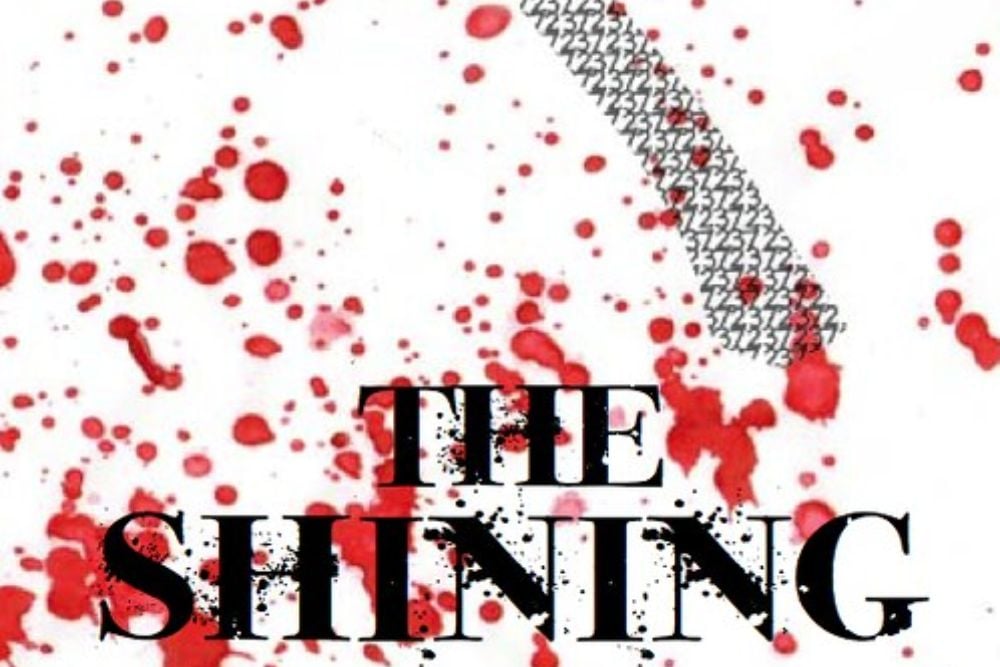
Stephen King famously hated Stanley Kubrick’s adaptation of his novel, yet the film became a horror masterpiece that influenced decades of psychological thrillers. Kubrick stripped away much of the book’s supernatural elements and backstory—focusing instead on isolation and madness in ways that felt genuinely unsettling.
The film’s iconic imagery, from the twins in the hallway to the blood-filled elevator, became part of pop culture’s visual vocabulary.
Blade Runner
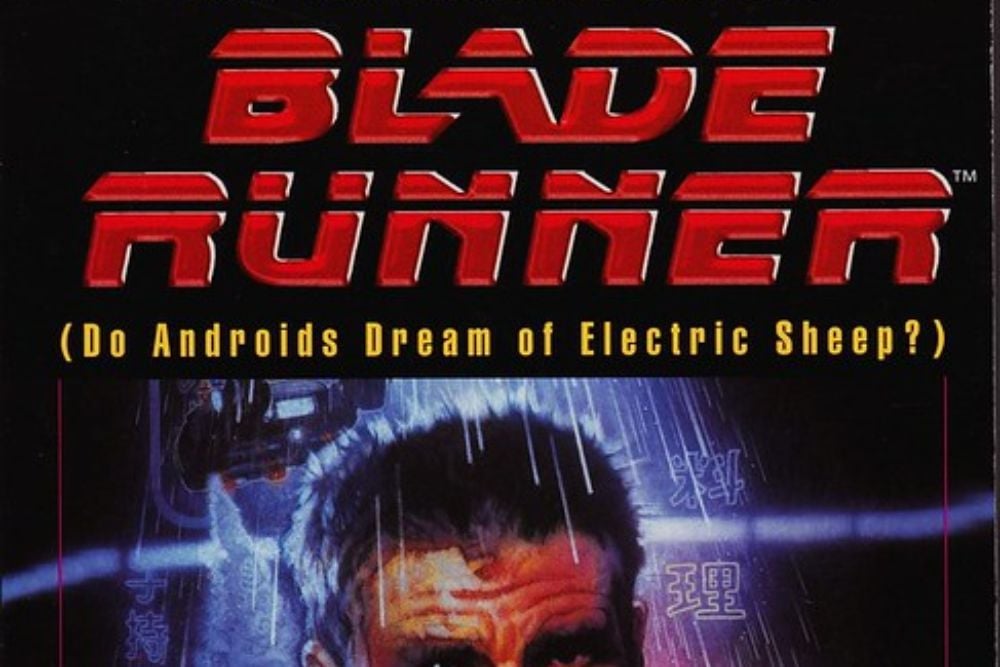
Philip K. D.’s ‘Do Androids Dream of Electric Sheep?’ became Ridley Scott’s visually stunning meditation on humanity and artificial intelligence. The film’s noir-influenced cyberpunk aesthetic defined how future dystopias would look in cinema for decades to come.
Scott’s focus on visual storytelling over Philip’s philosophical musings created a different kind of science fiction film—one that influenced everything from ‘The Matrix’ to ‘Ghost in the Shell.’
One Flew Over the Cuckoo’s Nest
Ken Kesey’s novel about mental health and institutional control became Miloš Forman’s Oscar-sweeping drama that changed how movies portrayed mental illness. The film’s sympathetic yet unflinching look at psychiatric treatment helped shift public perception about mental health care in America.
Jack Nicholson’s performance as McMurphy became a cultural touchstone for rebellion against authority—inspiring countless similar characters in later films.
Like Go2Tutors’s content? Follow us on MSN.
The Silence of the Lambs

Thomas Harris’s thriller became Jonathan Demme’s psychological horror masterpiece that made cannibalism and crime into sophisticated entertainment. The film’s success proved that horror could be both critically acclaimed and commercially successful, paving the way for more serious psychological thrillers.
Anthony Hopkins’s Hannibal Lecter became a cultural icon—spawning an entire franchise and influencing how villains are portrayed in modern cinema.
Jurassic Park
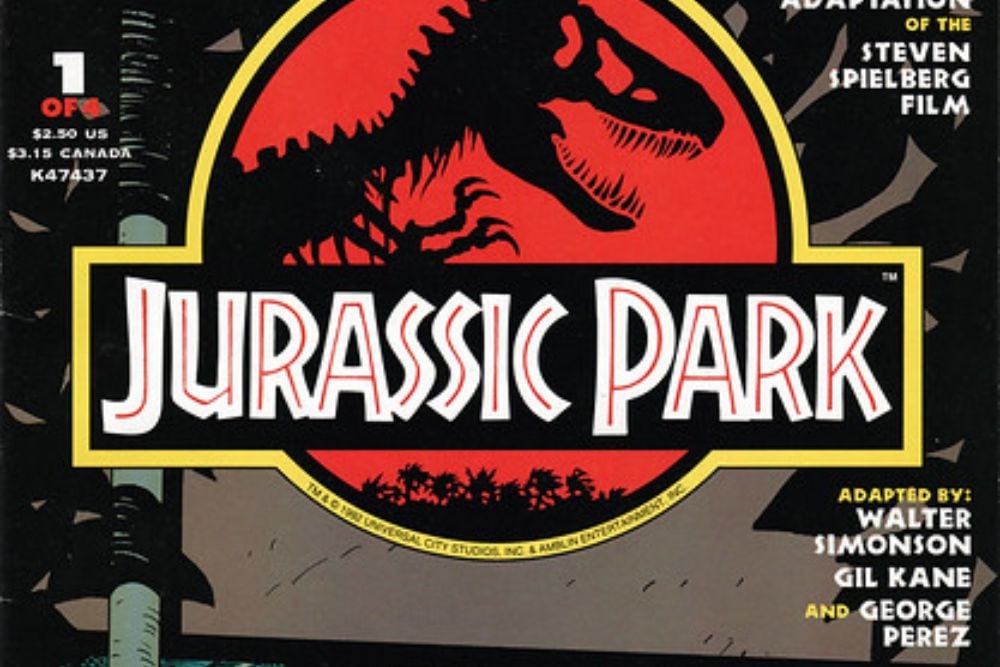
Michael Crichton’s science fiction novel became Steven Spielberg’s groundbreaking adventure that revolutionized computer-generated imagery in filmmaking. The movie’s realistic dinosaurs convinced audiences that anything was possible with digital effects—fundamentally changing how movies are made.
Spielberg’s decision to blend practical effects with CGI created a template that modern blockbusters still follow, proving that technology should serve the story rather than replace it.
The Lord of the Rings

J.R.R. Tolkien’s fantasy epic became Peter Jackson’s trilogy that legitimized the fantasy genre in mainstream cinema. Before Jackson’s adaptation, fantasy films were often dismissed as niche entertainment for children or cult audiences.
The trilogy’s massive success proved that audiences would embrace complex, multi-part narratives—directly influencing the rise of cinematic universes and franchise filmmaking that dominates today’s box office.
Like Go2Tutors’s content? Follow us on MSN.
Gone Girl

Gillian Flynn’s psychological thriller became David Fincher’s sharp commentary on marriage and media manipulation in the digital age. The film’s unreliable narrator and twisted relationship dynamics influenced how psychological thrillers approach storytelling, particularly in how they reveal information to audiences.
Flynn’s adaptation of her own novel created a new template for domestic thrillers that examine modern relationships through a distinctly cynical lens.
Fight Club

Chuck Palahniuk’s novel became David Fincher’s cult classic that captured millennial angst and anti-consumerist sentiment. The film’s twist ending and philosophical themes about masculinity and capitalism resonated with audiences in ways that influenced countless other films about disaffected young men.
Fincher’s visual style and unreliable narrator technique became blueprints for psychological thrillers that followed.
The Shawshank Redemption
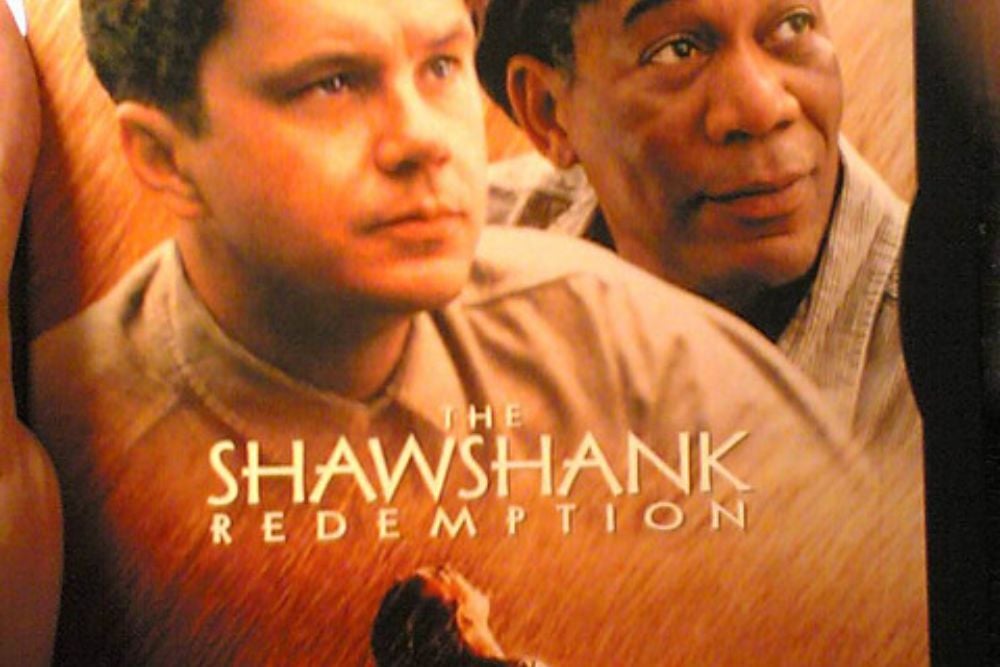
Stephen King’s novella became Frank Darabont’s beloved drama that redefined what prison films could achieve emotionally. The movie’s focus on hope and friendship over violence and despair influenced how incarceration stories are told in cinema.
Despite its initial box office disappointment, the film’s enduring popularity through home video and television proved that word-of-mouth could create lasting cultural impact.
Like Go2Tutors’s content? Follow us on MSN.
No Country for Old Men
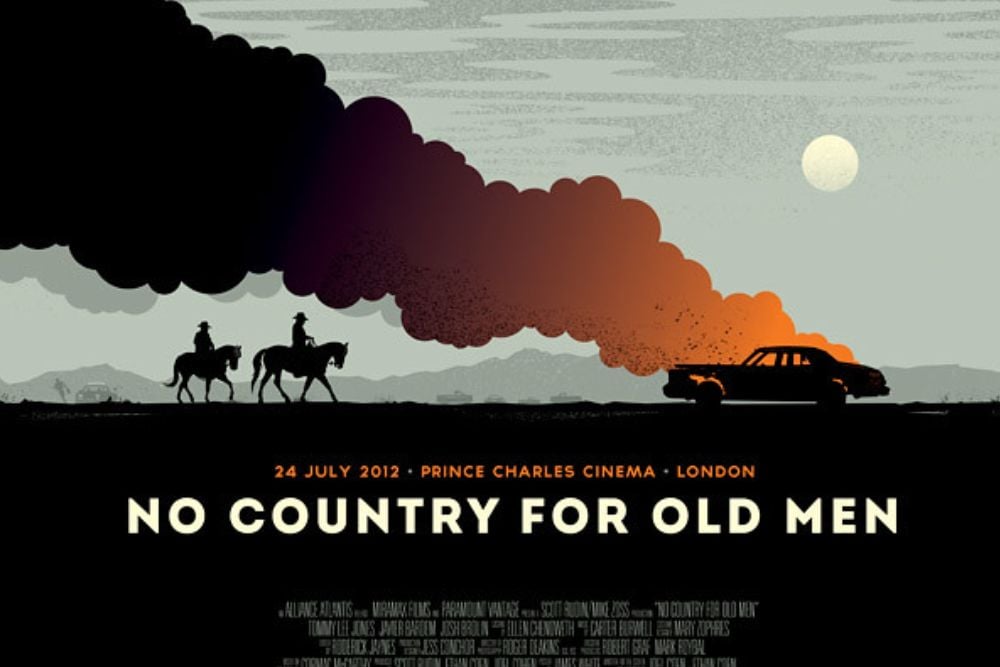
Cormac McCarthy’s novel became the Coen Brothers’ meditation on violence and fate that influenced modern crime thrillers. The film’s sparse dialogue and philosophical themes about randomness and evil created a new template for intelligent genre filmmaking.
Javier Bardem’s Anton Chigurh became a model for how movie villains could be both terrifying and philosophical, representing larger themes about chaos and mortality.
The Departed

Though the film adapted the Hong Kong thriller ‘Infernal Affairs’ rather than a book, Martin Scorsese’s Boston crime saga changed how American cinema approached remake culture. The movie’s success proved that foreign films could be successfully adapted for American audiences without losing their essential qualities.
Scorsese’s intense character study influenced how crime films balance plot complexity with character development.
There Will Be Blood
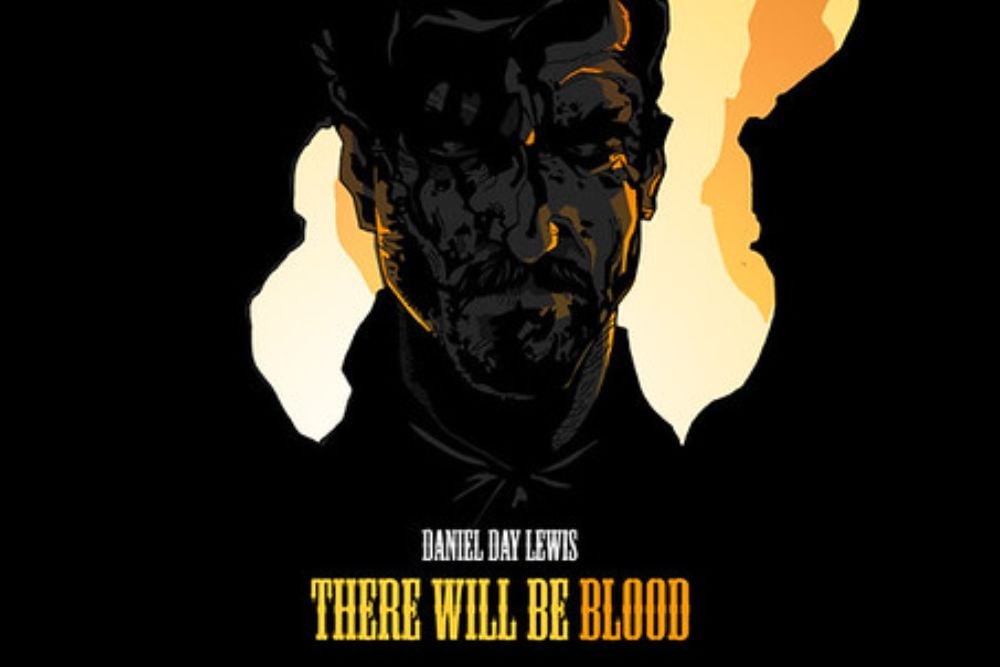
Upton Sinclair’s novel ‘Oil!’ became Paul Thomas Anderson’s character study that redefined what historical epics could accomplish. The film’s focus on one man’s obsession with wealth and power influenced how biographical films approach complex historical figures.
Daniel Day-Lewis’s performance created a new standard for method acting in cinema, inspiring countless actors to pursue similar levels of character immersion.
Like Go2Tutors’s content? Follow us on MSN.
The Social Network

Ben Mezrich’s book about Facebook’s founding became David Fincher’s sharp commentary on ambition and friendship in the digital age. The film’s rapid-fire dialogue and complex timeline structure influenced how biographical films could approach recent history and controversial figures.
Aaron Sorkin’s screenplay created a template for how movies could examine technology’s impact on human relationships and society.
Mystic River

Dennis Lehane’s novel became Clint Eastwood’s powerful drama that elevated crime fiction into serious dramatic territory. The film’s focus on how childhood trauma affects adult relationships influenced countless other crime dramas and thrillers.
Eastwood’s restrained direction and the ensemble cast’s performances proved that genre fiction could be adapted into prestige filmmaking without losing its essential power.
The Ripple Effect Continues
These adaptations didn’t just succeed at the box office. They fundamentally altered how Hollywood approaches storytelling, genre conventions, and audience expectations. Each film proved that the best adaptations don’t simply translate books to screen; they reimagine source material for a different medium while respecting what made the original work compelling.
Their influence continues to shape how filmmakers approach adaptation, proving that the right combination of source material, vision, and execution can create something entirely new. Today’s streaming platforms and franchise-focused studios still follow many of the principles these groundbreaking adaptations established decades ago.
Like Go2Tutors’s content? Follow us on MSN.
More from Go2Tutors!

- 16 Historical Figures Who Were Nothing Like You Think
- 12 Things Sold in the 80s That Are Now Illegal
- 15 VHS Tapes That Could Be Worth Thousands
- 17 Historical “What Ifs” That Would Have Changed Everything
- 18 TV Shows That Vanished Without a Finale
Like Go2Tutors’s content? Follow us on MSN.