Inventions That Were Actually Stolen from Others
Most inventions come with a famous name attached. Edison. Bell. Marconi. These names appear in textbooks and on patents, and over time they become so associated with their inventions that questioning the connection feels strange.
But the history of how ideas actually travel — from the person who first had them to the person who got credit — is considerably messier than the official version suggests.
The Telephone Belonged to Someone Else First

Alexander Graham Bell is the name on the telephone patent, filed in February 1876. What the textbooks tend to leave out is that Elisha Gray filed a patent caveat for a remarkably similar device on the same day.
Bell’s application was processed first — by a margin that some historians describe as hours, and that others have suggested was the result of something more deliberate. Gray spent years arguing that he had developed the core concept independently and that Bell had access to details of his design through the patent office.
A patent examiner later claimed he had been bribed to allow Bell’s patent to jump the queue. The case went to court multiple times.
Bell won every time. Gray’s name disappeared from the story.
Antonio Meucci and the Invention Bell Made Famous
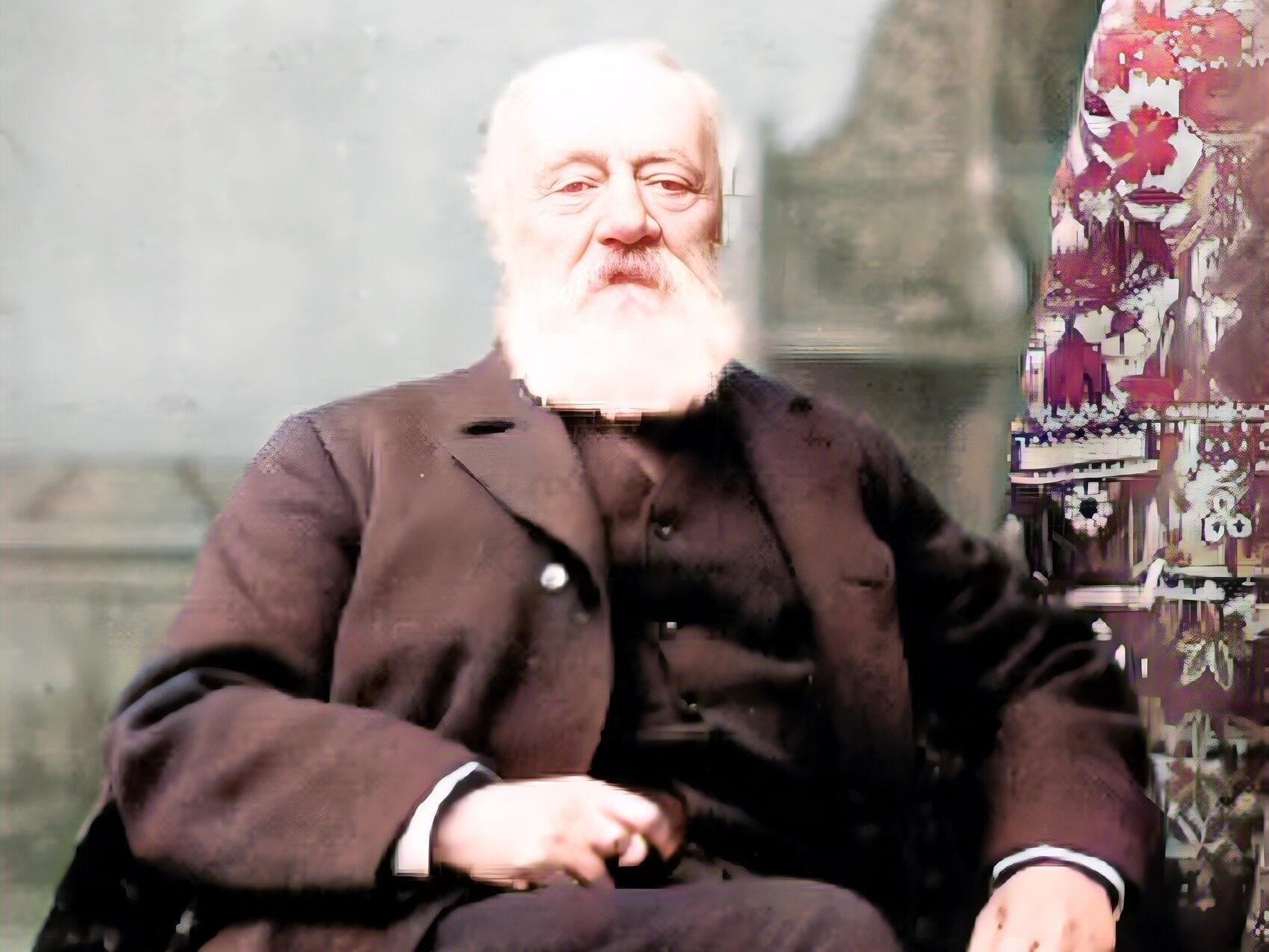
Before Gray, there was Antonio Meucci. The Italian inventor developed a voice communication device in the 1850s and filed a caveat with the US Patent Office in 1871 — five years before Bell’s patent.
Meucci couldn’t afford the annual renewal fee of ten dollars, and his caveat lapsed. Bell worked in the same building where Meucci stored his prototypes and technical documents.
Those documents disappeared. Meucci sued and died before the case concluded. In 2002, the US Congress passed a resolution acknowledging Meucci’s role in developing the telephone.
It came about a hundred and twenty-five years too late to do him much good.
Nikola Tesla and the Credit Edison Kept

Nikola Tesla arrived in America in 1884 and went to work for Thomas Edison, who promised him fifty thousand dollars to improve his DC electrical systems. Tesla did the work.
Edison then told him the offer had been a joke and paid him nothing. Tesla eventually left and developed alternating current — the system that actually powers the modern world — while Edison spent years and considerable resources attacking it publicly.
Edison’s name remains more widely recognised than Tesla’s in popular culture, despite Tesla’s contributions being, by most technical assessments, more significant. The credit went to the man with the better publicist, not the better science.
The Wright Brothers and the Forgotten Gustave Whitehead
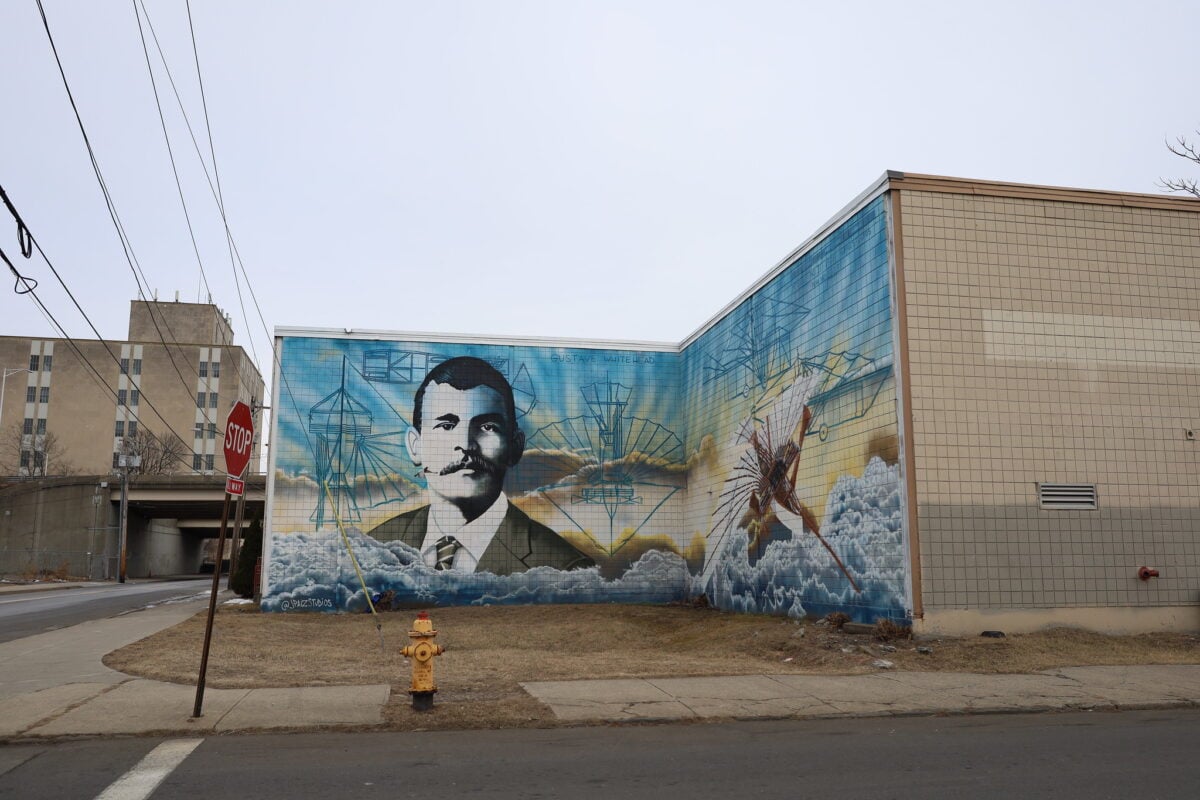
The Wright Brothers’ flight at Kitty Hawk in December 1903 is recorded as the first powered flight. But there is documented evidence, including newspaper reports and witness accounts, that a German-American inventor named Gustave Whitehead achieved powered flight in Connecticut in August 1901 — more than two years earlier.
Whitehead lacked the resources and connections the Wright Brothers had. He couldn’t afford to document and publicise his flights the way they did.
The Smithsonian Institution, which had its own institutional reasons to favour the Wright Brothers’ claim, long refused to acknowledge the competing evidence. Some aviation historians now consider the question genuinely open.
Radio and the Case Against Marconi
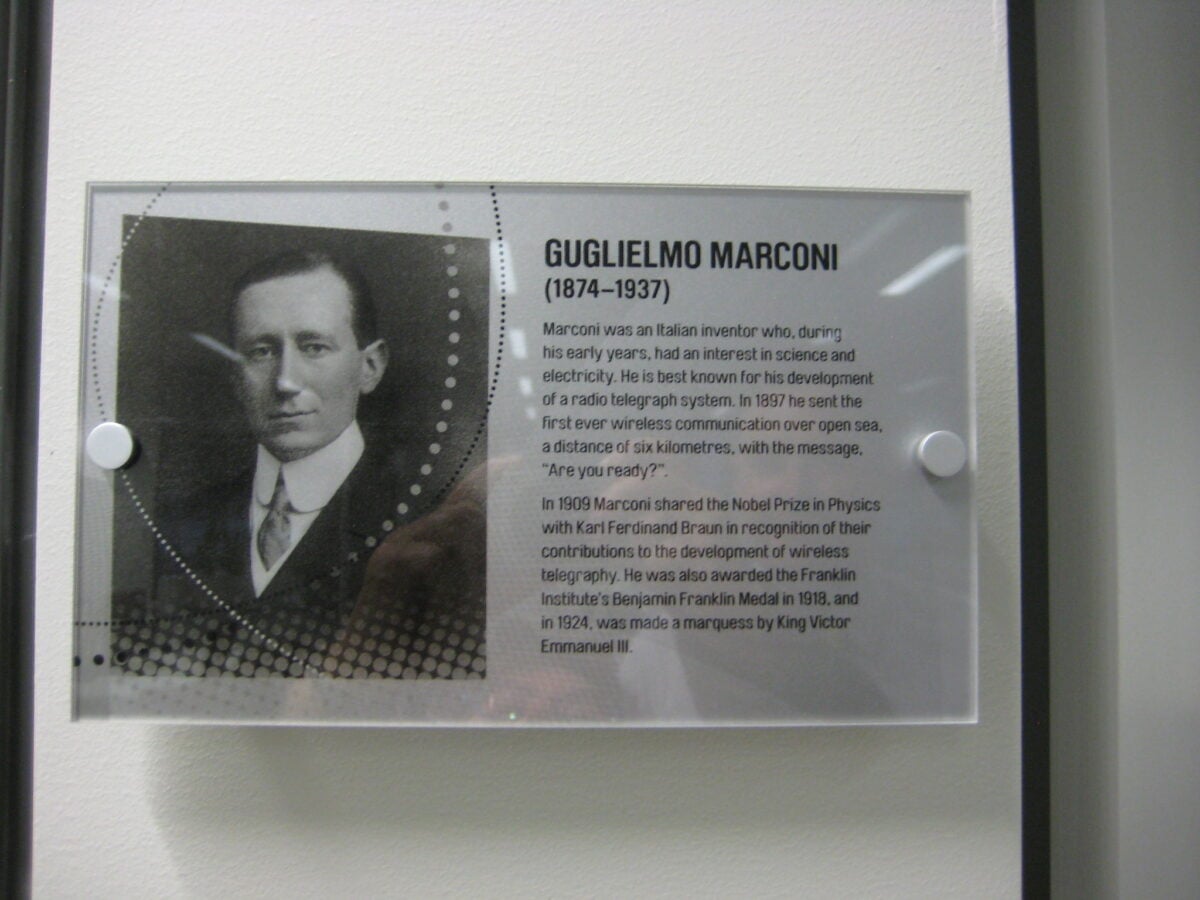
Guglielmo Marconi received the Nobel Prize for radio in 1909. He also held the patents and received the fame.
What he did not do, according to a 1943 US Supreme Court ruling, was actually invent it. The court found that Nikola Tesla had developed the core technology for radio transmission before Marconi filed his patents.
Tesla had in fact filed his own patents in 1897. Marconi used seventeen of Tesla’s patented ideas in building what became known as his radio system.
The ruling came after both men had died, after Marconi had spent decades receiving credit, and after the Nobel Committee had already made its decision.
The Sewing Machine’s Real Inventor
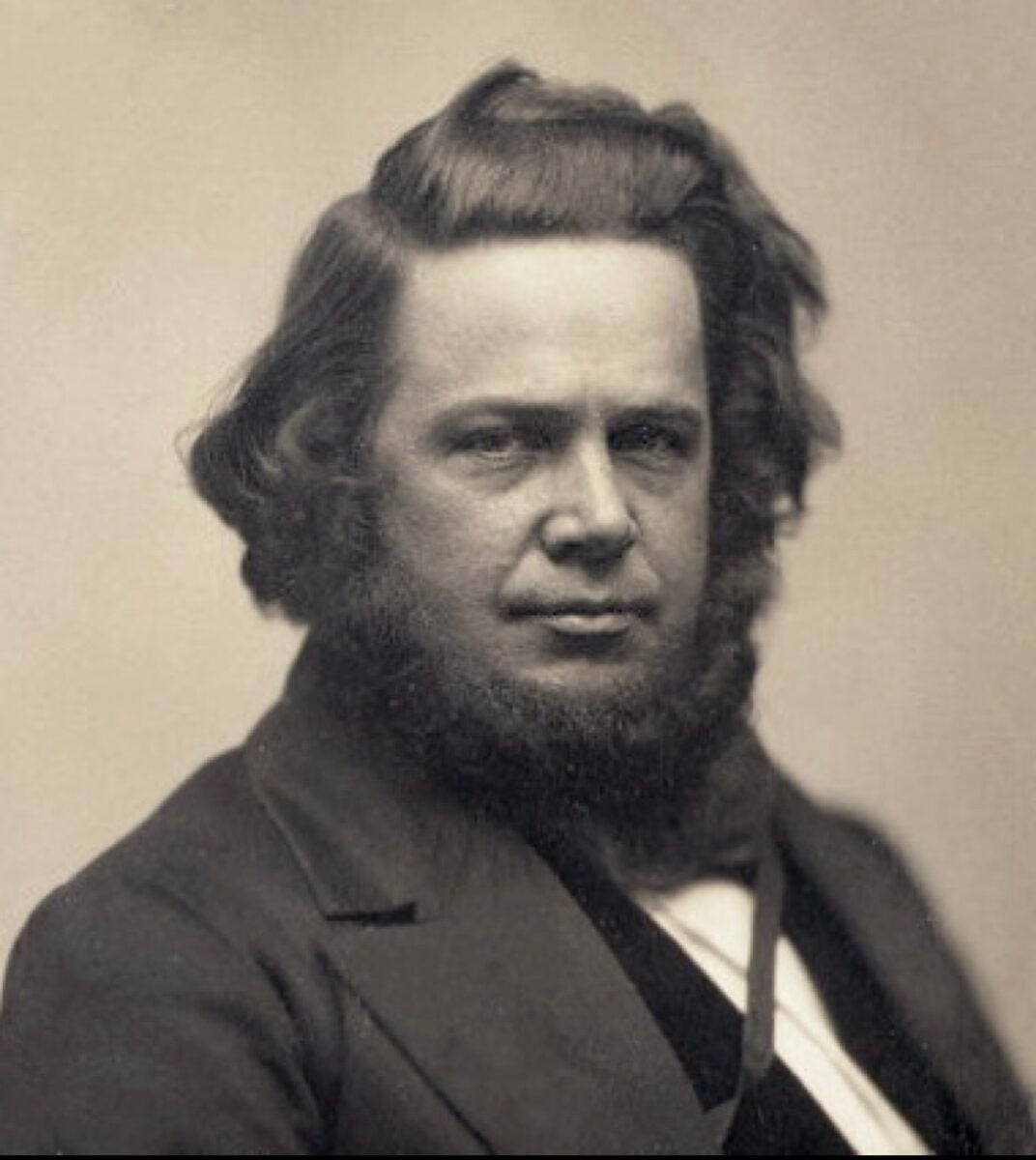
Elias Howe holds the patent for the lockstitch sewing machine, granted in 1846. But Walter Hunt built a functional sewing machine in the early 1830s — roughly fifteen years before Howe — and then abandoned the project because he was worried it would put seamstresses out of work.
Hunt never patented his design. When Howe’s patent was later challenged, Hunt’s prior work became relevant.
Courts found in Howe’s favour largely because Hunt had never formalised his claim. The man who walked away from his own invention out of ethical concern ended up with no credit and no compensation.
James Watt and the Steam Engine He Didn’t Quite Invent
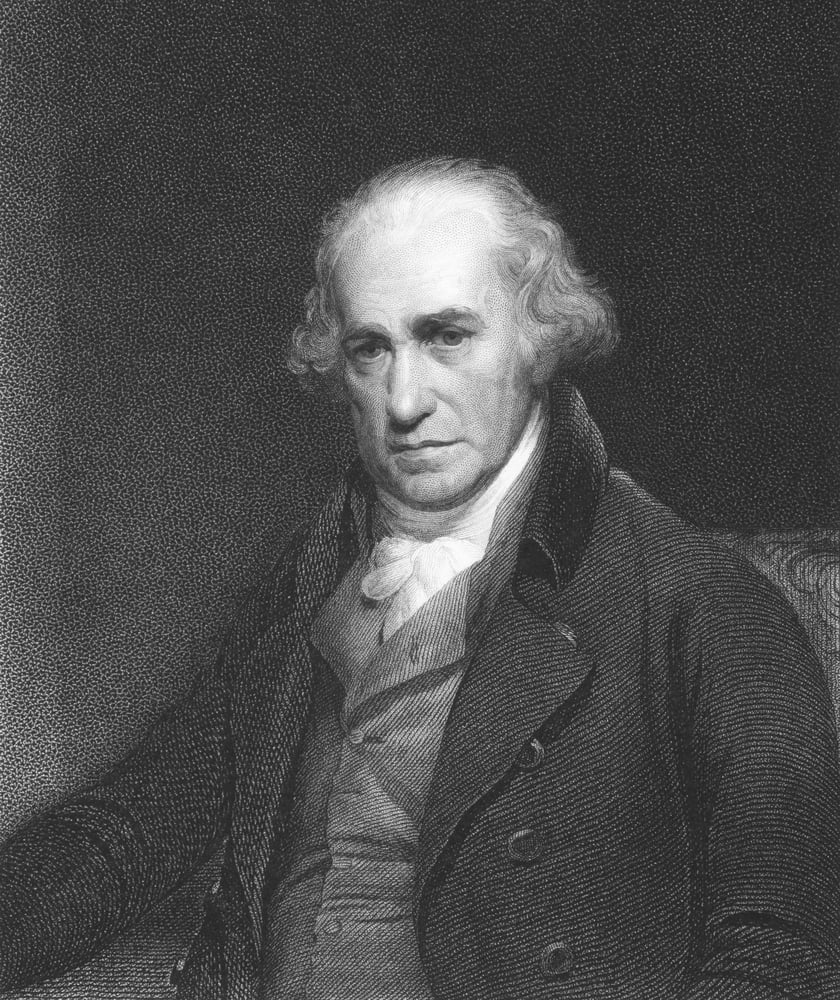
James Watt improved the steam engine significantly. His version was more efficient and more practical than what came before it.
But Thomas Newcomen had built a working steam engine in 1712, more than fifty years before Watt’s improvements. And before Newcomen, Thomas Savery had developed an early steam-powered water pump in 1698.
Watt’s name became synonymous with the steam engine partly because his version was so much better, and partly because he was a skilled self-promoter who shaped the historical narrative around his own contributions. The men who got the engine to the point where Watt could improve it were gradually written out.
The Lightbulb’s Inconvenient Prior Art
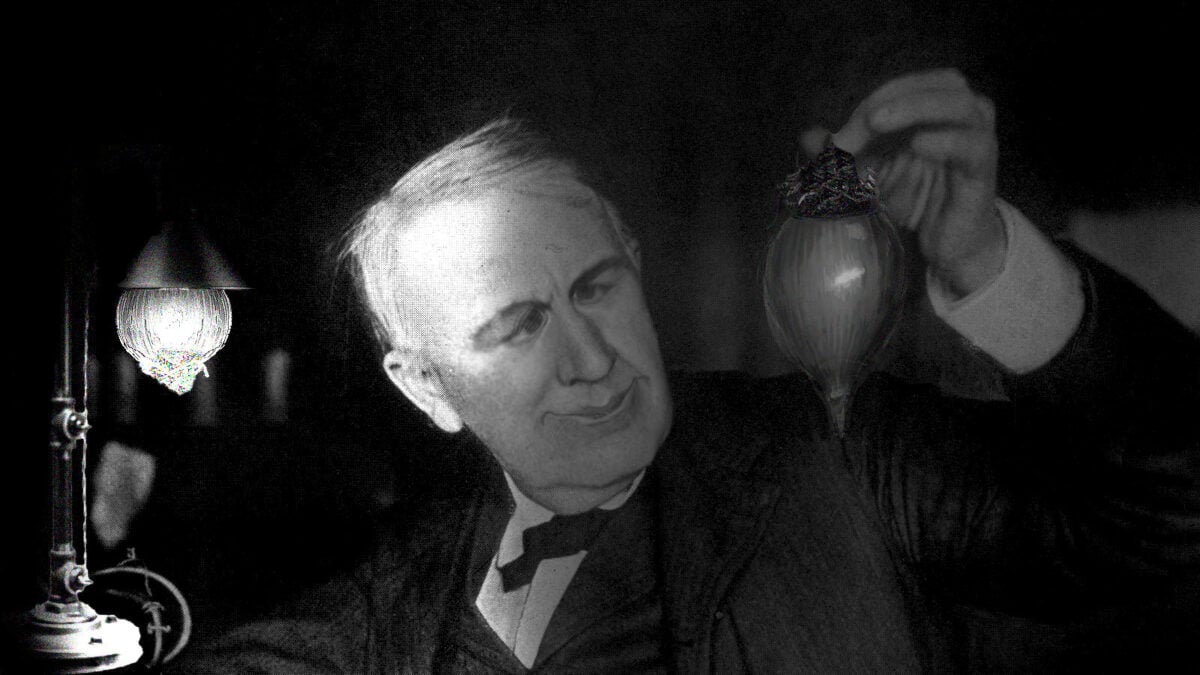
Edison’s lightbulb is one of the most persistent myths in the history of invention. By the time Edison filed his patent in 1879, at least twenty-two other inventors had already developed working incandescent lights.
Joseph Swan in England had a functional bulb the same year and had actually demonstrated it publicly before Edison. Edison’s contribution was developing a longer-lasting filament and, more importantly, building the entire electrical infrastructure needed to make electric lighting practical at scale.
The invention of the bulb itself had multiple fathers. Edison was the one with the best legal team and the most aggressive patent strategy.
The Computer and the Man Nobody Mentions
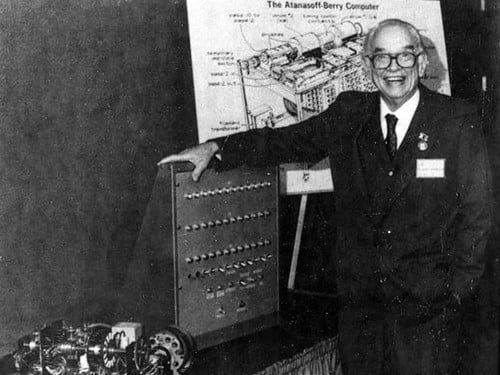
John Atanasoff built the first electronic digital computer between 1937 and 1942 with his graduate student Clifford Berry. He called it the Atanasoff-Berry Computer. John Mauchly visited Atanasoff in 1941, spent several days studying his machine and his notes, and then went on to build ENIAC — the computer that received credit as the first electronic digital computer.
A court case in 1973 found that Mauchly had derived key ideas from Atanasoff and voided the ENIAC patent as a result. By then, ENIAC had been celebrated for nearly thirty years.
Atanasoff’s name had appeared in almost none of the popular histories of computing.
Rosalind Franklin and the Structure of DNA
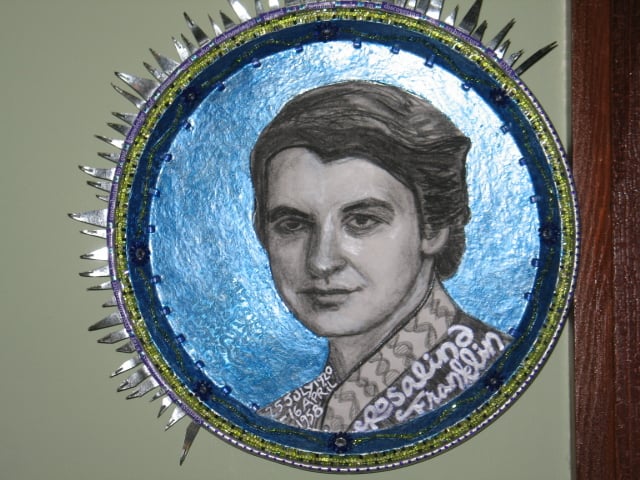
The discovery of DNA’s double helix structure earned Francis Crick and James Watson a Nobel Prize in 1962. The image that made the structure visible — a crystallography photograph known as Photo 51 — was the work of Rosalind Franklin.
It was shown to Watson without her knowledge or permission by her colleague Maurice Wilkins. Watson and Crick used Photo 51 and Franklin’s unpublished data to confirm and complete their model.
Franklin died in 1958, four years before the Nobel Prize was awarded. Nobel Prizes are not awarded posthumously. Crick, Watson, and Wilkins shared the prize.
Franklin was not mentioned in any of their acceptance speeches.
The Microchip and the Engineer Left Behind
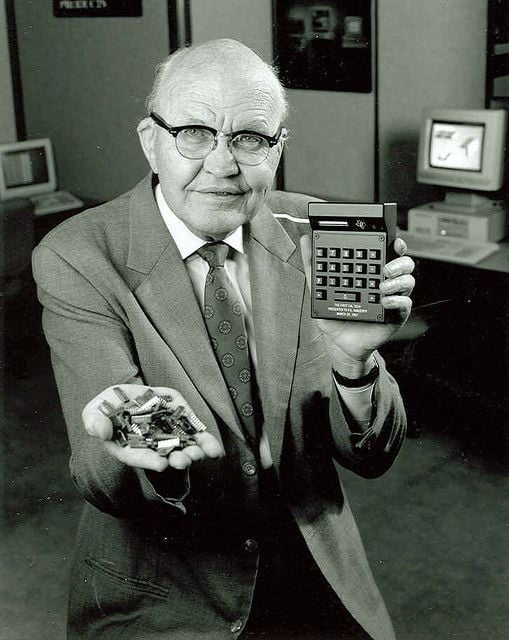
Jack Kilby at Texas Instruments is widely credited with inventing the integrated circuit, and he received the Nobel Prize in Physics in 2000 for it. Robert Noyce at Fairchild Semiconductor developed a nearly identical device at almost exactly the same time — and his version was more practical and easier to manufacture.
Both men filed patents in 1959. The subsequent legal dispute was resolved by an agreement to share licensing rights.
Noyce, who went on to co-found Intel, died in 1990 before the Nobel committee recognised the invention. Kilby received the prize alone.
The committee acknowledged Noyce in its presentation but the medal went to one man for a discovery that two men made simultaneously.
The Forgotten Father of the Internet
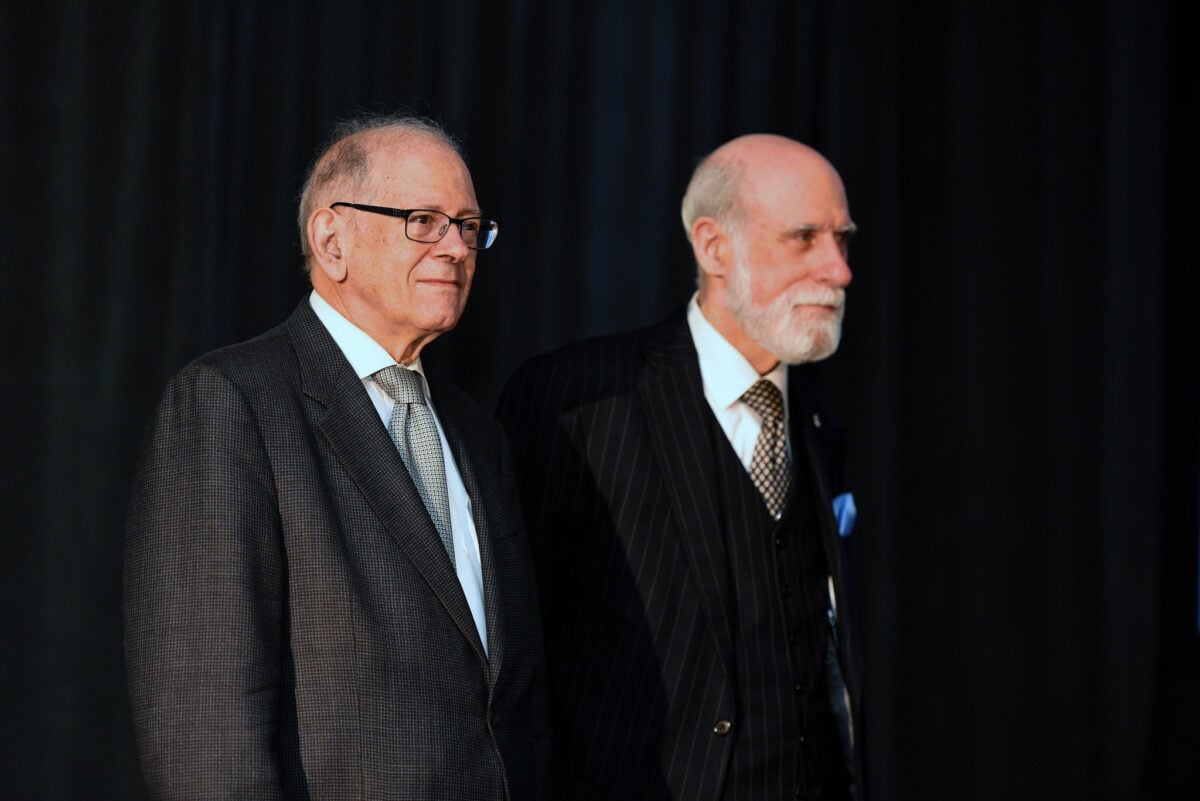
Vint Cerf and Bob Kahn developed the TCP/IP protocols in the 1970s that form the technical foundation of the internet. They receive appropriate credit for that work.
Less well remembered is Paul Baran, who developed the concept of packet switching in the early 1960s — the fundamental idea that makes the entire internet possible. Baran worked at RAND Corporation and published his research openly.
The engineers who built ARPANET, the early internet, used his concepts extensively. Baran spent years being overlooked in the popular history of the internet before receiving belated recognition late in his life.
The idea that made everything possible was treated, for decades, as a footnote.
Stealing Credit Has Its Own Long History

What comes through in all of these cases is a pattern that repeats across centuries and disciplines. The person who gets credit is rarely the one who had the idea first.
It tends to be the one who had the resources to file a patent, the connections to publicise the work, the legal budget to defend it, or simply the good fortune to be in the right place at the right time. The real inventors – the ones working in small, unnoticed laboratories that are opening new journals, which few people read, and building models – which they cannot afford to protect themselves – are the ones who, in some cases, watched from a distance as someone else took their idea to a place to which they could not follow.
History books tell of the destinations. They are much less vocal about who actually made the road.
More from Go2Tutors!

- The Romanov Crown Jewels and Their Tragic Fate
- 13 Historical Mysteries That Science Still Can’t Solve
- Famous Hoaxes That Fooled the World for Years
- 15 Child Stars with Tragic Adult Lives
- 16 Famous Jewelry Pieces in History
Like Go2Tutors’s content? Follow us on MSN.