Inventions That Were Rejected Before They Became Revolutionary
Some of the most important inventions in history didn’t get a warm welcome when they first appeared. People laughed at them, ignored them, or even said they were useless.
Inventors faced rejection from businesses, governments, and everyday folks who just couldn’t see the value in something new. But time has a funny way of proving doubters wrong.
Let’s look at some inventions that went from rejected to essential in our daily lives.
The telephone
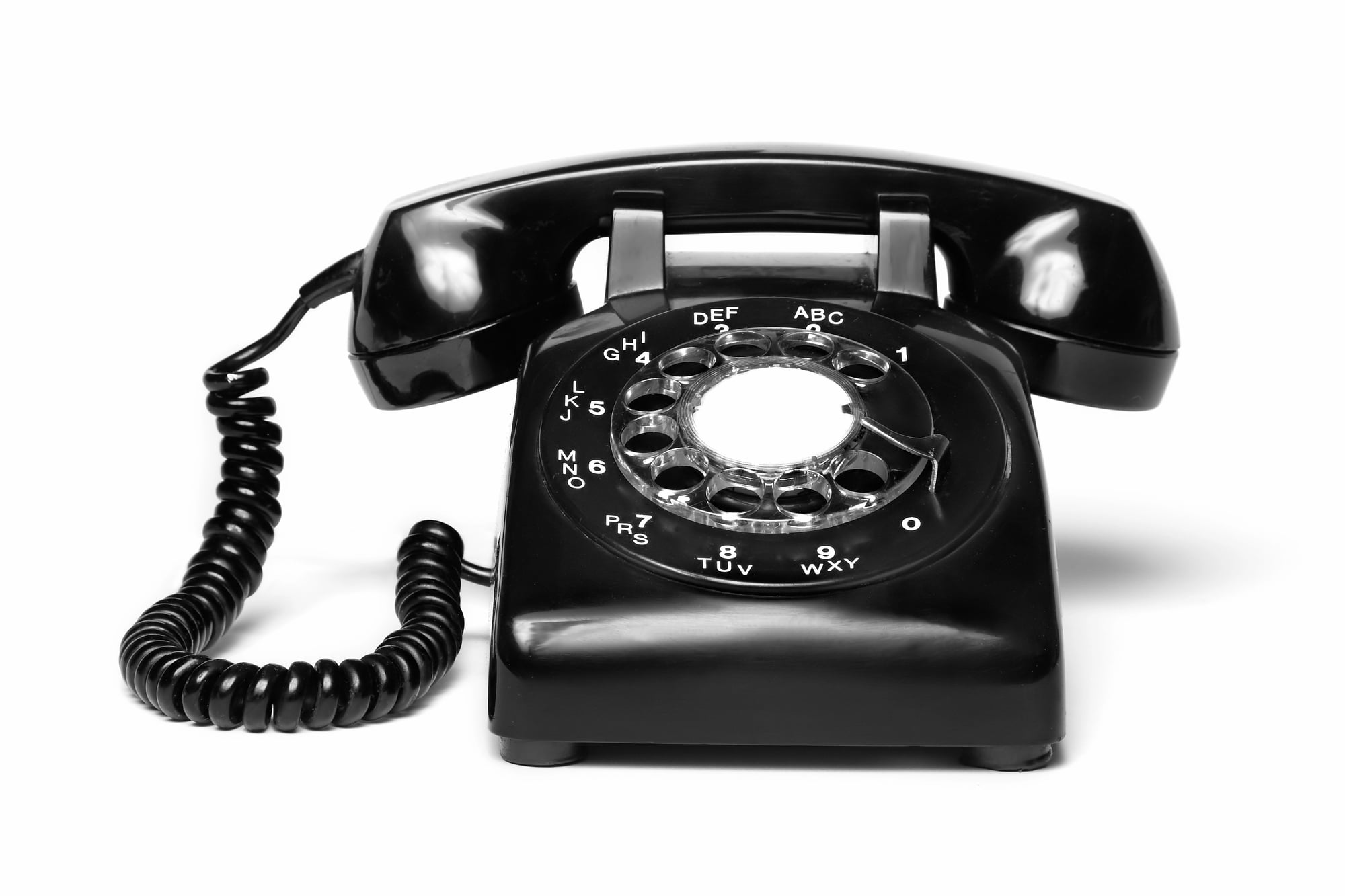
Alexander Graham Bell tried to sell his telephone invention to Western Union for $100,000 in 1876. The company’s president called it nothing more than a toy and turned him down flat.
Western Union thought the telegraph was doing just fine and saw no reason to invest in voice communication over wires. Within just a few years, they realized their mistake when telephone systems started spreading across cities.
The company tried to compete but eventually had to settle a patent lawsuit with Bell.
The zipper

Whitcomb Judson invented an early version of the zipper in 1893, but nobody wanted it. People found it too complicated and unreliable compared to buttons and laces.
For over 20 years, the zipper struggled to find any market at all. The U.S. military finally gave it a real chance during World War I, using zippers on clothing and gear for soldiers.
Once the design improved and people saw how fast they could get dressed, zippers became standard on everything from pants to sleeping bags.
The personal computer

When Steve Wozniak built an early personal computer, his employer Hewlett-Packard rejected it five times. They couldn’t imagine why anyone would want a computer at home when businesses barely understood them.
IBM and other major companies also dismissed the idea that regular families would buy computers. The Apple II proved them all wrong when it became a massive hit in homes and schools across America.
By the mid-1980s, every tech company was scrambling to make their own personal computers.
The ballpoint pen
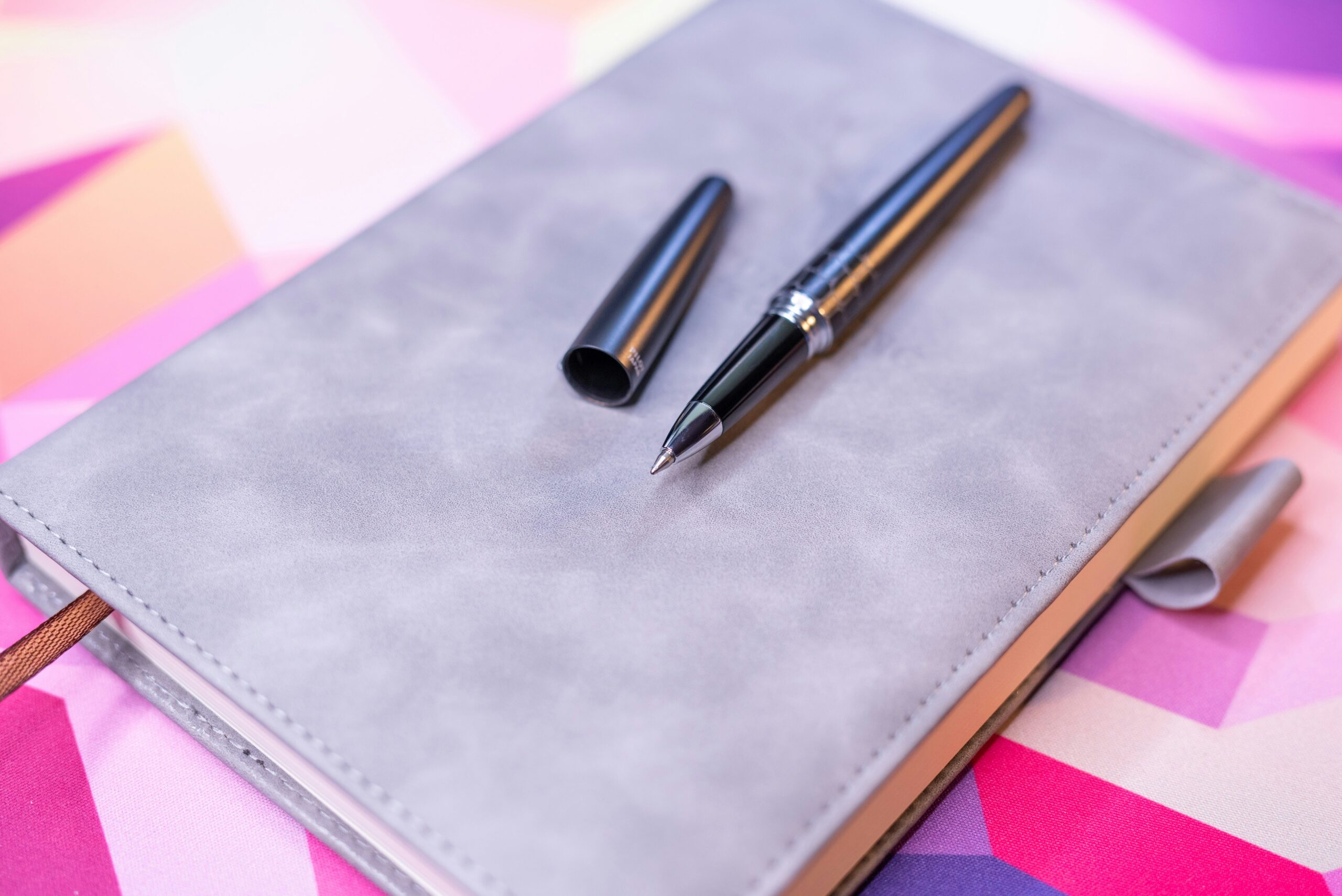
László Bíró invented the ballpoint pen in 1938, but fountain pen companies and consumers didn’t trust it. People thought the ink would leak, the design looked cheap, and the writing felt too different from traditional pens.
Stores refused to stock them, and early versions did have problems with ink flow. World War II changed everything when pilots needed pens that worked at high altitudes where fountain pens would leak or fail.
After the war, improved ballpoint pens flooded the market and made fountain pens mostly obsolete.
The microwave oven

Percy Spencer discovered microwave cooking by accident in 1945, but restaurants and home cooks wanted nothing to do with it. The first microwave ovens were huge, expensive, and people feared radiation would poison their food.
Early models cost as much as a car and took up half a kitchen. Raytheon kept improving the technology, making smaller and cheaper versions throughout the 1960s.
By the 1970s, microwaves became affordable enough for regular families and transformed how people heated up leftovers.
Post-it notes

Spencer Silver created the weak adhesive used in Post-it Notes in 1968, but 3M didn’t know what to do with glue that barely stuck. The company saw no market for an adhesive that you could easily peel off and reuse.
For years, Silver tried convincing colleagues to find a use for his invention without success. Another 3M scientist, Art Fry, finally realized the sticky paper could bookmark his church hymnal without damaging pages.
The company test-marketed Post-it Notes in 1977, and they became one of the best-selling office products ever made.
The fax machine
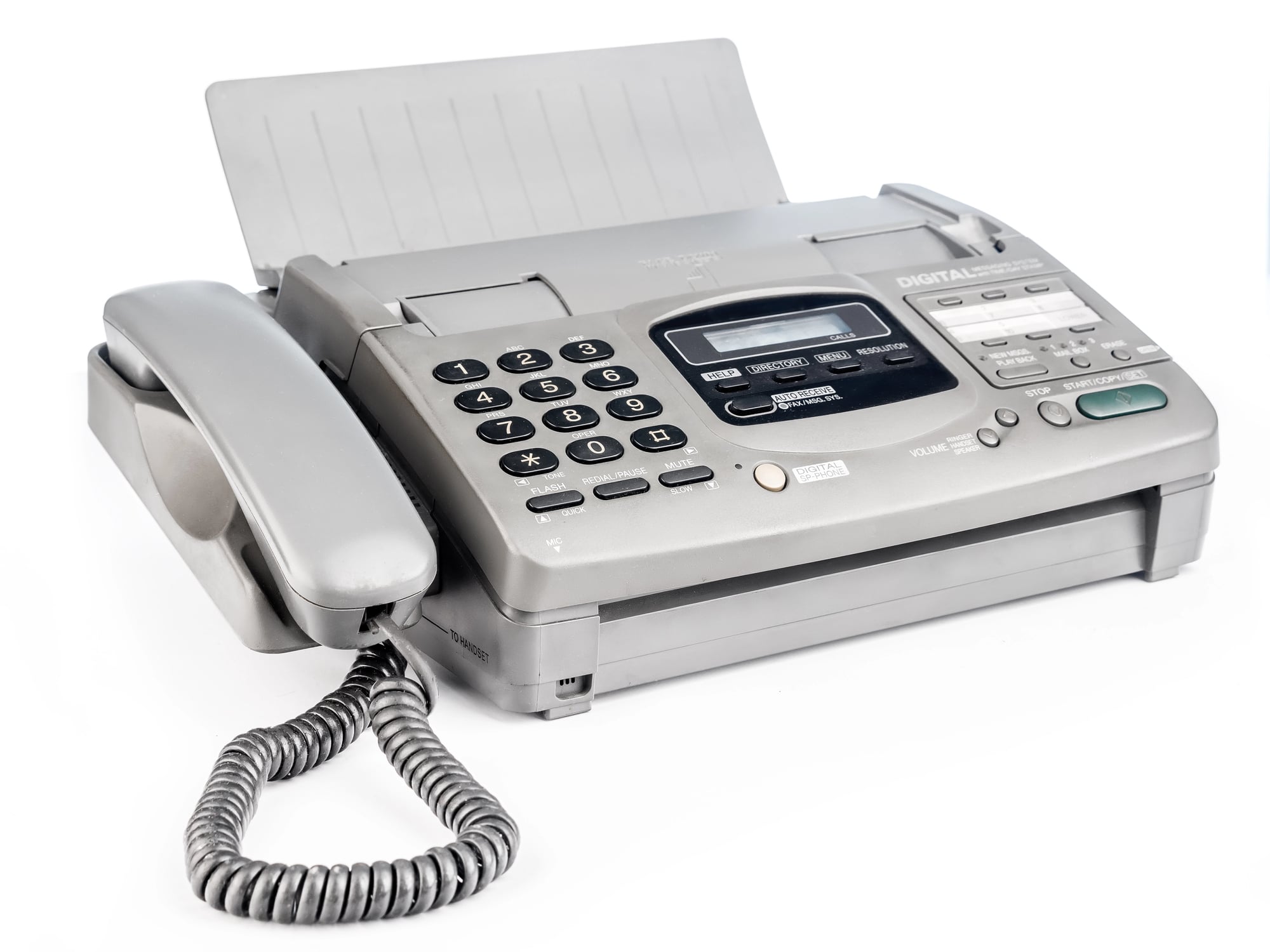
Scottish inventor Alexander Bain created a fax machine concept in 1843, decades before the telephone existed. Nobody saw the point of sending images over wires when mail delivery worked fine.
Various inventors improved the technology over the next century, but businesses still rejected it as unnecessary and too complicated. Japan embraced fax machines in the 1970s because their written language made typing difficult.
American companies finally adopted faxes in the 1980s, and they became essential for business communication until email replaced them.
The washing machine

Early washing machines appeared in the 1850s, but most people said they were unnecessary and would damage clothes. Hand washing had worked for thousands of years, and many folks saw no reason to change.
The machines were expensive, unreliable, and required too much maintenance. Electric models in the early 1900s gradually won people over as designs improved and prices dropped.
By the 1950s, automatic washers became standard in American homes and freed up countless hours of hard labor.
Electric cars
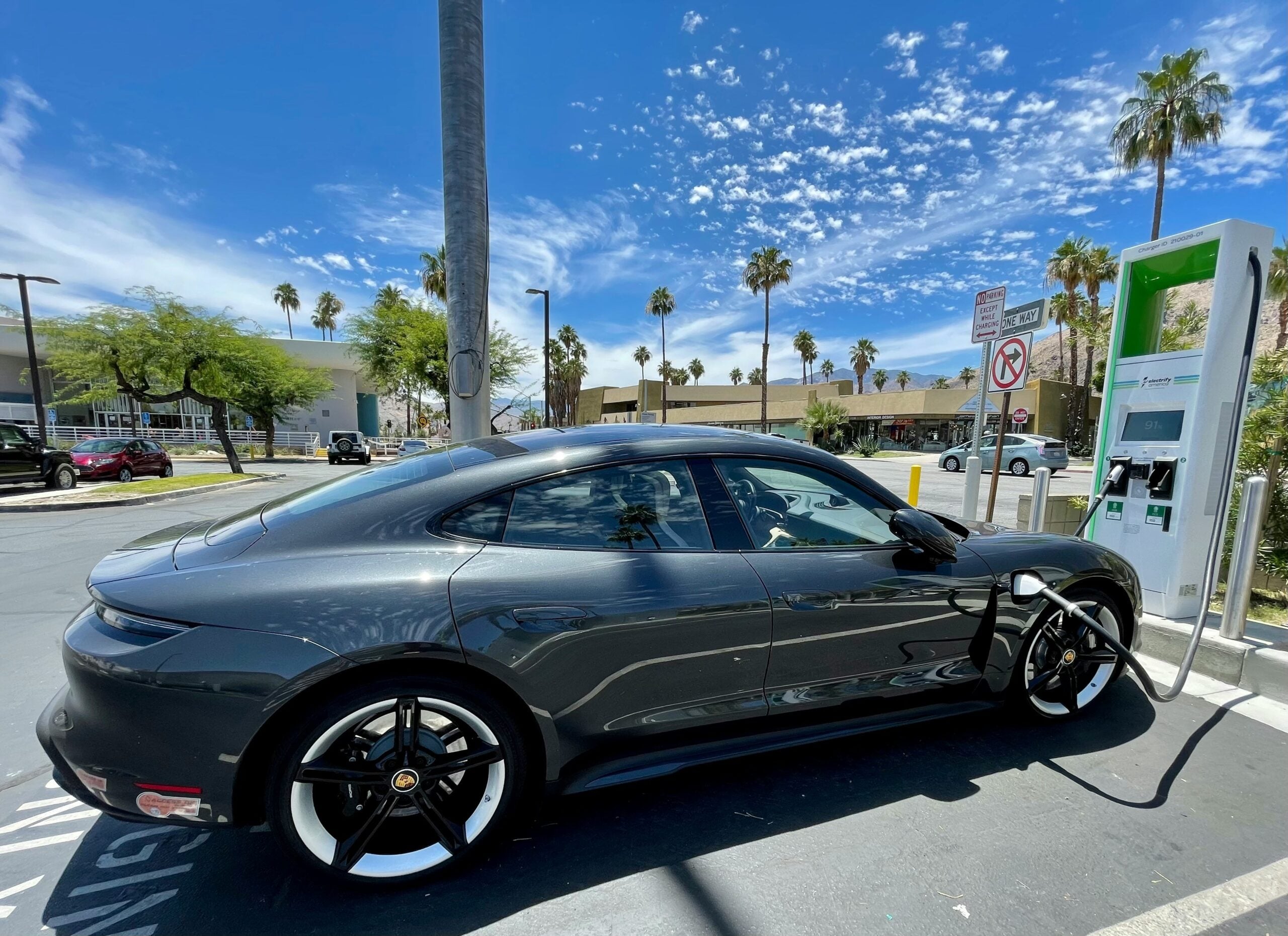
Thomas Edison and others built electric cars in the 1890s, but they couldn’t compete with gasoline vehicles. The cars had limited range, took forever to charge, and cost way too much for average buyers.
By the 1920s, cheap gas and better roads made gasoline cars the clear winner. Electric vehicles disappeared almost completely for decades.
Tesla and other companies revived the concept in the 2000s with better batteries, and now electric cars are reshaping the entire auto industry.
The pacemaker
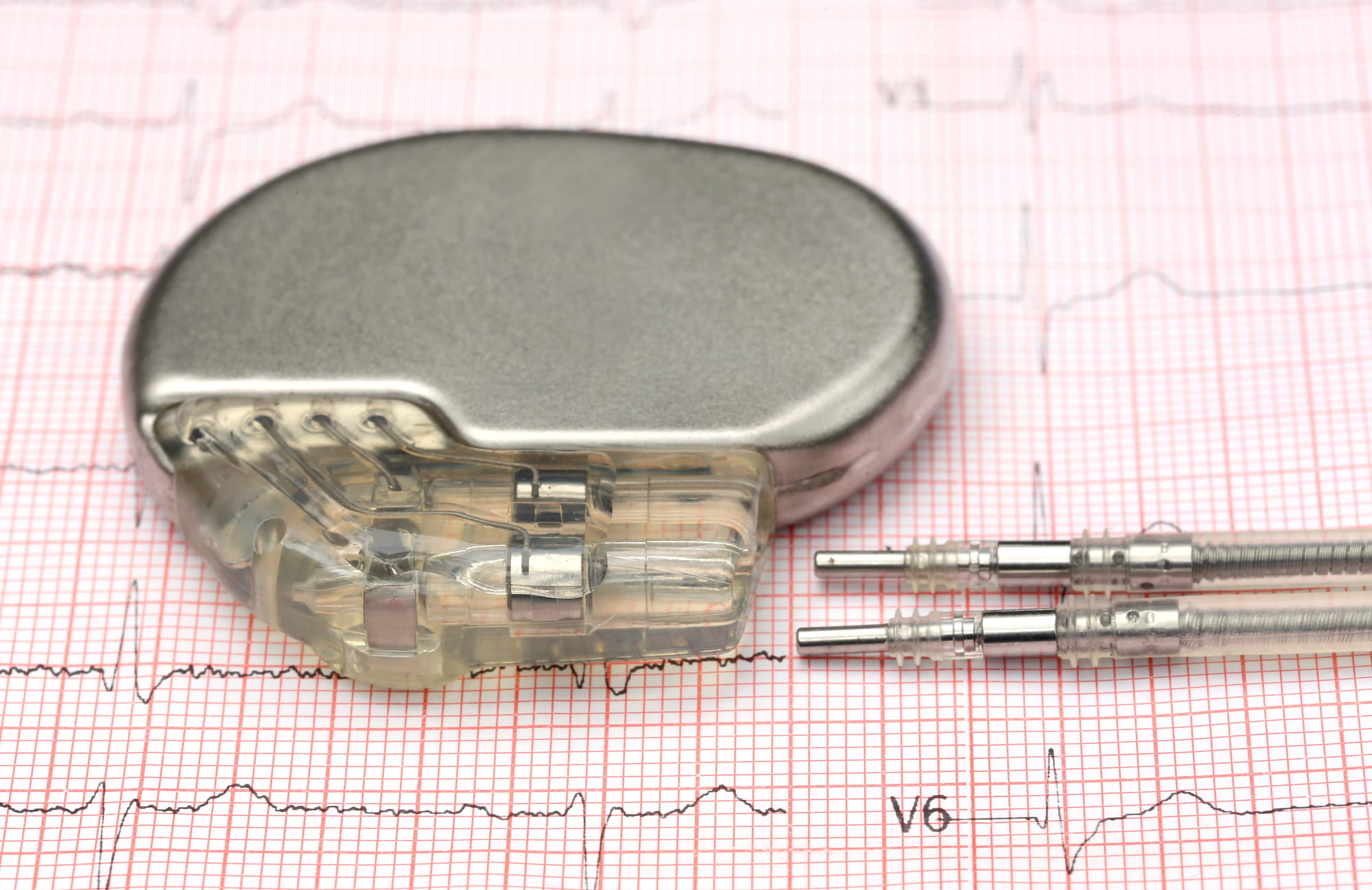
When doctors first proposed implanting electronic devices in hearts during the 1950s, the medical community thought it was too risky. Many physicians believed the human body would reject foreign objects or that batteries would fail at critical moments.
Early pacemakers were large, unreliable, and required external power sources. Wilson Greatbatch improved the design with better batteries and smaller components.
Today, hundreds of thousands of people receive pacemakers each year, and the devices routinely save lives.
The answering machine
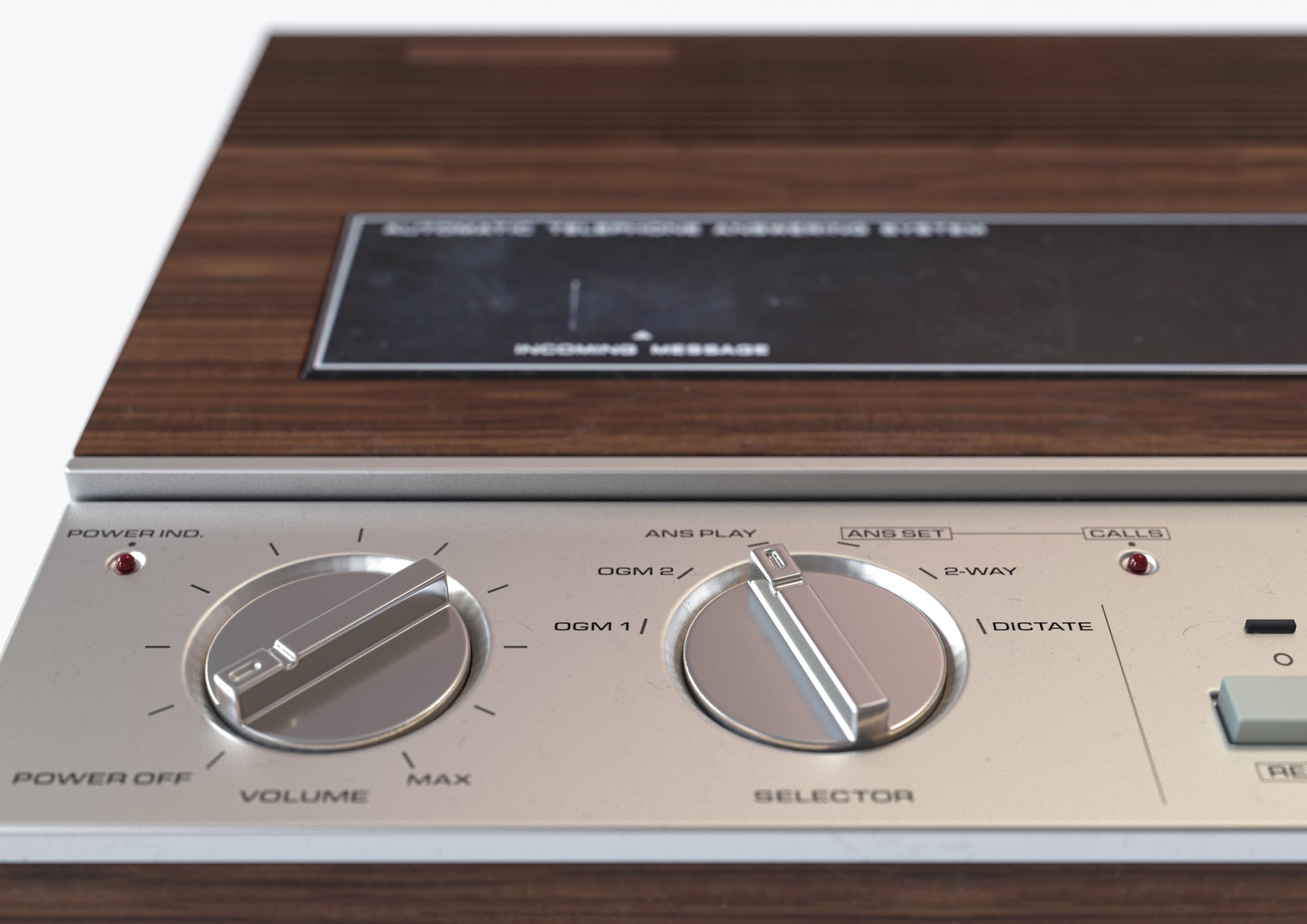
Valdemar Poulsen invented early answering machine technology in 1898, but phone companies actively fought against it. AT&T and others believed answering machines would reduce phone usage and hurt their business.
The companies also worried that recorded messages would lead to miscommunication and customer complaints. Legal battles delayed answering machines for decades.
By the 1970s, courts finally allowed them, and within 20 years most American homes had one until voicemail replaced them.
The digital camera
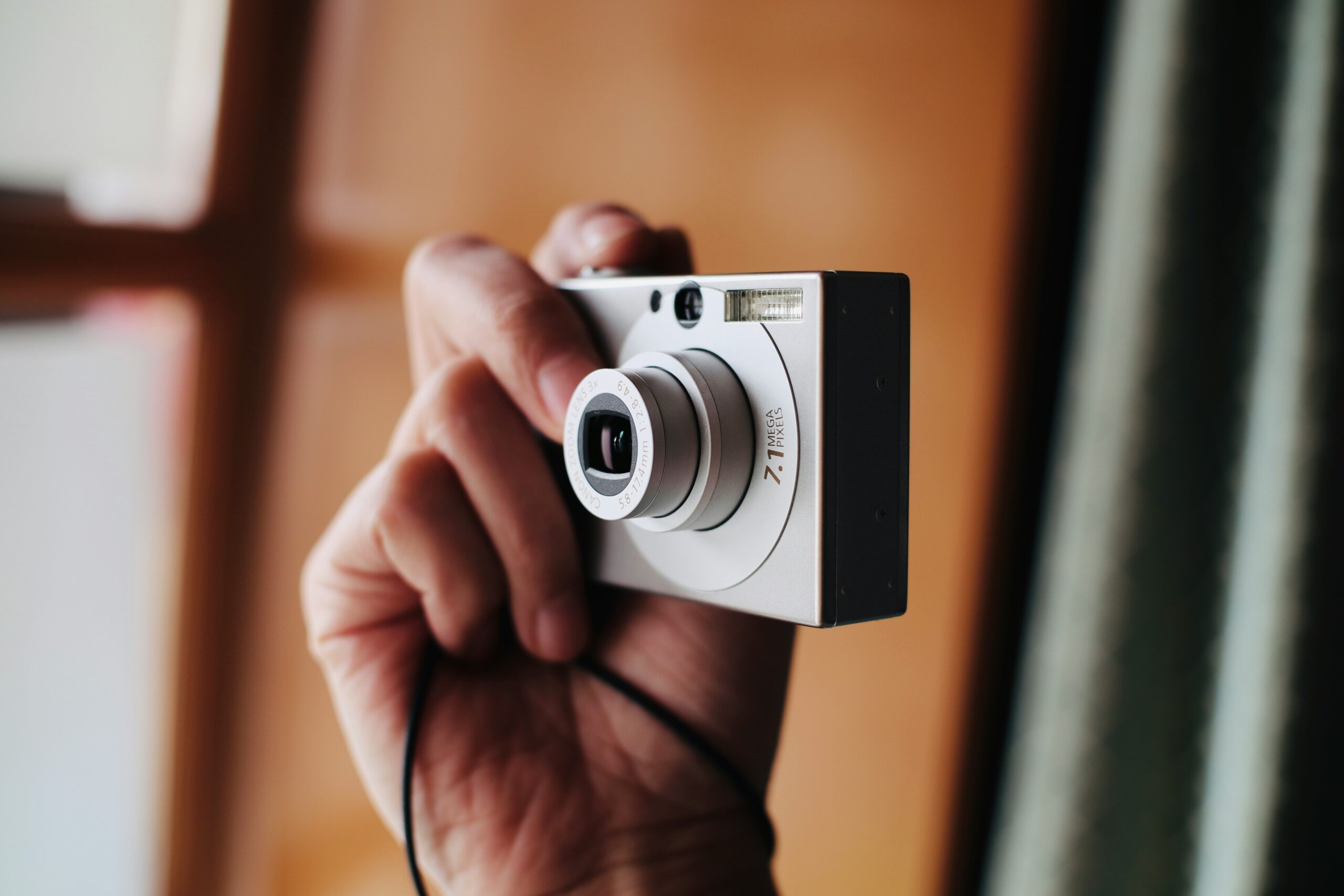
Kodak engineer Steven Sasson invented the digital camera in 1975, but his own company buried the technology. Kodak’s leadership feared digital cameras would destroy their profitable film business.
Other camera companies also dismissed digital photography as producing inferior images that nobody would want. Japanese companies like Sony and Canon eventually took the risk in the 1990s.
Kodak’s refusal to embrace their own invention led to their bankruptcy in 2012.
The shipping container

Malcom McLean introduced standardized shipping containers in 1956, and ports, unions, and shipping companies all resisted. Dock workers feared losing jobs, ports didn’t want to rebuild their facilities, and shipping lines thought the investment was too large.
Each port had different loading systems, and nobody wanted to change. McLean kept pushing, and the U.S. military used his containers during the Vietnam War with great success.
By the 1970s, containers revolutionized global trade and made international shipping far cheaper.
The ATM
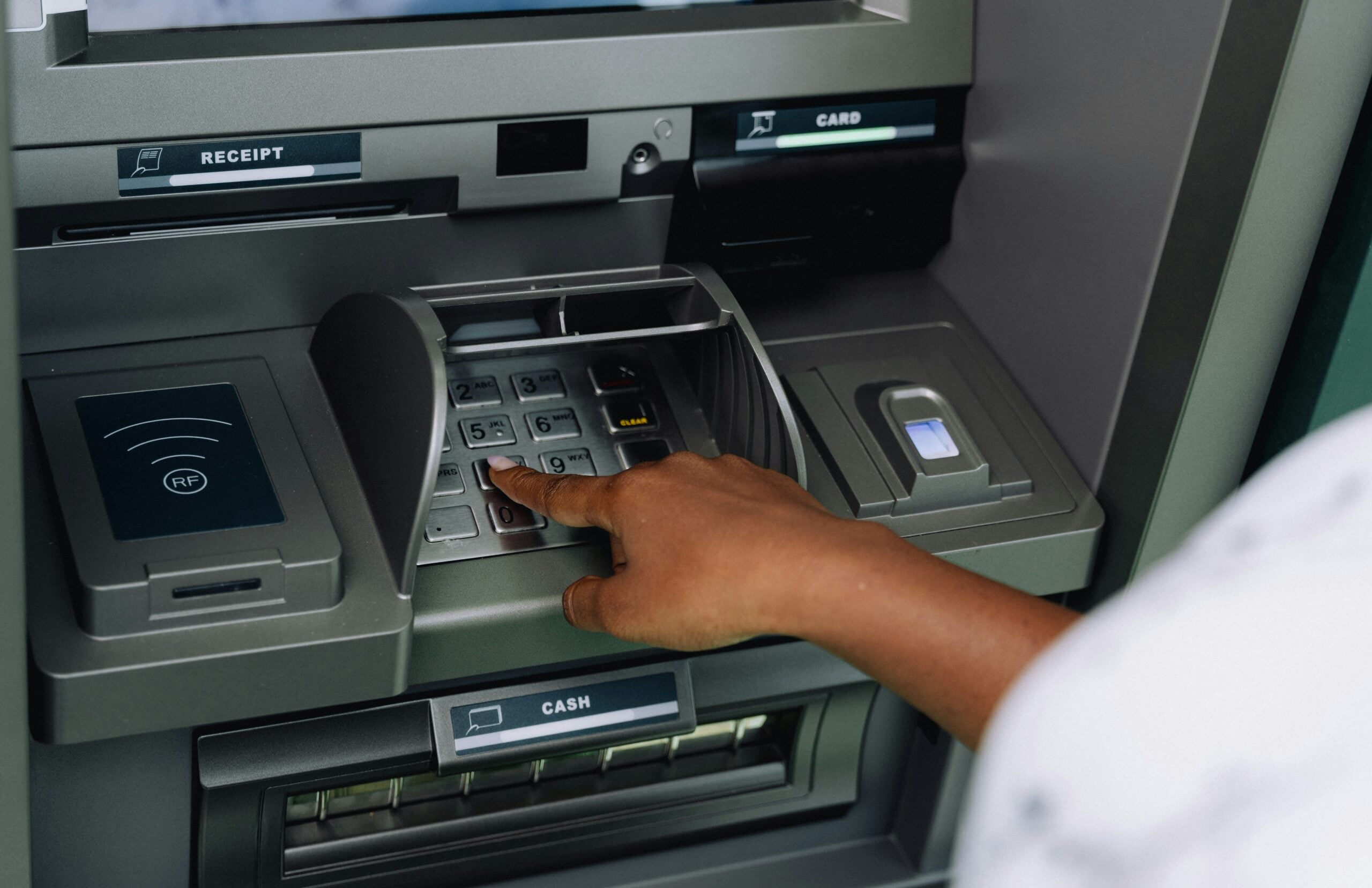
John Shepherd-Barron invented the automated teller machine in the 1960s, but banks didn’t trust customers with their own money. Financial institutions worried about fraud, theft, and people making mistakes without a human teller to help.
Many bankers believed customers would never accept getting cash from a machine instead of a person. The first ATMs appeared in London and slowly spread.
Now there are millions of ATMs worldwide, and most people rarely visit bank branches anymore.
Voice mail
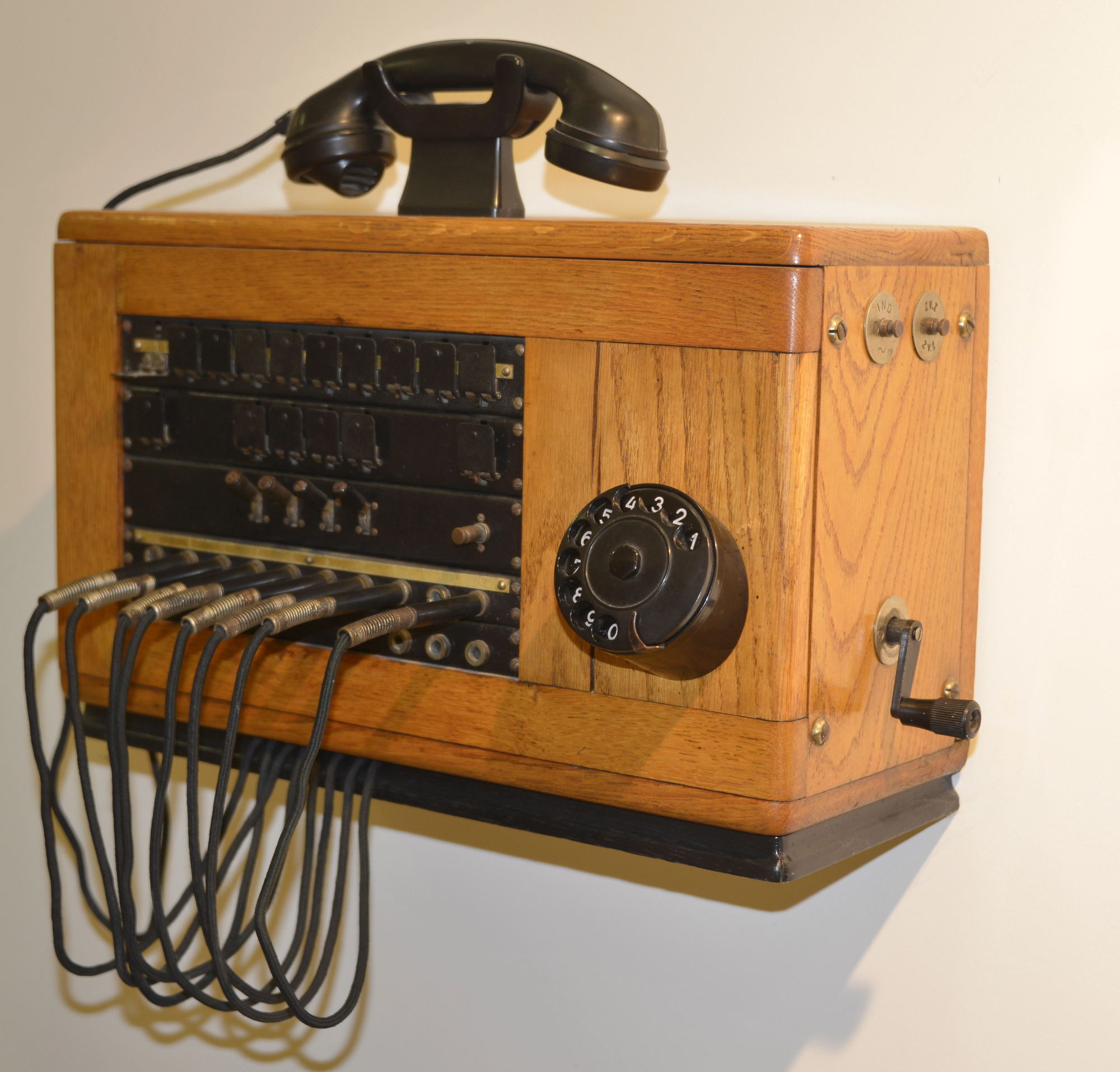
Voice mail systems existed in the 1970s, but companies and customers both hated them at first. People felt insulted when they couldn’t reach a real person and had to talk to a machine.
Businesses worried that voice mail would make them seem cheap or impersonal. Phone etiquette experts said leaving recorded messages was rude.
The technology was too convenient to ignore, though, and by the 1990s, voice mail became standard in offices everywhere.
The video game console
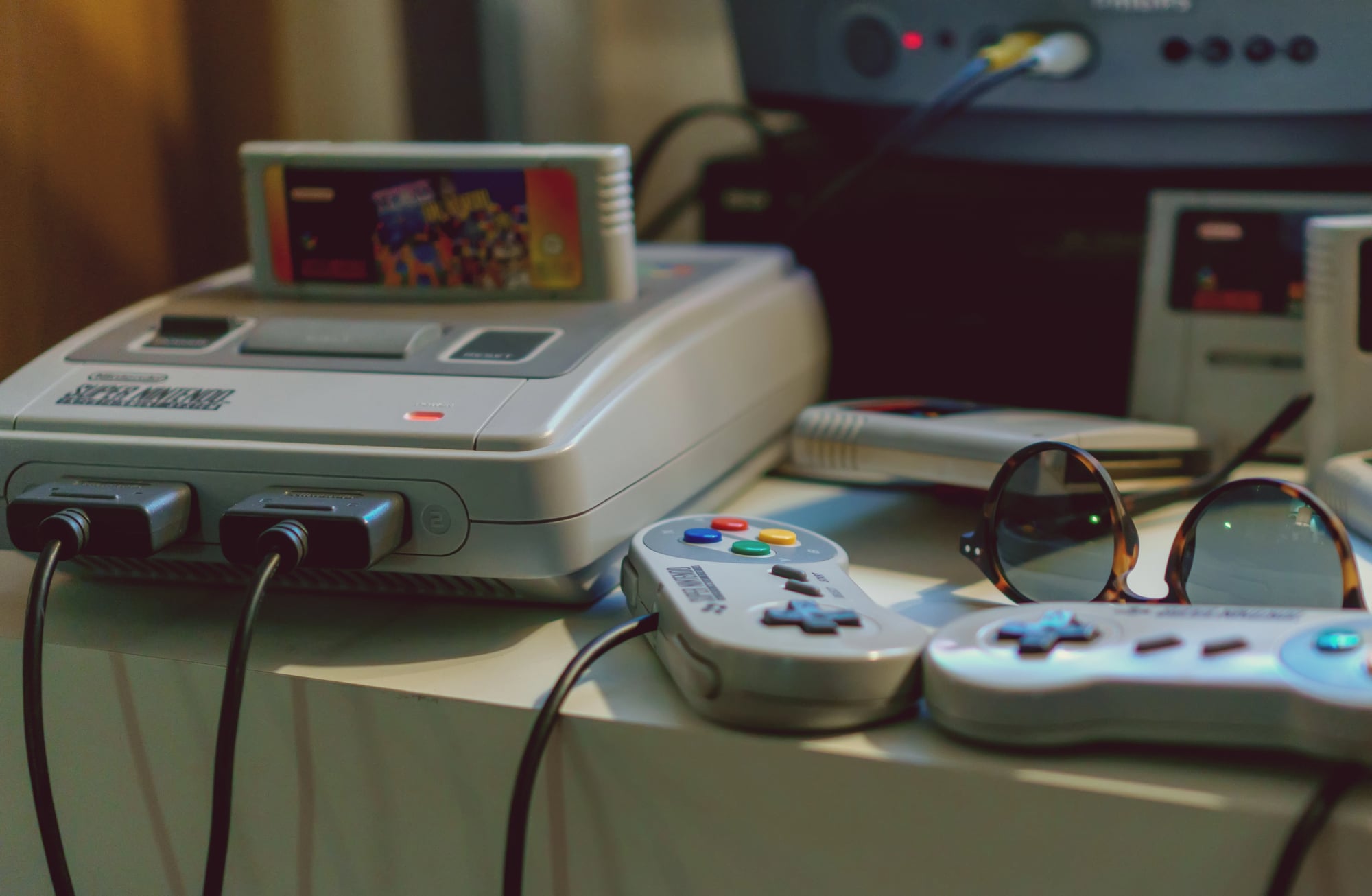
Ralph Baer created the first home video game console in 1967, but toy companies and electronics manufacturers all rejected it. They couldn’t figure out who would buy a device that only played simple games on a television.
Most companies thought the idea was silly and that any interest would fade quickly. Magnavox finally took a chance with the Odyssey console in 1972.
The video game industry now generates more money than movies and music combined.
The QR code
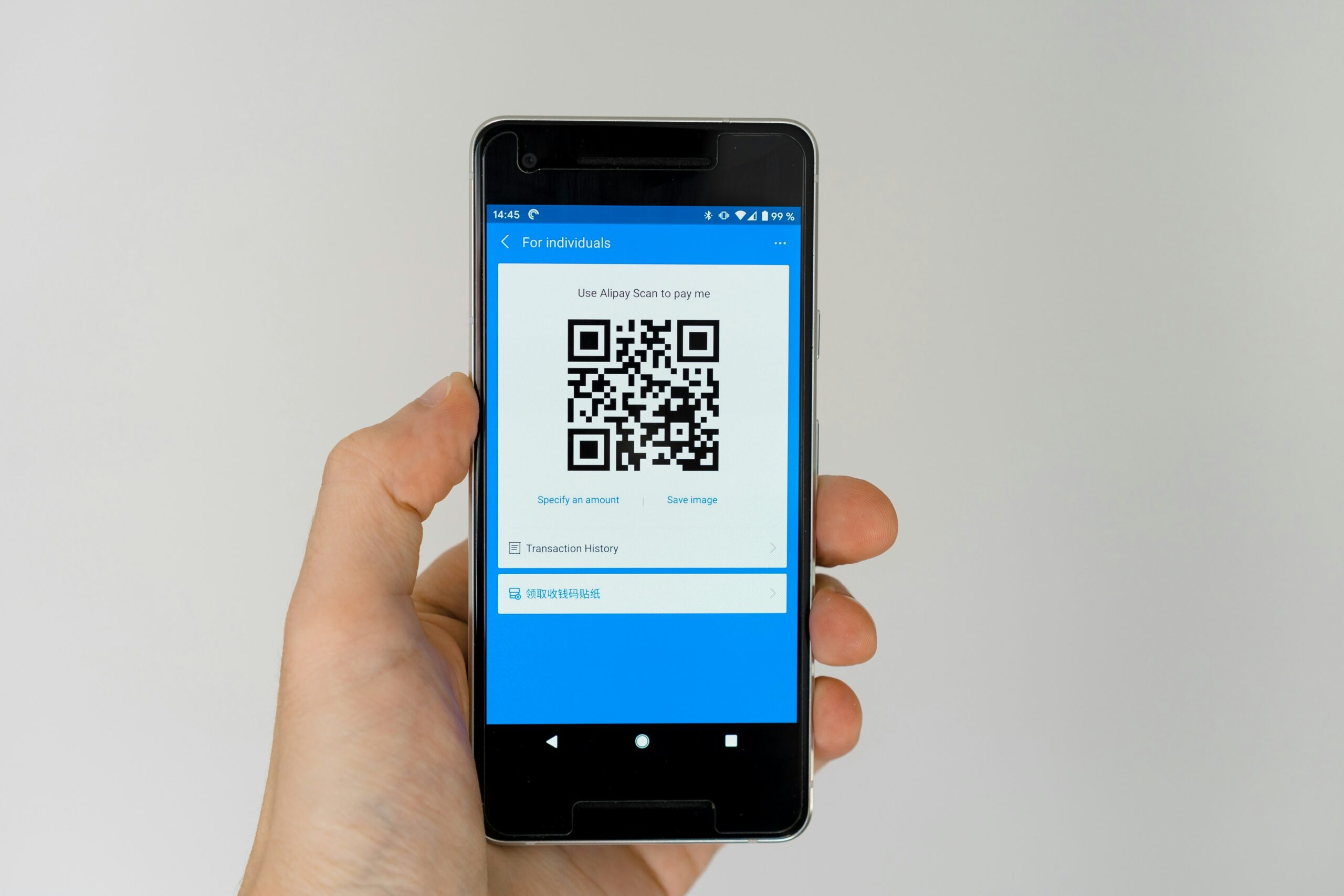
Denso Wave invented QR codes in 1994 for tracking car parts in Japanese factories. Marketing companies and retailers had no interest in the square barcodes.
People didn’t have smartphones yet, so scanning codes seemed pointless outside of warehouses. The codes sat unused for over a decade in most countries.
Smartphones with cameras made QR codes suddenly useful, and the pandemic pushed them into restaurants, stores, and everyday life when businesses needed touchless menus and payment options.
Where rejection meets acceptance

History keeps teaching the same lesson about human nature and innovation. People resist change even when new inventions clearly work better than old methods.
Fear, money concerns, and simple stubbornness make folks say no to things that later become impossible to live without. The inventors who pushed through rejection gave us tools and technologies that define modern life, proving that today’s crazy idea often becomes tomorrow’s necessity.
More from Go2Tutors!

- The Romanov Crown Jewels and Their Tragic Fate
- 13 Historical Mysteries That Science Still Can’t Solve
- Famous Hoaxes That Fooled the World for Years
- 15 Child Stars with Tragic Adult Lives
- 16 Famous Jewelry Pieces in History
Like Go2Tutors’s content? Follow us on MSN.



