15 Best Car Manufacturers of All Time
Out on the streets, cars changed daily life harder than nearly anything else in recent history. Cities grew wider because of them, factories shipped things differently, lives shifted around where wheels could go.
Since the 1890s, countless firms made machines that drove, yet very few pushed the whole field onto new paths. Because roads filled up, choices narrowed down.
Fresh off the assembly line, these builders didn’t just move metal – they sparked changes in how things get made. Shifts in design came fast when they pushed new ideas into motion.
Culture caught fire through machines that became legends overnight. Hidden under hoods were inventions still humming inside modern rides.
Their mark isn’t only on roads – it’s stitched into what driving means now. Some names didn’t just show up in car history – they shaped its direction.
What stands out isn’t mere presence, but influence carved over decades. These firms appeared when roads were uncertain, yet pushed forward anyway.
Not followers, their choices set patterns others copied later. Each breakthrough carried their mark, quietly changing how vehicles lived and moved.
Their legacy? Built into every turn of the wheel since.
Ford
Few manufacturers transformed everyday life as completely as Ford. When the moving assembly line was introduced in 1913, it dramatically lowered production time and cost, making cars accessible to the middle class.
The Model T became one of the most influential vehicles ever built, putting millions of drivers on the road. Beyond mass production, Ford mastered emotional branding.
The Mustang captured the spirit of 1960s performance culture, while the F-Series pickup became a long-standing sales leader in the United States. The company proved that scale and identity could grow side by side.
Toyota
Toyota built its reputation on precision and dependability. The Toyota Production System became a global benchmark for manufacturing efficiency, influencing industries far beyond automotive assembly lines.
Its focus on continuous improvement reshaped how factories operate around the world. The Corolla remains one of the best-selling vehicles in history, valued for longevity and practicality.
The Prius, introduced in the late 1990s, helped bring hybrid technology into the mainstream long before electrification became a global priority. Toyota’s strength lies in steady innovation rather than dramatic reinvention.
Mercedes-Benz
Mercedes-Benz traces its origins to the earliest days of the gasoline-powered automobile. From the beginning, it positioned itself at the intersection of engineering excellence and refined luxury.
The brand consistently introduced safety technologies that later became industry standards. The S-Class, in particular, has long served as a testing ground for advancements in driver assistance, structural safety, and interior refinement.
At the same time, Mercedes has maintained a strong presence in motorsport, reinforcing its engineering credibility. The brand’s legacy blends invention with prestige.
Ferrari
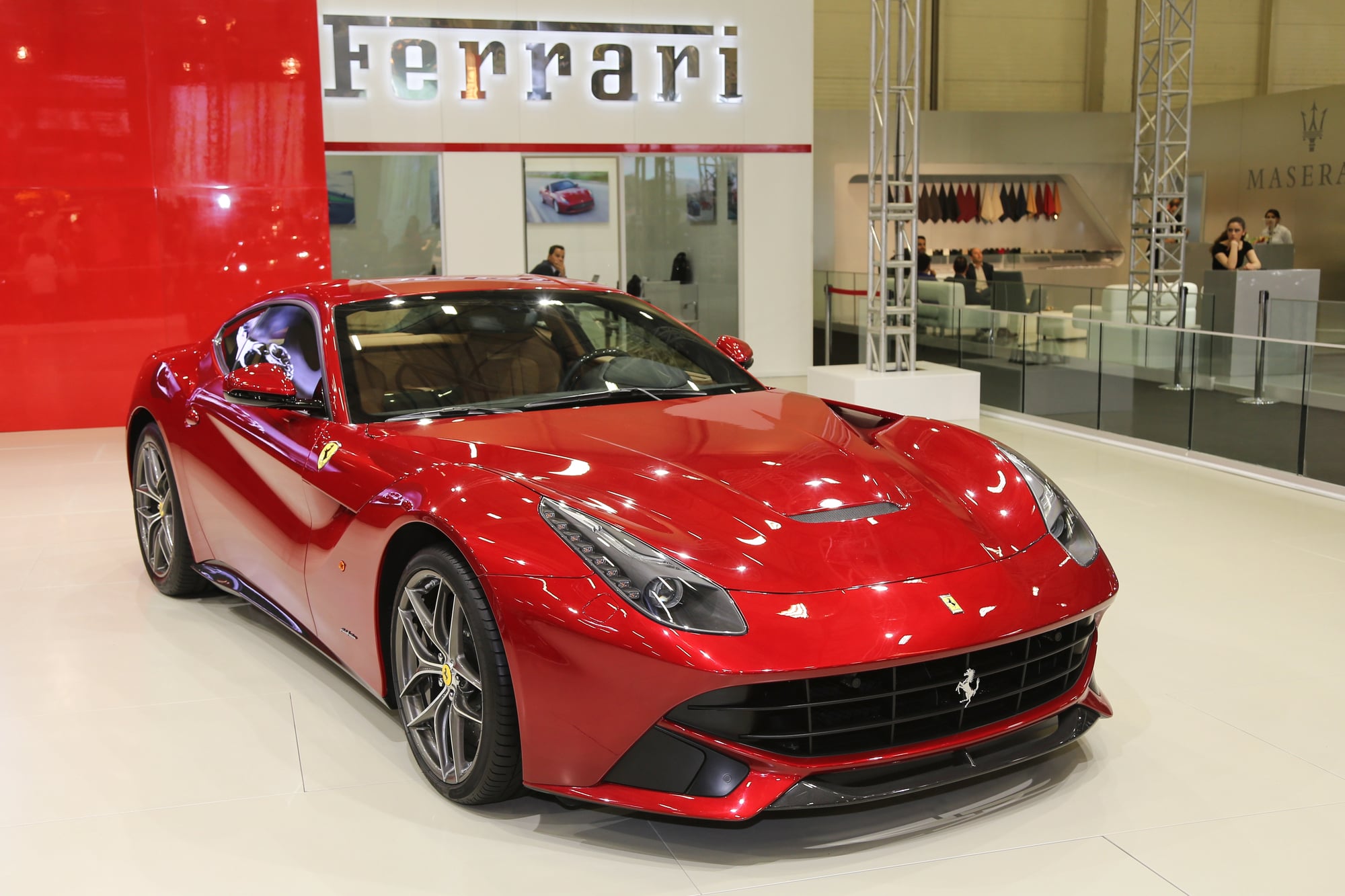
Ferrari built its identity around racing before becoming synonymous with high-performance road cars. Founded in 1939, the company’s Formula 1 heritage remains one of the most celebrated in motorsport history.
Its vehicles are known as much for their design and sound as for their speed. Models such as the 250 GTO have become some of the most valuable cars ever sold at auction.
Ferrari produces limited volumes compared to mainstream manufacturers, yet its cultural influence far outweighs its size. It represents performance elevated to art.
Porsche
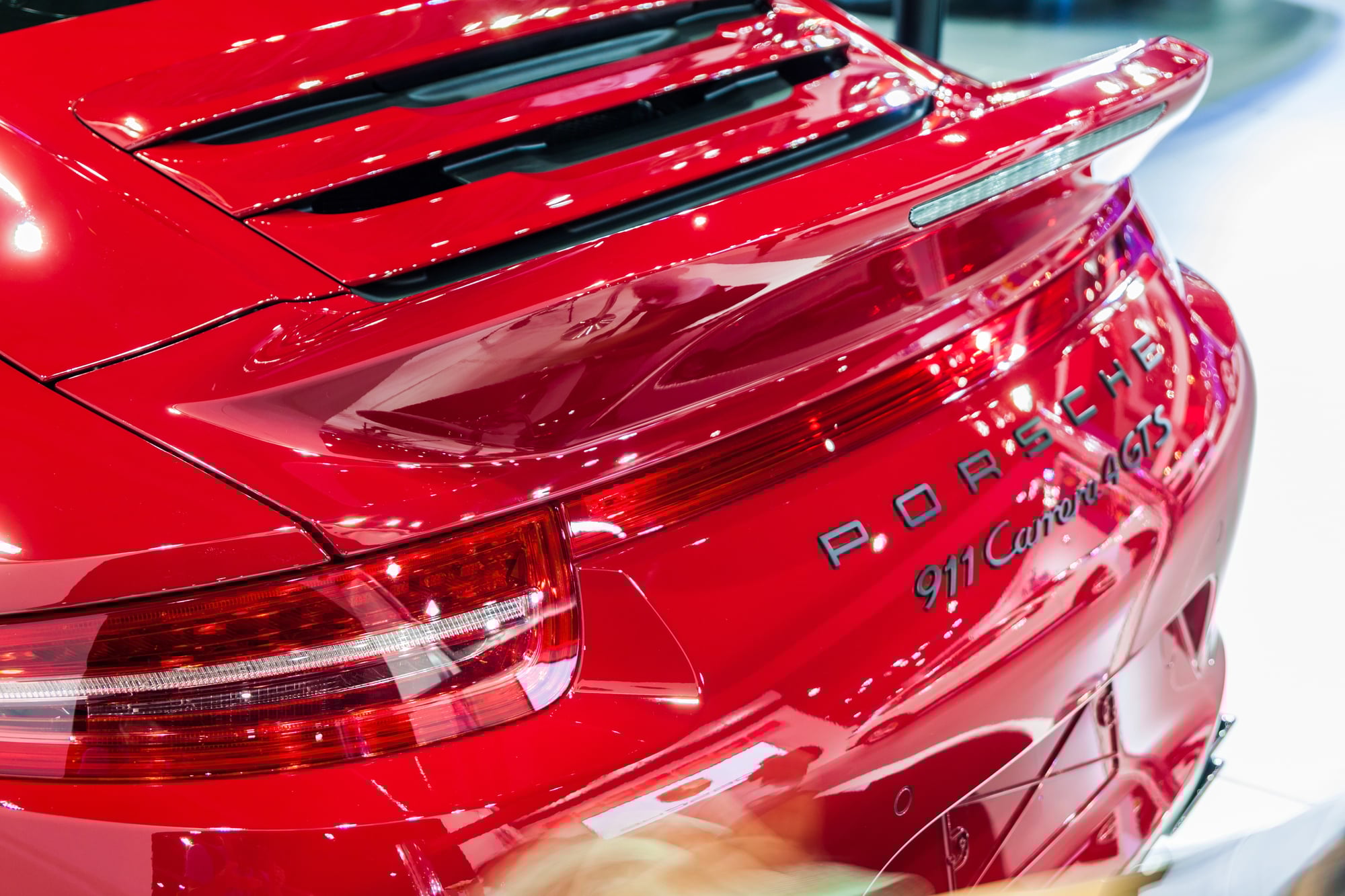
Porsche demonstrates how refinement over time can create lasting impact. The 911, introduced in 1964, has evolved continuously while maintaining its unmistakable silhouette.
Rather than abandoning its heritage, Porsche improved it generation after generation. The brand’s dominance in endurance racing, particularly at events like the 24 Hours of Le Mans, reinforced its technical expertise.
Even as it expanded into SUVs and electric vehicles, performance engineering remained central. Porsche’s consistency has made it one of the most respected performance brands in the world.
General Motors
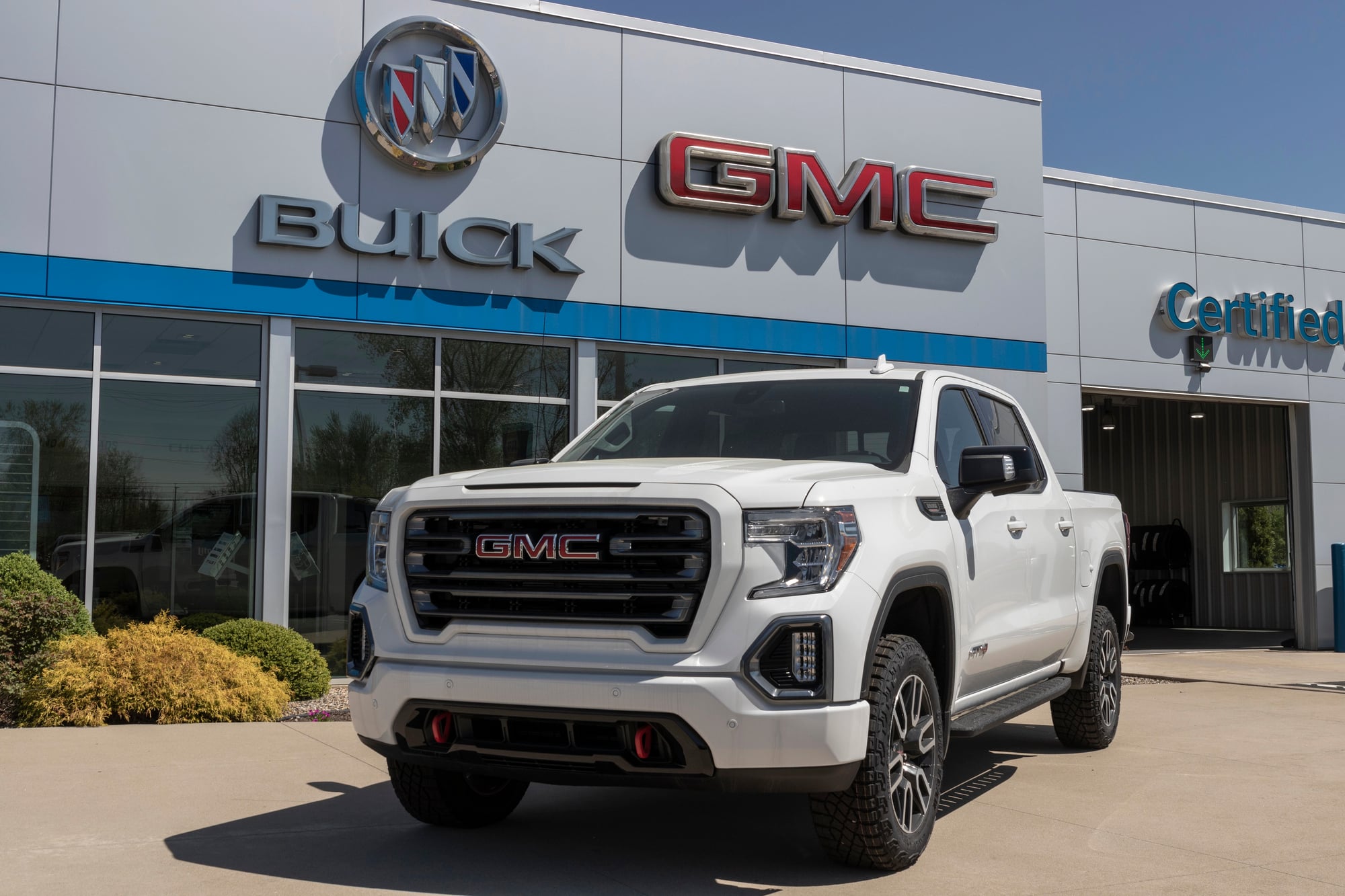
General Motors helped shape the modern corporate automotive structure. At its peak in the mid-20th century, it was the largest automaker in the world, managing multiple brands that covered nearly every price segment.
Its strategy of annual styling updates influenced consumer expectations for decades. Chevrolet and Cadillac, among others under its umbrella, became household names.
While financial challenges later tested the company, its early industrial dominance left a permanent imprint on the global automotive landscape.
Volkswagen
Volkswagen introduced one of the most recognizable cars in history with the Beetle. Originally developed in pre-war Germany, it later became a cultural symbol of practicality and counterculture alike.
Its simple design and durability allowed it to achieve global reach. Over time, Volkswagen grew into a vast automotive group, encompassing numerous brands across luxury and performance segments.
Its ability to balance accessible vehicles with engineering depth contributed to its enduring presence.
Honda
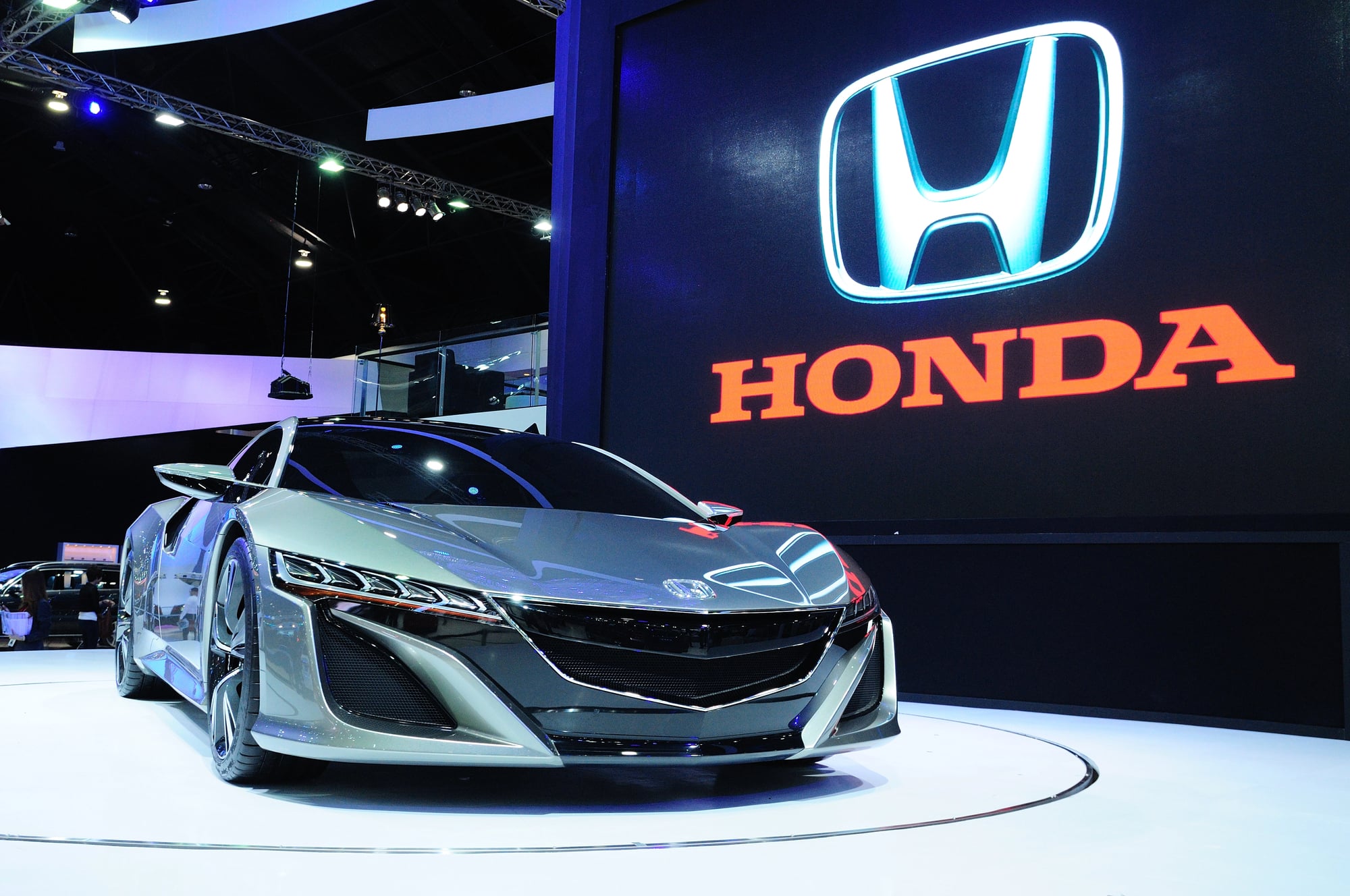
Honda began as a motorcycle manufacturer before expanding into automobiles, bringing mechanical precision with it. Its engines became known for efficiency, reliability, and longevity.
Models such as the Civic and Accord earned widespread trust across generations of drivers. Honda also demonstrated engineering ambition through innovations in fuel efficiency and performance technology.
The brand’s approach emphasized smart design and everyday usability, reinforcing its global appeal.
BMW
BMW carved out a distinct identity centered on driving dynamics. Its slogan, ‘The Ultimate Driving Machine,’ reflected a commitment to balanced handling and responsive engineering.
The brand developed a loyal following among drivers who valued connection behind the wheel. From executive sedans to high-performance M models, BMW blended luxury with athleticism.
Its influence extended into motorsport and performance engineering, reinforcing a reputation built on precision.
Tesla
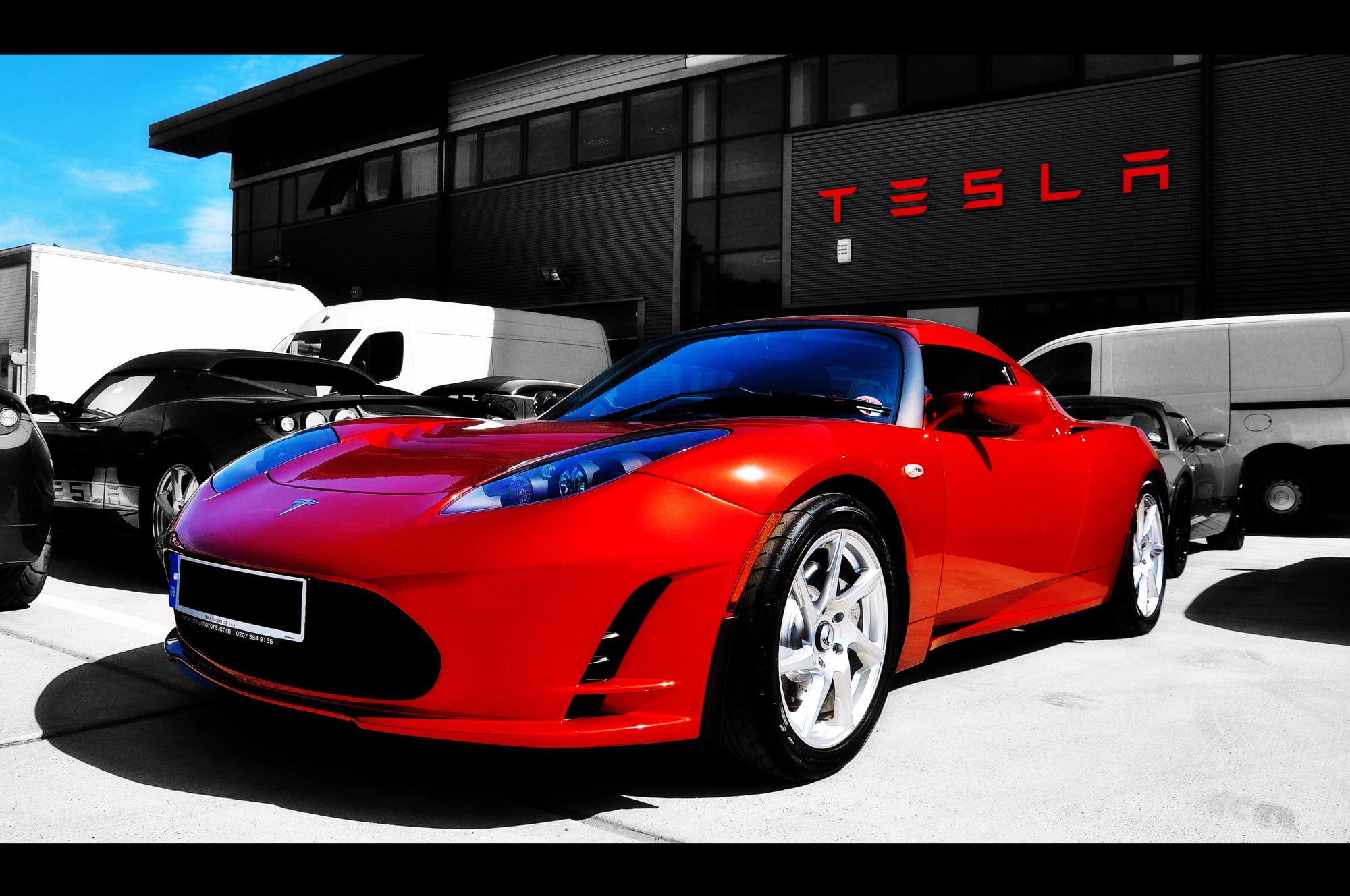
Tesla accelerated the modern electric vehicle movement. When the Model S launched in 2012, it demonstrated that electric cars could offer both long range and serious performance.
The company also pioneered large-scale over-the-air software updates, changing how vehicles evolve after purchase. By pushing aggressively into electrification, Tesla forced legacy automakers to accelerate their own electric programs.
Its impact lies not just in sales, but in reshaping industry timelines and consumer expectations.
Chevrolet
Chevrolet managed to bridge accessibility and performance in a way few brands have matched. The Corvette became an enduring American sports car, offering high performance at a relatively attainable price point.
At the same time, models like the Silverado solidified its presence in the truck market. The brand’s broad portfolio allowed it to serve both work-focused buyers and performance enthusiasts.
That dual identity strengthened its position across multiple decades.
Lamborghini
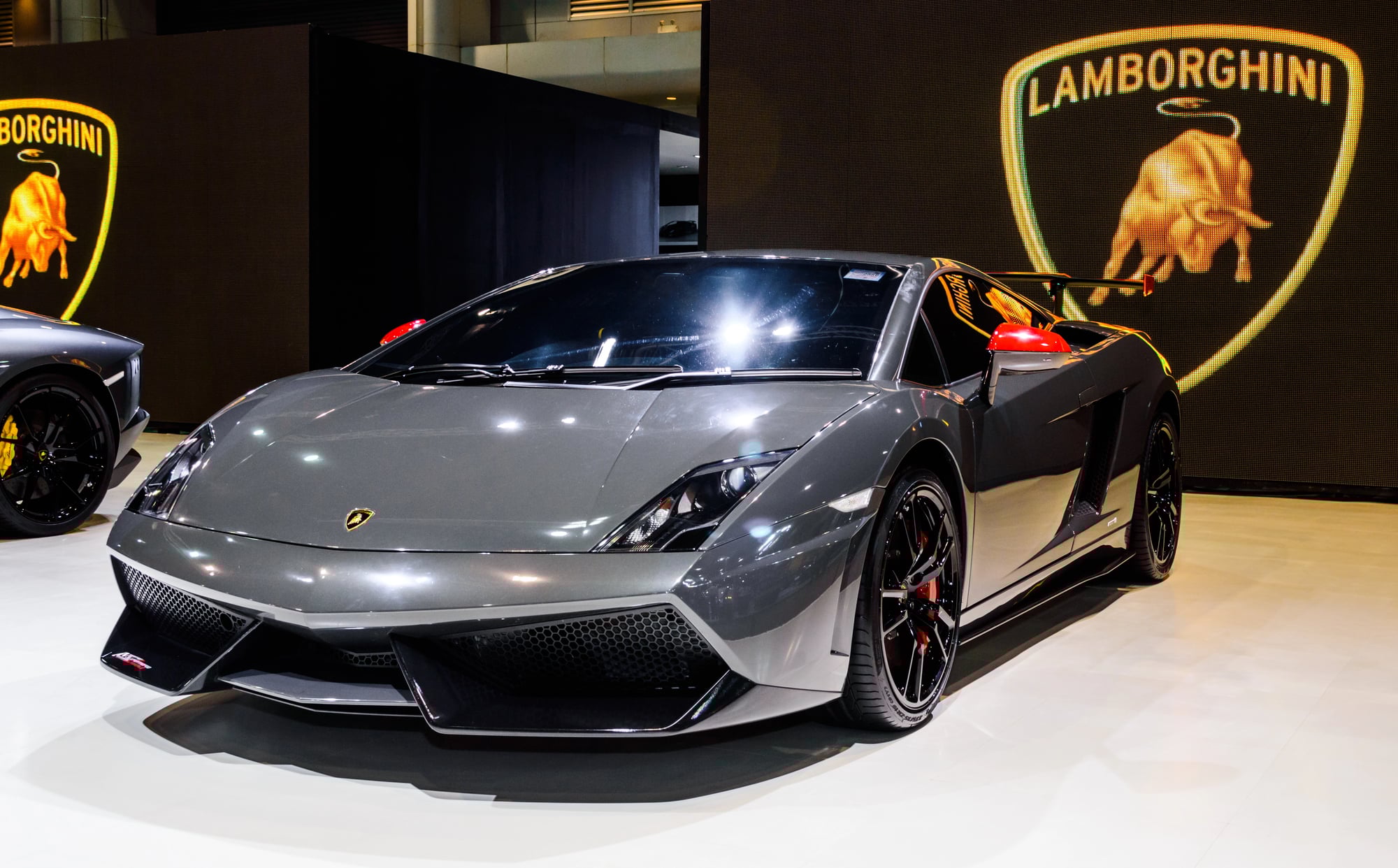
Lamborghini entered the automotive world as a bold challenger, determined to rival established performance brands. From the start, it embraced dramatic styling and uncompromising performance.
Its wedge-shaped supercars became rolling statements of design ambition. Even through changes in ownership, Lamborghini maintained its theatrical personality.
The brand consistently prioritized emotional impact alongside technical performance, creating vehicles that command attention before they even move.
Audi
Audi established itself as a leader in all-wheel-drive technology with its quattro system. Originally developed for rally racing, it enhanced traction and stability for both performance and everyday driving.
The system later became a hallmark of the brand’s engineering identity. Audi also influenced interior design trends with clean layouts and advanced digital displays.
Its ability to combine understated luxury with technological sophistication strengthened its global standing.
Nissan
Nissan built a diverse portfolio that spanned everyday transportation and performance icons. The GT-R became known for delivering supercar-level acceleration at a comparatively accessible price.
Meanwhile, mainstream models sustained the company’s mass-market presence. The introduction of the Leaf marked one of the earliest efforts to bring electric vehicles to a broader audience.
Nissan’s willingness to experiment contributed significantly to its long-term relevance.
Hyundai
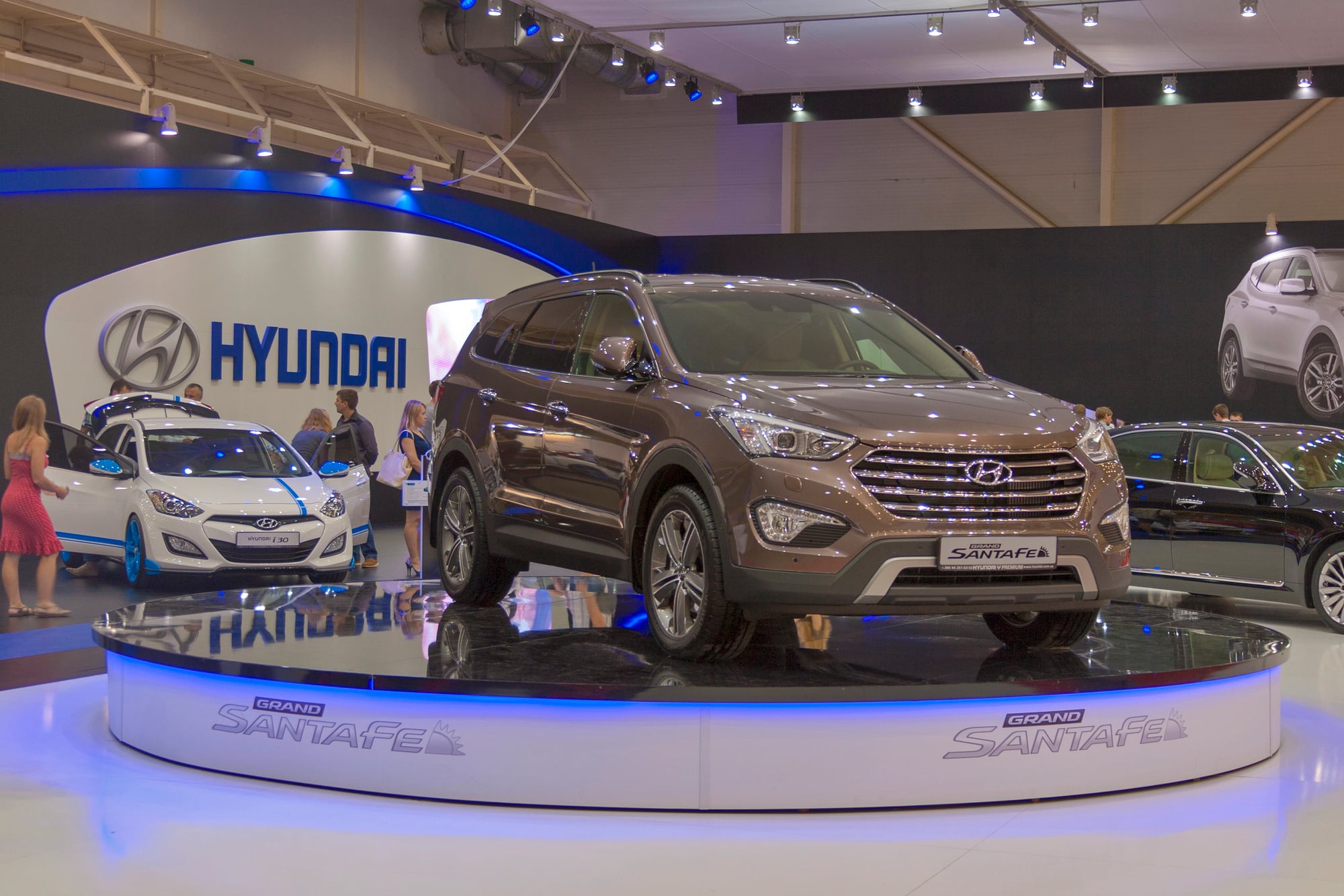
Hyundai’s transformation over the past few decades stands as one of the most notable shifts in automotive reputation. Once viewed primarily as a budget-focused alternative, it invested heavily in design, engineering, and long-term quality improvements.
Extended warranty programs built consumer trust, while newer performance and electric models demonstrated technical ambition. Hyundai’s rise illustrates how rapidly a manufacturer can evolve with sustained focus and strategic execution.
The Road They Built
Out there among these makers, it wasn’t just about selling more units. Pushing new ways to build cars came first – then stronger safeguards followed close behind.
Performance standards? They set those too. Mobility ideas worldwide bent toward their vision.
Almost every car now driving bears some mark of that reach. Right now, cars are changing faster than ever before because of electric power, self-driving tech, and cleaner production needs.
Still, old decisions shape how things move ahead today. Top automakers in history didn’t just make machines people drove back then – their ideas became the base for what comes next.
From those early blueprints, new directions grow without needing a full restart.
More from Go2Tutors!

- The Romanov Crown Jewels and Their Tragic Fate
- 13 Historical Mysteries That Science Still Can’t Solve
- Famous Hoaxes That Fooled the World for Years
- 15 Child Stars with Tragic Adult Lives
- 16 Famous Jewelry Pieces in History
Like Go2Tutors’s content? Follow us on MSN.