Jewelry With Cursed Histories
Beautiful jewelry has captivated people throughout history, but some pieces come with dark stories that make them more terrifying than treasured. These aren’t just urban legends or spooky tales made up to scare tourists.
Real pieces of jewelry have been linked to deaths, disasters, and strings of bad luck that seem too consistent to be coincidence.
Here are the most infamous cursed jewels that have left trails of tragedy in their wake.
The Hope Diamond

This massive blue diamond weighs over 45 carats and has supposedly brought misfortune to nearly everyone who owned it. The gem was allegedly stolen from a Hindu statue in India, cursing anyone who possessed it.
Marie Antoinette wore it before losing her head during the French Revolution. Later owners faced bankruptcy, murder, and untimely deaths.
The Smithsonian Institution now houses the diamond, and so far the museum has avoided any curse-related disasters, though some staff members reportedly refuse to handle it.
The Delhi Purple Sapphire

Despite its name, this gem is actually an amethyst that was looted from a temple in India during the 1857 rebellion. Colonel W. Ferris brought it to England, where his family immediately experienced financial ruin and health problems.
The next owner, Edward Heron-Allen, faced such terrible luck that he threw the stone into a canal. After someone found and returned it, he locked it away with a note warning future generations.
The cursed amethyst now sits safely sealed in the Natural History Museum in London.
The Black Orlov Diamond

This 67-carat black diamond allegedly came from a statue of the Hindu god Brahma and carries a curse of violent death. Three owners reportedly took their own lives by jumping from buildings in the early 1900s.
Princess Nadia Vyegin-Orlov and Princess Leonila Galitsine-Bariatinsky both died this way, as did dealer J.W. Paris who brought the stone to America. A jeweler later cut the diamond into three pieces, supposedly breaking the curse.
The current owners claim no further tragedies have occurred since the stone was divided.
The Koh-i-Noor Diamond
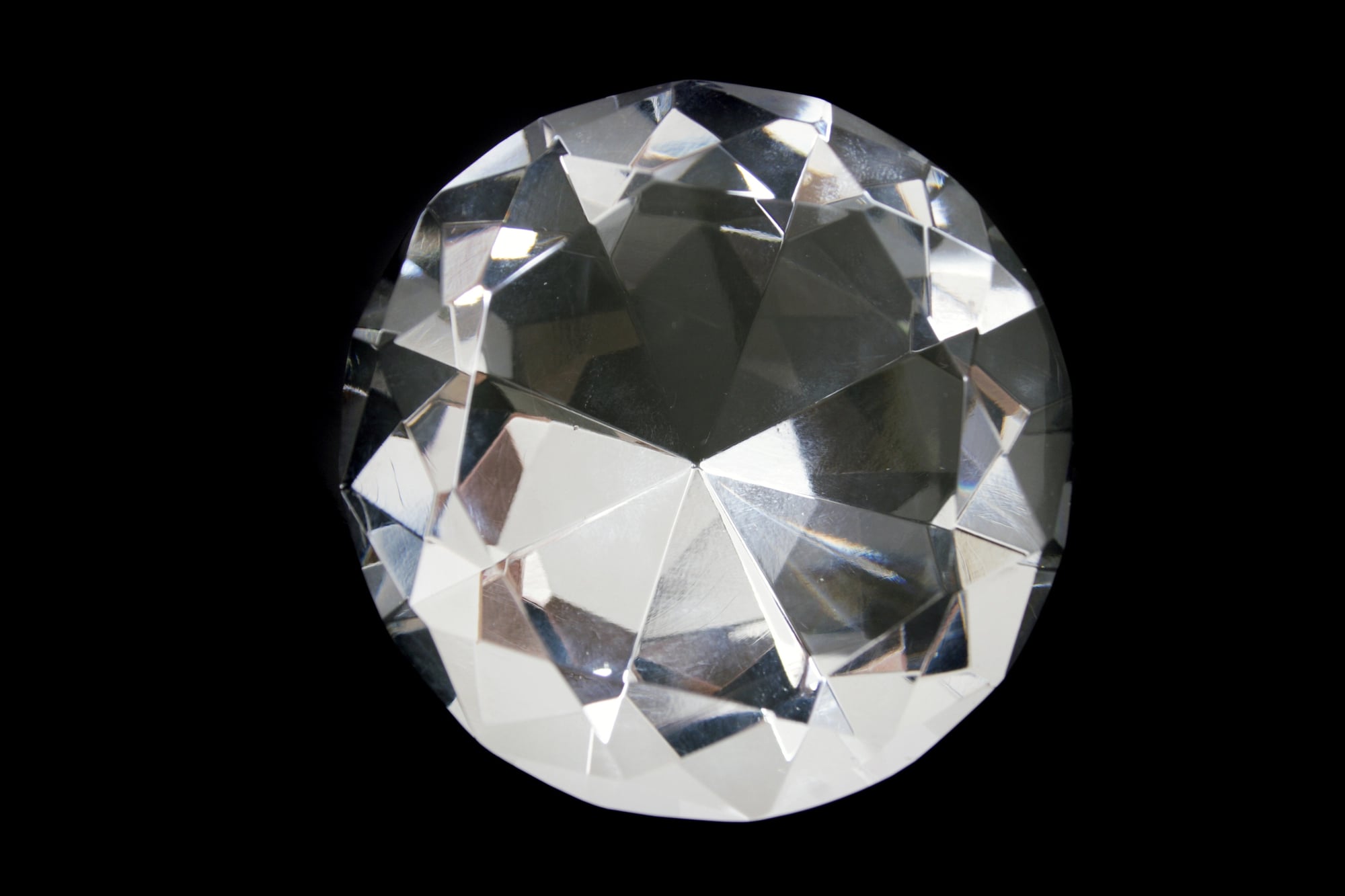
This 105-carat diamond has a history of conquered kingdoms and dead rulers stretching back centuries. Ancient texts claim that only God or a woman can wear the Koh-i-Noor safely, and male owners will lose their kingdoms.
Multiple emperors and kings who possessed it met violent ends or saw their empires collapse. Queen Victoria claimed it in 1849, and since then only female British royals have worn it.
The diamond currently sits in the Crown Jewels, where it continues to spark international disputes over its rightful ownership.
Anna Baker’s wedding dress

Anna Baker was set to marry a man her wealthy father disapproved of in the 1850s. Her father forbade the marriage and locked away her wedding dress, which she never got to wear.
Anna died alone and bitter decades later. The dress, now displayed in the Baker Mansion museum in Pennsylvania, allegedly moves on its own inside its sealed case.
Visitors and staff report seeing the fabric sway and rustle when no one is near it, as if an invisible bride is trying it on.
The Basano Vase

A long time ago, in Italy, someone made a small silver container shaped like a vase during the 1400s. It came with strict words: do not put blossoms inside.
Stories claim a bride got it just one evening before her death changed everything. Over years, different people took possession – each met strange endings soon afterward.
When it turned up again in 1988, there was a paper attached speaking of bad luck. After that, instead of showing it openly, the curators chose to hide it underground somewhere unknown.
Rudolph Valentino’s ring
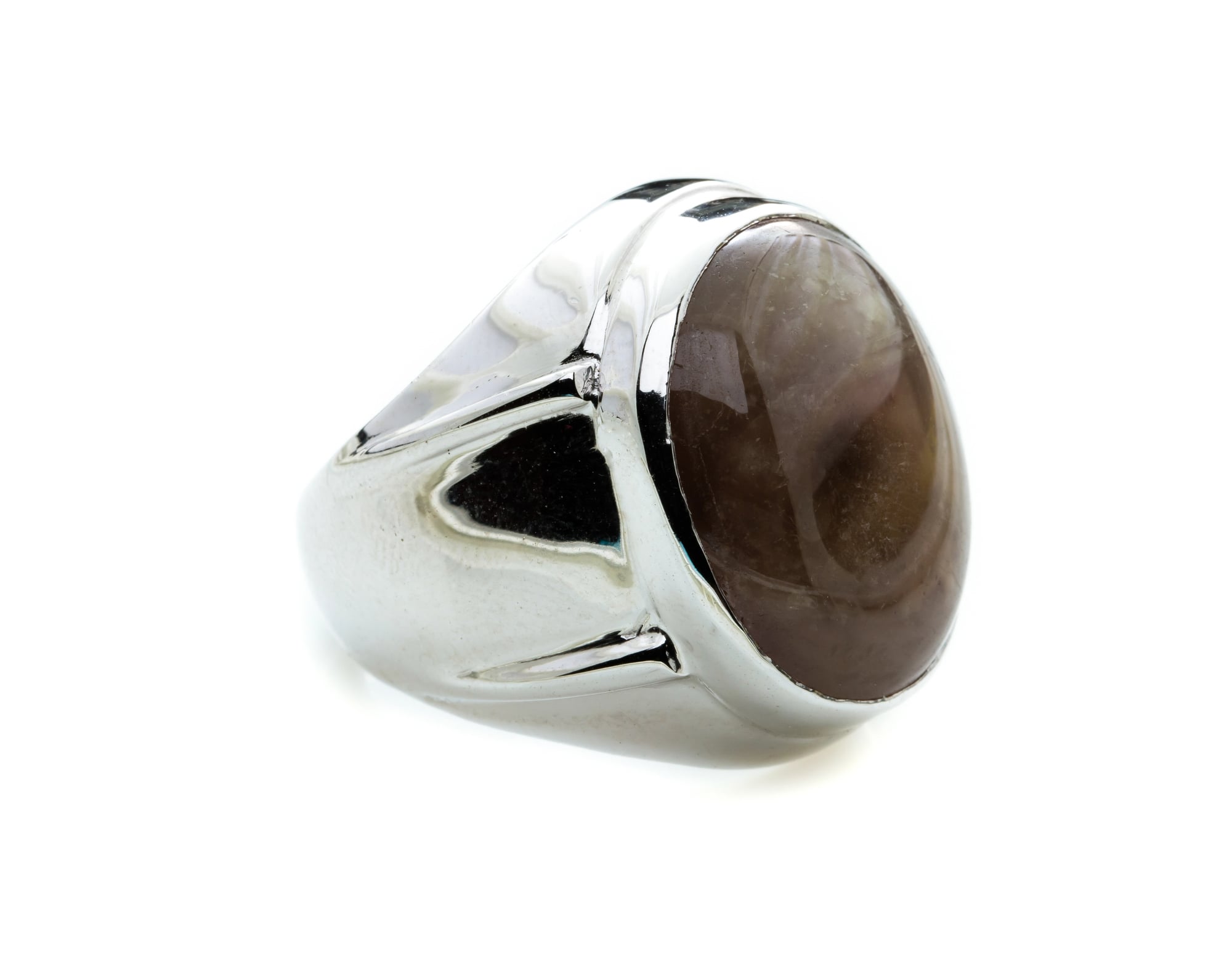
A ring with a modest gem caught Rudolph Valentino’s eye one afternoon in the 1920s, even though the shopkeeper hesitated, muttering about bad luck. Into his next movie he walked, hand flicking into frame, that very band gleaming under studio lights – audiences stayed away in droves.
Weeks later, silence: he was gone, thirty-one years old. Pola Negri slipped it onto her finger without pause; within days, fever clung to her like damp cloth.
Fate took a sharp turn when Joe Casino, just starting out in acting, got hold of the ring – then passed away soon after. Others tied to it stumbled into bad luck one by one until the object vanished quietly, forgotten by most.
The Moonlight Sonata Ring

Back in the 1900s, someone received a ring forged from space rock. Oddly enough, each person who wore it claimed to hear piano notes – always Moonlight Sonata by Beethoven – right before disaster struck.
In under two decades, six different hands held it, every single one noting the eerie tune preceding misfortune. Eventually, a private buyer took possession, sealing it off without plans to resurface.
Where does it rest today? Nobody can say for sure – one guess is gone forever, vanished on purpose to stop what came next.
The Crying Boy painting jewelry

An artist created a series of paintings of crying children in the 1950s, and jewelry featuring miniatures of these images became popular. Fires destroyed homes of people who owned the paintings or wore the jewelry with alarming frequency.
Firefighters noticed that in many cases, the crying boy items survived unscathed while everything around them burned. Mass burnings of the paintings and jewelry occurred in the 1980s after newspapers reported the pattern.
Some pieces still exist in private collections despite the creepy coincidences.
The curse of the pharaohs extends to jewelry

Numerous pieces of jewelry from King Tut’s tomb have been linked to early deaths of those involved in the excavation. Lord Carnarvon, who funded the dig, died from an infected mosquito bite just months after entering the tomb.
Others on the expedition team died from various causes at unusually young ages. Several pieces of the treasure disappeared and supposedly brought bad luck to thieves and collectors.
The jewelry that remained with museums has been handled cautiously ever since.
The Amber Room panels

Pieces of jewelry and decorative items from the legendary Amber Room disappeared when Nazis looted it during World War II. People who acquired fragments of the amber panels reportedly faced accidents, illnesses, and financial disasters.
Several died under mysterious circumstances while trying to sell pieces they had stolen. The room’s location remains one of history’s greatest mysteries.
Those few amber pieces that have surfaced carry warnings about their dangerous history.
Empress Carlota’s emeralds

Mexican Empress Carlota owned a stunning emerald set that supposedly carried an Aztec curse. After wearing the jewels, she watched her husband Emperor Maximilian face execution by firing squad.
Carlota descended into what appeared to be madness and spent the last 60 years of her life in isolation. The emeralds passed through several European royal families, each experiencing political upheaval or personal tragedy.
Current whereabouts of the complete set remain unclear, with pieces scattered across private collections.
The Atahualpa necklace

This gold necklace allegedly belonged to the last Inca emperor Atahualpa before Spanish conquistadors executed him. The curse supposedly affects anyone who wears it with violent death or imprisonment.
Multiple owners throughout the centuries met grim fates, including murder, execution, and death during wars. A Spanish museum displayed it for decades before placing it in storage after staff refused to handle it.
The necklace represents not just a curse but the violent theft of an entire civilization’s treasures.
The Tsarina’s pearls

A string of pearls once worn by Tsarina Alexandra carries tales of upheaval and bloodshed. Following the killing of the Romanovs in 1918, someone carried those beads beyond Russia’s borders.
Misery followed every person who later held them – some lost everything, others vanished too soon. People passed them on quickly, as if dropping hot coals.
It wasn’t the jewelry that doomed anyone, scholars say, but the echo of a throne shattered by gunfire.
The Black Prince’s Ruby
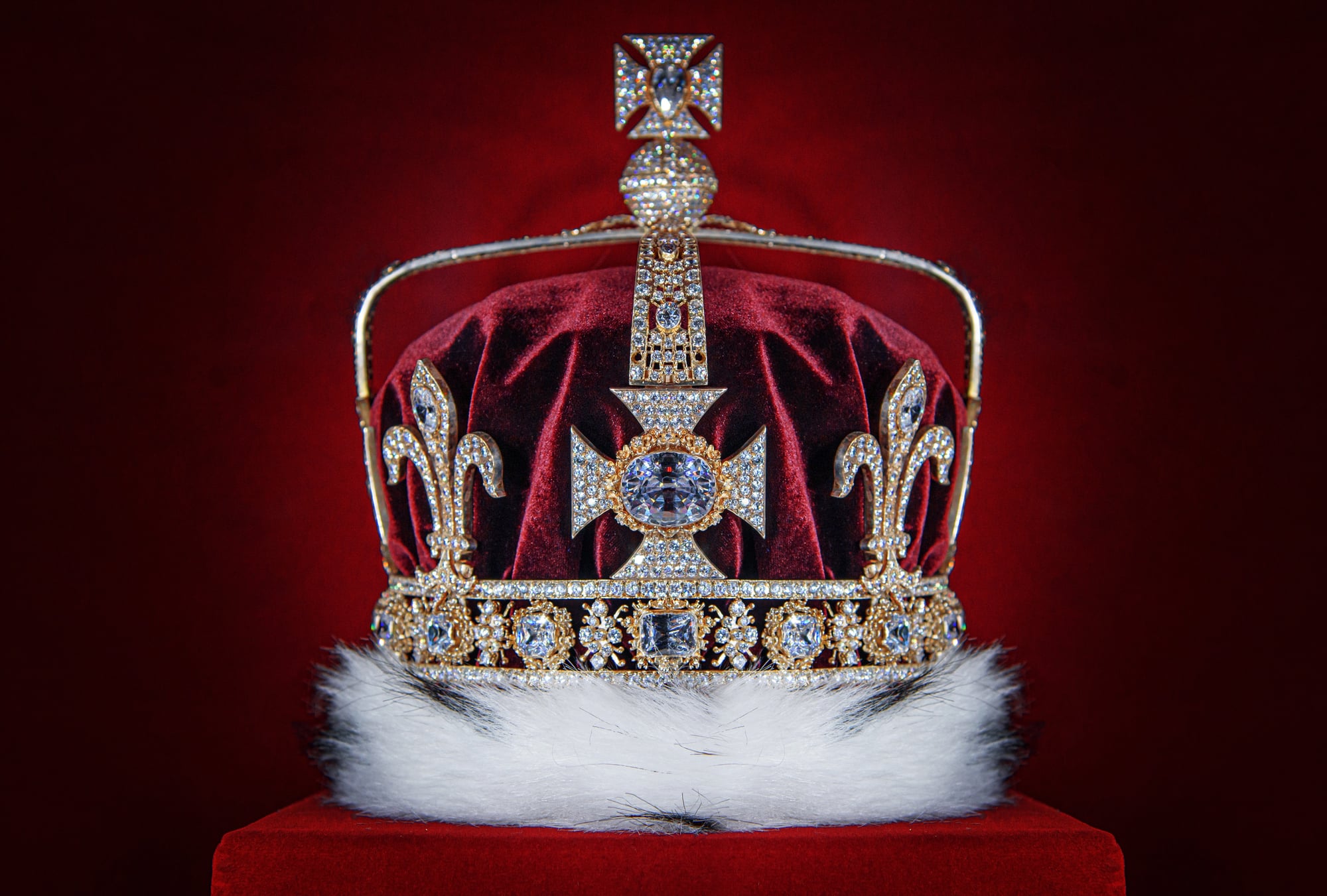
A big red stone in the UK’s crown jewels looks like a ruby – turns out it is spinel, tied to bloodshed across ages. Kings who took it into war met grim fates: some fell dead, others fled beaten.
An arrow hit Henry V in the cheek at Agincourt while he bore the gem – he lived, barely. Richard III wore it pinned inside his helmet before dying at Bosworth.
Today, that same jewel rests in the ceremonial crown, used for pageants, never again for battle.
When beauty becomes burden

Shiny stones sometimes drag dark tales behind them. Not every sparkle tells a happy story.
One moment you’re holding beauty, next you’re tangled in sorrow. These rocks sit quiet now, locked in cases or buried in drawers.
Families keep them out of sight, worried what might happen if they don’t. Proof exists – dates, names, deaths – all written down, not just rumors.
People see patterns even when none were meant to be there. A necklace here, a ring there, each with blood on its past.
Museums guard some like secrets. Others vanish into attics, never spoken of again.
It’s strange how desire sticks to something so cold. What gleams under light may have cost more than money.
Deep inside, folks know elegance can hide cruelty. History doesn’t forget who paid the price.
More from Go2Tutors!

- The Romanov Crown Jewels and Their Tragic Fate
- 13 Historical Mysteries That Science Still Can’t Solve
- Famous Hoaxes That Fooled the World for Years
- 15 Child Stars with Tragic Adult Lives
- 16 Famous Jewelry Pieces in History
Like Go2Tutors’s content? Follow us on MSN.