The Lost Restaurants That Defined Regional Cuisines
American dining has always been about more than just filling your stomach. Certain restaurants became cultural landmarks, shaping how entire regions ate and thought about food. Some served the same recipes for over a century, while others revolutionized cuisine in just a few decades before vanishing.
The closures of these establishments left gaps that go beyond nostalgia. Here is a list of 18 lost restaurants that defined regional cuisines across America.
K-Paul’s Louisiana Kitchen
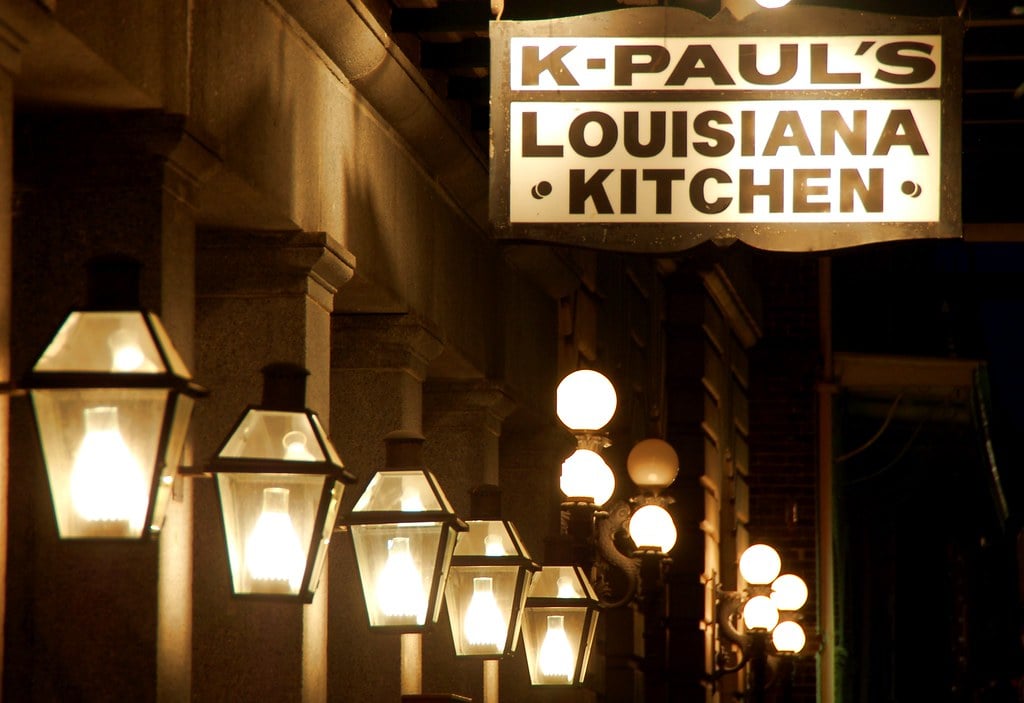
Chef Paul Prudhomme and his wife Kay opened this French Quarter restaurant in 1979, and it quickly became credited with putting New Orleans on the culinary map. Prudhomme popularized Cajun cuisine and blackened redfish during the 1980s, making dishes like étouffée and jambalaya household names across America.
-65474The restaurant closed permanently in July 2020 after being hit repeatedly by pandemic restrictions.
Carnegie Deli

This New York institution opened in 1937 opposite Carnegie Hall and served sandwiches crammed with four-inch-thick pastrami or corned beef. The deli defined what a proper Jewish delicatessen should be, with house-made cheesecakes and rugelach that drew lines out the door daily.
Rising rents and increased minimum wage forced the deli to close in 2016 after nearly 80 years.
Like Go2Tutors’s content? Follow us on MSN.
Durgin-Park

This Boston landmark was founded in 1874 and operated for approximately 145 years before closing on January 12, 2019. The restaurant embodied New England dining with its Yankee pot roast, Indian pudding, and famously gruff waitstaff who treated everyone the same regardless of status.
Durgin-Park represented an era of honest, unpretentious American cooking that valued substance over style.
Sharkey’s Bar & Grill

This legendary Binghamton, New York spot specialized in spiedies, skewered cubes of marinated meat served in a hoagie roll, and closed in 2020 after nearly 73 years. The spiedie is one of America’s lesser-known regional sandwiches with a dedicated local following, and locals fear the dish is disappearing as historic spiedie joints close.
Sharkey’s kept this unique upstate New York tradition alive for generations.
Matt’s Place
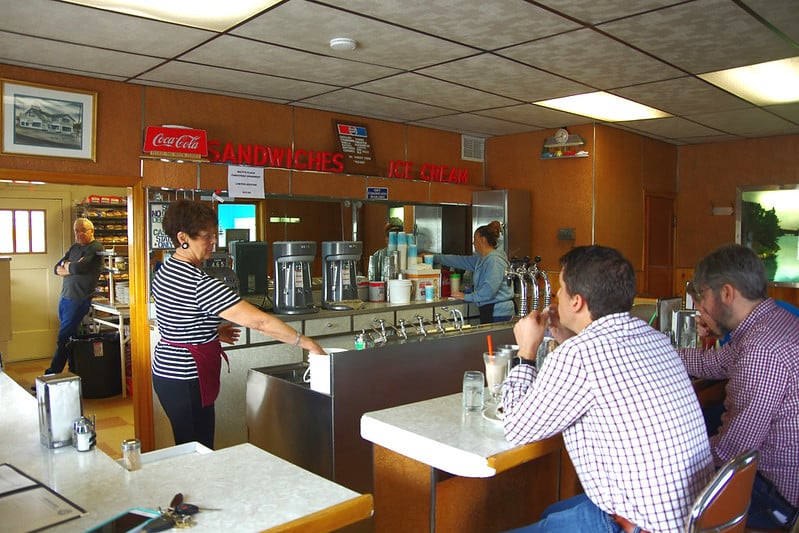
Montana’s oldest drive-in restaurant closed in 2021 after serving the nutburger since the 1930s. This sweet and salty burger featured a smashed beef patty topped with crushed peanuts and Miracle Whip, invented by founder Matt Korn.
The closure meant losing one of the Mountain West’s most distinctive regional foods, with no other restaurants carrying on the tradition.
Like Go2Tutors’s content? Follow us on MSN.
Da Silvano

Chef Silvano Marchetto pioneered northern Italian cuisine in New York’s Greenwich Village, serving osso buco, tripe, and pasta with shaved truffles when other menus focused on meatballs and red sauce.
The restaurant attracted celebrities like Madonna, Robert De Niro, and Rihanna before closing in 2016 after 41 years due to high rents. Da Silvano helped elevate Italian-American dining beyond red-checkered tablecloths.
The Kahiki Supper Club

This Columbus dining destination served Polynesian food from 1961 to 2000 and became a tourist attraction in its own right. The Kahiki featured elaborate Tiki decor, flaming drinks, and exotic dishes that brought a taste of the Pacific to the Midwest.
It represented an entire era of themed dining that has largely disappeared from American restaurant culture.
Empress of China

This San Francisco landmark operated for 48 years before closing in 2014, featuring rooftop dining with city views and walls covered with celebrity photos including Frank Sinatra and the Rat Pack. The restaurant served as a gathering place for Chinese-American celebrations and introduced Cantonese cuisine to generations of diners.
A modern restaurant, Empress by Boon, later opened in the space in 2021.
Like Go2Tutors’s content? Follow us on MSN.
Jacob Wirth Restaurant

Founded in 1868, this German-American restaurant operated for 150 years in Boston before permanently closing on June 9, 2018, after fire damage. Jacob Wirth served traditional German fare like sauerbraten and schnitzel alongside locally brewed beer.
The restaurant preserved German culinary traditions that had been part of Boston’s fabric since the 19th century.
Jules Maes Saloon
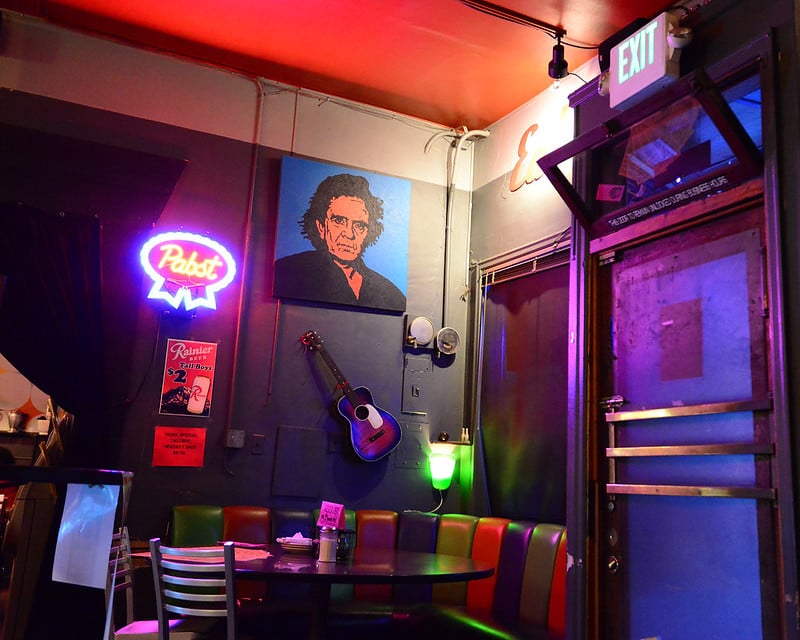
Open since 1888 and possibly Seattle’s oldest restaurant, Jules Maes closed permanently in July 2020 as a result of the pandemic. For over 130 years, this Georgetown neighborhood institution served as a working-class tavern and gathering spot.
It represented Seattle’s maritime and industrial heritage before the city’s transformation into a tech hub.
Jack’s Restaurant

Opened in 1863 in downtown San Francisco by George Voges, it became a brewery in 2002 and permanently closed in May 2009 despite being a San Francisco landmark since 1981. Jack’s was one of the city’s oldest restaurants and served classic American fare to Gold Rush descendants and modern San Franciscans alike.
The restaurant connected present-day diners to California’s frontier past.
Like Go2Tutors’s content? Follow us on MSN.
The Florentine
This restaurant served classical Italian meals on West Broad Street in Columbus’s Franklinton neighborhood from 1945 to 2016. The Florentine brought authentic Italian cooking to a working-class neighborhood and became a gathering place for multiple generations of Italian-American families.
Its closure marked the end of an era for Columbus’s Italian community.
Frank’s Restaurant

Sacramento’s oldest restaurant, opened in 1923, served hearty Italian and Italian-American dishes like spaghetti and meatballs family style. Every meal included a tureen of soup, salad, main course, and dessert, making it popular for birthdays and anniversaries.
The restaurant struggled during the pandemic and announced permanent closure in August 2020.
The Stork Club

Open from 1929 to 1965, this New York restaurant and nightclub was where celebrities and socialites enjoyed cocktails, steak dinners, and dancing. The Stork Club defined Manhattan’s golden age of nightlife and represented a level of glamour that has largely vanished from American dining.
Owner Sherman Billingsley died shortly after closing, and the building was later demolished and turned into Paley Park.
Like Go2Tutors’s content? Follow us on MSN.
Brigham’s

Founded by Edward Brigham in Newton, Massachusetts in 1914, Brigham’s started as a single shop selling ice cream and candy made in the back room. The store became so popular that police were sometimes called for crowd control on busy days.
Brigham’s helped popularize jimmies as an ice cream topping and became a New England institution before eventually closing its remaining locations.
Green Ridge Turkey Farm
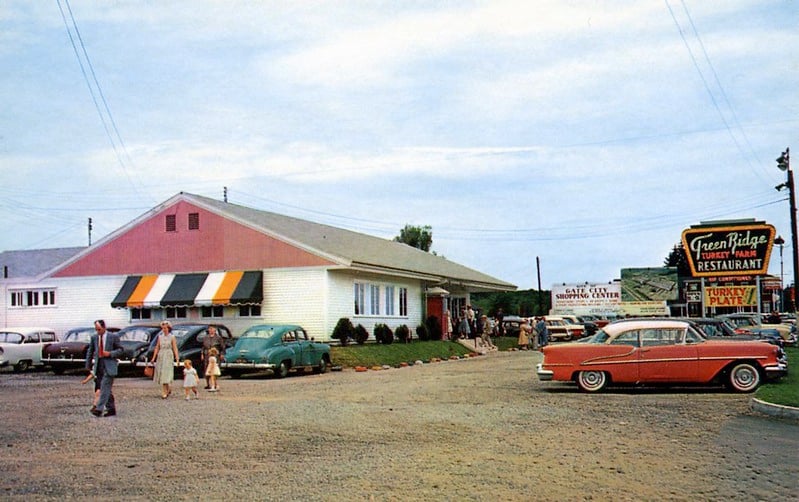
Every day was Thanksgiving at this restaurant, which served roast turkey with stuffing, potatoes, and cranberry sauce. The restaurant was known for its giant turkey sign that overlooked the highway, and today a Barnes & Noble occupies the space.
Green Ridge represented roadside dining culture and made holiday meals an everyday experience for travelers.
Howard Johnson’s

With more than 1,000 locations at its peak, HoJo’s served fried clam strips, grilled hot dogs, and 28 flavors of ice cream to American road trippers in the 1950s through 1970s. The last North American HoJo restaurant in Lake George, New York closed in May 2022 after 70 years.
Howard Johnson’s orange roofs were as American as the highways they lined, making standardized quality food available across the country.
Like Go2Tutors’s content? Follow us on MSN.
Cattlemen’s Steakhouse
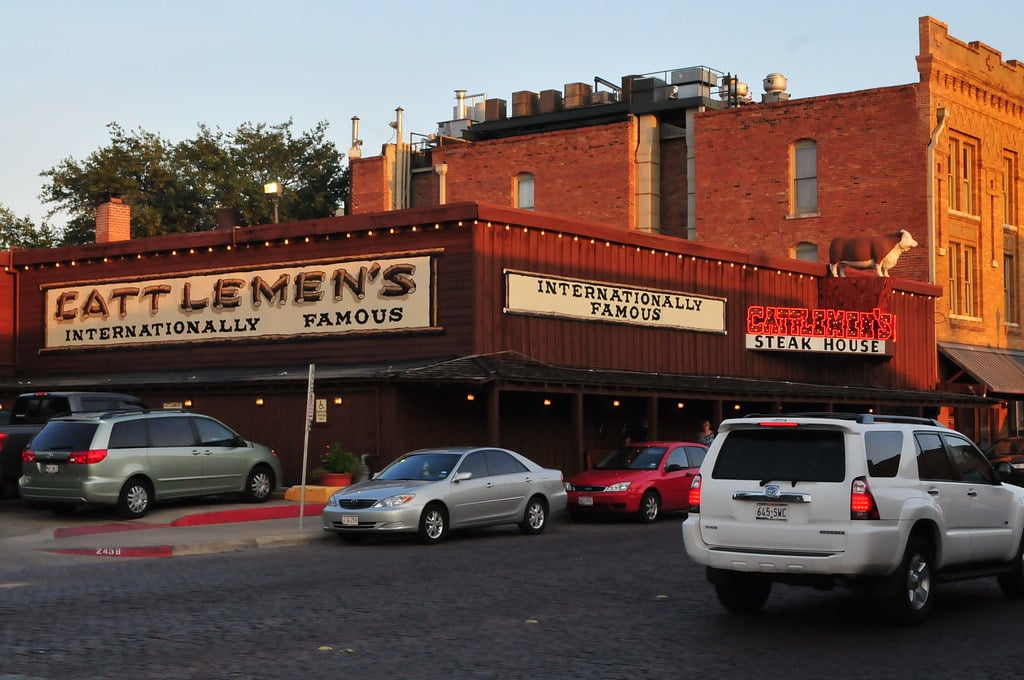
Founded to feed ranchers and cattle haulers doing business in Oklahoma City’s stockyards, this casual restaurant served beef slaughtered in the area known as Packing Town. In 1945, local rancher Gene Wade won the restaurant by rolling double threes in a dice game against the former owner, an incorrigible gambler.
Cattlemen’s connected diners directly to the cattle industry that built the American West.
Where Memories Meet Menus

These restaurants did more than serve food. They created traditions, preserved cultural identities, and gave neighborhoods their character.
When they closed, communities lost gathering places that had anchored blocks for generations. The recipes live on in cookbooks and memories, but the experience of walking through those doors can never be replicated.
More from Go2Tutors!

- 16 Historical Figures Who Were Nothing Like You Think
- 12 Things Sold in the 80s That Are Now Illegal
- 15 VHS Tapes That Could Be Worth Thousands
- 17 Historical “What Ifs” That Would Have Changed Everything
- 18 TV Shows That Vanished Without a Finale
Like Go2Tutors’s content? Follow us on MSN.



