15 Olympic Sports That No Longer Exist
The Olympics seem like they never change, a worldwide event with familiar contests appearing every few years. Still, things shift more than most notice.
Some games get included later on, others vanish without much fuss, while certain ones transform slowly behind the scenes. Even today’s staples started out as guesses, molded by what people cared about long ago.
Past Olympic events now gone might strike us as odd today, yet some echo current contests – only nudged sideways in time. These forgotten disciplines quietly trace the shifting rhythm between sport and society.
Here’s a closer look at 15 Olympic sports that no longer exist.
Tug of War

Once an official Olympic sport, tug of war involved teams yanking a rope in opposite directions. From 1900 until 1920, it stood as a serious contest of raw power and teamwork.
Clubs usually sent squads instead of whole countries, lending the event a unique character. Still, crowds paid close attention while it lasted.
Over time, the Games moved toward events with tighter global rules – leaving little room for such traditions.
Live Pigeon Shooting

At the 1900 Paris Olympics, live pigeon shooting was included as an official event. Competitors aimed to shoot as many birds as possible, with hundreds killed during the competition.
By modern standards, the event feels out of place, and it remains the only Olympic sport to involve live animals in this way. It was quickly discontinued and replaced with clay target shooting.
The change reflected evolving attitudes toward ethics in sport.
Solo Synchronized Swimming

Synchronized swimming once included a solo category, which seems contradictory at first glance. Athletes performed routines alone, synchronizing movements to music rather than with teammates.
The event remained part of the Olympics until the early 1990s. Even so, it was eventually replaced by duet and team events that better reflected the discipline’s collaborative nature.
The solo version now feels like an interesting stepping stone.
Club Swinging
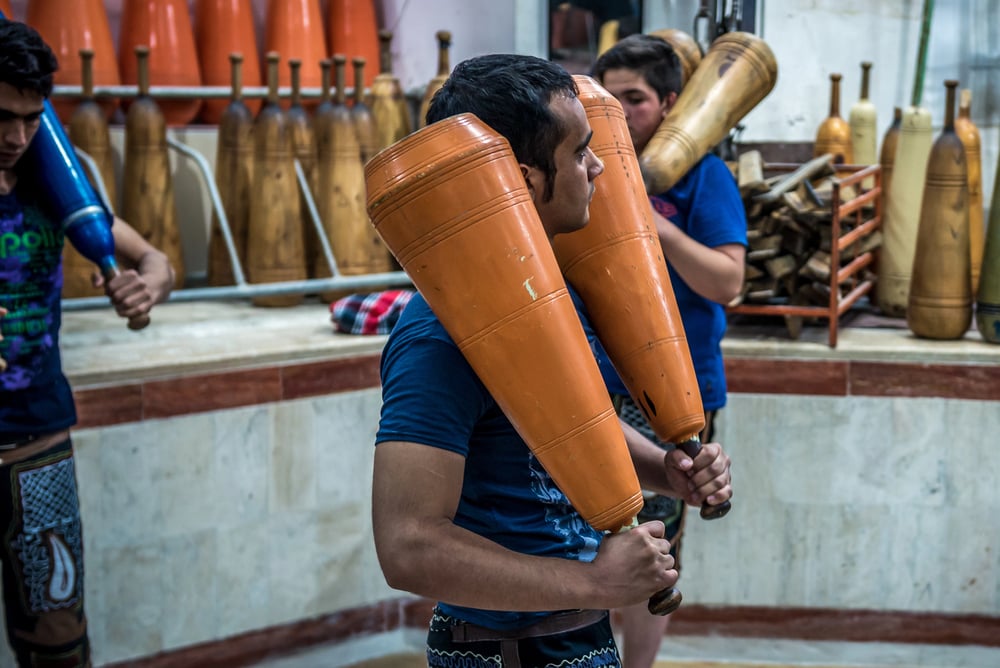
Club swinging involved athletes performing rhythmic routines using wooden clubs, similar to juggling but more controlled and patterned. It was part of the Olympics in the early 20th century and required coordination, timing, and precision.
The sport resembled a blend of gymnastics and performance art. Still, it faded from the program as other gymnastic disciplines gained prominence.
Its disappearance highlights how certain styles of competition fall out of favor.
Rope Climbing

Rope climbing was once a standalone Olympic event, testing upper-body strength and speed. Athletes raced to climb a vertical rope as quickly as possible, often using only their arms.
The simplicity of the event was part of its appeal. Even so, it was eventually removed as gymnastics evolved into more complex and varied competitions.
Today, it survives mainly as a training exercise rather than a competitive sport.
Standing Long Jump

The standing long jump required athletes to leap forward from a stationary position, without a running start. It was featured in the early modern Olympics and highlighted raw explosive power.
American athlete Ray Ewry dominated the event, becoming one of its most notable figures. Still, the event was eventually phased out in favor of more dynamic jumping competitions.
Its removal reflected a preference for movement-based events.
Standing High Jump

Similar to the standing long jump, the standing high jump eliminated the run-up, focusing purely on vertical leap. Athletes jumped from a fixed position, relying on strength and technique.
The event was part of the Olympics until 1912. Even so, it gradually lost relevance as track and field evolved.
The running high jump offered greater spectacle and variation.
Plunge for Distance

Plunge for distance was one of the more unusual aquatic events. Competitors would dive into a pool and glide underwater, with distance measured from the starting point.
There was no swimming allowed after the dive, making it more about momentum than endurance. The event appeared only once, in 1904.
Its lack of action likely contributed to its disappearance.
Basque Pelota
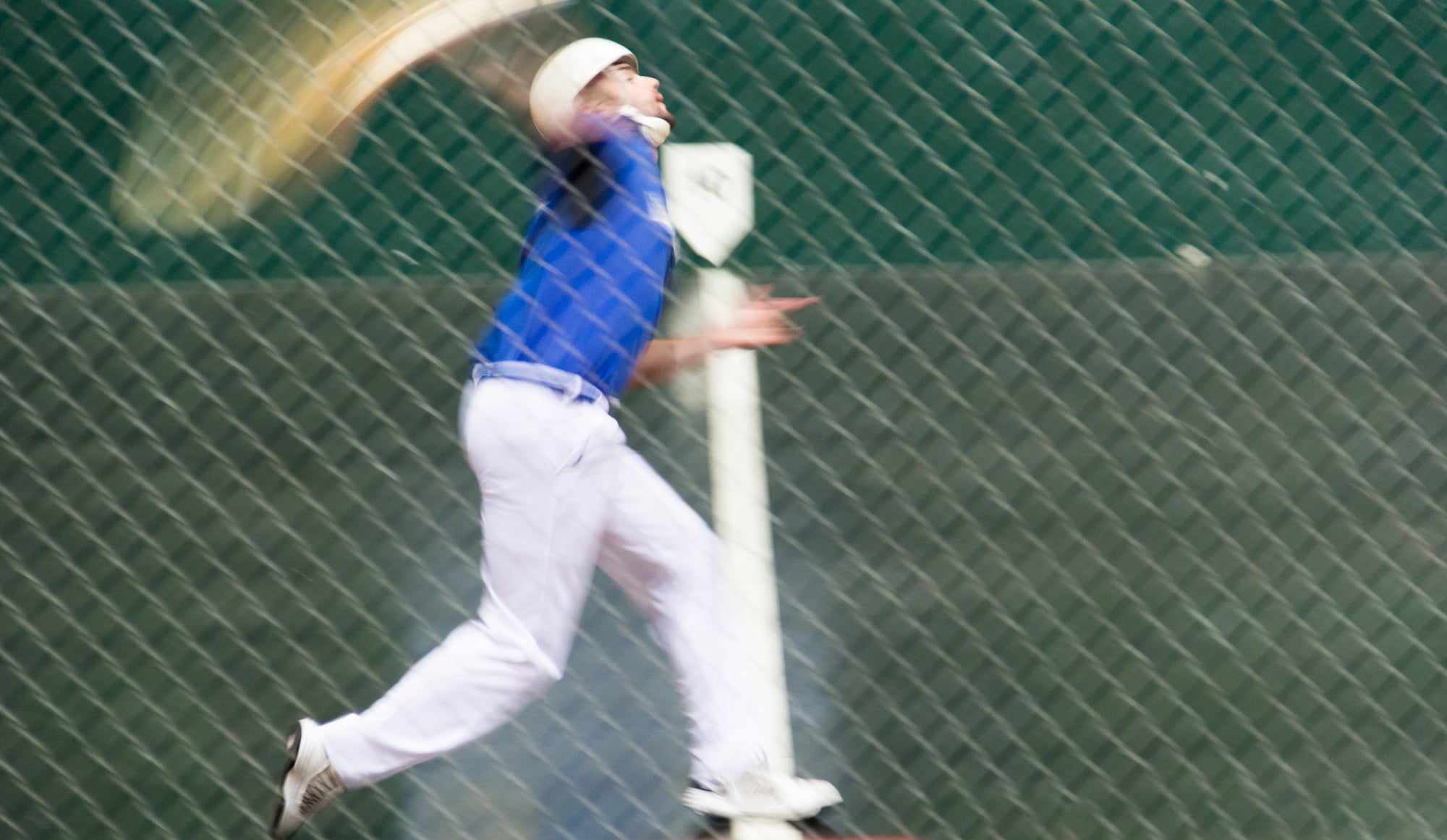
Basque pelota, a sport involving hitting an orb against a wall with a curved basket, appeared in the 1900 Olympics. It has deep cultural roots in parts of Spain and France.
Despite its regional popularity, it struggled to gain global traction within the Olympic framework. Still, it remains an active sport outside the Games.
Its removal reflects the challenge of balancing global appeal with cultural diversity.
Jeu de Paume

Jeu de paume, an early form of tennis, was included in the 1908 Olympics. Played indoors, it required precision and strategy rather than speed alone.
The sport has a long history, dating back centuries. Even so, it was eventually replaced by modern lawn tennis, which proved more accessible and widely played.
Its inclusion offers a glimpse into the evolution of racket sports.
Motorboating
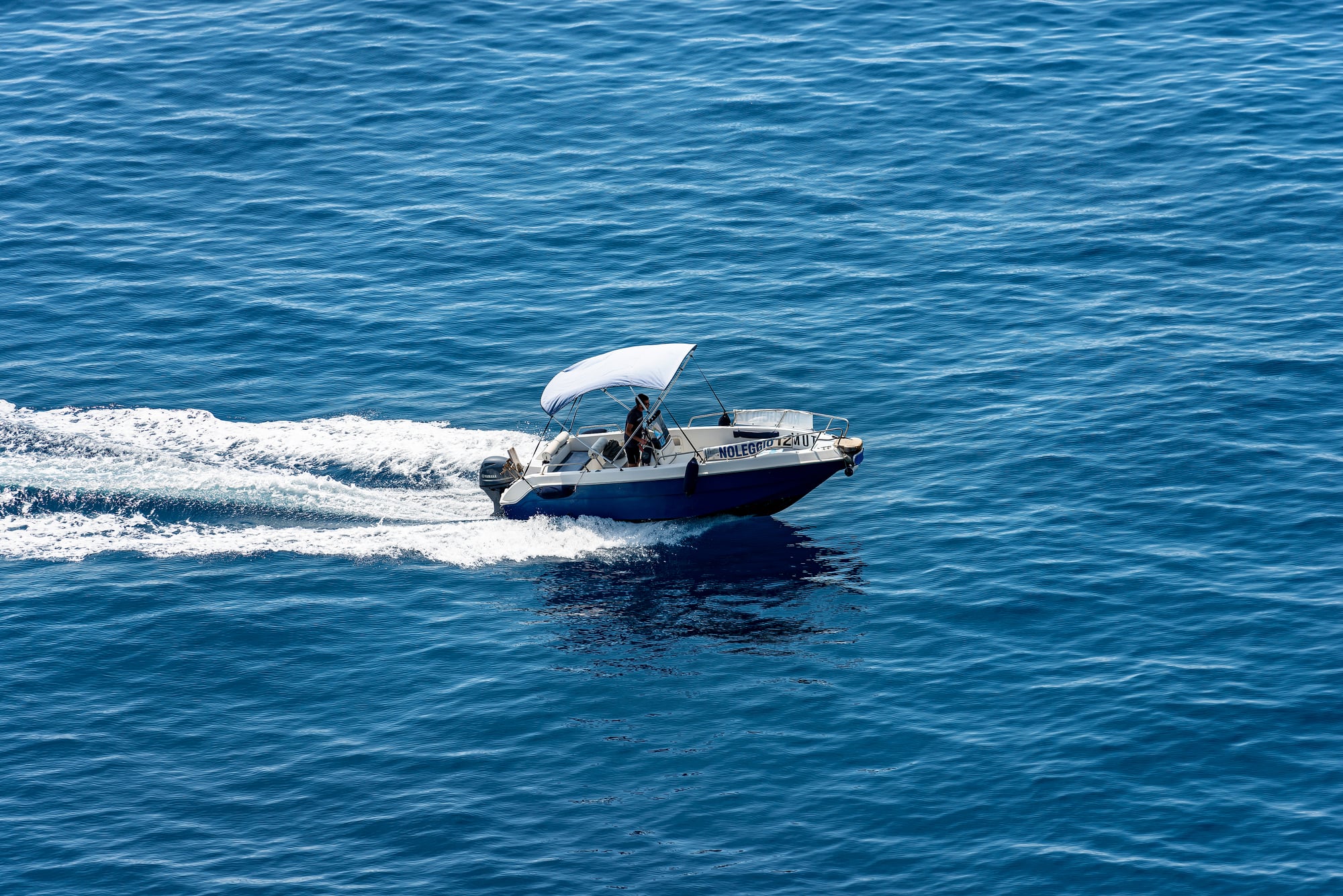
Motorboating was briefly part of the Olympic program in 1908. Competitors raced boats powered by engines, marking a rare instance of mechanical assistance in Olympic competition.
The event faced challenges due to weather conditions and technical limitations. Still, it represented an early attempt to include motorized sports.
It was not repeated in future Games.
Lacrosse (Early Olympic Version)
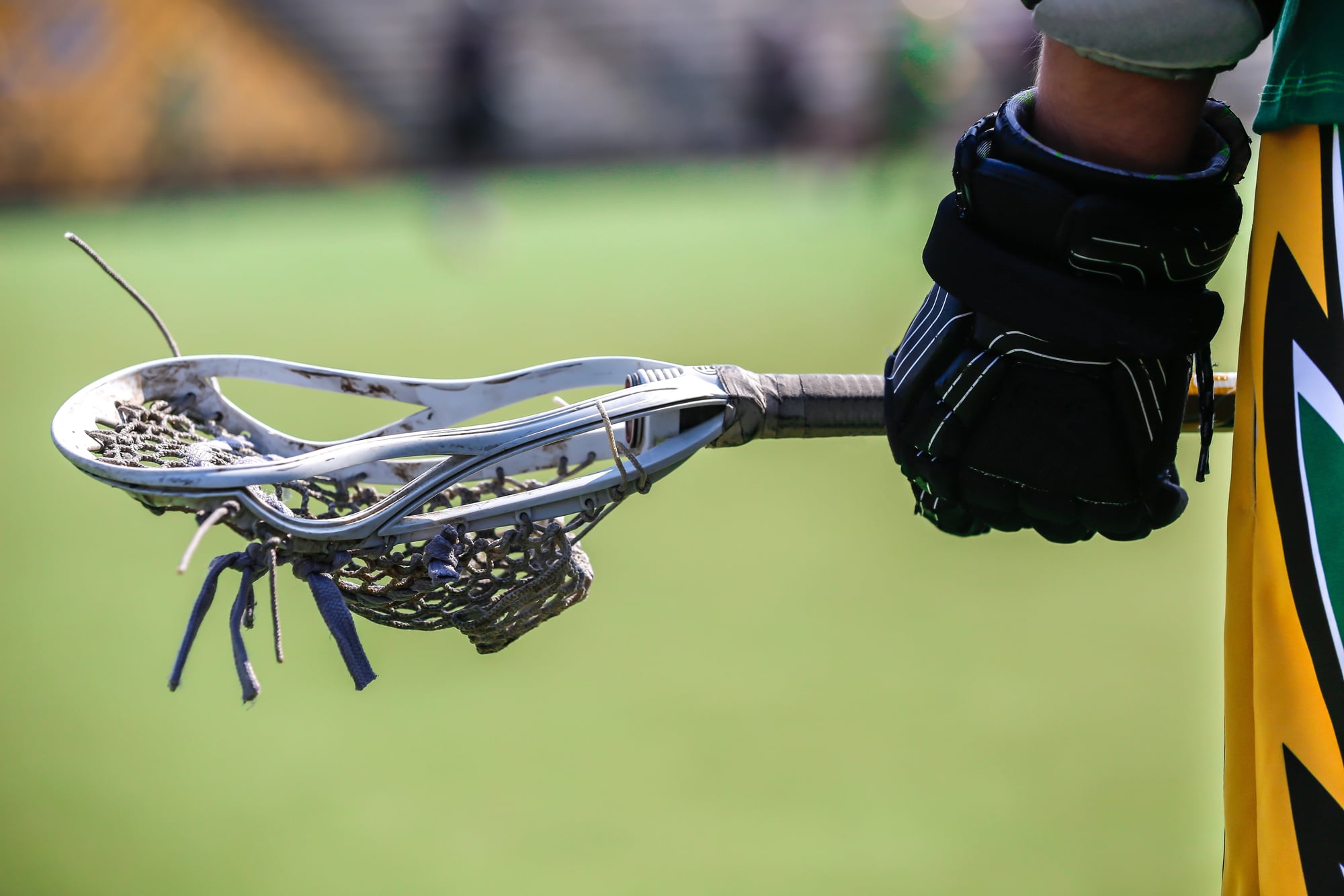
Lacrosse appeared in the early 20th century Olympics, primarily featuring teams from Canada and the United States. The sport has Indigenous origins and carries deep cultural significance.
Despite its competitive nature, it struggled to establish a broader international presence at the time. Even so, there have been discussions about its return.
Its history reflects the evolving scope of Olympic inclusion.
Croquet

Croquet made a brief appearance at the 1900 Olympics, though it attracted very few spectators. The slow pace and lack of widespread interest limited its impact.
Players focused on precision and strategy rather than speed or physical intensity. Still, it remains one of the more unusual entries in Olympic history.
Its disappearance highlights the importance of audience engagement.
Polo
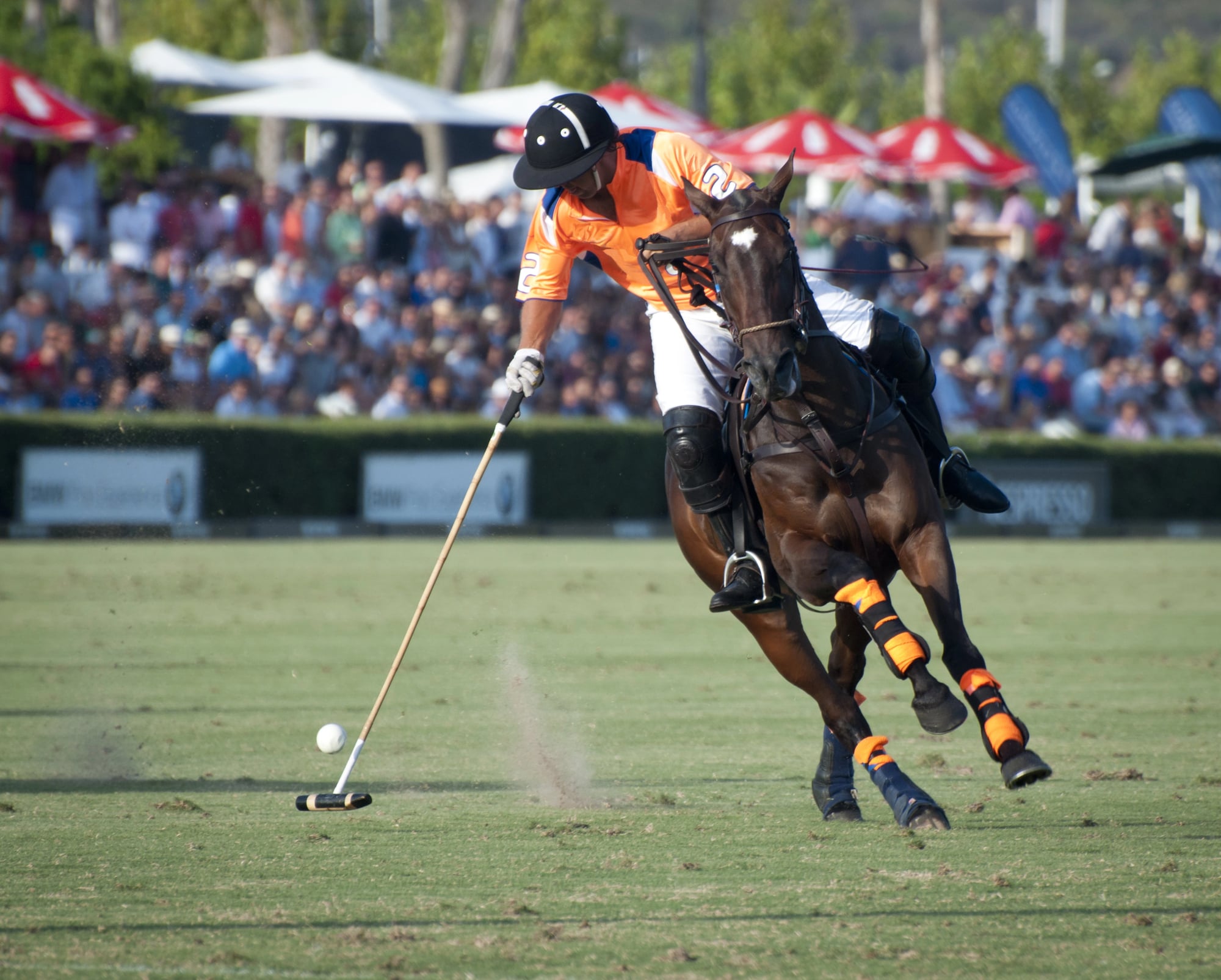
Polo was part of the Olympic Games multiple times between 1900 and 1936. The sport required significant resources, including trained horses and specialized facilities.
While it carried prestige, it was not easily accessible to many countries. Even so, it maintained a presence for several decades.
Its eventual removal reflected the need for broader participation.
Alpinism

Mountains once earned medals without races or timed trials. Not through contests, yet by real climbs done well.
Different from track or pool, it stood alone. Though present briefly, it never stayed on the program.
Back then, what counted as sport could stretch further.
When the Games Keep Changing

Vanishing from view, these games still matter just the same. Shaped by shifting times, the Olympics shift too – responding slowly to what people now care about.
A sport that belonged yesterday might not belong tomorrow; change rearranges what fits. Still changing today.
Some games appear, some fade away, while how we see contests evolves too. These old contests aren’t just oddities – they prove long-standing customs bend slowly under pressure of what matters now.
Time reshapes even the firmest rules.
More from Go2Tutors!

- The Romanov Crown Jewels and Their Tragic Fate
- 13 Historical Mysteries That Science Still Can’t Solve
- Famous Hoaxes That Fooled the World for Years
- 15 Child Stars with Tragic Adult Lives
- 16 Famous Jewelry Pieces in History
Like Go2Tutors’s content? Follow us on MSN.



