Jobs That Existed Before Modern Technology
People used to earn a living doing tasks that seem like they belong in a history book before robots, smartphones, and artificial intelligence (AI) took over most of the world’s routine labor. Not only were these occupations obsolete, but they served as the foundation of early societies for centuries.
Although many of them disappeared as machines developed, each one demonstrates the versatility, talent, and inventiveness of people. Here are fourteen interesting occupations that existed long before the advent of modern technology.
Lamplighter
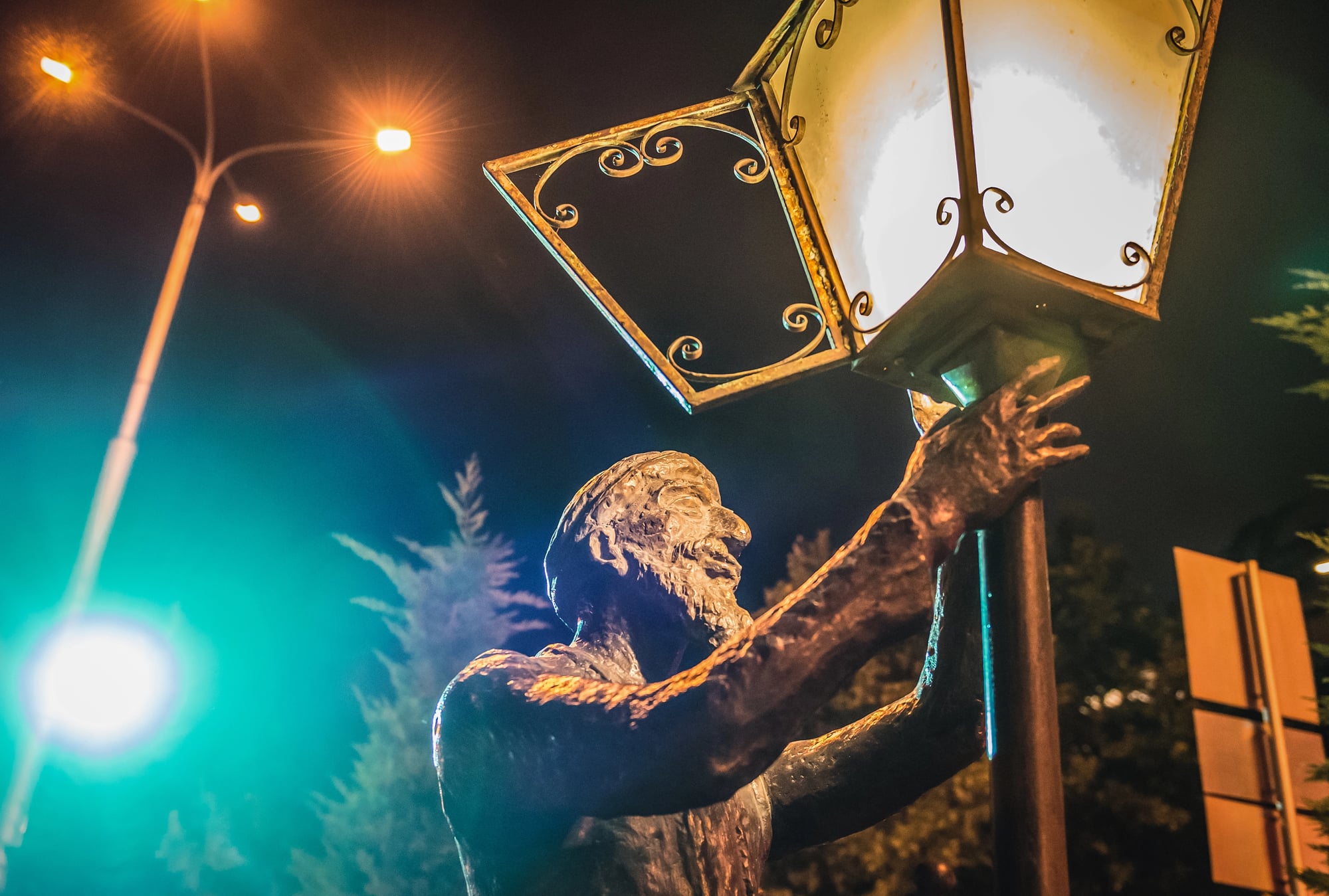
Lamplighters were in charge of lighting entire towns prior to the invention of electric streetlights. They used a long pole to light the gas lamps every evening as they rode or walked through the streets, and they came back at dawn to put them out.
Lamplighters were able to keep neighborhoods safe after dark in big cities by managing hundreds of lamps every night. Discipline, familiarity with the city’s layout, and a good sense of time were necessary for the position.
Lamplighters were the silent protectors of the night for centuries, but their occupation declined when gas lamps were replaced by electric ones.
Switchboard Operator
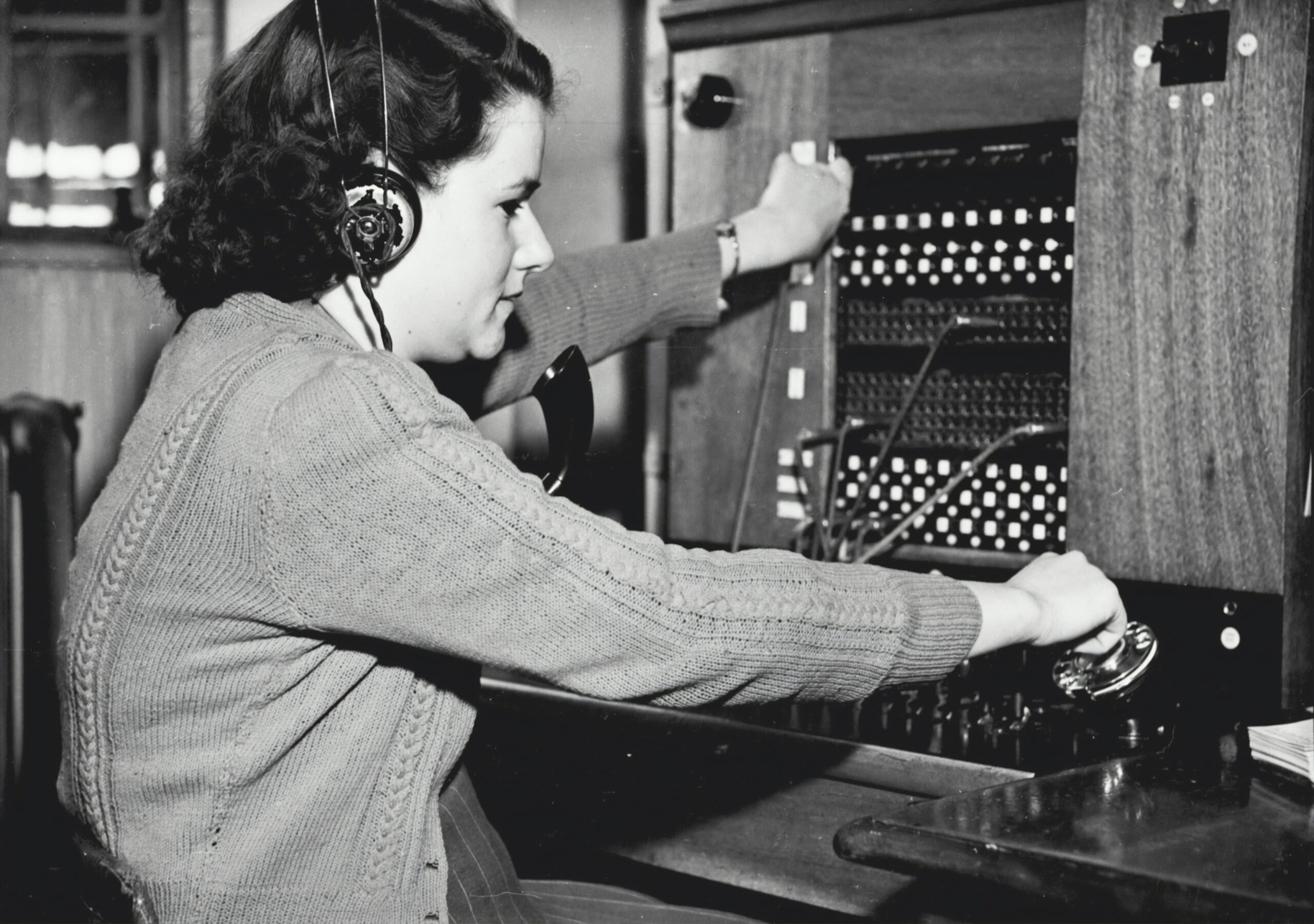
Long before smartphones and automated systems, switchboard operators were the human connection between callers. They manually plugged cables into sockets to connect one line to another, handling everything from business transactions to family chats.
The best operators had sharp hearing, quick reflexes, and a calm demeanor under pressure. Their work required focus and courtesy, especially in the early 20th century when telephone communication boomed.
Eventually, digital systems took over, but the operators of old built the foundations for our connected world.
Ice Cutter

Before refrigerators existed, ice was a valuable commodity harvested from frozen lakes in winter. Ice cutters used saws, chisels, and horses to carve massive blocks of ice, which were then stored in insulated icehouses and delivered to homes and businesses during summer.
The work was grueling and dangerous, often done in freezing conditions. Yet, this seasonal trade kept food fresh long before modern cooling systems existed.
In the 19th century, the ice industry even rivaled some of today’s tech giants in profit and logistics.
Knocker-Up

In the days before alarm clocks, “knocker-ups” made sure people got to work on time. They’d tap on bedroom windows with a long stick or pea shooter to wake clients up—often factory workers or miners with early shifts.
Some had dozens of customers per morning, memorizing each window and routine. Payment was modest, but reliability was everything.
Once affordable alarm clocks became widespread in the early 20th century, the profession disappeared—but it remains one of the most charming examples of pre-digital innovation.
Town Crier
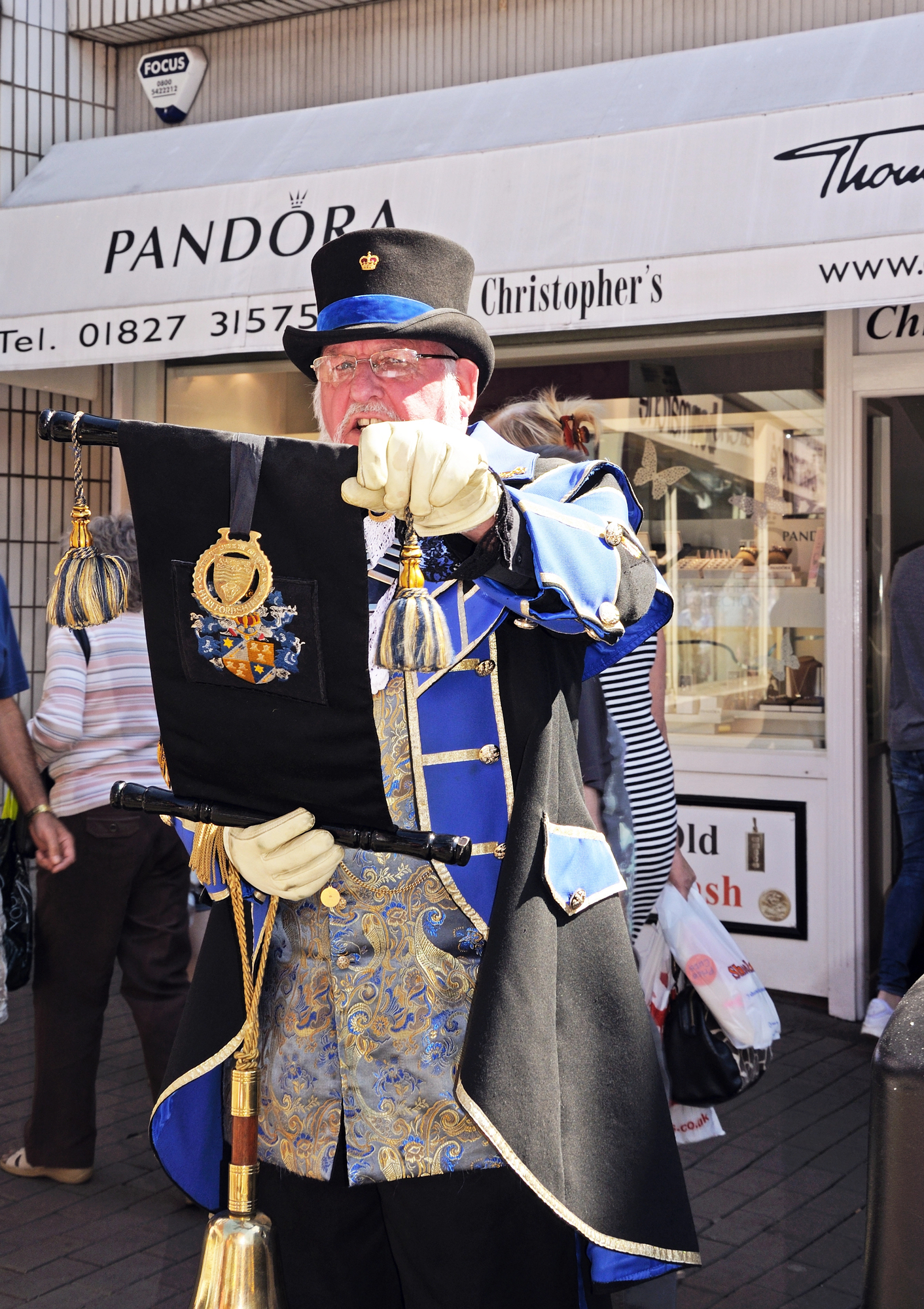
Before newspapers or radio, town criers were the voice of public information. Dressed in bright coats and armed with a handbell, they walked through towns shouting out royal decrees, news, and community announcements.
They were essentially the social media of their day—trusted messengers spreading word to the public. Literacy wasn’t widespread, so hearing the town crier was often how people learned about wars, taxes, or births.
Today, a few towns still keep the tradition alive during festivals, more for nostalgia than necessity.
Typist and Stenographer
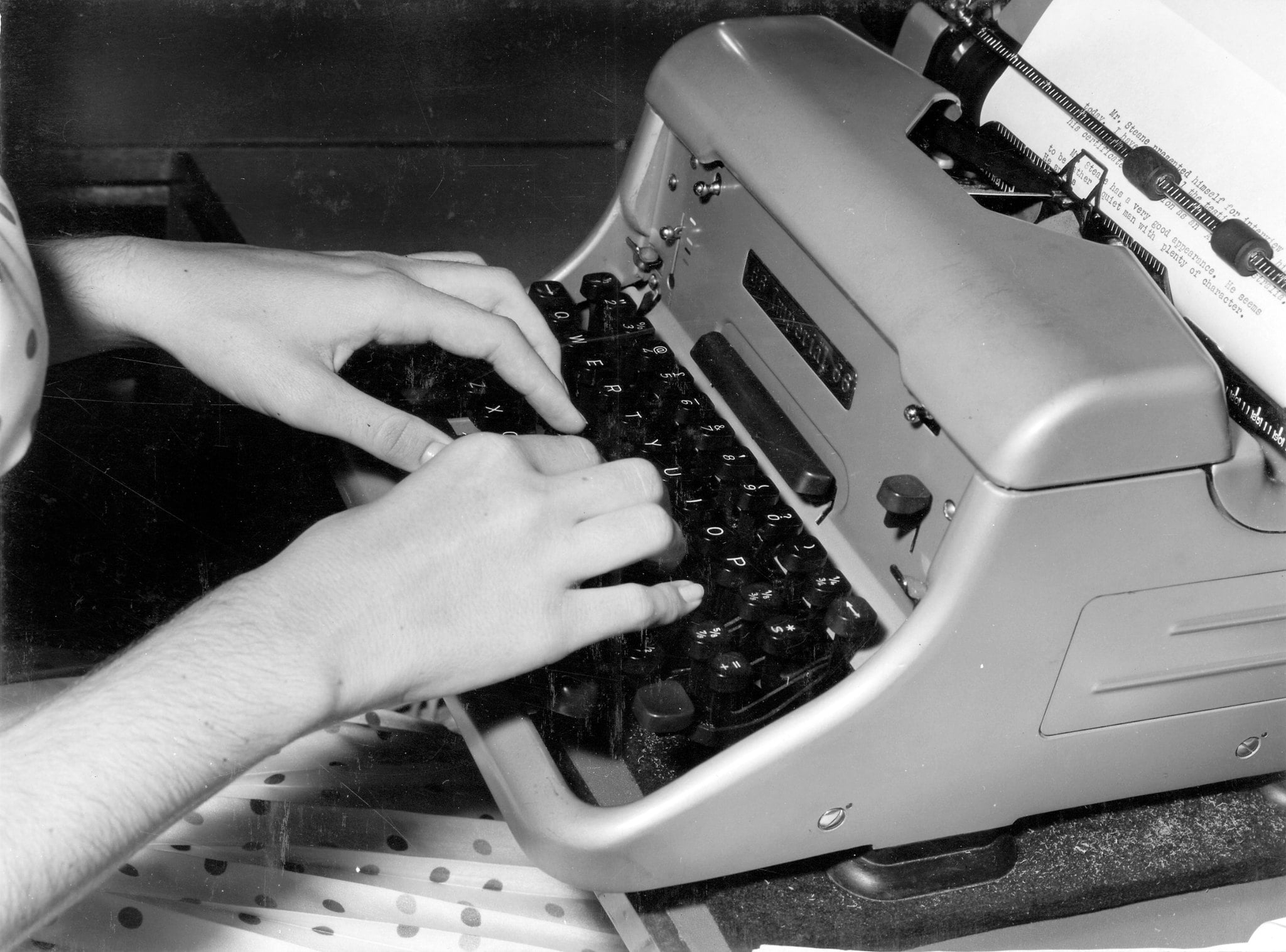
When offices ran on typewriters, typists were the heartbeat of administration. Skilled typists could produce flawless pages at remarkable speed, often transcribing dictation from handwritten notes or recorded devices.
Stenographers took it further, mastering shorthand to capture speech in real time during meetings or court proceedings. Both jobs required sharp attention to detail and lightning-fast reflexes.
Computers and voice recognition eventually made these roles obsolete, but they paved the way for today’s data entry and transcription work.
Elevator Operator

Early elevators were not automated—they required skilled operators to manage the controls, align the floor levels precisely, and ensure passenger safety. In fancy hotels and office buildings, elevator operators were also unofficial greeters, dressed smartly and trained to be polite.
They made small talk, remembered regulars, and kept the ride smooth. Once automatic systems arrived in the mid-20th century, the job faded out, though it survives in a few luxury buildings as a nostalgic service touch.
Rat Catcher
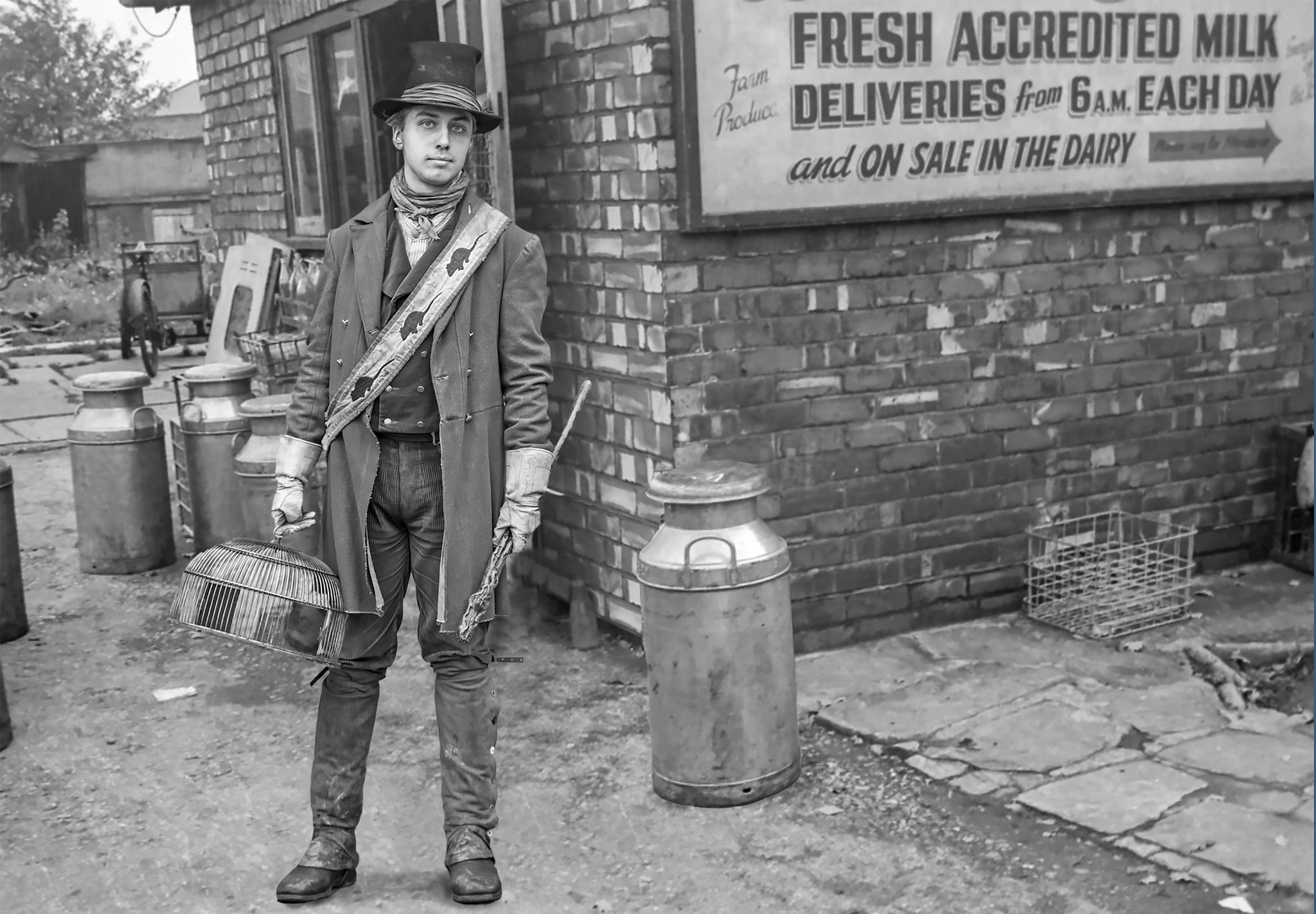
Before pest control chemicals and ultrasonic traps, cities relied on professional rat catchers. These brave (and often poorly paid) workers kept disease at bay by hunting rats in alleys, sewers, and warehouses.
Using ferrets, dogs, or handmade traps, they helped prevent outbreaks of plague and other illnesses. It was a dirty, risky job, but absolutely essential in crowded industrial cities.
Some rat catchers even gained local fame for their skill and bravery—proof that not all heroes wore clean clothes.
Milkman

Before refrigeration and supermarkets, milkmen delivered fresh milk daily to homes in glass bottles. The milk came straight from local dairies and was left on doorsteps in the early morning.
Empty bottles were collected, washed, and reused. It was a routine woven into daily life—families would even leave notes in bottle tops to request cream or butter.
The rise of refrigeration and large-scale grocery stores ended the milkman’s daily visits, though in some areas, eco-conscious revival services are bringing them back.
Human Alarm Clock (or Watchman)

While “knocker-up” was a formal profession in Britain, many factories and estates employed their own human alarm clocks to ensure workers or guards stayed alert. These individuals patrolled at night, keeping time and waking others for their shifts.
The job required reliability and a strong sense of duty, especially in places where being late could disrupt entire operations. It was the pre-digital version of scheduling software—powered entirely by one person’s punctuality.
Leech Collector
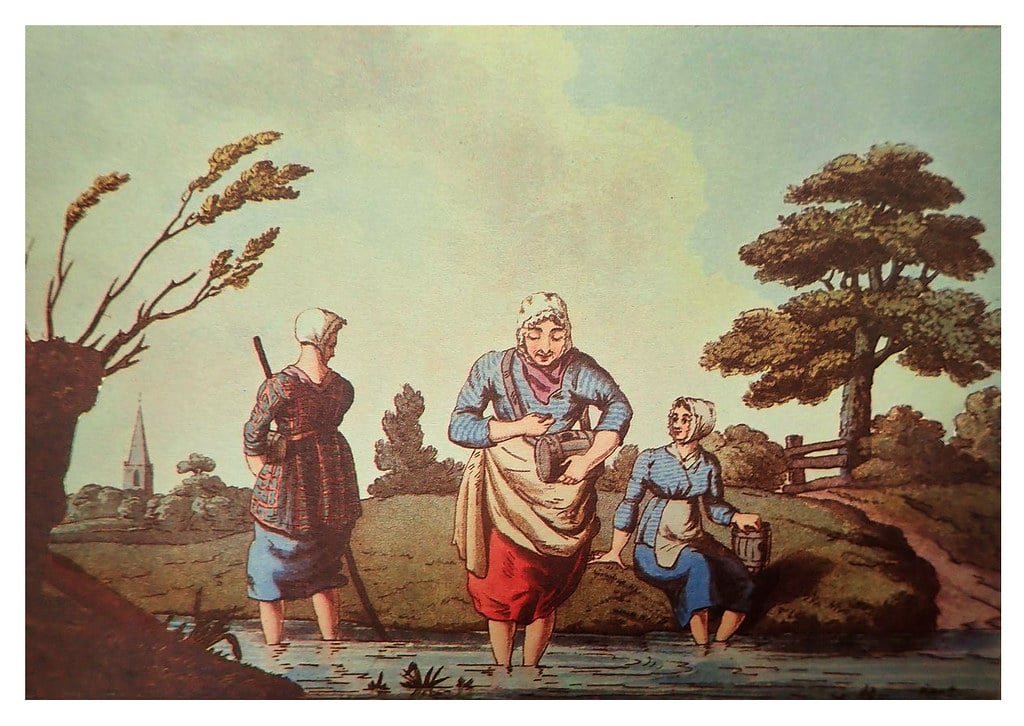
In the 18th and 19th centuries, medicine often relied on leeches for bloodletting, believed to cure a range of ailments. Leech collectors waded into ponds and marshes, often barefoot, to gather the creatures by letting them attach to their legs.
The job was messy and unpleasant but in high demand among doctors and apothecaries. When medical science moved beyond bloodletting, the trade dried up—though leeches still find use in modern surgery for restoring blood flow after procedures.
Computer (the Human Kind)

Before digital computers, “computers” were actually people—mostly women—who performed complex mathematical calculations by hand. They worked in astronomy, engineering, and navigation, producing data tables and charts used for everything from space travel to architecture.
Their accuracy and patience made them invaluable, but they rarely received recognition. When mechanical and electronic computers emerged in the mid-20th century, the role vanished, though their legacy continues in the machines they helped inspire.
Gong Farmer

During the Tudor period in England, gong farmers were responsible for cleaning out cesspits and privies—essentially medieval sanitation workers. They worked at night, removing human waste and transporting it outside city walls.
It was one of the least glamorous but most vital jobs of its time. Without them, disease would have spread rapidly through early urban areas.
While it sounds unpleasant today, gong farmers laid the groundwork for modern waste management and public health systems.
Lector

In the past, employees in nicotine factories in the US and Cuba employed “lectors” to read aloud to them as they rolled nicotine. During long shifts, these readers entertained and educated workers by reciting literature, news, and even political essays.
Clear communication, cultural awareness, and attention span were necessary for the position. Lectors eventually gave way to radios and contemporary entertainment, but their impact persisted, assisting in the spread of political consciousness and literacy among factory workers.
When Work Meant Human Ingenuity

These outdated occupations may seem odd today, but they were created out of necessity and ingenuity. Every occupation, from town crier to leech collector, had a legitimate function in its day, demonstrating how adaptive people can be when confronted with novel difficulties.
While technology built upon their foundations, it also rendered many of them obsolete. Modern logistics replaced the milkmen, human computers replaced coders, and electricians replaced lamplighters.
Work has always changed, but the desire to solve issues, build relationships, and keep things going has never gone out of style.
More from Go2Tutors!

- The Romanov Crown Jewels and Their Tragic Fate
- 13 Historical Mysteries That Science Still Can’t Solve
- Famous Hoaxes That Fooled the World for Years
- 15 Child Stars with Tragic Adult Lives
- 16 Famous Jewelry Pieces in History
Like Go2Tutors’s content? Follow us on MSN.