Banana Trivia That Peels Back The Layers
Bananas may look like the most ordinary fruit on the shelf, but dig a little deeper and things get odd fast. From glowing under UV light to having nearly all the same DNA as humans, there’s a lot hiding behind that yellow peel. Here’s a list of curious banana facts that reveal more than meets the eye.
Bananas Are Technically Berries

Yes, bananas count as berries in the botanical world. Odd, considering strawberries don’t make the cut. It’s all about how the seeds form inside the fruit, which happens to meet the “berry” definition. A technicality that feels almost unfair.
They Share DNA with Humans

Bananas and humans share around 60% of their DNA. That doesn’t make them family, but it’s still wild to think the same blueprint runs through both a person and a fruit. Almost poetic—science has a way of blurring those lines.
They Glow Under UV Light

Under ultraviolet light, bananas give off a faint blue glow. It’s thanks to certain compounds that appear as the fruit ripens. Not exactly practical knowledge. Still, if you own a blacklight, you’ve got yourself a glowing snack experiment.
Bananas Once Powered Wars
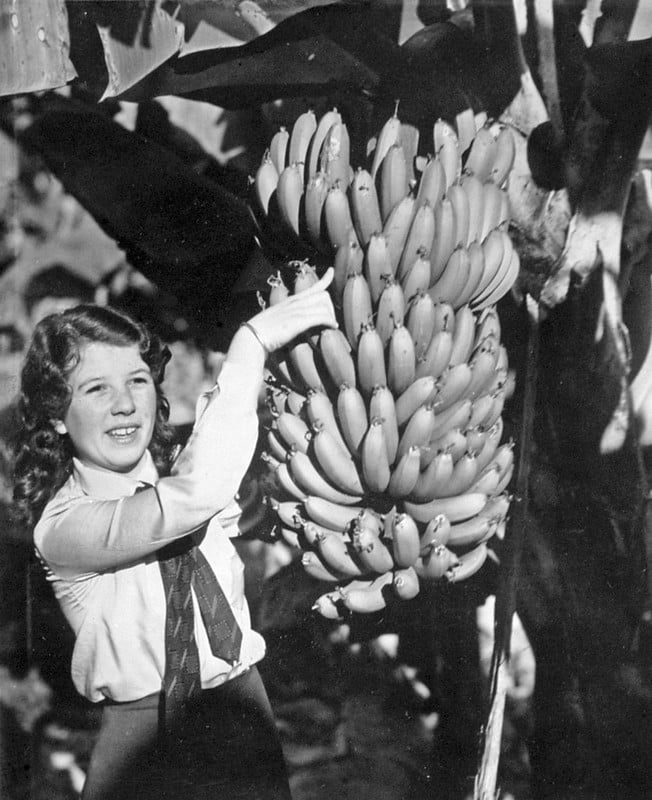
During World War II, British propaganda used bananas as symbols of energy and good health. Posters showed happy citizens urged to eat them for strength. The catch? Bananas were actually scarce at the time because of shipping blockades. A strange mismatch between image and reality.
Monkeys Don’t Actually Prefer Them

Despite the cartoons, wild monkeys don’t naturally chow down on bananas. The ones handed to them in captivity are sugar-packed cultivated types. For monkeys, it’s more dessert than diet. A myth dressed up in cartoons and movie gags.
Banana Peels Are Slippery—But Not Always

The classic banana peel slip? Not entirely fiction. Polysaccharides in the peel create a slick surface. But it depends. On rough ground, not much happens. On polished floors? Disaster waiting to happen.
The Seeded Ancestors Looked Nothing Alike

Modern bananas are smooth, seedless, and easy to eat. Their ancestors? Packed with giant, hard seeds that made them nearly inedible. Imagine biting into fruit only to find a mouthful of stones. Could be worse. At least the sweetness was still there.
Banana Fiber Makes Clothes
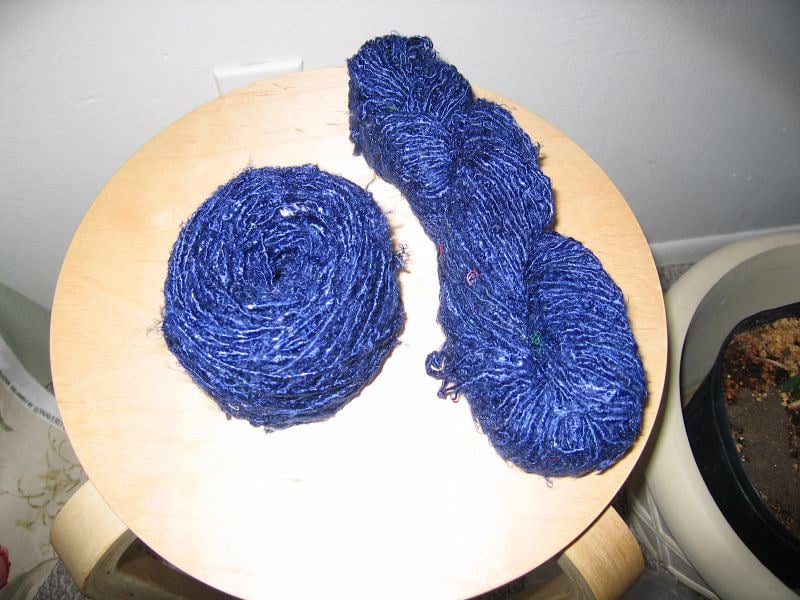
In some parts of the world, banana plant fibers are turned into fabric. It’s strong, sustainable, and surprisingly soft after processing. The same material is also used for ropes, paper, and mats. A plant that keeps on giving.
They Have Many Names

Across the globe, bananas go by a range of names:
- “Plátano” in Spanish-speaking countries
- “Banane” in French
- “Muz” in Turkish
Same fruit, different tongues. A little reminder of how wide its reach really is.
They Ripen Themselves (and Others)

Bananas release ethylene gas, which speeds ripening. Leave a bunch together, and they’ll all yellow up fast. Put them near apples or avocados, and suddenly your fruit bowl turns into a race. Handy when you’re craving guacamole tonight.
The World Eats Billions

Billions of bananas vanish into meals every year. Not just peeled and eaten raw—think fried, blended, baked, or dried. Sweet or savory, they slip into almost anything.
A Symbol of Comedy

From slapstick routines to Saturday morning cartoons, bananas have been comedy gold for decades. The peel gag, the odd shape, the sheer silliness—it all works. Even when everyone sees it coming, it still gets a laugh.
A Few Bananas Are Red

Not every banana is yellow. Some varieties ripen into red skins with a berry-like flavor. They’re harder to find in stores but treasured locally. Proof that even familiar fruits have surprising twists.
Hidden Calories in the Peel

Few people chew on banana peels, though they’re edible. Full of fiber, a bit bitter, and frankly chewy. Not exactly appealing, but some cultures cook them.
Fruit with a Passport

Bananas grow in over 135 countries. From sprawling plantations to small local farms, they’ve become a global staple. Geography barely matters anymore—they thrive almost everywhere tropical.
More Than Just a Fruit

Bananas aren’t just breakfast fruit. They’re glowing science experiments, cultural symbols, and even raw material for fabric. Peel them back, and the ordinary becomes extraordinary.
More from Go2Tutors!

- The Romanov Crown Jewels and Their Tragic Fate
- 13 Historical Mysteries That Science Still Can’t Solve
- Famous Hoaxes That Fooled the World for Years
- 15 Child Stars with Tragic Adult Lives
- 16 Famous Jewelry Pieces in History
Like Go2Tutors’s content? Follow us on MSN.