15 Most Unusual Coffee Drinks Ever Made
Coffee has been around for centuries, and at some point, someone decided a plain cup just wasn’t enough. From ancient spice routes to modern food labs, people have been adding the strangest things to their coffee and — somehow — making it work.
Some of these drinks are beloved by thousands. Others are more of a dare.
But all of them prove that coffee is one of the most adaptable ingredients on the planet.
1. Egg Coffee (Cà Phê Trứng) — Vietnam
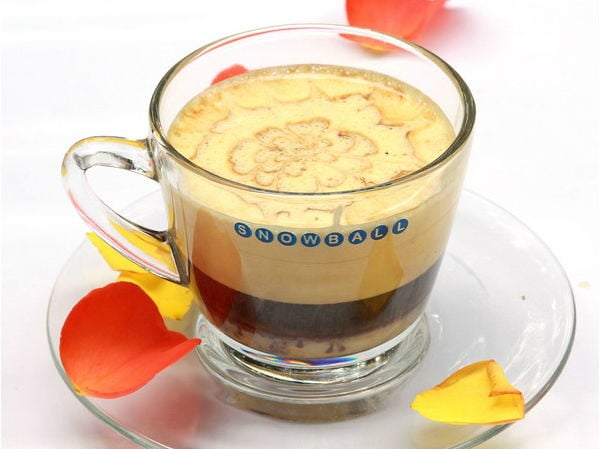
This one sounds wrong until you taste it. Vietnamese egg coffee is made by whipping egg yolks with sugar and condensed milk into a thick, mousse-like foam, then spooning it over a shot of strong drip coffee.
The result sits somewhere between a dessert and a drink. It was invented in Hanoi in the 1940s, originally as a substitute when milk was scarce.
Today, it’s one of Vietnam’s most iconic beverages and well worth tracking down if you’re ever in the Old Quarter.
2. Charcoal Latte
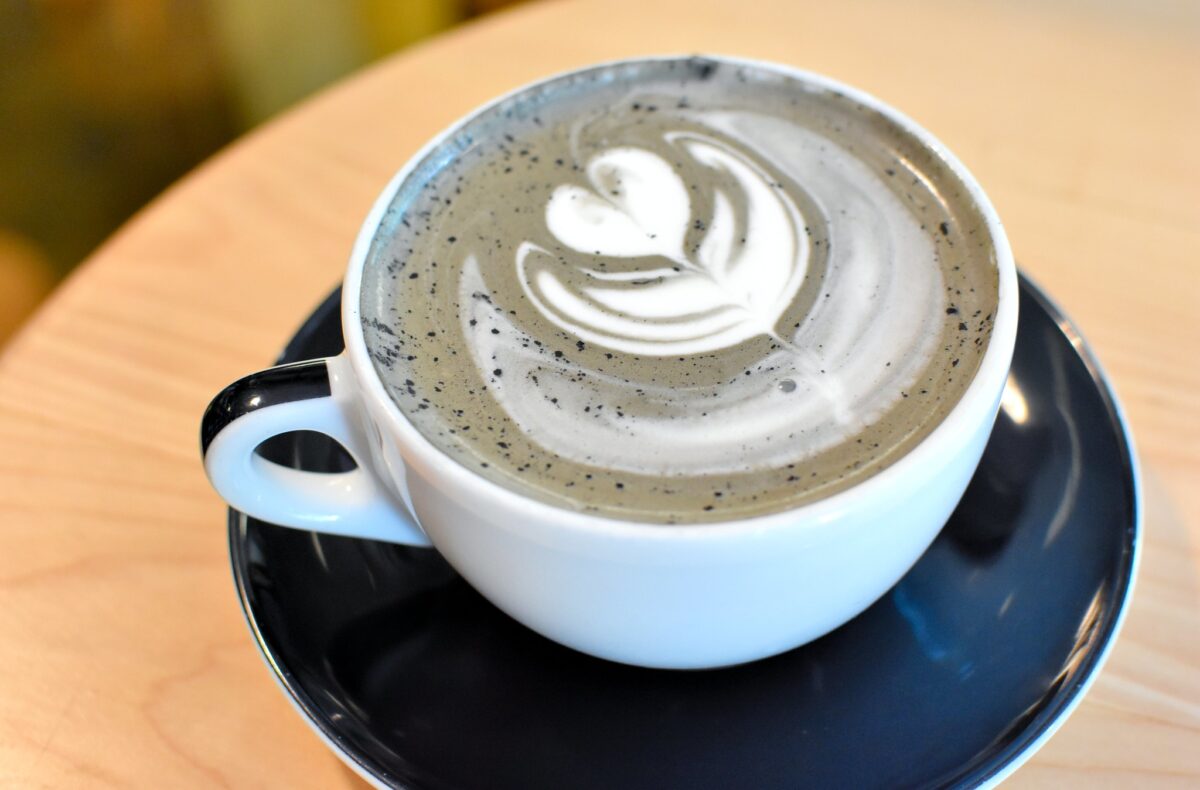
Black as midnight and made with activated charcoal, this drink became a social media fixture a few years back purely because of how it looks. The flavor is mild — almost like a regular latte with a faint earthy note — but the visual is striking enough that people order it just for the photo.
Cafes in major cities still serve it, though nutritionists are quick to point out that activated charcoal can interfere with medications. Not the ideal pre-pill drink.
3. Butter Coffee (Bulletproof Coffee)
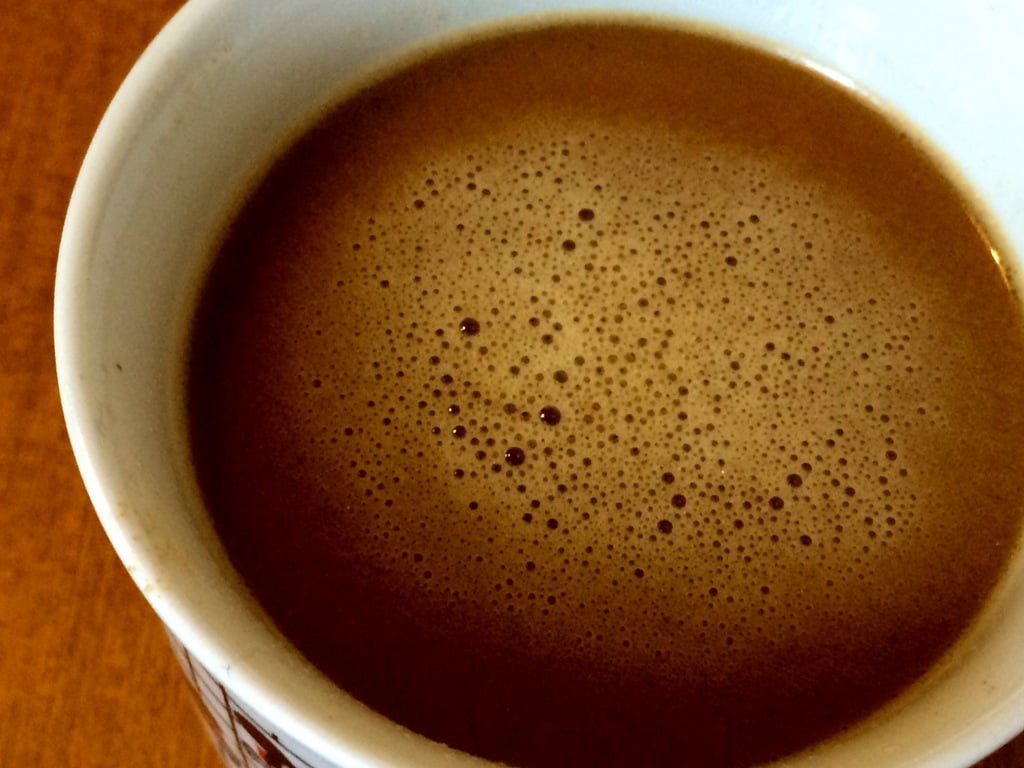
The idea is simple: blend your morning coffee with a tablespoon or two of unsalted butter and MCT oil. The result is frothy, rich, and surprisingly filling.
It became popular in the biohacking community around 2012 and has a devoted following among people who follow low-carb diets. The claim is that the fat slows caffeine absorption, giving you a longer, smoother energy boost rather than a spike and crash.
Whether that’s true depends on who you ask, but the drink itself is genuinely enjoyable if you’re into rich, creamy coffee.
4. Coffee with Cheese — Scandinavian Kaffeost
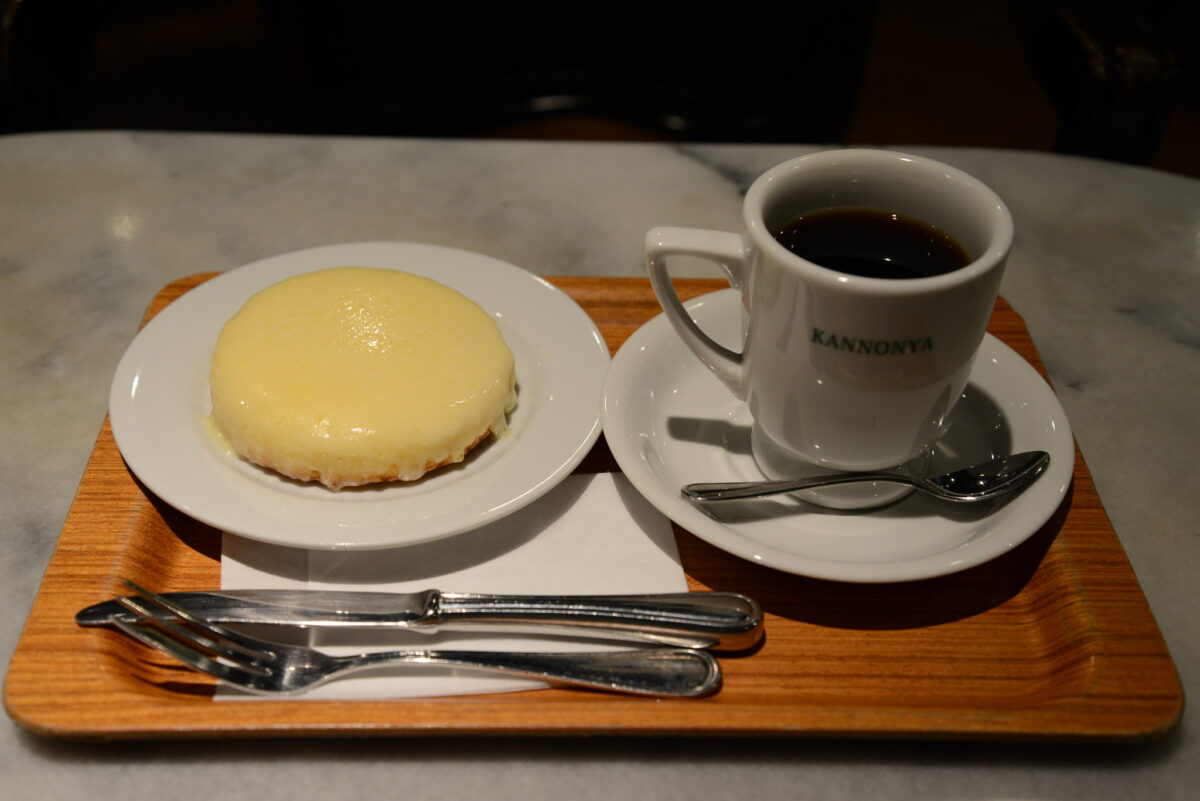
In parts of Sweden and Finland, coffee gets poured directly over a chunk of squeaky cheese called juustoleipä — a bread cheese that doesn’t melt. You eat the coffee-soaked cubes with a spoon as you drink.
The cheese absorbs the coffee without falling apart, and the flavor combination is far less strange than it sounds. It’s salty, slightly sweet, and deeply comforting.
Traditional enough that it’s been served this way for hundreds of years.
5. Spiced Coffee with Salt and Cardamom — Arabic Qahwa
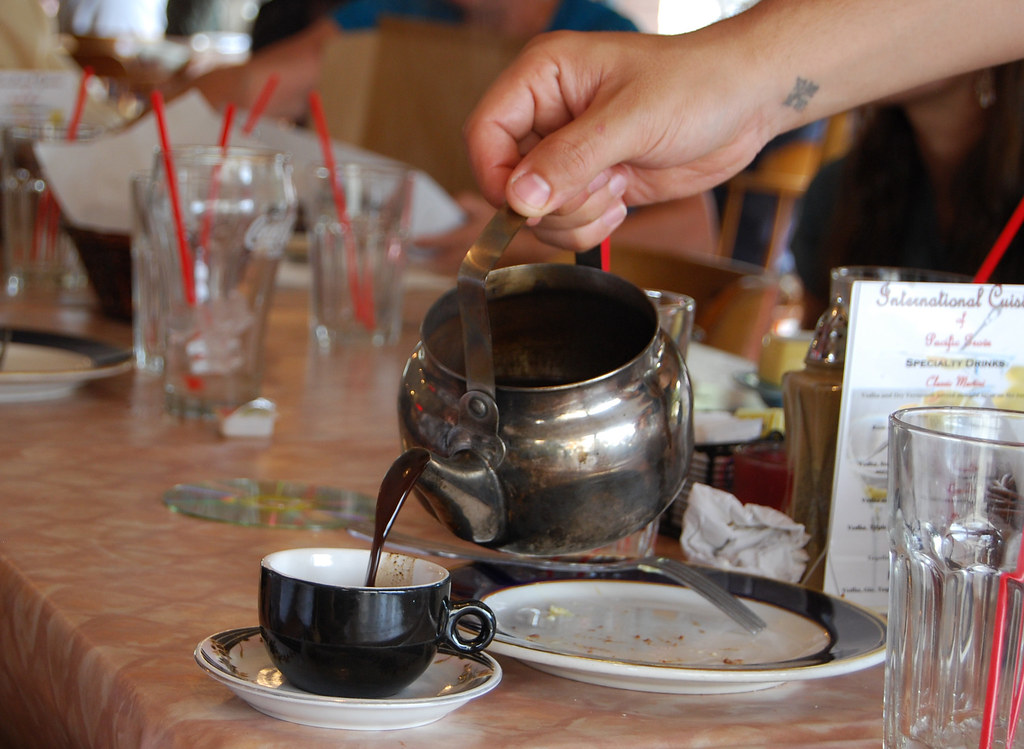
Before espresso existed, there was qahwa. This Middle Eastern brew uses lightly roasted green coffee beans simmered with cardamom, saffron, cloves, and rose water.
It’s pale gold in color, aromatic, and served in tiny cups without sugar. A pinch of salt sometimes goes in too, which rounds out the bitterness and makes the spice notes pop.
It’s still the standard way to serve coffee at weddings and formal gatherings across the Gulf.
6. Coffee with Tonic Water
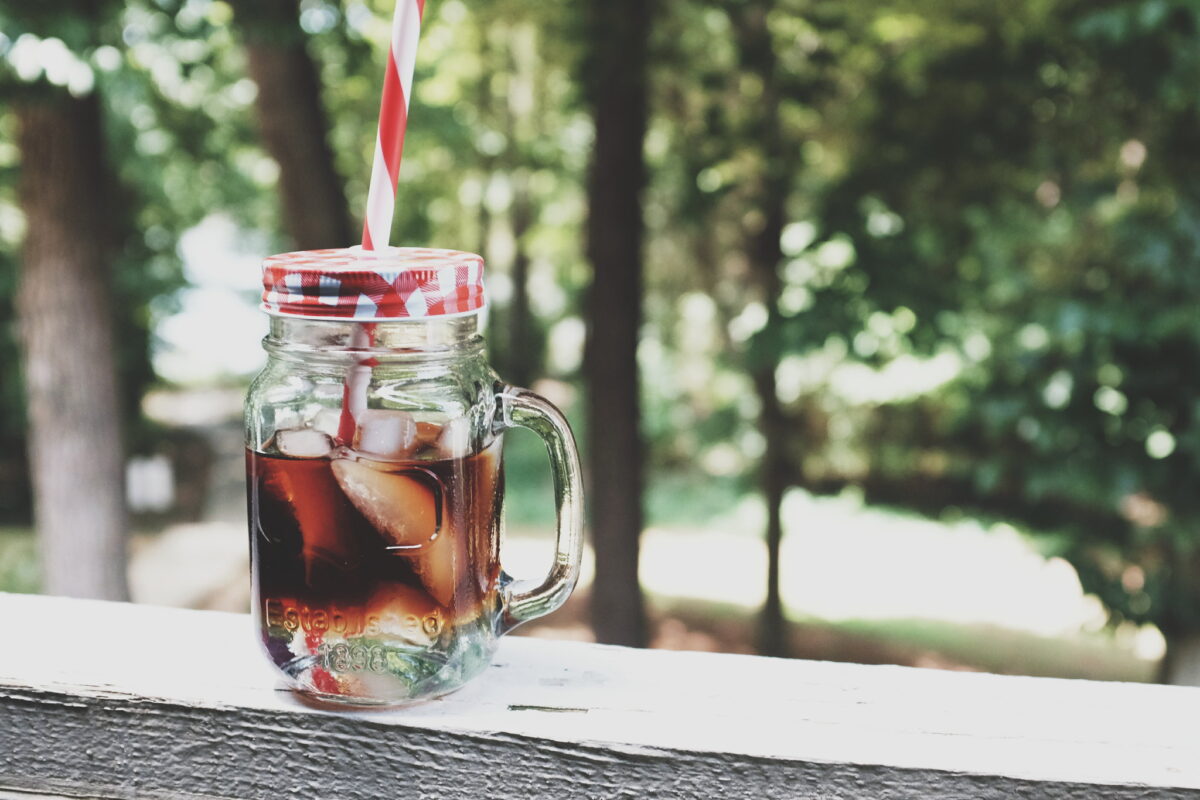
Cold brew or espresso poured over tonic water and ice sounds like a bartender’s experiment, but it works. The bitterness of the coffee and the bitter quinine in the tonic cancel each other out in interesting ways, leaving something surprisingly crisp and citrusy.
Specialty coffee shops have been putting this on menus for years. The key is using a good-quality tonic — cheap tonic water makes it medicinal in a bad way.
7. Yuenyeung — Hong Kong
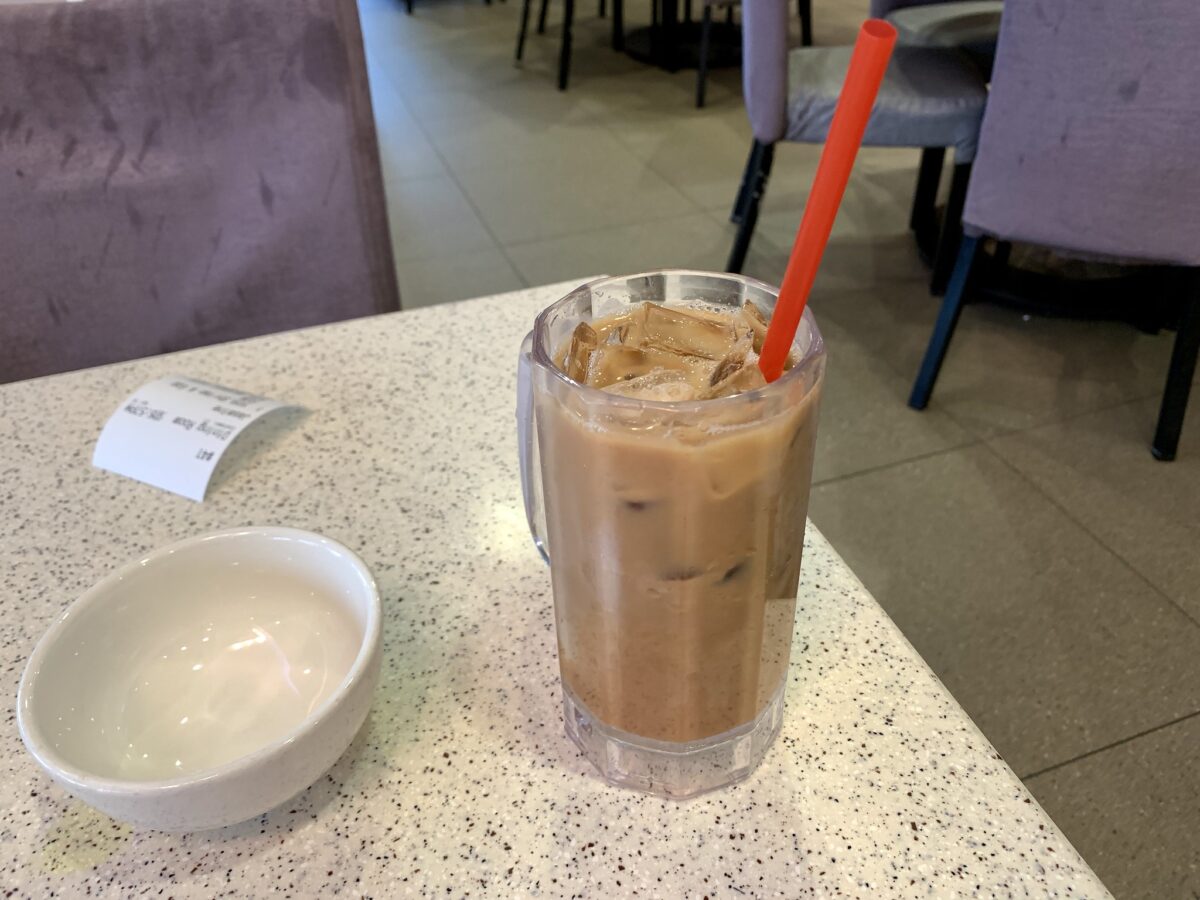
Half strong black tea, half coffee, poured together and served hot or over ice. Yuenyeung has been a staple of Hong Kong-style cafes (cha chaan tengs) since at least the 1950s.
It’s often sweetened with condensed milk, which softens the whole thing considerably. The combination shouldn’t work in theory — tea and coffee are basically rivals — but the flavors blend into something with more body than either drink alone.
It’s now on menus in cities all over the world.
8. Kopi Luwak
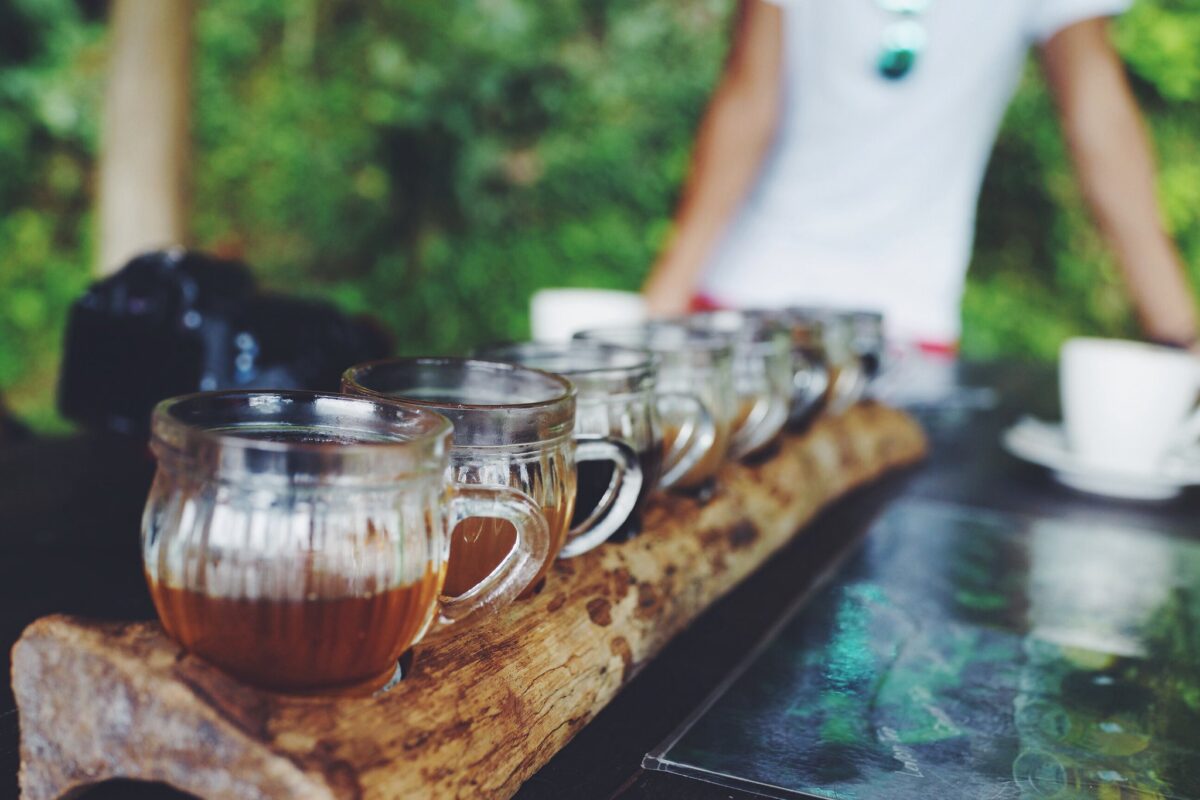
This is the one made from coffee beans that have passed through the digestive system of the Asian palm civet. Yes, that means what you think it means.
Enzymes in the animal’s gut break down proteins in the coffee beans, which supposedly produces a smoother, less bitter cup. It’s been marketed as the rarest and most expensive coffee in the world.
The reality is more complicated — a lot of mass-produced kopi luwak involves animals in poor conditions, and blind taste tests often rank it below high-quality conventional coffee. Worth knowing before paying premium prices for it.
9. Mushroom Coffee
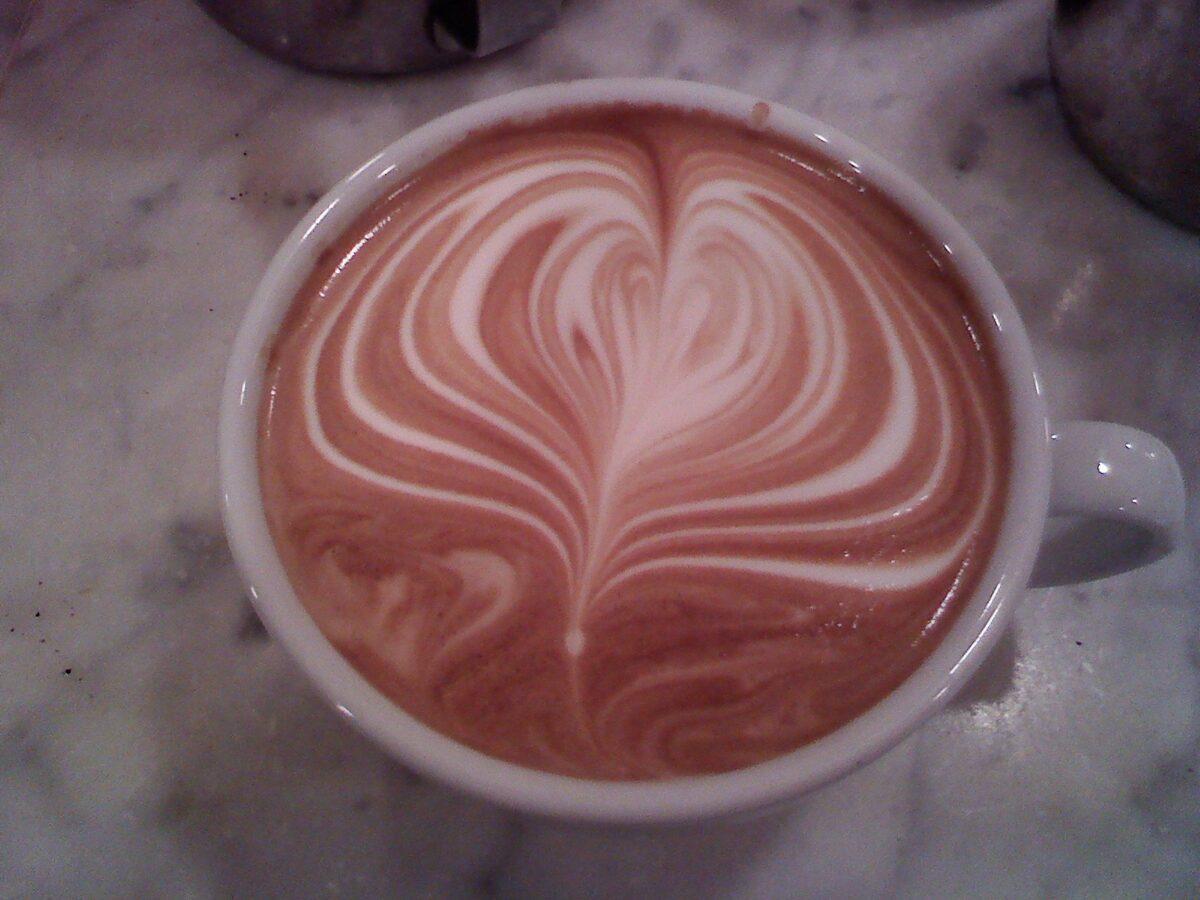
Ground coffee mixed with medicinal mushroom extracts — lion’s mane, chaga, reishi, cordyceps. It tastes mostly like regular coffee with a slightly earthier edge.
The wellness industry has pushed mushroom coffee hard in recent years based on claims around focus, immunity, and reduced caffeine jitters. The science is still catching up with the marketing, but the drinks are real, they’re widely available, and plenty of people swear by them.
10. Mazagran — The Original Iced Coffee
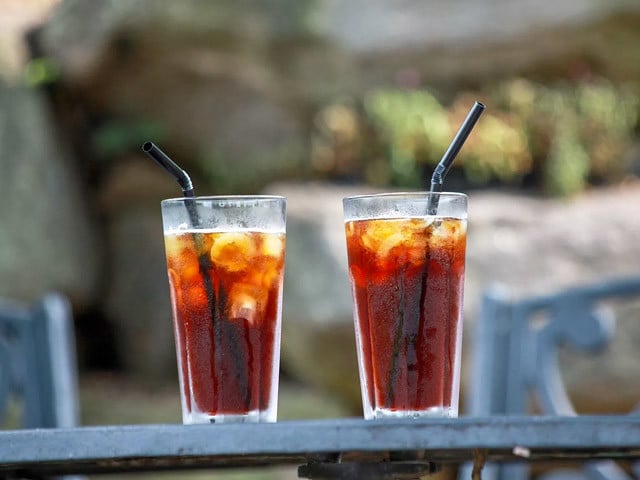
Portugal’s national cold coffee drink predates every trendy iced coffee by about 150 years. It’s cold black coffee mixed with lemon juice, ice, and sometimes a splash of rum or port.
The combination of strong coffee and sour citrus is surprisingly refreshing, and it’s still common to find it at Portuguese cafes today. Some versions use lemon syrup instead of fresh juice, which makes it sweeter and easier to drink quickly on a hot afternoon.
11. Salt Coffee — Various Origins
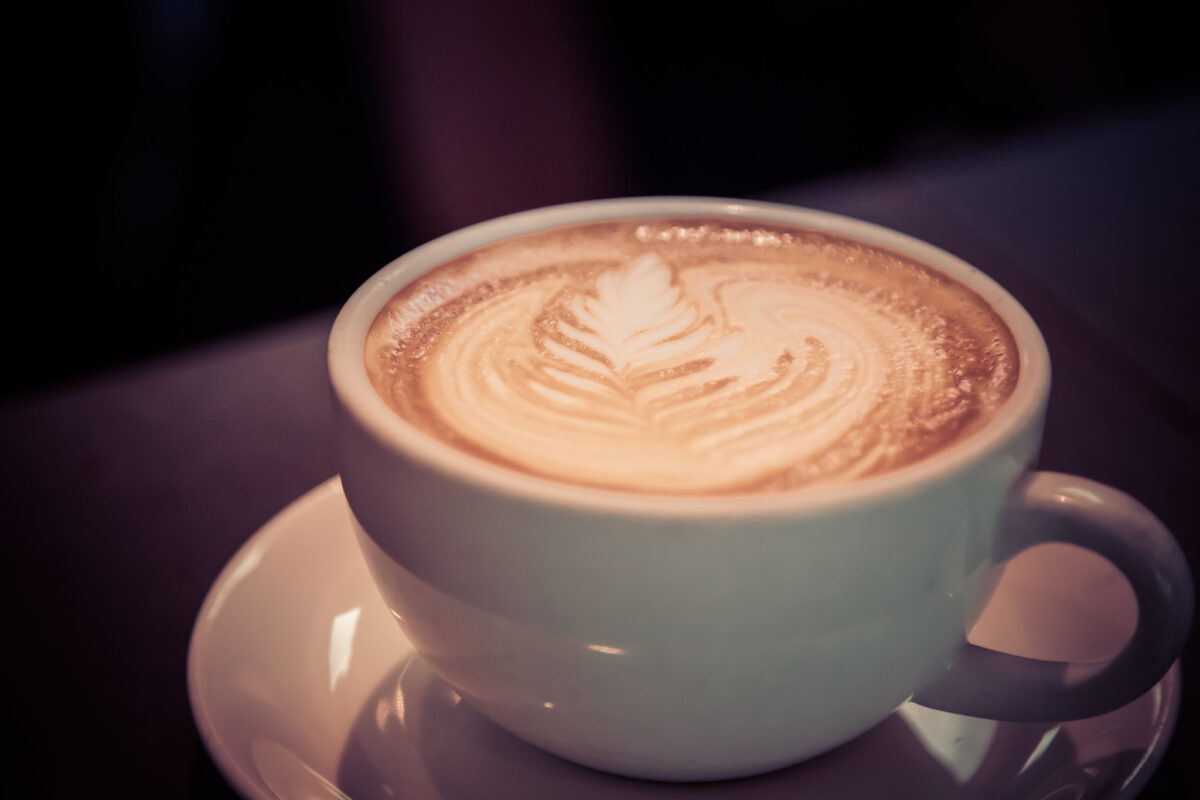
Adding a small pinch of salt to coffee reduces bitterness without making it taste salty. This is chemistry, not flavor — salt suppresses bitterness receptors on your tongue.
It’s been done in coastal regions of Taiwan and parts of Turkey for generations, and more recently food scientists have started recommending it as an alternative to sugar. You won’t taste the salt.
You’ll just notice the coffee seems smoother.
12. Whiskey-Barrel Aged Coffee
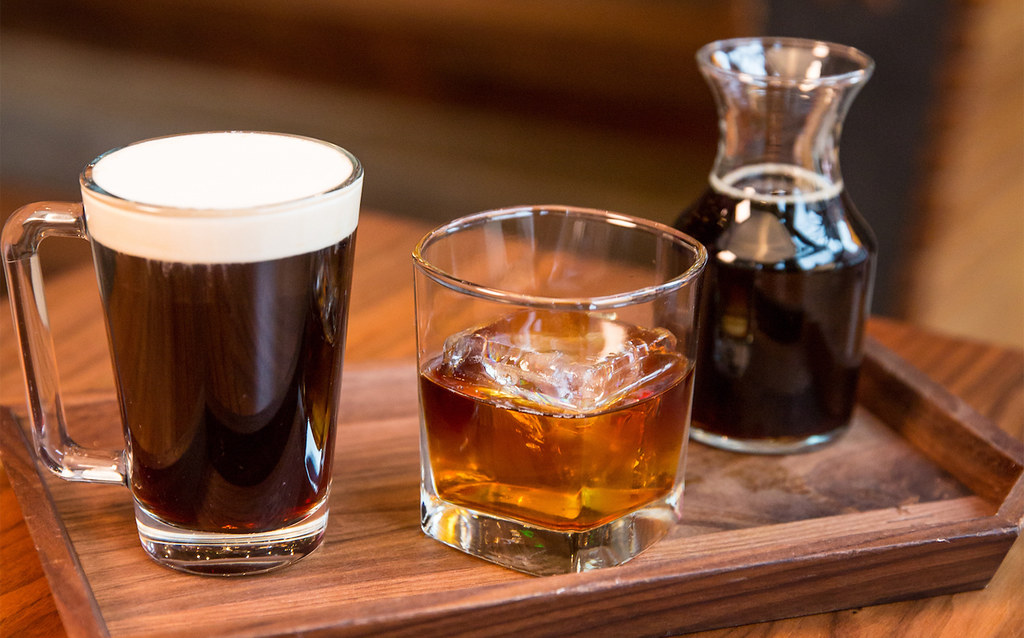
Whole green coffee beans aged inside used whiskey, bourbon, or rum barrels before roasting. The beans absorb some of the residual liquid and wood compounds from the barrel, which shows up as vanilla, oak, caramel, or smoke notes in the final cup.
The process takes weeks or months. Some specialty roasters have made this into a serious craft, and the results range from subtle to dramatically boozy-tasting without a drop of alcohol in the cup.
13. Blue Algae Latte
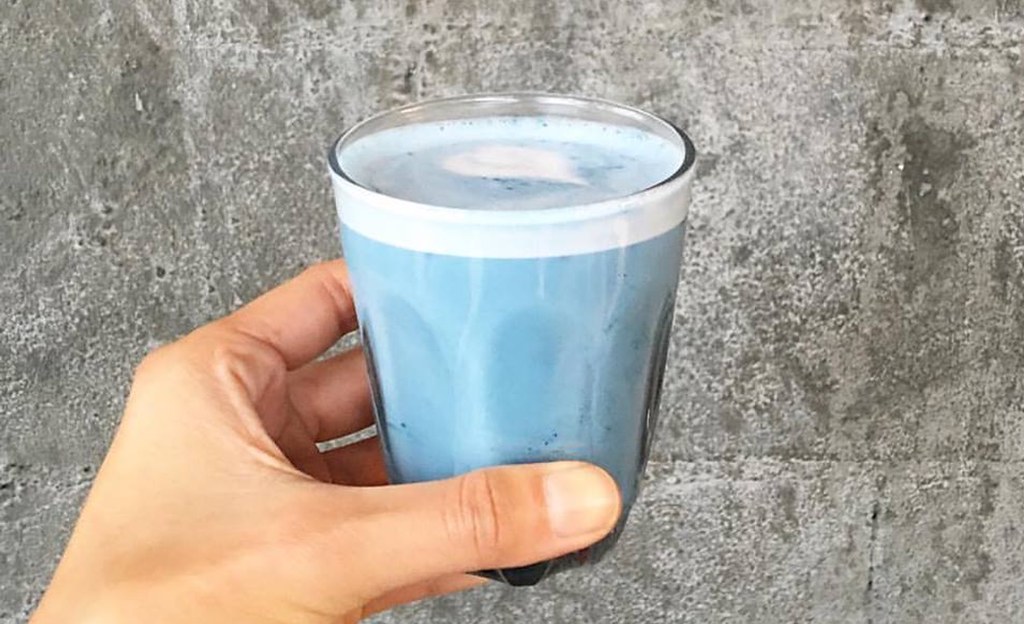
This drink mixes spirulina powder – a type of blue-green microalgae – into steamed milk and espresso. Its appearance shocks the first thing.
Yet the flavor feels calm, almost gentle. A hint of sea lingers, though coffee dominates.
Much like beverages colored with charcoal, its appeal leans heavily on looks. Still, spirulina brings protein and trace nutrients.
Because of that, it stands out among coffee-based options when measuring nutritional value.
14. Coffee Kombucha
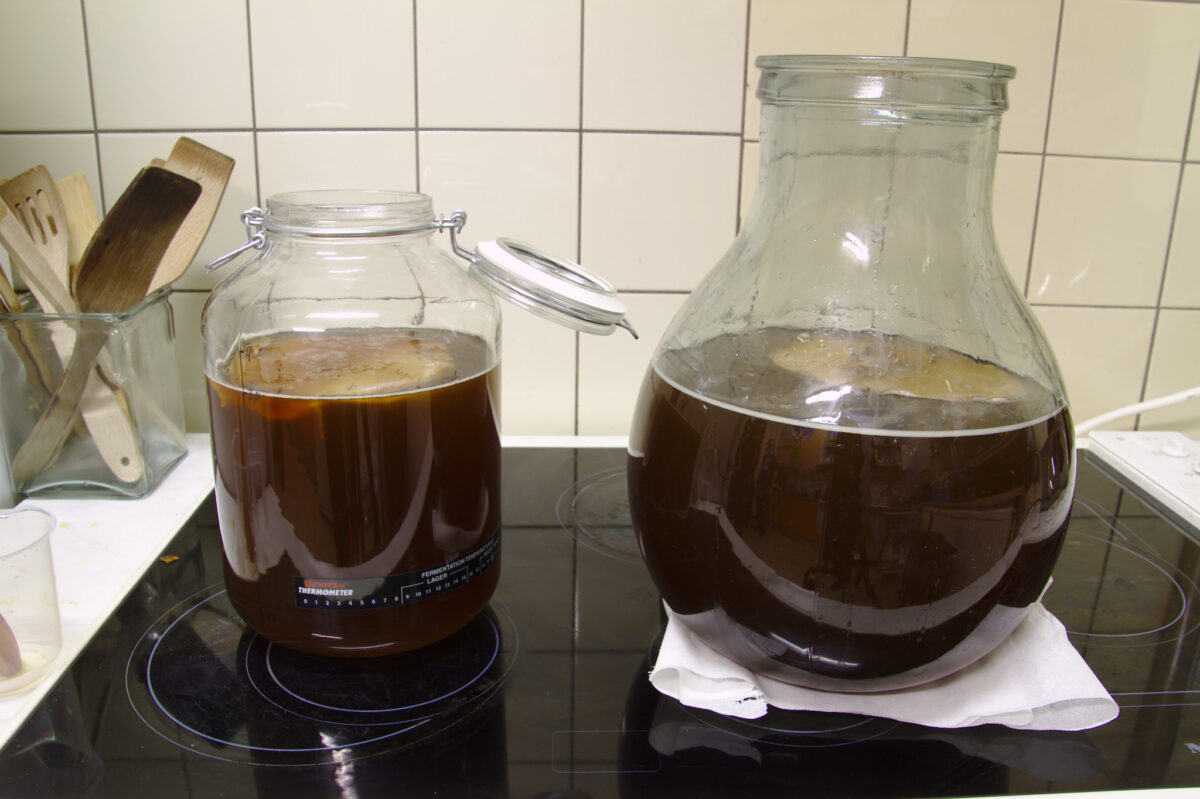
Coffee takes the place of tea in this version of kombucha. Fermentation still brings that sharp tang and fizzy texture found in classic batches, though the taste shifts toward something bolder, faintly smoky, oddly satisfying.
As microbes work their way through brewing, they break down part of the caffeine, leaving less behind than a standard cup of coffee holds. You can find finished bottles from small-scale makers, while certain cafés choose to ferment it themselves on site.
Those drawn to cold brew and fermented drinks might unexpectedly appreciate how these two blend together.
15. Cascara Coffee Cherry Tea
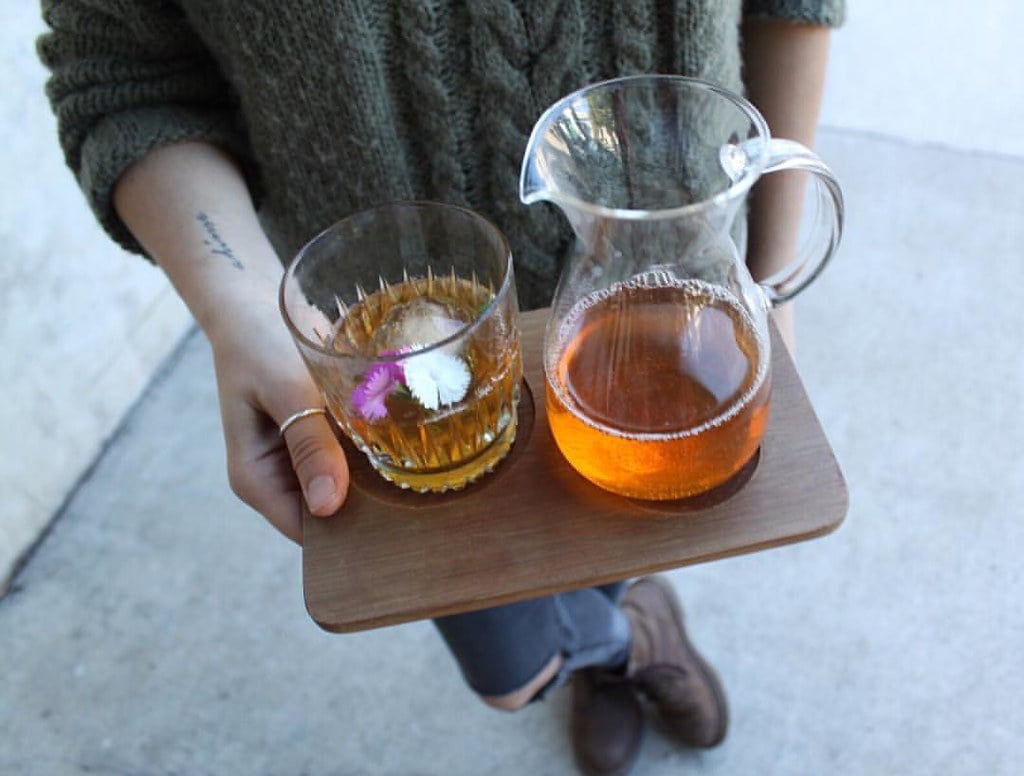
From something entirely different – the outer layer of the coffee fruit – cascara comes into being. Usually thrown away after harvest, these husks get dried then soaked in heated water.
What pours out carries flavors like tamarind, hints of hibiscus, maybe even old apricots. Not the bean itself, never close to it, yet still part of the same plant.
A bit of caffeine shows up here, though nowhere near what you’d find in regular coffee. In Yemen, its birthplace, people know it as qishr, frequently mixed with ginger.
With the rise of specialty coffee, cascara came along – now tucked into menus of many third-wave spots, most times poured chilled.
The Cup That Keeps Changing
Coffee began long before many countries on Earth even formed, yet feels fresh when seen through today’s habits. Because each society shaped it differently – tossing in nearby flavors, familiar spices, whatever felt natural – the outcome never settled into one version.
Out of all drinks, this one lives many lives at once. Odd brews here don’t shock just to shock.
Many began as fixes for real problems, local habits, or quiet wonder. One taste might be enough for some.
Others? They grow on you after the first round.
One might stop you mid-step when it’s time to pay. In its quiet manner, that’s precisely how fine coffee should act.
More from Go2Tutors!

- The Romanov Crown Jewels and Their Tragic Fate
- 13 Historical Mysteries That Science Still Can’t Solve
- Famous Hoaxes That Fooled the World for Years
- 15 Child Stars with Tragic Adult Lives
- 16 Famous Jewelry Pieces in History
Like Go2Tutors’s content? Follow us on MSN.



