Largest Indoor Venues Worldwide
A building meant for people indoors walks a tightrope between form and purpose. Crowds fill them, yet they must never seem chaotic – always shaped with care.
Inside spaces can’t lean on open air; instead, echoes, heat, sightlines, and flow demand answers within walls that do not bend. Choices made early ripple through each corridor, seat, and ceiling panel long after construction ended.
Slowly, dreams for indoor spaces grew bigger. First built just for games or shows, they turned into spots that fit big crowds for music, speeches, meetings, festivals – huge happenings.
Size used to mean only seat count; now it means keeping order when packed full.
Here comes a tour of the biggest indoor arenas on Earth, sorted by how many seats they hold when packed full. Built for crowds that fill cities into one roofed space, each was shaped by purpose – concerts, sports, politics – not just numbers.
Their scale tells stories about where humans choose to meet under cover, and why so much room keeps getting made. What stands out isn’t just height or width, but how emptiness turns into energy when thousands arrive.
Philippine Arena
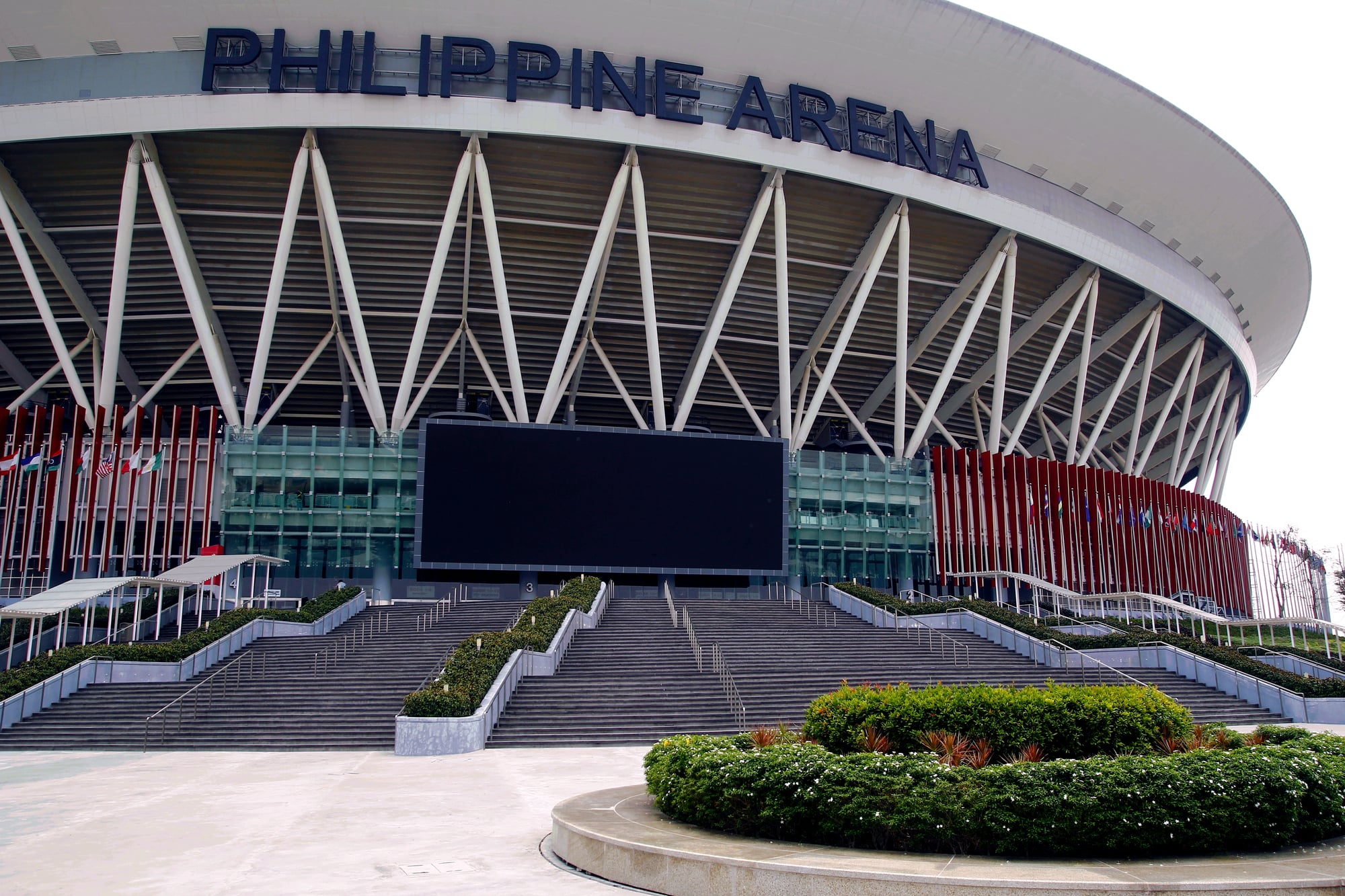
Philippine Arena is widely recognised as the largest indoor venue in the world by seating capacity, capable of holding up to around 55,000 people. At that scale, the term ‘arena’ feels almost insufficient.
The building functions more like an enclosed stadium, designed around mass participation rather than spectacle alone.
The venue was built primarily to host large religious gatherings, which shaped nearly every aspect of its design. Sightlines are optimised for a central focal point, while acoustics prioritise clarity for spoken word and music across vast distances.
Still, managing tens of thousands of people indoors introduces logistical challenges, from entry flow to ventilation. The Philippine Arena stands as a powerful example of indoor space used to reinforce collective identity on an extraordinary scale.
Tokyo Dome

Tokyo Dome occupies a distinctive position among indoor venues, blending characteristics of an arena and a domed stadium. With a maximum capacity approaching 55,000 depending on configuration, it remains one of the most versatile enclosed spaces ever built.
The Dome hosts baseball games, concerts, exhibitions, and major events throughout the year, often shifting layouts with remarkable efficiency. Its air-supported roof was a technical achievement at the time of construction, allowing for a massive unobstructed interior.
Despite its size, the venue feels remarkably ordered, reflecting a design philosophy that prioritises crowd discipline and predictable movement. Tokyo Dome demonstrates how indoor scales can feel precise rather than overpowering.
Saitama Super Arena
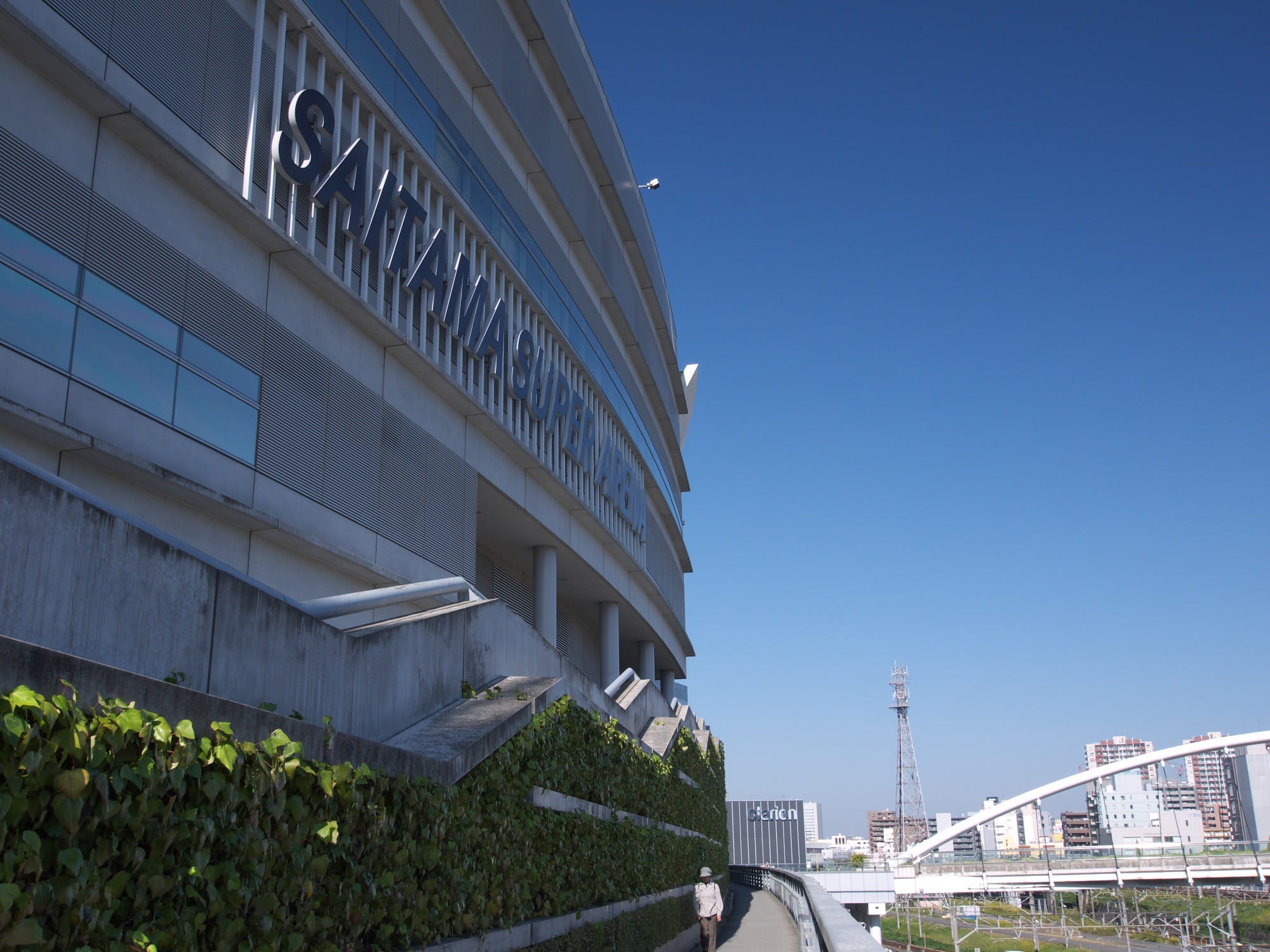
Saitama Super Arena holds up to roughly 37,000 people in its largest configuration and is often cited as one of the most adaptable indoor venues in the world. Its defining strength lies in flexibility rather than sheer size alone.
The arena can physically reconfigure its interior, altering seating capacity and floor space to suit different event types. This allows it to host international sporting events, concerts, and ceremonies without compromising atmosphere.
Still, its maximum capacity places it firmly among the world’s largest indoor venues. Saitama Super Arena shows how engineering ingenuity can make scale feel deliberate, rather than fixed or excessive.
Bukit Jalil National Stadium (Indoor Configuration)
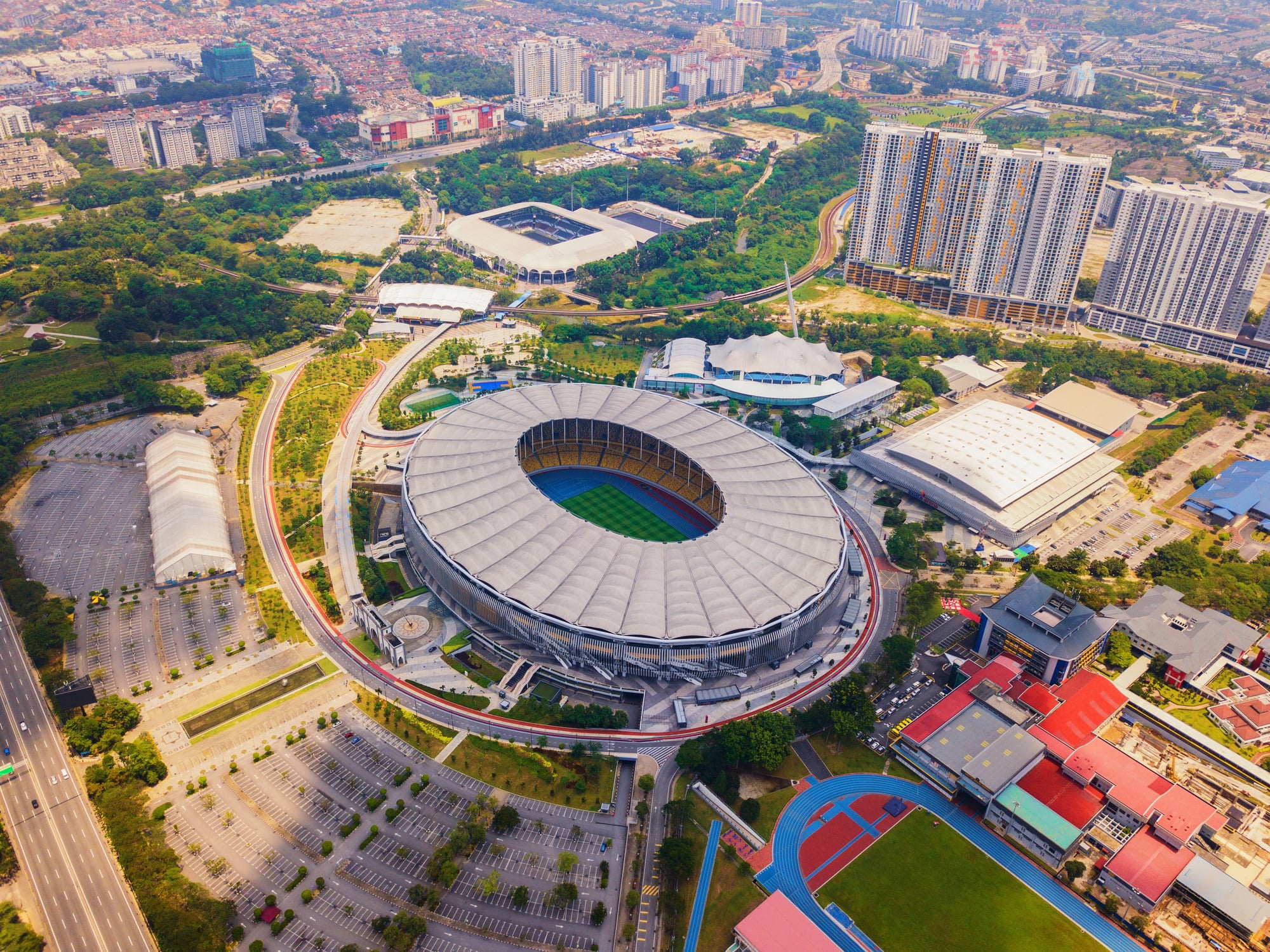
Bukit Jalil National Stadium is primarily known as an outdoor stadium, but its enclosed and partially covered configurations for major events allow it to function as one of the largest indoor-style venues in Southeast Asia. In these setups, it can accommodate tens of thousands of attendees within a controlled environment.
The venue is frequently used for large ceremonies, concerts, and national events that require containment and sound control. Its scale reflects Malaysia’s investment in regional event infrastructure.
While not a conventional indoor arena, its use highlights how definitions of indoor space continue to stretch as venues adapt to hosting ever-larger gatherings under controlled conditions.
Madison Square Garden

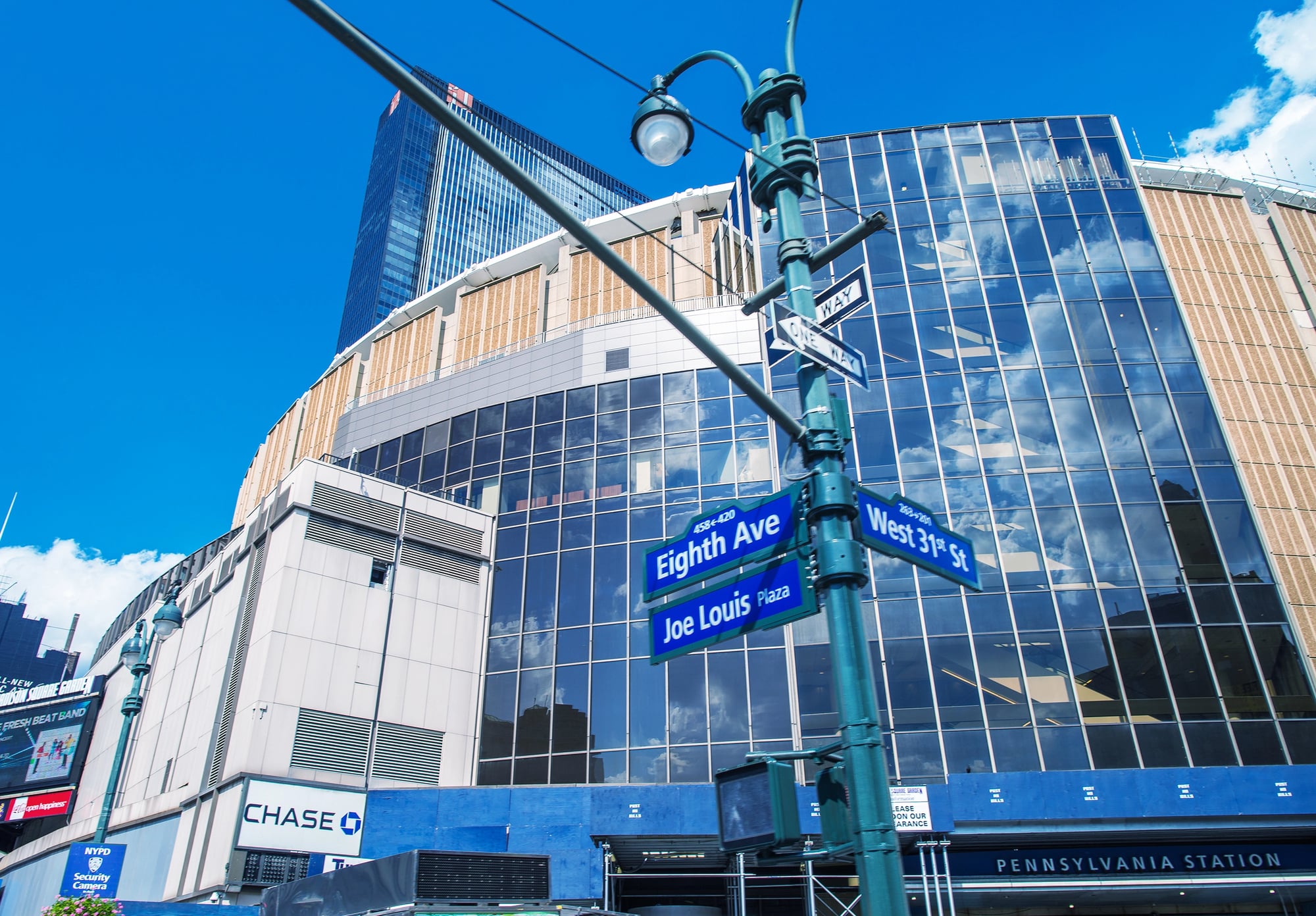
Madison Square Garden seats just over 20,000 people, which places it well below the largest venues numerically. Yet its inclusion is essential when discussing indoor scale, because it demonstrates how influence and intensity can rival capacity.
Located in the heart of Manhattan, the venue operates under extreme spatial constraints. Every corridor, seating angle, and loading area reflects optimisation rather than expansion.
Still, it hosts some of the world’s most prominent sporting events and performances. Madison Square Garden proves that indoor venues do not need to be the biggest to shape global culture, but it also highlights the trade-offs that come with building large spaces in dense urban environments.
Bell Centre
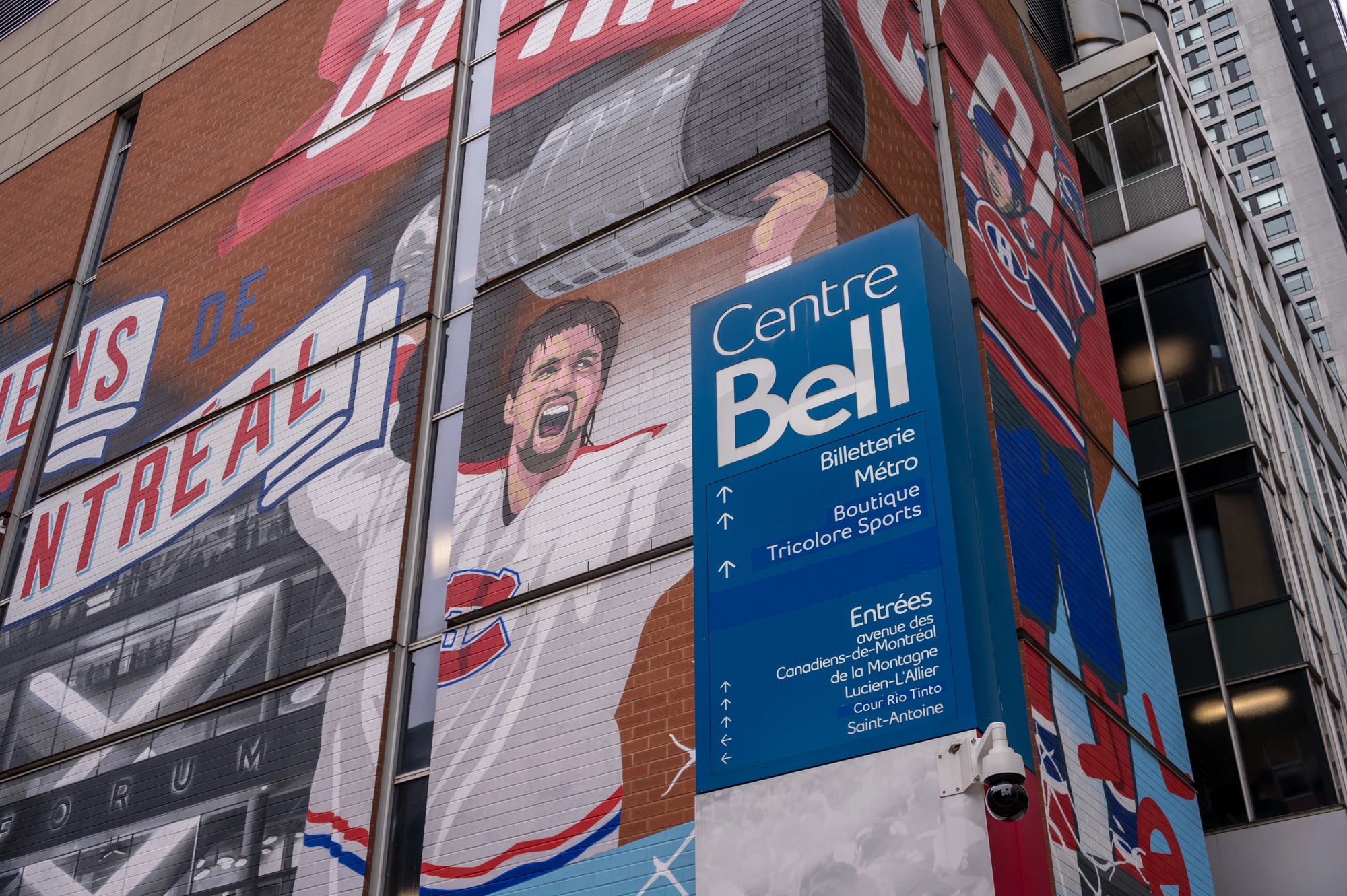
Bell Centre is the largest indoor arena in North America dedicated primarily to hockey, with seating for over 21,000 spectators. Its scale reflects both the popularity of the sport and the expectations of modern arena design.
Steep seating angles ensure strong sightlines, even from the upper tiers, preserving intimacy despite size. When configured for concerts, capacity increases further, reinforcing its role as a multi-purpose venue.
The Bell Centre demonstrates how indoor scale can serve a core audience while remaining adaptable enough to host global entertainment events.
O2 Arena
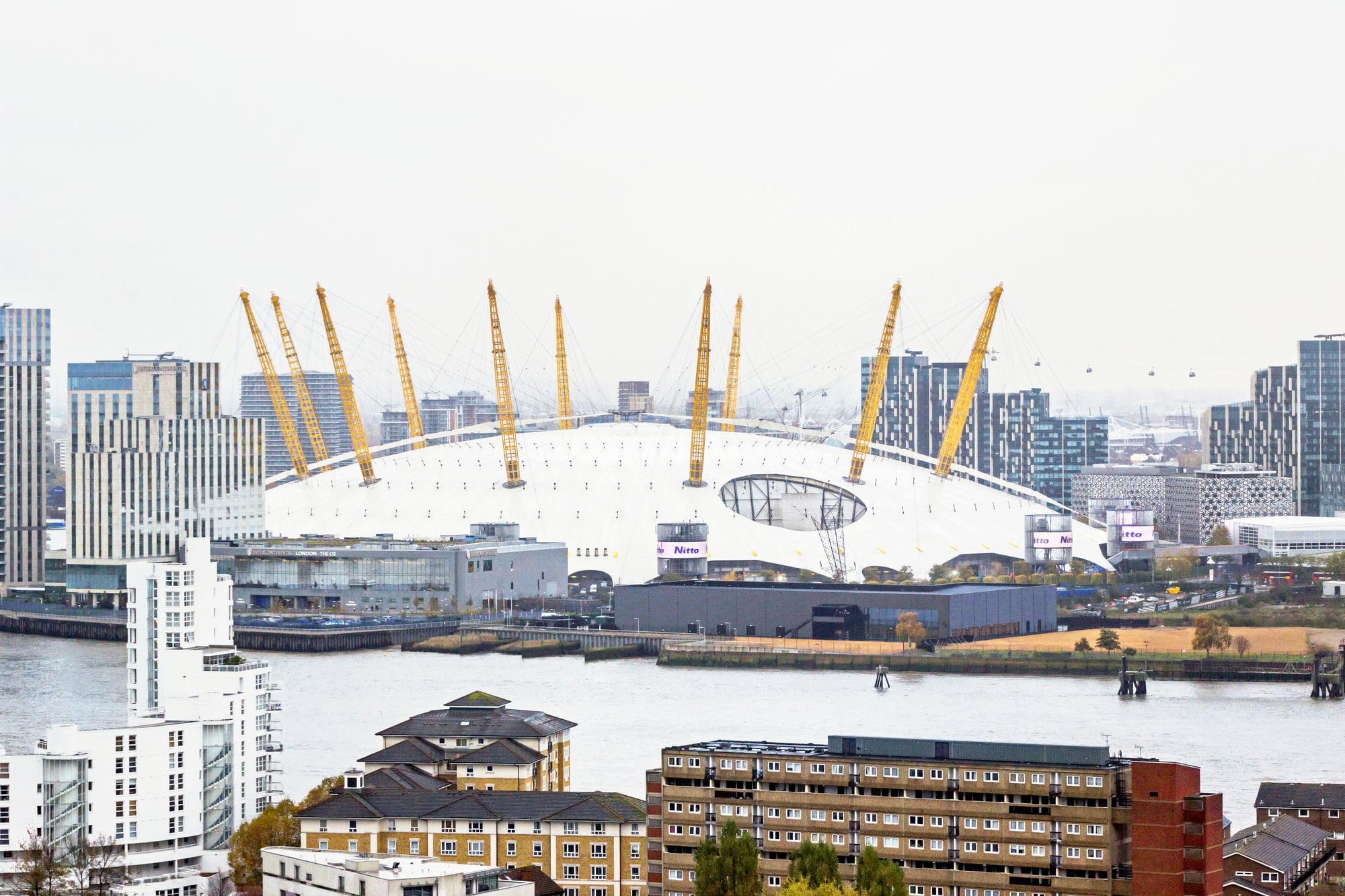
O2 Arena holds around 20,000 people and is one of the busiest indoor venues in the world. Its importance lies not in being the absolute largest, but in how consistently it operates near capacity.
Designed with concerts in mind, the arena places heavy emphasis on acoustics and visual immersion. Its interior proportions balance size with sound clarity, a challenge larger venues often struggle to overcome.
That consistency has made it a cornerstone of global touring circuits. The O2 Arena shows how indoor scale paired with purpose can outperform raw capacity alone.
Mercedes-Benz Arena Shanghai
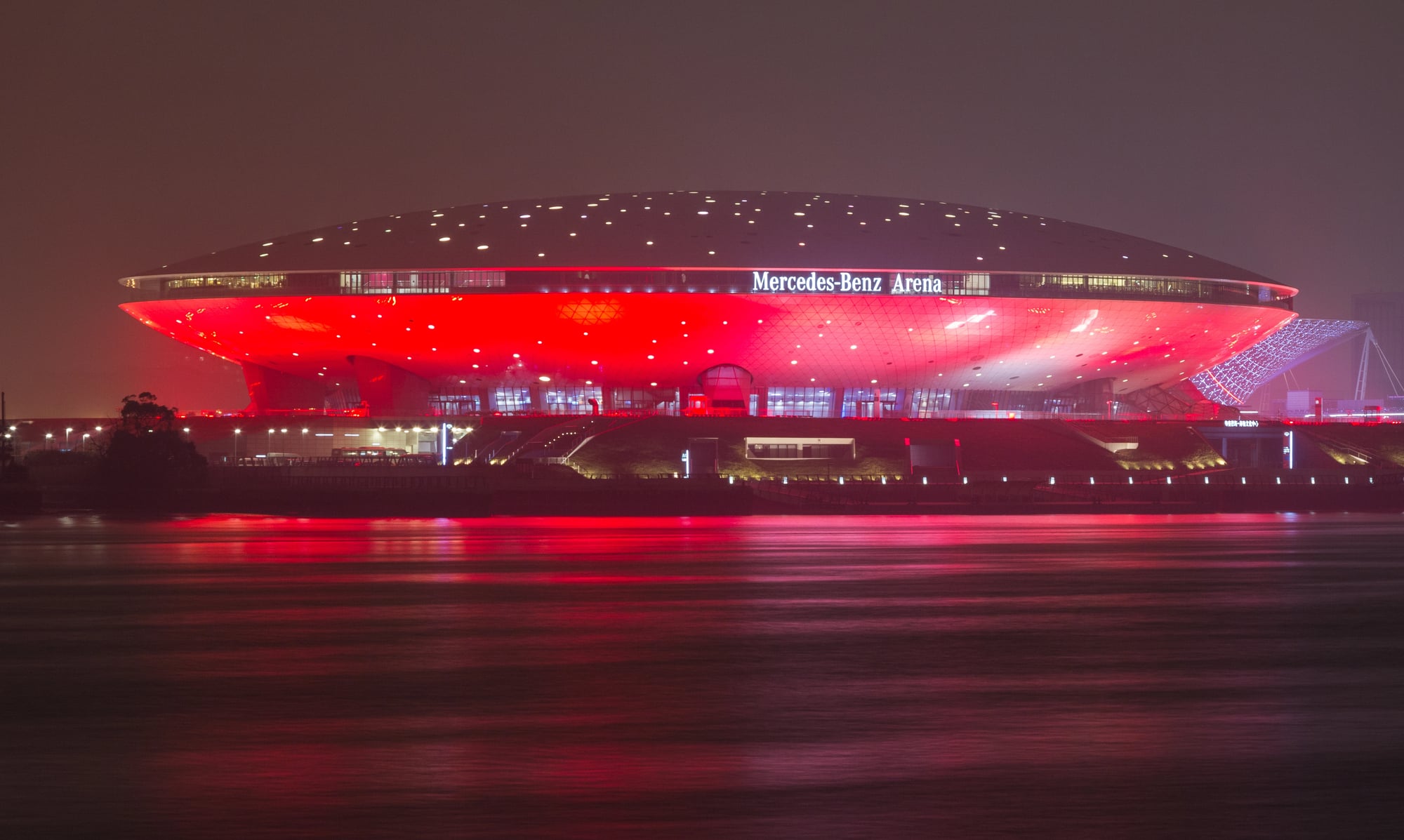
Mercedes-Benz Arena accommodates up to roughly 18,000 people and represents China’s growing focus on large-scale indoor entertainment infrastructure. Its design reflects international standards while adapting to local event demands.
The venue hosts concerts, sporting events, and ceremonies, positioning itself as a regional cultural anchor. Its scale supports global touring acts while maintaining manageable crowd flow.
While smaller than some mega-venues, its role highlights how indoor size increasingly aligns with global entertainment ecosystems rather than purely domestic use.
Accor Arena
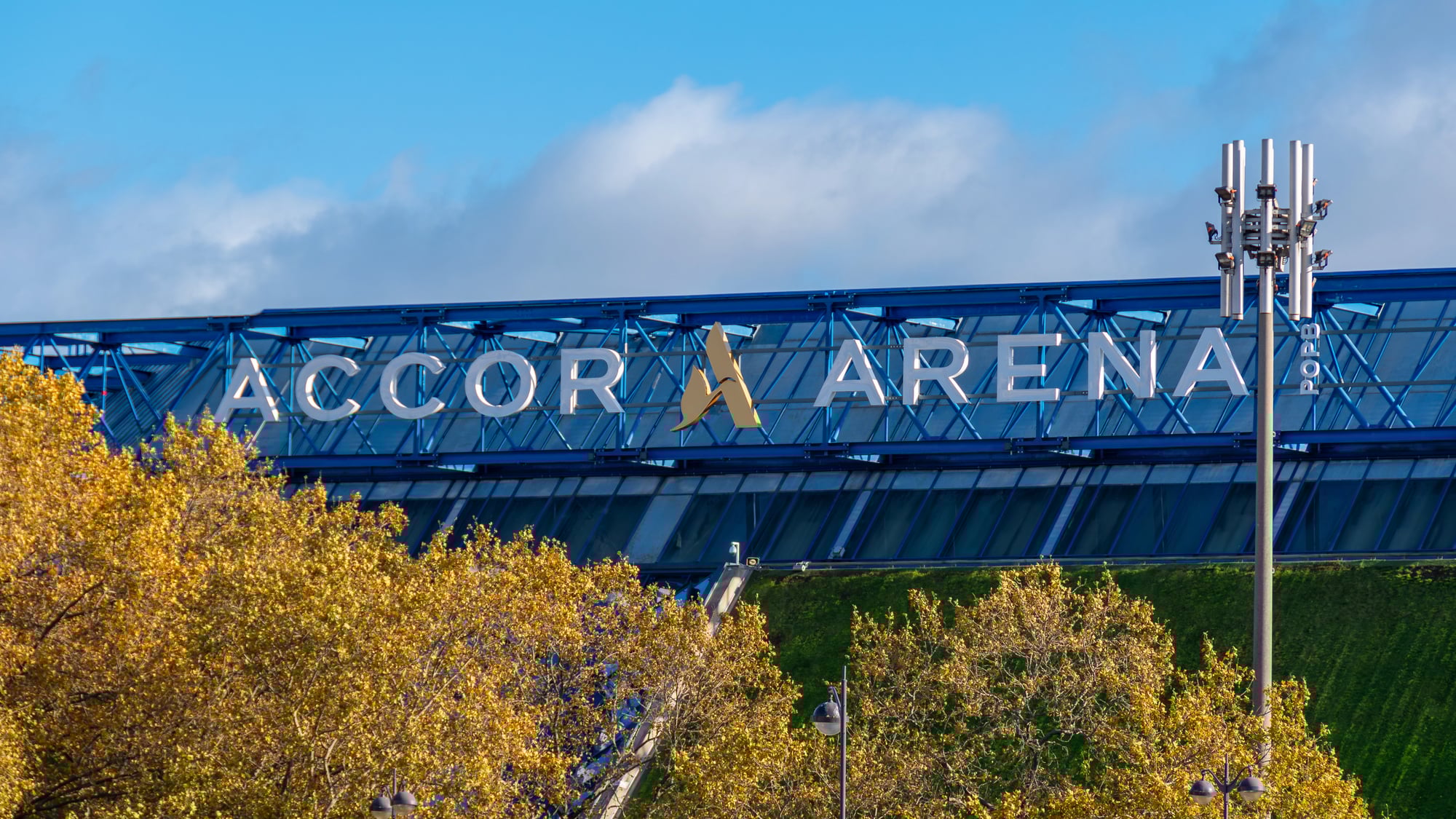
Accor Arena seats over 20,000 people following renovations that modernised both capacity and internal layout. It remains one of Europe’s most significant indoor venues.
The redesign prioritised flexibility, allowing the arena to shift seamlessly between sporting events and concerts. Improved acoustics and circulation addressed limitations common in older large venues.
Accor Arena illustrates how indoor scale can be refreshed rather than replaced, extending the lifespan of major event spaces through thoughtful adaptation.
The Trade-Offs of Going Bigger Indoors
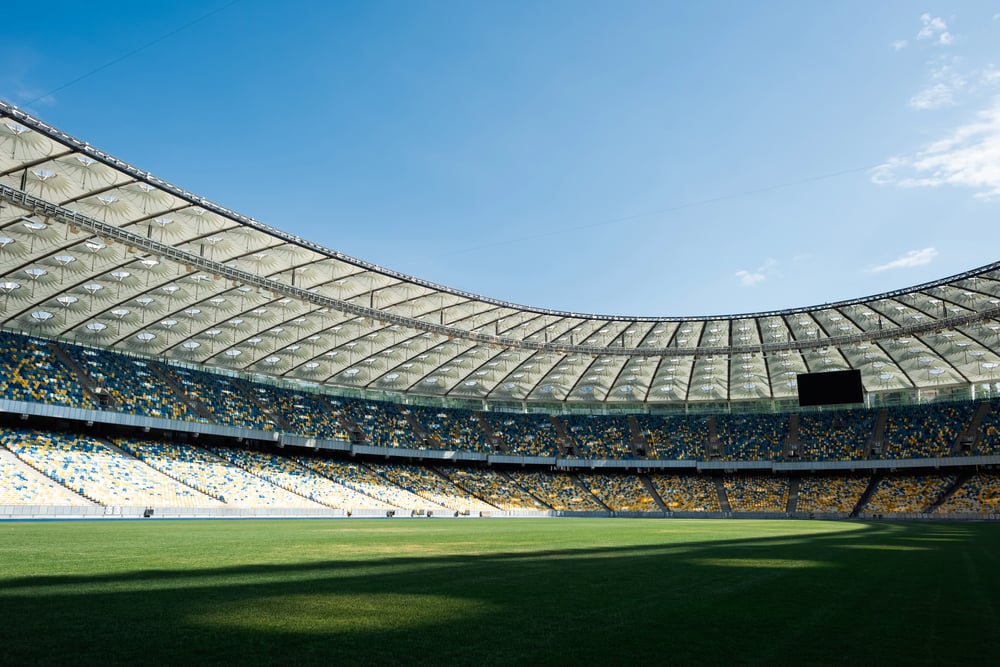
As indoor venues increase in size, their advantages come with meaningful trade-offs. Larger capacities allow promoters to host landmark events and maximise revenue, but they also introduce challenges around acoustics, safety, and crowd psychology.
Sound must travel farther without distortion, while emergency planning becomes exponentially more complex.
On the other hand, scale enables versatility. Large venues can host events of varying formats without extensive reconstruction, spreading operating costs across diverse uses.
The key challenge lies in preventing size from diluting experience. Successful indoor mega-venues use design, technology, and operational discipline to make vast spaces feel intentional rather than anonymous.
Why Indoor Scale Still Matters
Inside big halls, folks still gather – drawn by something deeper than convenience. Though life now flows through glowing rectangles, real connection finds room here.
These spaces thrive where pixels fall short: face-to-face, breath meeting breath. Not every moment fits into a stream or signal.
Something about being there, together, resists copying.
Big rooms still draw people in, though today’s designs care more about flexible layouts, movable chairs, space sound quality than just size. Yet when done right, large interiors shape attention sharply.
They turn vastness into intimacy, showing how a huge hall can hold emotion tightly. Such places become proof we keep craving shared moments – gathered under one roof, hearing the same voice, feeling alike.
More from Go2Tutors!

- The Romanov Crown Jewels and Their Tragic Fate
- 13 Historical Mysteries That Science Still Can’t Solve
- Famous Hoaxes That Fooled the World for Years
- 15 Child Stars with Tragic Adult Lives
- 16 Famous Jewelry Pieces in History
Like Go2Tutors’s content? Follow us on MSN.