Late-Night Infomercials Stuck in Our Heads
Television after midnight used to be a strange place. The regular shows ended, and suddenly the screen filled with enthusiastic hosts selling products that promised to solve problems nobody knew they had.
These infomercials became part of the cultural landscape, creating catchphrases and demonstrating gadgets in ways that bordered on ridiculous. Anyone who spent time flipping channels during those late hours encountered the same products over and over, pitched with such energy that it became impossible to forget them.
Those commercials wormed their way into memory whether people wanted them there or not. The products, the hosts, and the over-the-top demonstrations created a weird form of entertainment that still gets referenced today.
The Clapper

Sound-activated home automation arrived through a simple device that let people control lights and appliances by clapping their hands. The demonstration showed elderly people and those with mobility issues benefiting from not having to reach for light switches.
The jingle became instantly recognizable with its ‘Clap on, clap off, the Clapper’ refrain that got stuck in heads for days. Critics joked about how dogs barking or thunder could trigger the device, and late-night comedians had a field day with the concept.
Despite the mockery, the product sold millions of units and remains available decades after its initial release.
The Showtime Rotisserie

Ron Popeil stood in front of cameras for hours demonstrating his rotisserie oven while repeating the phrase ‘set it and forget it’ until it became part of everyday language. The infomercial showed whole chickens rotating behind glass while Popeil explained how the constant turning and enclosed cooking environment created perfectly moist meat.
He demonstrated the product with such genuine enthusiasm that viewers almost believed they needed a countertop rotisserie. The commercials ran for years, often airing multiple times in a single night.
Popeil became so associated with infomercials that he practically defined the genre for an entire generation.
The Chia Pet

Terra cotta figurines that sprouted grass ‘hair’ when watered seemed like the strangest gift idea imaginable. The commercials featured various shapes including animals and even presidents, all growing green fuzzy coats over a few weeks.
The jingle ‘ch-ch-ch-chia’ became so recognizable that people still reference it decades later. These products occupied an odd space between novelty gift and legitimate gardening project.
Despite seeming completely absurd, Chia Pets sold consistently well and continue to release new designs featuring popular characters and celebrities.
Ginsu Knives

The knife set that could cut through anything became legendary for its demonstrations of slicing tomatoes paper-thin and then sawing through aluminum cans. The infomercial format for Ginsu knives established many tropes that later products copied, including the ‘but wait, there’s more’ approach to adding bonus items.
Demonstrators would cut rope, leather, and various foods while emphasizing that the blades never needed sharpening. The dramatic presentation made simple kitchen knives seem like precision surgical instruments.
The brand name became synonymous with infomercial cutlery, even though many competitors offered similar products.
OxiClean

Billy Mays brought incredible energy to selling a powdered stain remover that could apparently clean anything. His booming voice and enthusiastic demonstrations showed OxiClean removing wine stains, grass marks, and other stubborn spots from clothing and carpets.
The infomercials ran constantly, with Mays practically shouting about the product’s oxygen-powered cleaning action. He became so famous for these commercials that people recognized his voice instantly.
OxiClean succeeded where many infomercial products failed by actually working as advertised, which helped it transition from late-night television to regular store shelves.
The Shake Weight

This modified dumbbell required users to shake it back and forth rapidly, creating a motion that looked unintentionally awkward on camera. The infomercial showed fit people vigorously shaking the weighted handles while serious narration explained the benefits of dynamic inertia training.
The product became an instant target for jokes and parodies across late-night talk shows and sketch comedy programs. Despite widespread mockery, the Shake Weight sold millions of units.
The commercial’s earnest presentation of something that looked ridiculous created a perfect storm of attention that actually boosted sales.
ShamWow

Vince Offer demonstrated absorbent towels with an attitude that made him stand out from typical infomercial hosts. He showed the towels soaking up entire spills instantly, wringing them out, and using them again while delivering his pitch with rapid-fire pacing.
The name itself became part of pop culture vocabulary. His catchphrases and slightly confrontational selling style differed from the overly friendly approach most hosts used.
The product’s genuine usefulness combined with memorable marketing created success that lasted well beyond the initial infomercial run.
Pajama Jeans

The concept of jeans that looked like regular denim but felt like pajamas struck a chord with people tired of uncomfortable clothing. The infomercial showed women wearing these hybrid pants to various settings while emphasizing the comfort and stretch fabric.
Demonstrators bent, stretched, and moved around to prove the pants maintained their jean-like appearance despite being made from soft knit material. The product tapped into the growing casual clothing trend years before athleisure became a dominant fashion category.
The commercials aired so frequently that the product name became shorthand for any comfortable pants trying to look dressier than they actually were.
Snuggie

A blanket with sleeves seemed too simple to warrant an entire infomercial, yet the Snuggie became a cultural phenomenon. The commercial showed families wearing their blankets while reading, watching television, or attending outdoor events.
The demonstrations looked ridiculous, particularly the scenes of people wearing Snuggies at sporting events. Critics mocked the product relentlessly, pointing out that robes already existed.
Despite the jokes, Snuggies sold over 30 million units. The infomercial’s earnest presentation of something inherently silly created a self-aware buying trend where people purchased them partly because of the absurdity.
The ThighMaster

Suzanne Somers squeezed a piece of bent metal between her thighs while promising viewers they could achieve similar results. The device’s simple design and the host’s celebrity status made it stand out from other fitness equipment infomercials.
The commercial emphasized spot toning for a specific body area, which appealed to people frustrated with traditional exercise. Somers appeared in these infomercials for years, maintaining enthusiasm that made the product seem more legitimate than similar gadgets.
The ThighMaster became so associated with 1990s fitness culture that it still gets referenced in period pieces and nostalgic content.
Flowbee

A vacuum cleaner attachment that cut hair seemed like either genius or disaster waiting to happen. The infomercial showed people cutting their own hair at home using the device attached to a regular vacuum hose.
Demonstrators achieved various styles while explaining how the suction held hair at the proper length for cutting. The concept seemed so outlandish that many viewers assumed it had to be a joke.
However, the Flowbee developed a dedicated following of people who genuinely used it for home haircuts. The product still sells today, maintaining a cult status among those who appreciate its unique approach to grooming.
George Foreman Grill
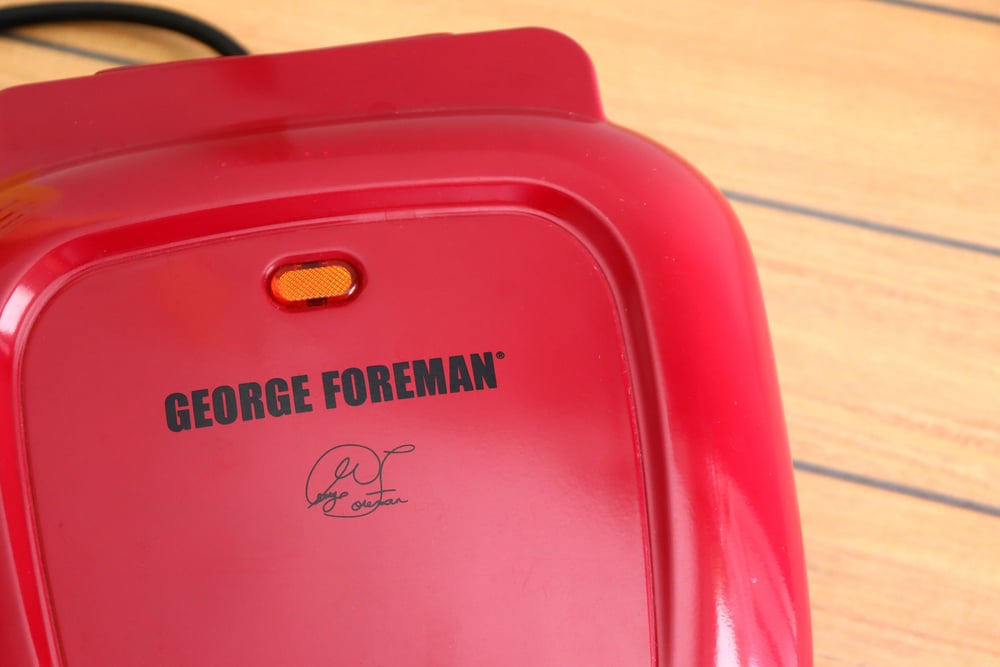
The boxing champion transitioned to infomercial success by lending his name and image to an indoor grill that reduced fat in cooked foods. The commercials showed the angled cooking surface allowing grease to drain away while food developed appealing grill marks.
Foreman appeared personally in many commercials, connecting his athletic success to healthier eating habits. The product’s timing coincided perfectly with growing interest in low-fat cooking methods.
Unlike many infomercial items that faded quickly, the George Foreman Grill became a legitimate kitchen staple that sold over 100 million units worldwide.
PedEgg

A handheld foot file that looked like a cheese grater became an unlikely infomercial success. The demonstration showed the device removing rough skin from feet while catching the shavings inside its container.
The commercial’s close-up shots of feet being filed made some viewers uncomfortable, which somehow made it more memorable. The product filled a need that people didn’t necessarily discuss in polite company.
The simple design and low price point made it an easy impulse purchase. PedEgg became common enough in bathrooms that it transitioned from infomercial oddity to regular drugstore product.
Slap Chop

Vince Offer returned with a manual food chopper that he demonstrated with his characteristic aggressive enthusiasm. The infomercial showed him rapidly chopping vegetables, nuts, and other foods while delivering quick one-liners.
His statement about how viewers would love their boring tuna fish again became particularly quotable. The product worked through a simple slapping motion that seemed satisfying even when just watching on television.
The commercial’s editing style, with rapid cuts and persistent energy, made it feel different from traditional infomercials. Slap Chop became another Vince Offer success story, proving his confrontational selling style resonated with late-night audiences.
Turbo Tax

Late at night, when exercise gadgets usually dominate TV ads, tax software showed up instead. Step by step, those long commercials explained how to file returns using the program, stressing dollar amounts saved versus paying a professional.
Instead of creating fake urgency, they stuck to real numbers and clear comparisons. Over time, seeing them again and again made digital tax filing feel ordinary, even before most people tried it themselves.
What stood out was proving that thoughtful, straightforward messaging could work – even for something as dull as taxes – on a channel built for flashy fixes.
Time Life Music Collections

Something old became new again when TV started selling music sets straight to homes. These shows played snippets of tunes, linking past sounds to those who never lived it.
Instead of shops, boxes arrived by mail – each packed with hits from one era or kind. Hard to miss them, since they ran one after another late into the night.
What felt rare was really just a stack of CDs bundled tight. Back then, those long commercials didn’t just push products – they tapped into old memories of hit tunes people once loved.
Because they worked so well, the same style stuck around, shifting smoothly through generations of popular music.
Girls Gone Wild

One night, TV screens shifted when ads began flashing wild parties caught on tape. Instead of regular shows, these spots dangled raw moments – stuff networks would never air.
Loud pitches played nonstop after midnight, drilling the name into heads whether folks bought in or not. Folks started questioning what was okay to show while flipping channels past bedtime.
Legal trouble piled up, year after year, yet there it stayed – popping up between sitcom reruns and cooking demos. By the time the decade wound down, that logo felt like a shadow always lurking just behind the screen.
Funny how things turned out when selling started feeling like a show

Strange TV ads at night built something odd yet memorable that folks recall warmly. Not every gadget worked well – some made no sense – but the shows felt like fun anyway.
Catchy lines and tunes stuck around years after the stuff vanished from stores. Faces behind the screen turned into familiar figures, their tricks shaping modern advertising.
Late nights with channel surfing meant bumping into these moments again and again. A mix of wild claims and dramatic acts formed a way people talked about things back then.
That stretch of quiet hours on air left echoes louder than expected.
More from Go2Tutors!

- The Romanov Crown Jewels and Their Tragic Fate
- 13 Historical Mysteries That Science Still Can’t Solve
- Famous Hoaxes That Fooled the World for Years
- 15 Child Stars with Tragic Adult Lives
- 16 Famous Jewelry Pieces in History
Like Go2Tutors’s content? Follow us on MSN.