Amazing Survival Skills of House Pets
Your cat lounges on the couch all day, and your dog begs for treats like their life depends on it. They seem about as helpless as a smartphone without WiFi.
But underneath that pampered exterior, your pets are loaded with survival instincts that would make a wilderness expert jealous. These abilities have been fine-tuned over thousands of years, and they’re still there, quietly ticking away even in the cushiest of homes.
Here is a list of 16 amazing survival skills your house pets possess.
Superior Sense of Smell

Dogs possess between 10,000 to 100,000 times more powerful sense of smell than humans, with around 300 million olfactory receptors compared to our measly six million. This means your dog isn’t just sniffing the grass on your morning walk.
They’re reading an entire newspaper of information about who walked by, what they ate for breakfast, and probably their emotional state too. Cats aren’t slouches either, with a sense of smell about fourteen times stronger than ours and 200 million odor-sensitive cells.
In the wild, this ability helped them track prey and detect predators from remarkable distances.
Exceptional Hearing Range

While humans can hear sounds ranging from 20 Hz to 20,000 Hz, dogs can detect frequencies as high as 65,000 Hz and can hear sounds from approximately four times farther away than we can. Their mobile ears swivel independently to pinpoint sound sources with impressive accuracy.
This means your dog heard that delivery truck three blocks before you even thought about checking the door. Cats share similarly impressive hearing abilities, which explains why they react to sounds you can’t even perceive.
Night Vision Capabilities

Manja Vitolics can see in about one-sixth of the light humans need, thanks to a high number of rod cells and a reflective layer behind the retina called the tapetum lucidum. This is the same layer that makes their eyes glow when light hits them at night.
Compared to humans, cats can see six to eight times better in the dark. Dogs have this same reflective layer, giving them superior night vision as well.
Your pets aren’t stumbling around in the dark like you do at 2 AM.
The Righting Reflex
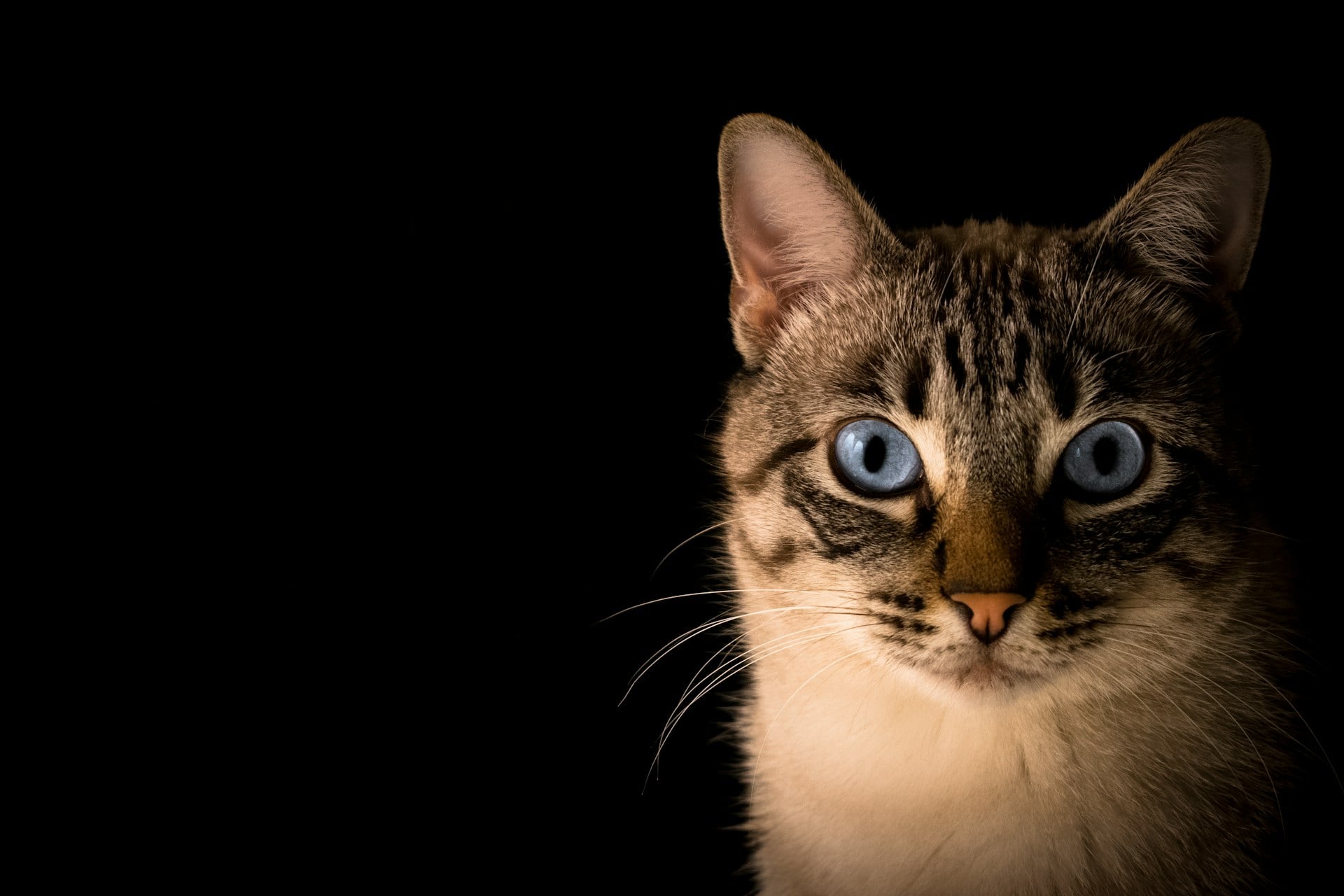
Cats have an innate ability called the righting reflex that allows them to orient themselves as they fall to land on their feet, which begins to appear at 3-4 weeks of age and is perfected by 6-9 weeks. They accomplish this incredible feat using their flexible backbone, vestibular apparatus in the inner ear, and the absence of a functional collarbone.
Their incredibly flexible spine allows them to twist their bodies in mid-air, and their vestibular apparatus helps them determine their orientation during a fall. This gives them a significant advantage when navigating high places or escaping from danger.
Navigation and Homing Instincts

Dogs possess something called magnetoreception, the ability to perceive direction based on magnetic fields that are part of the earth’s magnetism. Combined with their sense of smell, hearing, and a form of mental mapping, dogs can find their way home over remarkable distances.
Dogs use a strategy called path integration, which allows them to find their way without using their senses at all, by tracking the direction and distance they’ve traveled. This explains those heartwarming stories of dogs traveling hundreds of miles to reunite with their families.
Barometric Pressure Detection

Both cats and dogs can sense changes in barometric pressure, and when it drops, it often indicates that a storm is approaching. Dogs can detect infrasound waves, which are produced by severe weather phenomena such as storms and earthquakes, giving them an early warning system for impending changes in the weather.
This sensitivity likely evolved as a survival advantage for ancestral canines. Your dog isn’t being dramatic when they hide before a storm, they’re responding to information you simply can’t access.
Temperature Regulation Through Panting

Dogs and cats have sweat glands on the bottom of their feet, but these are not sufficient for cooling, so many animals pant as their primary cooling mechanism. Panting allows dogs to cool themselves by evaporating water in their mouths and across their tongue, which helps regulate body temperature.
This rapid breathing motion causes the throat to produce saliva, and the evaporation provides cooling. It’s like having a built-in air conditioning system that activates automatically when things heat up.
Grooming for Temperature Control
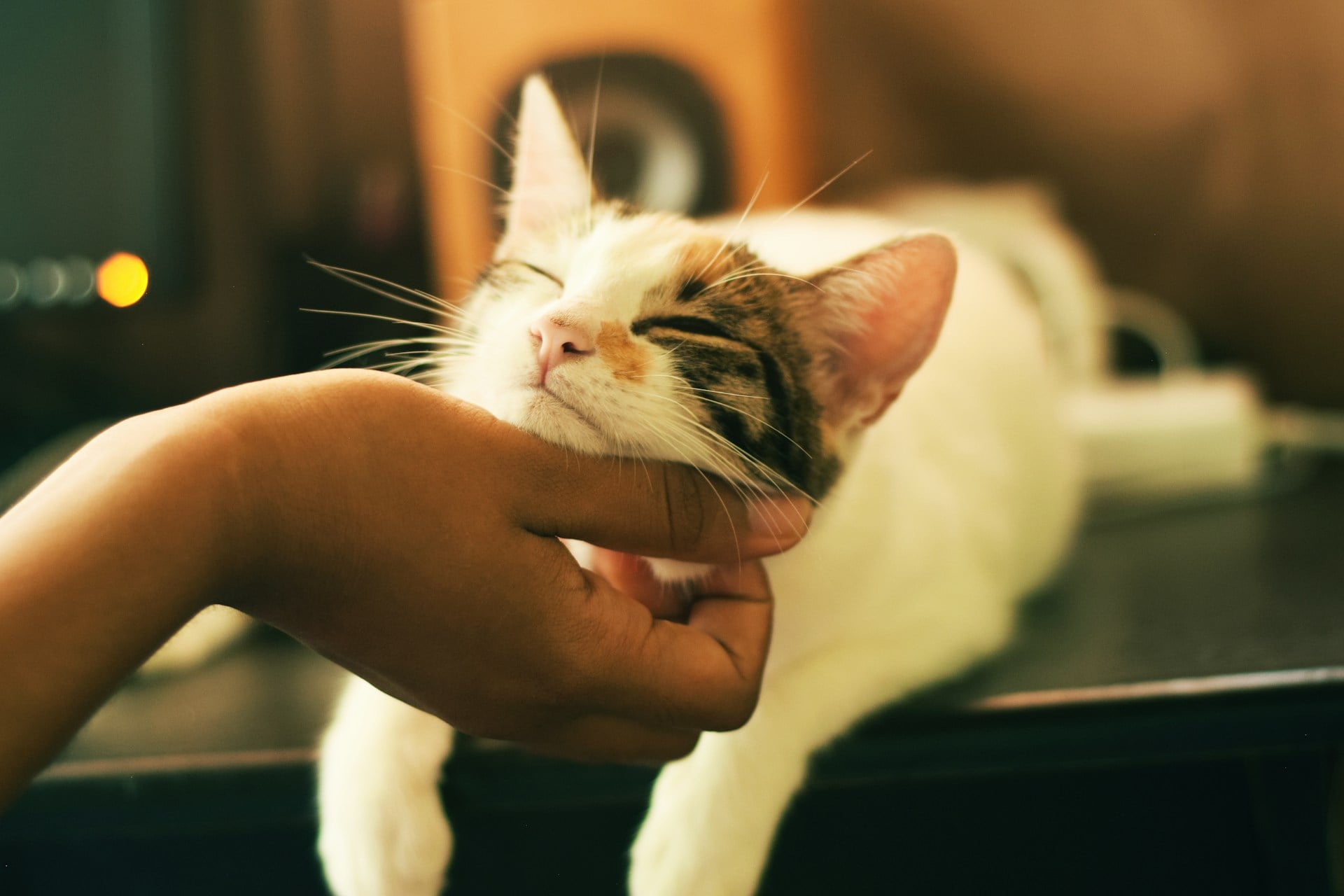
Cats regulate their body temperature through panting and by grooming themselves to distribute saliva across their fur, which has a cooling effect when it evaporates. Cats use their tongues to concentrate blood and stick out their tongues to use heat dissipation to regulate body temperature.
This isn’t just about looking good. Grooming serves multiple survival functions, including temperature regulation, removing parasites, and reducing their scent to avoid predators.
Territorial Marking
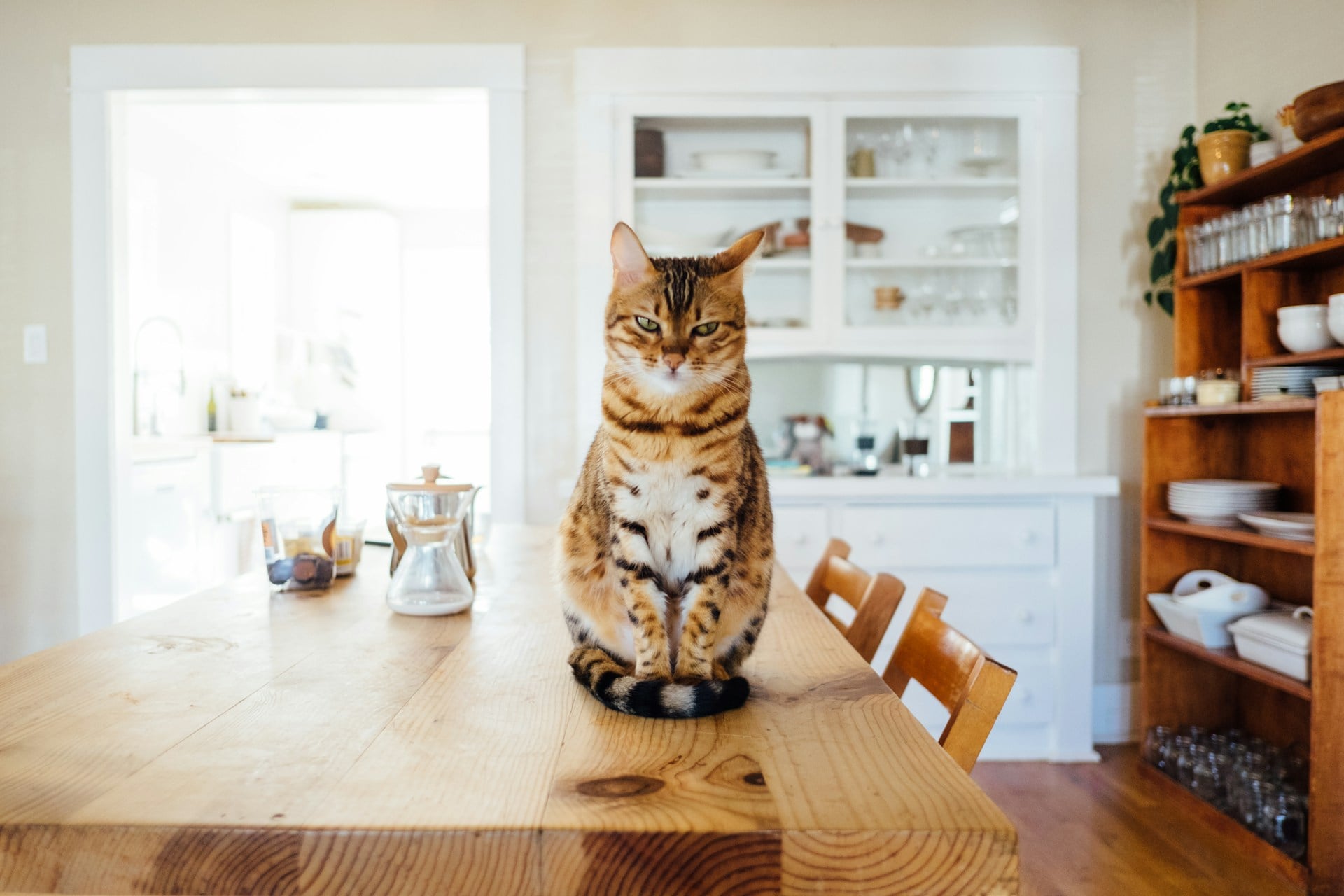
Dogs and cats are territorial animals that stake out a claim to a particular space, area, or object, letting other animals know about their claim through marking with various methods including urine-marking. Cats mark territory through scratching, which leaves both visible marks and scent marks from sweat glands in their paws.
This behavior ensures they maintain control over resources and safe spaces. Even your spoiled house cat is constantly managing their territory, just with less urgency than their wild cousins.
Whisker Sensitivity

Cat whiskers are sophisticated sensory tools that can detect minute changes in air currents, helping cats navigate tight spaces and judge distances, with each whisker connecting to a highly sensitive nerve ending. The length of a cat’s whiskers is generally about the same as its body width, helping cats gauge whether they can fit through narrow spaces.
Think of whiskers as a sophisticated GPS system that works even in complete darkness.
Problem-Solving Intelligence
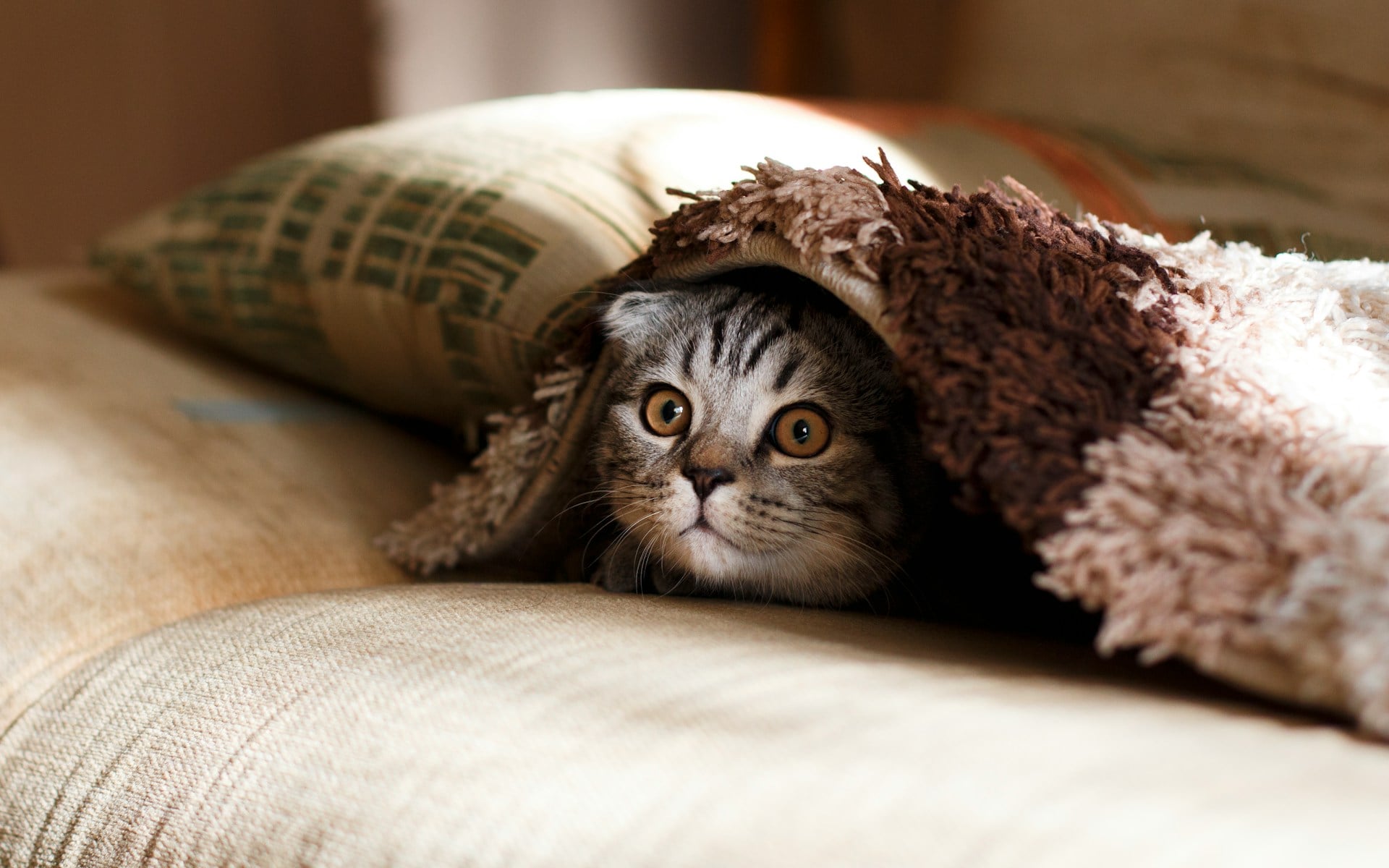
Cats demonstrate remarkable problem-solving skills and can figure out how to open doors, access food containers, and manipulate objects to achieve desired outcomes using trial-and-error learning effectively. Studies have shown that cats possess impressive long-term memory capabilities, retaining recollections of events and locations for a decade or longer.
Dogs excel at solving complex social problems and working collaboratively with humans. Both species adapt their strategies based on what works, a critical survival skill.
Hunting Instincts
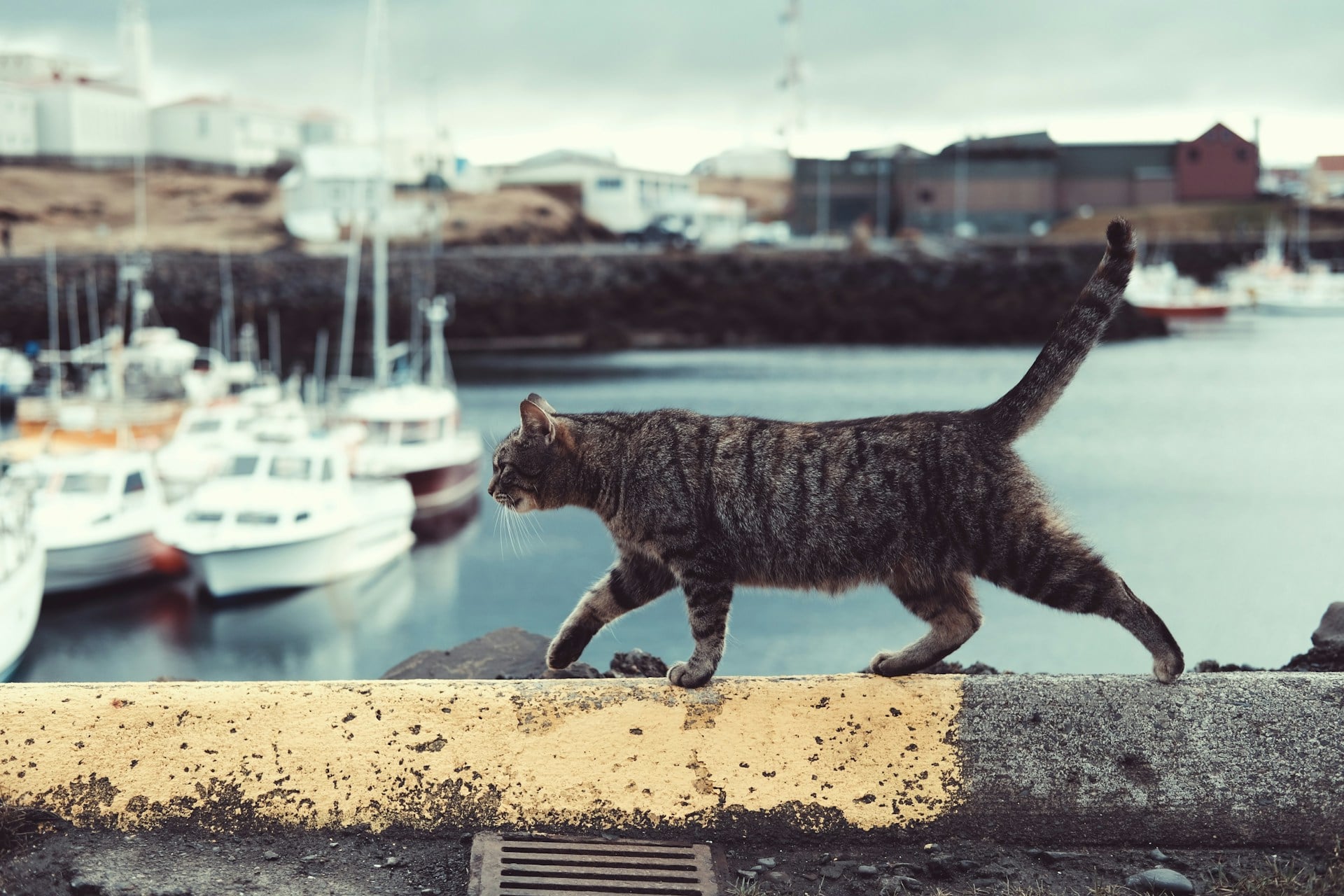
The hunting instinct is perhaps the most obvious of cats’ instinctive behaviors, and in the wild, cats have the best chance to hunt after a nap when they are well-rested. Before domestication, cats had to hunt for their own food, and research suggests that even after being domesticated, cats continued to hunt, often targeting rodents.
Even well-fed house cats retain these predatory instincts, which is why your cat brings you ‘presents’ at 3 AM. Dogs maintain similar hunting drives, though they’ve been more heavily modified through selective breeding.
Litter Box Instinct

Cats instinctively cover their droppings to avoid possible detection from predators, a skill passed down through generations of wild cats over centuries of survival. In the wild, this behavior helped them avoid both predators and alerted prey to their presence.
This is why kittens take to litter boxes so naturally without much training. It’s hardwired into their DNA as a survival mechanism.
Adaptability to Environments

Cats maintain a body temperature range of 100.4 to 102.5 degrees Fahrenheit, enabling them to survive in both hot and cold climates through various mechanisms including behavior, physiological changes, and fur coat adaptations. Both cats and dogs adjust their behavior based on environmental conditions, seeking shade in heat, finding warm spots in cold, and modifying their activity levels accordingly.
This flexibility allowed their ancestors to thrive in diverse habitats, and modern pets retain this remarkable adaptability.
Memory and Learning Abilities

Cats are capable of learning through associative conditioning, where they link actions or events to specific outcomes or rewards, which is essential for their survival as it allows them to hunt, navigate their territory, and respond to potential threats. Dogs possess similar learning capabilities and can remember specific people, places, and experiences for years.
This ability to learn from experience and remember both positive and negative outcomes dramatically increases survival odds in changing environments.
Body Language Communication
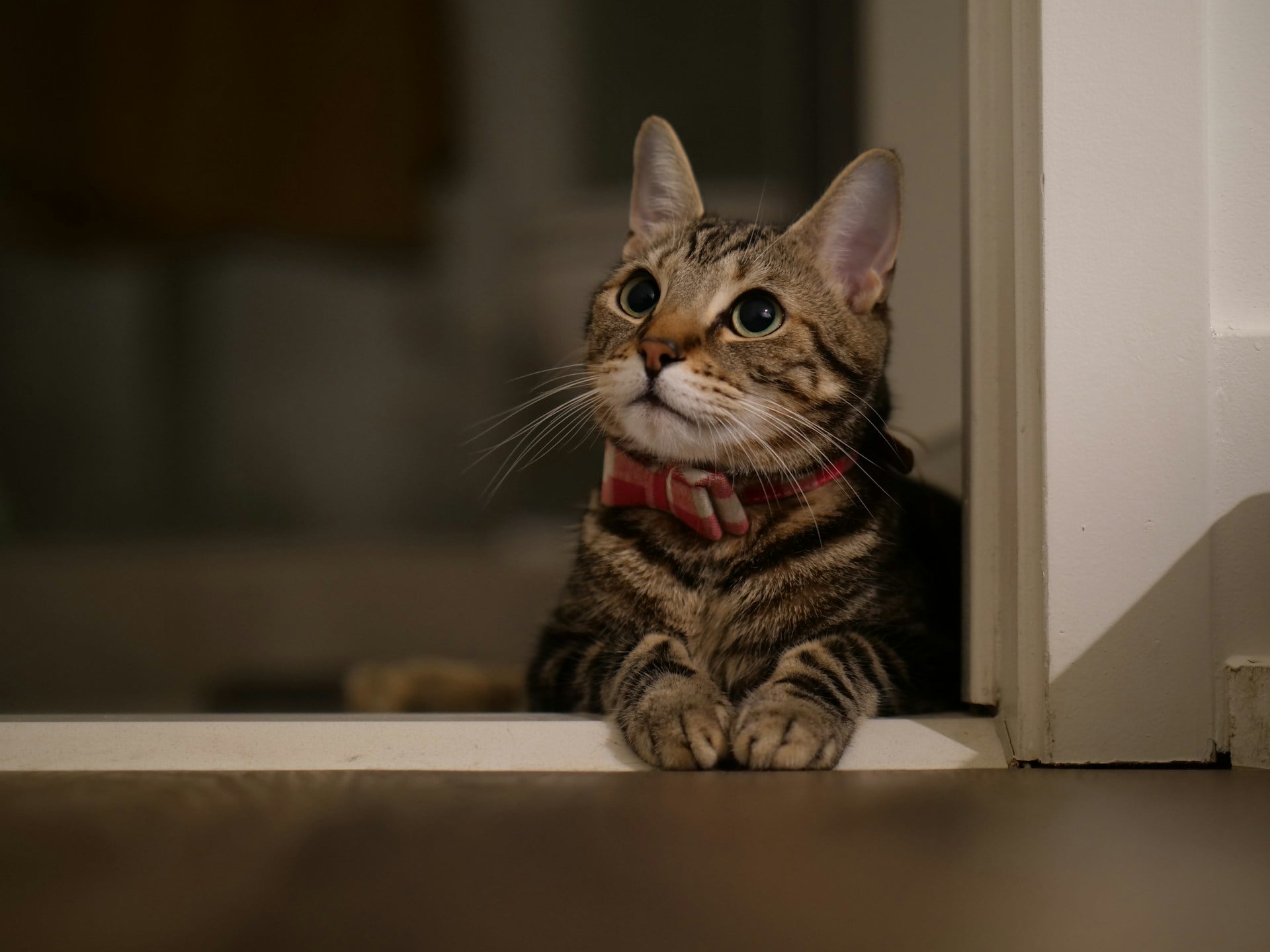
Cats communicate through a complex array of vocalizations, body language, and scent marking to convey information within their own species and even with humans. Dogs are particularly adept at reading and responding to social cues from both other dogs and humans.
This communication ability helps them navigate social hierarchies, avoid conflicts, coordinate group activities, and form beneficial alliances. Even your pet’s dramatic sighs and pointed stares are part of this sophisticated communication system.
Where Instinct Meets Modern Life

These survival skills haven’t disappeared just because your pets live in climate-controlled homes with automatic feeders. They’re still there, humming along in the background, occasionally reminding you that your pampered house pet is just a few generations removed from their wild ancestors.
Understanding these abilities helps explain some of your pet’s quirky behaviors and gives you a deeper appreciation for the remarkable creatures sharing your home. Next time your cat stares intensely at nothing or your dog insists on walking the same route every day, remember that you’re witnessing millions of years of evolutionary fine-tuning in action.
More from Go2Tutors!

- The Romanov Crown Jewels and Their Tragic Fate
- 17 Halloween Costumes Once Considered Taboo
- Famous Hoaxes That Fooled the World for Years
- 15 Child Stars with Tragic Adult Lives
- 16 Famous Jewelry Pieces in History
Like Go2Tutors’s content? Follow us on MSN.



