Laws from History That Seem Absurd Today
Laws are supposed to reflect the values and needs of their time, but looking back through history reveals some truly bizarre legislation. What made perfect sense centuries ago now sounds completely ridiculous.
From protecting moose to regulating pickle quality, these historical laws show just how much society has changed.
Here is a list of 12 laws from history that seem absurd today.
Wearing Armor to Parliament
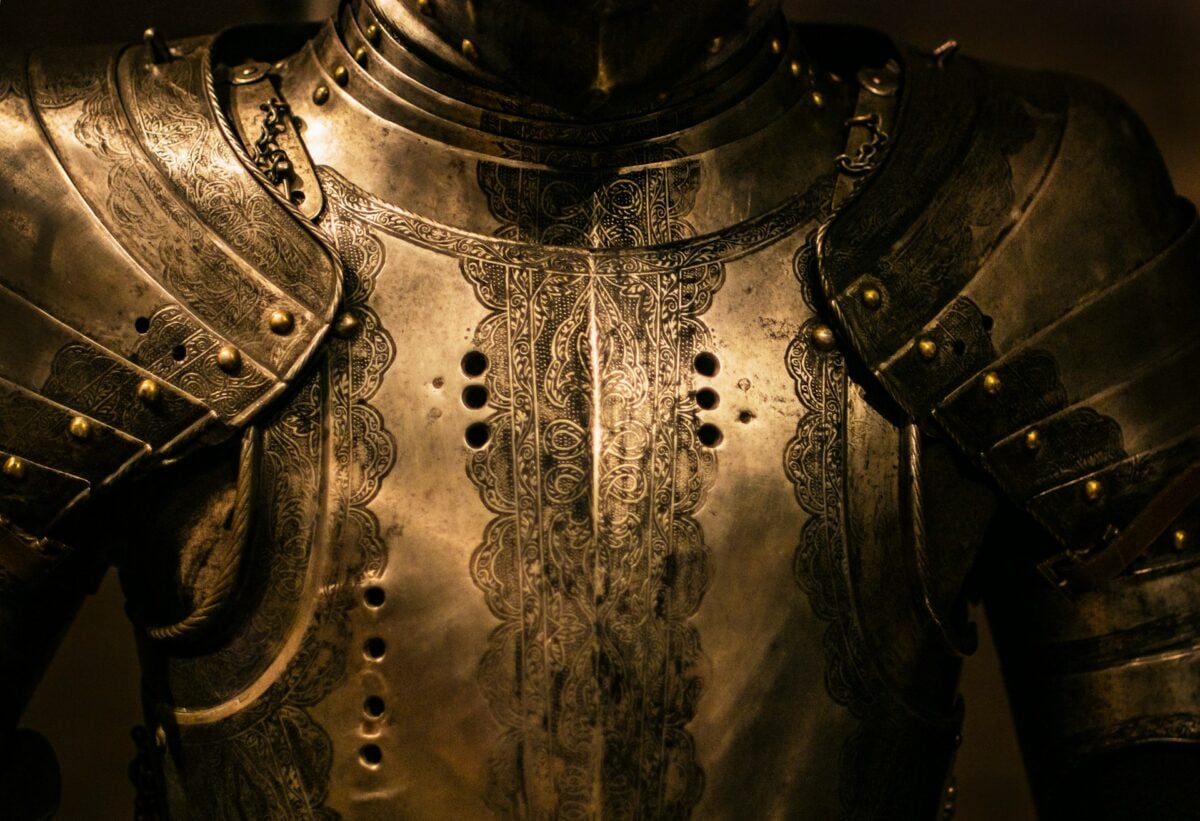
Back in 1313, King Edward II decided that showing up to parliamentary sessions in full battle gear was a bit much. The law prohibited wearing suits of armor in the Houses of Parliament, and it remains on the books in the UK to this day.
Edward’s reign was riddled with rebellions, and powerful nobles had a habit of intimidating other members by arriving in full metal getup. The law was meant to keep political discussions civilized rather than resembling a medieval cage match.
Prohibiting Moose from Sidewalks

Alaska takes its moose laws seriously, which makes sense given the size of these animals. Moose are not allowed on sidewalks in certain areas, presumably because a half-ton animal blocking your morning commute would be more than a minor inconvenience.
The state also has another moose-related regulation worth mentioning later.
Like Go2Tutors’s content? Follow us on MSN.
The Pickle Bounce Test

Connecticut lawmakers in the 1940s faced a serious problem with spoiled pickles being sold to unsuspecting customers. Officials devised a simple test where pickles had to bounce when dropped from a certain height to prove they had proper texture and firmness.
If your pickle couldn’t bounce, it wasn’t fit for sale. This quirky quality control method became law and technically remains so.
Drunk Moose Are Off-Limits

Alaska made it illegal to give alcohol to moose, which raises the obvious question of who tried this in the first place. Someone apparently thought getting a moose intoxicated was a good idea, prompting lawmakers to step in.
Given that moose can weigh over 1,000 pounds and have antlers, adding alcohol to that equation seems like a disaster waiting to happen.
Fake Mustaches in Church

Alabama law prohibits wearing fake mustaches in church if it causes laughter and disrupts the service. This regulation falls under broader public decency laws meant to maintain order during religious gatherings.
While it sounds comical, the intent was genuine—keeping church services solemn and respectful rather than turning them into comedy shows.
Like Go2Tutors’s content? Follow us on MSN.
Throwing Moose from Airplanes

Yes, Alaska has yet another moose law. It’s illegal to push moose out of moving aircraft, which seems oddly specific until you wonder what series of events led to this becoming necessary legislation.
The law leaves so many questions unanswered—was this a common problem, and what happened to prompt lawmakers to address it?
Royal Fish Ownership

In the UK, the monarch owns all whales, dolphins, porpoises, and sturgeon caught within three miles of the English coast. This dates back to Edward II’s reign and technically still applies today.
If you catch a sturgeon, you’re supposed to contact Buckingham Palace and offer it to the Queen—or King, as the case may be. Most of the time, you’ll get permission to keep it, but skipping this step could theoretically land you in trouble.
Ice Cream Cone Pockets

Georgia once outlawed carrying ice cream cones in your back pocket, and the reason actually makes sense in a historical context. Back when horses were common transportation, thieves would lure horses away with ice cream cones in their pockets.
The horse would follow them for the treat, allowing thieves to avoid outright theft charges since the horse ‘voluntarily’ followed them. Lawmakers closed this loophole with an oddly specific regulation.
Like Go2Tutors’s content? Follow us on MSN.
Housecoat Driving Ban

California law technically prohibits women from driving while wearing a housecoat. This outdated regulation reflects an era obsessed with public decency and appropriate attire.
The law suggests that showing up in public in your bathrobe was considered so improper that it warranted legislation, even when you were just sitting in your car.
Patent Leather Shoe Prohibition
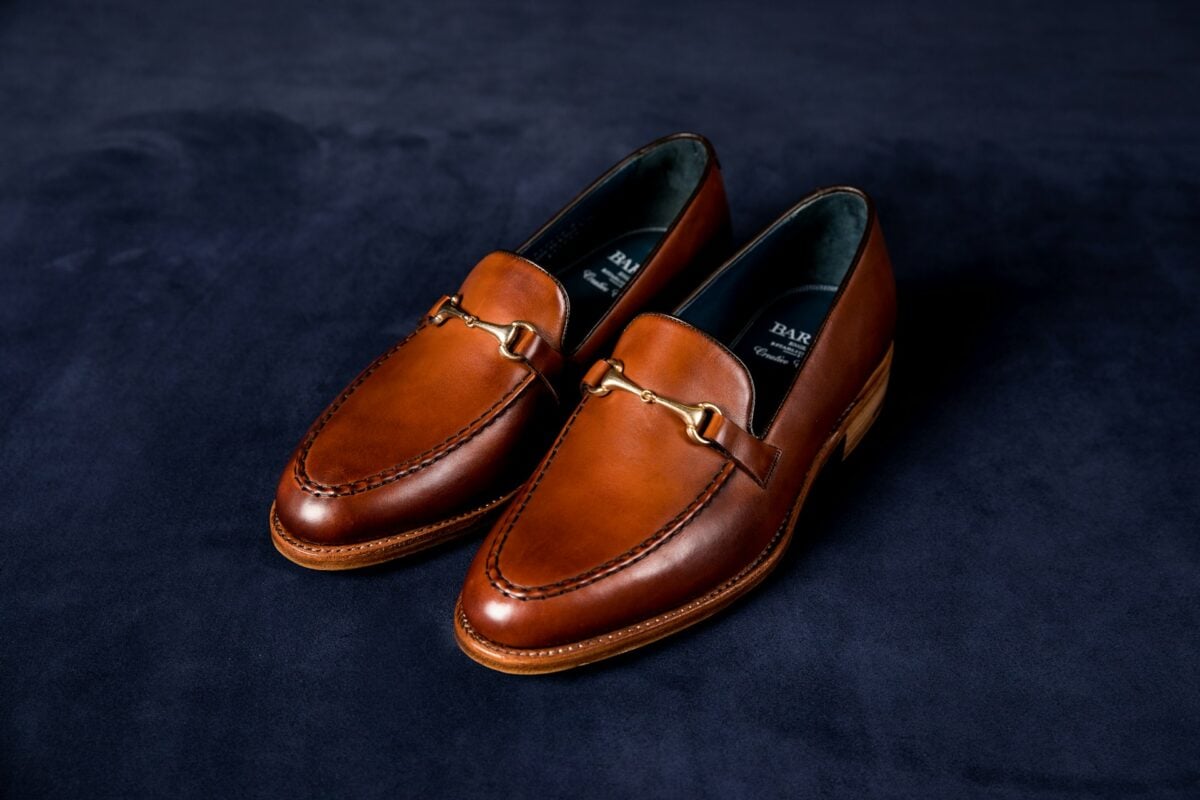
Cleveland, Ohio had an ordinance banning women from wearing patent leather shoes in public because the shiny surface could provide unwanted reflections. The concern was that gentlemen might catch unintentional glimpses they shouldn’t see.
This law perfectly captures the paternalistic attitudes of the late 1800s and early 1900s.
Mandatory Longbow Practice

British law once required keeping a longbow in the house and participating in two hours of archery practice each week. This made sense when England’s military power depended on skilled archers, but it’s hard to imagine modern citizens being forced to practice medieval weaponry.
The law has since been repealed, though it lasted for centuries.
Like Go2Tutors’s content? Follow us on MSN.
Onion-Eating Ministers

Indiana law prohibited preachers from eating raw onions before Sunday services. While this seems absurd, it’s actually pretty considerate—nobody wants to sit in the front pew listening to a sermon from someone with terrible onion breath.
The law might be extreme, but the motivation is understandable.
Mandatory Smiling in Milan

Milan has a law requiring people to smile, stemming from Austro-Hungarian regulations that were never repealed. Exemptions existed for funeral attendees, hospital workers, and those caring for sick family members, but everyone else faced potential fines for being glum.
Imagine getting a ticket for having a bad day.
Birthday Forgetting Penalty

In Samoa, forgetting your wife’s birthday can result in legal consequences. The exact penalty remains unclear, but even a warning for the first offense seems harsh.
This law takes relationship expectations to a whole new level, making forgetfulness a matter for the courts.
Like Go2Tutors’s content? Follow us on MSN.
Salmon Under Suspicious Circumstances

The UK’s Salmon Act of 1986 makes it illegal to handle salmon under suspicious circumstances. This vague wording has made it a favorite example of strange laws.
The legislation aimed to combat illegal fishing and protect salmon populations, requiring people to prove their fish came from legitimate sources. Still, the phrase ‘suspicious circumstances’ leaves a lot to interpretation.
From Absurd to Understandable

These laws serve as a reminder that historical events are reflected in legislation, which frequently addresses issues that are nearly unthinkable in the present. Things that now seem absurd had real uses, such as preserving order, safeguarding industries, or resolving particular problems.
These laws provide an intriguing window into how our forefathers viewed society, safety, and common sense, even though the majority of them have since been forgotten or repealed. The next time you come across a rule that seems meaningless, keep in mind that laws of today may be just as confusing to future generations.
More from Go2Tutors!

- 16 Historical Figures Who Were Nothing Like You Think
- 12 Things Sold in the 80s That Are Now Illegal
- 15 VHS Tapes That Could Be Worth Thousands
- 17 Historical “What Ifs” That Would Have Changed Everything
- 18 TV Shows That Vanished Without a Finale
Like Go2Tutors’s content? Follow us on MSN.