Legendary Directors Who Changed Cinema Forever
Movies weren’t always the way they are today. Before certain brilliant minds stepped behind the camera, films were simple, predictable affairs.
These directors didn’t just make movies. They created entire new languages for storytelling, invented techniques that everyone still uses today, and showed the world what cinema could really become.
Let’s dive into the stories of the filmmakers who took the art of making movies and turned it into something completely different.
Orson Welles
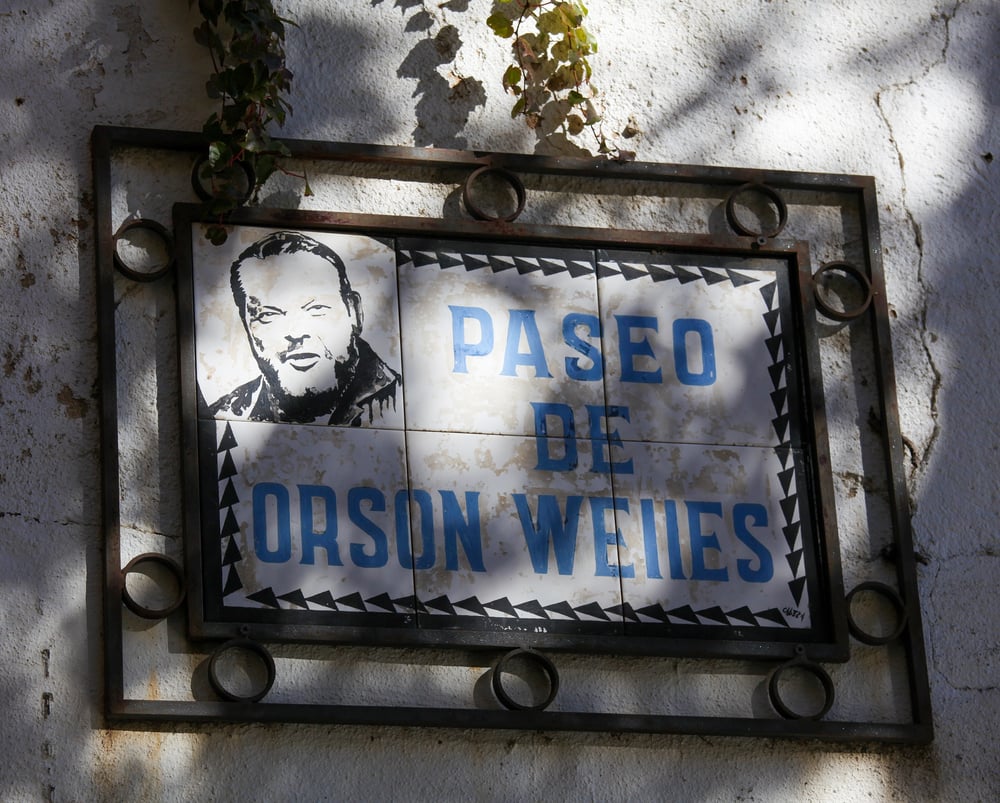
Orson Welles burst onto the scene with Citizen Kane, a film that revolutionized cinematic storytelling. He was just 25 years old when he created this masterpiece that film schools still study today.
Welles revolutionized film form, employing deep focus cinematography, nonlinear narrative, and complex sound design decades before they became standard. His camera angles were wild and dramatic, showing scenes from below looking up or from high above looking down.
Before Welles, most movies felt like watching a play on stage, but he made films feel like you were inside the story.
Alfred Hitchcock
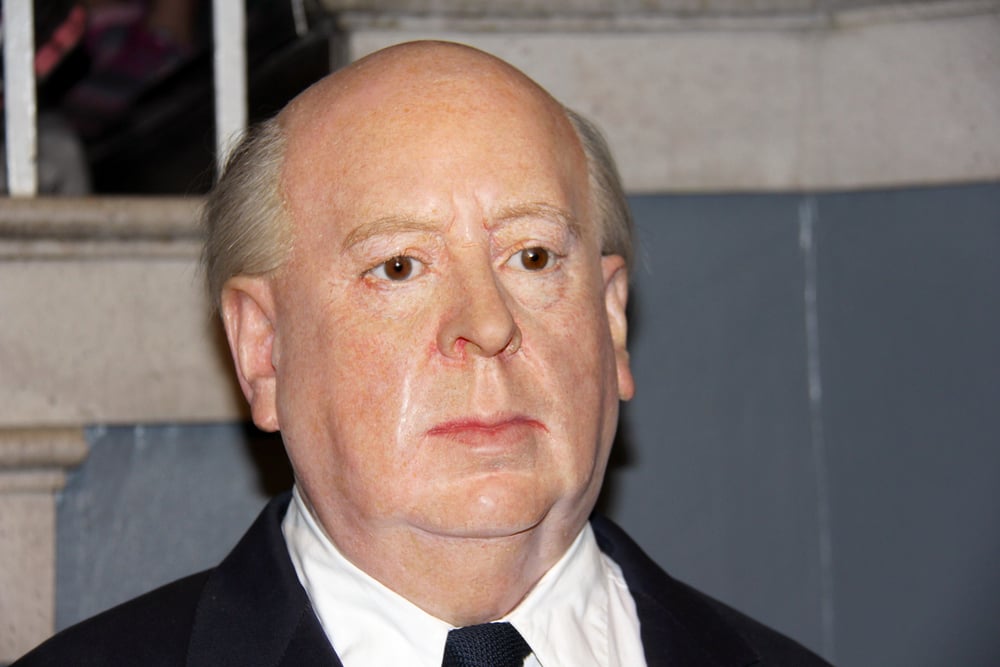
The master of suspense knew exactly how to make audiences squirm in their seats. Hitchcock understood something other directors missed: the best scares come from what you don’t see, not what you do see.
He created tension by showing a character’s face, then cutting to what they were looking at, then back to their reaction. This simple technique, called the “Hitchcock cut,” made viewers feel like they were experiencing the fear themselves.
Movies like Psycho and Vertigo proved that audiences craved psychological thrills more than simple horror.
Like Go2Tutors’s content? Follow us on MSN.
Stanley Kubrick
Kubrick was a perfectionist who would shoot scenes dozens of times until everything looked exactly right. Orson Welles, one of Kubrick’s strongest personal influences, famously said: “Among those whom I would call ‘younger generation’, Kubrick appears to me to be a giant.”
His movies looked like no one else’s because he spent months planning every single shot. From the spinning spacecraft in 2001: A Space Odyssey to the haunting corridors of The Shining, Kubrick created images that burned themselves into viewers’ minds.
He proved that science fiction could be serious art, not just entertainment for kids.
Akira Kurosawa

This Japanese filmmaker showed Western directors how to use weather, movement, and nature as characters in their stories. Federico Fellini considered Kurosawa to be “the greatest living example of all that an author of the cinema should be”.
His samurai films featured rain, wind, and fog that made every scene feel alive and dangerous. Kurosawa’s action sequences influenced everyone from George Lucas to Sam Peckinpah.
Steven Spielberg cited Kurosawa’s cinematic vision as shaping his own. The way he filmed sword fights, with multiple cameras capturing different angles, became the standard for action scenes everywhere.
Steven Spielberg
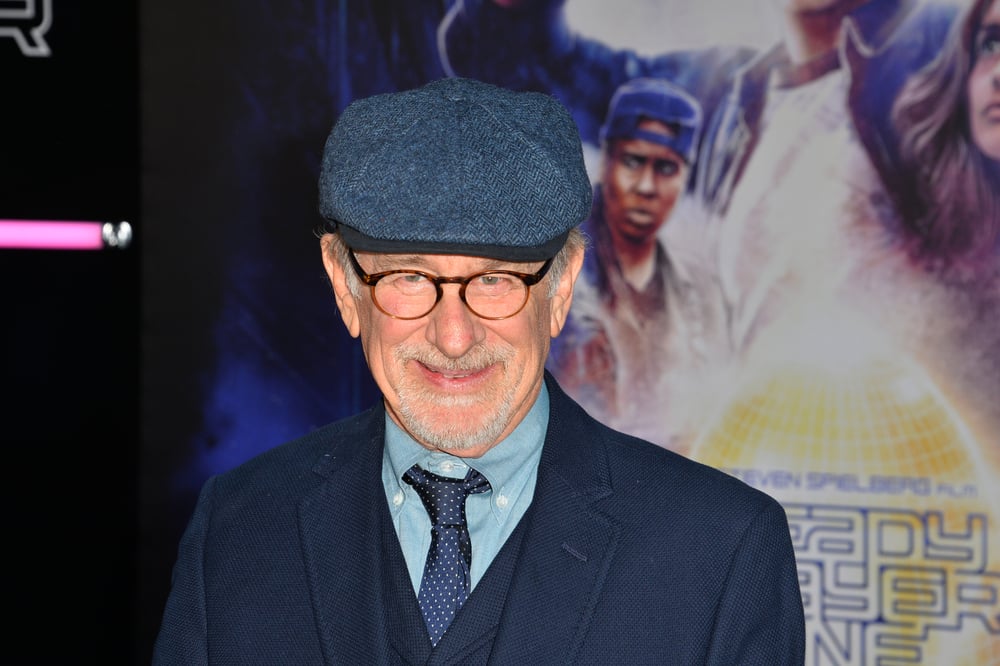
No director connects with audiences quite like Spielberg does. He has an incredible gift for making viewers care about characters within the first few minutes of a movie.
Jaws made people afraid to go swimming, E.T. made them cry over a friendly alien, and Jurassic Park brought dinosaurs back to life. Spielberg understands that the best special effects serve the story, not the other way around.
His movies feel like the perfect balance of spectacle and heart, which explains why he’s made some of the highest-grossing films in history
Like Go2Tutors’s content? Follow us on MSN..
Martin Scorsese
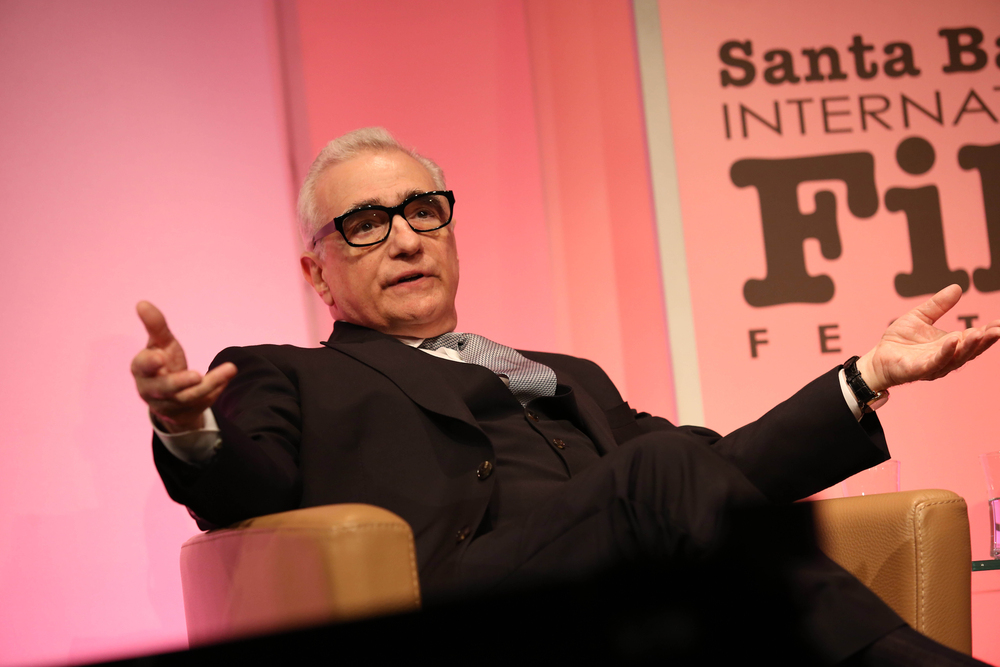
Scorsese brought a raw, documentary-style energy to fiction films that changed how movies could look and feel. His cameras moved like they were alive, following characters through crowded streets and cramped apartments.
Martin Scorsese is probably the greatest living film director, certainly in English-language cinema, having had a legendary career that has seen him eventually outstrip even the achievements of his greatest contemporary in 1970s cinema, Francis Ford Coppola.
Movies like Taxi Driver and Goodfellas felt more real than most documentaries. Scorsese showed that violence on screen could be both disturbing and artistic at the same time.
John Ford
Most people don’t recognize Ford’s name, but they’ve seen his influence in countless Western movies. Ford basically invented how the American West should look on film.
He discovered Monument Valley and used its towering red rocks as the backdrop for dozens of Westerns. His heroes were tough but moral, his villains were clearly evil, and his landscapes were breathtaking.
Directors like George Lucas and Steven Spielberg studied Ford’s work obsessively, learning how to frame shots and tell stories about good versus evil.
Federico Fellini
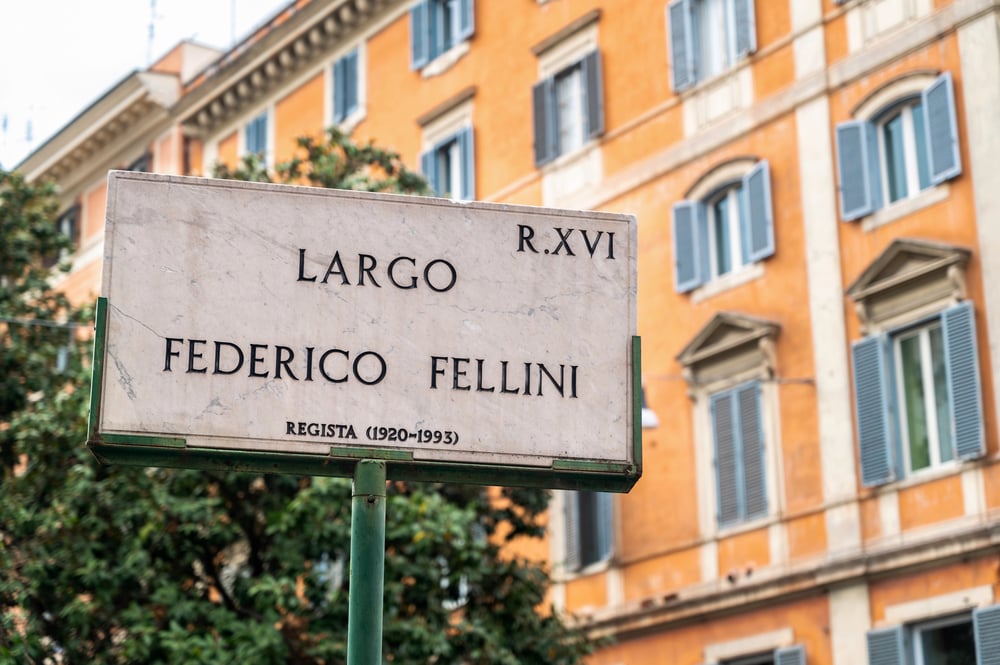
Fellini made movies that felt like dreams come to life. His films were full of strange characters, bizarre situations, and stunning black-and-white photography.
While other directors focused on realistic stories, Fellini created worlds that seemed to exist somewhere between fantasy and reality. His movie 8½ showed other filmmakers that movies could be about the process of making movies.
This idea of self-reference and breaking the fourth wall influenced countless directors who came after him.
Like Go2Tutors’s content? Follow us on MSN.
Ingmar Bergman
This Swedish director proved that movies could explore the deepest questions about life, death, and faith. Bergman’s films were intensely personal, often dealing with characters facing moral dilemmas or spiritual crises.
His movie The Seventh Seal, featuring a knight playing chess with Death, became one of the most famous images in cinema history. Bergman showed that audiences were hungry for serious, thoughtful films that treated them like intelligent adults rather than children seeking simple entertainment.
Francis Ford Coppola
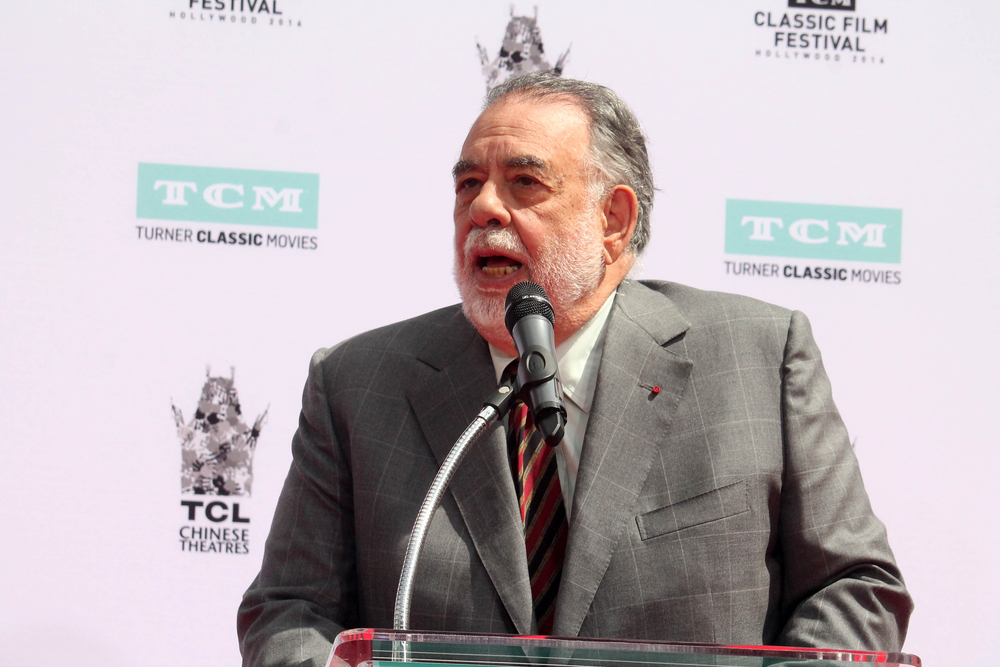
Coppola took risks that other directors wouldn’t dare attempt. The Godfather trilogy redefined what crime movies could be, turning them into epic family sagas about power, loyalty, and corruption.
Apocalypse Now pushed the boundaries of filmmaking so far that the production nearly killed everyone involved. Coppola proved that movies could be both commercially successful and artistically ambitious.
His willingness to bet everything on his vision inspired a generation of filmmakers to take similar risks.
Jean-Luc Godard
This French director threw out all the rules that Hollywood had established for making movies. Godard’s films featured jump cuts, characters talking directly to the camera, and stories that didn’t follow traditional three-act structures.
His movie Breathless inspired countless directors to experiment with new ways of telling stories. While his films confused some audiences, they excited filmmakers who realized that movies didn’t have to follow the same old formulas to be effective.
Like Go2Tutors’s content? Follow us on MSN.
Billy Wilder
Wilder could switch between comedy and drama like no other director. His films were sharp, witty, and often dealt with controversial subjects that other directors avoided.
Some Like It Hot pushed boundaries with its cross-dressing comedy, while Sunset Boulevard offered a dark look at Hollywood’s obsession with youth and fame. Wilder proved that audiences appreciated intelligence in their entertainment.
His dialogue was so good that people still quote his movies decades later.
David Lean
Lean made movies that felt bigger than life itself. His epics like Lawrence of Arabia and Doctor Zhivago filled massive screens with stunning landscapes and sweeping stories.
Before Lean, most movies were shot in studios with fake backgrounds. He took his cameras to real deserts, real mountains, and real cities, creating a sense of scale that made audiences feel tiny in comparison.
His influence can be seen in every big-budget adventure movie made since.
Robert Altman
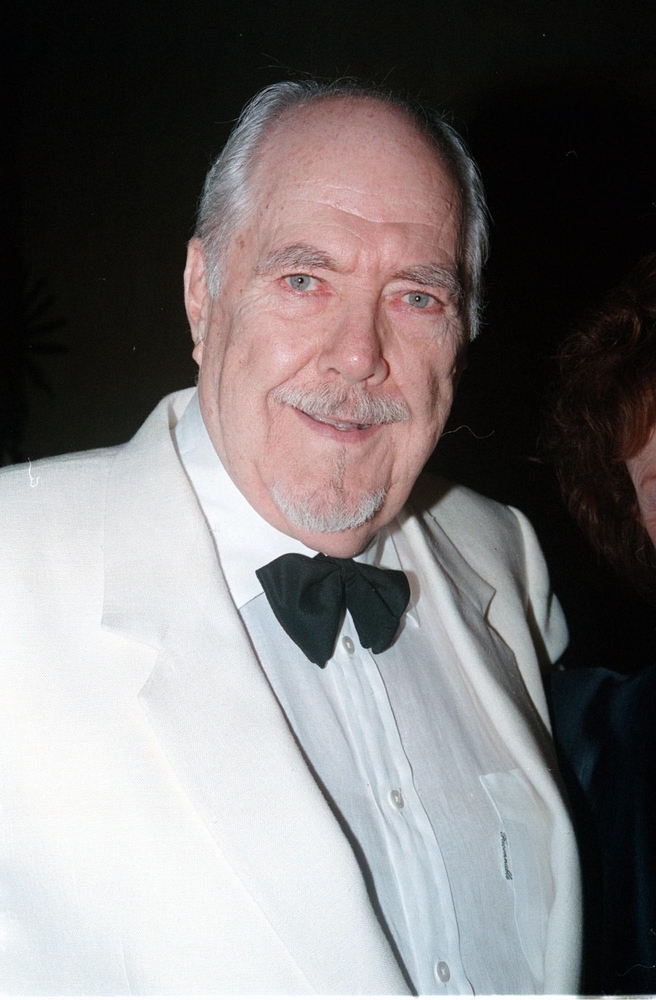
Altman pioneered a style of filmmaking that felt more like real life than traditional movies. His films featured overlapping dialogue, multiple storylines, and characters who seemed like real people rather than movie stars playing roles.
Nashville and MAS*H showed that audiences could follow complex stories with dozens of characters. Altman’s approach influenced directors who wanted their movies to feel more authentic and less artificial than typical Hollywood productions.
Like Go2Tutors’s content? Follow us on MSN.
Sergio Leone
Leone took the Western genre and made it operatic. His movies featured extreme close-ups of actors’ eyes, wide shots of vast landscapes, and musical scores that became as famous as the films themselves.
The Good, the Bad and the Ugly redefined what action scenes could look like, with tension building for minutes before a single shot was fired. Leone proved that style could be just as important as story, inspiring directors to develop their own distinctive visual approaches.
From silent films to streaming: how these visionaries shaped today’s cinema

These directors didn’t just make movies; they created the language that every filmmaker still speaks today. The techniques pioneered by Welles and Hitchcock in the 1940s appear in blockbusters released just last week.
The visual storytelling developed by Kurosawa influences action sequences in superhero movies. The intimate character work perfected by Scorsese can be seen in streaming series that didn’t exist when he started making films.
While technology continues to change how movies are made and watched, the fundamental principles these masters established remain as relevant as ever. Their true legacy isn’t found in film history books but in every movie theater, streaming service, and smartphone screen where their innovations continue to entertain and inspire new generations of viewers.
More from Go2Tutors!

- 16 Historical Figures Who Were Nothing Like You Think
- 12 Things Sold in the 80s That Are Now Illegal
- 15 VHS Tapes That Could Be Worth Thousands
- 17 Historical “What Ifs” That Would Have Changed Everything
- 18 TV Shows That Vanished Without a Finale
Like Go2Tutors’s content? Follow us on MSN.



