Literary Coincidences That Amaze
Writers spend years shaping imaginary worlds, yet reality occasionally mirrors their work in ways that defy logic. These aren’t vague resemblances or loose connections — they’re striking, documented parallels that make you wonder whether some authors glimpsed the future or if fate just enjoys irony.
Here are 16 literary coincidences that continue to puzzle both readers and writers.
Edgar Allan Poe’s Richard Parker Prophecy

In 1838, Poe published The Narrative of Arthur Gordon Pym of Nantucket, which included a disturbing scene where shipwreck survivors decide to draw lots — the unlucky one to be eaten is a young sailor named Richard Parker. Decades later, in 1884, the yacht Mignonette sank, leaving four men adrift.
When hunger drove them mad, they killed and ate a cabin boy — also named Richard Parker. The eerie similarity made headlines and later shaped a legal case that declared necessity no excuse for murder.
Mark Twain and Halley’s Comet
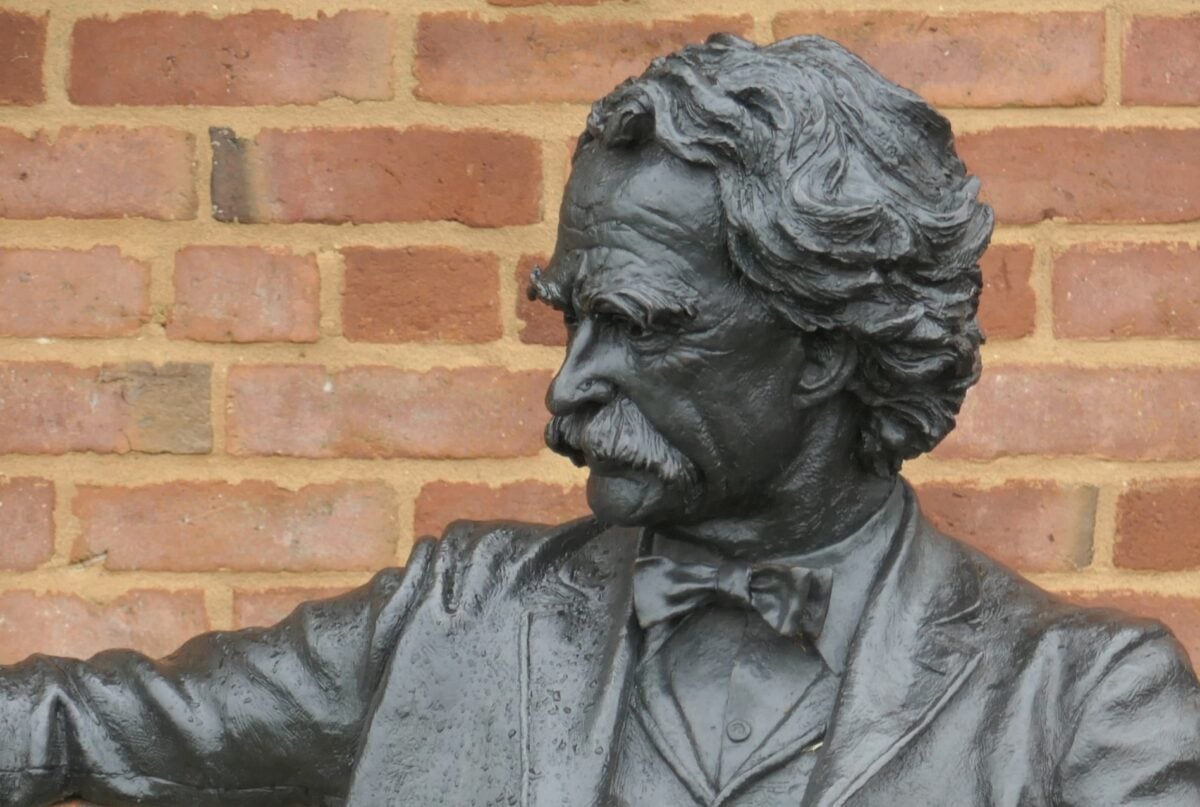
Mark Twain was born in 1835, the same year Halley’s Comet streaked across the night sky. In 1909, he joked that he’d die when it returned — and he did.
Twain passed away in April 1910, just one day after the comet’s closest approach to Earth. It’s a coincidence so fitting that it reads like something Twain himself would have written.
Like Go2Tutors’s content? Follow us on MSN.
Morgan Robertson Predicts the Titanic
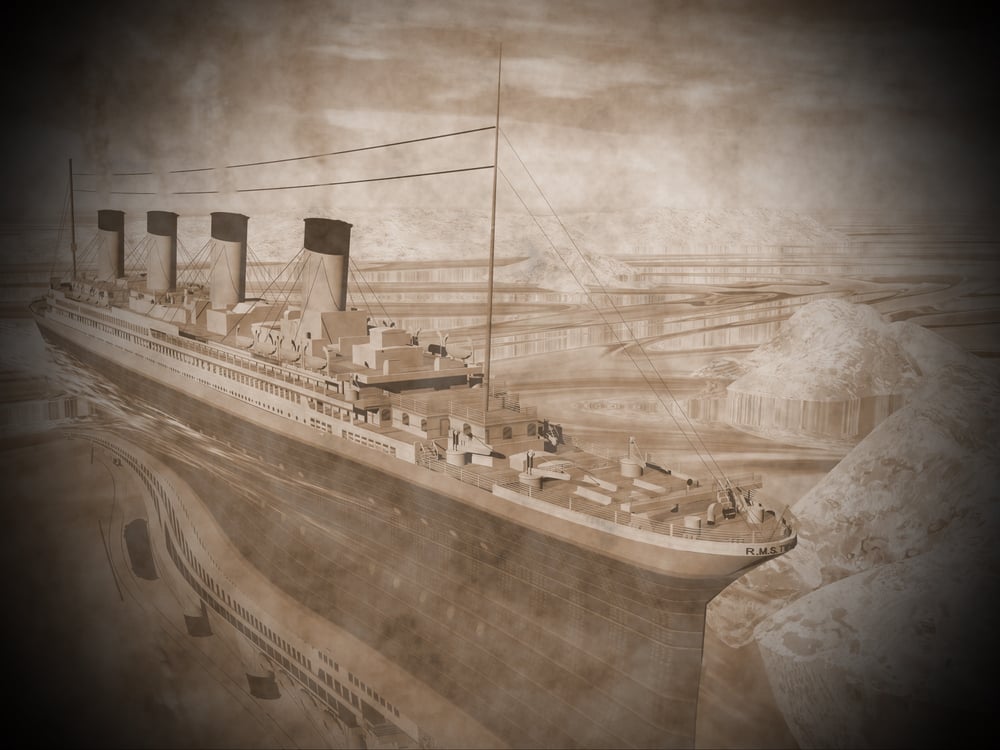
In 1898, Morgan Robertson wrote Futility, or the Wreck of the Titan, about an enormous ship called the Titan — thought to be unsinkable — that hits an iceberg in April and sinks in the North Atlantic. Fourteen years later, the Titanic met nearly the same fate.
Even the ships’ dimensions and passenger numbers were remarkably close. People were so stunned by the parallels that some believed Robertson had foreseen the disaster.
Anthony Hopkins and the Lost Book

When Anthony Hopkins was cast in The Girl from Petrovka (1973), he searched for a copy of the novel but couldn’t find one anywhere. Then, by chance, he spotted an abandoned book on a London train station bench — it was The Girl from Petrovka.
Later, when he met author George Feifer, Hopkins discovered the book was Feifer’s own annotated copy, lost by a friend months earlier.
Jules Verne’s Apollo Connection
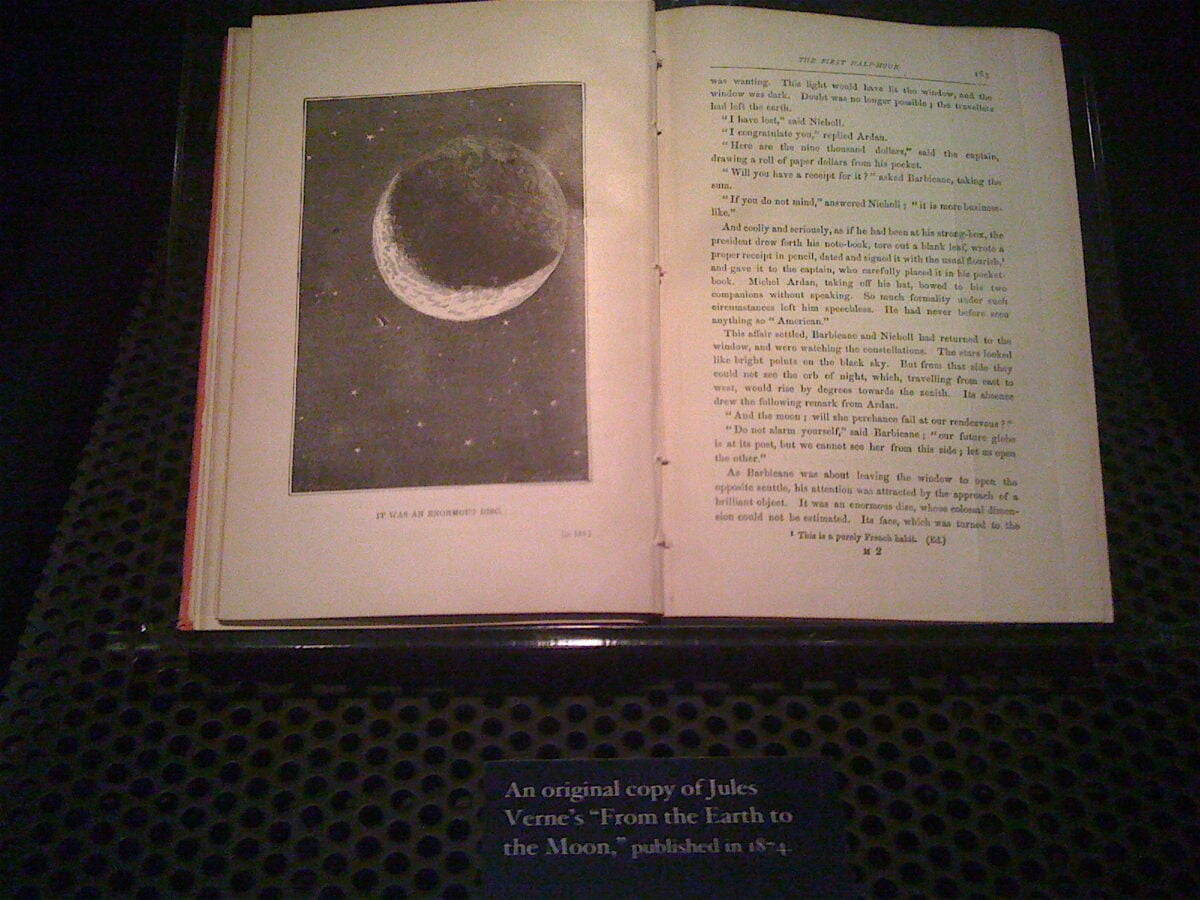
In 1865, Jules Verne imagined a moon mission in From the Earth to the Moon, describing a projectile called “Columbiad.” Over a century later, Apollo 11’s command module — the spacecraft that brought astronauts to the Moon — was named “Columbia.”
Astronaut Michael Collins chose the name unaware of Verne’s story, yet the connection feels almost destined.
Like Go2Tutors’s content? Follow us on MSN.
Identical Twins with Identical Lives

Twin brothers from Ohio were adopted separately at birth, both named James by their respective families. When they finally met, they discovered that they’d each married women named Linda, divorced, and remarried women named Betty.
Both had sons named James Allan (or Alan), worked in law enforcement, and even owned dogs named Toy. A real-life coincidence that no novelist could get away with writing.
The Hoover Dam’s Tragic Bookends

Uncannily connected tragedies marked the start and finish of the Hoover Dam project. The first death associated with the project was George Tierney, who drowned in 1922 while surveying for the dam site.
Thirteen years later, on December 20, 1935, his son Patrick became the last person to die in construction. Their deaths’ symmetry is still unsettling.
President Lincoln and Kennedy Parallels
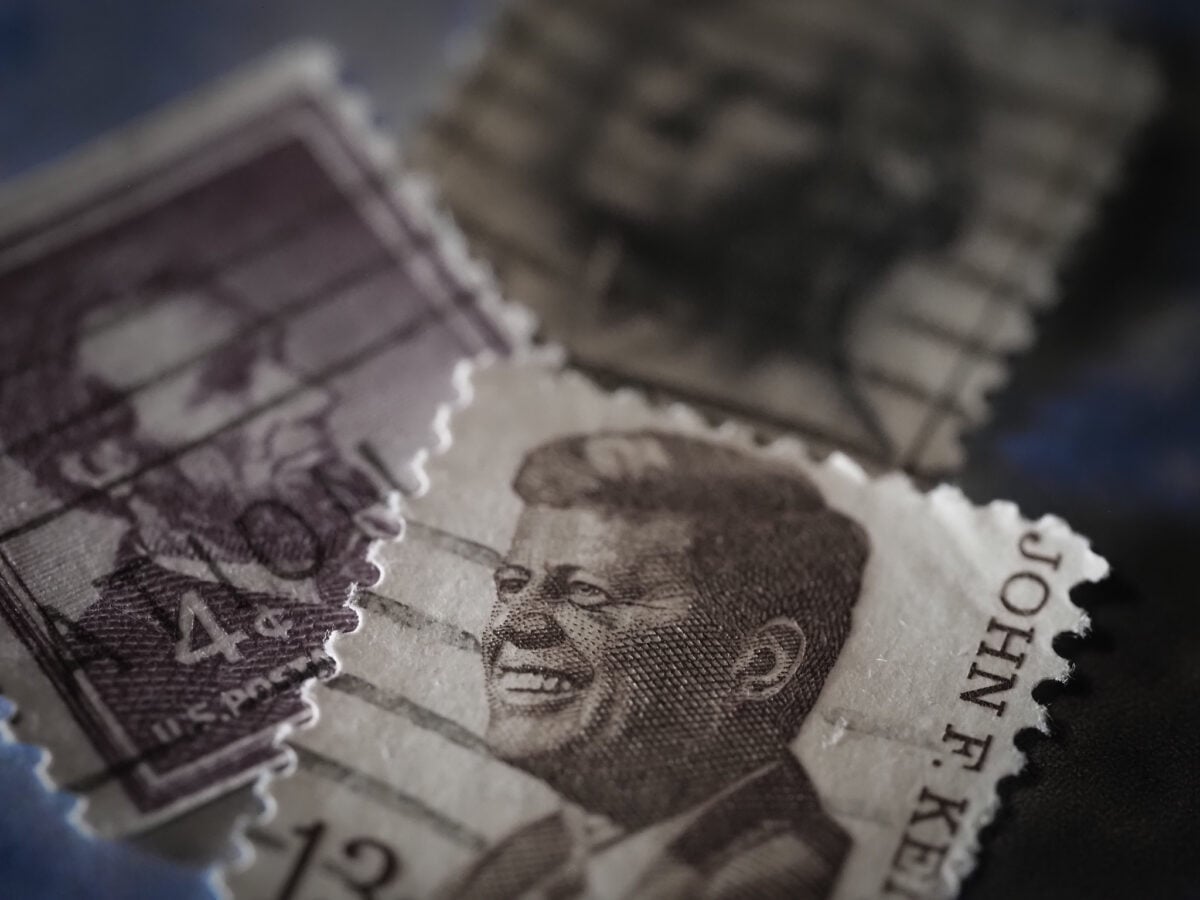
Lincoln and Kennedy’s stories align in strange, numerical ways. Both were elected to Congress 100 years apart, became presidents 100 years apart, and were assassinated on a Friday.
Each was succeeded by a Johnson — Andrew (born 1808) and Lyndon (born 1908). Both assassins had three-part names totaling fifteen letters.
Historians dismiss it as coincidence, but it’s hard not to notice the uncanny rhythm of history.
Like Go2Tutors’s content? Follow us on MSN.
Violet Jessop’s Unsinkable Survival
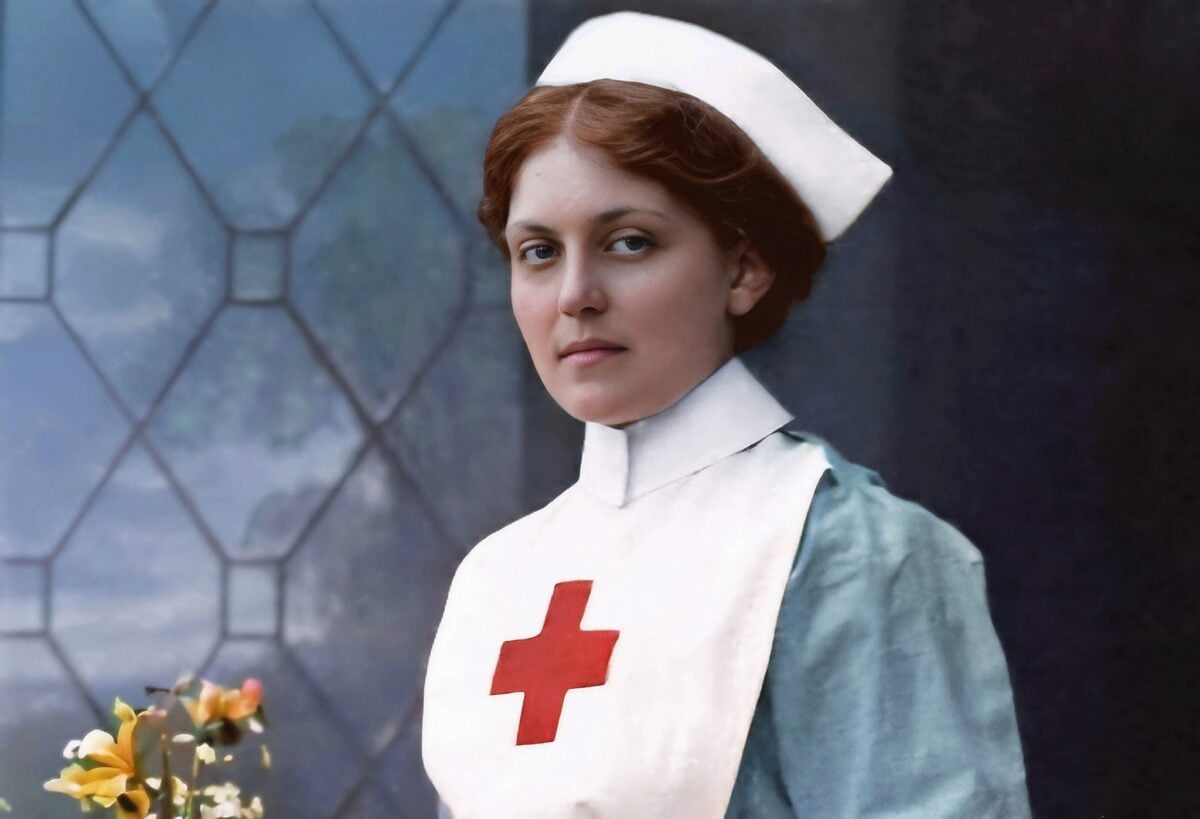
Violet Jessop worked on all three of the White Star Line’s sister ships — Olympic, Titanic, and Britannic. She survived the Olympic’s collision, escaped the sinking Titanic in a lifeboat, and lived through the Britannic disaster after it struck a mine in 1916.
Three maritime tragedies, one survivor — earning her the nickname “Miss Unsinkable.”
The Richard Parker Curse Continues

The name Richard Parker seemed destined for tragedy at sea. Long before Poe’s novel, a mutineer named Richard Parker was executed in 1797 after leading a naval rebellion.
Later, another sailor named Richard Parker died when the Francis Spaight sank in 1846. Even modern fiction paid homage — Yann Martel named the tiger in Life of Pi “Richard Parker,” nodding to the strange legacy surrounding the name.
Anne Parrish Finds Her Childhood Book

While visiting a Paris bookshop in the 1920s, author Anne Parrish spotted a copy of Jack Frost and Other Stories, a children’s book she adored growing up. She showed it to her husband, reminiscing — until he opened it and found her own name and childhood address written inside.
Somehow, her personal copy had traveled halfway across the world, only to find its way back to her.
Like Go2Tutors’s content? Follow us on MSN.
Two George D. Brysons at One Hotel

In 1953, George D. Bryson checked into Denver’s Brown Palace Hotel — unaware that another man named George D. Bryson had checked in the same day, in a nearby room. When the staff mistakenly delivered mail meant for one to the other, the coincidence revealed itself.
They had no relation, just two men with the same full name, staying in the same hotel by chance.
Stephen Hawking’s Cosmic Exit

Stephen Hawking passed away on March 14, 2018 — Pi Day, celebrated by mathematicians worldwide. The date also marked Albert Einstein’s 139th birthday, whose work Hawking expanded upon throughout his career.
His passing on that day felt symbolic, as if the universe had chosen the timing itself.
Enzo Ferrari’s Apparent Reincarnation

Ferrari founder Enzo Ferrari died in August 1988. Two months later, German footballer Mesut Özil was born — and when people later compared their photos, the resemblance was uncanny. Side-by-side, they looked nearly identical.
The timing and likeness led many to joke about reincarnation, though it’s probably just coincidence — a fascinating one nonetheless.
Like Go2Tutors’s content? Follow us on MSN.
The Finnish Brothers and the Same Fate

In 2002, a man cycling across a Finnish highway was killed by a truck. Almost exactly a year later, his twin brother died the same way, at the same spot, under similar conditions.
Investigators could only shake their heads — the odds of such a double tragedy were almost unimaginable.
Thomas Jefferson and John Adams’ Final Curtain

On July 4, 1826 — exactly 50 years after the Declaration of Independence — both Thomas Jefferson and John Adams died within hours of each other. Adams’ final words were reportedly, “Thomas Jefferson survives,” unaware that his friend and rival had passed earlier that same day.
Their synchronized deaths felt like history writing its own perfect epilogue.
Where Past Meets Present

These stories remind us that the boundary between imagination and reality can blur in astonishing ways. Some authors seemed to predict the future, while others simply lived through coincidences too remarkable to believe.
Whether you view them as random chance or cosmic design, they prove one thing — sometimes, truth really does outshine fiction.
More from Go2Tutors!

- 16 Historical Figures Who Were Nothing Like You Think
- 12 Things Sold in the 80s That Are Now Illegal
- 15 VHS Tapes That Could Be Worth Thousands
- 17 Historical “What Ifs” That Would Have Changed Everything
- 18 TV Shows That Vanished Without a Finale
Like Go2Tutors’s content? Follow us on MSN.



