Little-Known Facts About the Most Valuable Diamonds
Diamonds have always captured people’s imaginations with their sparkle and rarity.
These gems are not only priceless but full of history and mystery.
Let’s dive into some surprising facts about the world’s most valuable diamonds.
You might be amazed at what makes them so special and why they are worth more than just money.
The Hope diamond’s unique color
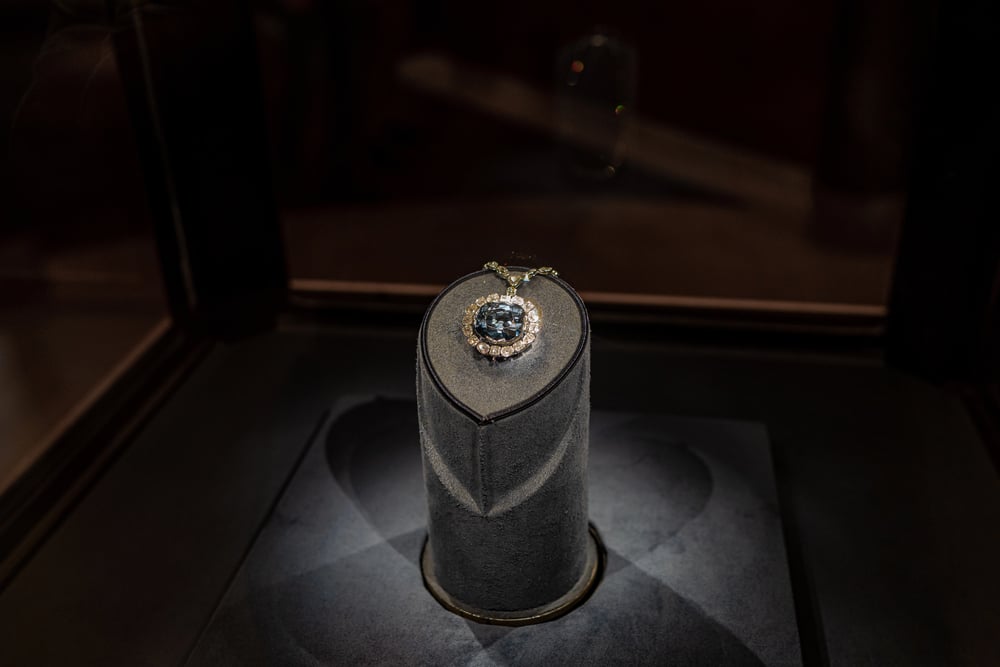
The Hope diamond is famous for its deep blue color, caused by tiny traces of boron inside the stone.
This rare hue sets it apart from most diamonds, which are usually clear or yellowish.
The blue tint makes it one of the rarest diamonds in the world.
Diamonds can weigh more than 1,000 carats
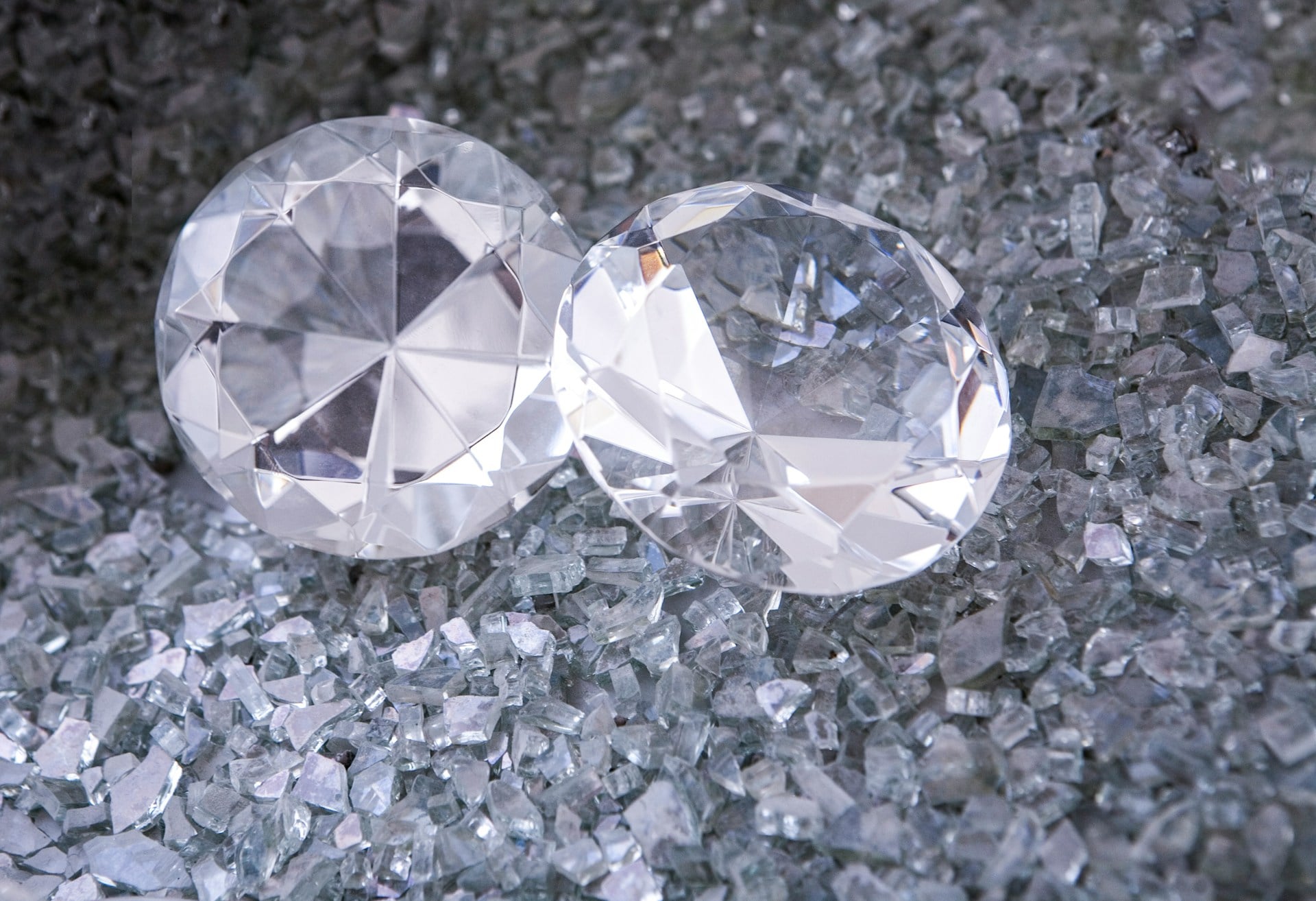
Some diamonds are massive, weighing over 1,000 carats before they are cut.
The Cullinan diamond, for example, was the largest rough diamond ever found, weighing 3,106 carats.
Such size is almost unheard of and greatly increases the diamond’s value.
The value depends on more than just size

While size matters, diamonds are also judged by color, clarity, and cut.
A smaller diamond with perfect clarity and rare color can be worth more than a larger one with flaws.
These factors combined determine the final price.
Some diamonds have “inclusions” that add value

Inclusions are natural marks or crystals inside diamonds.
While most people think flaws reduce value, some diamonds have rare inclusions that make them unique.
These marks can tell a story about the diamond’s formation deep underground.
Famous diamonds often have royal connections

Many of the most valuable diamonds were once owned by kings, queens, or emperors.
The Koh-i-Noor diamond, for example, passed through several royal families in Asia and Europe.
This royal history adds to their allure and price.
Diamonds can change color under different lights

Some rare diamonds show different colors depending on the lighting.
These “color-change” diamonds can look blue in one light and purple in another.
This quality is extremely rare and sought after by collectors.
Diamonds were formed billions of years ago

Most diamonds formed between 1 billion and 3 billion years ago, deep inside the Earth’s mantle.
They took millions of years to reach the surface through volcanic eruptions.
This ancient origin makes them like tiny time capsules from Earth’s past.
Some diamonds have unusual shapes
Not all valuable diamonds are cut into the classic round shape.
Some keep their original rough forms or are cut into rare shapes like pears or cushions.
These unique cuts can add character and increase a diamond’s value.
Diamonds can carry secret messages

Certain famous diamonds have been engraved or set in jewelry with hidden symbols or messages.
These secrets add a layer of mystery and make the diamond more interesting for historians and collectors.
The Pink Star diamond broke records
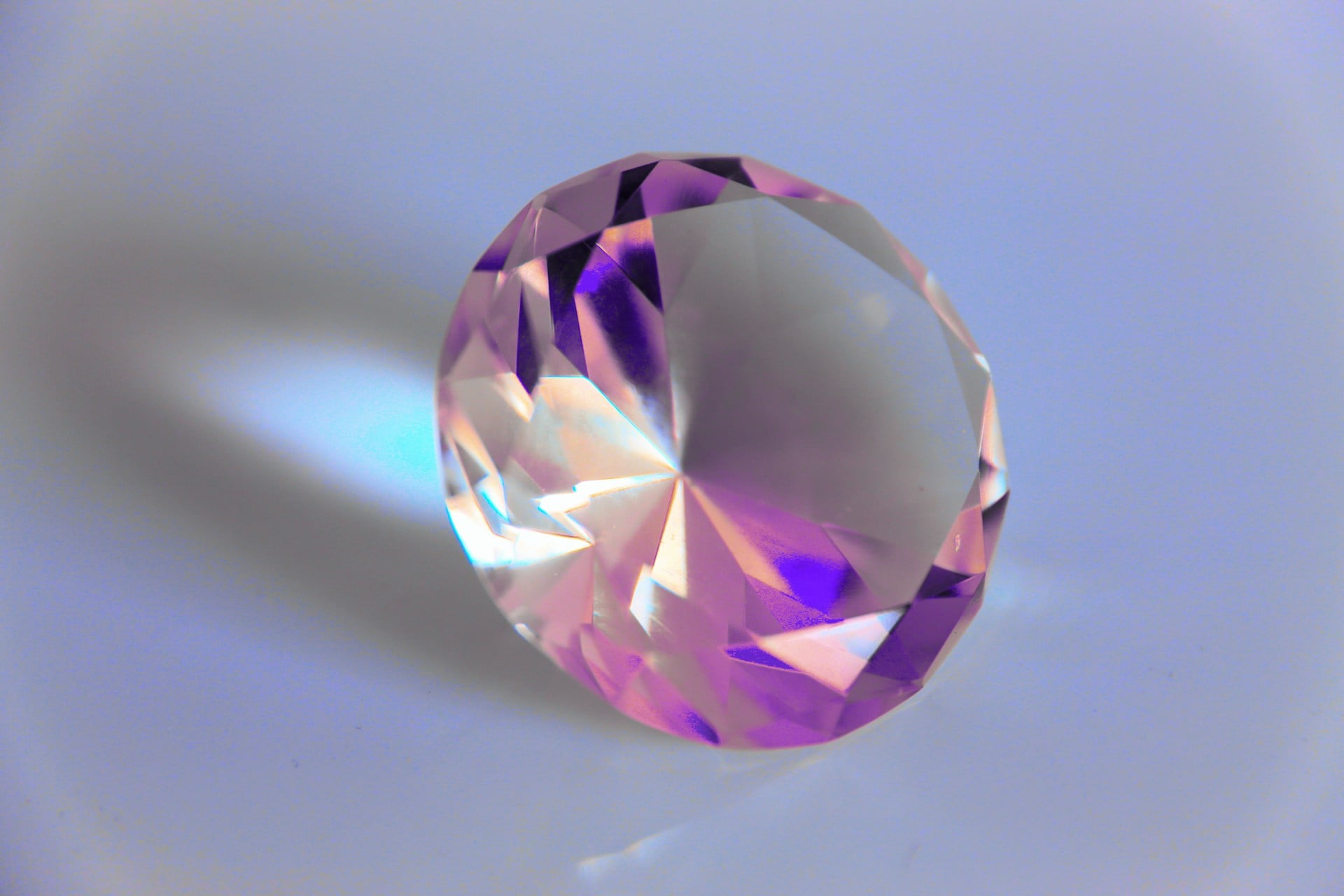
The Pink Star is a fancy vivid pink diamond weighing 59.6 carats.
It set a record when it sold for over $71 million.
Its combination of size, color, and clarity makes it one of the most expensive diamonds ever sold.
Diamonds have “fire” and “brilliance”
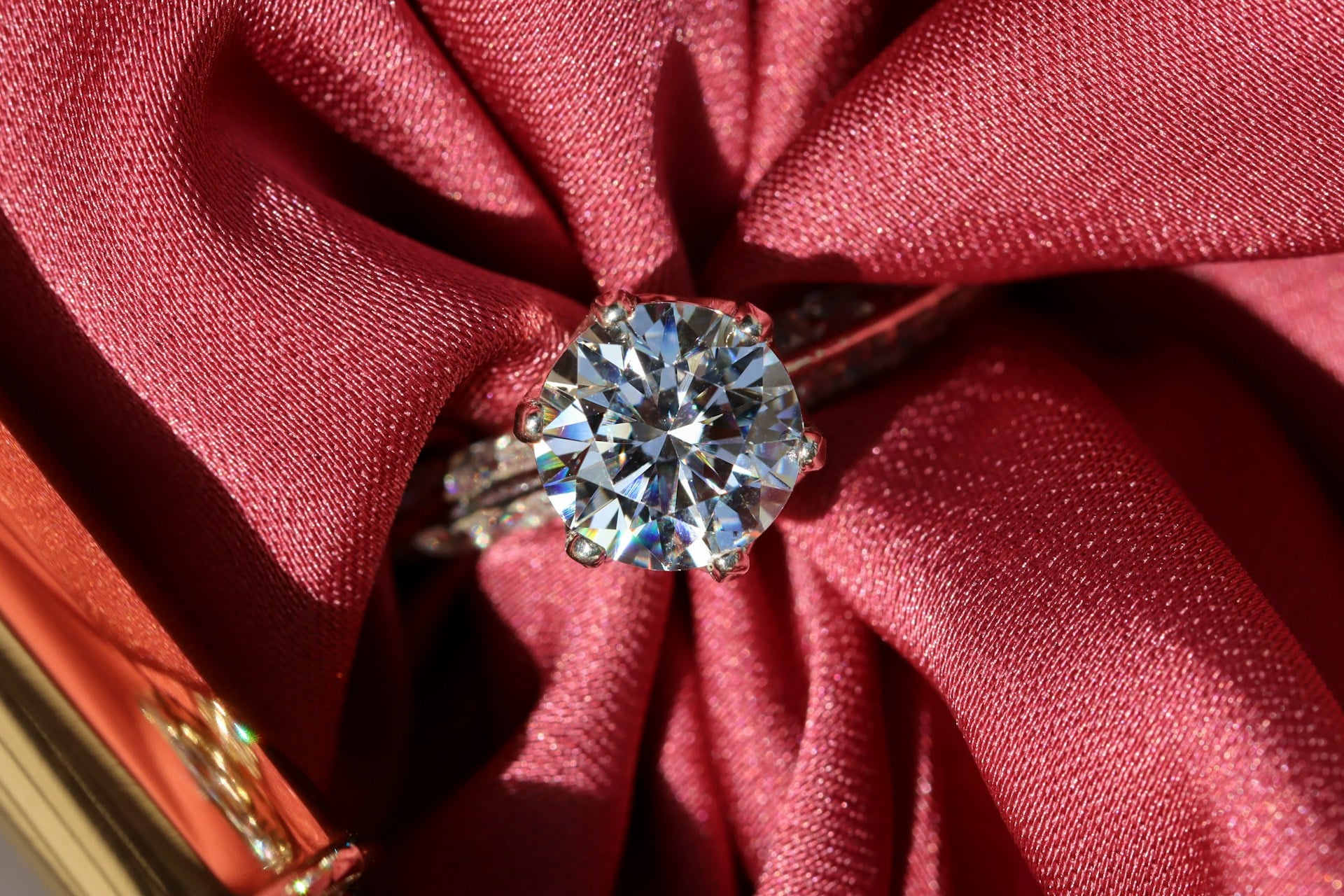
These terms describe how a diamond reflects and splits light.
Fire means the flashes of color seen when light passes through, and brilliance is the brightness.
The best diamonds show strong fire and brilliance, making them sparkle beautifully.
Some diamonds have “flaws” that tell their history

Flaws like tiny cracks or clouds inside diamonds show their journey through heat and pressure.
These features make each diamond unique, like a fingerprint, and can sometimes increase interest among collectors.
The Dresden Green is one of the rarest green diamonds

Green diamonds are extremely rare, and the Dresden Green is the most famous among them.
Its natural green color comes from exposure to radiation inside the Earth.
This diamond is over 40 carats and has a fascinating past.
Diamonds can be found in unexpected places

While many diamonds come from Africa and Russia, some rare diamonds have been discovered in places like Canada, Brazil, and Australia.
Each location adds its own touch to the diamond’s story and value.
Some diamonds glow under ultraviolet light

A small number of diamonds show fluorescence, meaning they glow under UV light.
This glow can be blue, green, or even red.
It’s a rare feature that gem experts look for when identifying special diamonds.
The cost of diamonds is influenced by history

Not just their physical traits, but the history behind a diamond can increase its price.
Diamonds that have been part of famous events or owned by important figures tend to be more valuable than similar stones without a story.
Diamonds are made mostly of carbon
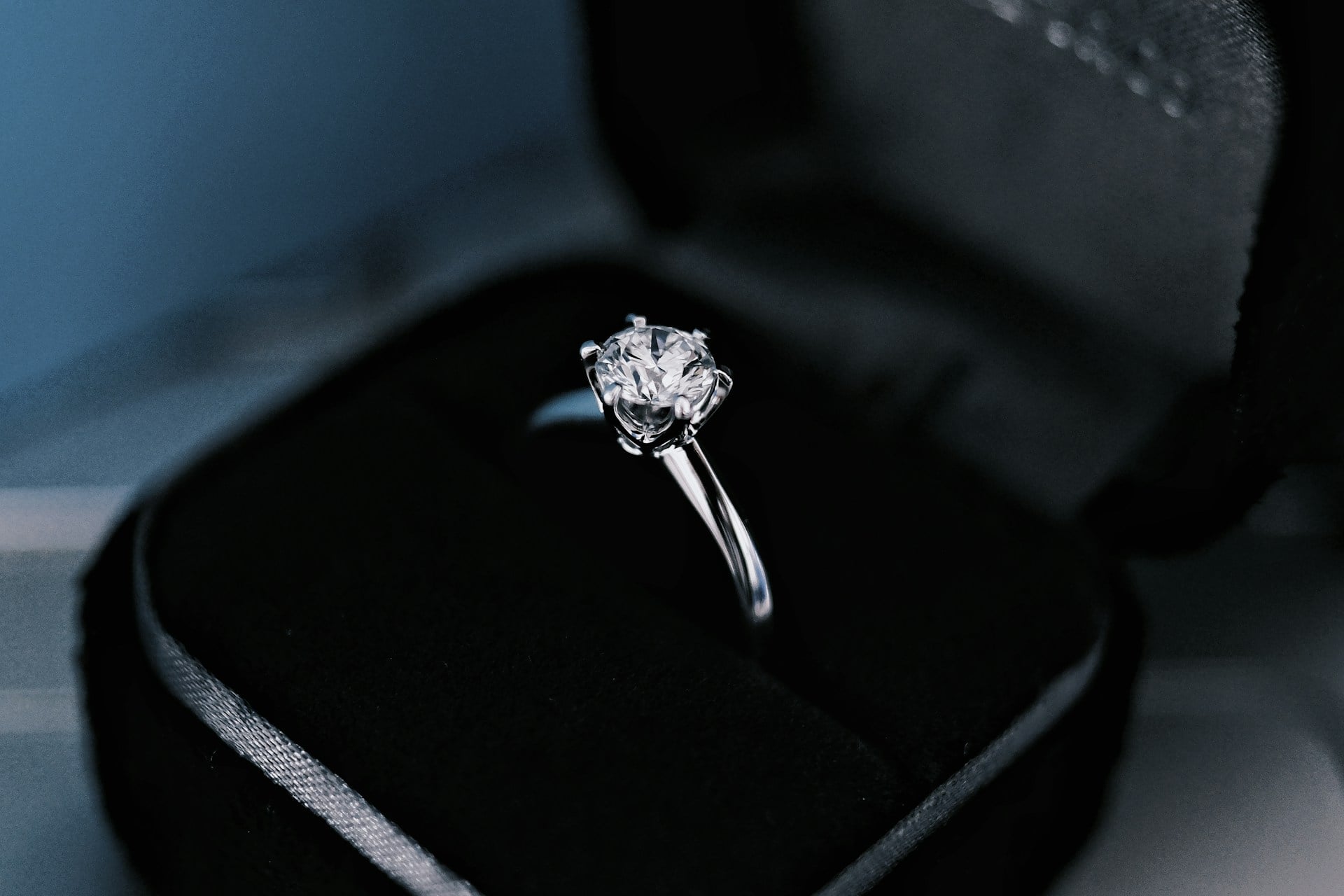
Though they seem so precious, diamonds are just pure carbon atoms arranged in a very tight structure.
This gives them incredible hardness, making diamonds the hardest natural material on Earth.
Some diamonds come from meteorites

Scientists have found tiny diamonds formed outside Earth, in meteorites.
These space diamonds are tiny but prove that diamonds are not only made on our planet, adding another layer of wonder to these stones.
The largest diamond ever cut is the Great Star of Africa

After the Cullinan diamond was found, it was cut into several stones.
The largest piece became the Great Star of Africa, a 530-carat gem that now sits in the British Crown Jewels.
This diamond is a symbol of wealth and power.
When history and rarity come together

Diamonds are more than just shiny rocks.
Their value comes from a mix of rare colors, unique features, size, and the stories they carry through time.
These stones connect us to Earth’s ancient past and to people who treasured them long ago.
More from Go2Tutors!

- The Romanov Crown Jewels and Their Tragic Fate
- 17 Halloween Costumes Once Considered Taboo
- Famous Hoaxes That Fooled the World for Years
- 15 Child Stars with Tragic Adult Lives
- 16 Famous Jewelry Pieces in History
Like Go2Tutors’s content? Follow us on MSN.