17 Ways AI Is Changing Movie Effects
The movie industry is experiencing a revolution that’s as dramatic as the shift from silent films to talkies. Artificial intelligence has burst onto the scene, transforming how visual effects are created, processed, and delivered to audiences worldwide.
What once required armies of skilled artists working for months can now be accomplished in days or even hours, thanks to machine learning algorithms that can analyze, generate, and enhance visual content with unprecedented speed and accuracy. From massive crowd scenes that would have cost millions to film with real actors to seamless face replacements that bring back deceased performers, AI is redefining what’s possible on the big screen.
Studios are embracing these technologies not just to save money, but to push creative boundaries that were previously impossible to cross. Here’s a list of 17 groundbreaking ways artificial intelligence is reshaping the world of movie effects.
Automated Rotoscoping
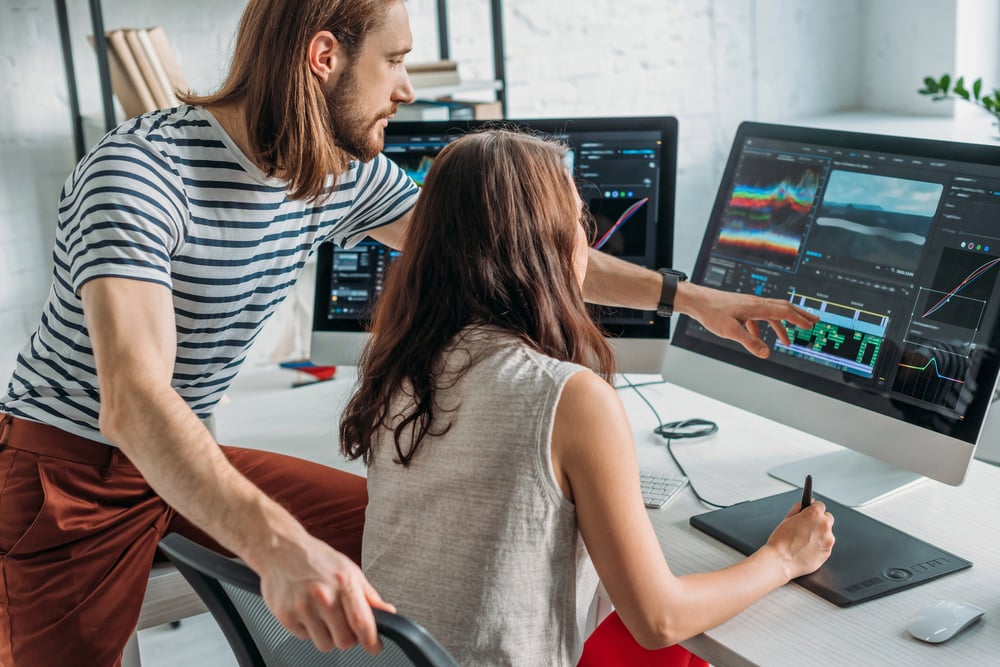
One of the most tedious tasks in VFX – manually tracing around objects frame by frame to separate them from backgrounds – is now being revolutionized by AI. Machine learning algorithms can automatically detect and isolate subjects, reducing work that used to take weeks down to hours.
This advancement allows artists to focus on creative decisions rather than repetitive technical work.
Intelligent Crowd Simulation
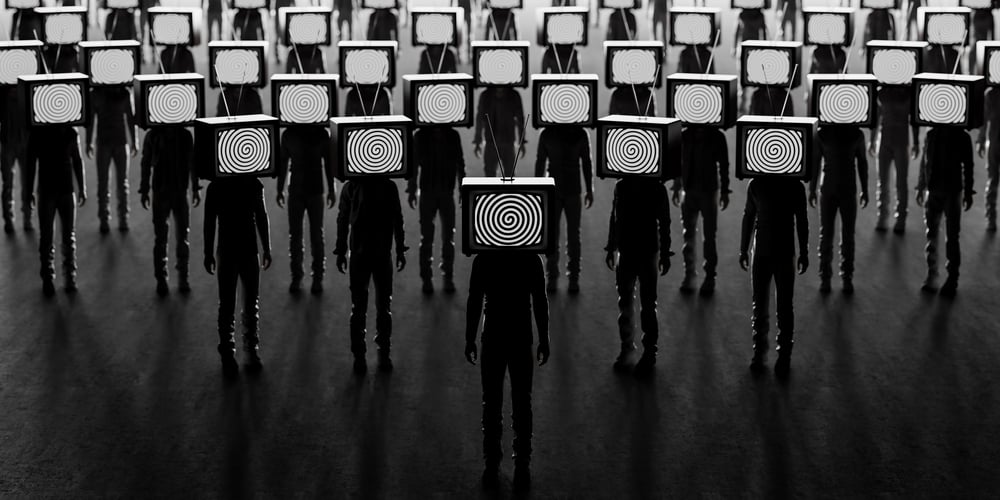
AI-powered crowd systems can generate thousands of unique digital characters with realistic behaviors and interactions. Instead of hiring hundreds of extras, films can create massive battle scenes or stadium audiences using algorithms that simulate natural human movement patterns.
Each digital person acts independently, making crowds look organic and believable.
Real-Time Facial Replacement
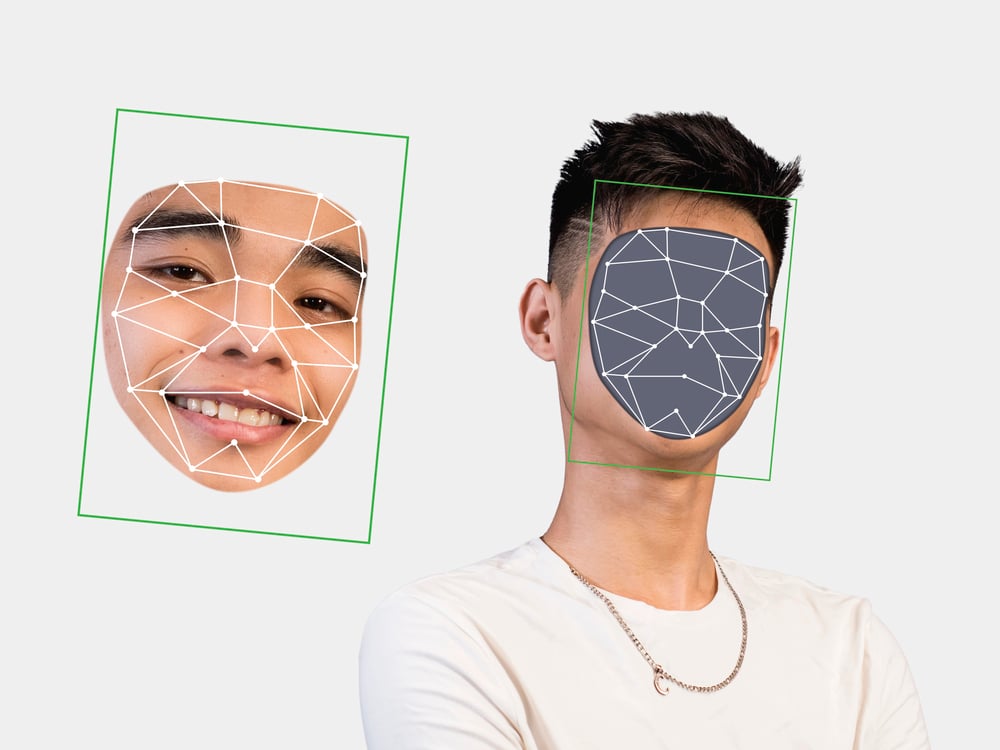
Advanced neural networks can now swap faces in real-time during filming or post-production with incredible accuracy. This technology allows for seamless actor replacements, age manipulation, or even bringing deceased performers back to the screen.
The AI analyzes facial structures and expressions to create convincing results that fool audiences.
Automatic Color Grading
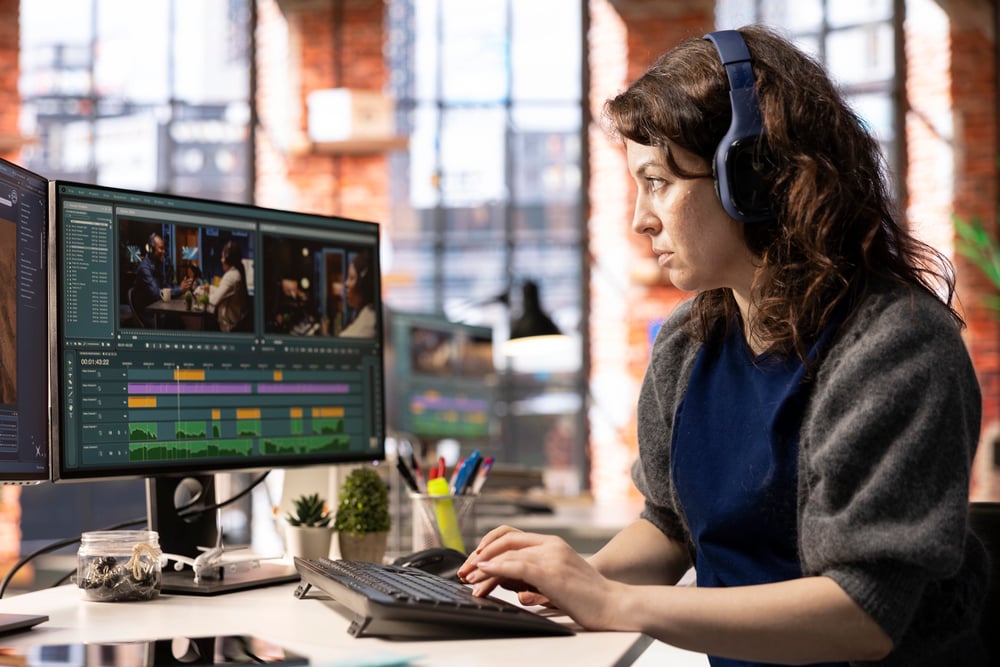
Machine learning systems can analyze entire films and apply consistent color correction across thousands of shots automatically. The AI learns from cinematographers’ preferences and can match lighting conditions, color palettes, and moods throughout a production.
This speeds up post-production while maintaining artistic consistency.
Procedural Environment Generation

AI can create vast digital landscapes, cities, and alien worlds from basic parameters or reference images. These systems generate detailed environments complete with buildings, vegetation, and atmospheric effects without requiring artists to model every element manually.
The technology enables filmmakers to create entire worlds at a fraction of traditional costs.
Enhanced Motion Capture Cleanup
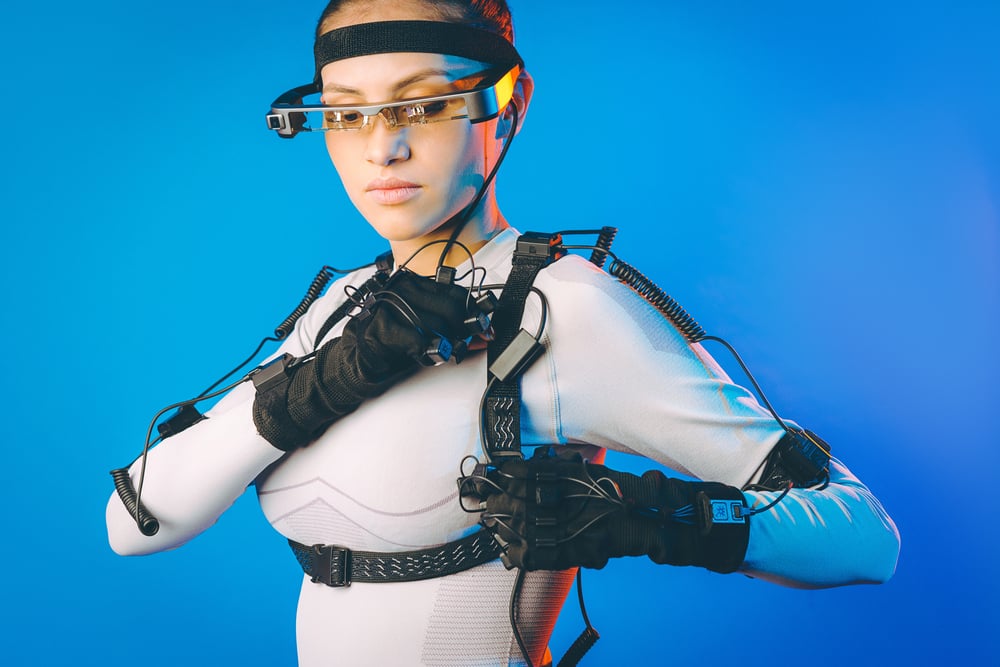
Neural networks can clean up motion capture data automatically, removing glitches and smoothing animations without human intervention. This AI-driven process eliminates the need for extensive manual cleanup work.
Animators can then focus on performance refinement rather than technical fixes.
Intelligent Image Upscaling

AI algorithms can take low-resolution footage and enhance it to 4K or even 8K quality while preserving detail and reducing artifacts. This technology is invaluable for restoring older films or working with footage captured at lower resolutions.
The AI reconstructs missing pixels intelligently rather than simply stretching the image.
Automated Scene Analysis
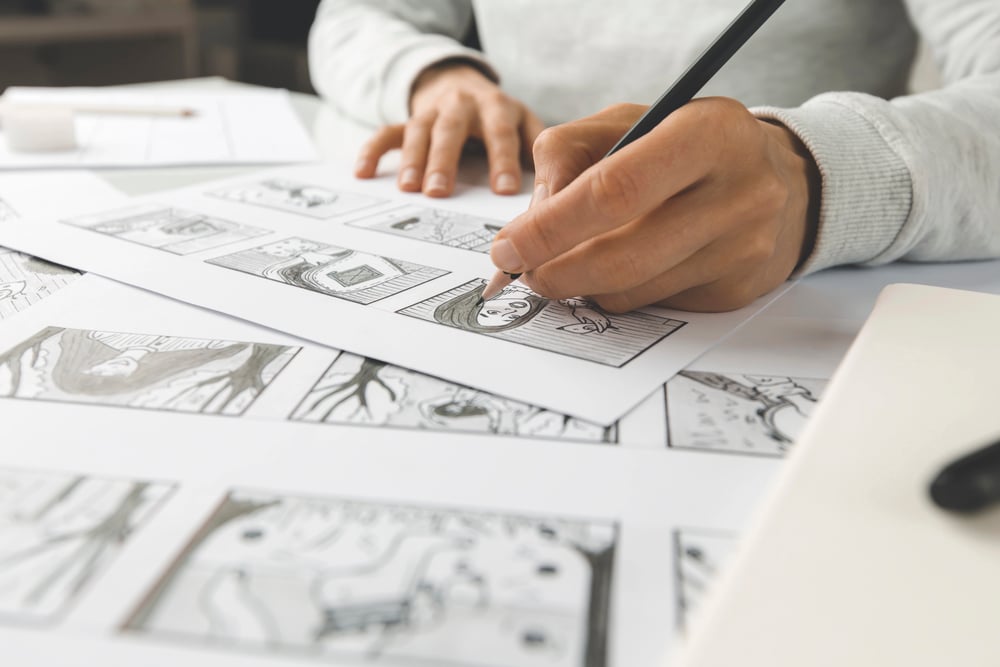
Machine learning systems can analyze scripts and storyboards to automatically generate VFX breakdowns and shot lists. This AI assistance helps production teams plan effects sequences more efficiently.
It also ensures nothing gets overlooked during the complex planning phases of major productions.
Dynamic Lighting Adjustment

AI can analyze lighting conditions in live-action footage and automatically adjust digital elements to match perfectly. This technology ensures that CGI characters and objects blend seamlessly with practical photography.
It maintains consistent lighting and shadows throughout complex scenes.
Predictive Rendering

Artificial intelligence can predict which parts of a scene will be most visible to audiences and allocate rendering resources accordingly. This smart approach dramatically reduces computing time.
It does this by focusing processing power where it matters most while reducing detail in areas viewers won’t notice.
Voice Synthesis and Dubbing

AI voice generation can create realistic speech in any language or accent, enabling automatic dubbing for international releases. The technology can even recreate an actor’s voice for additional dialogue recording or posthumous performances.
It maintains consistency with the original performance.
Automated Compositing
Machine learning algorithms can automatically combine multiple visual elements into final shots, handling tasks like edge blending, color matching, and depth integration. This AI assistance dramatically speeds up the compositing process.
It maintains professional quality standards.
Intelligent Wire Removal
Neural networks can automatically detect and remove wires, rigs, and other unwanted objects from footage without manual intervention. The AI intelligently fills in missing background information.
This saves countless hours of painstaking cleanup work that previously required frame-by-frame attention.
Performance-Driven Animation
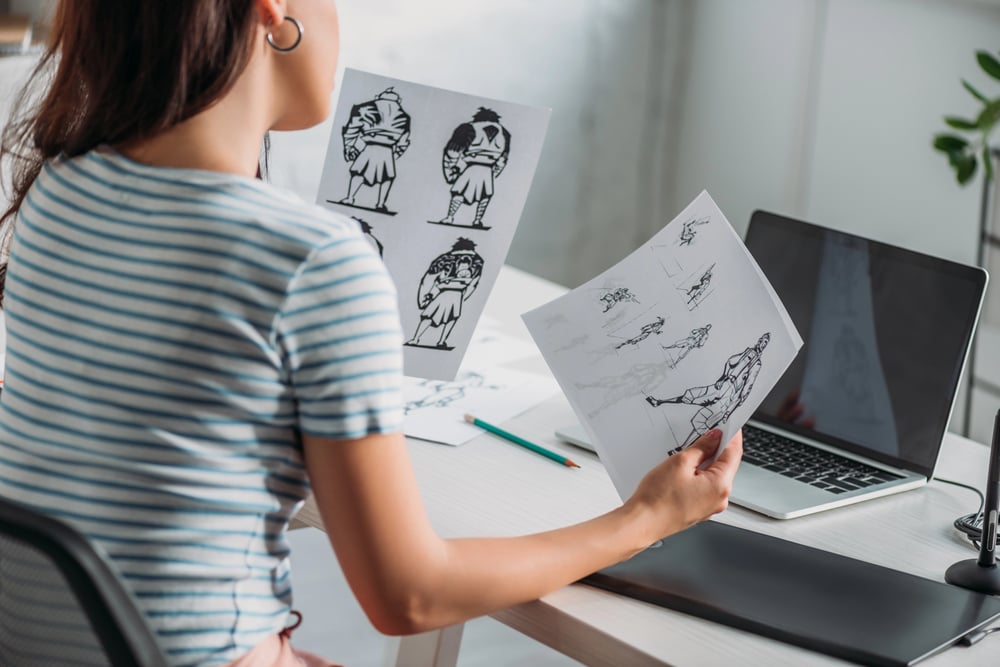
AI systems can analyze actor performances and automatically generate corresponding animations for digital characters. This technology captures subtle emotional nuances.
It translates them into believable digital performances, bridging the gap between human acting and computer animation.
Adaptive Visual Effects
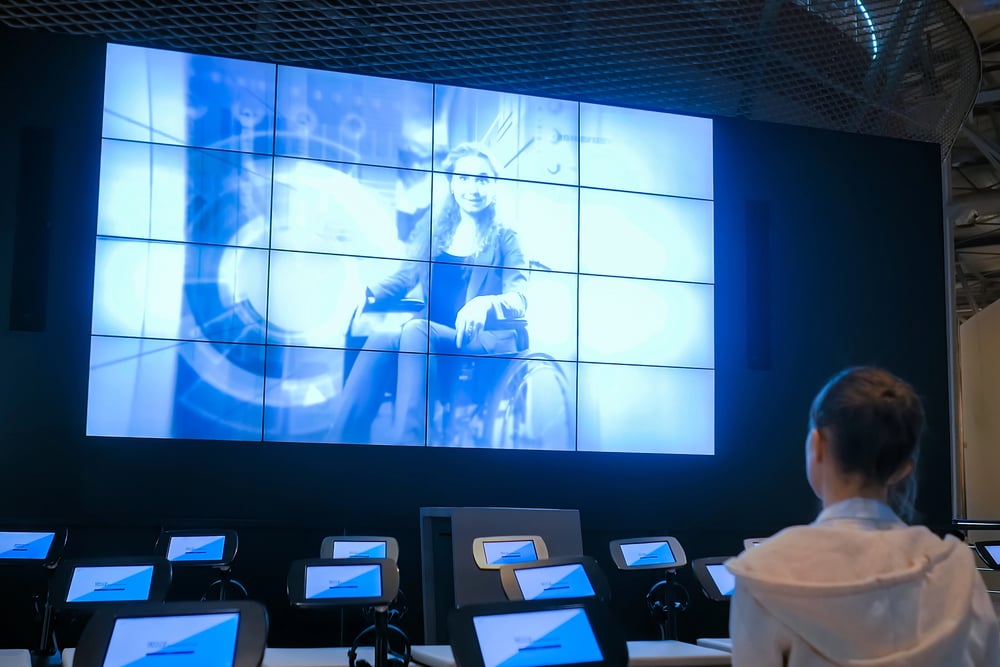
Machine learning can adjust visual effects in real-time based on audience reactions or viewing conditions. This technology could enable films to dynamically modify their visual intensity, color schemes, or effects complexity.
It adapts based on the viewing environment or audience preferences.
Automated Texture Generation

AI can generate photorealistic textures and materials for 3D models based on simple descriptions or reference images. This capability allows artists to quickly create surface details for characters, vehicles, and environments.
It eliminates the need to spend time on manual texture painting.
Seamless Set Extensions
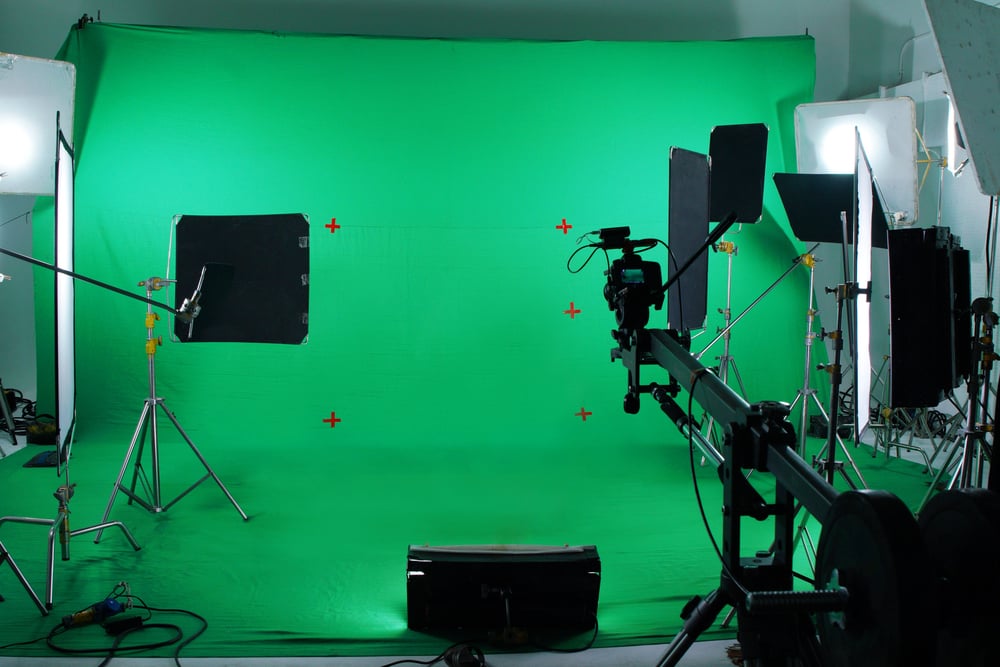
Neural networks can analyze on-set footage and automatically generate extended environments that match the practical photography. This AI-driven set extension eliminates the need for extensive green screen work.
It allows for more natural-looking expansions of physical locations.
The Future Is Now

These AI advances represent just the beginning of a technological revolution that’s transforming Hollywood from the ground up. While some worry about job displacement, the reality is that AI is freeing artists from repetitive technical tasks and enabling them to focus on creative storytelling.
The tools are becoming more powerful and accessible, allowing smaller studios to achieve Hollywood-quality effects and enabling filmmakers to realize visions that were previously impossible or prohibitively expensive. As AI continues to evolve, we can expect even more dramatic changes in how movies are made and experienced.
More from Go2Tutors!

- The Romanov Crown Jewels and Their Tragic Fate
- 13 Historical Mysteries That Science Still Can’t Solve
- Famous Hoaxes That Fooled the World for Years
- 15 Child Stars with Tragic Adult Lives
- 16 Famous Jewelry Pieces in History
Like Go2Tutors’s content? Follow us on MSN.