Lost Skills From the Analog Era Worth Preserving
The world moved fast. One decade you’re rewinding cassette tapes with a pencil, the next you’re asking your phone to play any song ever recorded.
Technology solved problems you didn’t know you had, but it also quietly retired skills that shaped how people thought, connected, and fixed things. Some of those skills deserve another look.
Not out of nostalgia, but because they offer something that apps and algorithms can’t quite replicate.
Reading Paper Maps
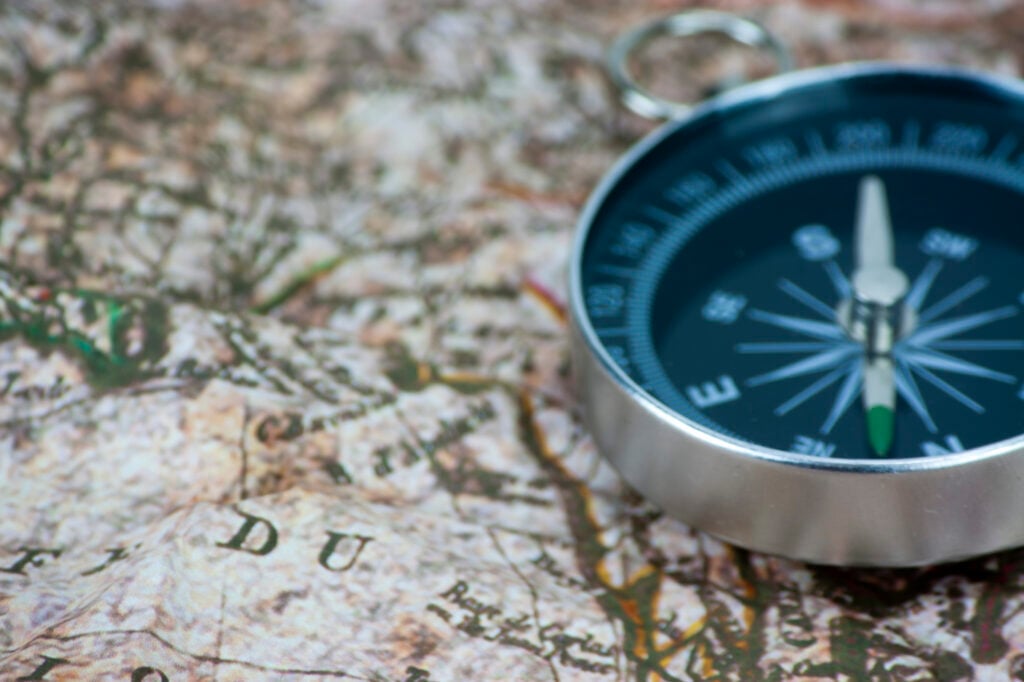
Map reading requires spatial thinking that GPS just hands you on a platter. When you unfold a map, you see the whole region at once. You understand where you are in relation to everything else—not just the next turn.
This skill builds mental models of places. You start to grasp distances, directions, and how neighborhoods connect. Getting lost becomes less likely because you’ve actually learned the landscape, not just followed blue lines on a screen.
Writing Letters by Hand
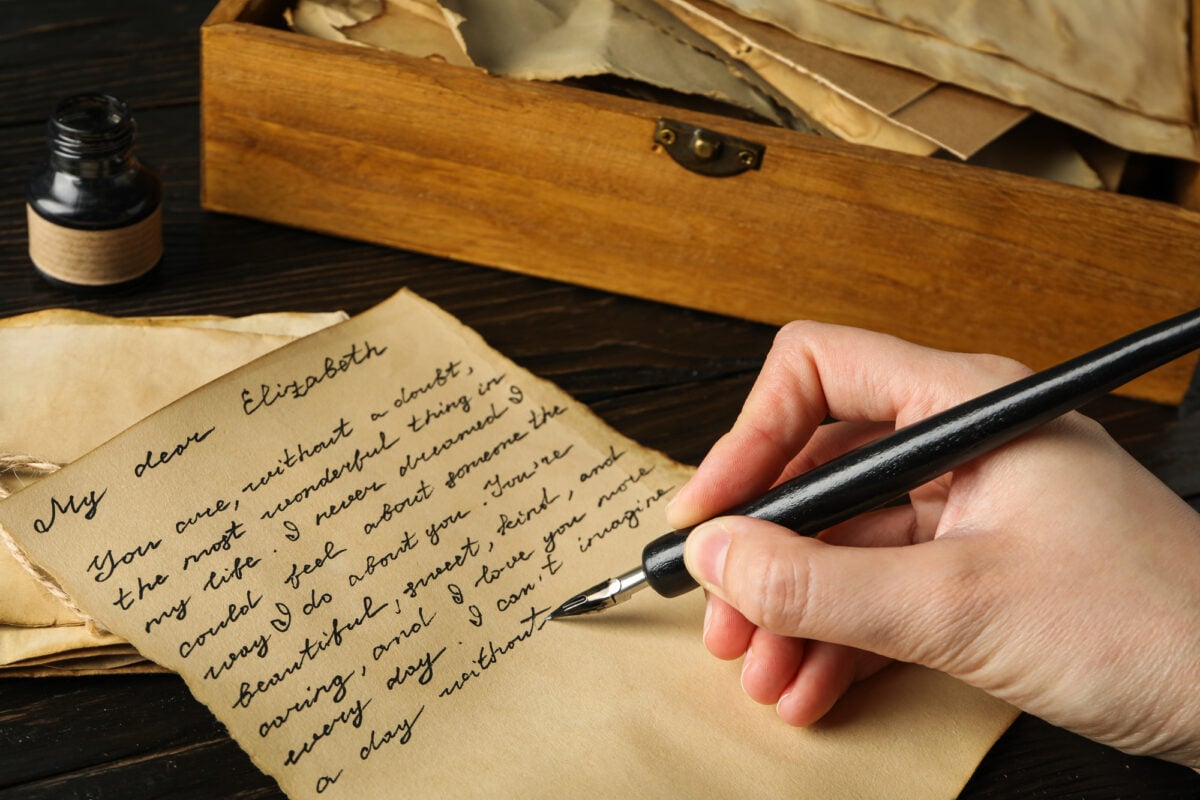
A handwritten letter carries weight. The time it takes to write one means something. You choose your words more carefully when you can’t just hit backspace twenty times.
Letters also reveal personality through handwriting, crossed-out mistakes, and doodles in the margins. Digital messages feel efficient but disposable. A letter in an envelope feels like it matters.
Developing Film Photography

Film photography forces you to think before you shoot. You have 24 or 36 exposures, not unlimited storage. Each click costs money to develop, so you frame carefully, check the light, and wait for the right moment.
The darkroom process connects you to the image in a physical way. You watch it appear in the developer tray, adjust the exposure time, dodge and burn by hand. Every print becomes a small act of craft.
Fixing Things Yourself
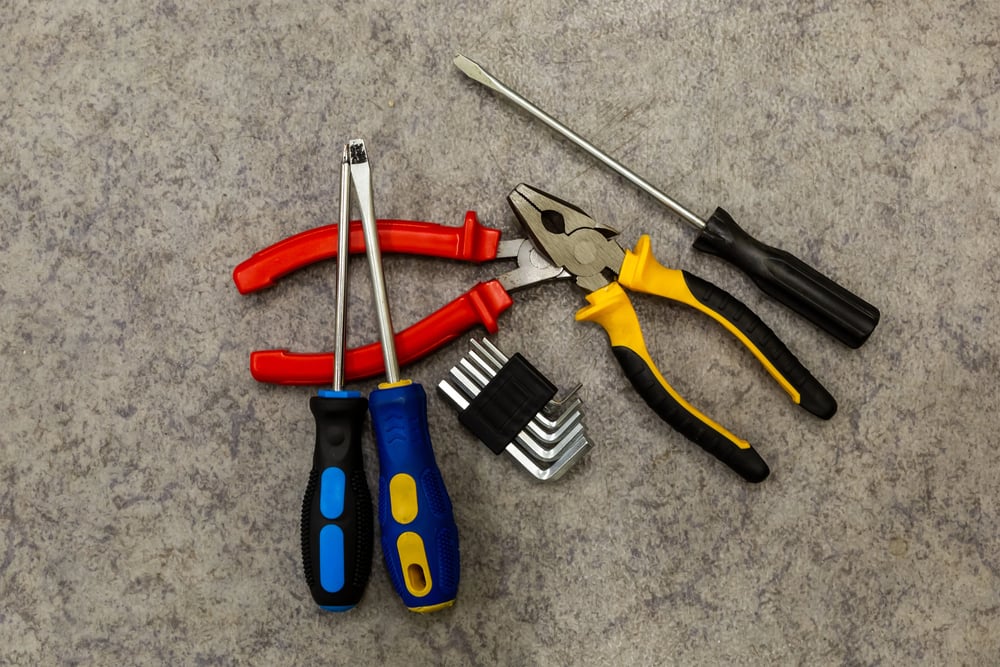
Basic repair skills used to be common knowledge. A broken toaster didn’t mean buying a new one—it meant opening it up, finding the loose wire, and soldering it back. People kept things running because replacing them was expensive and wasteful.
Now devices are sealed shut, designed to be replaced rather than repaired. But learning to fix things teaches problem-solving and builds confidence. It also keeps mountains of electronics out of landfills.
Phone Etiquette on Landlines

Landline courtesy involved real skills. You had to remember phone numbers, speak clearly enough to be understood on a scratchy connection, and navigate conversations when you couldn’t see who picked up. Calling someone’s house meant potentially talking to their parents first, which required a certain politeness.
You also learned to leave concise, clear messages on answering machines in one take. No editing, no texting the details later. Just your voice, your message, and the beep.
Reading Cursive Handwriting
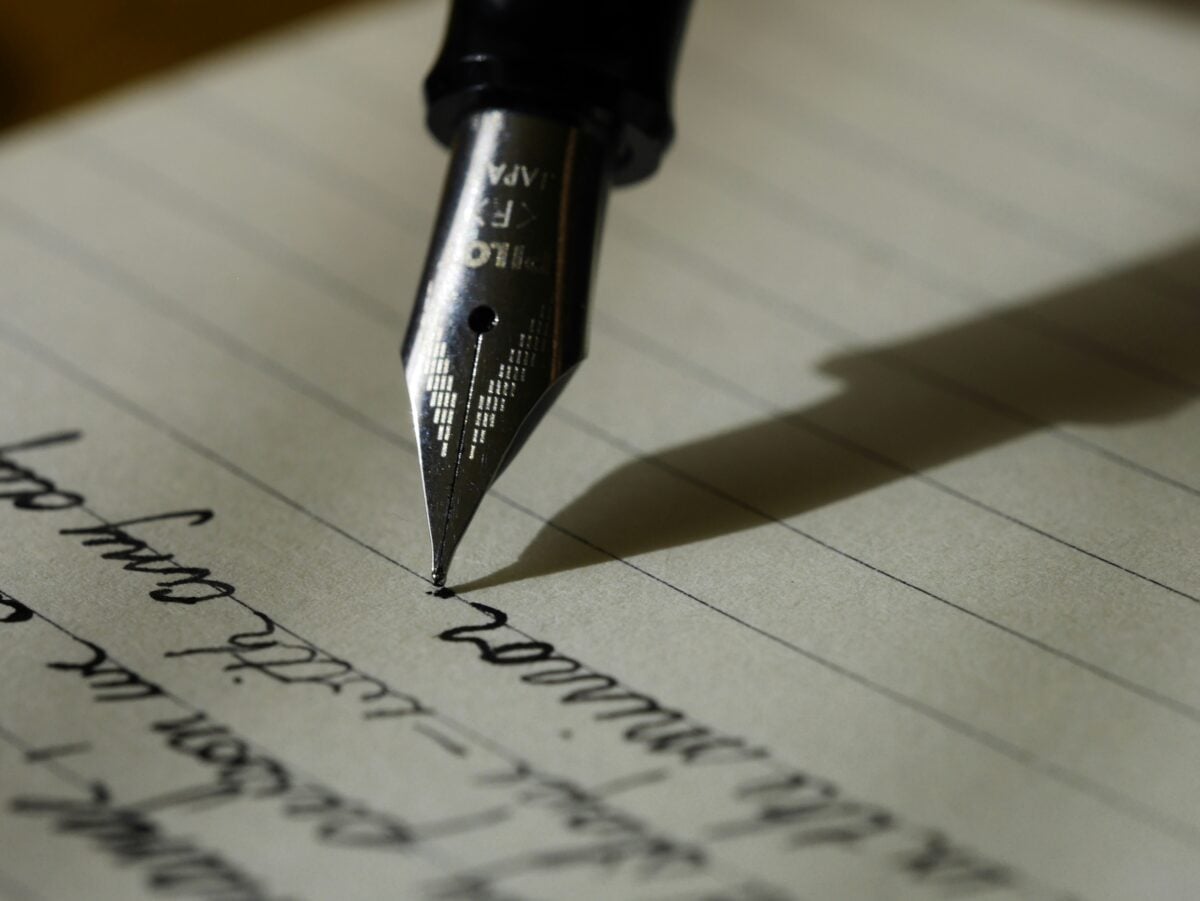
Cursive writing is vanishing from schools, which means historical documents, grandparents’ letters, and handwritten recipes are becoming harder to decipher. Being able to read flowing script connects you to older records and personal histories that weren’t typed.
Cursive also moves faster than print for those who learned it young. Notes flowed from brain to hand without lifting the pen. That fluid connection between thought and paper had its own rhythm.
Balancing a Checkbook

Manual checkbook balancing taught you to track every dollar. You wrote down deposits and withdrawals, did the math by hand, and caught errors when your records didn’t match the bank statement. It kept you aware of your actual financial position at any moment.
Automated banking handles this now, but the habit of regular, manual reconciliation built financial literacy. You understood where money went because you wrote it down yourself, not because an app categorized it for you.
Using a Library Card Catalog

Card catalogs required you to think in multiple ways about what you wanted to find. You could search by author, title, or subject—each on separate cards, filed in separate drawers. Finding a book meant understanding how information was organized and cross-referenced.
This system taught research skills. You learned to browse related subjects, discover books you weren’t looking for, and understand classification systems. Digital searches are faster, but they skip that exploratory education.
Cooking Without Digital Recipes

Cooking from memory or from hand-scrawled recipe cards meant truly learning techniques. You couldn’t just scroll back to check a measurement—you had to remember it or write it down beforehand. This built real cooking knowledge instead of screen dependency.
Old cookbooks assumed you knew basic methods. Recipes said “make a roux” or “fold in the egg whites” without step-by-step photos. You either knew what that meant or you figured it out, and that figuring out made you a better cook.
Mending and Darning Clothes

Darning socks or patching jeans used to be routine. Clothes were expensive relative to income, so people repaired them instead of tossing them. A tear didn’t mean the end of a garment’s life—it meant an evening with a needle and thread.
These skills extended the life of things you owned. They also built patience and the satisfaction of making something whole again. Fast fashion killed that practice, but the environmental cost of constant replacement brings it back into focus.
Telling Time on Analog Clocks

Reading analog clocks teaches kids how time works as a moving, circular thing rather than just numbers on a screen. They see the relationship between hours and minutes, watch the second hand sweep, and start to feel how long a minute actually is.
Analog faces also make time visualization easier. You can see at a glance how much time remains until the next hour. Digital displays are precise but don’t offer that spatial, intuitive understanding of time passing.
Taking Notes by Hand

Handwritten notes engage your brain differently than typing does. Writing is slower, so you summarize and synthesize as you go. You can’t transcribe everything, which forces you to listen for what matters and put it in your own words.
Studies show better retention from handwriting compared to laptop notes. The physical act of forming letters creates stronger memory traces. Notebooks also don’t have notification pop-ups breaking your concentration.
Understanding Hi-Fi Systems

Fiddling with a stereo? Gotta figure out where the signal goes, tweak the resistance so things match, then position the speakers just right. Hook stuff up on your own – start at the turntable, run it through the preamp, feed the amp, push sound to the speakers – all while noticing how every bit changes what you hear.
This understanding got folks involved in how they listened. So you tweaked the tone settings, cleared off needle tips, while setting up speakers just right. Tracks didn’t drift by – they became what you shaped along the way.
When the Power Goes Out
These abilities have one big thing in common. Because they still function if power runs out, if networks crash, if Wi-Fi vanishes. You carry them in your mind and body – no plug-ins, no updates needed.
Yet beyond just fallbacks, they’re alternate paths to interact with life – slower paced, thoughtful, rooted in tangible experience. The old-school times had flaws, still, they built up patience, skill, independence; lessons that stick around – and could fit into today.
More from Go2Tutors!

- The Romanov Crown Jewels and Their Tragic Fate
- 13 Historical Mysteries That Science Still Can’t Solve
- Famous Hoaxes That Fooled the World for Years
- 15 Child Stars with Tragic Adult Lives
- 16 Famous Jewelry Pieces in History
Like Go2Tutors’s content? Follow us on MSN.