Political Decisions Sparking Global Outrage
The world has always been a stage for controversy, but some political decisions hit different. They don’t just make headlines for a day or two before fading into the background noise of daily life.
These are the choices that send shockwaves across continents, filling streets with protesters, dominating social media feeds, and forcing people who never cared about politics to suddenly pay attention. When leaders make moves that clash with public sentiment on a massive scale, the backlash can be swift, loud, and impossible to ignore.
These moments reveal something important about our connected world. A decision made in one country can trigger anger thousands of miles away, showing just how intertwined our global community has become.
The Iraq War invasion decision
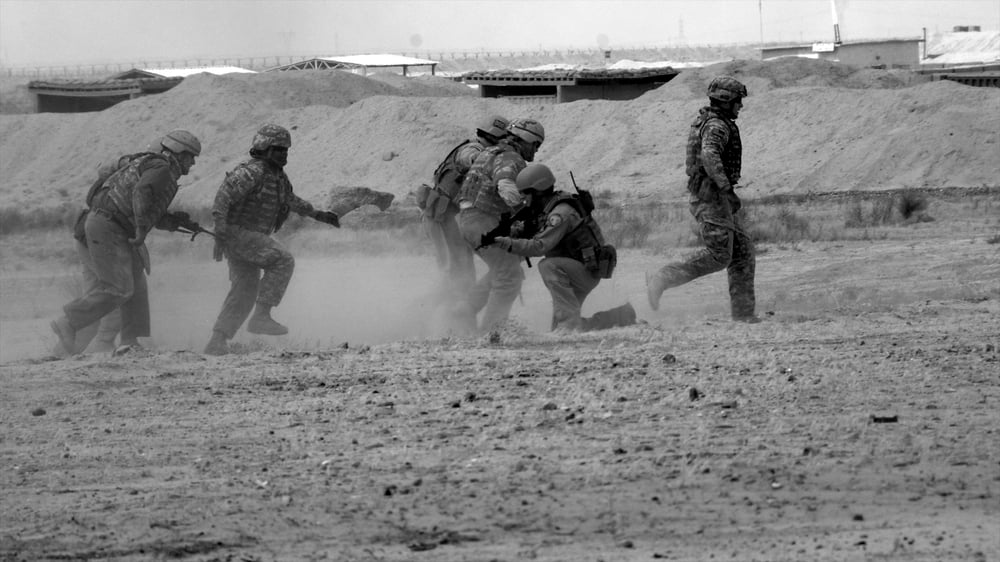
When the United States and its allies decided to invade Iraq in 2003, millions of people around the world took to the streets in protest. The justification centered on weapons of mass destruction that were never found, leading to a conflict that would drag on for years and cost hundreds of thousands of lives.
Cities from London to Sydney saw massive demonstrations, with some estimates putting global protesters at around 15 million people in a single day. The decision created a rift between longtime allies and sparked debates about international law that continue today.
Brexit referendum aftermath
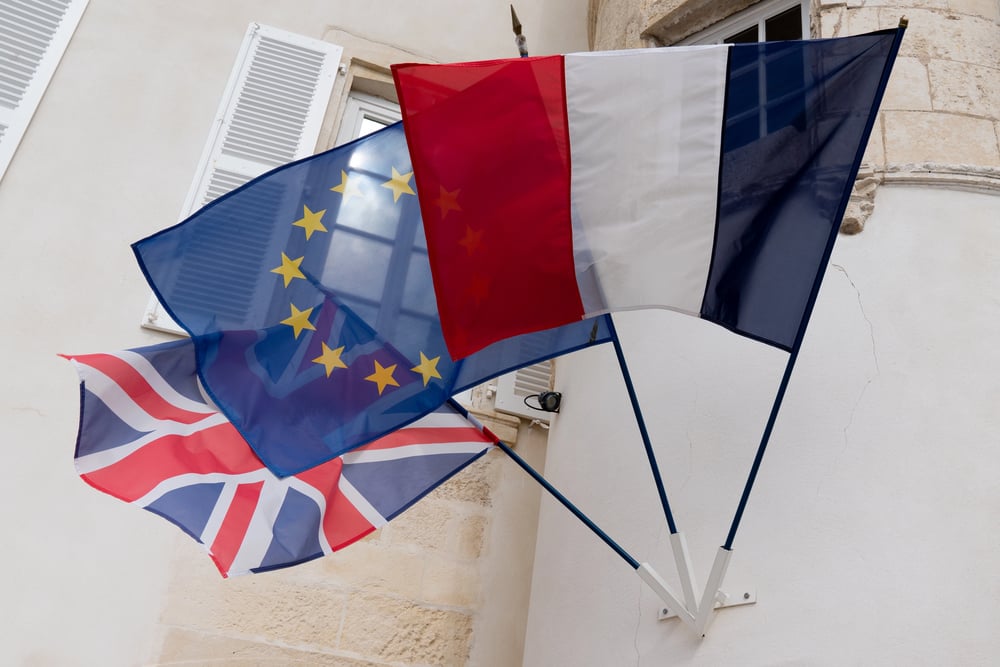
Britain’s 2016 vote to leave the European Union divided not just a nation but sparked international concern about the rise of nationalist movements. The narrow victory for the ‘leave’ campaign sent economic shockwaves through global markets and raised questions about the future of European unity.
Young voters felt particularly betrayed, as polling showed overwhelming support among them to remain, yet they would bear the consequences for decades. The decision inspired similar movements in other countries while horrifying those who saw it as a step backward for international cooperation.
China’s Uyghur policies
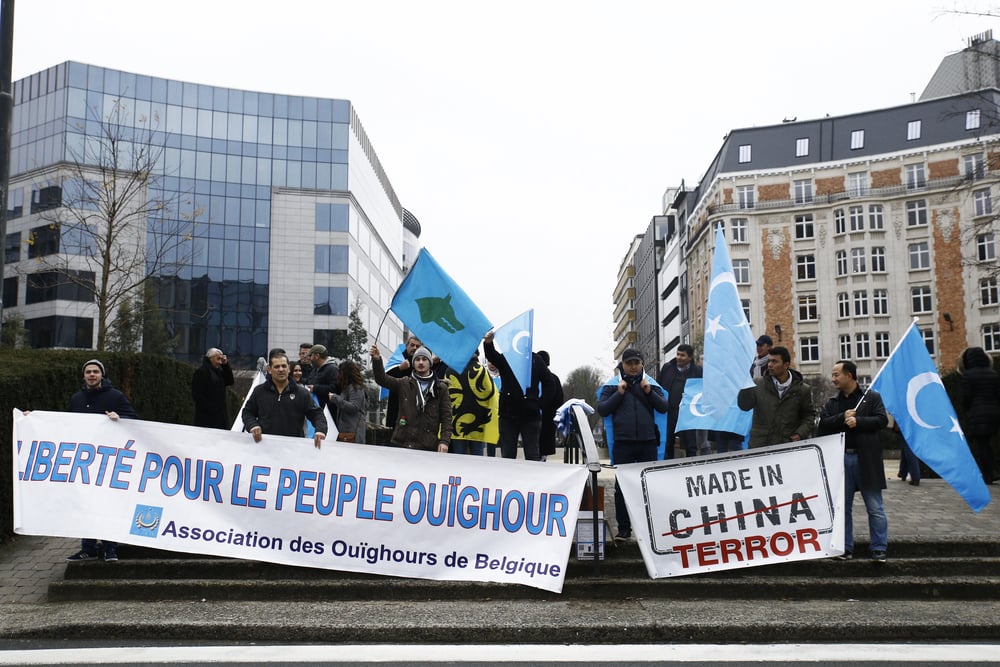
Reports of mass detention camps, forced labor, and cultural suppression targeting Uyghur Muslims in Xinjiang province have drawn condemnation from human rights groups worldwide. Western governments have accused China of committing genocide, though Beijing insists these are vocational training centers meant to combat extremism.
The controversy has led to boycotts of products made in the region and diplomatic tensions between China and numerous countries. Athletes and companies doing business with China face pressure to speak out, though many remain silent fearing economic retaliation.
Trump’s Muslim travel ban
— Photo by renaschild
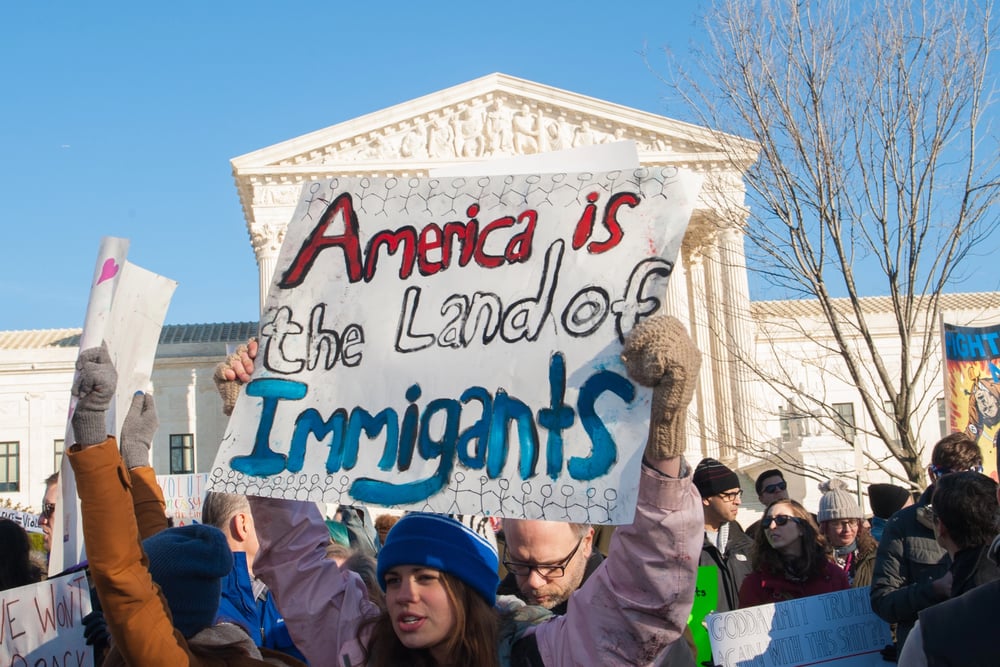
Within days of taking office in 2017, President Trump signed an executive order restricting travel from several Muslim-majority countries. Airports became scenes of chaos as travelers were detained or turned away, sparking spontaneous protests and legal challenges across America.
The decision damaged relationships with key allies in the Middle East and was seen by critics as discrimination disguised as security policy. Courts struck down multiple versions of the ban before a modified version was eventually upheld, though the controversy never fully subsided.
Russia’s annexation of Crimea
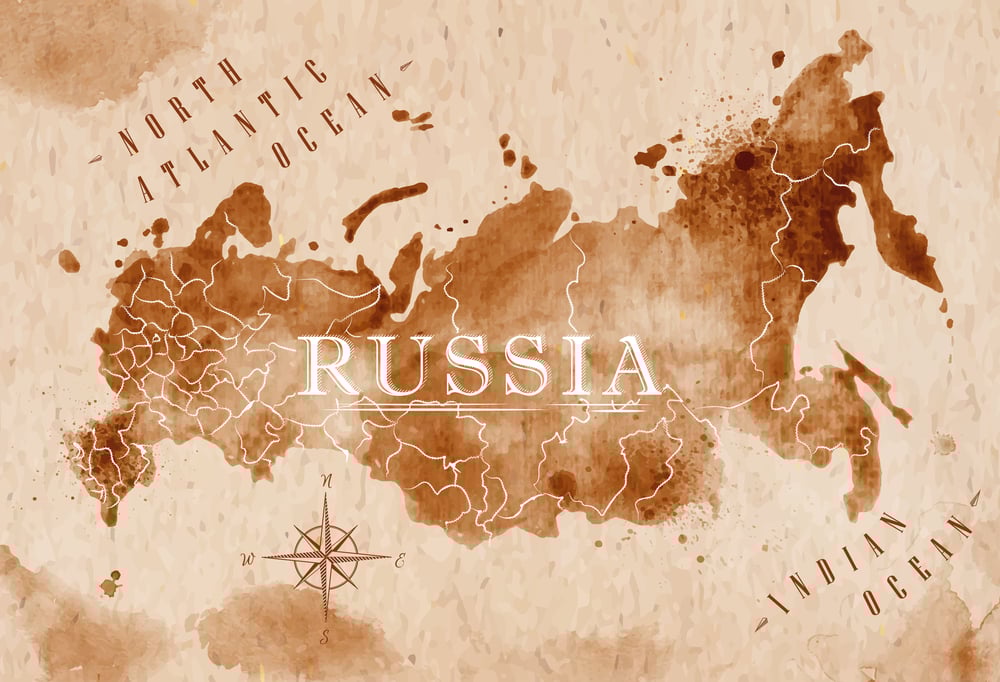
When Russia seized Crimea from Ukraine in 2014, it violated international norms that had been held since World War II about respecting sovereign borders. The move triggered economic sanctions from Western nations that remain in place today and essentially expelled Russia from the G8 group of leading economies.
Ukraine lost not just territory but access to crucial Black Sea ports, while ethnic Russians in the region celebrated reunification with their homeland. The decision set the stage for broader conflict and showed that territorial conquest wasn’t just a relic of history books.
Australia’s offshore detention centers
The policy of sending asylum seekers to remote facilities in Papua New Guinea and Nauru has been called cruel and inhumane by international observers. Detainees, including children, have spent years in these camps with limited access to medical care, education, or legal representation.
Reports of abuse, self-harm, and deteriorating mental health conditions have sparked outrage from human rights organizations worldwide. Australia defends the policy as necessary to stop human trafficking and dangerous boat journeys, but critics see it as punishment for people fleeing persecution.
India’s citizenship amendment controversy
A 2019 law offering citizenship to religious minorities from neighboring countries specifically excluded Muslims, triggering massive protests across India. Critics argued the legislation violated India’s secular constitution and discriminated based on religion, while supporters claimed it helped persecuted groups.
The demonstrations turned deadly in several cities, with police accused of excessive force against protesters. The decision raised international concerns about the treatment of India’s 200 million Muslims and the direction of the world’s largest democracy.
Saudi Arabia’s Yemen intervention
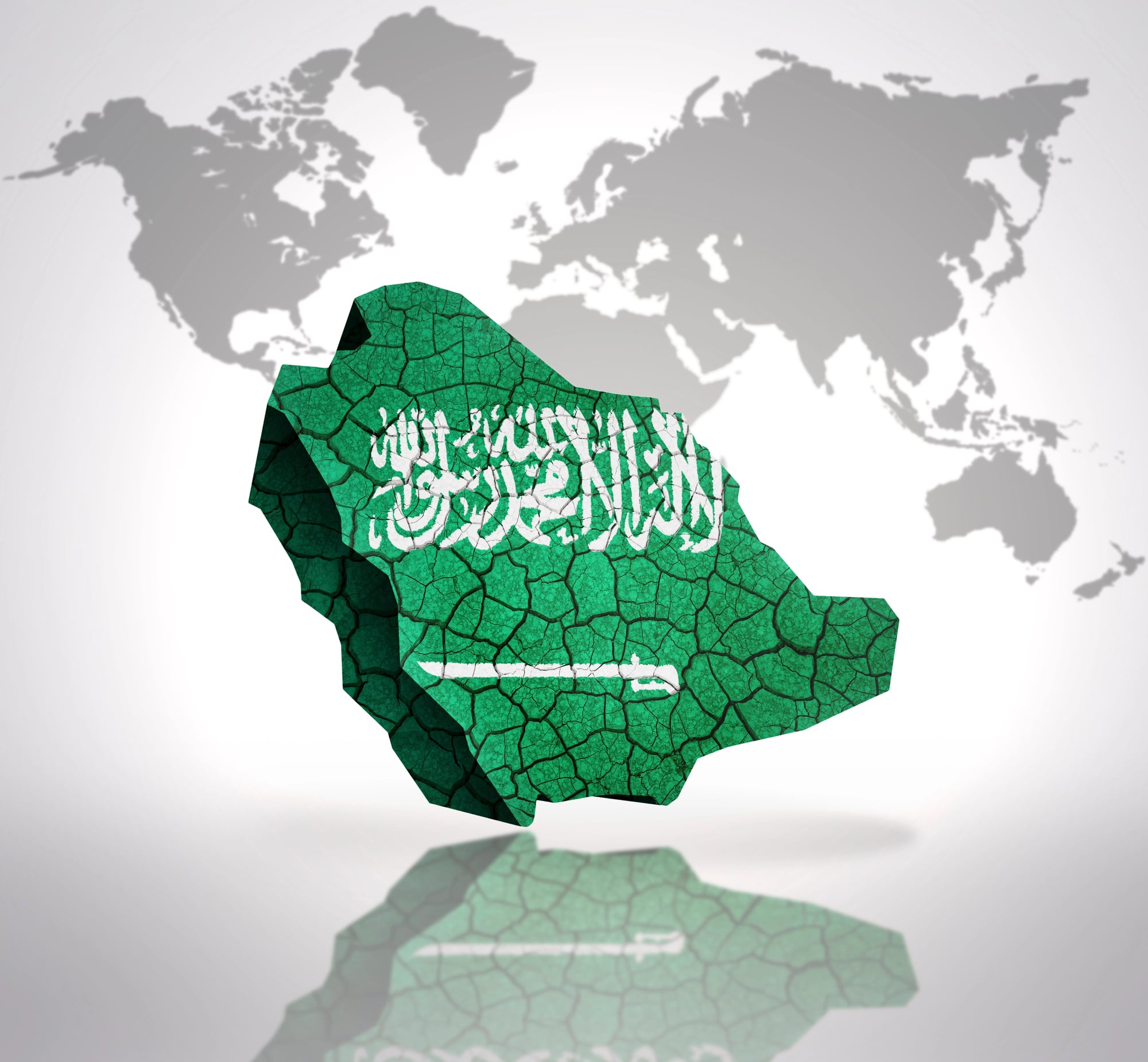
The Saudi-led military campaign in Yemen, which began in 2015, has created what the United Nations calls the world’s worst humanitarian crisis. Airstrikes have hit hospitals, schools, and weddings, killing thousands of civilians while a blockade has pushed millions to the brink of starvation.
Western nations face criticism for selling weapons used in the conflict, with some suspending arms sales while others continue business as usual. The war has received less media attention than other conflicts, yet its human toll rivals any modern disaster.
Hungary’s anti-refugee stance
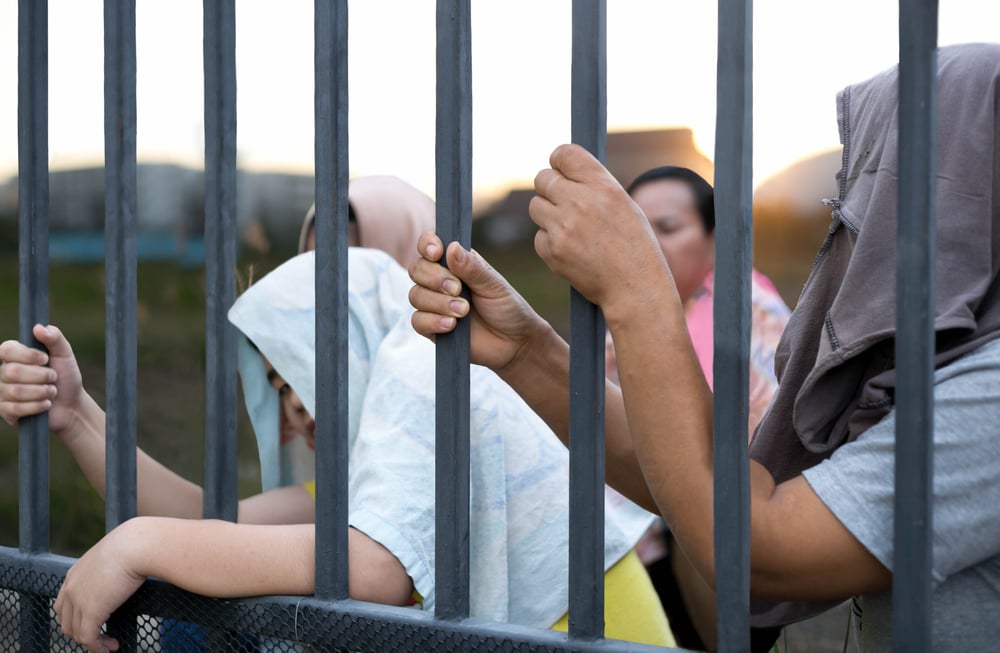
Prime Minister Viktor Orbán built border fences and passed laws criminalizing those who help asylum seekers, positioning Hungary as Europe’s most hostile destination for refugees. The policies drew sharp criticism from the European Union and human rights groups but proved popular domestically, helping Orbán maintain power.
Hungary’s approach influenced other Eastern European nations and contributed to broader debates about migration, sovereignty, and European values. The decision highlighted the growing divide between Western and Eastern Europe on fundamental questions of identity and solidarity.
France’s burqa ban
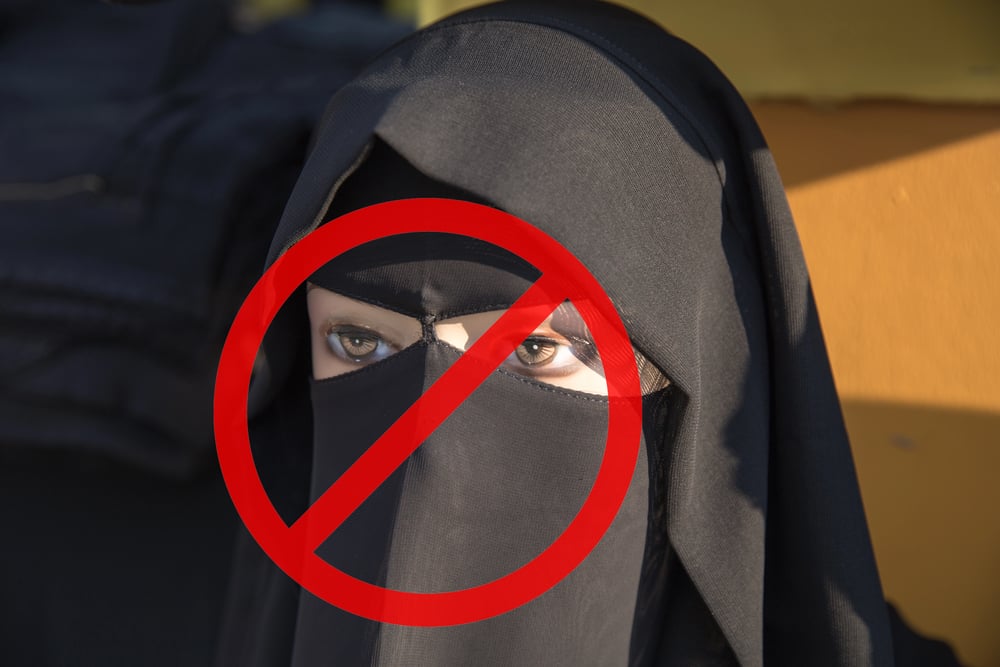
The 2011 law prohibiting face coverings in public spaces was framed as a security measure and defense of secular values, but critics saw it as targeting Muslim women. Women wearing niqabs or burqas face fines, while those forcing others to cover their faces risk larger penalties and potential imprisonment.
The policy sparked debates about religious freedom, women’s rights, and state authority that spread to other European countries considering similar restrictions. Muslim communities felt singled out and alienated, while supporters argued France was protecting its cultural identity and gender equality principles.
Turkey’s Hagia Sophia conversion
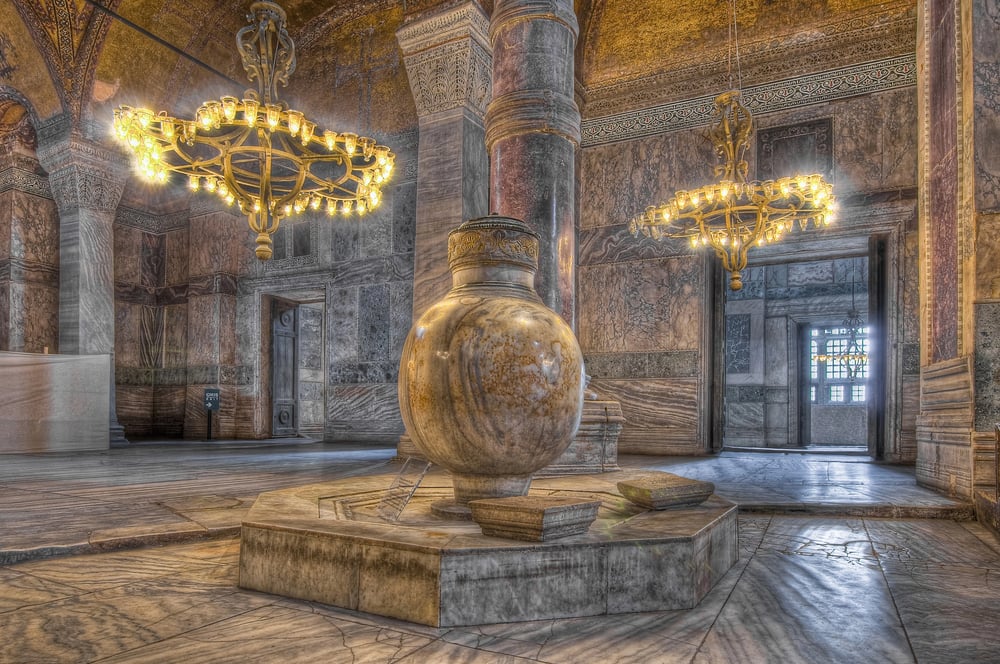
President Erdoğan’s 2020 decision to convert the Hagia Sophia from a museum back into a mosque angered Orthodox Christians worldwide and concerned secular Turks. The building had served as a church for nearly a thousand years before becoming a mosque after Constantinople’s fall, then a museum in 1935 as a symbol of modern Turkey’s secular identity.
UNESCO and religious leaders voiced disappointment, though Turkey maintained its sovereign right to determine the building’s use. The move was seen as part of a broader shift toward religious nationalism in Turkish politics.
Poland’s abortion restrictions
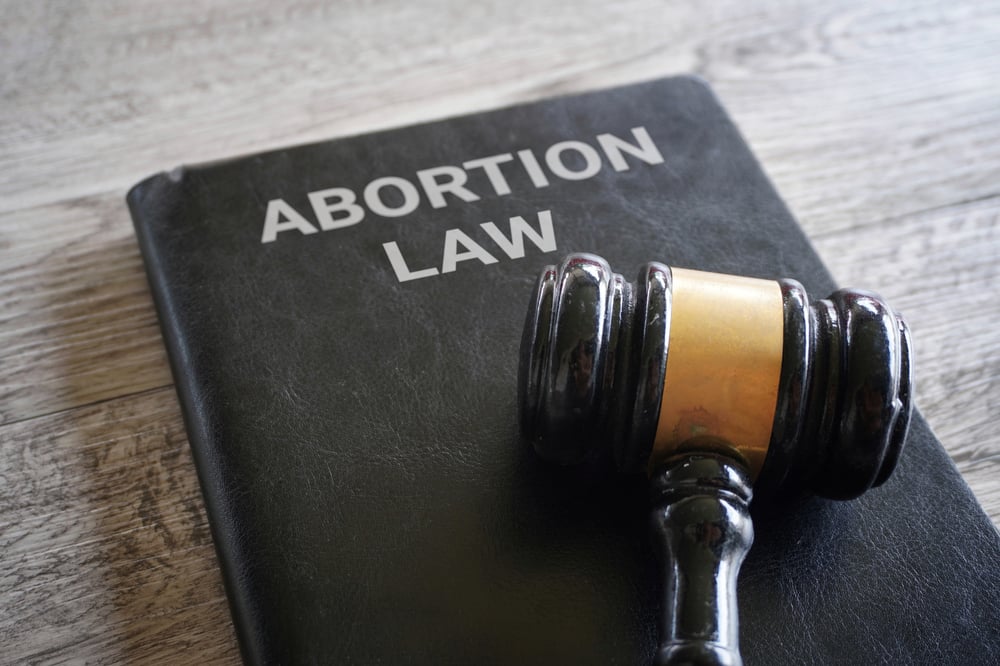
A 2020 court ruling that banned abortions for fetal abnormalities eliminated one of the few remaining legal grounds for the procedure in Poland. The decision triggered the largest protests in the country since communism fell, with hundreds of thousands taking to the streets despite pandemic restrictions.
Women’s rights advocates called it a devastating blow in a country that already had some of Europe’s strictest abortion laws. The Catholic Church’s influence on the ruling sparked anger among younger Poles who saw it as religious interference in personal decisions.
Myanmar’s Rohingya crackdown
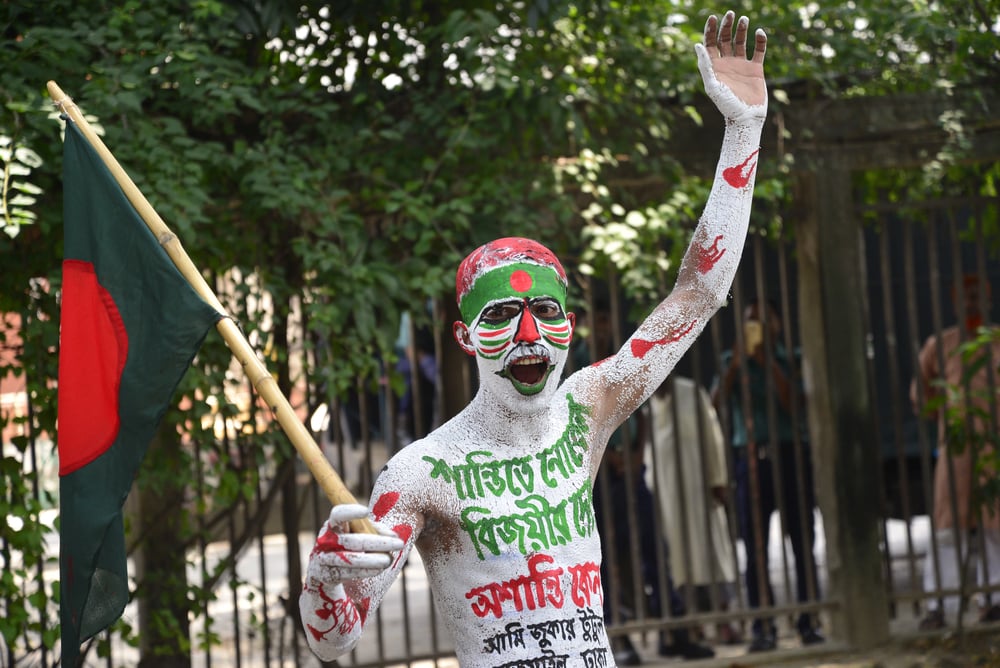
The 2017 military campaign against Rohingya Muslims forced over 700,000 people to flee into Bangladesh in what UN officials described as ethnic cleansing. Villages were burned, thousands were killed, and survivors reported systematic atrocities that investigators said bore the hallmarks of genocide.
Aung San Suu Kyi, once celebrated as a democracy icon, defended the military’s actions and faced international condemnation for her refusal to acknowledge the crisis. The situation exposed the limits of international justice and the world’s inability to stop mass atrocities in real time.
Israel’s settlement expansion policies
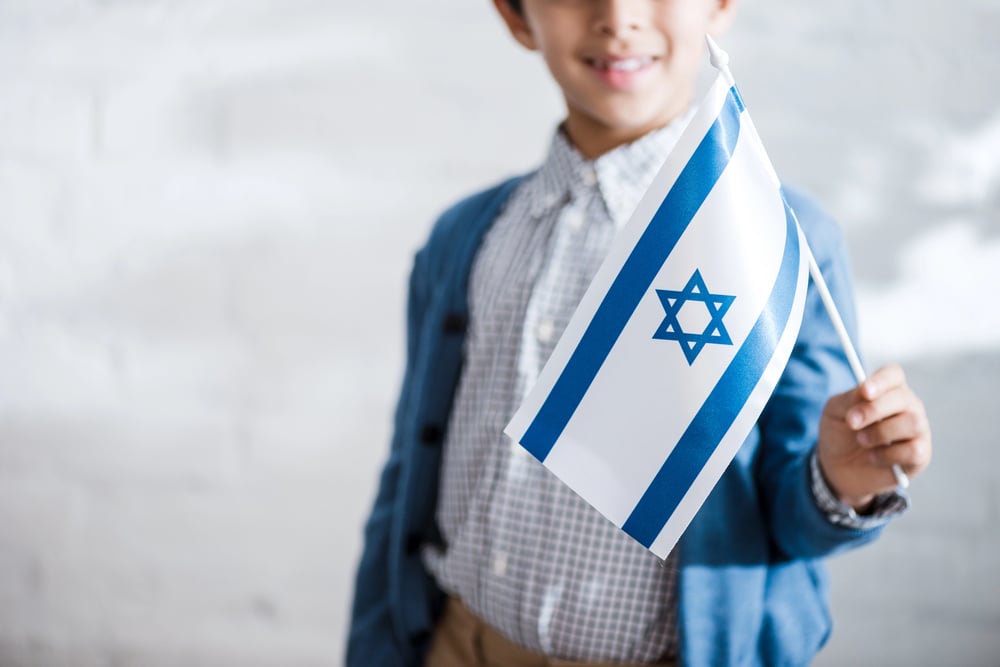
Continued construction of Jewish settlements in the West Bank, considered illegal under international law, has drawn decades of criticism and complicated peace efforts. Each announcement of new housing units triggers diplomatic protests and sets back already difficult negotiations with Palestinians.
The settlements fragment Palestinian territory and are seen by many as an attempt to create facts on the ground that make a two-state solution impossible. American policy has flip-flopped between administrations, with some calling settlements illegitimate while others offer support, adding to the confusion and frustration.
Venezuela’s economic policies under Maduro
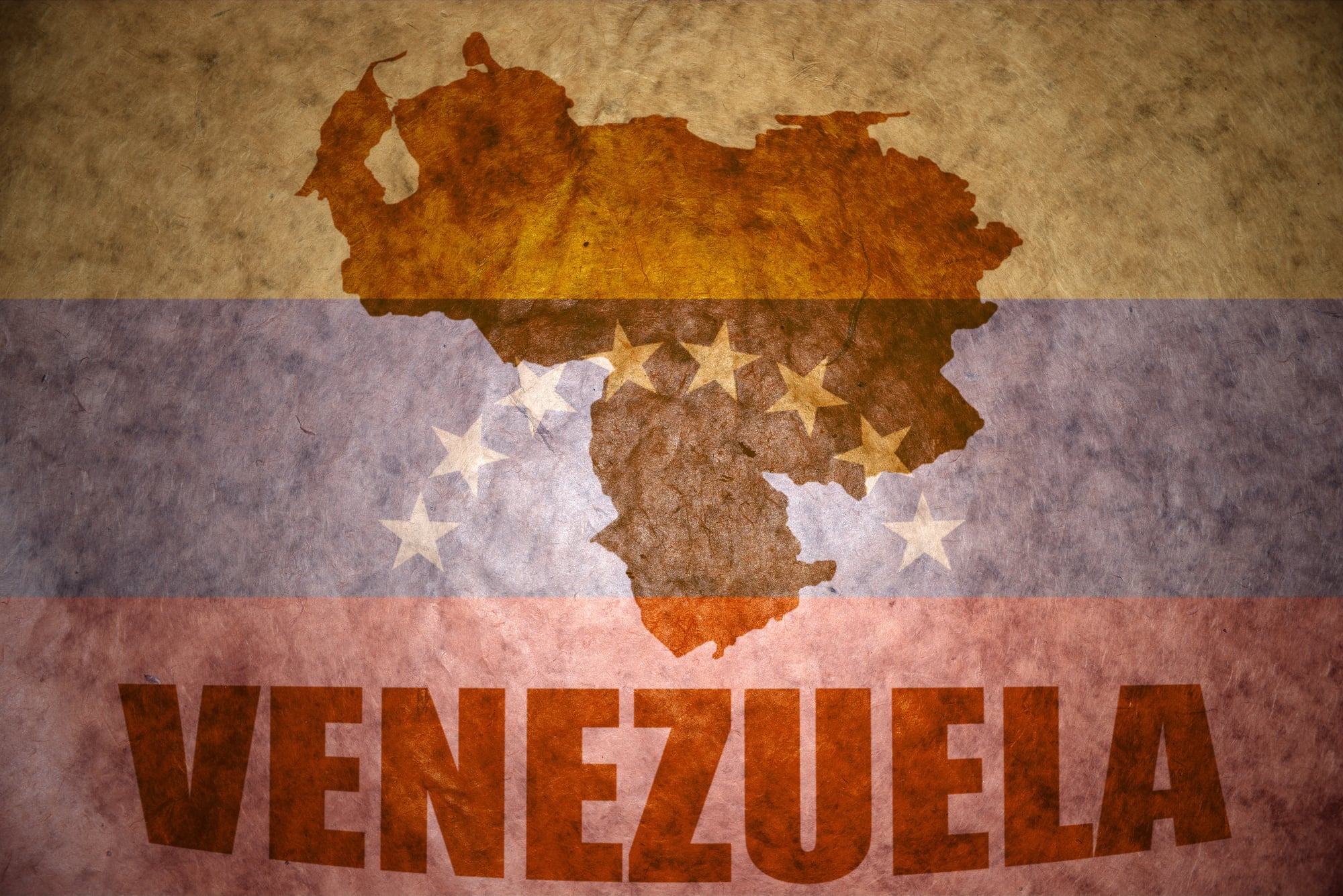
Maduro won’t shift direction even as prices skyrocket and the economy tanks – pushing huge numbers to escape. Cash was pumped nonstop by his regime to pay off bills, private firms got taken over, yet he points at outside bans for issues already brewing way earlier.
Relief efforts nearby are stretched thin trying to handle waves of displaced people, while back home folks can’t find enough food, meds, or daily essentials. Some nations backed Guaidó as temporary leader, making it messy – different sides supporting rival powers, but zero real control anywhere on the streets.
Killings tied to Philippines’ battle on drugs

Few thousand people have died in Duterte’s war on drugs since 2016 – cops and street enforcers going after alleged users or sellers. Rights watchdogs found proof of fake charges, quick killings without trial; still, he shrugged it off, pushing for harsher crackdowns.
Locals tired of theft and chaos backed him, yet foreign eyes were shocked, prompting ICC probes into abuses. Relatives of the dead fought uphill battles for answers in courts while Duterte laughed at dissenters, warning anyone bold enough to challenge his way.
North Korea’s nuclear weapons program
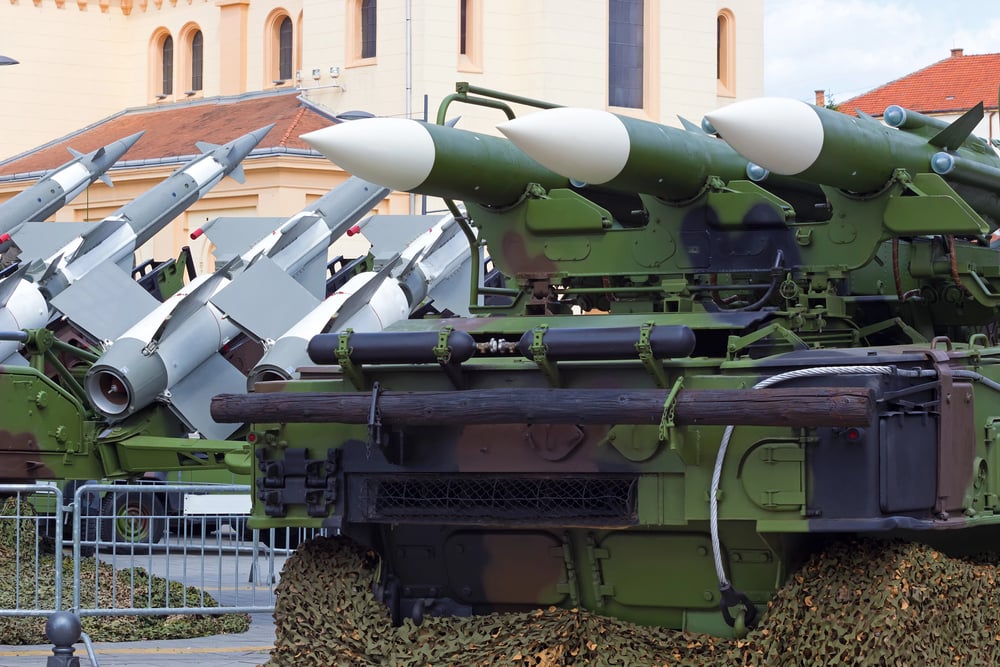
Kim Jong Un’s push for nukes that can hit the U.S. has put us nearer to atomic war than ever since those tense Cold War days. This effort ignores UN orders, leading to harsh penalties – regular people suffer, yet leaders live fine.
Talks keep falling apart; hope pops up then vanishes when missiles fly again. Seoul and Tokyo stay on edge every single day.
For American leaders, there aren’t smart choices here – just less-worst paths.
Nicaragua’s suppression of dissent
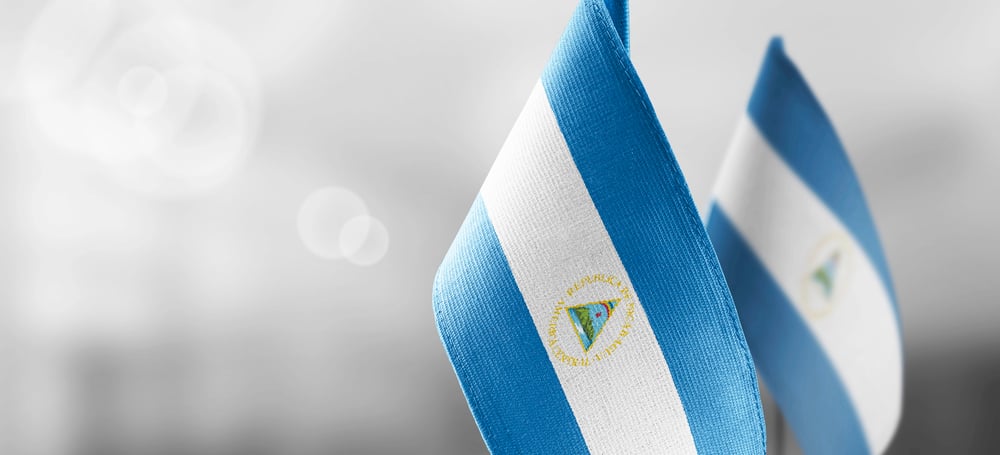
President Ortega’s harsh response to uprisings starting in 2018 flipped Nicaragua from a hopeful democracy into a tight-fisted regime in just days. Police shot dead many protest participants, locked up key dissenters, and also silenced non-government news sources.
Officials kicked out global rights observers, meanwhile going after the Catholic Church once clergy gave shelter to activists. Ex-revolution allies ended up jailed or forced abroad whereas Ortega tightened control, wiping out real political rivalry through rigged votes lacking fairness.
When rage turns into doing

These choices show how politics reaches further than countries or elections. A move in one city might change daily life somewhere else – war, movement of folks, money troubles.
Anger about them isn’t just posts online – it’s actual humans hit by rulings from far-off offices. Seeing this makes today’s world clearer – a time when faith in leaders is weak and many feel left out, even in systems said to speak for them.
More from Go2Tutors!

- The Romanov Crown Jewels and Their Tragic Fate
- 13 Historical Mysteries That Science Still Can’t Solve
- Famous Hoaxes That Fooled the World for Years
- 15 Child Stars with Tragic Adult Lives
- 16 Famous Jewelry Pieces in History
Like Go2Tutors’s content? Follow us on MSN.