16 Unique Fruits and Vegetables Only in Asia
Asia’s incredible range of climates and terrains has led to the growth of some of the most intriguing fruits and vegetables found anywhere on Earth. From the lush tropics of Southeast Asia to the cool hills of East Asia, this region is home to produce that doesn’t just grow — it thrives — in ways you won’t see elsewhere.
Over centuries, these plants have adapted to their surroundings, developing unexpected flavors, textures, and appearances that often catch outsiders by surprise. While some of these ingredients are staples in local diets, they remain unfamiliar to much of the world.
Here are 16 fruits and vegetables that are unique to Asia — each one a glimpse into the region’s rich biodiversity and cultural traditions.
Dragon fruit
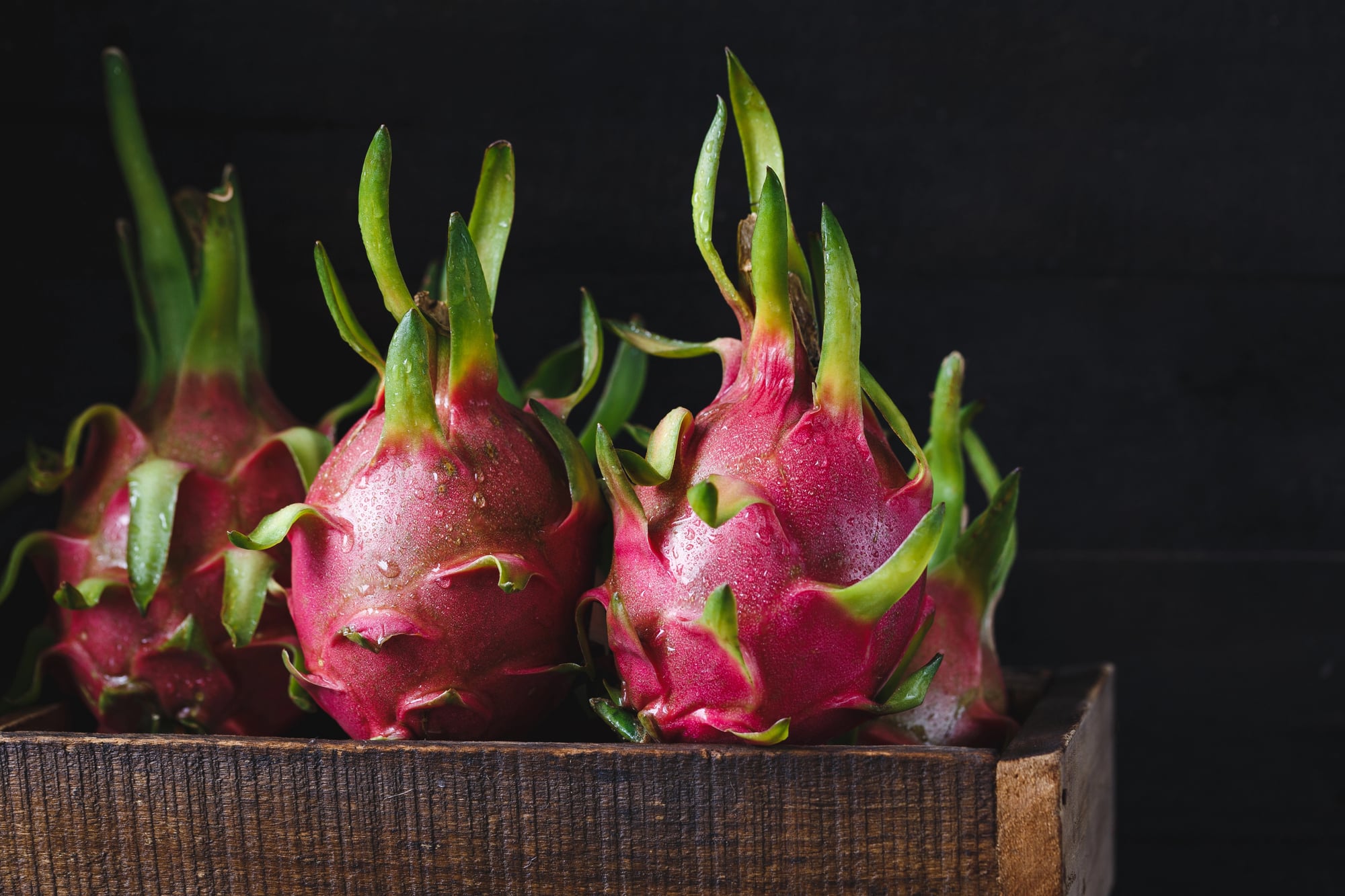
With its neon-colored skin and green, flame-like scales, dragon fruit looks like something out of a sci-fi film. Inside, the flesh is either bright white or deep magenta, dotted with tiny black seeds that add a light crunch.
Though it originally hails from southern Mexico, this cactus fruit has become a signature crop in parts of Southeast Asia like Vietnam and Thailand. Its flavor? Mild and refreshing — think somewhere between a kiwi and a pear, but softer and subtler.
Rambutan

If a lychee decided to go punk, you’d get rambutan. Native to Malaysia, this fruit gets its name from the Malay word rambut, meaning hair — a nod to its wild, hairy red shell.
Pop it open and you’ll find sweet, juicy flesh with a texture similar to a grape, but with a taste that’s more complex, with subtle floral notes mingling with tropical sweetness.
Japanese persimmon

Persimmons grow in many parts of the world, but Japan’s take on them — known as kaki — is something else entirely. These bright orange fruits come in both crisp and soft varieties.
Eat them firm like an apple, or let them ripen into a syrupy, jelly-like consistency that almost dissolves in your mouth. Japan has cultivated over a thousand types, some mouth-puckeringly astringent, others sweet enough to rival candy.
Buddha’s hand citron

This fruit earns its name for obvious reasons — it looks like a hand, fingers and all. But don’t expect any juice.
Unlike most citrus fruits, Buddha’s hand is all rind and fragrance, with no pulp inside. Its powerful lemony scent makes it popular for zesting or perfuming a room. In its native China, it’s also a symbol of happiness and good fortune.
Durian

Love it or loathe it, durian leaves an impression. Known across Southeast Asia as the “king of fruits,” it’s famous for its strong smell — strong enough to get it banned from public transport and hotel lobbies.
Inside its tough, spiked shell is soft, custard-like flesh with a taste that fans describe as rich and complex, while detractors often can’t get past the overpowering odor. Either way, it’s an experience you won’t forget.
Asian pear

Forget what you know about pears. These round, crisp fruits — known as nashi in Japan and li in China — are more like apples in texture but keep the classic pear flavor.
They’ve been cultivated for thousands of years and are prized for their juicy crunch and subtle sweetness, especially during the sweltering summers of East Asia.
Mangosteen

This tropical gem is sometimes called the “queen of fruits,” and once you taste it, you’ll understand why. Hidden beneath a thick purple rind are soft, white segments of fruit that taste like a blend of peach, citrus, and something floral.
It’s tricky to ship fresh mangosteen because of how delicate it is, but those who’ve had it fresh say it’s one of the finest fruits on Earth.
Chinese bitter melon

At first glance, bitter melon isn’t winning any beauty pageants. Its bumpy green skin and oblong shape can be a little off-putting, and the taste — well, it’s in the name.
But across Asia, it’s beloved for its bitterness and is often used to balance out rich, savory dishes. Traditional Chinese medicine also regards it as a cooling food, good for balancing internal heat.
Jackfruit

This fruit is a showstopper — literally. It can grow up to 80 pounds and appears directly on the trunks of its tree, making it look like some kind of jungle oddity.
Native to parts of India, jackfruit has become a go-to meat alternative in vegetarian cooking thanks to its pulled-pork-like texture. Its natural sweetness, though, reminds you that it’s still very much a fruit.
Korean pear

Korea’s version of the Asian pear, called bae, is a bit of a national treasure. These golden-skinned fruits are super juicy — you might need a napkin — and they carry a honeyed sweetness that’s hard to match.
They’re often gifted during special occasions, as symbols of health, respect, and longevity.
Lychee

This delicate fruit has been beloved in China for over two millennia. Beneath its rough, pink skin is fragrant white flesh with a floral aroma and a subtle, grape-like texture.
In ancient times, emperors even had relay teams deliver fresh lychees over long distances. That’s how coveted they were — and still are.
Water spinach
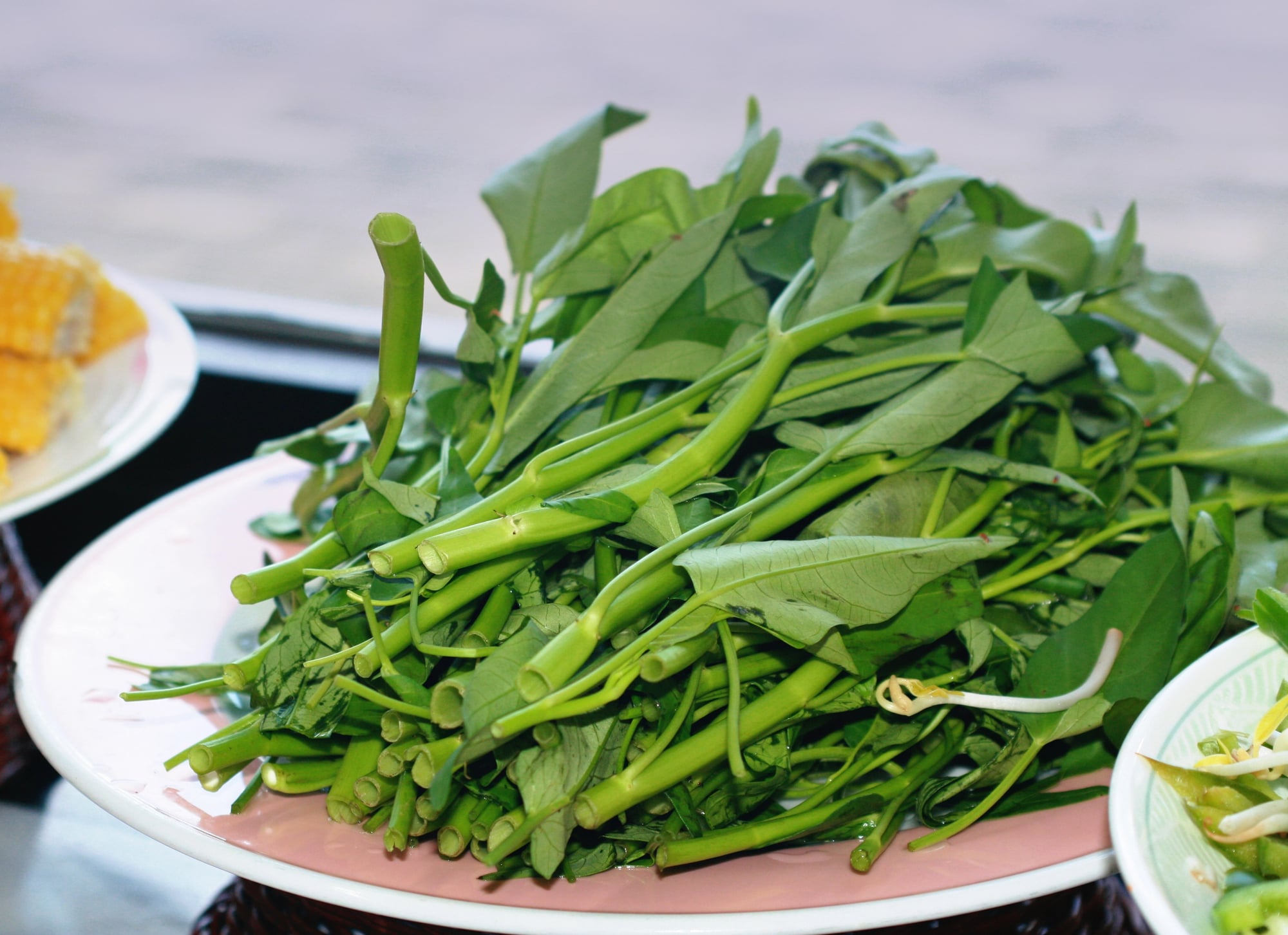
Known as kangkung in much of Southeast Asia, this aquatic green grows fast and wild near waterways. Its hollow stems and tender leaves offer a unique contrast in texture — crunchy yet soft — and its mild flavor makes it perfect for soaking up spices in stir-fries.
A dash of garlic and chili transforms it into something magical.
Tamarind

At first glance, tamarind pods look like dry, brittle husks. But crack one open and you’ll find sticky pulp with an intense sour-sweet flavor that’s essential in many Asian dishes.
From Indian chutneys to Thai noodle sauces, tamarind delivers depth, tang, and complexity. It’s the secret behind that addictive zing in many recipes.
Asian long beans

These super-sized green beans — also known as yard-long beans — can stretch over three feet long, though they’re usually chopped before cooking. Their texture is chewier than the Western variety, and their nutty flavor holds up well in bold dishes.
They’re staples in curries, stir-fries, and street food across Asia.
Pomelo

Think of pomelo as a grapefruit’s gentler, more generous cousin. It’s bigger, sweeter, and far less bitter.
The thick rind can be a challenge to peel, but inside is soft, juicy flesh that’s often enjoyed with a dash of salt and chili in Southeast Asia. It’s a refreshing, balanced snack that hits every part of the palate.
Winter melon

Despite the name, winter melon isn’t sweet — and it’s not really a melon either. This massive gourd can grow to enormous sizes and has a waxy skin that helps it store well without refrigeration.
The flesh is mild and spongy, soaking up the flavors of broths and stews. In Asian cooking, it’s a go-to ingredient for hearty, warming dishes.
A living heritage

These fruits and vegetables are more than just food — they’re part of a living, breathing tradition. While supermarkets around the world are stocked with globally familiar produce, many of these Asian varieties remain tied to the regions they came from.
That’s partly due to climate, but also because of cultural significance and the challenges of transport. Each of them carries a legacy of farming, flavor, and identity.
As global trends and climate shifts continue, protecting these unique ingredients becomes more than a culinary concern — it’s a way of preserving culture itself.
More from Go2Tutors!

- The Romanov Crown Jewels and Their Tragic Fate
- 13 Historical Mysteries That Science Still Can’t Solve
- Famous Hoaxes That Fooled the World for Years
- 15 Child Stars with Tragic Adult Lives
- 16 Famous Jewelry Pieces in History
Like Go2Tutors’s content? Follow us on MSN.



