Magazines Teens Obsessed Over in the 2000s
Before Instagram feeds and TikTok trends, teens got their celebrity gossip and fashion advice from actual paper magazines. The 2000s represented the final golden age of teen publications, when glossy pages covered in pull-out posters and quizzes dominated bedroom walls and backpacks.
Walking into any drugstore or supermarket checkout meant facing rows of colorful covers featuring the hottest young stars of the moment. These magazines shaped how an entire generation thought about fashion, beauty, relationships, and pop culture.
They were more than just reading material. They were social currency at school, traded between friends and discussed during lunch breaks.
The magazines of this era captured a specific moment before smartphones changed everything. Their pages tell the story of what teens cared about when social media was just beginning.
Seventeen
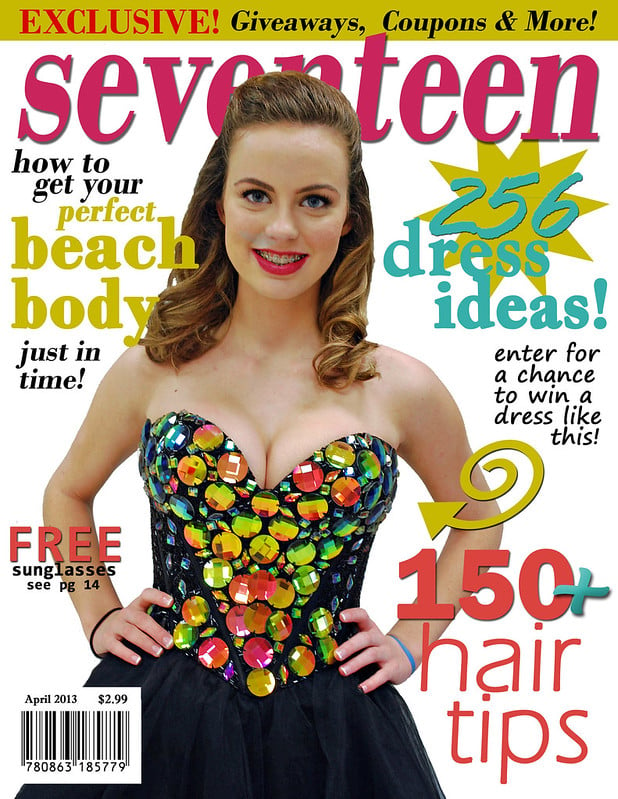
This magazine had been around since 1944, but it hit peak popularity during the 2000s. The magazine targeted readers between ages 11 and 19, though plenty of younger kids bought it hoping to seem older.
Every issue promised beauty tips, fashion spreads, and celebrity interviews alongside the famous embarrassing stories column called Trauma Rama. The magazine stayed in print longer than most of its competitors, adapting over the decades while other titles folded.
Seventeen represented the aspirational older sister vibe that younger teens wanted to channel.
CosmoGirl
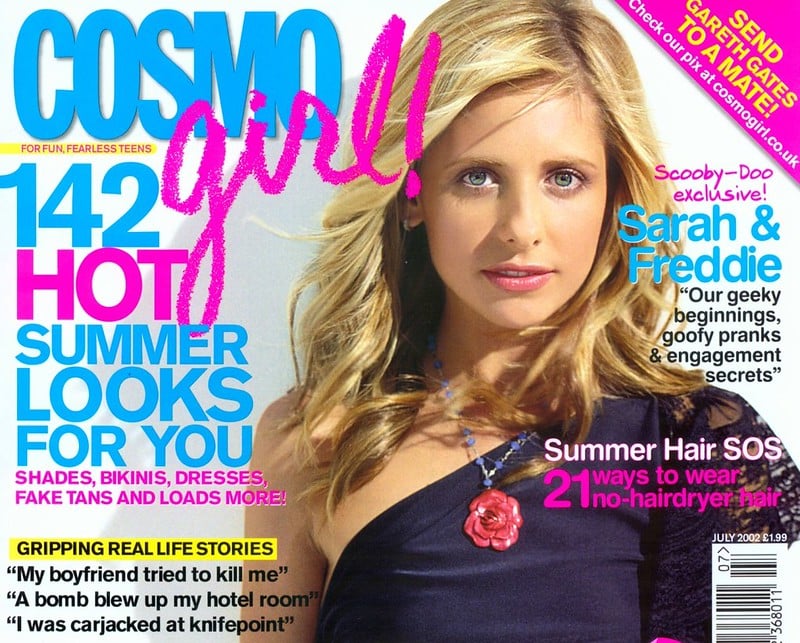
Launched in 1999 as the teenage spin-off of Cosmopolitan magazine, this publication quickly became a favorite. Editor Atoosa Rubenstein became something of a celebrity herself, writing personal letters to readers and including childhood photos of herself complete with braces and frizzy hair.
The magazine’s name came from Rubenstein scrawling ‘Girl!’ across a mock-up cover in hot pink lipstick. CosmoGirl balanced fashion and beauty content with real talk about issues teens actually faced, creating a sense of intimacy with readers that felt different from other magazines.
Teen People
This offshoot of People magazine brought celebrity culture directly to teenage readers. Time Inc. launched Teen People to capitalize on teens’ fascination with young Hollywood.
The magazine featured in-depth celebrity profiles, behind-the-scenes access to movie sets and TV shows, and photo shoots that felt more sophisticated than other teen publications. Getting featured in Teen People meant a young celebrity had officially arrived.
The magazine ran from 1998 until 2006, covering the peak years of early 2000s pop culture.
J-14
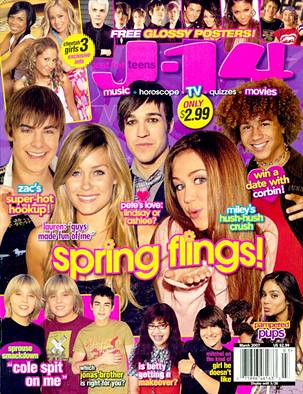
J-14 began at the same time Bop and Tiger Beat were slowing down their growth and it emerged as real competition. This magazine went full chaos with its design, cramming every available space with photos, captions, quizzes, and bright colors.
The name came from ‘Just 14’, targeting the younger end of the teen spectrum. Pages were covered in heart graphics, star symbols, and exclamation points.
J-14 featured the latest teen heartthrobs and included sections where readers could learn random facts about their favorite celebrities.
Tiger Beat
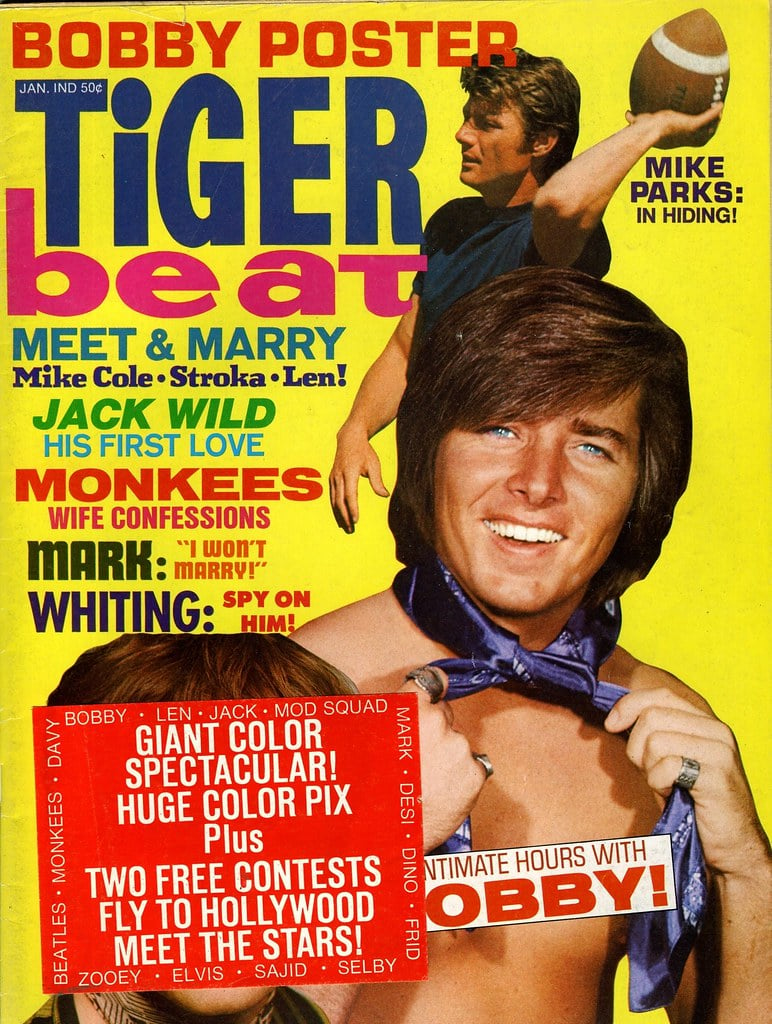
One of the oldest teen magazines still operating in the 2000s, Tiger Beat had been around since 1965. Its print operations ended in December 2018, but during the 2000s it remained a staple for celebrity obsessed teens.
The magazine specialized in giant pull-out posters perfect for covering bedroom walls. Every issue promised exclusive interviews and photo shoots with the biggest names in music, TV, and movies.
Tiger Beat’s longevity proved that the basic formula of cute celebrity photos and gossip never really went out of style.
Bop
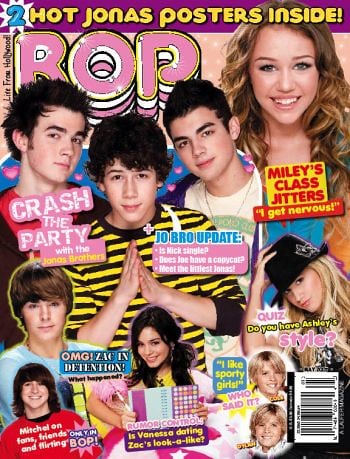
Sharing a publisher with Tiger Beat, Bop offered nearly identical content with a slightly different design aesthetic. Both magazines were published monthly since 1983.
The two magazines featured the same celebrities, same poster formats, and same style of content, just packaged differently. Teens often bought both anyway because they wanted every available photo of their favorite stars.
Bop’s name suggested upbeat, bouncy energy that matched the magazine’s enthusiastic coverage of teen pop culture.
YM
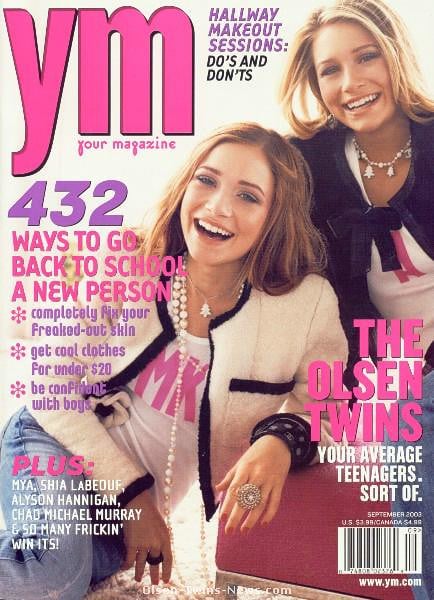
The name originally stood for Young Miss, but it was revamped as Young & Modern under Bonnie Fuller in the ’80s, and reborn once again in 2001 as Your Magazine. YM had a longer history than most teen magazines, with 72 years in print before closing.
During the 2000s, the magazine tried to differentiate itself by featuring plus-sized models and covering topics like gay proms. The embarrassing stories section called Say Anything gave readers a place to share their most mortifying moments and feel less alone.
Teen Vogue
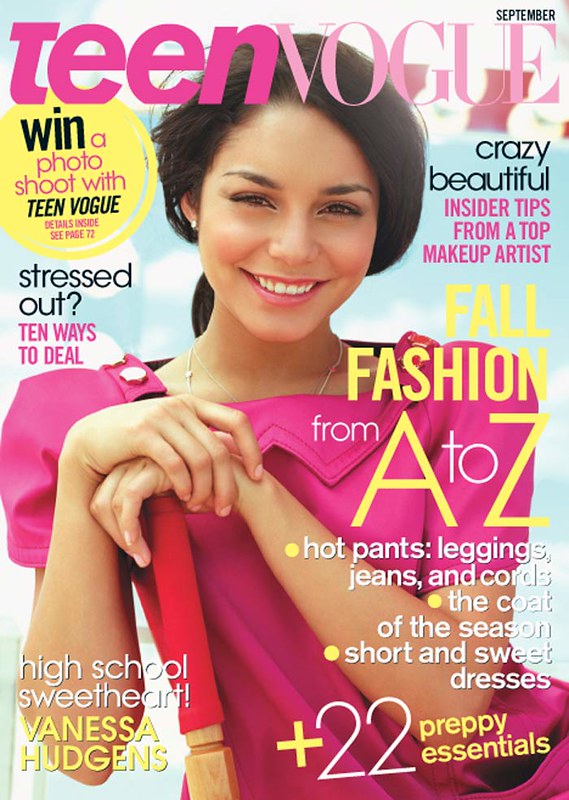
Conde Nast unveiled their first test issue in 2000, with Nick Lachey and Jessica Simpson on the cover. This magazine aimed higher than most teen publications, treating young readers like intelligent people interested in fashion, culture, and eventually politics.
Teen Vogue’s photo spreads looked like they belonged in adult fashion magazines, and the writing quality exceeded most competitors. The magazine eventually shifted to digital-only format in 2015, but during the 2000s it represented the sophisticated option for fashion-forward teens.
ElleGirl

Launched in August 2001 as a monthly release focused on bold fashion, beauty, health, and entertainment, this magazine brought high fashion to teen readers. As the younger sister to Elle magazine, ElleGirl featured editorial spreads that looked expensive and aspirational.
The magazine only lasted until summer 2006, making it one of the shorter-lived publications of the era. Despite its brief run, ElleGirl influenced how teens thought about fashion by presenting trends in a sophisticated way that didn’t talk down to young readers.
Twist
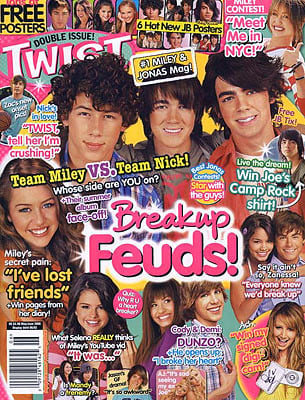
Twist began its print era in 1997 and ended in 2016, outlasting many of its competitors. The magazine targeted tween and teen girls with celebrity interviews, fashion tips, and beauty advice.
Twist competed in an incredibly crowded market of similar publications, all fighting for the same readers and covering the same celebrities. What made teens choose one magazine over another often came down to which celebrity graced that month’s cover or which posters came included inside.
Right On!
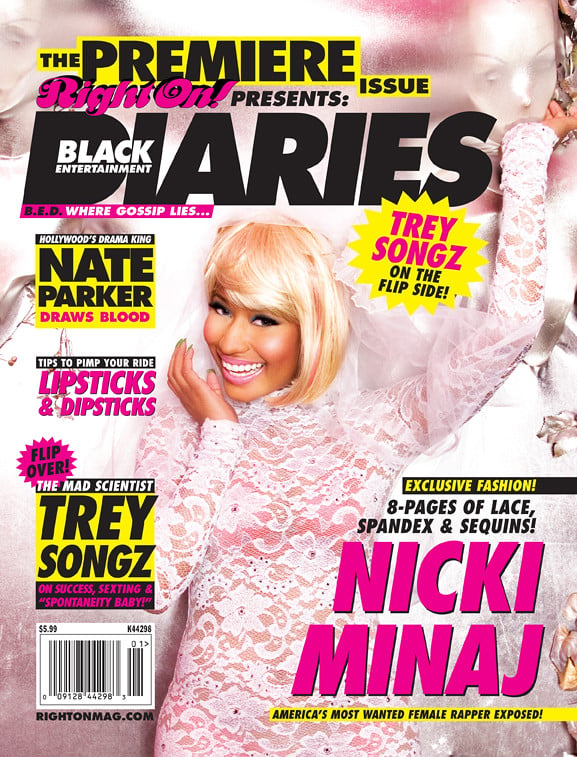
Many believe Right On! to be the first magazine in the U.S. to cater to Black teens, launching in 1971. The magazine highlighted Black musicians, athletes, and entertainers alongside film and television celebrities.
During the 2000s, Right On! continued providing representation that mainstream teen magazines often lacked. The publication maintained its print run until 2014, serving multiple generations of readers who wanted to see themselves reflected in the pages of teen magazines.
Word Up!
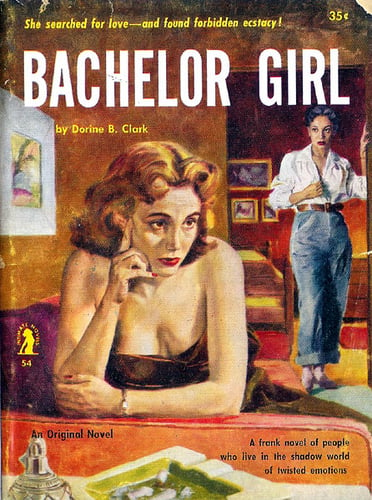
This magazine ran from 1987 until April 2012, focusing on R&B and Rap music. Word Up! became essential reading for teens interested in hip-hop culture at a time when mainstream magazines gave little coverage to rap artists.
Notorious B.I.G. paid homage to the magazine in his song ‘Juicy’, cementing its place in hip-hop history. Readers could tear out posters of their favorite hip-hop and R&B stars, and the magazine provided interviews and information available nowhere else.
Teen Beat
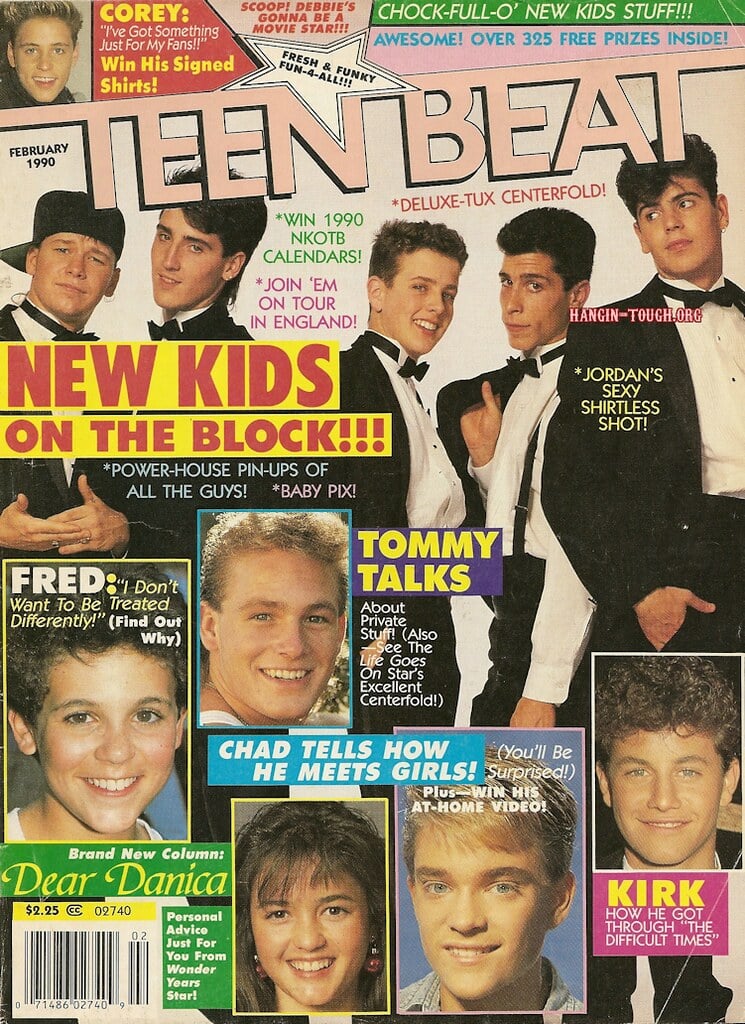
This magazine focused heavily on celebrity pin-ups and posters, similar to Tiger Beat and Bop. Teen Beat had been around since the 1960s, making it one of the longest-running teen publications.
During the 2000s, it continued delivering the celebrity content that had made it popular for decades. The magazine’s survival through multiple eras of teen culture proved that certain formats just worked, regardless of changing times.
Teens wanted posters of cute celebrities, and Teen Beat delivered exactly that.
The poster obsession

Few things drew teens to magazines like the promise of big glossy posters tucked inside. Not just tiny pictures mind you – these were large prints, crisp and bold, showing stars posed in studio lighting.
You’d peel them gently from the centerfold, careful not to tear the edges. Walls turned into collages, layer after layer of pop icons staring back.
Each poster felt like a trophy, proof of loyalty to the latest heartthrob. Choosing a poster felt heavy suddenly, like it meant something.
Whether one stayed flat inside the pages or hung on a wall could tip the balance when hands hovered over stacked magazines near the register.
Quiz culture dominated the pages
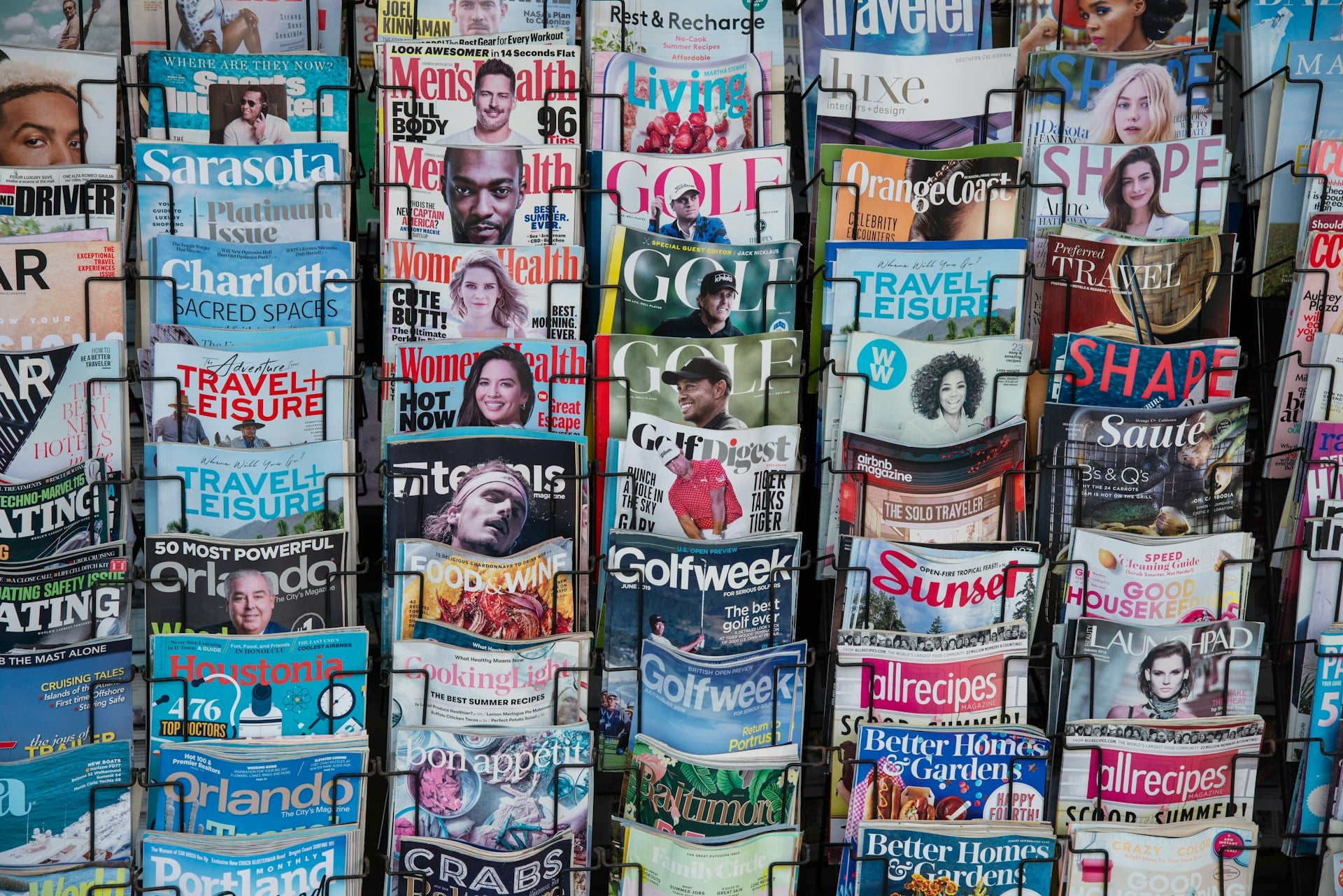
Each magazine stuffed its pages with several quizzes every month, claiming they’d uncover hidden sides of who you really are – your heart’s desires, your ideal match, even what lies ahead. Stuff like “Who should play your dream date in a movie?” or “Why does picking blue mean you’re brave?” took up whole sections, turning quiet afternoons into group events.
Nobody ever checked if the answers held any truth, yet everyone played along anyway. They became mirrors teens used to study themselves while measuring how they stacked up against others nearby.
Back then, answering those questions seemed like one of the most serious things you could do.
The embarrassing stories sections
Almost any teenage magazine carried a spot where kids sent in their cringiest memories. YM called theirs ‘Say Anything,’ Seventeen went with ‘Trauma Rama,’ while Teen asked, ‘Why Me?’
Finding out someone else messed up in public somehow lightened your own clumsy phase. Tales included clothes falling off mid-walk, plus choking on words during crush conversations.
Each one was told with a grin at the narrator’s expense. Editors gave scores to entries – turning shame into an odd contest nobody signed up for but everyone followed.
When everything went digital

Pages once filled with glossy photos started vanishing when screens lit up bedrooms. Websites replaced lockers as spots to stash favorite images.
A shift began around the time profiles popped up on MySpace, then Facebook grew fast. Magazines like Elle Girl closed by 2006, while CosmoGirl lasted just two more years.
Waiting weeks for news inside print felt outdated next to updates streaming by the minute. Online efforts launched, yet clicking links missed the crackle of paper being turned.
Torn-out stars pinned to walls lost their place in browser tabs. Most big names faded entirely or lingered as bare domains.
By 2009, shelves sat empty where racks once stood crowded. Even Teen Vogue let go of ink and paper in 2015 after fewer teens reached for issues.
Where glossy pages met bedroom walls
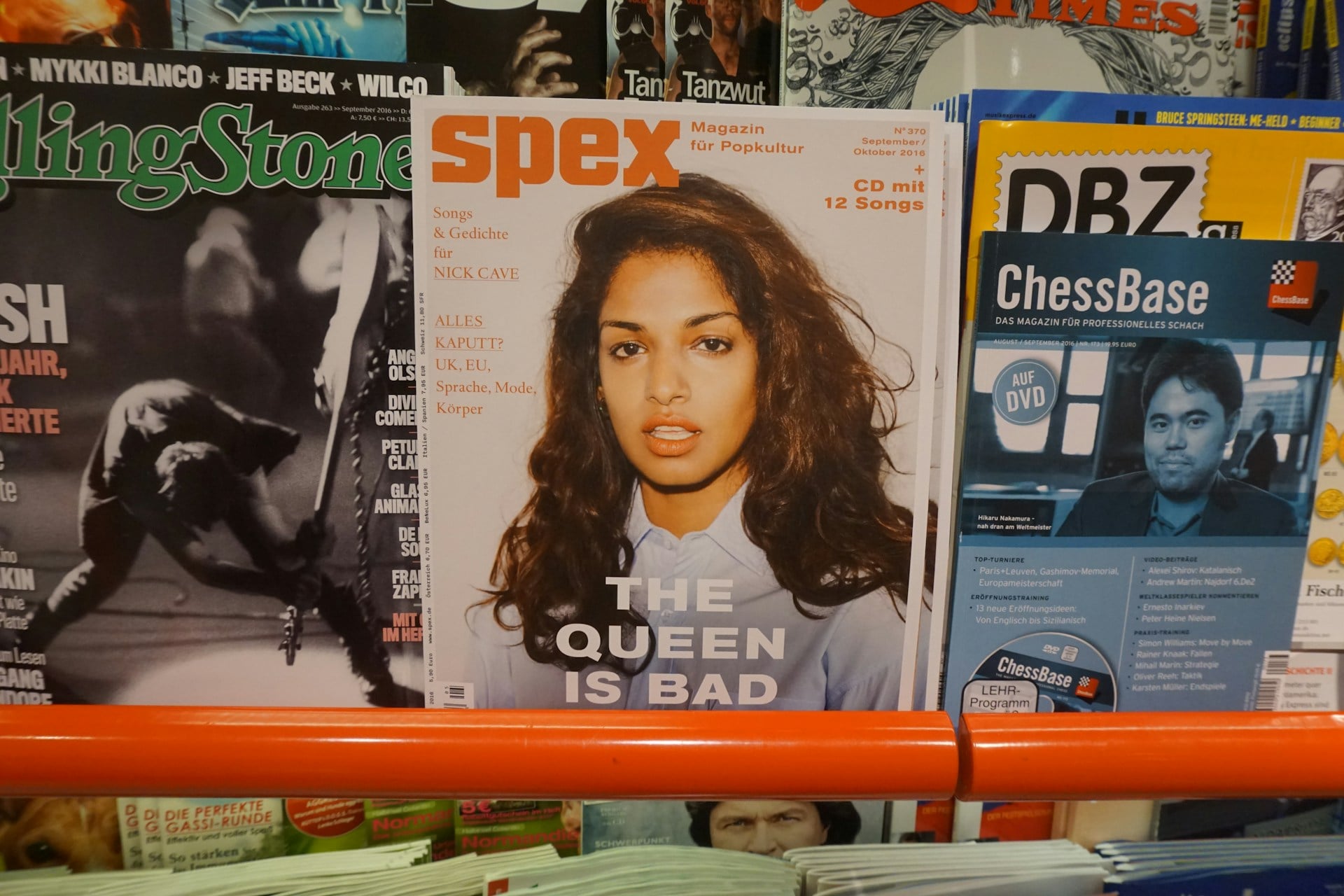
Back then, glossy pages filled with pop stars ruled bedroom floors. A different era baked into every photo spread and interview.
Magazines whispered who mattered most when you were figuring things out. Style tips sat beside heartthrob posters taped to walls.
These booklets handed down rules without saying they were rules. Today, faded scans float through feeds where likes replace dog-eared corners.
Flipping open a magazine bought at the corner store – feeling its weight on your lap while sprawled on worn carpet – that act hardly registers to teenagers now. Pages stacked high beside a bed, read under dim light, seem distant, even odd, given how fast thumbs scroll through glowing rectangles instead.
Yet folks who once saved issues in shoeboxes still recall the smell of ink on glossy paper. That chunky artifact tucked under an arm on the walk home? Proof something real once grounded fleeting moments of youth.
Just before wires rewired the world, these objects held attention like few things do anymore.
More from Go2Tutors!

- The Romanov Crown Jewels and Their Tragic Fate
- 13 Historical Mysteries That Science Still Can’t Solve
- Famous Hoaxes That Fooled the World for Years
- 15 Child Stars with Tragic Adult Lives
- 16 Famous Jewelry Pieces in History
Like Go2Tutors’s content? Follow us on MSN.



