11 Tools That Rewrote the Rules of Science
Science moves forward in bursts and leaps, often when someone invents a tool that lets us see what we couldn’t before. These aren’t just better versions of old equipment – they’re game-changers that force scientists to redraw maps of what’s possible.
From tiny microbes to distant stars, these breakthroughs have repeatedly shocked researchers by showing us parts of the world that were always there, just beyond our reach. Want to know which inventions truly changed everything? Here’s a rundown of 11 revolutionary tools that didn’t just advance science – they completely rewrote the rulebook.
Electron Microscope

Regular microscopes hit their limit with light wavelengths. The electron microscope blasted past those barriers using beams of electrons instead of light.
It’s thousands of times more powerful, strong enough to spot individual atoms. Labs suddenly gained access to a hidden universe where viruses and cell structures came into view.
Mass Spectrometer
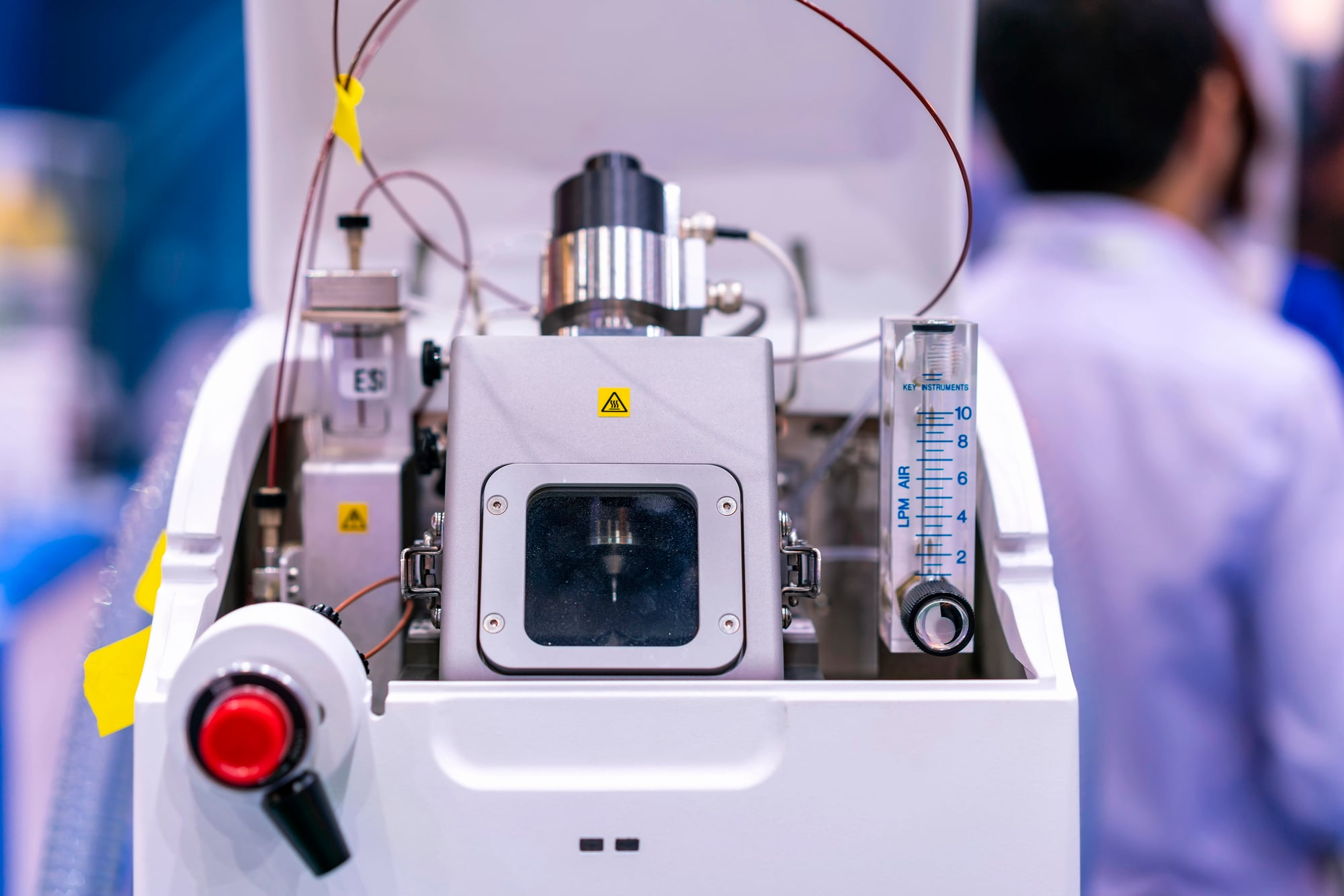
These devices sort molecules by mass, creating unique chemical fingerprints. They can detect substances at unimaginably tiny concentrations.
From moon dust to mystery pills, they reveal what everything is made of. Their precision makes them essential in labs, hospitals, and crime scenes.
Hubble Space Telescope
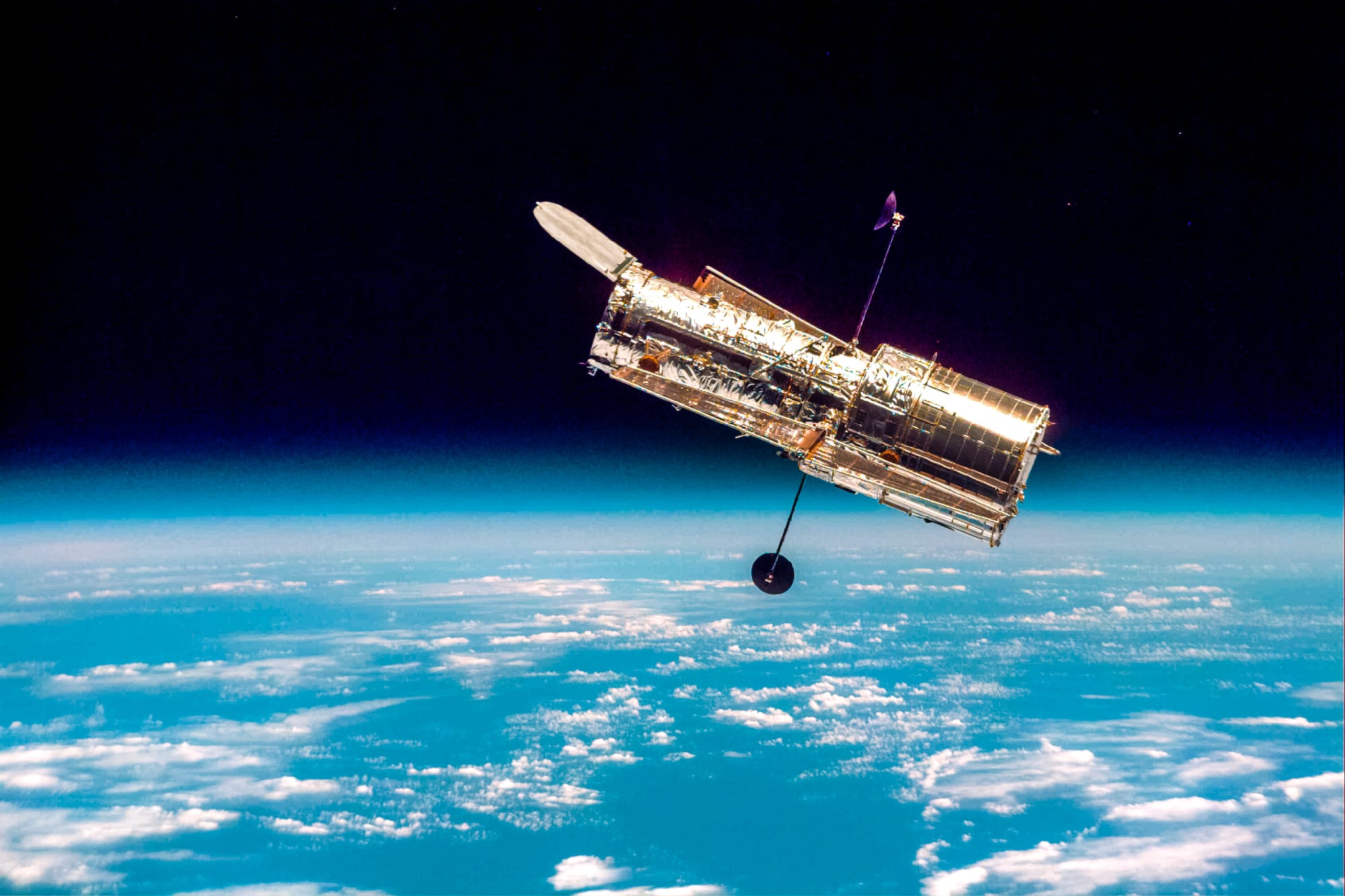
Stars twinkle because Earth’s atmosphere distorts their light. Hubble broke free from that limitation by operating above the atmosphere.
It delivered stunning clarity and data, helping us understand the universe’s age. Its images changed astronomy and thrilled the public alike.
CRISPR-Cas9
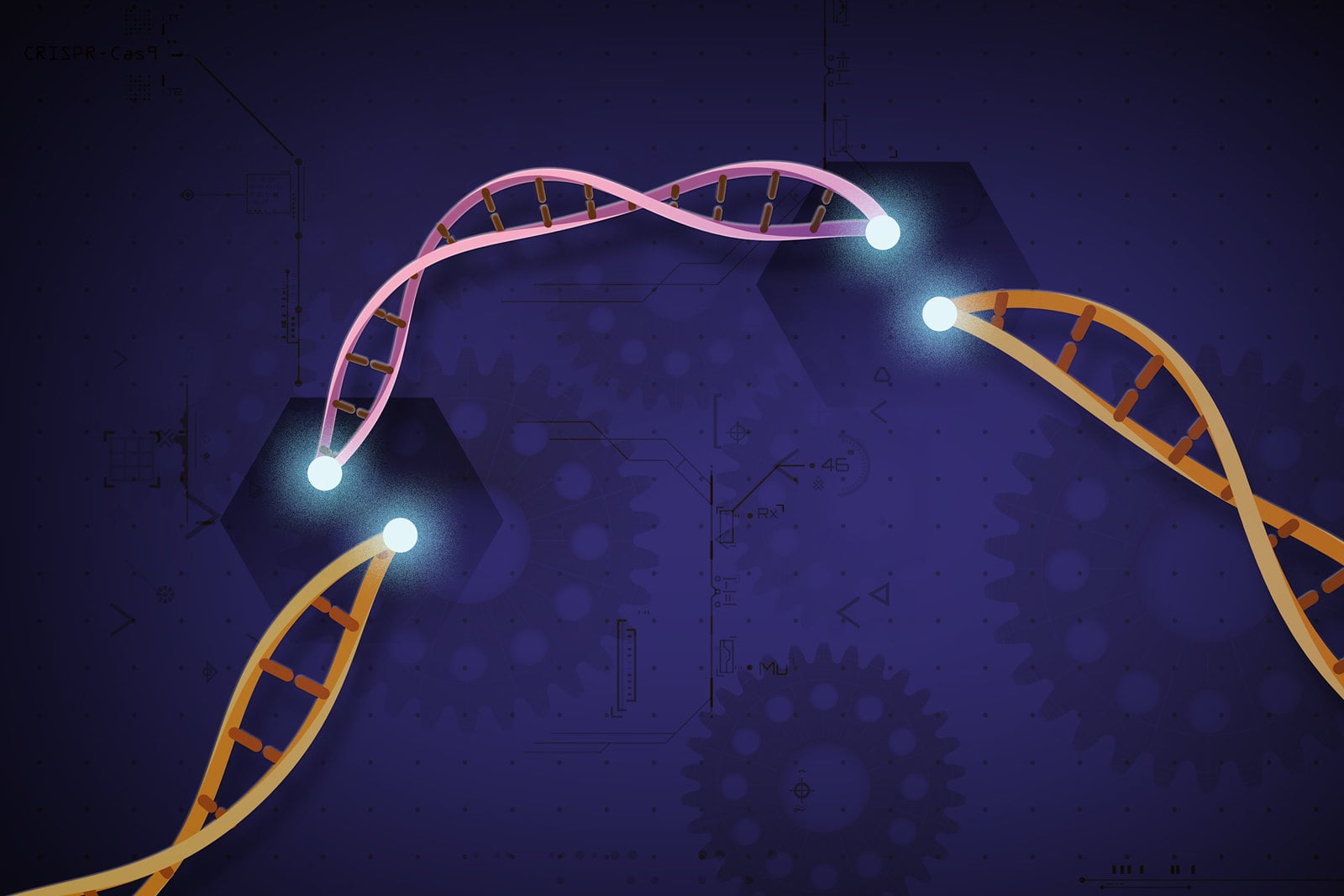
Fixing DNA used to be extremely difficult. CRISPR-Cas9 works like genetic scissors, cutting and editing DNA with remarkable accuracy.
It works across nearly all organisms with DNA. From crops to potential cures, it’s already rewriting the future of biology.
Particle Accelerator
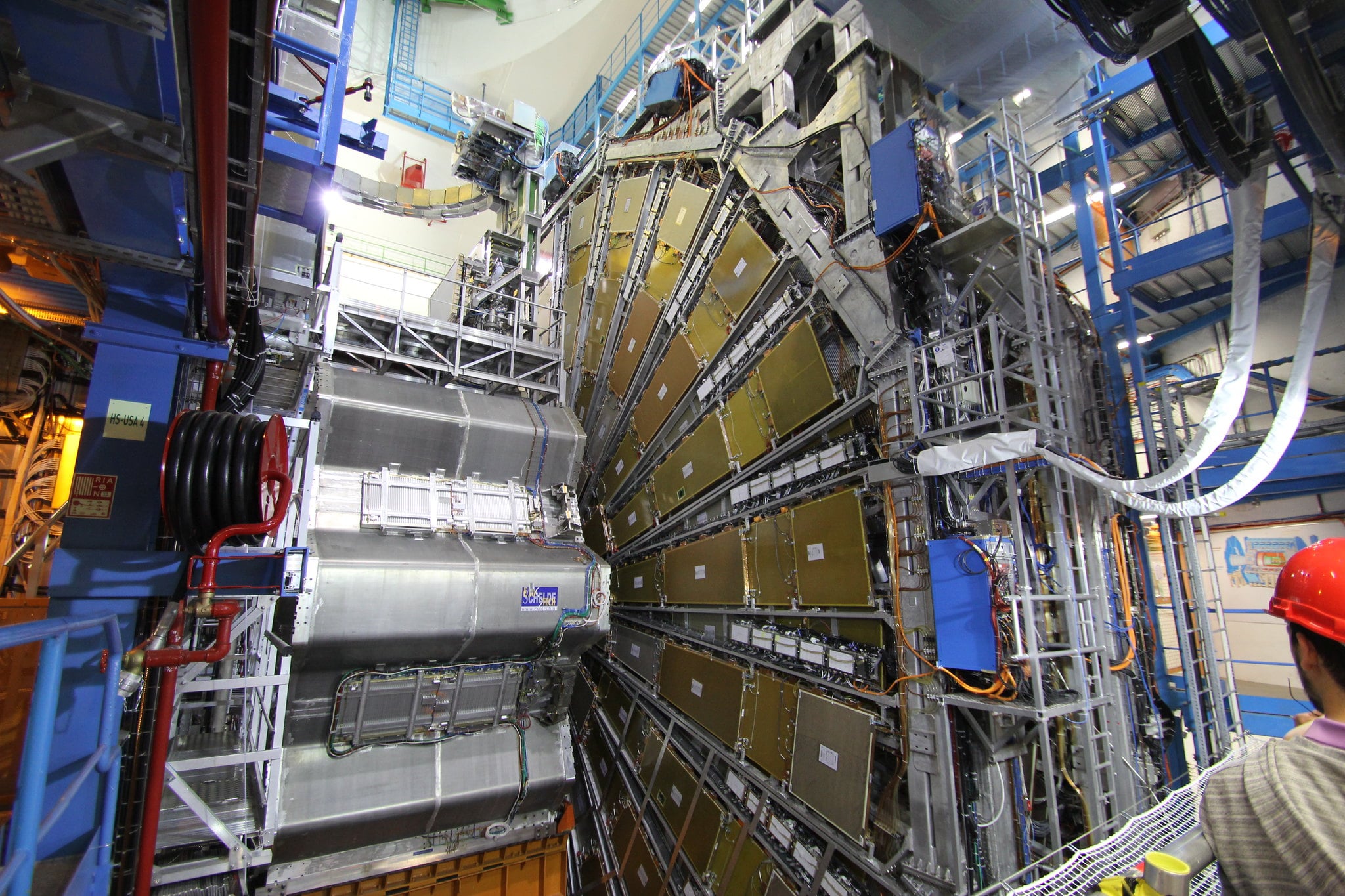
To study the early universe, scientists created machines that smash particles at near light-speed. These machines recreate conditions from seconds after the Big Bang.
The Large Hadron Collider confirmed the Higgs boson and redefined physics. They’re like time machines built from science and steel.
Scanning Tunneling Microscope
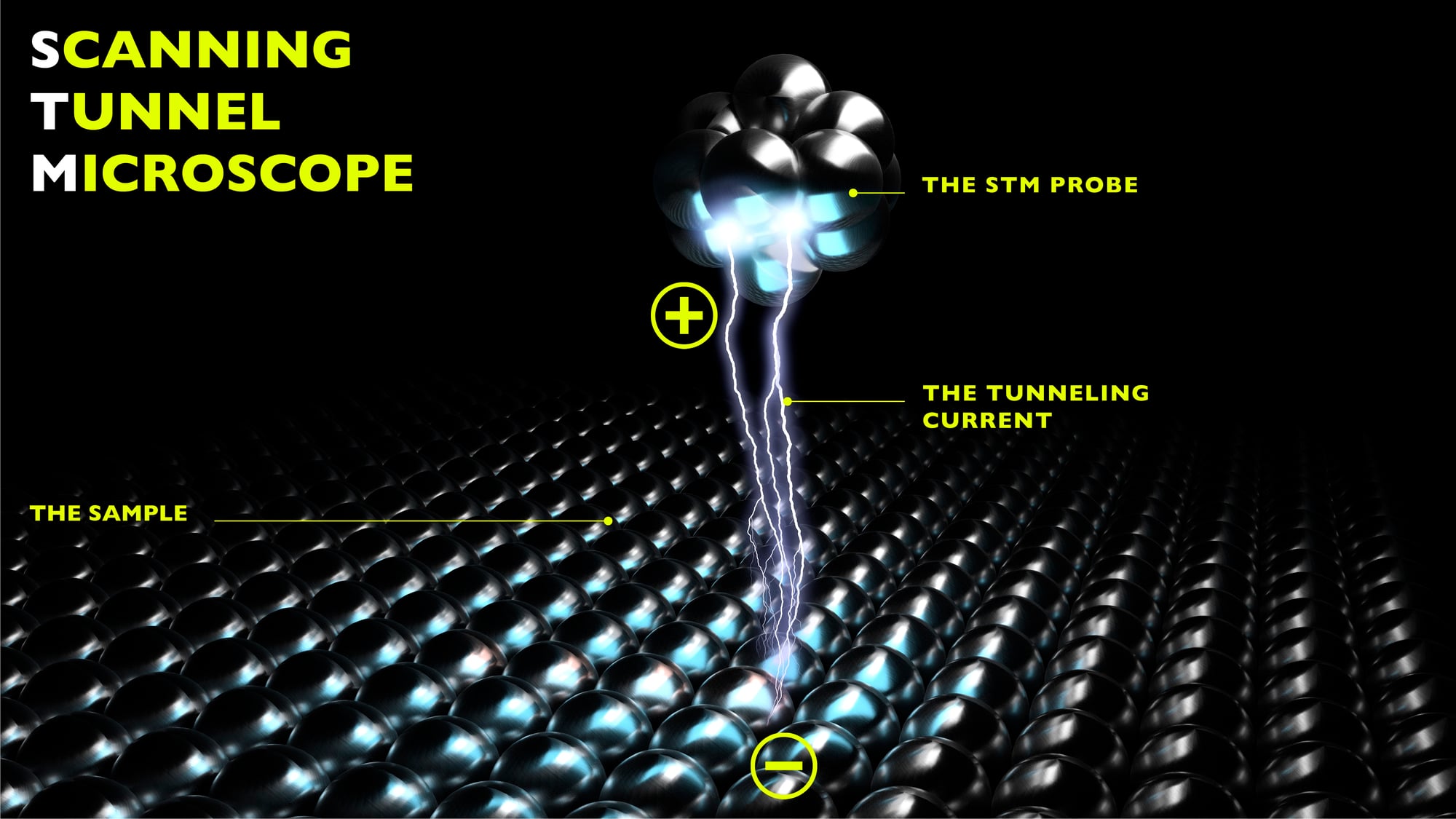
This tool doesn’t just see atoms — it can move them. It uses quantum tunneling to map and interact with surfaces at the atomic level.
It feels like reading Braille with atomic fingers. This discovery sparked the field of nanotechnology.
GPS Satellite Network
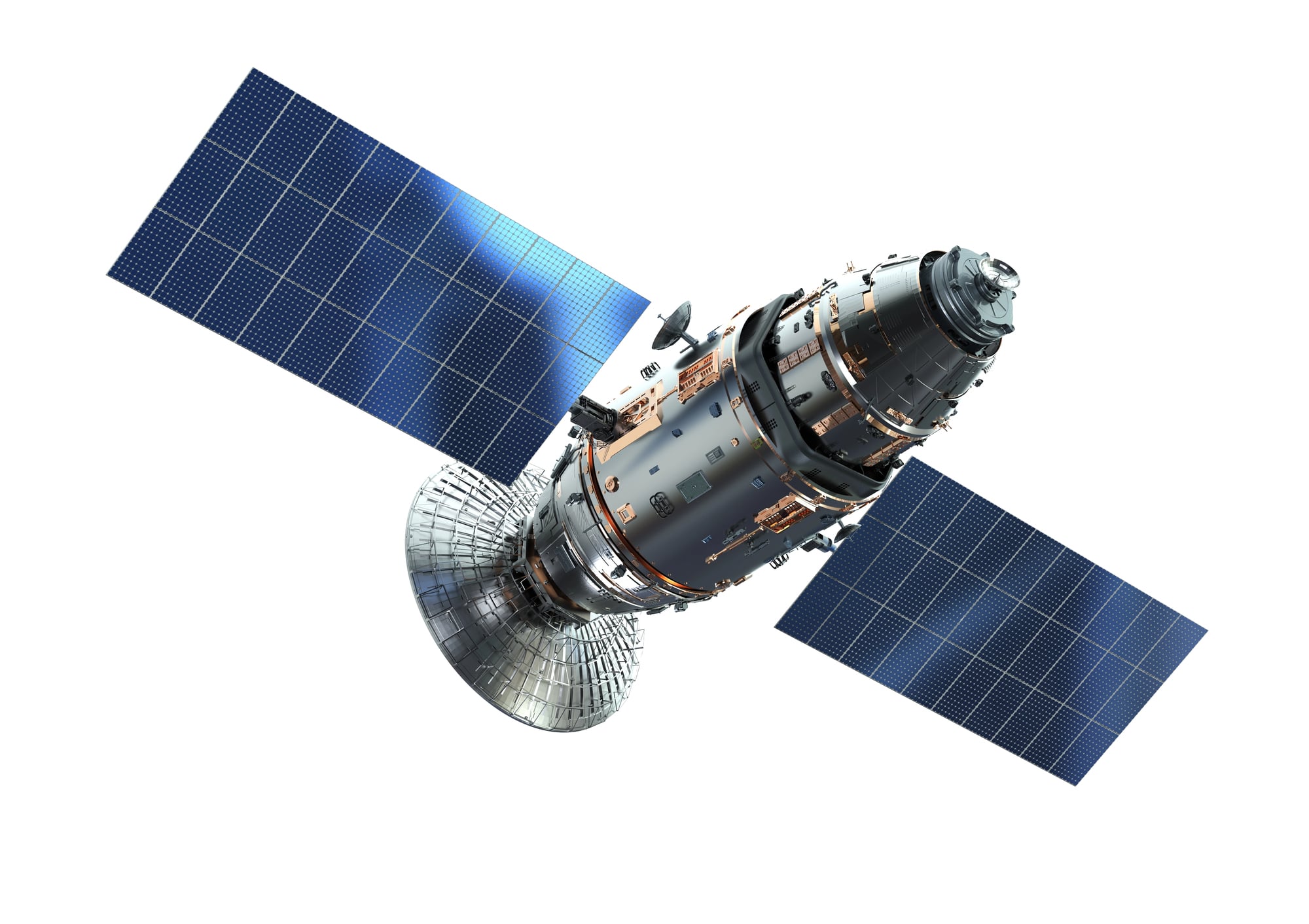
GPS does more than guide road trips. Scientists use it to track tectonic plates and measure melting ice with extreme accuracy.
It delivers millimeter-scale precision anywhere on Earth. Real-time data transformed how we study our planet’s changes.
fMRI Machine
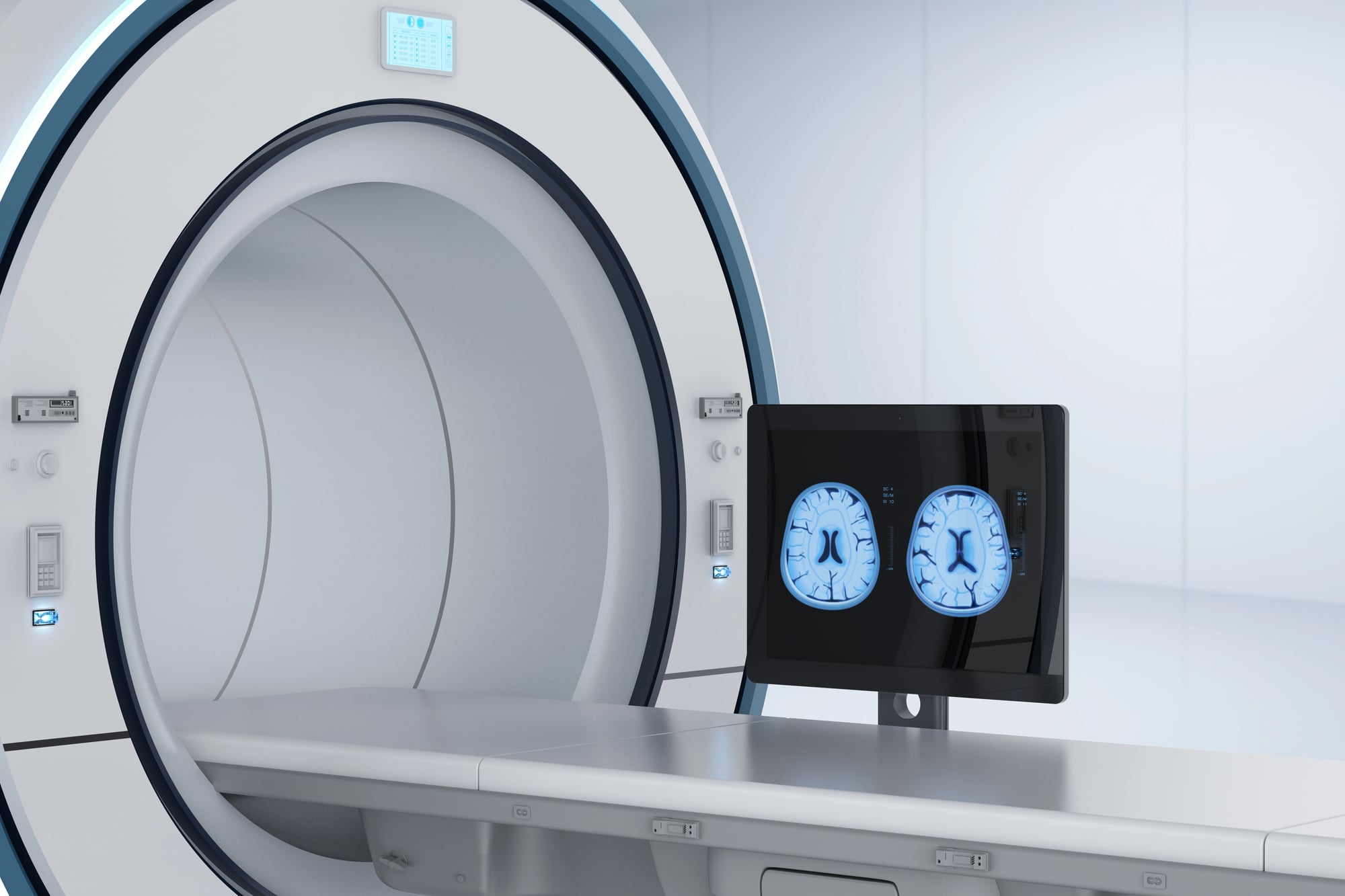
Functional MRI machines let us watch thoughts as they form. These devices track blood flow to active brain regions.
Now scientists can see which brain areas respond to emotions or tasks. Before this, we could only study brains after death.
Weather Satellites
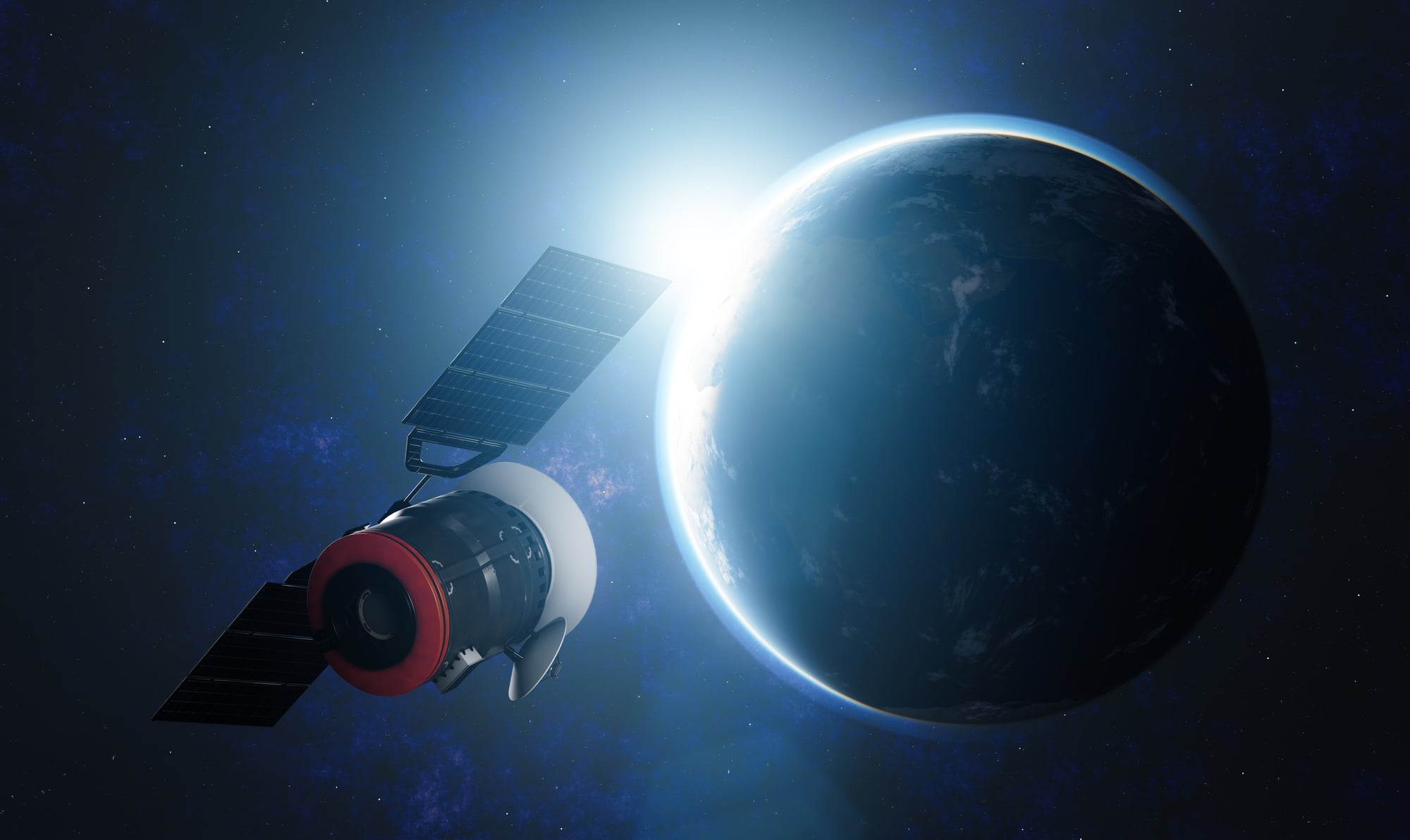
Weather used to be mostly guesswork. Satellites changed that by monitoring Earth’s atmosphere continuously.
They track storms, ocean heat, and long-term climate patterns. Forecasts improved dramatically and helped document environmental changes.
Laser Technology

Lasers were once mysterious novelties. Now they measure lunar distances, cut metal, and perform eye surgeries.
They’re used in nearly every field of science. New laser types continue pushing the edge of what’s possible.
Genome Sequencer

Sequencing one genome used to take a decade. Now labs can do it in days.
This allows medicine to be tailored to individual genetics. It also opens doors to tracking evolution and disease more precisely than ever.
More Than Just Gadgets

These tools don’t just assist science — they transform it. Each invention has widened our ability to ask bold new questions.
They let us see what was once invisible or unknown. Through this, science evolves and reshapes our understanding of reality.
More from Go2Tutors!

- The Romanov Crown Jewels and Their Tragic Fate
- 13 Historical Mysteries That Science Still Can’t Solve
- Famous Hoaxes That Fooled the World for Years
- 15 Child Stars with Tragic Adult Lives
- 16 Famous Jewelry Pieces in History
Like Go2Tutors’s content? Follow us on MSN.