Materials Stronger Than Steel

Steel has long been associated with power and advancement. The metal that created modern civilization is the basis for buildings, bridges, and machinery.
However, science is always moving forward, and in recent decades, scientists have found materials that make steel seem antiquated. Many of them can tolerate temperatures or forces that would cause steel to crumble, while others are lighter and more flexible.
These developments, which range from futuristic nanomaterials to natural marvels like spider silk, are completely changing the definition of toughness. Here are thirteen amazing materials that surpass steel in ways that seemed unthinkable at first.
Graphene
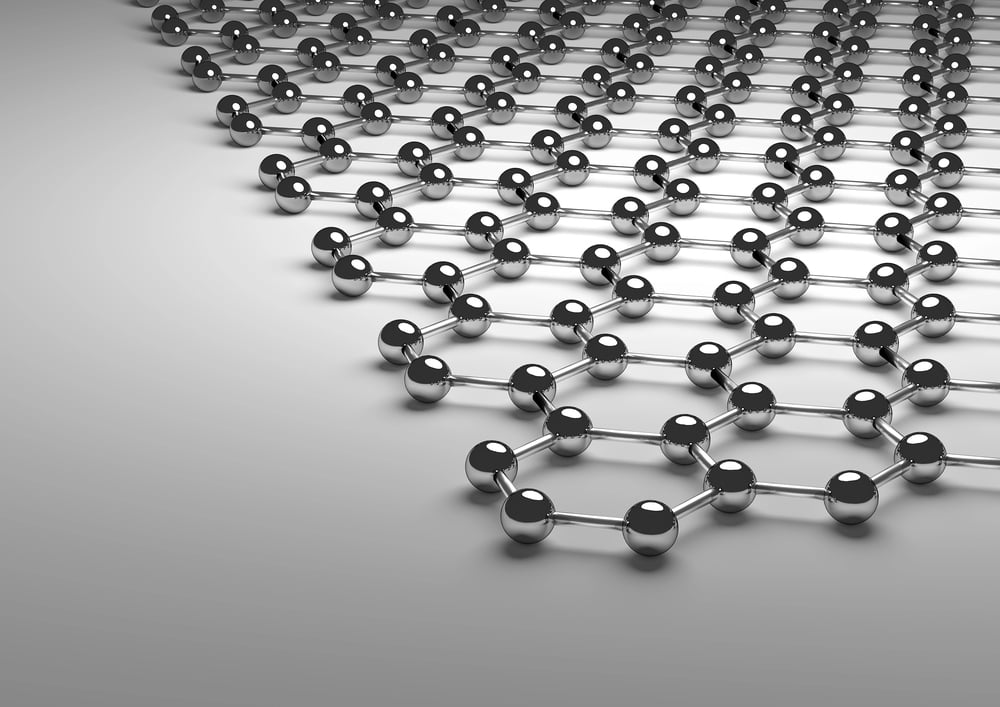
Graphene would be the superhero material of science. Made of carbon atoms arranged in an incredibly precise honeycomb lattice, it is only one atom thick and appears unearthly.
Its structure is as thin as paper, but it is 200 times stronger than steel and has the best electrical and thermal conductivity of any known substance. An elephant could be supported by graphene, which is so light that a single football-field-sized sheet would weigh less than a gram.
According to scientists, it will revolutionize everything from water filtration and energy storage to flexible electronics. The difficulty lies in producing it on a large scale in an economical and reliable manner.
Graphene has the potential to cause a revolution as significant as that of steel once that obstacle is overcome.
Carbon Nanotubes

Consider carbon nanotubes to be tiny cylinders with mind-bending qualities, similar to rolled-up sheets of graphene. They are lighter than aluminum, more conductive than copper, and stronger than steel.
They are ideal for upcoming uses in robotics, medical devices, and aerospace engineering because, despite their minuscule size, they can stretch and twist without losing strength. They are perfect for ultra-efficient circuits because they can conduct electricity without producing heat.
Because of their unparalleled tensile strength, researchers even envision utilizing carbon nanotubes to construct an elevator to space. Though it sounds like science fiction, these tiny tubes have the potential to completely alter the realm of physical possibility.
Spider Silk

Nature has always been ahead of us when it comes to design. Spider silk is a prime example—it’s stronger than steel by weight, yet incredibly light and flexible.
The dragline silk that spiders use for their webs can absorb tremendous force before breaking, combining elasticity with durability in a way few synthetic materials can match. Biologists and engineers have spent decades trying to replicate this organic marvel.
Some have even engineered bacteria and goats that produce silk proteins in their milk. The potential uses are endless: lightweight armor, biodegradable fishing lines, artificial tendons, and even aerospace materials.
Every strand of a spider web is a masterclass in natural engineering.
Dyneema

Dyneema, known as the “world’s strongest fiber,” is 15 times stronger than steel and light enough to float on water. It’s made from ultra-high molecular weight polyethylene, giving it remarkable resistance to moisture, UV light, and chemicals.
It’s used in armor, mooring ropes, and high-performance sports gear. Unlike rigid metals, Dyneema flexes under pressure and doesn’t corrode, making it invaluable in both extreme environments and everyday applications.
Sailors, mountaineers, and military personnel all trust this fiber because it doesn’t fail when things get tough. In a world obsessed with lightness and strength, Dyneema delivers both.
Titanium Alloys
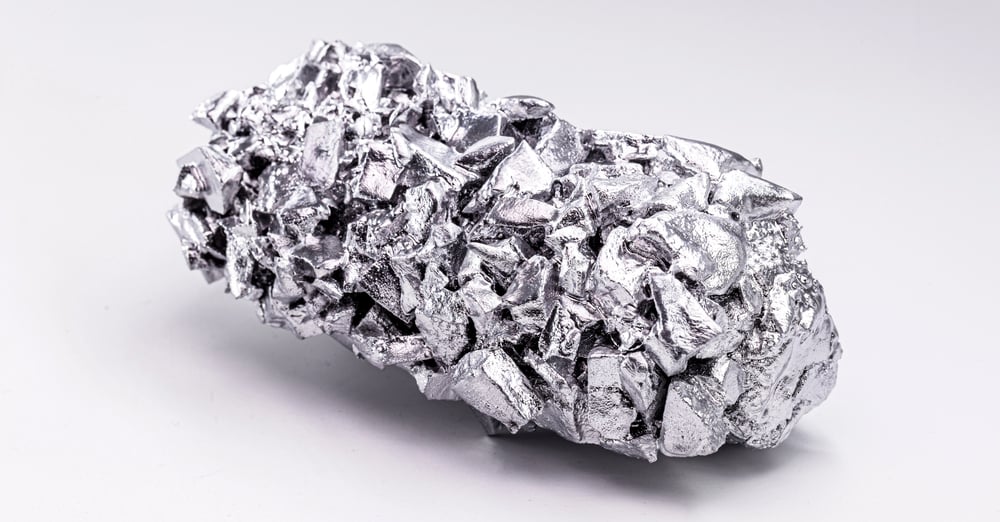
Titanium itself is already impressive—light, non-corrosive, and nearly unbreakable—but when combined with other elements, its alloys become truly exceptional. Titanium alloys have a strength-to-weight ratio far beyond steel and remain stable in extreme temperatures, from the freezing depths of the ocean to the scorching engines of spacecraft.
They’re biocompatible too, meaning the human body doesn’t reject them, which is why they’re used in medical implants and artificial joints. Pilots, surgeons, and engineers all rely on titanium’s reliability.
It’s not the cheapest metal, but its combination of beauty and strength keeps it in a class of its own.
Kevlar

Kevlar’s strength lies in its molecular alignment. Its long chains of synthetic fibers interlock tightly, creating a material that’s five times stronger than steel by weight.
Developed in 1965, it’s used in everything from body armor to racing sails to drumheads. It resists heat, impact, and wear, and unlike metals, it doesn’t rust or fatigue.
When woven into fabric, it can stop bullets, yet it remains flexible enough for clothing. Kevlar’s balance of strength and lightness has made it a quiet hero of modern safety gear, saving thousands of lives in both combat and daily life.
Aerographite

At first glance, aerographite looks like a puff of smoke. It’s 99.9% air, but don’t let that fool you—it’s also incredibly strong.
Created by German researchers in 2012, this lightweight carbon structure can handle compression without breaking and rebounds like a sponge. It’s 10 times stronger than steel by weight and has impressive conductivity, making it ideal for sensors, energy storage, and even aerospace applications.
Because it’s so light, it could be used to improve batteries for electric vehicles or create stronger, lighter drones. Aerographite shows that strength doesn’t always come from density—it can also come from design.
Metallic Glass

Also known as amorphous metal, metallic glass defies the normal rules of metallurgy. Instead of forming an orderly crystal structure like steel, its atoms are arranged randomly—more like glass.
This gives it incredible hardness and elasticity at the same time. Metallic glass can bend under stress without deforming and resists scratches, dents, and corrosion.
It’s twice as strong as steel, smoother than plastic, and beautiful to look at. Engineers are testing it for everything from smartphone casings to spacecraft parts.
If steel is a hammer, metallic glass is a spring—resilient, modern, and surprisingly graceful.
Boron Nitride Nanotubes
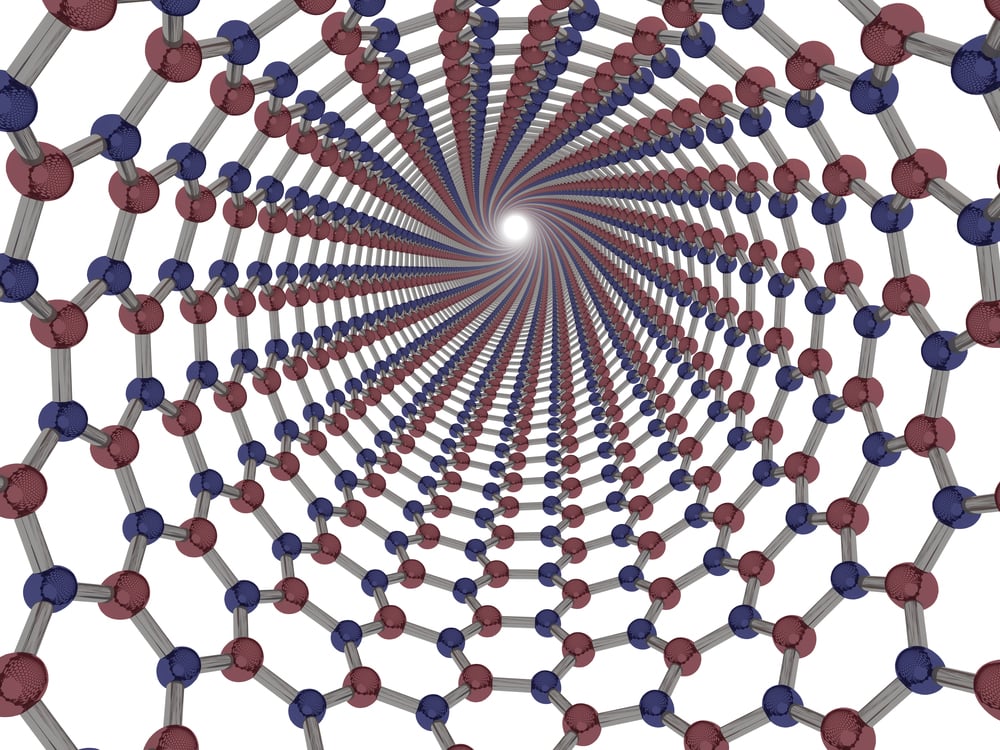
Imagine a material as tough as carbon nanotubes but resistant to both heat and radiation. That’s boron nitride nanotubes.
They can survive temperatures up to 1,800°F, making them ideal for spacecraft, nuclear reactors, and military armor. Unlike carbon-based materials, they’re electrically insulating, which means they can strengthen components without causing interference.
In space exploration, where extremes of heat and radiation meet, boron nitride nanotubes could become the material of choice. They’re a perfect example of science blending chemistry with cosmic ambition.
Carbyne

Carbyne is one of the most tantalizing discoveries in modern materials science. It’s a theoretical chain of carbon atoms connected in alternating single and triple bonds, forming what could be the strongest material ever made.
Simulations suggest it’s twice as strong as graphene and hundreds of times stronger than steel, yet still flexible and lightweight. The problem is stability—carbyne breaks down easily when exposed to air.
Scientists are developing techniques to stabilize it in labs, and if they succeed, it could revolutionize everything from nanotechnology to quantum computing. For now, it remains the holy grail of theoretical strength.
Nanocellulose

Derived from plant fibers, nanocellulose might be nature’s green alternative to industrial materials. It’s renewable, biodegradable, and astonishingly strong—about eight times stronger than steel by weight.
It’s already being tested in packaging, car parts, and medical devices. Transparent and lightweight, it can even be used in flexible electronic displays.
Nanocellulose could help replace plastic in countless applications, offering both strength and sustainability. It’s proof that innovation doesn’t always require synthetic invention—sometimes it’s hidden in the forest all along.
Tungsten

Tungsten’s claim to fame is its resilience under pressure and heat. It has the highest melting point of any metal and is extremely dense, making it indispensable in tools, turbines, and spacecraft.
It’s not as light as modern composites, but in terms of sheer endurance, tungsten remains unmatched. When used in alloys or as a filament in electronics, it performs flawlessly where other metals fail.
Its toughness under fire—literally—has made it a mainstay in industries that demand both precision and durability.
Lonsdaleite
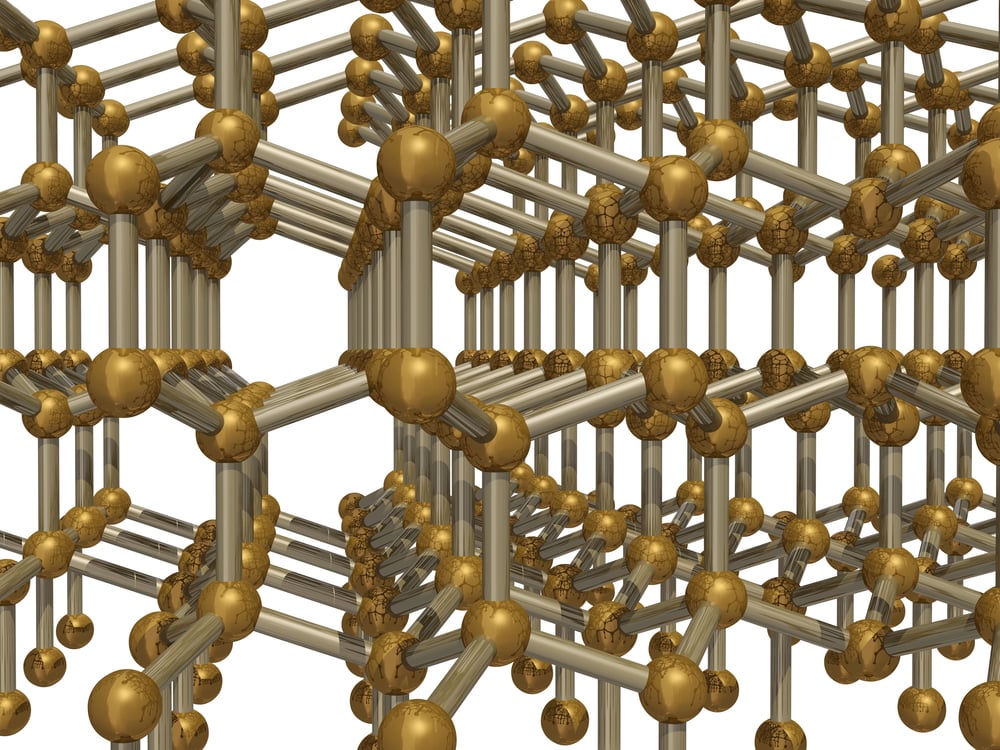
This rare, hexagonal form of diamond forms naturally when meteorites strike Earth, subjecting carbon to immense pressure. Scientists have synthesized it in labs and found it to be 58% harder than regular diamond.
Lonsdaleite could revolutionize cutting tools, mining equipment, and drilling technology, reducing wear and tear while increasing efficiency. Because it’s so rare in nature, researchers are exploring new ways to grow it artificially.
Its extraterrestrial origins only add to its mystique—it’s a material born from cosmic violence, now studied for human innovation.
Strength Beyond Imagination

Although steel will always be the foundation of contemporary industry, these materials are the next step up. Some developed naturally, while others were produced in laboratories.
Together, they demonstrate how human ingenuity and innate genius frequently converge at the same spot—strength and lightness, endurance and flexibility. The limits of what is feasible keep changing as scientists and engineers carry out more experiments.
One atom, one fiber, and one audacious concept at a time, the materials of the future will construct not just cities or machines, but the future itself.
More from Go2Tutors!

- The Romanov Crown Jewels and Their Tragic Fate
- 13 Historical Mysteries That Science Still Can’t Solve
- Famous Hoaxes That Fooled the World for Years
- 15 Child Stars with Tragic Adult Lives
- 16 Famous Jewelry Pieces in History
Like Go2Tutors’s content? Follow us on MSN.