9 Observation Points That Led to Major Discoveries
Throughout history, certain locations have served as windows into the unknown, places where patient observers made breakthrough discoveries that changed our understanding of the world. These observation points—from mountain peaks to underground laboratories, from remote islands to simple home studies—became the launching pads for revolutionary scientific insights that reshaped human knowledge across all fields of science.
The right vantage point can make all the difference between seeing something ordinary and witnessing something extraordinary. Here are 9 observation points that became the birthplaces of major scientific discoveries.
Mount Wilson Observatory, California
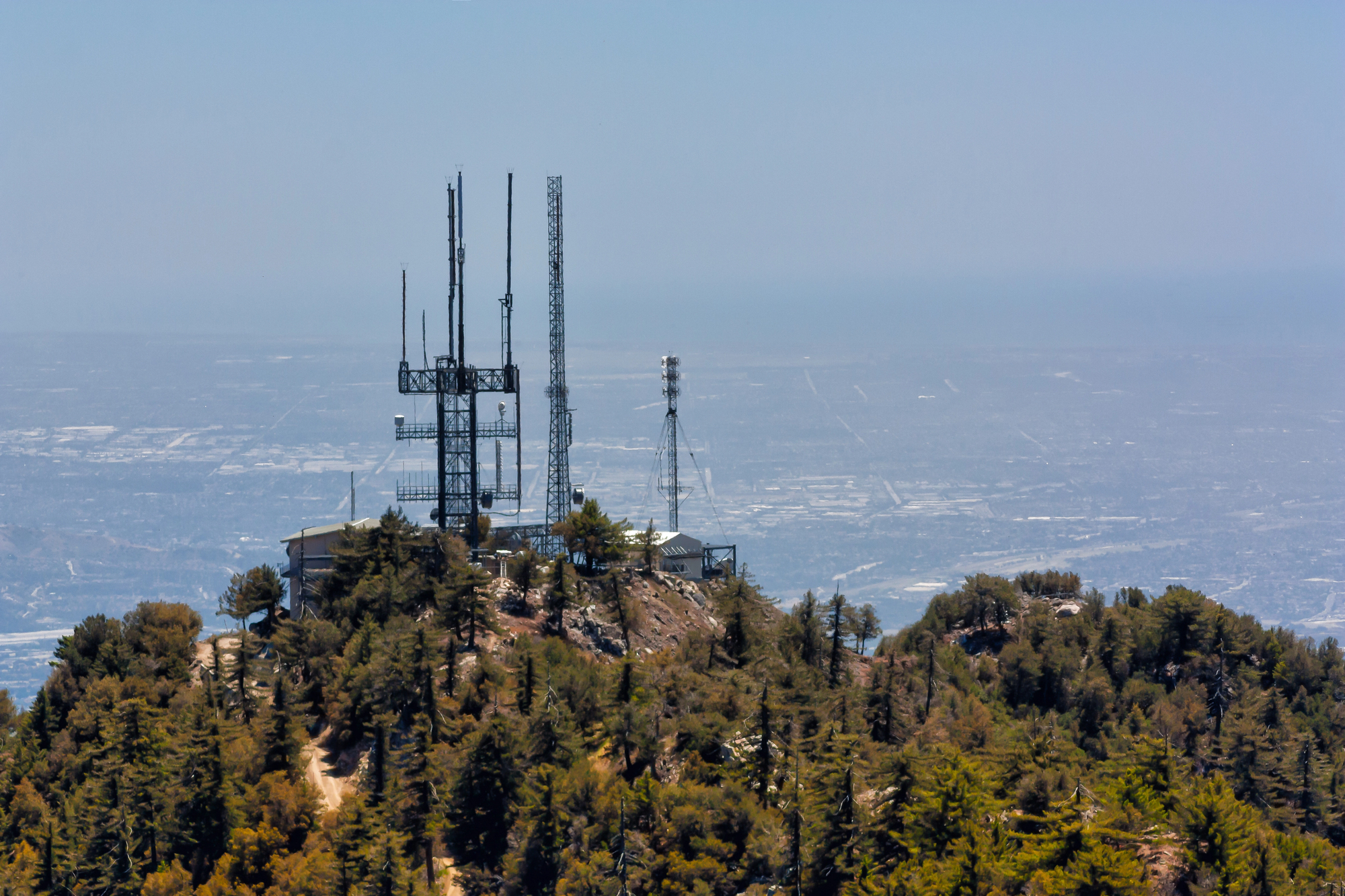
Edwin Hubble used Mount Wilson’s 100-inch telescope in the 1920s to prove that the Andromeda Galaxy was actually a separate galaxy, not a nebula within the Milky Way. This single observation fundamentally changed our understanding of the universe’s scale and structure.
Hubble’s continued work at Mount Wilson also demonstrated that the universe is expanding, providing crucial evidence for the Big Bang theory.
Charles Darwin’s Study at Down House, Kent
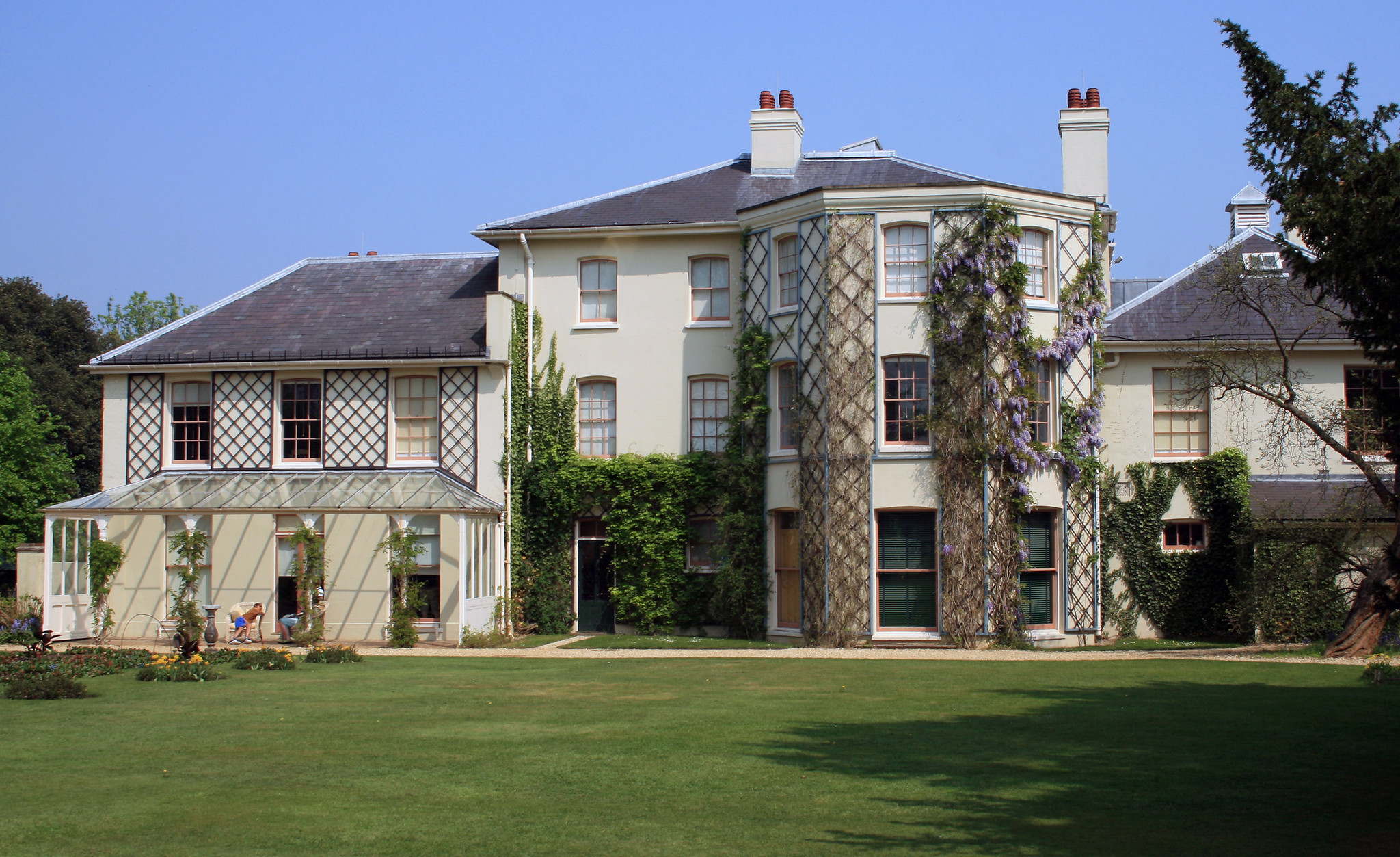
Darwin spent decades at his home in Kent, England, observing everything from earthworms in his garden to his own children’s development. His careful documentation of barnacle anatomy, plant movements, and animal behavior from this single location provided the foundation for evolutionary theory.
The peaceful setting allowed Darwin to synthesize observations from around the world into his groundbreaking work on natural selection.
Galileo’s Rooftop Observatory, Padua
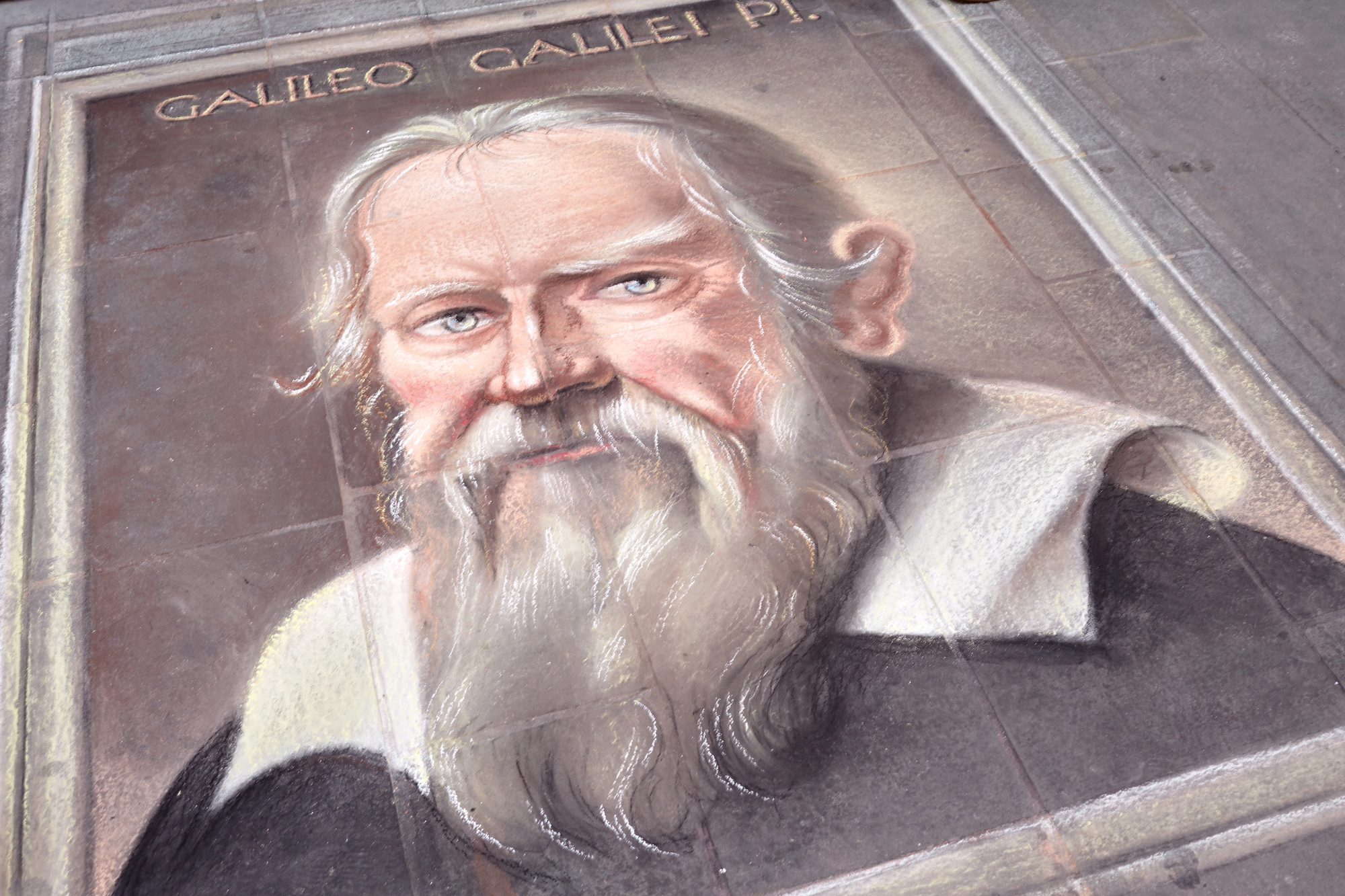
From his modest rooftop observatory in Padua, Italy, Galileo turned his homemade telescope toward the heavens in 1609 and saw what no human had ever seen before. He discovered Jupiter’s four largest moons, observed the phases of Venus, and studied the cratered surface of our Moon.
These observations from one small rooftop provided the first direct evidence that Earth wasn’t the center of everything.
The Galápagos Islands
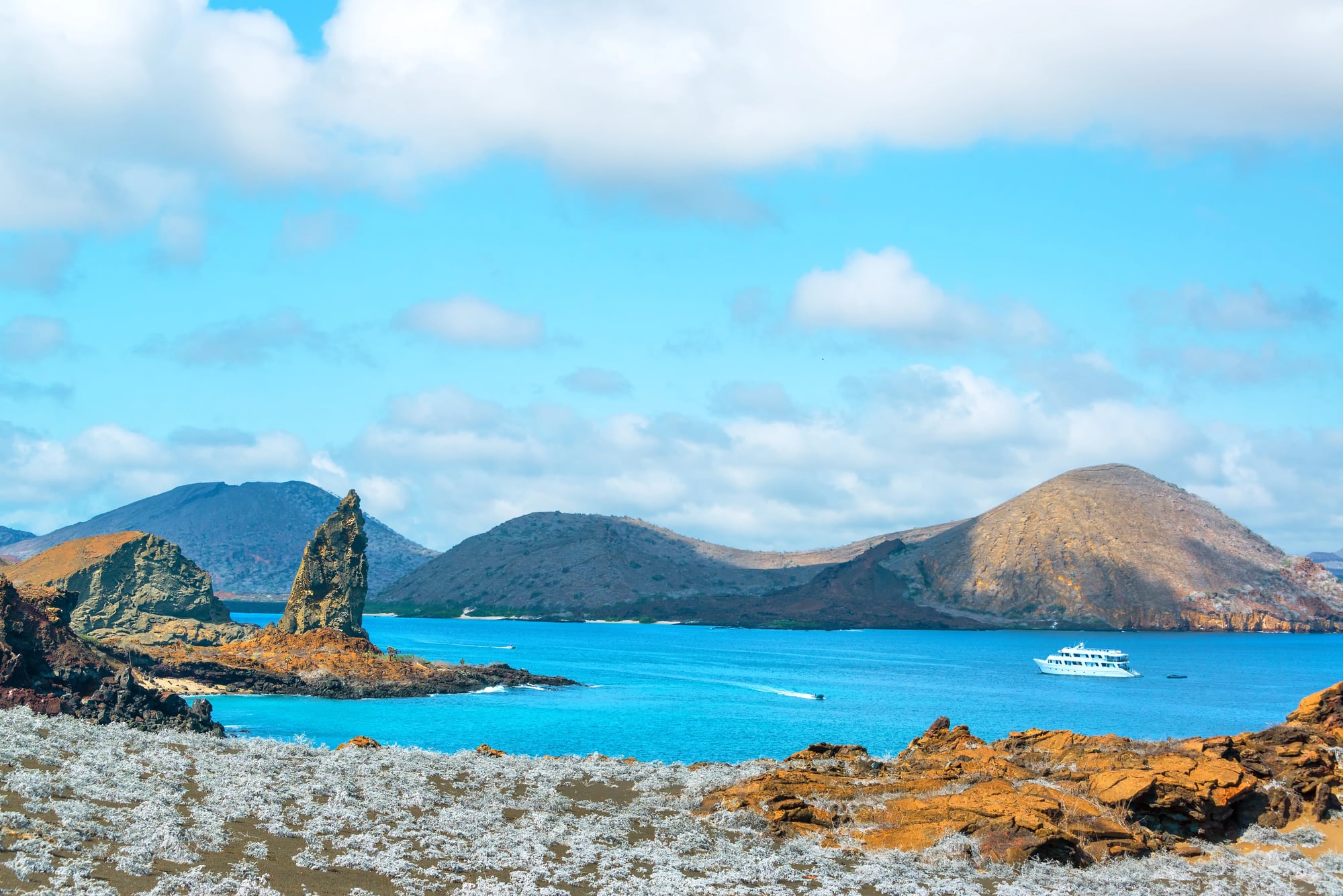
These volcanic islands off the coast of Ecuador became Charles Darwin’s natural laboratory during his voyage on HMS Beagle in 1835. His observations of finches, tortoises, and other species here provided crucial evidence for his theory of evolution by natural selection.
The isolated island environment created perfect conditions for studying how species adapt and change over time.
Marie Curie’s Laboratory Shed, Paris
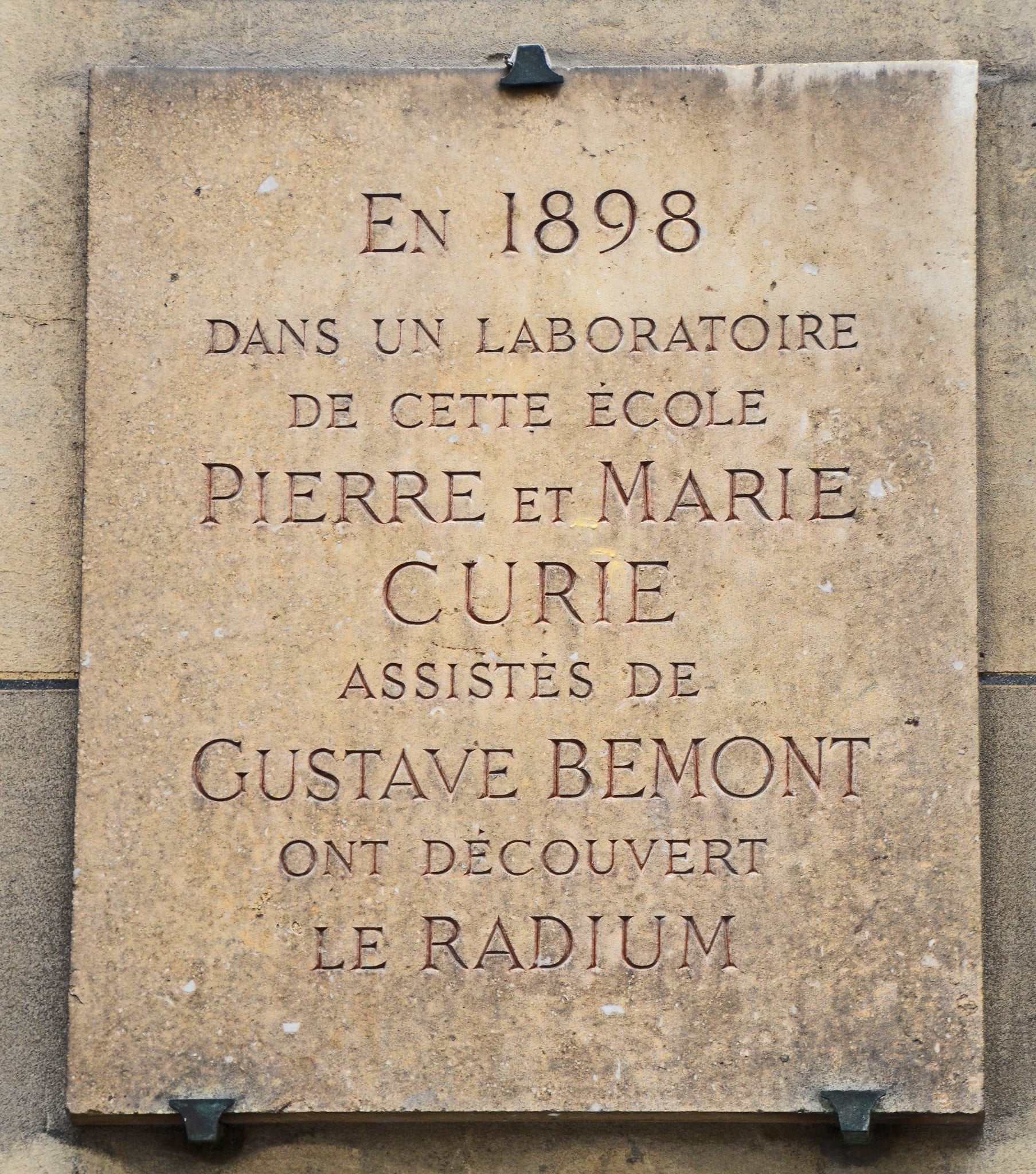
In a converted shed in Paris, Marie Curie discovered radium and polonium by painstakingly processing tons of pitchblende ore. Her makeshift laboratory became the birthplace of nuclear physics and chemistry.
Despite the primitive conditions, Curie’s meticulous observations of radioactive materials from this humble workspace earned her two Nobel Prizes and opened the door to atomic science.
Gregor Mendel’s Monastery Garden, Austria
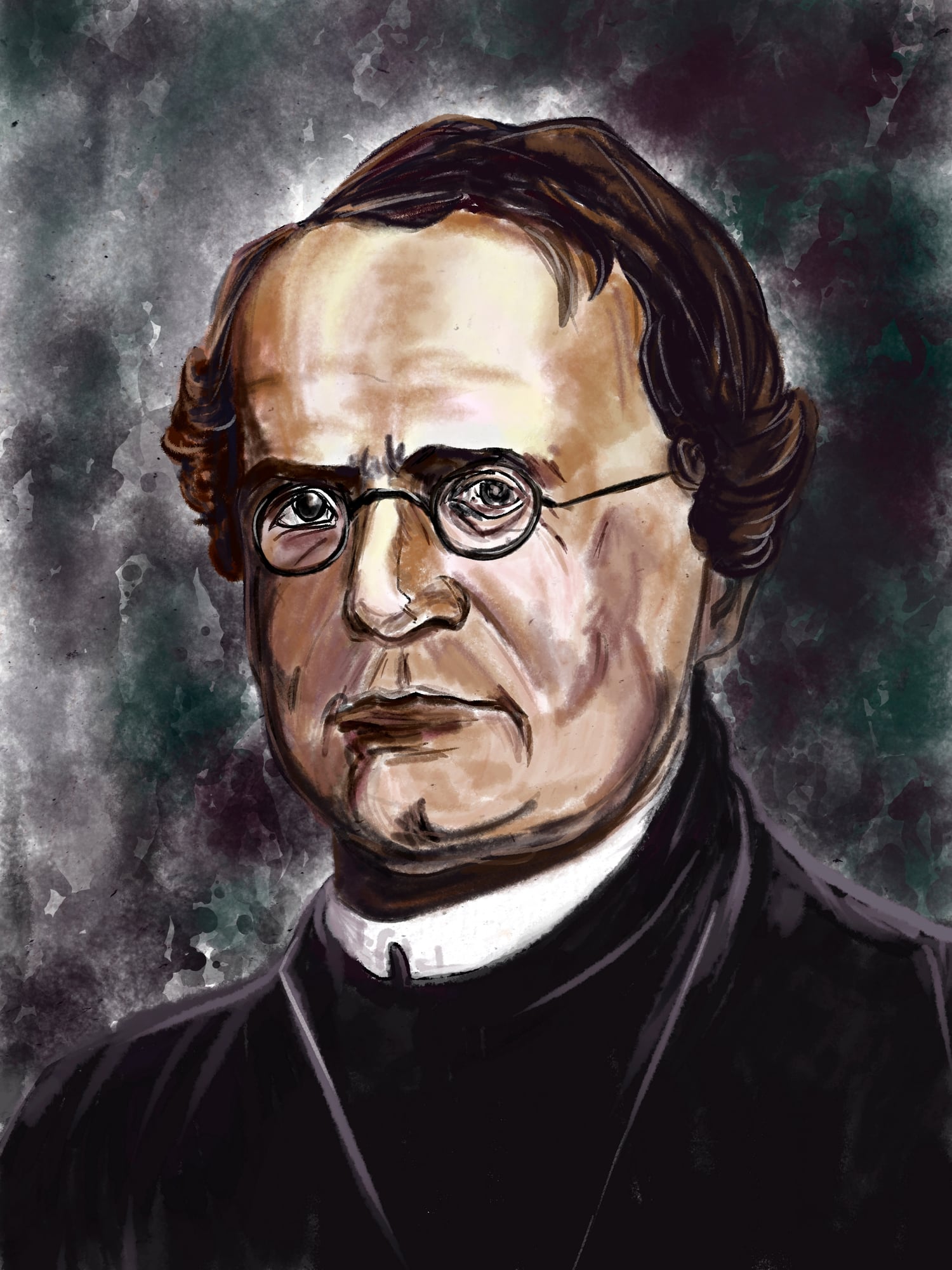
In the garden of St. Thomas’s Abbey in Brno, Gregor Mendel conducted his famous pea plant experiments that established the fundamental laws of heredity. His careful observations of plant traits across multiple generations laid the groundwork for modern genetics.
This quiet monastery garden became the birthplace of our understanding of how traits pass from parents to offspring.
Alexander Fleming’s Laboratory, London
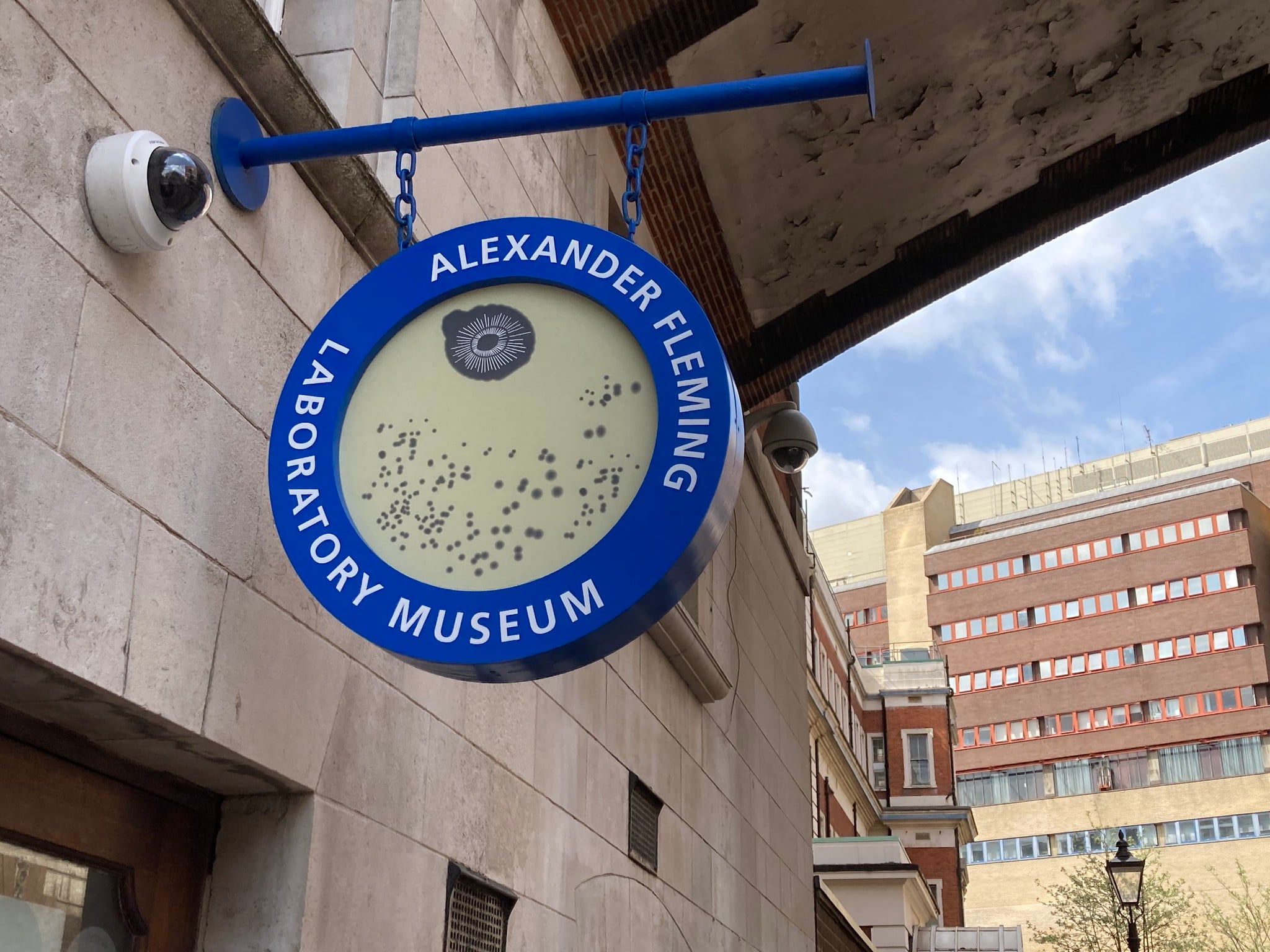
Fleming discovered penicillin in 1928 when he noticed that a mold had contaminated one of his bacterial culture plates at St. Mary’s Hospital in London. His keen observation of how the mold killed surrounding bacteria led to the development of antibiotics, saving millions of lives.
One contaminated petri dish in a London laboratory changed the course of medicine forever.
The Leakey Family’s Olduvai Gorge, Tanzania
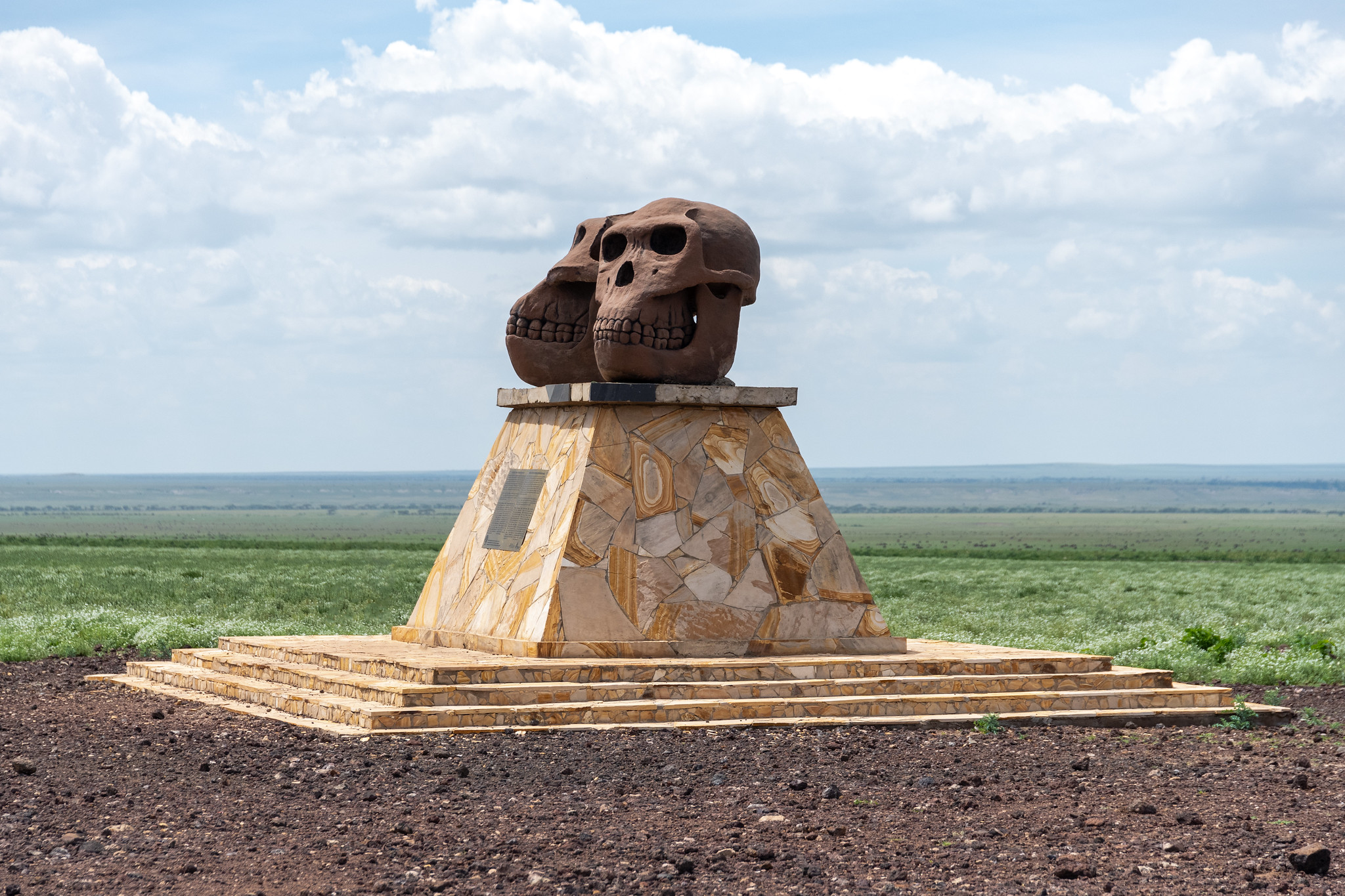
This remote gorge in East Africa became the most important site for understanding human evolution. Louis and Mary Leakey, and later their son Richard, discovered crucial fossils here that pushed back the timeline of human ancestry by millions of years.
Their patient excavations and observations in this harsh landscape rewrote the story of human origins.
Dmitri Mendeleev’s Study, St. Petersburg
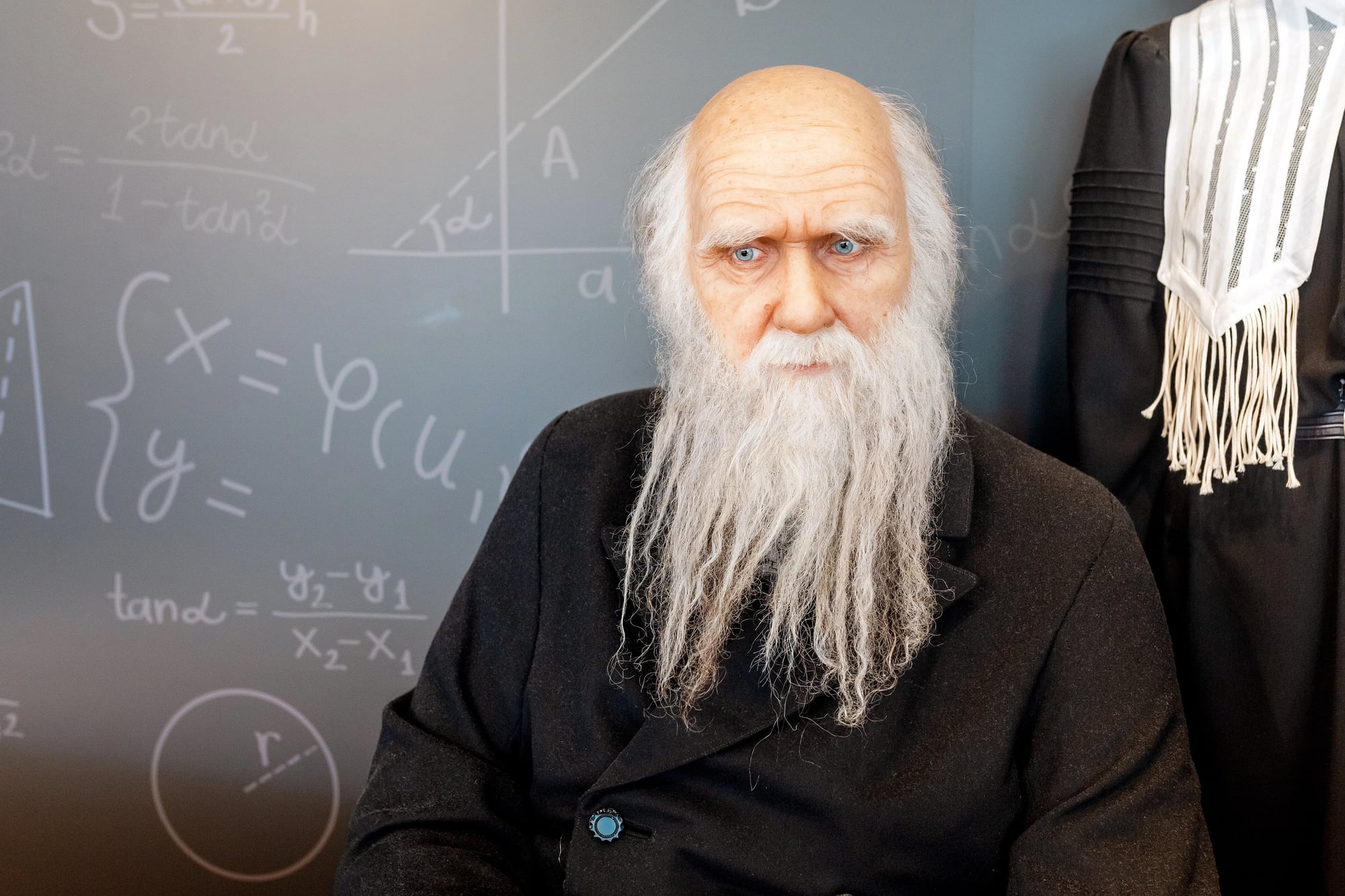
In his study at St. Petersburg University, Mendeleev organized the known chemical elements by atomic weight and predicted the properties of undiscovered elements. His observation that elements showed periodic patterns when arranged properly led to the periodic table that still guides chemistry today.
This single room became the organizing center for all chemical knowledge.
Where Vision Meets Discovery
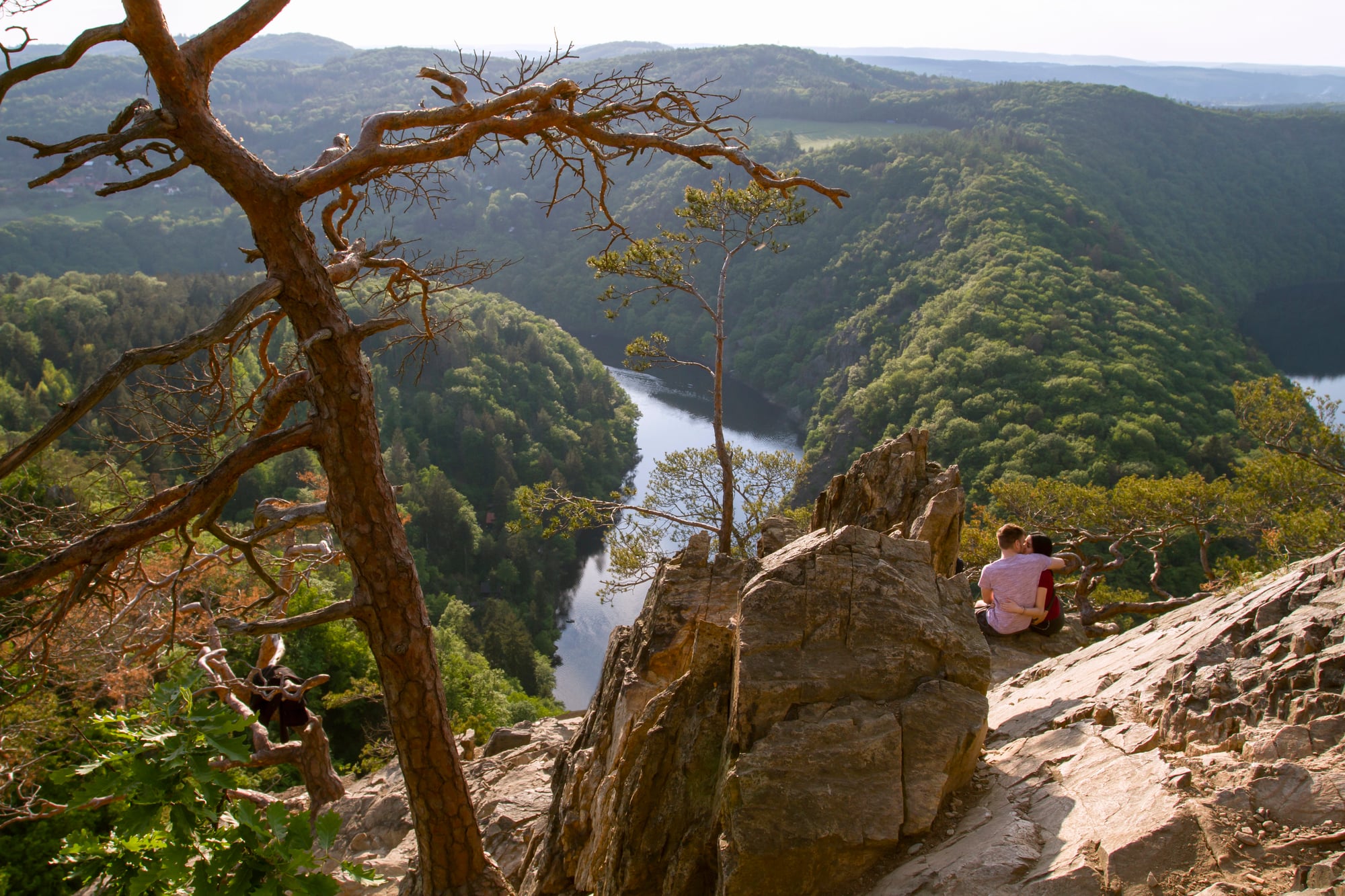
These observation points remind us that breakthrough discoveries can happen anywhere—from a monastery garden to an underground mine, from a contaminated petri dish to a remote island. Location matters enormously in scientific discovery, but so does the prepared mind that recognizes significance in the unexpected.
From Darwin’s study to modern particle detectors, the right combination of place, patience, and perception has consistently opened new chapters in human knowledge. Each of these locations became more than just places to observe; they became launching pads for humanity’s greatest leaps in understanding, proving that sometimes the most profound discoveries come simply from finding the right place to look closely at the world around us.
More from Go2Tutors!

- The Romanov Crown Jewels and Their Tragic Fate
- 13 Historical Mysteries That Science Still Can’t Solve
- Famous Hoaxes That Fooled the World for Years
- 15 Child Stars with Tragic Adult Lives
- 16 Famous Jewelry Pieces in History
Like Go2Tutors’s content? Follow us on MSN.