90s Snacks That We Can No Longer Find
Back then, snack time wasn’t about counting pieces. Loud colours jumped off shelves, shouting louder than the taste ever could.
Instead of subtle, everything went big – size, name, idea. A new treat might vanish by next season, but it made noise while here.
Flavor took second place to surprise most days. What stayed behind was more memory than habit.
A few of those items just faded away without notice. Not taste shifts alone did them in – new rules around what counts as healthy played a part, along with companies swallowing each other up.
Left behind are echoes of flavors tied to skipping home from class, tagging along on errands, moments when kids got to choose something small for themselves. Peering into these forgotten bites shows one angle on how eating habits twist across decades.
Fading fast from store aisles, some 90s treats never made it past the decades – yet linger in memory. Their disappearance sticks, not with fanfare, but quiet absence.
Though gone, they echo in taste memories more vivid than packaging. Because nostalgia isn’t loud; it hums during snack time.
What remains isn’t craving alone – it’s texture, color, ritual undone. These bites didn’t just feed hunger, they anchored moments now distant.
Without them, shelves feel lighter, yet heavier somehow.
Dunk-a-roos
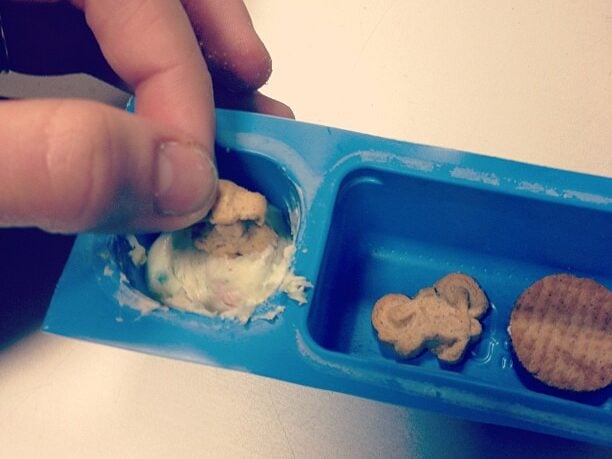
Dunk-a-roos were built around interaction. Small cookies paired with a compartment of frosting turned snacking into an activity rather than a quick bite.
The appeal was not just the taste, but the ritual of dipping, deciding how much frosting was too much, and usually ignoring that limit entirely. While similar ideas have resurfaced in modern forms, the original experience remains tied to its era.
Changing attitudes toward sugar-heavy snacks and portion control played a role in their disappearance for years. Even after brief revivals, the original version remains a symbol of a time when snacks leaned unapologetically into indulgence and play.
Fruit String Thing
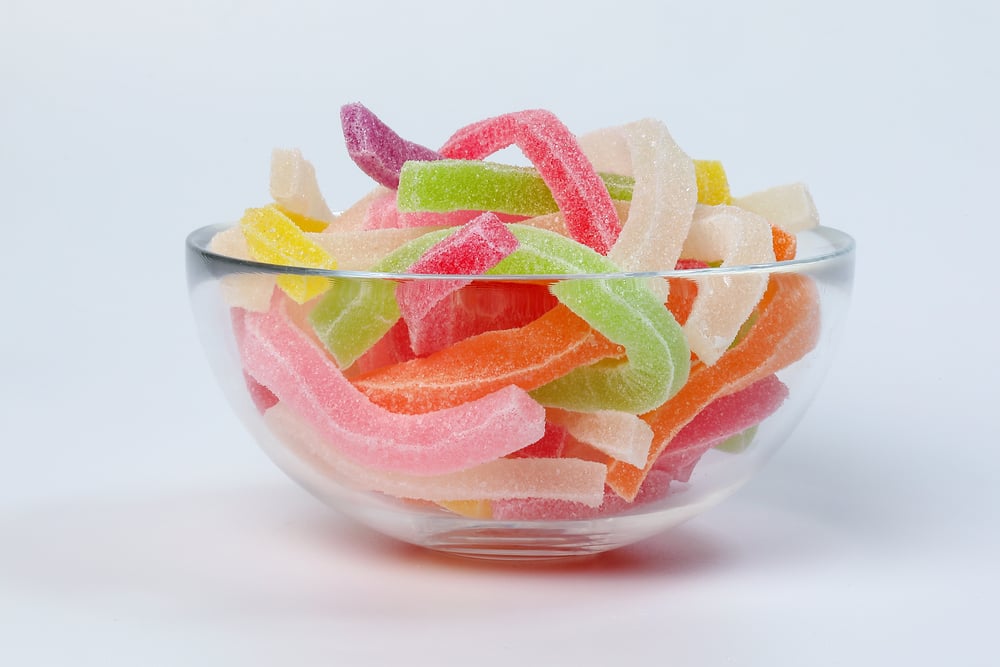
Fruit String Things blurred the line between candy and snack. It was sticky, sweet, and intentionally messy, designed to be peeled, stretched, and eaten slowly.
The product leaned heavily on texture and novelty, making it feel different from standard fruit-flavoured treats. Over time, preferences shifted toward simpler packaging and less processed options marketed as fruit-based.
That said, Fruit String Thing was never about subtlety. Its disappearance reflects a broader move away from snacks that prioritised fun over function.
What made it memorable also made it vulnerable to changing expectations.
PB Crisps
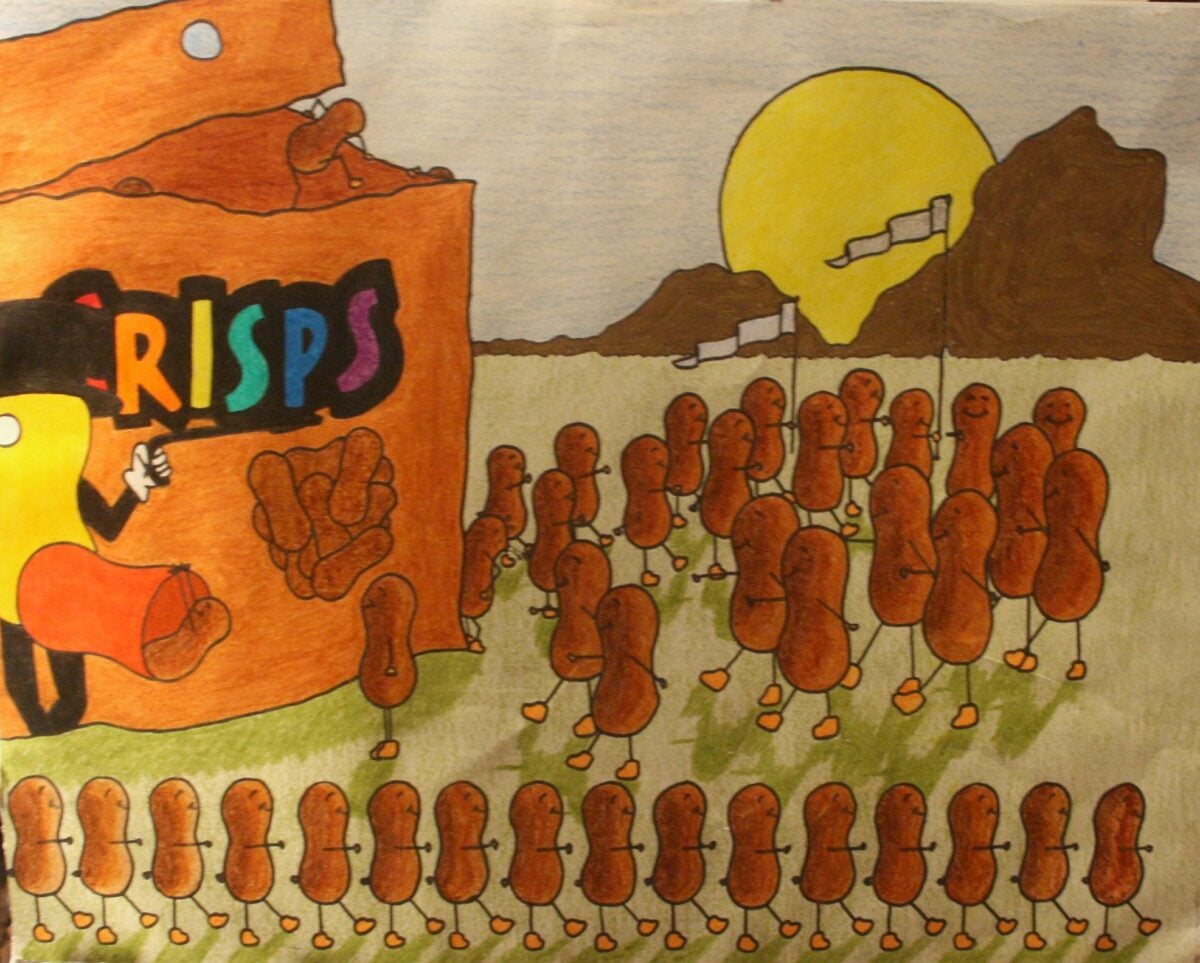
PB Crisps delivered a very specific combination of crunch and filling. Small, pillow-shaped bites with a peanut butter centre, they were designed to feel substantial while still snackable.
Their texture and flavour balance set them apart from typical crackers or sweets. Despite a devoted following, PB Crisps disappeared as manufacturers streamlined product lines.
Complex production processes often make such snacks expensive to maintain. Even so, nostalgia for them remains strong, driven by the fact that no modern equivalent has quite replicated the same experience.
Surge
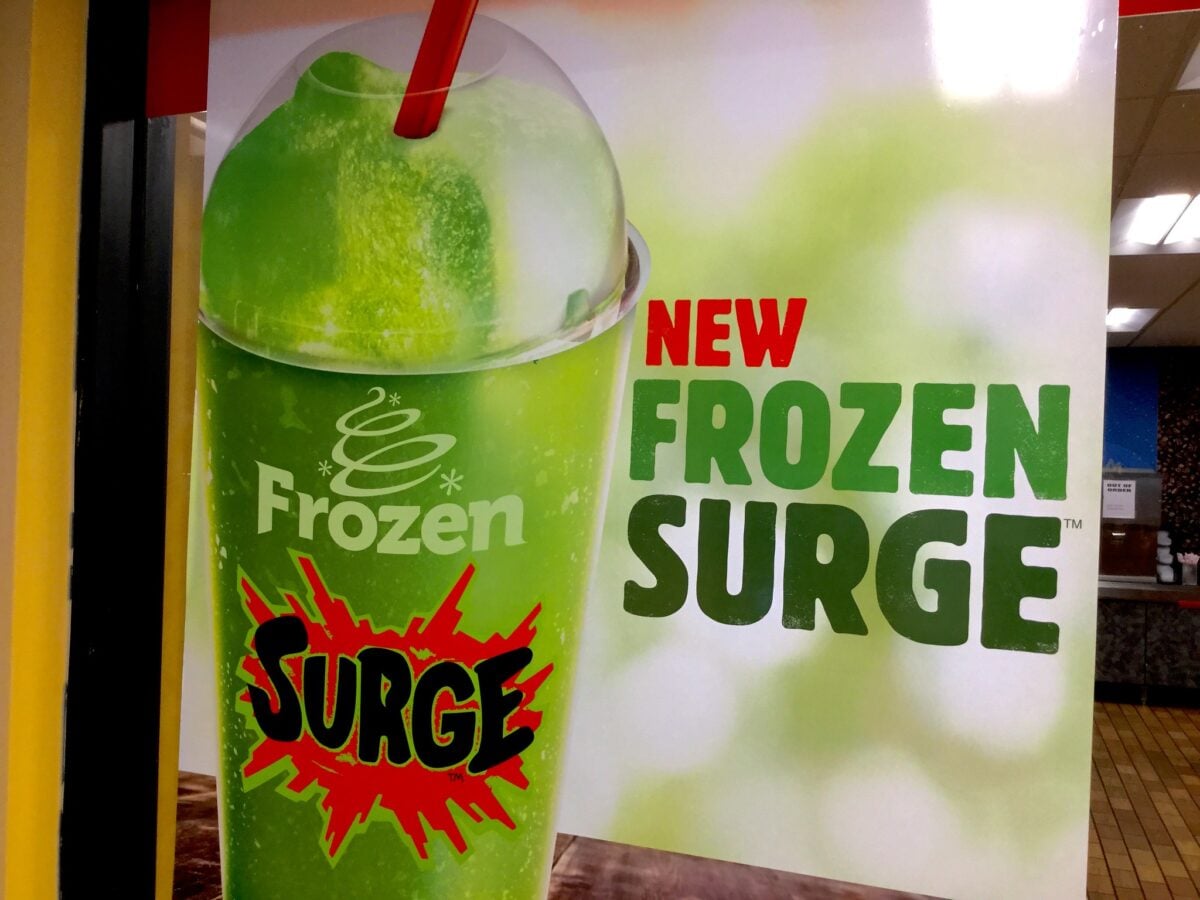
Surge was more than a drink. It was a statement, marketed with high energy and bold branding that matched the decade’s aesthetic. Bright packaging and an aggressive presence made it instantly recognisable, especially among younger consumers.
As attitudes toward sugary beverages shifted, products like Surge struggled to maintain a place in the market. Health concerns and changing regulations altered what brands could promote.
While brief reappearances have occurred, the original version remains firmly associated with a moment when excess was part of the appeal.
Kudos Bars
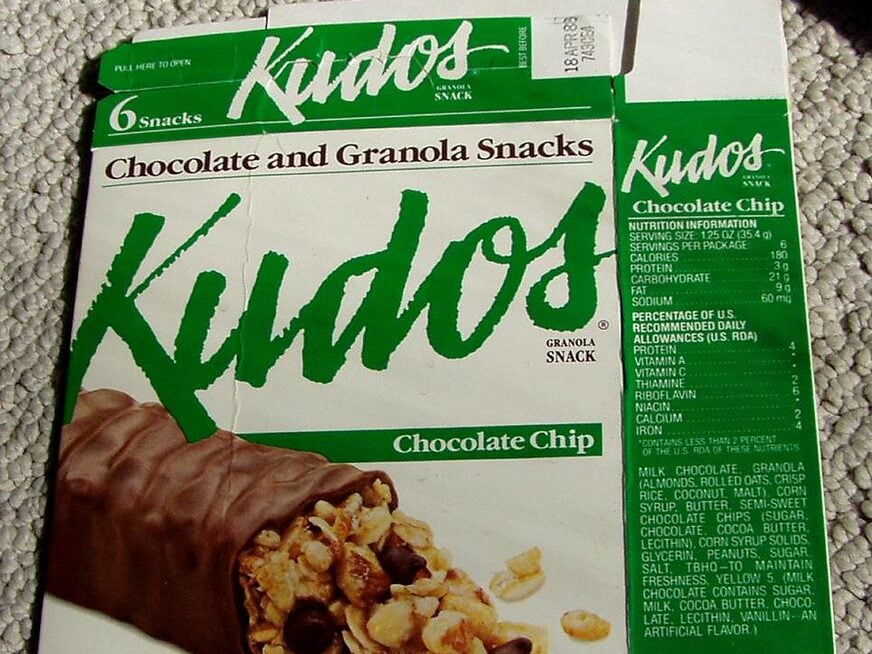
Kudos bars were positioned as a snack that could pass for breakfast. They combined grains with chocolate coatings and mix-ins, presenting indulgence in a more acceptable wrapper.
For many, they felt like a compromise between convenience and treat. Over time, the line between snack bars and breakfast products became more defined.
Consumers began demanding clearer nutritional distinctions, and Kudos bars slowly faded away. Their absence highlights how marketing language evolved as food labels faced greater scrutiny.
Oreo O’s (original recipe)
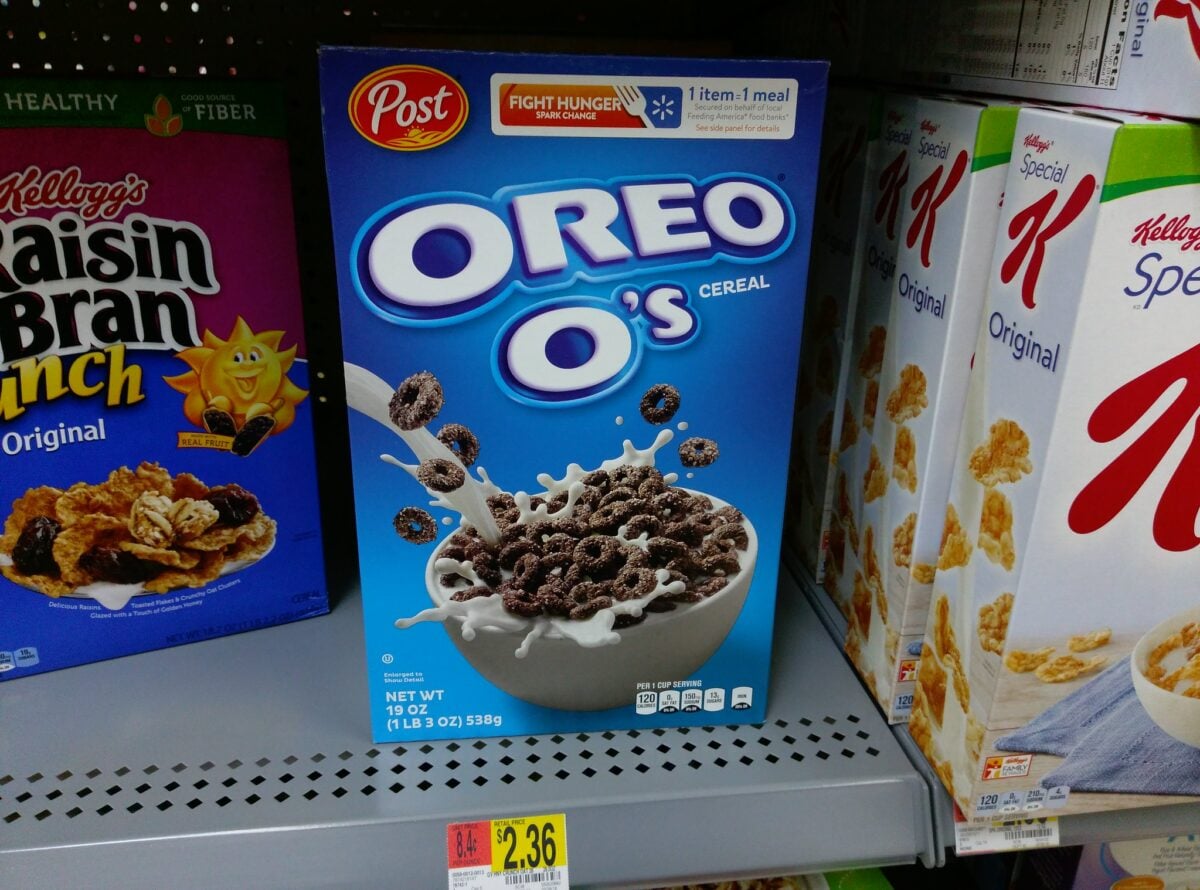
Oreo O’s existed in a space where dessert and breakfast fully overlapped. Chocolate cereal pieces paired with a sweet flavour profile made them feel closer to a treat than a morning staple.
For many children, they represented a small act of rebellion before school. While similar cereals exist today, the original formulation is remembered as richer and more indulgent.
Reformulations and reintroductions altered the experience enough that longtime fans still consider the original version lost. It serves as a reminder that bringing something back is not always the same as restoring it.
Squeezit Drinks
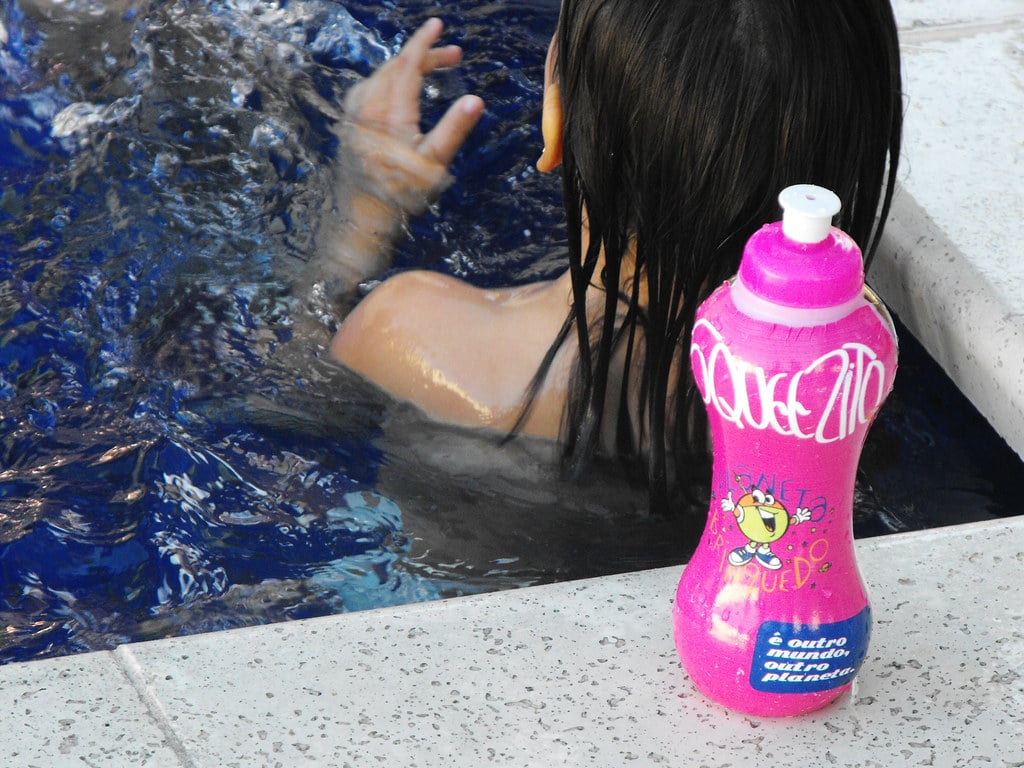
Squeezit drinks stood out through packaging alone. Bright plastic bottles with character faces turned drinking into a playful experience.
The flavours were simple, but the design made them feel personal and fun. As concerns around packaging waste and artificial colouring grew, products like Squeezits became harder to justify.
Their disappearance reflects a shift toward sustainability and minimalism. Still, few modern drinks offer the same sense of personality that once lined lunchboxes.
Planters P.B. Crisps alternatives
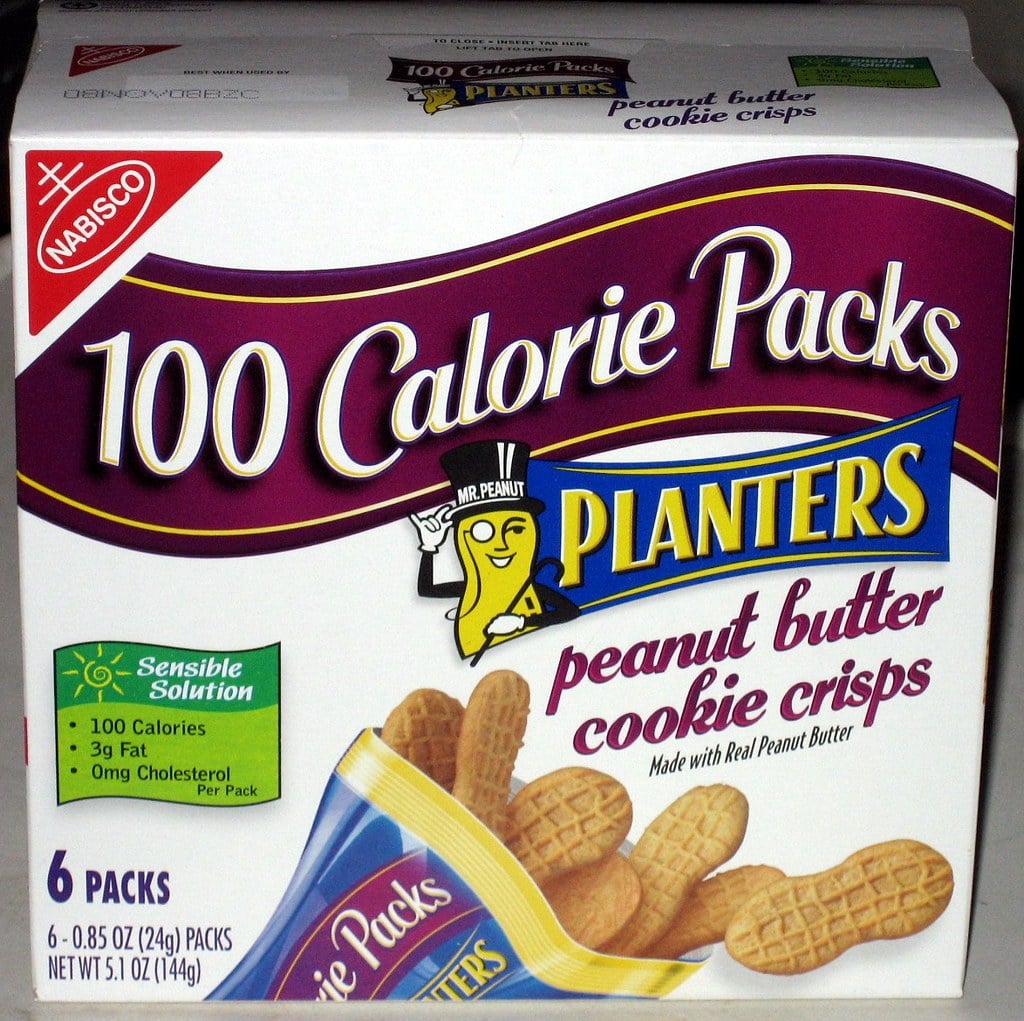
Several nut-based snack experiments appeared in the 90s, many aiming to combine savoury and sweet in unconventional forms. While not all were long-lived, they reflected a willingness to try unusual textures and shapes.
As brands consolidated and focused on core products, these experimental snacks were often the first to go. Their absence illustrates how innovation sometimes gives way to efficiency.
What remains is a sense that snack aisles once took more creative risks.
Jell-O Pudding Pops
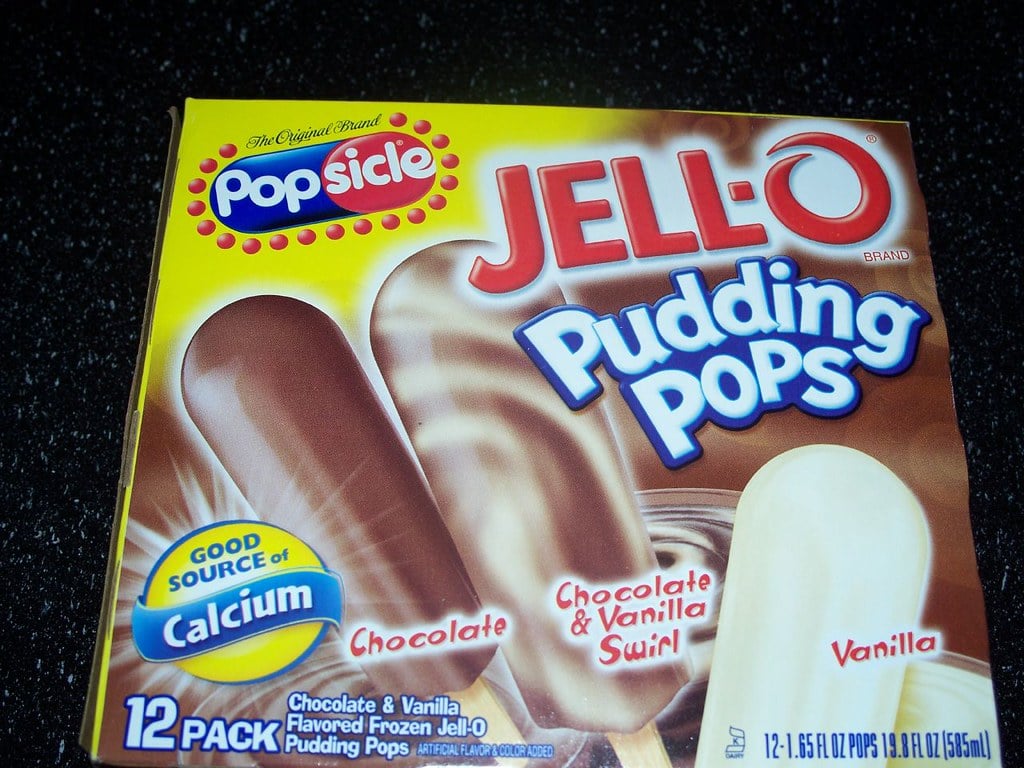
Jell-O Pudding Pops offered a frozen twist on a familiar dessert. Creamy, smooth, and rich, they stood apart from fruit-based frozen treats.
Their texture made them feel indulgent, even compared to other frozen options. Production challenges and shifting consumer preferences contributed to their disappearance.
Frozen snack spaces became more competitive, and products that required complex handling often struggled. Pudding Pops remain a strong example of how texture-driven snacks can be difficult to sustain at scale.
Why so many snacks disappeared

The disappearance of these snacks was rarely about a single factor. Changing health standards, rising production costs, and evolving consumer expectations all played a role.
What once felt normal began to feel excessive as food culture shifted toward transparency and moderation. Still, nostalgia keeps these products alive in memory.
They represent a period when snacks were designed to entertain as much as satisfy hunger. Their absence marks a broader change in how food companies balance creativity with responsibility.
What their absence says about food culture today
Few things capture the spirit of an era like what people ate between meals. Back then, bold flavors ruled without apology.
Now, speed matters more than surprise. Labels list ingredients plainly instead of hiding behind catchy names.
Choices today aim to please everyone, which sometimes means exciting nobody. The old way let junk food be joyfully dumb.
This shift traded wild creativity for sensible rules. Back then, those forgotten treats showed just how much our cravings shift over time.
Not only did they satisfy hunger, but also mirrored changing beliefs alongside taste. Though long gone, their mark remains – seen each time a longing for the past pushes certain flavours toward store aisles once more.
More from Go2Tutors!

- The Romanov Crown Jewels and Their Tragic Fate
- 13 Historical Mysteries That Science Still Can’t Solve
- Famous Hoaxes That Fooled the World for Years
- 15 Child Stars with Tragic Adult Lives
- 16 Famous Jewelry Pieces in History
Like Go2Tutors’s content? Follow us on MSN.