Methods That Make Math Easier To Learn
Math has a reputation for being the subject that makes people sweat through their shirts. Whether it is long division in third grade or algebra in high school, a lot of people hit a wall and decide they are just ‘not math people.’
The truth is, math is not about being naturally gifted. It is about how you approach it, and the approach makes all the difference.
Here is the good news: the right methods can turn the most dreaded subject into something actually manageable. Try these, and watch math feel a whole lot less like a punishment.
Start With The ‘Why’ Before The ‘How’

Most teachers jump straight into formulas without explaining why they work. When a student understands the reason behind a concept, it sticks much better and much longer.
Teaching why multiplication is just repeated addition before drilling times tables makes everything click faster. Understanding the purpose turns confusion into clarity before a single formula is memorized.
Use Physical Objects To Count And Group

Young learners especially benefit from touching and moving real objects while doing math. Coins, blocks, and even pieces of fruit can stand in for numbers during early lessons.
This approach is called manipulative learning, and research from the National Council of Teachers of Mathematics strongly supports it. Abstract numbers become real when a person can hold them in their hands.
Draw Pictures And Diagrams
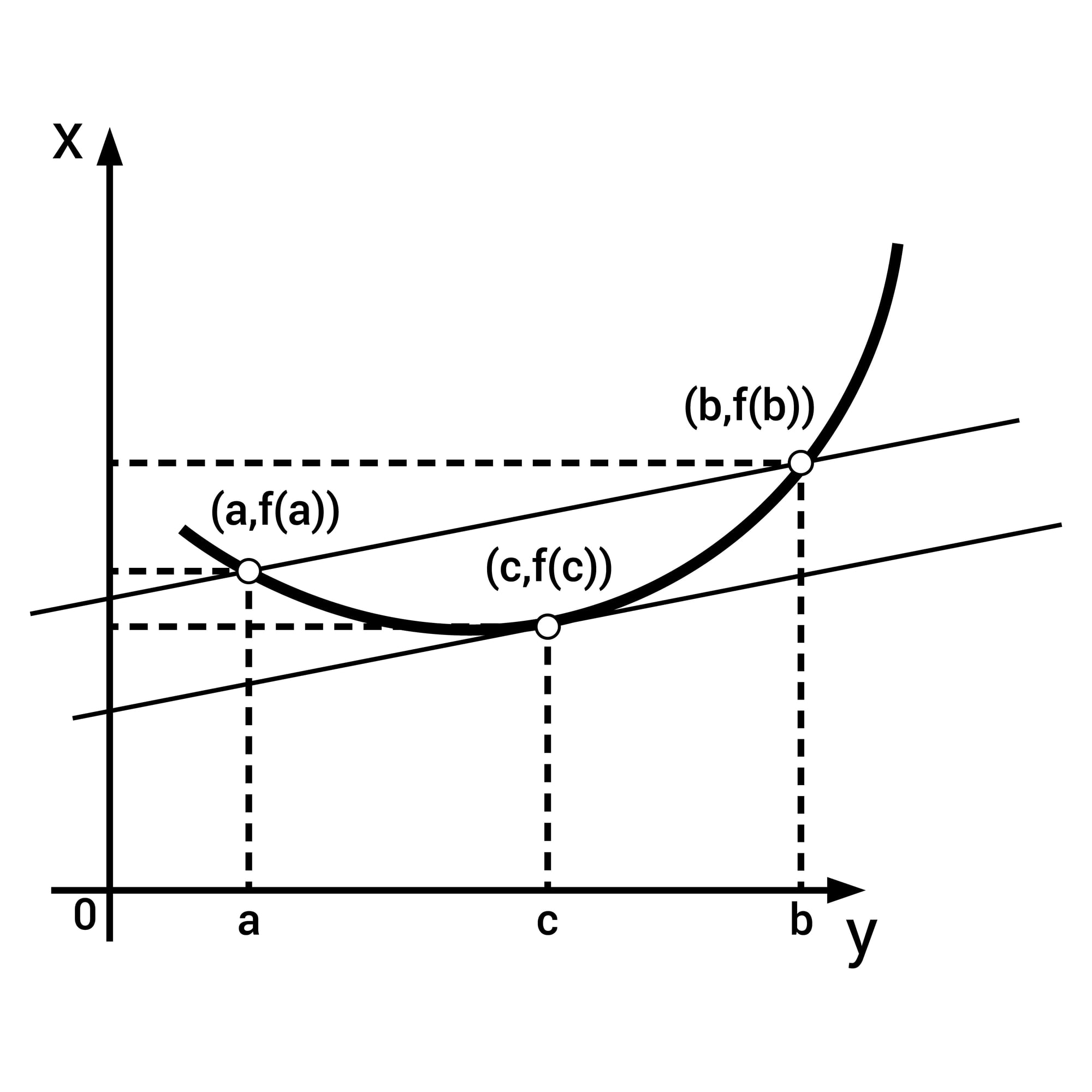
Not every brain works well with rows of numbers on a page. Sketching a quick diagram, a bar, a simple shape, or a rough picture can make a problem far easier to understand.
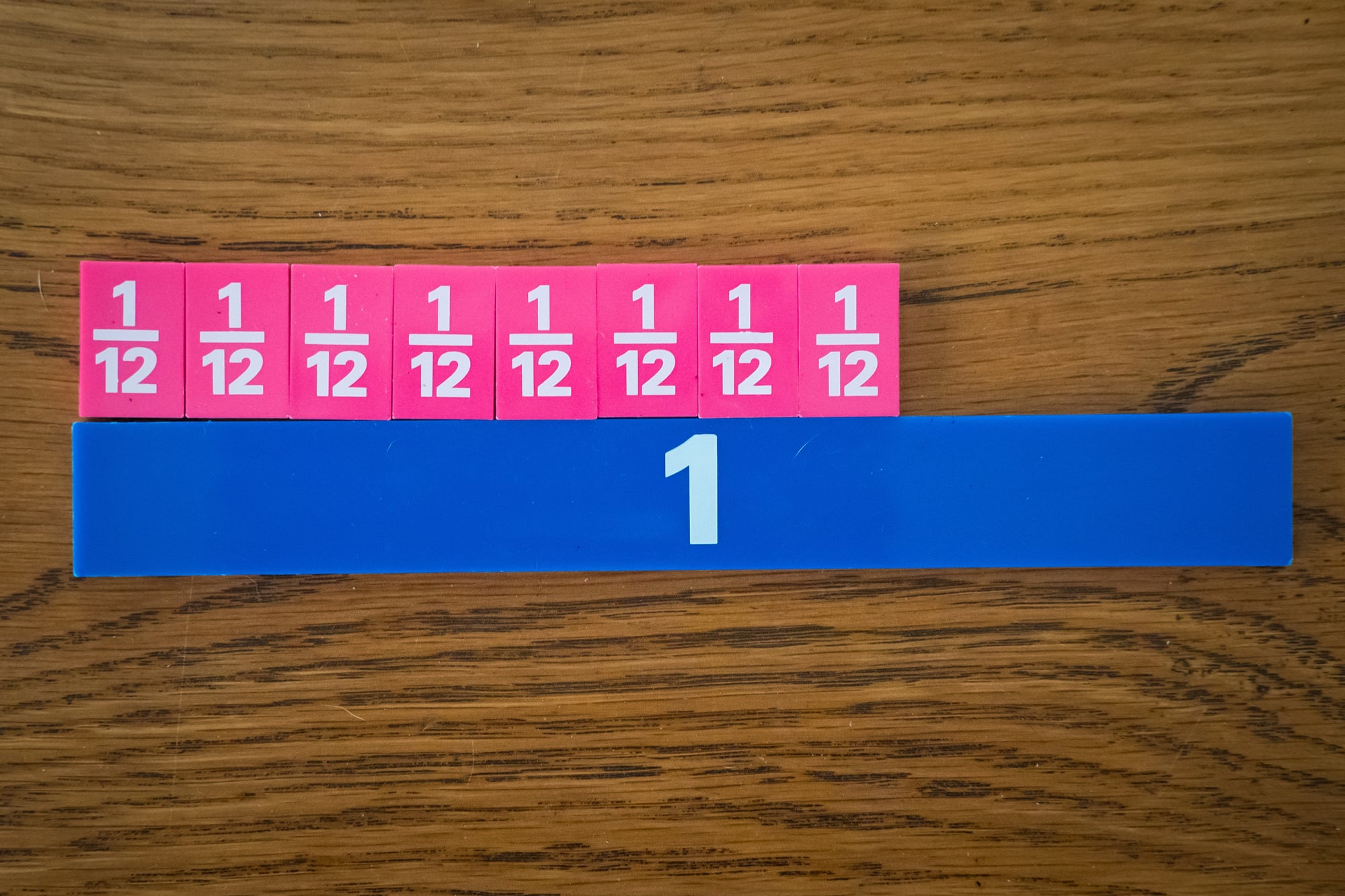
Visual learners often go from completely lost to fully confident once they see the math instead of just reading it. A hand-drawn pie chart beats a fraction formula any day for a lot of people.
Break Problems Into Smaller Steps

Trying to solve a complex problem all at once is one of the fastest ways to feel overwhelmed and give up. Breaking it into smaller, clear steps removes the panic and makes the path forward obvious.
Think of it like following a recipe: each step is simple on its own, but together they produce something complete. This method works well for algebra, word problems, and even basic arithmetic.
Practice With Real-Life Situations

Grocery shopping, cooking, and splitting a restaurant bill are all math happening in real time. Connecting math to everyday life makes it feel useful rather than pointless.
A child who does not care about fractions might suddenly care a lot when it determines how much cake they get. Real-world context turns abstract numbers into practical tools people actually want to use.
Use Spaced Repetition Instead Of Cramming

Cramming the night before a test rarely works for math, and almost everyone has learned this the hard way. Spaced repetition, which means reviewing material at increasing intervals over time, helps the brain hold onto information much longer.
Apps like Anki are built around this exact idea and have helped millions of students across many subjects. Short, regular practice beats one long, exhausting session every single time.
Teach It To Someone Else

One of the most effective ways to truly understand something is to explain it out loud to another person. When someone teaches math, they are forced to organize their own thoughts and fill in any gaps in their understanding.
This approach is sometimes called the Feynman Technique, named after physicist Richard Feynman, who swore by it. Even explaining a concept to a younger sibling or a willing friend makes it sharper in the teacher’s own mind.
Use Online Video Tutorials

Platforms like Khan Academy and YouTube have millions of math tutorials taught in plain, simple language. Video lets a learner pause, rewind, and replay the tricky parts as many times as needed, which a classroom does not always allow.
Some people just need to hear the same idea explained in a different voice or with a different example. Finding the right teacher, even one on a screen, changes the entire experience.
Build Strong Number Sense Daily
Number sense is a person’s natural feel for numbers, like knowing that 98 plus 5 lands close to 103 without writing anything down. Building this skill comes from regular mental math exercises, estimation games, and thinking about numbers casually throughout the day.
It does not require a textbook or a formal lesson. Strong number sense makes formal math feel far less intimidating over time.
Focus On Understanding, Not Memorizing
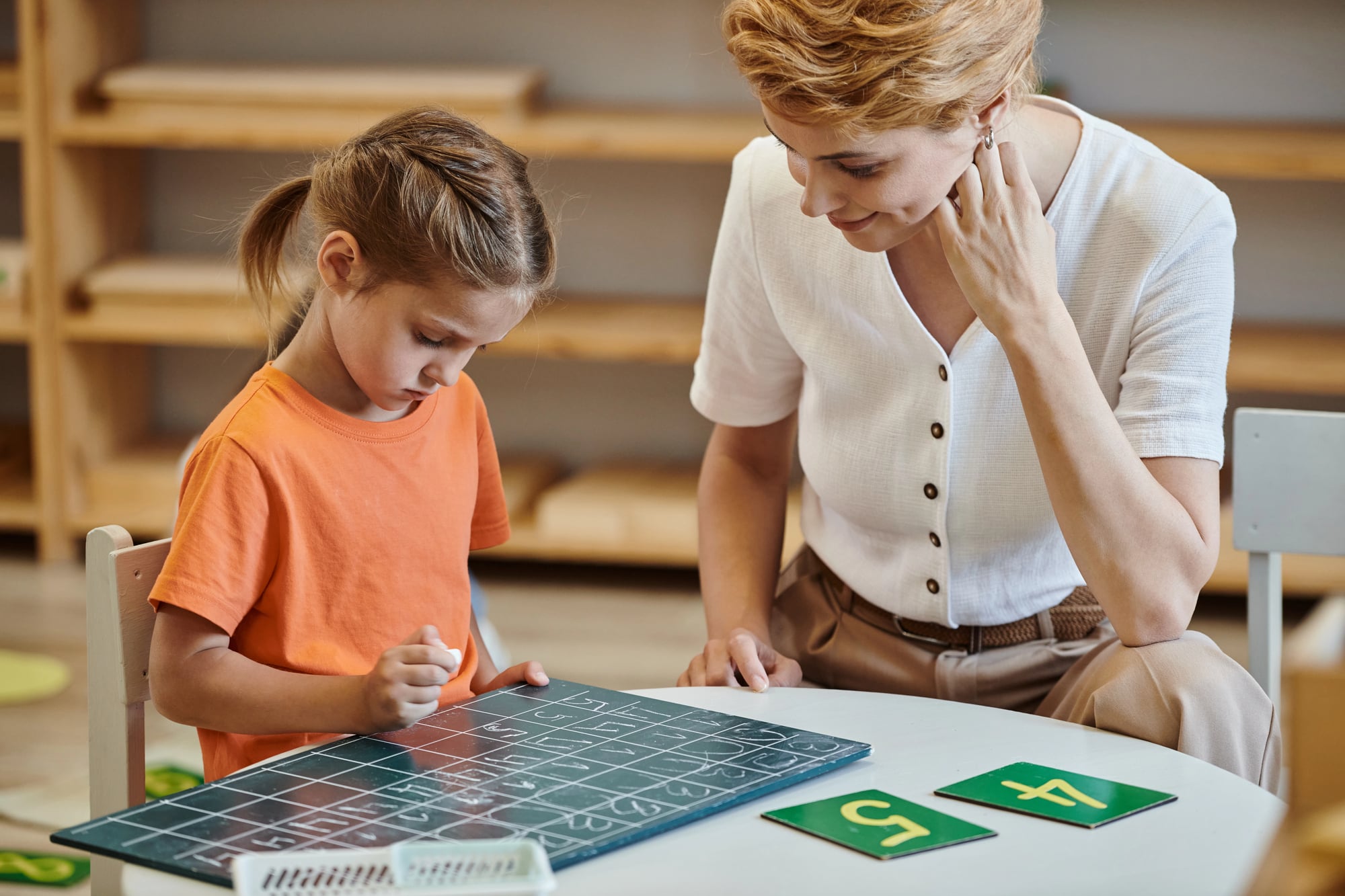
Memorizing formulas without understanding them is like memorizing song lyrics in a language that means nothing to the singer. It works until something changes, and then everything falls apart fast.
Students who understand why a formula works can rebuild it from scratch if they forget it during a test. Conceptual understanding is the solid foundation that holds everything else up.
Try The Worked Example Method

The worked example method involves studying a fully solved problem step by step before attempting one independently. Research from cognitive science shows this approach reduces mental overload, especially for beginners who are just finding their footing.
It is the opposite of being thrown into the deep end with no support. Seeing the complete process first builds confidence and gives the brain a clear template for tackling new problems.
Build A Daily Practice Routine

Most days, half an hour spent working on math adds up faster than one long session crammed at the weekend. When you do something often, it sticks – no force needed, just showing up.
Think of runners who lace their shoes each morning; muscles grow through repetition, so does thinking. Pick a moment that fits, maybe right after eating, let progress happen slowly while you barely notice.
Weeks pass. The change shows.
Use Graph Paper And Write Neatly

Numbers crammed together often trip people up, even when they know the steps. With grid lines beneath them, digits stay where they belong – lined up, clear, easier to check later.
Some learners see fewer mistakes right after starting on squared sheets. Being tidy here isn’t perfectionism. It simply lets thought keep pace with writing.
Mistakes Hold Clues Worth Paying Attention To

Wrong answers often scare folks off math, like a dead end. Yet each mistake spills secrets about where learning slipped.
Revisiting those slips, tracing the misstep, then reshaping how you think – this sharpens skill fast. Some schools push kids to lean into errors; these learners stick harder and fear tough questions much less.
Find A Study Partner Or Group

Figuring out math alongside another person opens up room to question freely, trade quick methods, sometimes even catch your own mistakes through their eyes. One solid partner might notice gaps in understanding you didn’t realize were there.
When done together, what usually seems isolated and tense begins feeling more like conversation than combat. That single dependable companion? They can quietly reshape how it all feels, from start to finish.
Math Is Learned Through Practice Not Innate Ability

It’s strange how many folks have been slowed down by the idea that math talent is something you’re born with. Most never got far because they thought skill was fixed, though truth is, their method just didn’t fit.
These strategies aren’t tricks pulled from thin air. Instead, they’re built on solid findings about how minds actually learn to work with digits.
That spark – when confusion flips into clarity – is familiar to anyone who once felt stuck but later saw sense in equations. This moment isn’t just for those who happen to stumble into it.
Openings appear when someone chooses another path inside.
More from Go2Tutors!

- The Romanov Crown Jewels and Their Tragic Fate
- 13 Historical Mysteries That Science Still Can’t Solve
- Famous Hoaxes That Fooled the World for Years
- 15 Child Stars with Tragic Adult Lives
- 16 Famous Jewelry Pieces in History
Like Go2Tutors’s content? Follow us on MSN.



