Photos Of Deserts Once Lush Ecosystems
Once lush, some of Earth’s driest spots now sit cracked under the sun. Long before concrete cities rose, deserts hosted woodlands where animals roamed freely.
Shifts in weather carved new rules for survival across vast tracts. Water vanished slowly, pulled away by nature’s quiet hand and restless human choices.
What thrives there today bears little trace of ancient abundance. What happens when green turns to sand becomes clear through these shifts.
Some places now barren once teemed with life – these spots show just that. A closer look reveals how fast landscapes transform under pressure.
The Sahara Desert

Long before cities rose, grasslands covered what is now endless dunes. Water once filled wide basins where hippos lounged, their shapes caught in time on stone walls.
Giraffes appear in carvings near places too dry for even cacti today. Slow changes in the planet’s angle pulled rains away over centuries.
People fished under open skies in spots buried deep in dust at present. Hidden below the surface, old water paths trace ghost rivers seen only from space now.
The Arabian Desert
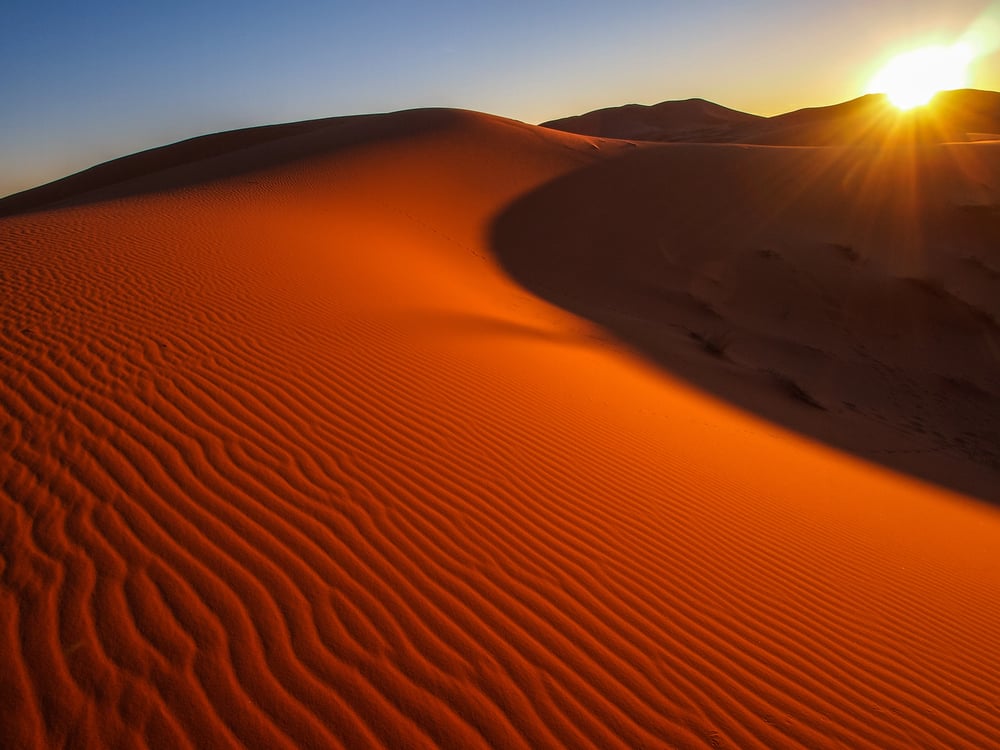
Once full of lakes, this vast stretch of sand sprawls over much of the Arabian Peninsula. Fossils plus scattered stone tools suggest people and creatures lived well when rains were regular.
As the climate changed slowly, moisture faded until the land cracked under lasting drought roughly six millennia back. Ruins now sit silent where streams once flowed beside ancient camps.
Memories linger in dust near forgotten springs.
Australia’s Red Centre
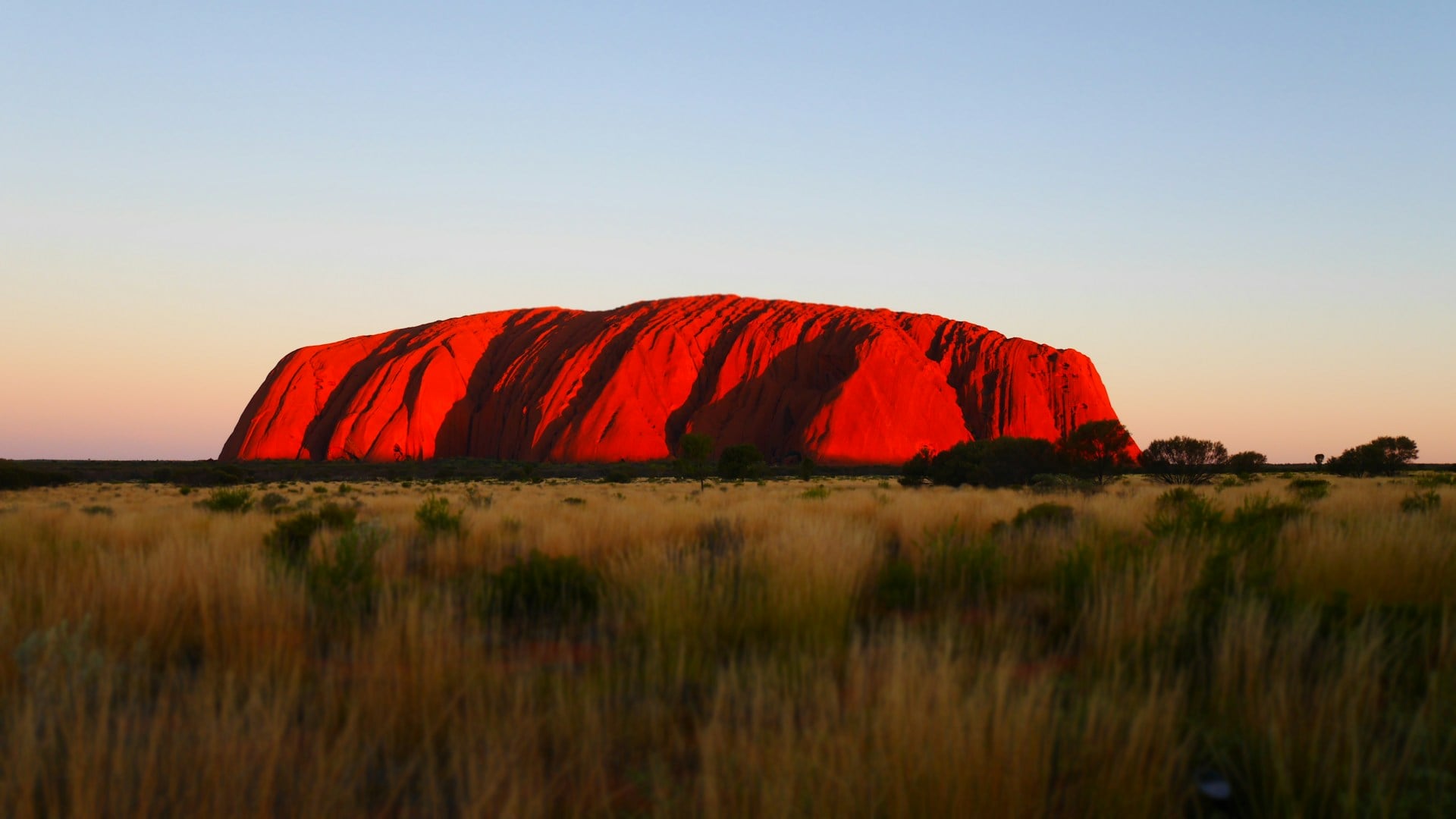
Once upon a time, central Australia looked nothing like its dusty present. Instead of endless sand, thick woods grew where rain fell often.
Life thrived back then – creatures roamed near wide lakes filled by steady downpours. Ancient drawings on stone show species needing moist habitats long gone.
That land included what we now call Lake Eyre, which held water year-round and teemed with life. Slow shifts turned everything brittle; centuries passed, moisture slipped away, colors faded into rust.
The Thar Desert
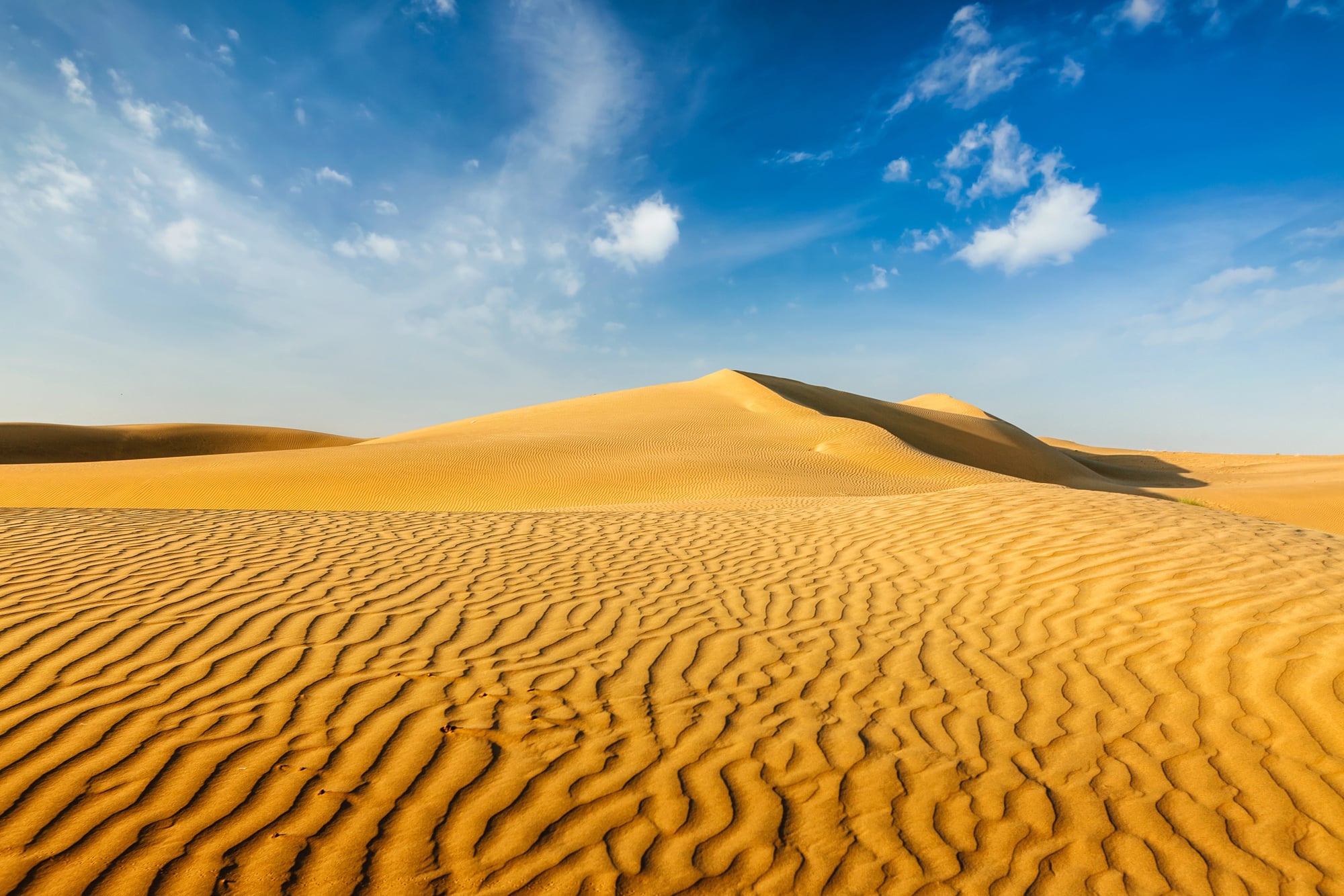
Once thick with trees and flowing streams, the Thar Desert stretches across parts of India and Pakistan today as a dry expanse. Old writings tell of greenery where only dust remains now.
Through here ran the Ghaggar-Hakra river, feeding life to whole societies until its waters vanished roughly four millennia back. When the flow stopped, people tilled no more soil and left behind what they built.
Over centuries, altered weather and erratic rains reshaped fertile ground into drifting dunes.
The Atacama Desert

Not every corner of Chile’s Atacama stayed parched forever. Rain popped up now and then long ago, leaving behind fleeting pools and soggy ground.
When ancient El Niño patterns rolled through, damp air let green things sprout, along with creatures that followed. Hard proof sits in old lake floors, where dried plant remains tell quiet stories of past warmth.
Over eons, shifting sea flows and rising peaks slowly locked out wet air, turning the land into what stands now.
The Mojave Desert
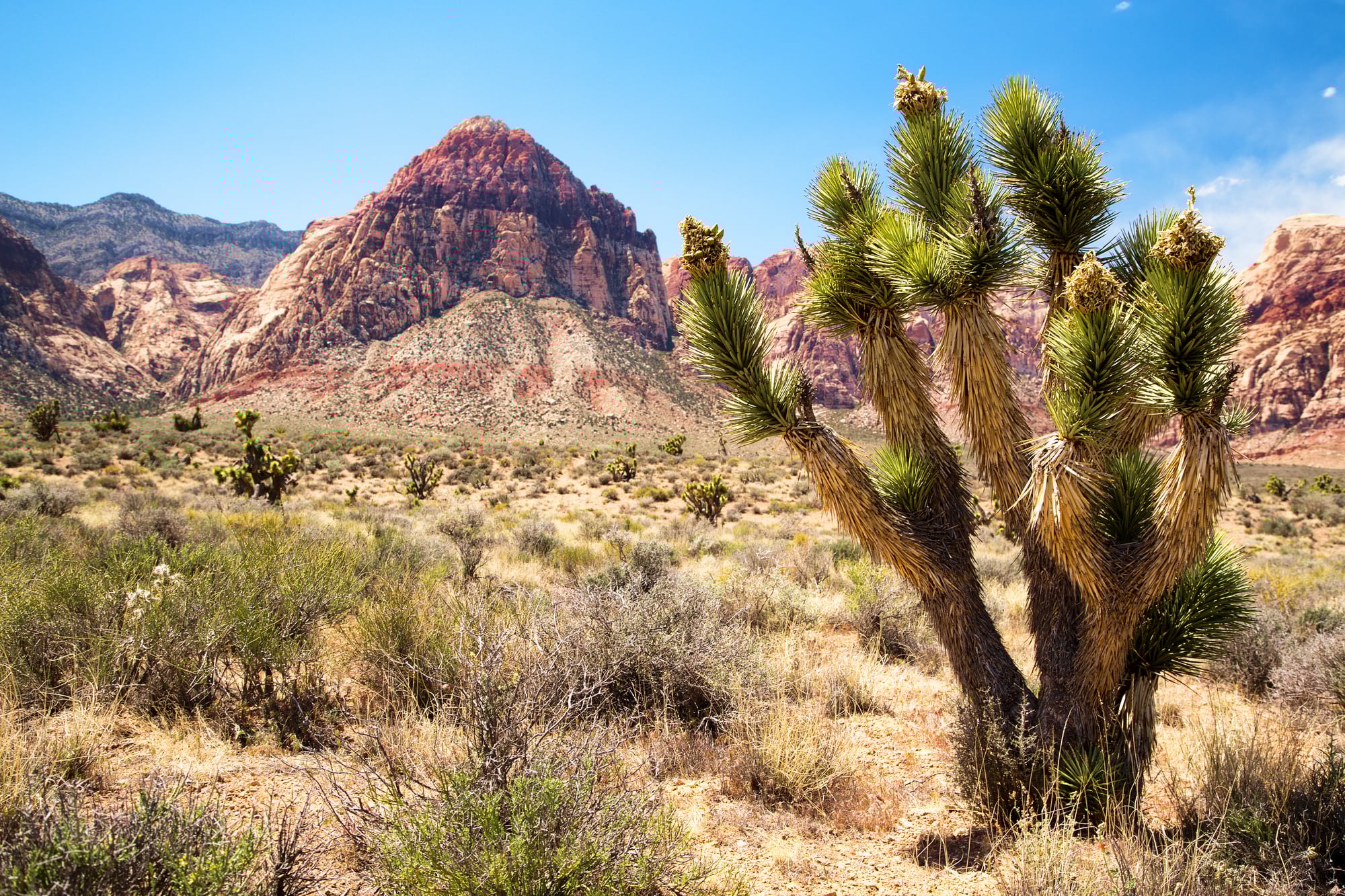
Southern California’s Mojave Desert had a much wetter past than most people realize. During the last ice age, this area received significantly more rainfall and supported juniper forests and grasslands.
Ancient lake beds like the Mojave River system once held permanent water and attracted mammoths, camels, and early humans. The drying began around 10,000 years ago as global temperatures rose and weather patterns shifted.
Today, only occasional flash floods hint at the water that once flowed freely through these valleys.
The Gobi Desert

Mongolia and China share this cold desert that once had a very different climate. Fossil records show that forests and grasslands covered much of this region millions of years ago.
Even in more recent times, around 2,000 years ago, the Gobi had more vegetation and supported larger populations of people and animals. Trade routes like the Silk Road passed through areas that were greener and more hospitable than they are now.
Gradual climate shifts and increased grazing pressure turned productive land into the harsh desert we know today.
The Kalahari Desert

Southern Africa’s Kalahari wasn’t always the sandy semi-desert it is now. During wetter periods, large lakes formed across this region and rivers flowed year-round.
The Makgadikgadi salt pans in Botswana are remnants of a massive lake that once covered thousands of square miles. Early human populations thrived around these water sources, leaving behind tools and settlements.
The drying trend began around 10,000 years ago, though some areas still receive enough rain to support scattered vegetation.
The Namib Desert
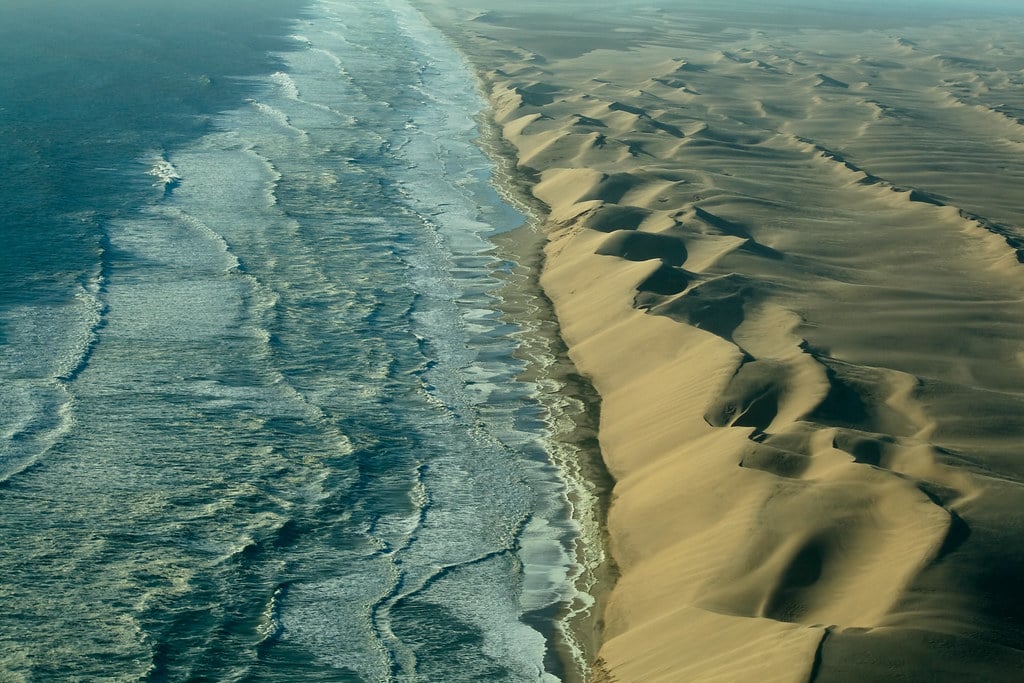
Running along Africa’s southwestern coast, the Namib is considered one of the oldest deserts in the world. Even so, it had periods of increased moisture that supported more life than exists there now.
Fossilized river channels show that water once flowed from the interior to the coast. During wetter phases, plants and animals expanded into areas that are now completely barren.
The cold ocean current offshore helps maintain the extreme dryness, but this wasn’t always as pronounced as it is today.
The Patagonian Desert
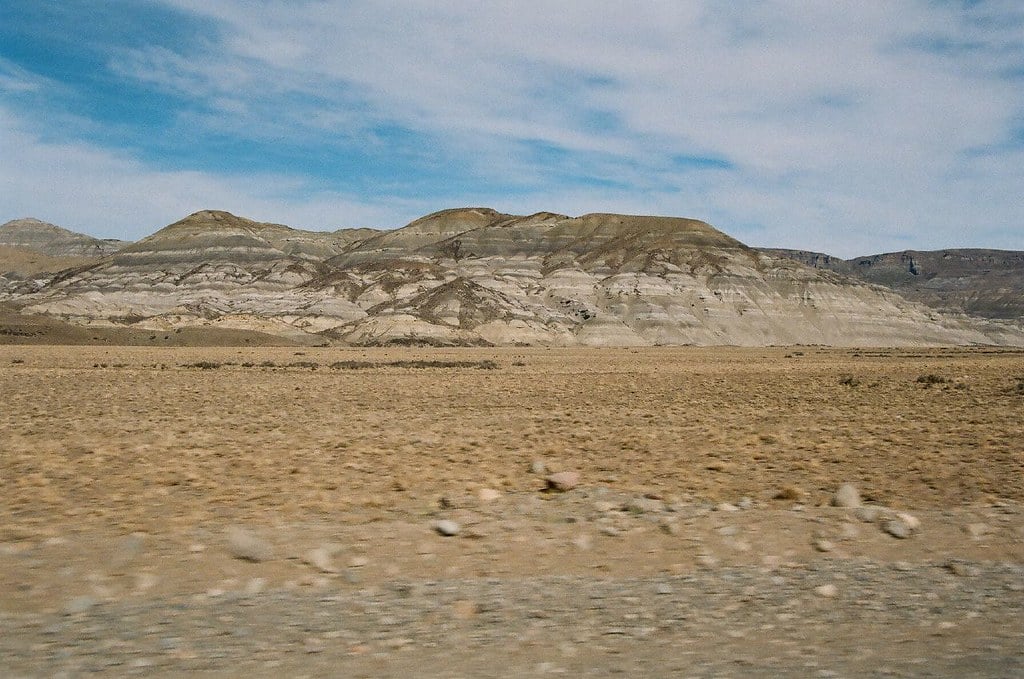
Argentina’s vast Patagonian region wasn’t always this dry and windswept. Before the Andes Mountains rose to their current height, moisture from the Pacific Ocean reached much further east.
The landscape supported forests and grasslands that hosted diverse wildlife. As the mountains grew taller over millions of years, they blocked rainfall and created a rain shadow effect.
Today, strong winds and minimal precipitation define this cold desert, but fossils reveal a much lusher past.
The Great Basin Desert

Covering parts of Nevada, Utah, and surrounding states, the Great Basin was dramatically different during the last ice age. Ancient Lake Lahontan covered much of western Nevada, and Lake Bonneville was a massive body of water in Utah.
These lakes supported fish, waterfowl, and the humans who hunted along their shores. As temperatures warmed around 12,000 years ago, the lakes began shrinking.
The Great Salt Lake and Pyramid Lake are tiny remnants of these once-vast water systems.
The Chihuahuan Desert
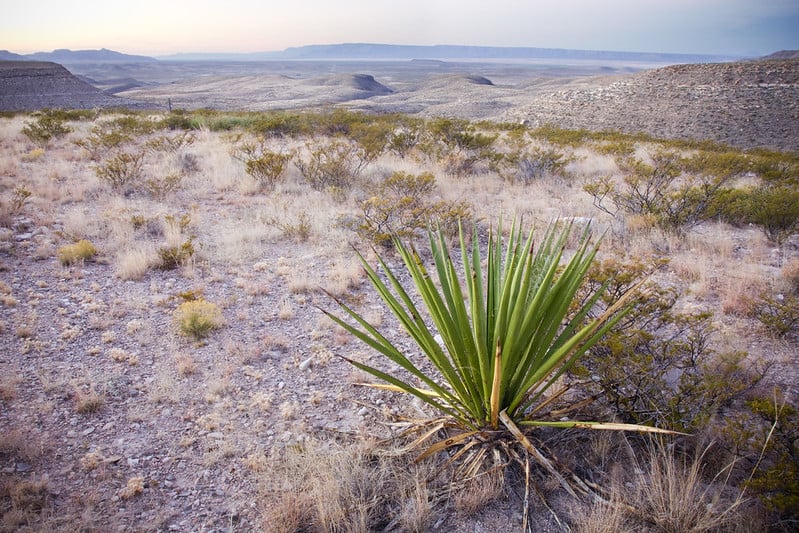
This desert spanning parts of Mexico and the southwestern United States had a wetter history than its current state suggests. During the last glacial period, increased rainfall supported grasslands and woodlands across much of the region.
Springs and streams were more common, creating pockets of life that attracted diverse animals. Ancient packrat middens preserve plant materials showing that junipers and other trees grew in areas now too dry to support them.
The shift to current conditions happened gradually over thousands of years.
The Taklamakan Desert

China’s Taklamakan Desert sits in a basin surrounded by mountains, making it one of the driest places in Asia. Historical records and archaeological findings show that conditions were once more favorable for human settlement.
Ancient cities along the Silk Road relied on rivers fed by mountain glaciers, but many of these water sources have diminished or disappeared. Climate records indicate periods of increased moisture that allowed agriculture and trade to flourish.
The advancing desert has since buried many of these settlements under sand dunes.
The Syrian Desert

Covering parts of Syria, Jordan, and Iraq, this desert was once part of the Fertile Crescent. Ancient civilizations farmed this land and raised livestock when rainfall was more reliable.
Roman and Byzantine settlements dotted the region, supported by springs and wells that have since dried up. Climate change and centuries of land use gradually reduced the vegetation cover.
Satellite images now reveal archaeological sites and ancient field systems in areas that receive almost no rain.
The Sonoran Desert
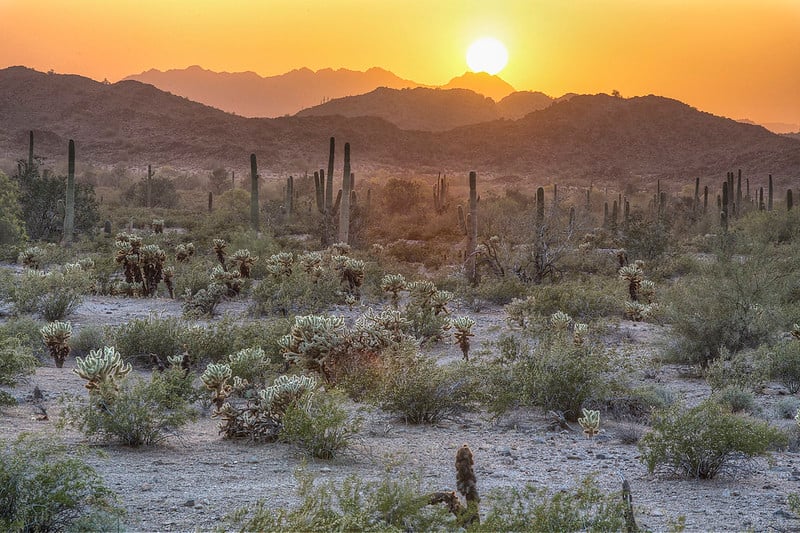
Stretching across Arizona and Mexico, the Sonoran Desert experienced much wetter conditions in the past. During the last ice age, the region had more rainfall and cooler temperatures that supported different plant communities.
Ancient lake beds and stream channels show where water once flowed regularly. Early inhabitants built settlements near these reliable water sources.
As the climate warmed and dried over the past 10,000 years, the unique desert ecosystem we see today gradually took shape, though it remains one of the wettest deserts in North America.
From Green To Sand
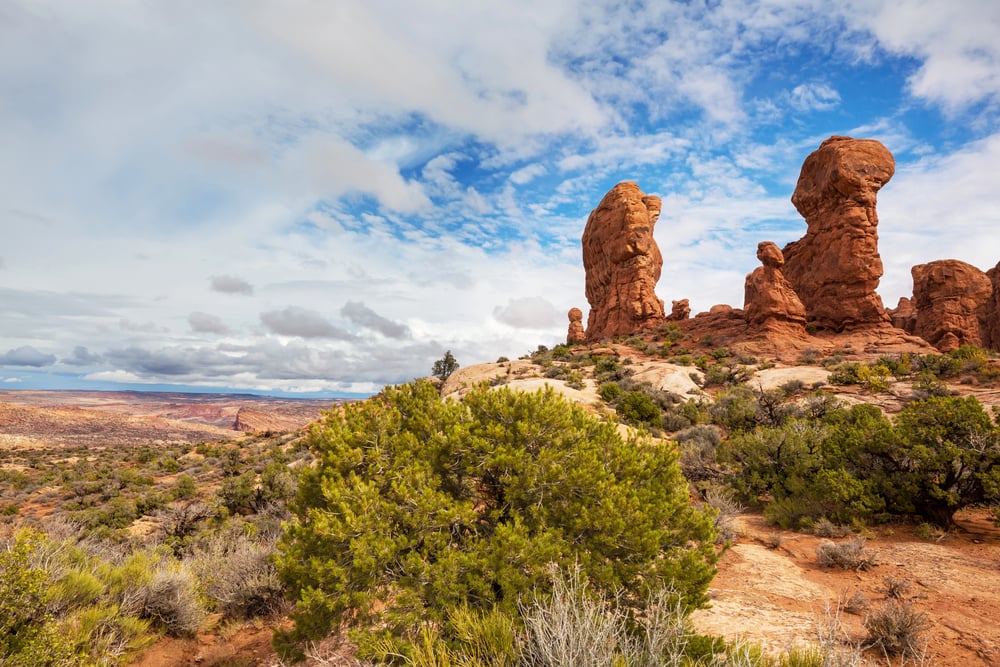
These transformations remind us that landscapes aren’t permanent fixtures but living systems that respond to climate and time. The same forces that turned forests into sand dunes continue to shape our planet today.
Understanding these changes helps scientists predict future shifts and shows how quickly environments can transform. What seems unchangeable today might look completely different in a few thousand years, just as these deserts would be unrecognizable to someone who saw them in their green phase.
More from Go2Tutors!

- The Romanov Crown Jewels and Their Tragic Fate
- 13 Historical Mysteries That Science Still Can’t Solve
- Famous Hoaxes That Fooled the World for Years
- 15 Child Stars with Tragic Adult Lives
- 16 Famous Jewelry Pieces in History
Like Go2Tutors’s content? Follow us on MSN.