Giant Libraries Housing Millions
It feels small, somehow, to stand in a huge library. Not like towers meant to pierce the sky, these places grow sideways and down – rows upon rows, hall after hall, rooms below ground, files deep within machines.
You might not notice their full size just by looking from the street. Step inside, though, and it hits you: they carry more than books.
They cradle moments, choices, thick layers of minds reaching across years.
Big libraries holding millions of things were not built fast. Over time, they grew bit by bit, pushed forward through rules requiring copies of books, needs of schools, reach of empires, work to save old materials, along with shifts in tech.
It took ages for them to get so large – no one burst of vision made it happen. People kept adding stuff, rarely thinking about who might open those pages later.
This part shows some top libraries around the globe based on how much they hold, revealing how sheer volume still affects where knowledge lives, how we find it, why it survives.
A glance at some libraries reveals holdings now counting in the tens of millions. Keeping such vast places running demands more than books on shelves – space, people, constant care shape their survival.
Library of Congress

The Library of Congress is the largest library in the world by total holdings, with more than 170 million items in its care. Located in Washington, D.C., it serves as both a research library and the official library of the United States Congress.
Its collection spans books, manuscripts, maps, photographs, recordings, and vast digital archives.
What makes the Library of Congress especially striking is how deliberately it balances scale with access. While much of its collection is stored off-site or underground, researchers can still request materials with relative ease.
The institution operates less like a warehouse and more like a living system, constantly moving items between preservation and use. Its size reflects the belief that a national library should preserve not only celebrated works, but everyday records of cultural life as well.
British Library
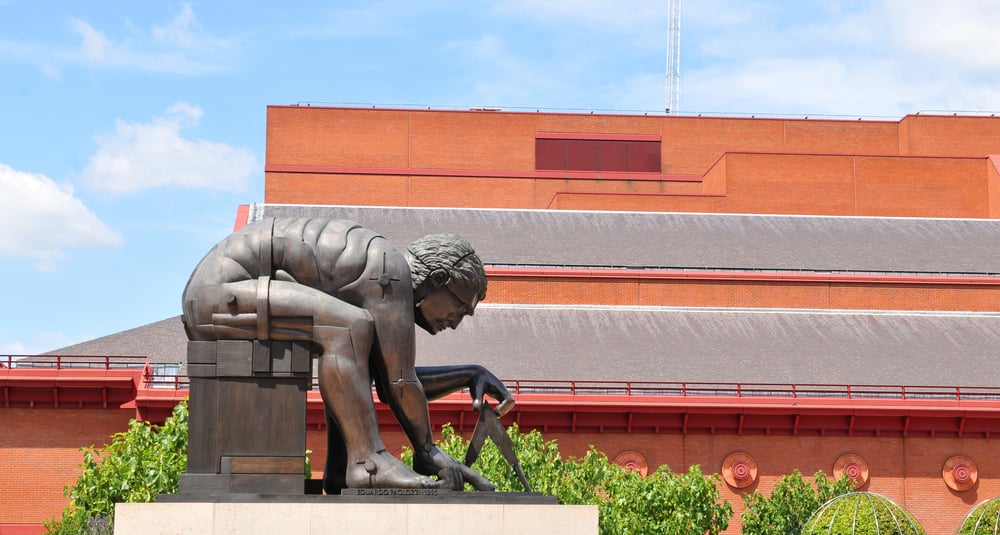
With holdings exceeding 170 million items, the British Library rivals its American counterpart in scale. As the United Kingdom’s legal deposit library, it receives copies of nearly everything published in the country.
That mandate has driven steady growth for centuries, often invisibly.
The library’s modern building in London hides the true extent of its collection, much of which is stored below ground in carefully controlled conditions. Items arrive daily, catalogued and preserved with long-term survival in mind.
The British Library’s size is less about display and more about stewardship, emphasizing continuity and responsibility over visual impact.
National Library of France

The National Library of France holds well over 40 million items, making it one of the largest libraries in Europe. Its history stretches back to medieval royal collections, gradually transformed into a public institution.
Over time, it became a central repository for French publishing and historical documentation.
Its modern site along the Seine was designed to accommodate both growth and preservation. Four towering book-shaped structures surround a sunken garden, symbolizing openness while protecting fragile materials from light.
The library’s vast holdings reflect France’s long-standing commitment to centralizing knowledge while adapting to modern archival demands.
Russian State Library

Based in Moscow, the Russian State Library houses more than 47 million items. It serves as Russia’s primary national library and one of the largest research libraries in the world.
Its collection includes extensive holdings in multiple languages, reflecting the country’s geographic and cultural breadth.
Managing a collection of this size presents ongoing logistical challenges. Climate control, cataloguing accuracy, and retrieval systems must operate continuously to protect materials from deterioration.
The library’s scale speaks not only to accumulation, but to the sustained effort required to prevent loss across generations.
National Diet Library

Japan’s National Diet Library holds over 45 million items and functions as both a parliamentary library and a national archive. Established after the Second World War, it was designed to support democratic governance through access to information.
Its collection strategy emphasizes completeness within Japan while maintaining strong international holdings. Extensive underground storage supports growth without overwhelming public spaces.
The library’s size reflects postwar priorities around transparency, education, and long-term national memory rather than symbolic grandeur.
German National Library

The German National Library holds more than 43 million items, collected under legal deposit requirements that cover all German-language publications. Split between locations in Leipzig and Frankfurt, the library reflects the country’s layered modern history.
This distributed structure allows for specialization while reducing risk to the collection as a whole. The library’s size is the result of systematic documentation rather than rapid expansion.
Each item represents a deliberate effort to record cultural and intellectual output in a comprehensive way.
National Library of China

The National Library of China houses more than 40 million items and continues to grow rapidly. Its holdings include ancient manuscripts, rare books, and an expanding digital archive that supports modern research needs.
Large reading rooms and advanced storage facilities reflect a dual focus on accessibility and preservation. The library’s scale represents both historical depth and contemporary investment, positioning it as a bridge between traditional scholarship and modern information systems.
National Library of Russia

Separate from the Russian State Library, the National Library of Russia in St. Petersburg holds over 38 million items. It traces its origins to the eighteenth century and remains one of the oldest public libraries in the country.
Its holdings reflect imperial, Soviet, and modern periods, layering political and cultural history within a single institution. Managing this scale requires constant adaptation as preservation standards evolve.
The library’s size mirrors the continuity and disruption present in the nation’s broader history.
Harvard Library

Harvard Library is the largest academic library system in the world, with more than 20 million items. Spread across dozens of libraries, its collection supports research across nearly every discipline.
Unlike national libraries, Harvard’s growth has been shaped by academic demand rather than legal deposit. Its scale reflects sustained investment in scholarship over centuries.
The distributed system allows for deep specialization while maintaining centralized organization.
Shanghai Library
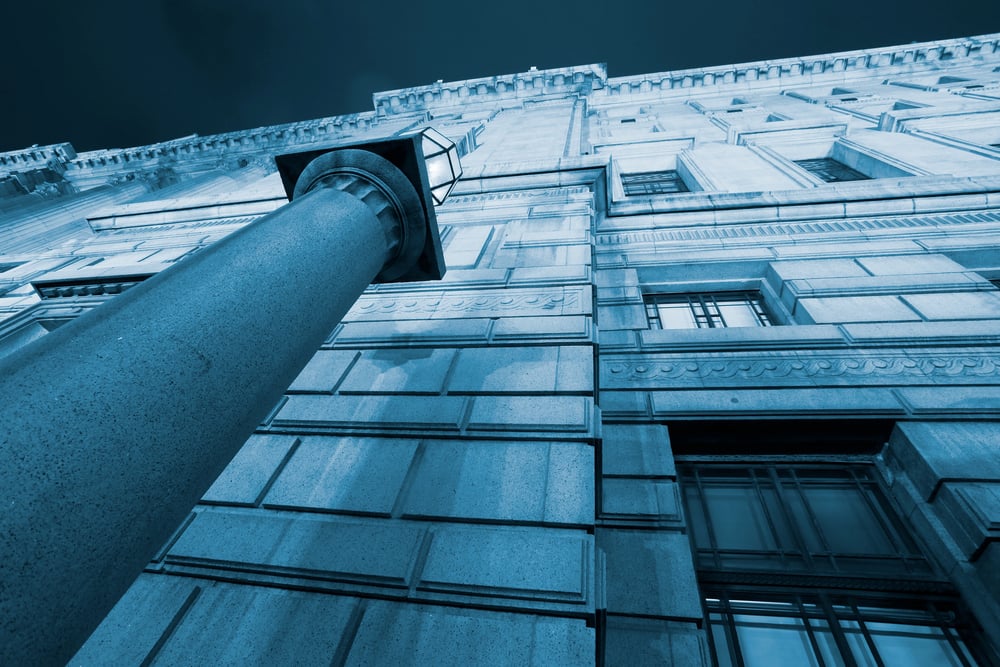
The Shanghai Library holds more than 56 million items, making it one of the largest public libraries globally. It serves both as a municipal library and a research institution, blending public access with archival responsibility.
Its modern facilities emphasize usability even at a massive scale. Digital services extend the library’s reach beyond physical walls, allowing its collection to function as both a civic resource and a preservation center.
Its size reflects rapid urban growth paired with long-standing cultural stewardship.
Why Scale Matters in the Age of Search
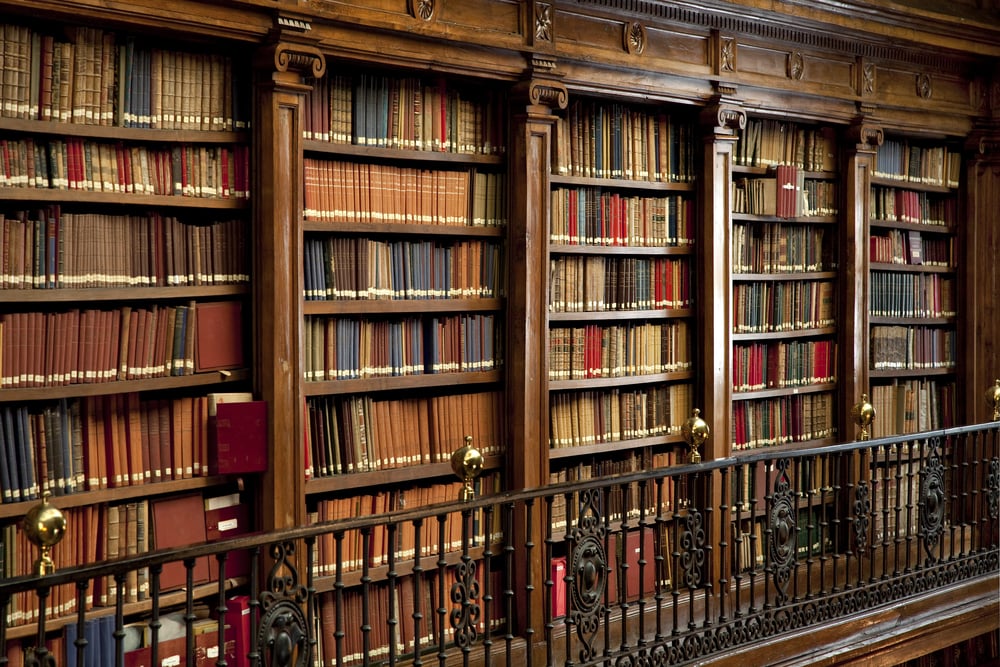
Out in the open, massive archives challenge today’s rush for immediate results. Though online searches deliver fast answers, size plays a role when safeguarding knowledge long-term.
Hidden within brick walls, countless pieces live only here – kept alive by steady climates and gentle care.
History takes form inside these walls. Choices about storage, labeling, attention given to certain records – each detail steers later research without announcing itself.
Large collections carry weight beyond volume. They mirror beliefs held, choices made, moments that mattered long before shelves were filled.
Even now, when data floats through air, vast book halls stand heavy on the ground. Each shelf, packed tight, says learning cannot just drift.
Time leaves its mark in rows you can touch. Recall does not vanish if it rests behind glass and wood. Weight matters when remembering is involved.
More from Go2Tutors!

- The Romanov Crown Jewels and Their Tragic Fate
- 13 Historical Mysteries That Science Still Can’t Solve
- Famous Hoaxes That Fooled the World for Years
- 15 Child Stars with Tragic Adult Lives
- 16 Famous Jewelry Pieces in History
Like Go2Tutors’s content? Follow us on MSN.