Mind-Blowing Facts About Private Jets
Private jets represent the ultimate symbol of wealth and luxury in modern society.These flying palaces zip across the sky carrying celebrities, business tycoons, and world leaders to their destinations without the hassle of commercial airports.
But beyond the champagne and leather seats, private jets come with some truly surprising details that most people never get to learn about.Here are some fascinating things about these exclusive aircraft that might change how you think about private air travel.
They cost more per hour than most people earn in a year
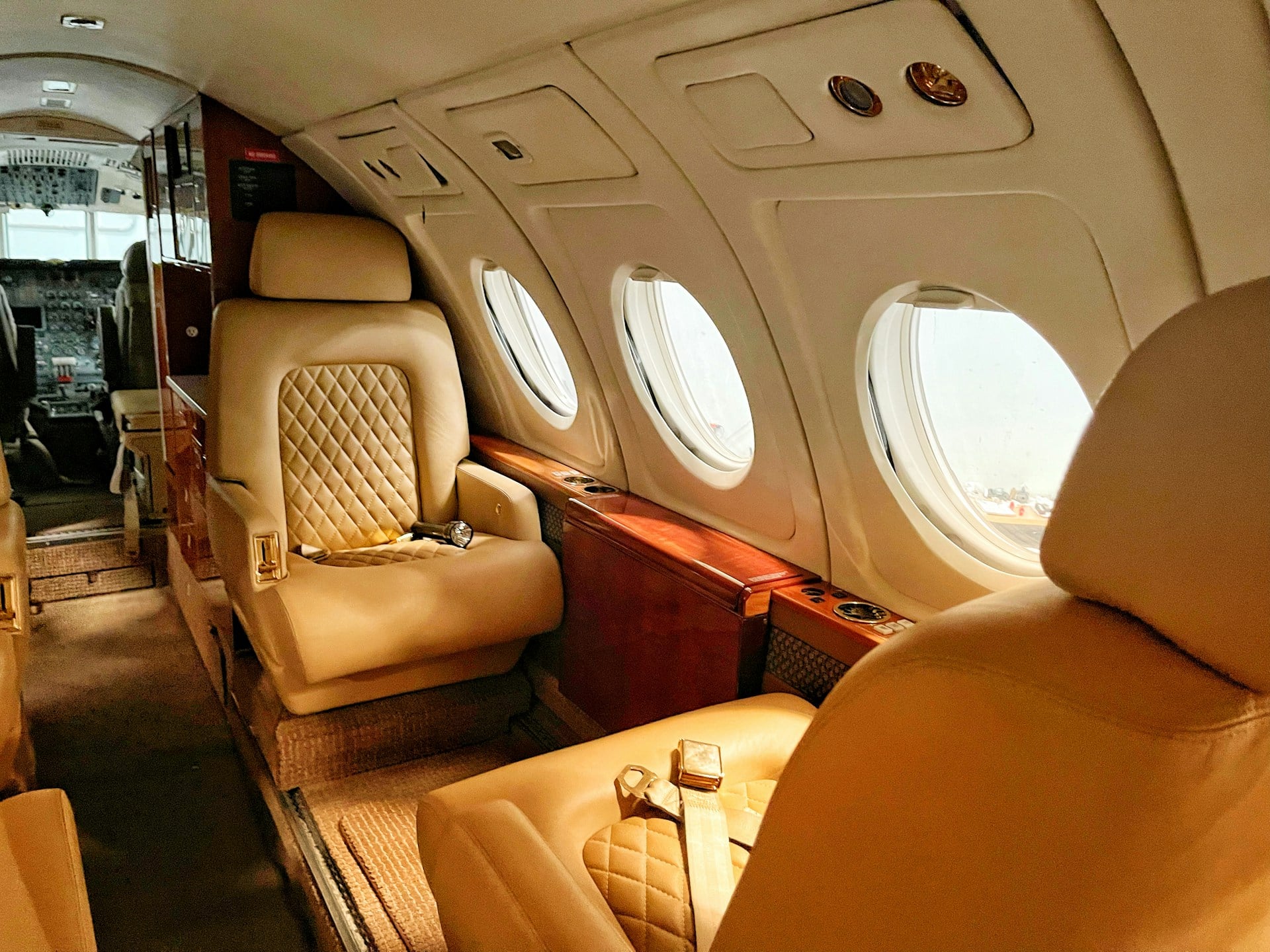
Operating a private jet runs between $2,000 and $10,000 per flight hour depending on the size and model.That price tag covers fuel, crew salaries, maintenance, insurance, and hangar fees all rolled into one eye-watering number.
A single cross-country trip can easily cost $30,000 or more, which explains why even many millionaires choose to charter instead of owning outright.The hourly rate keeps climbing because jet fuel prices fluctuate constantly and maintenance requirements get stricter every year.
Some jets have bedrooms that rival five-star hotels
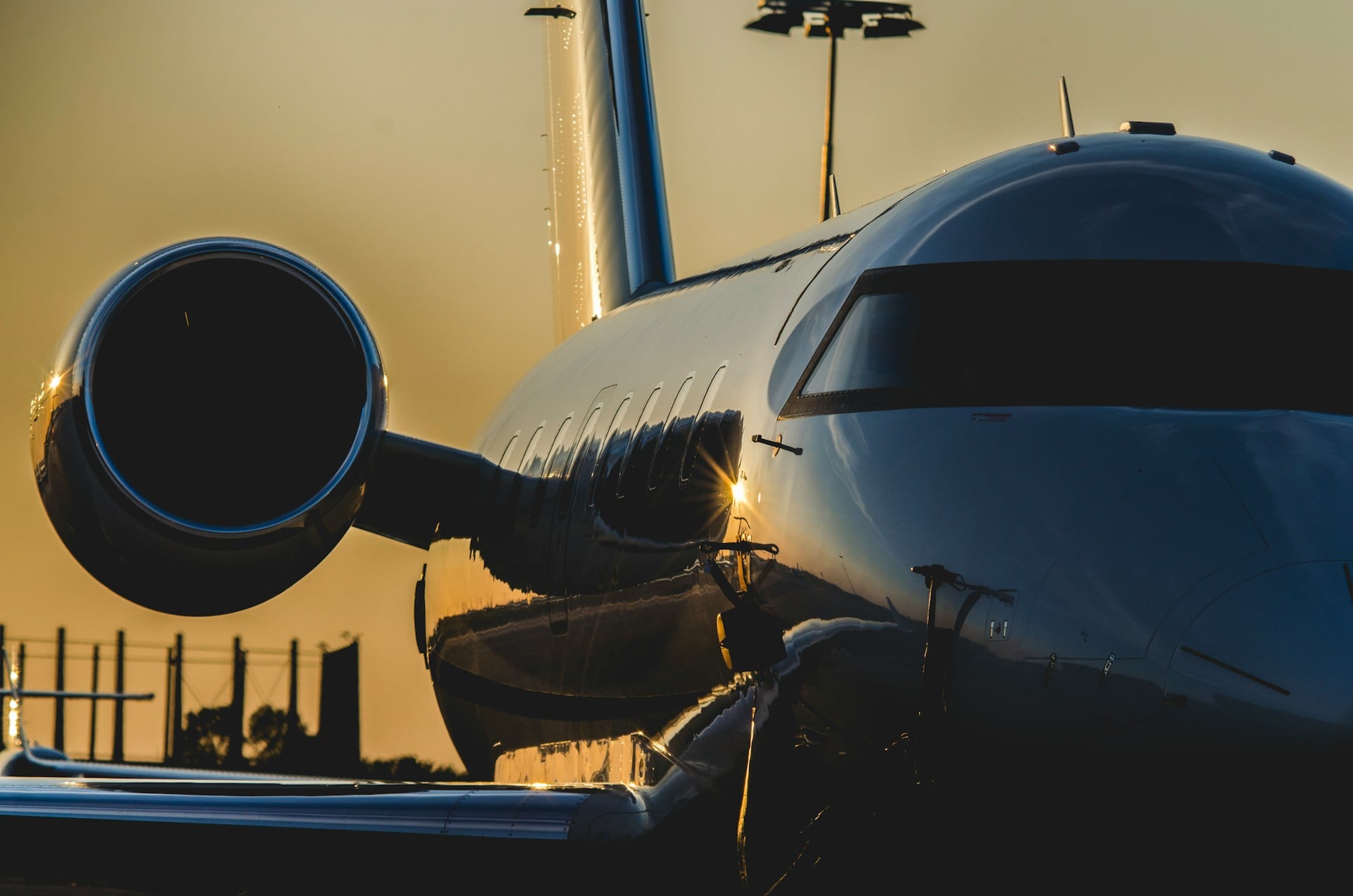
The largest private jets feature full bedrooms with actual beds, not just seats that recline.These airborne suites include memory foam mattresses, Egyptian cotton sheets, and sometimes even ensuite bathrooms with showers.
The Airbus ACJ320neo and Boeing Business Jet 787 offer floor plans that look more like luxury apartments than aircraft.Owners spend millions customizing these spaces with gold fixtures, rare wood paneling, and technology that would make most homes jealous.
Private terminals let passengers show up minutes before takeoff

Forget arriving two hours early like commercial passengers have to do.Private jet travelers use separate terminals called FBOs (Fixed Base Operators) where they can arrive just 15 minutes before departure.
There are no long security lines, no taking off shoes, and no waiting at gates with hundreds of other people.The car pulls up directly to the plane in most cases, and passengers walk straight from their vehicle to the aircraft steps.
This time savings is actually one of the biggest reasons busy executives choose private aviation over first class tickets.
Pets fly in the cabin without any special paperwork
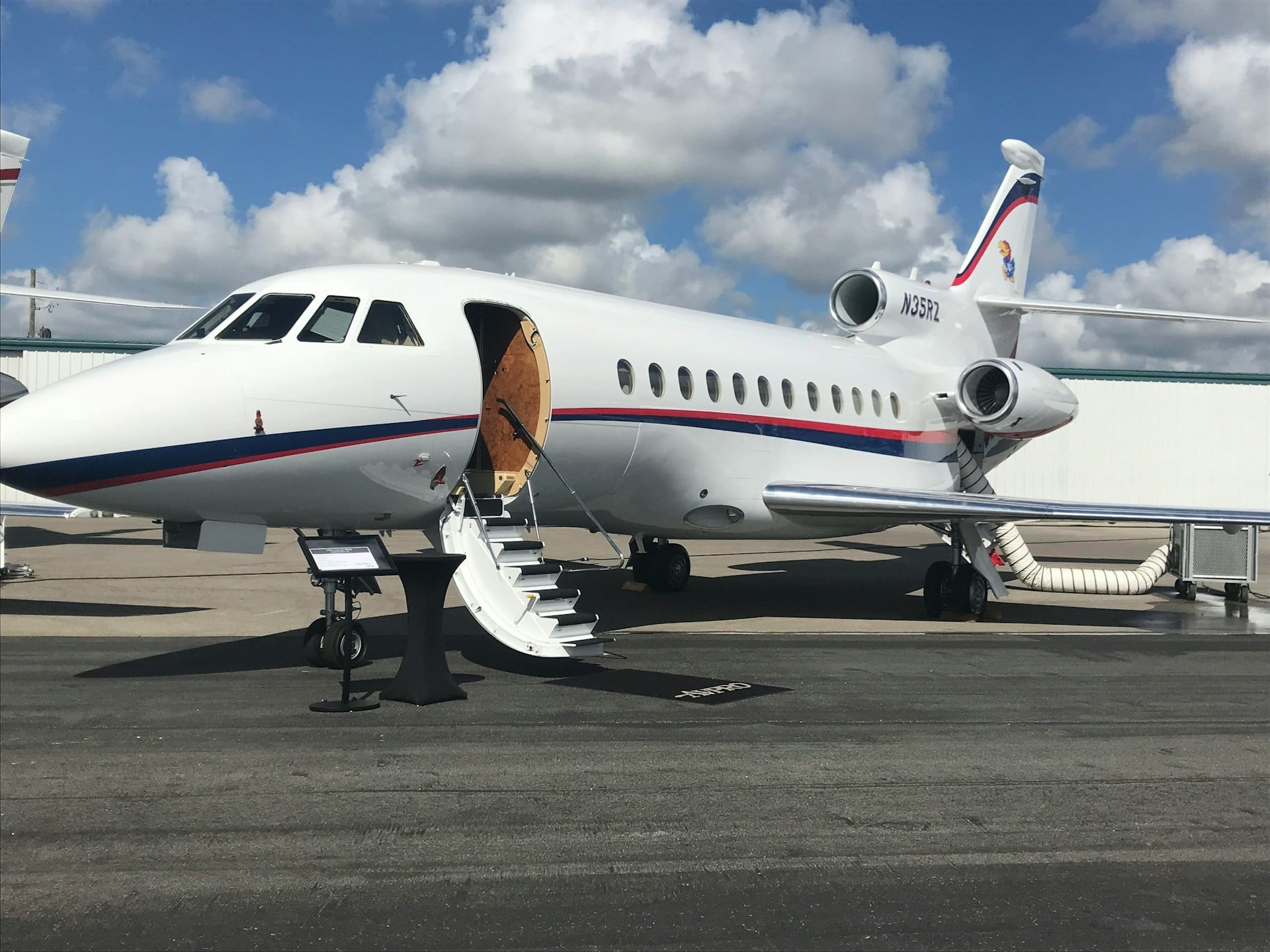
Dogs, cats, and even more exotic pets travel right alongside their owners in the main cabin.There are no carrier requirements, size restrictions, or additional fees like commercial airlines charge.
Some jet owners install special pet amenities including custom feeding stations and designated bathroom areas.One famous case involved a Saudi prince who bought tickets for 80 falcons on a commercial flight, but private jet owners regularly fly their animals without making headlines.
The fastest private jets break the sound barrier

The Cessna Citation X+ cruises at Mach 0.935, making it one of the fastest civilian aircraft ever built.That speed translates to about 700 miles per hour, which means flying from New York to Los Angeles in under four hours.
Aerion is developing a supersonic business jet that will actually break the sound barrier and cut that same trip down to just over two hours.These speed demons cost significantly more than standard private jets, but time-obsessed billionaires are lining up to buy them.
You can buy a used private jet for less than a nice house
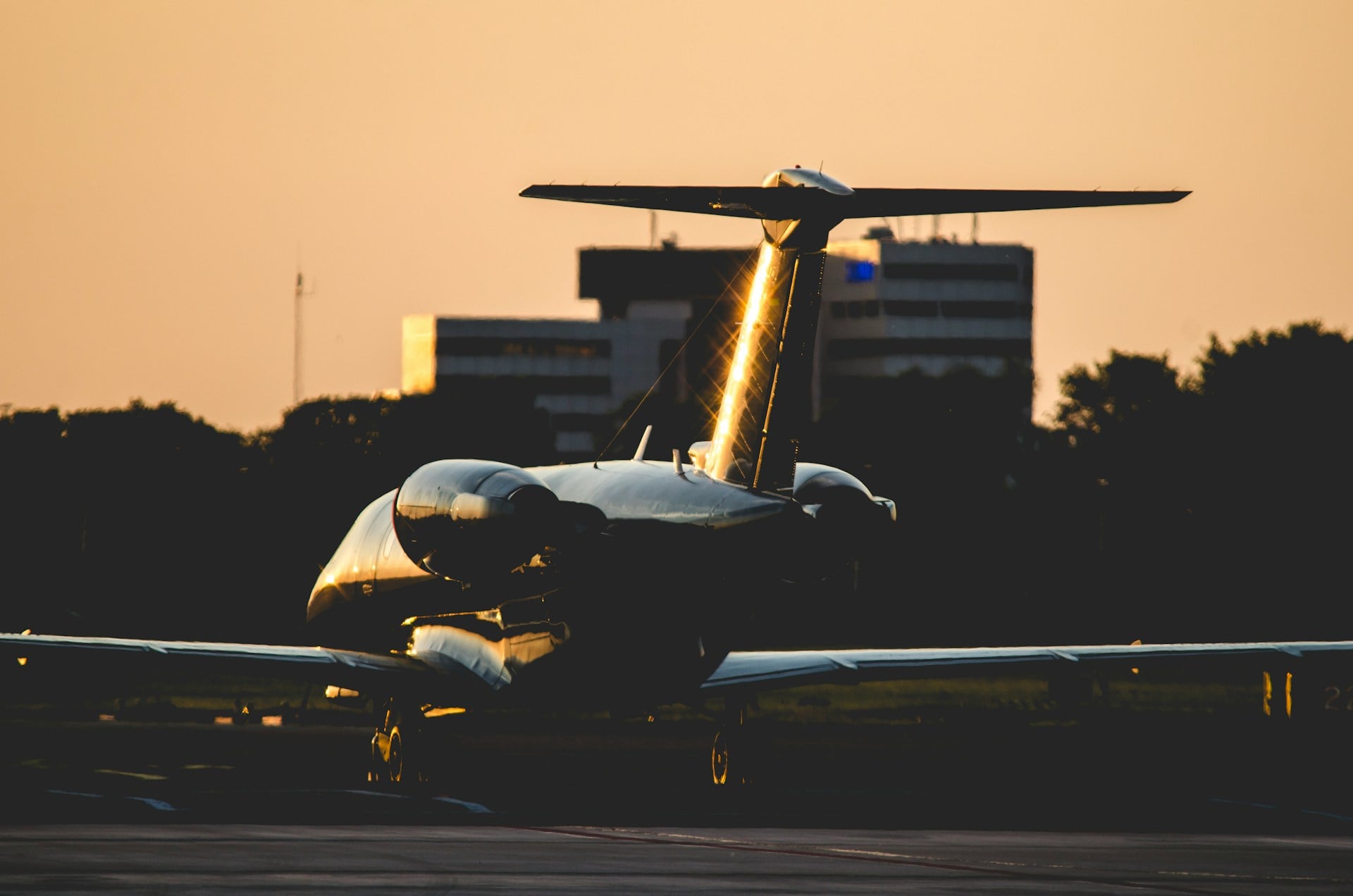
While new private jets cost millions, the used market offers surprising deals for those willing to buy older models.A 1980s Learjet in decent condition might sell for around $500,000, which is less than many homes in major cities.
The catch is that maintenance, fuel, crew, and insurance can run $200,000 to $500,000 annually.Many people who buy cheap private jets quickly discover why the wealthy either pay for new ones or just charter flights instead of dealing with ownership headaches.
Private jets produce 10 times more carbon per passenger than commercial flights

A single private jet passenger creates about 2 tons of carbon emissions per hour of flight.That same person flying a commercial would generate only 200 pounds of emissions because the impact gets divided among hundreds of passengers.
Environmental groups have started targeting private aviation as one of the worst contributors to climate change relative to the number of people served.Some celebrities and executives have faced serious backlash for taking private jets on short trips that could easily be driven.
Flight attendants on private jets often cook gourmet meals mid-flight

Corporate flight attendants train at specialized schools where they learn culinary skills alongside safety procedures.These crew members prepare fresh meals using ingredients stored in aircraft galleys that rival restaurant kitchens.
One flight attendant famously made sushi, lobster thermidor, and homemade desserts on a single flight across the Atlantic.The job requires skills in cooking, event planning, and hospitality management, making it far more complex than serving pre-packaged meals like commercial cabin crew.
Some private jets have anti-missile defense systems

High-profile individuals and government contractors can equip their jets with military-grade countermeasures.These systems detect incoming threats and deploy flares or electronic jamming to divert missiles away from the aircraft.
Israeli company Elbit Systems sells these defense packages to civilians worried about flying over dangerous areas.The addition of such equipment can cost over $1 million and requires special training for pilots to operate correctly.
Fractional ownership lets regular rich people pretend they own a jet
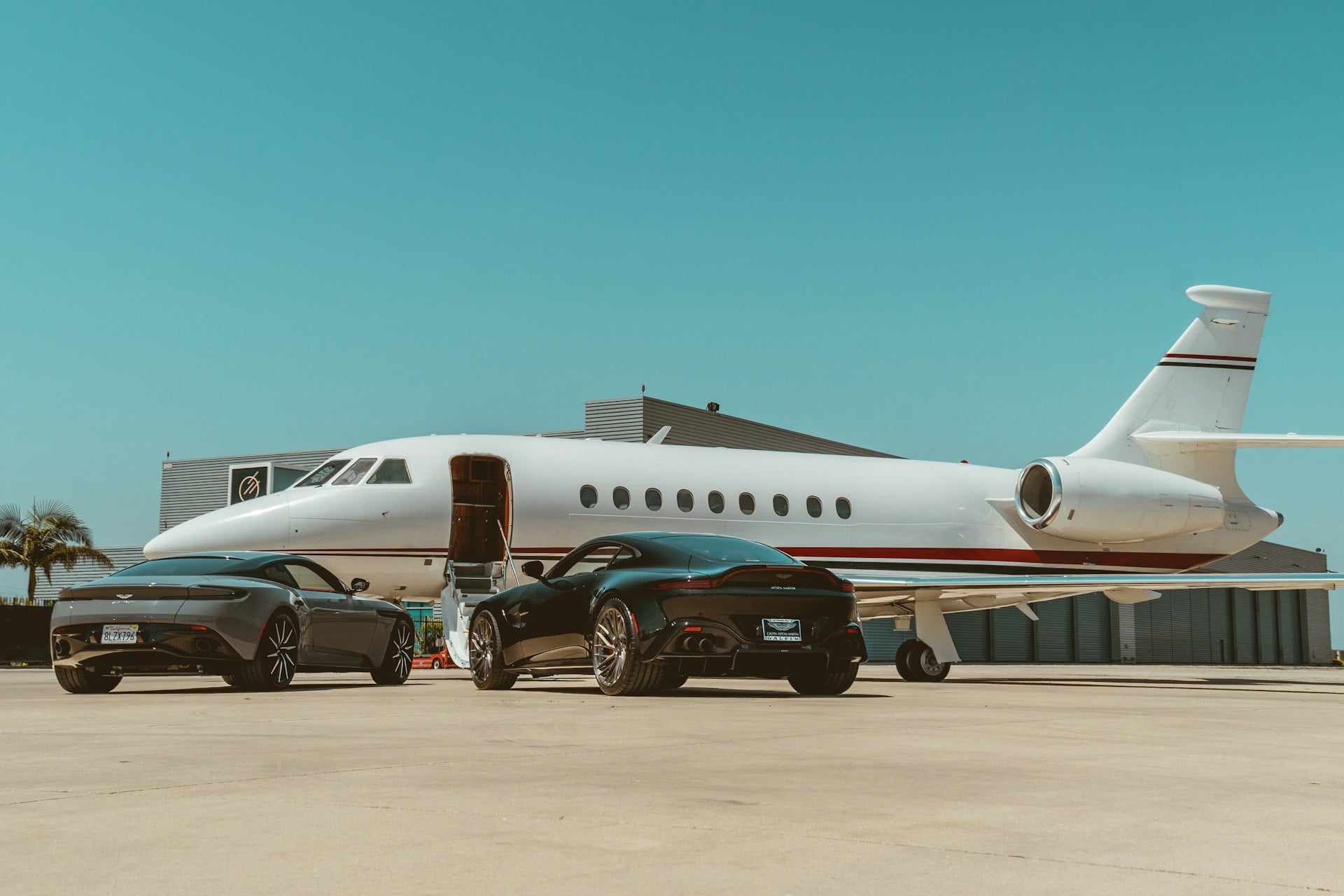
Companies like NetJets pioneered the fractional ownership model where buyers purchase a share of a jet rather than the whole thing.Owning a one-eighth share might cost $500,000 upfront plus monthly fees, but it guarantees access to an aircraft with just four hours notice.
The company manages all maintenance, crew, and logistics while owners get a certain number of flight hours per year.This model has made private aviation accessible to successful professionals who are wealthy but not billionaire-level rich.
Private jets can land at 10 times more airports than commercial airlines

While commercial jets typically serve around 550 airports in the United States, private jets can access over 5,000 smaller airfields.These tiny airports sit closer to final destinations, cutting drive times significantly after landing.
A business executive heading to a small town can land at the local municipal airport instead of flying into a major hub 100 miles away. This flexibility is actually worth more to many travelers than the luxury amenities inside the cabin.
The smallest private jets seat only four people
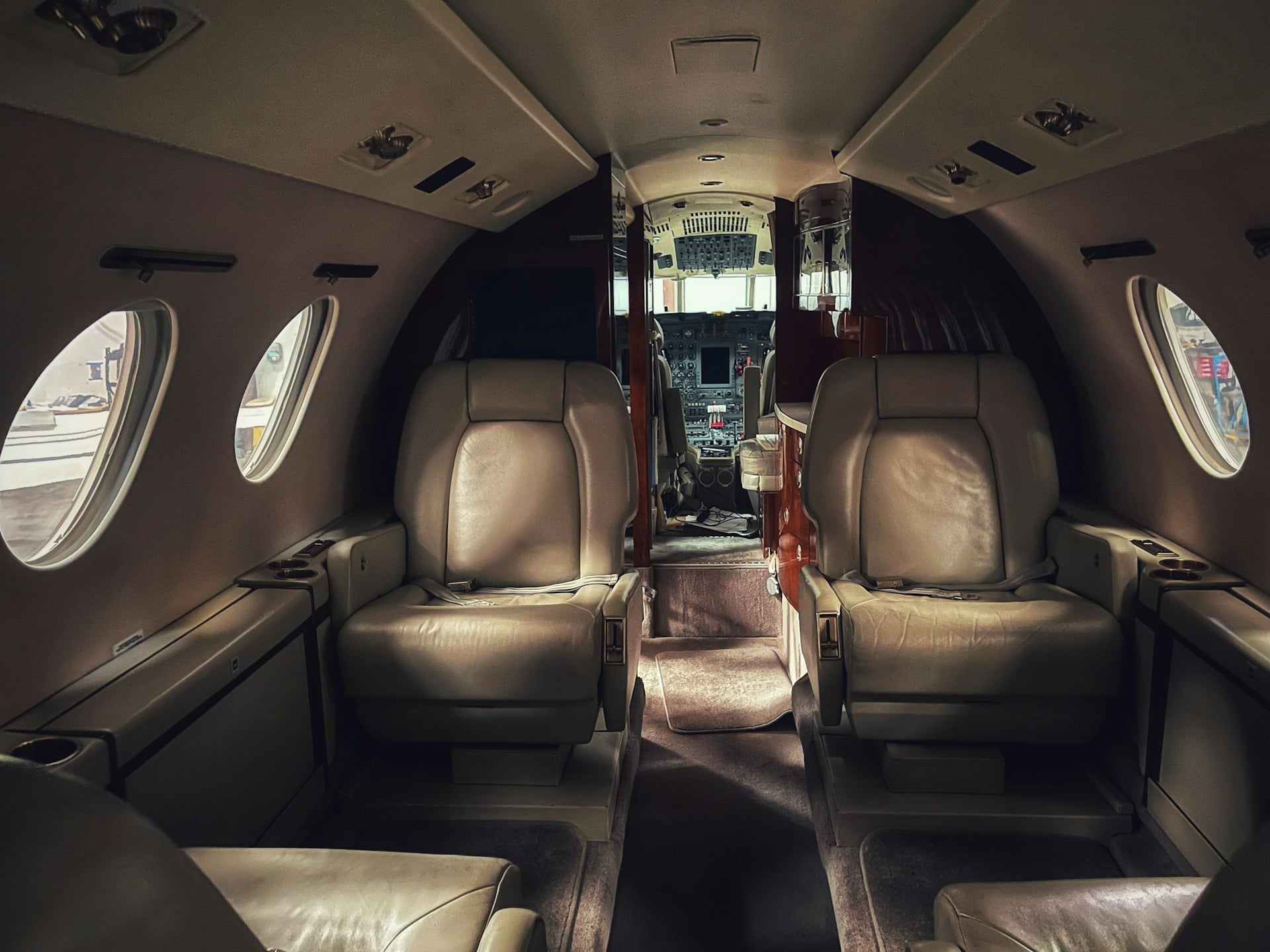
Very Light Jets (VLJs) like the Cirrus Vision Jet look more like large cars with wings than traditional aircraft.These tiny planes cost around $2 million each and can operate from runways as short as 3,000 feet.
They seat four adults comfortably and cruise at about 300 miles per hour, making them perfect for regional business trips.Some doctors and executives who need to visit multiple cities in one day swear by these mini-jets despite their lack of standing room.
Private aviation created its own air traffic control system
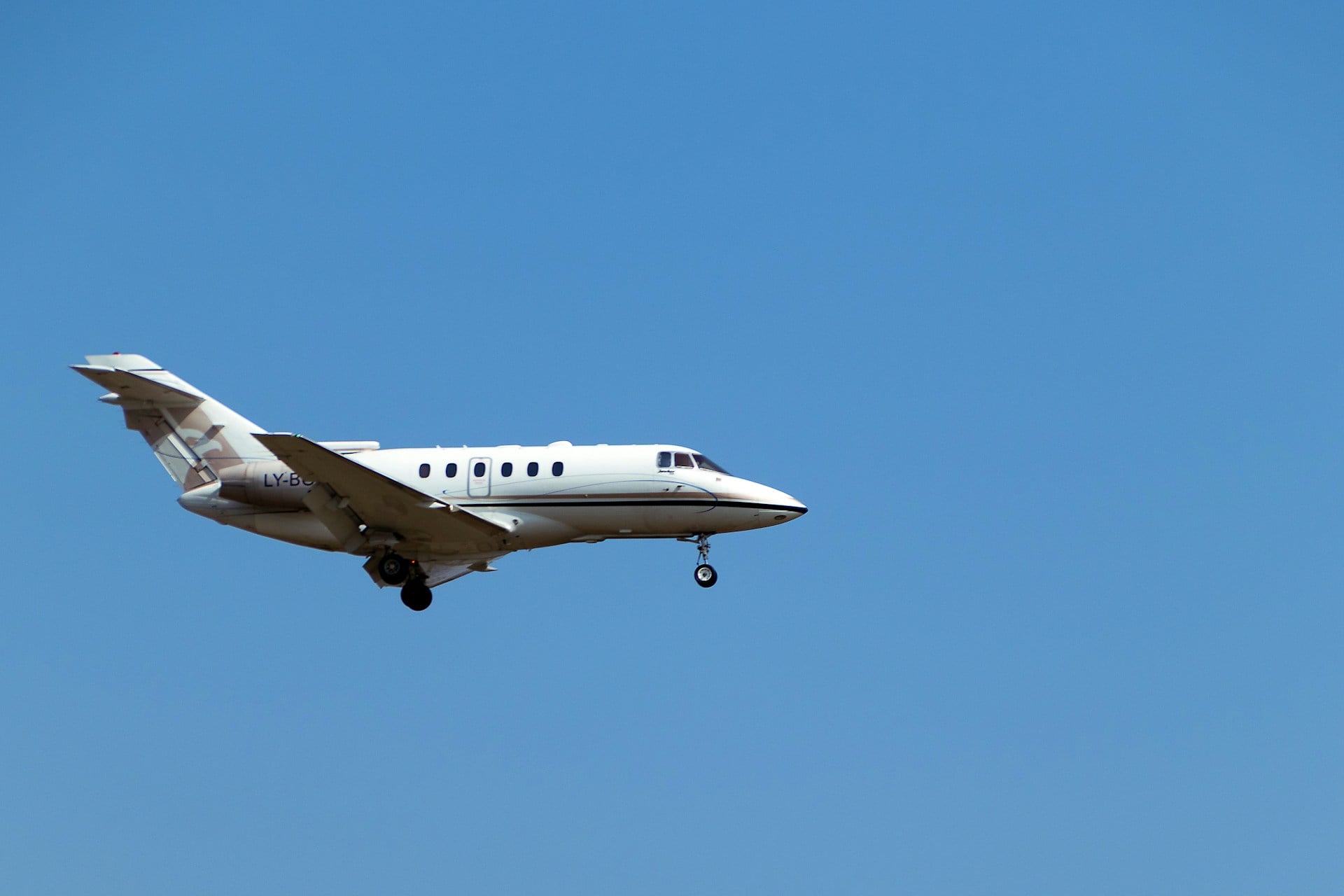
Jet operators use a parallel ATC system that often provides faster routing and better service than the regular system. Controllers who specialize in business aviation understand the needs of corporate travelers and often approve more direct flight paths.
Some FBOs even have their own control towers that coordinate movements of private aircraft separately from commercial traffic.This dedicated infrastructure helps explain how private jets maintain their time advantages over airlines.
Celebrities sometimes forget they left pets on their private jets

One famous story involves a singer who landed, got in a waiting car, and drove away before remembering her dog was still on the plane.The crew had to track her down and arrange a reunion several hours later.
Another incident saw a billionaire’s cat hide in the aircraft bathroom for an entire trip and only emerge after landing.These stories might sound crazy, but they happen more often than people realize because passengers treat private jets like homes where they forget about their stuff.
Some countries ban private jets from their airspace entirely
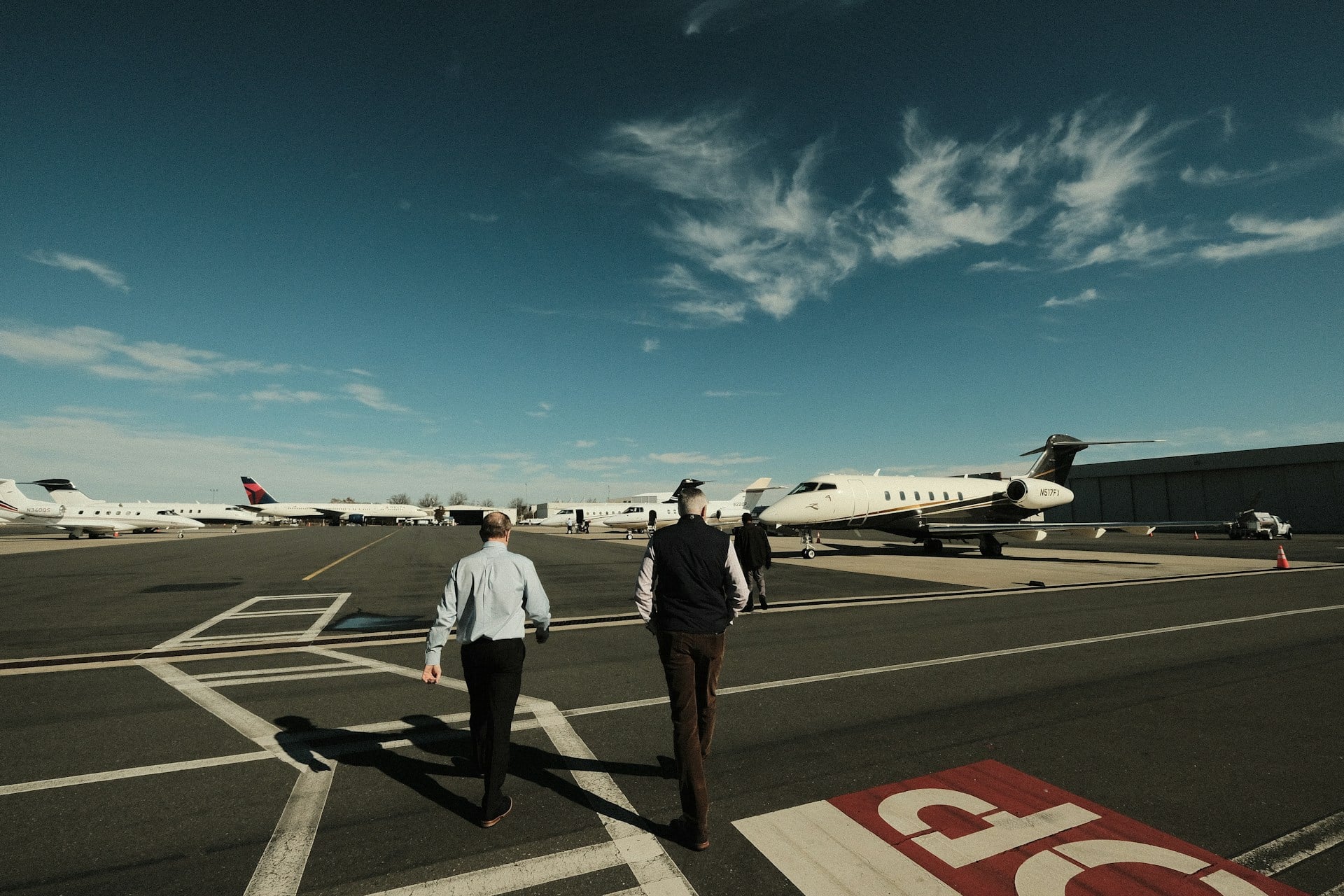
North Korea prohibits all private aircraft from entering its territory without explicit government permission.Cuba severely restricts private aviation, requiring extensive paperwork and government escorts for any business jets that do land.
Even some European countries have implemented extra taxes and restrictions on private flights to discourage their use.These bans create headaches for wealthy travelers who need to plan routes around restricted airspace or switch to commercial flights for certain destinations.
Private jet insurance costs more than luxury car insurance

Annual insurance premiums for a mid-sized private jet run between $50,000 and $100,000 depending on pilot experience and flight patterns.That cost covers liability for passengers, damage to the aircraft, and potential harm to people or property on the ground.
Insurers examine every detail of how the jet will be used, where it will fly, and who will pilot it before setting rates.One accident or incident can cause premiums to double or even make the aircraft uninsurable at any price.
Flight planning software can predict turbulence down to the minute

Modern private jets use sophisticated weather prediction systems that make commercial airline technology look ancient.These programs analyze real-time data from satellites, weather stations, and other aircraft to route around rough air.
Pilots can adjust altitude or path mid-flight to ensure passengers barely feel a bump during the entire journey.The technology has become so accurate that some private aviation companies guarantee smooth flights or offer refunds for uncomfortable turbulence experiences.
The jet card market operates like a country club membership

Travelers who fly privately but do not want to own can buy jet cards that guarantee aircraft availability and locked-in hourly rates.These cards typically require a $100,000 to $250,000 deposit and provide 25 to 50 hours of flight time.
Different tiers offer access to different aircraft sizes, similar to how country clubs have various membership levels.The cards have become popular with executives who fly privately for work but do not want their companies dealing with aircraft ownership complexities.
Where private aviation goes from here

The industry keeps evolving as new technologies promise to make private flying cheaper and more environmentally friendly.Electric and hybrid aircraft are being developed that could reduce operating costs by 40% while cutting emissions dramatically.
Several companies are building apps that let people share private flights like ridesharing for the sky, potentially bringing prices down to levels more people can afford.The exclusivity that defined private jets for decades might gradually fade as these innovations make the skies a bit more democratic, though the ultra-rich will always find ways to fly even more luxuriously than everyone else.
More from Go2Tutors!

- The Romanov Crown Jewels and Their Tragic Fate
- 13 Historical Mysteries That Science Still Can’t Solve
- Famous Hoaxes That Fooled the World for Years
- 15 Child Stars with Tragic Adult Lives
- 16 Famous Jewelry Pieces in History
Like Go2Tutors’s content? Follow us on MSN.



