15 Popular Foods Americans Rarely Eat Abroad
When you travel overseas, one of the first things you notice is how different the food landscape becomes. Dishes you take for granted at home suddenly disappear from menus, and items you’ve eaten your entire life draw confused looks from locals. What seems like everyday food to Americans can be completely foreign—or even unappealing—to people in other countries.
Here is a list of 15 foods Americans love that you’ll have a hard time finding once you leave U.S. borders.
Peanut Butter and Jelly Sandwiches
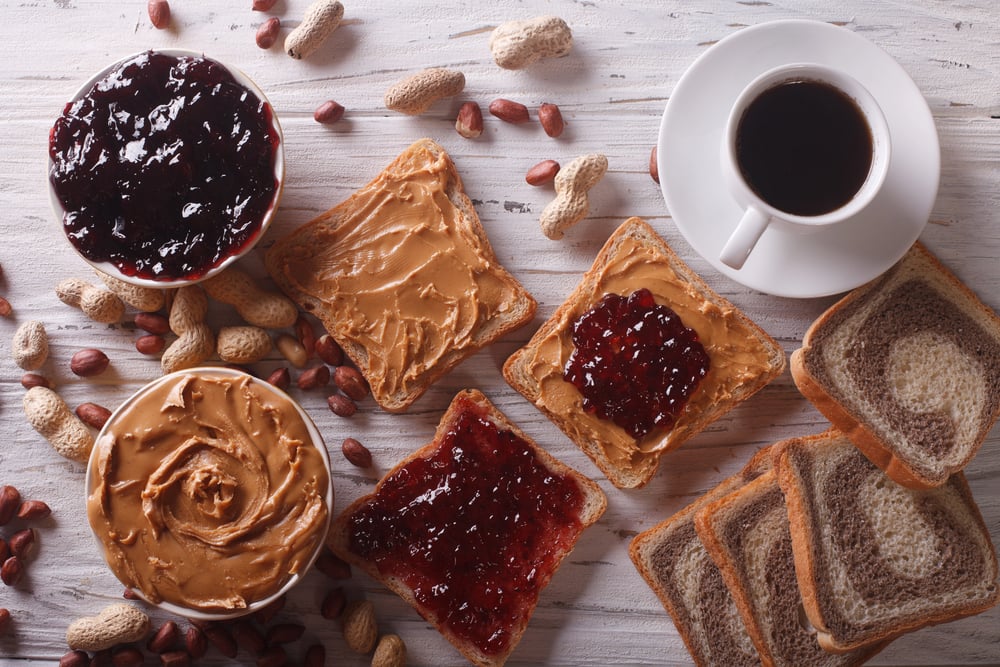
The classic PB&J is a staple in American lunchboxes, but mention this combination abroad and you’ll often get puzzled expressions. Many Europeans find the sweet-savory combination strange, and peanut butter itself is often viewed as an odd American curiosity.
In France, high-quality jams are typically paired with butter on bread instead. Even when peanut butter is available in foreign supermarkets, it’s usually in small jars in the ‘American foods’ section at premium prices.
Ranch Dressing
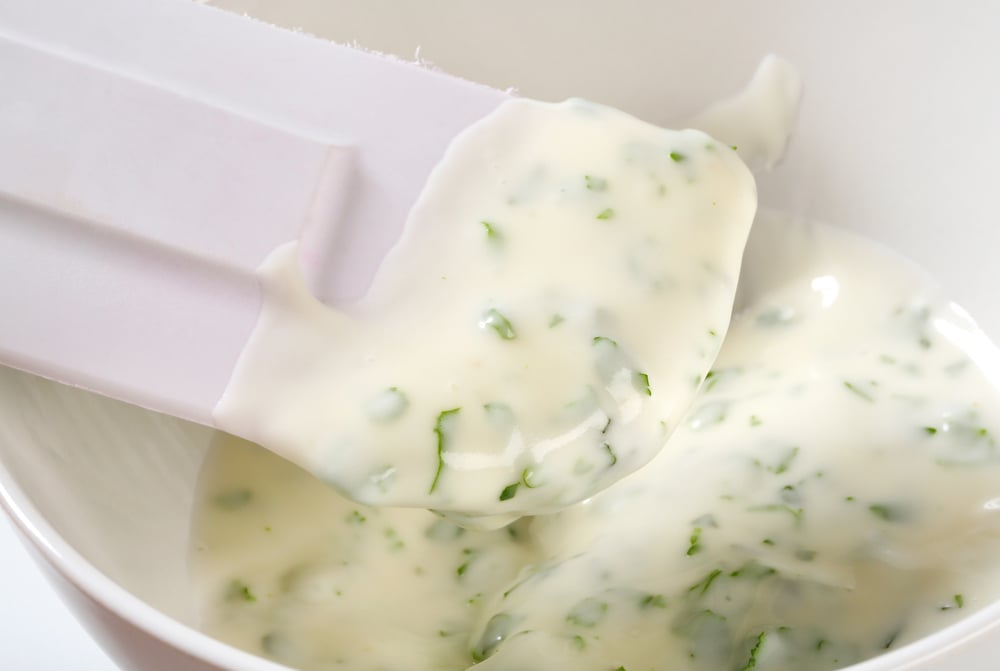
Americans pour ranch dressing on everything from pizza to vegetables, making it the country’s most popular salad dressing by far. This buttermilk-based condiment is virtually nonexistent outside North America, with many foreigners finding its herb-laden tanginess overwhelming.
European restaurants typically stick to simple oil and vinegar dressings or light vinaigrettes. When Americans abroad crave their beloved ranch, they often resort to having family members ship packets of the seasoning mix or bringing bottles in their suitcases.
Like Go2Tutors’s content? Follow us on MSN.
Root Beer
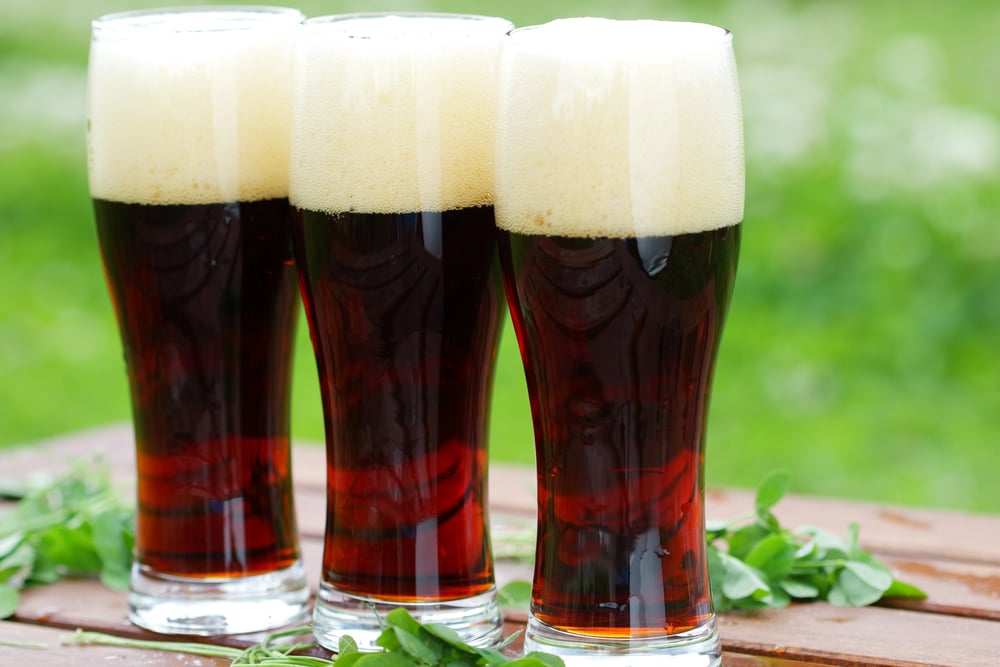
This distinctively American soda, flavored with sassafras root extract, is beloved in the States but considered medicinal-tasting in most other countries. Many Europeans compare the flavor to that of cleaning products or cough syrup, having no childhood nostalgia to make the unusual taste appealing.
In parts of Asia, particularly China and Japan, root beer is sometimes marketed as a medicinal drink rather than a refreshing soda. A&W root beer stands that appear throughout America would be commercial failures in most international locations.
American Cheese
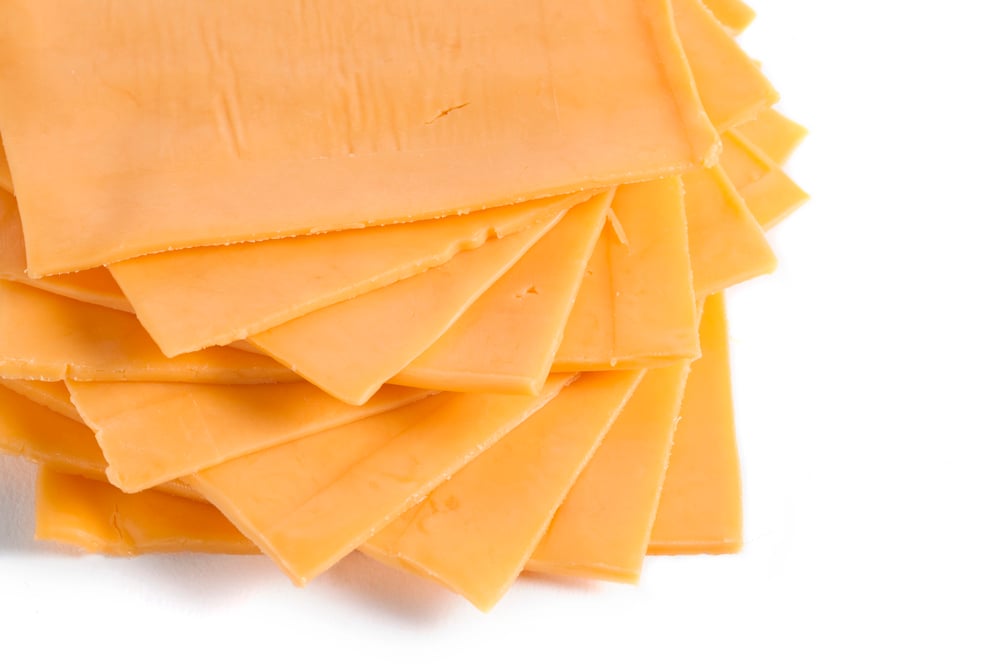
Those individually wrapped yellow squares that melt perfectly on burgers barely qualify as cheese to many international cheese lovers. In France, home to hundreds of carefully aged cheese varieties, American cheese is viewed as a sad, processed imitation.
German and Swiss cheese connoisseurs often express horror at its texture and mild flavor profile. Even in the UK, where cheddar originated, the American version is seen as an inferior, overly processed product that bears little resemblance to real cheese.
Corn Dogs
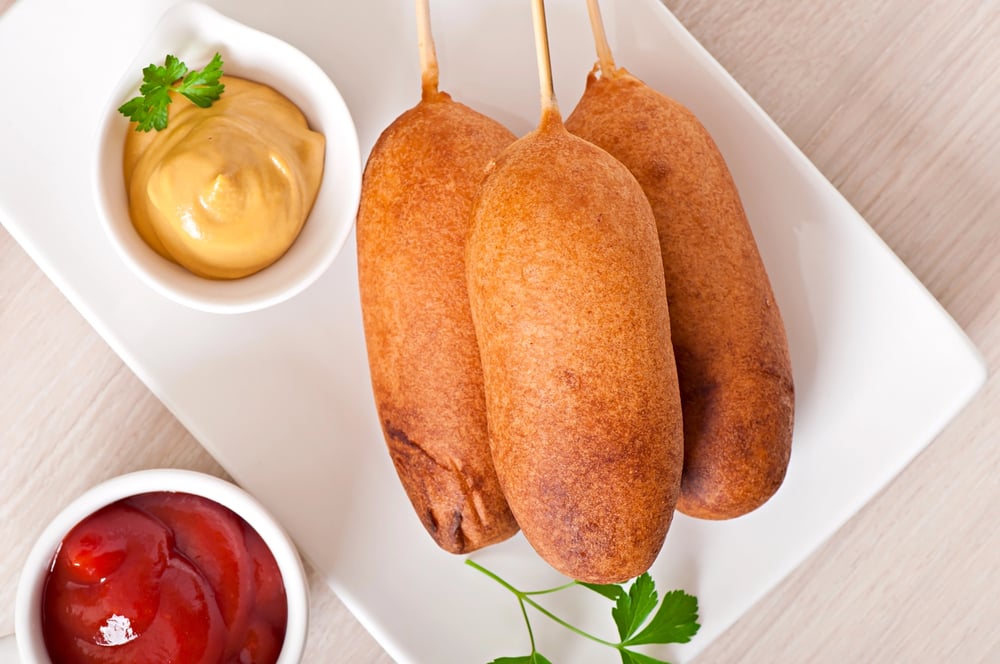
The concept of coating a hot dog in sweet cornbread batter, impaling it on a stick, and deep-frying the whole creation is uniquely American. While various cultures have their own fried foods on sticks, the corn dog remains puzzlingly unappealing to most international palates.
Korean street food includes a similar item called ‘gamja hot dog’ that includes mozzarella and sometimes potato, but the traditional American corn dog with its sweet cornmeal coating remains primarily within U.S. borders. County fairs abroad simply don’t feature this staple of American carnivals and boardwalks.
Like Go2Tutors’s content? Follow us on MSN.
Biscuits and Gravy
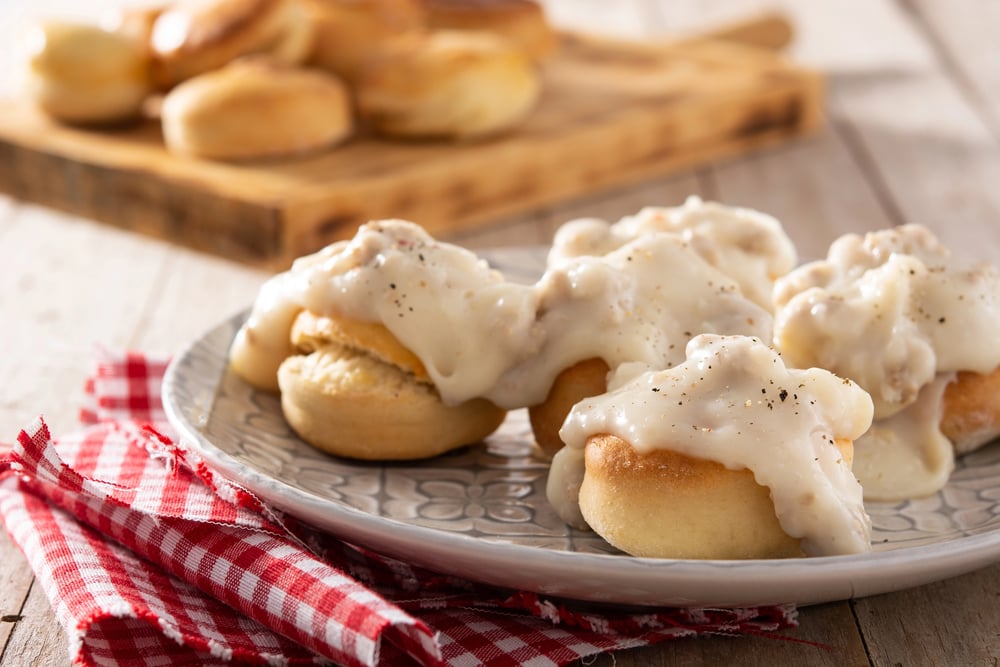
This Southern breakfast classic, featuring soft, fluffy biscuits smothered in thick, peppered sausage gravy, confuses people in other countries on multiple levels. In the UK, ‘biscuits’ are what Americans call cookies, making the dish sound particularly unappetizing.
The white sausage gravy bears no resemblance to the brown gravies common in European cuisine. Even the concept of a bread-like pastry covered in meat sauce for breakfast seems bizarre to most international diners, who typically prefer lighter morning meals of bread, fruit, or cereal.
Grits
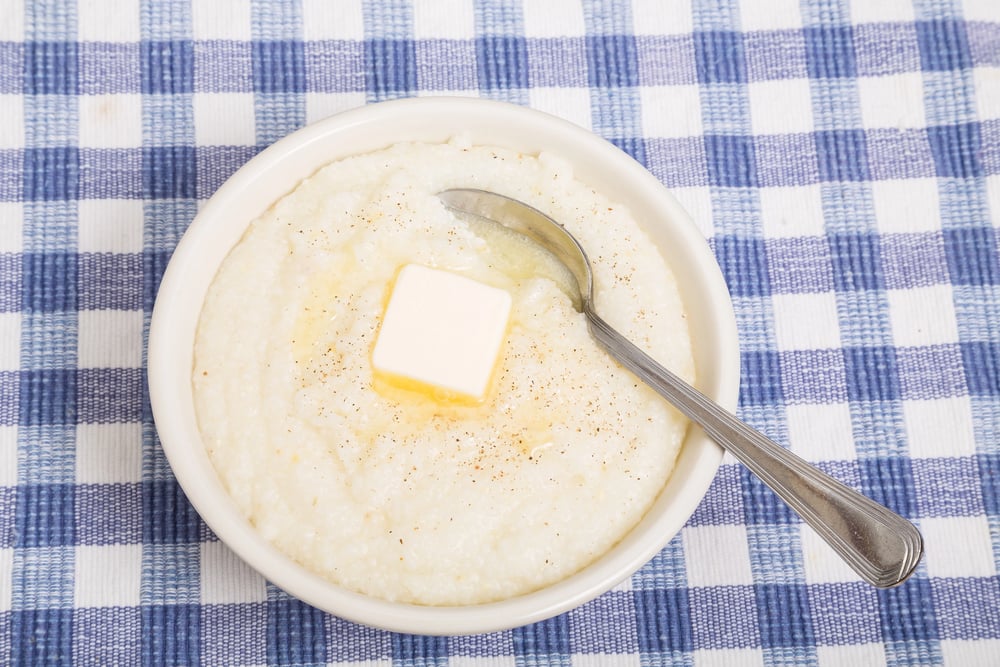
Another Southern American staple, these boiled, ground-corn, porridge-like breakfasts rarely appear outside the United States. At the same time, similar cornmeal dishes exist globally (like Italian polenta or South African pap), the specifically coarse-ground, slow-cooked morning preparation of grits remains distinctly American.
International visitors to the American South often compare grits to wallpaper paste in texture, finding the bland base puzzling without understanding its role as a vehicle for butter, cheese, or shrimp toppings. Even in northern states, grits can be hard to find, making them almost completely foreign abroad.
Spray Cheese
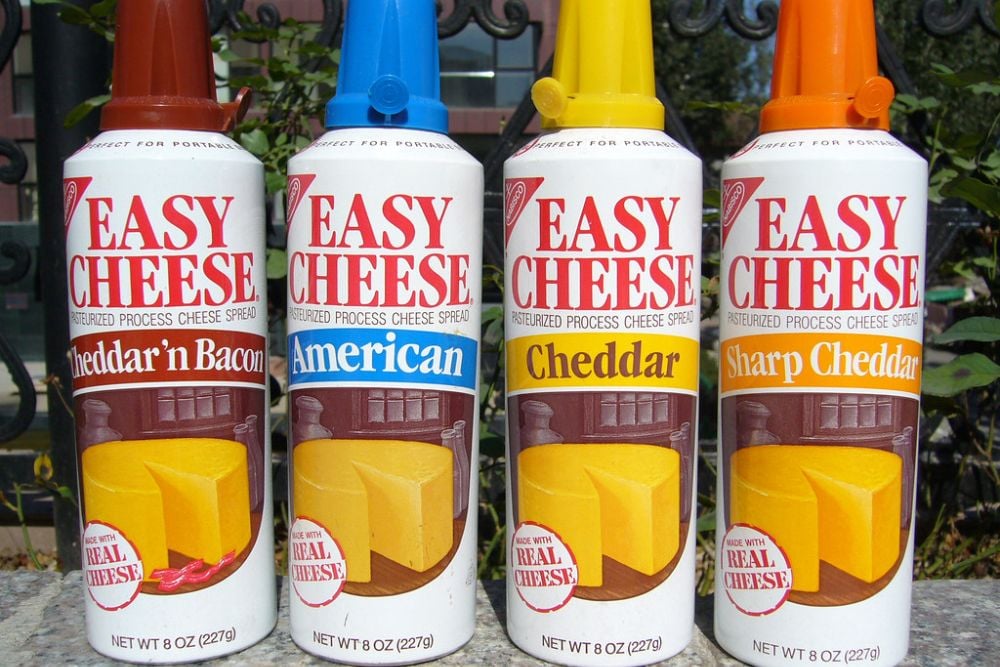
The concept of cheese in a pressurized can that sprays onto crackers is so uniquely American that foreigners often think it’s a joke product when first encountering it. Easy Cheese and similar products represent convenience taken to an extreme that most cheese-producing nations find borderline offensive.
French and Italian visitors to American homes have been known to recoil when watching cheese being sprayed from an aerosol container. The artificial flavor and unusual texture make this an exclusively American indulgence that rarely makes its way into international shopping carts.
Like Go2Tutors’s content? Follow us on MSN.
Pumpkin Pie

While pumpkins are eaten worldwide in various savory dishes, the sweet, spiced pumpkin pie that’s a Thanksgiving essential remains stubbornly American. Europeans generally find the concept of sweetened squash in dessert form quite strange.
The specific blend of cinnamon, nutmeg, and cloves that Americans associate with ‘pumpkin spice’ doesn’t carry the same nostalgic appeal elsewhere. In most countries, pumpkins are roasted, made into soups, or used in savory sides rather than sweetened and baked into pies.
Meatloaf
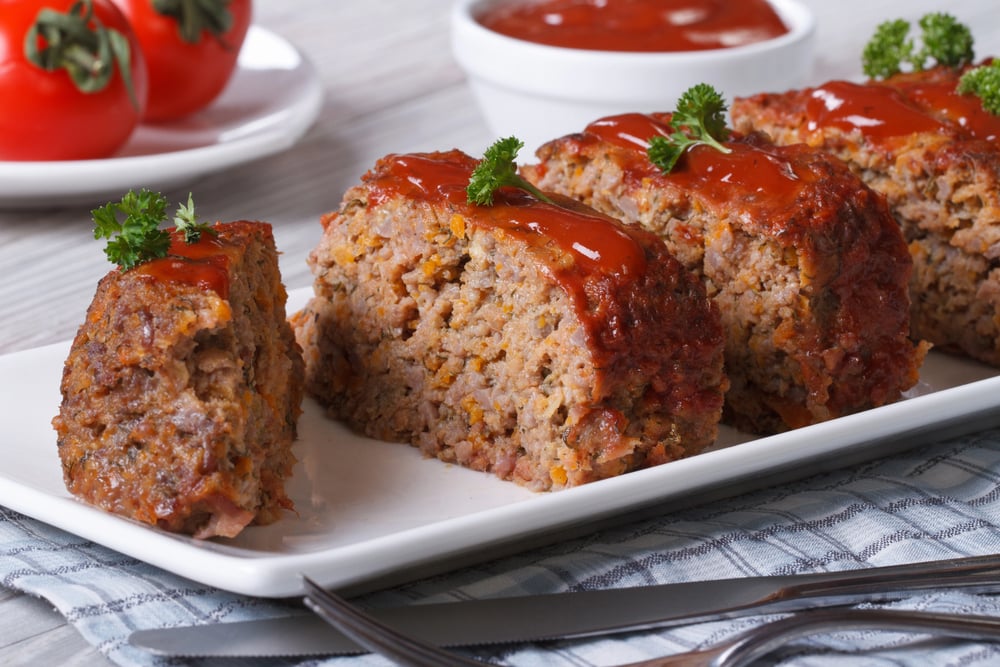
This humble American dinner of ground meat mixed with breadcrumbs, eggs, and seasonings, formed into a loaf shape and baked, has few international equivalents. While various countries have ground meat dishes, the specific loaf format topped with ketchup or gravy is distinctly American.
German visitors might compare it to Hackbraten or Falscher Hase, but traditional American meatloaf with its ketchup glaze remains largely confined to U.S. homes and diners. International attempts to recreate this comfort food often miss the nostalgic flavor profile that Americans expect.
Sweet Potato Casserole with Marshmallows
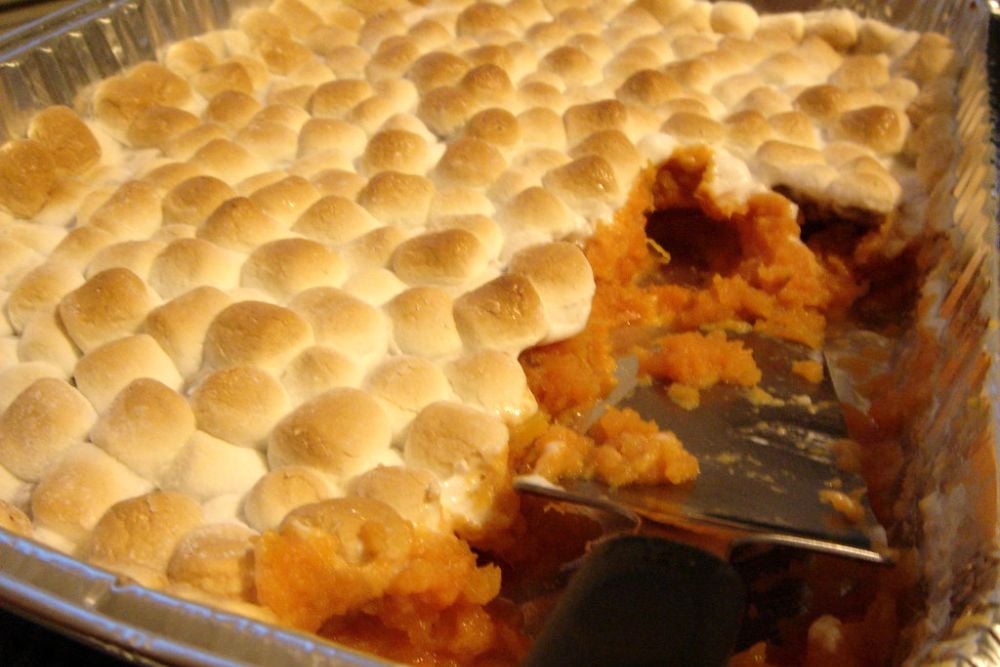
Few dishes perplex international visitors to American Thanksgiving dinners more than sweet potatoes topped with marshmallows. The combination of a vegetable side dish with a candy topping crosses category boundaries that most cultures keep strictly separated.
Japanese sweet potato desserts exist, but they’re never served alongside turkey and stuffing. Europeans generally prepare sweet potatoes with savory seasonings and find the marshmallow-topped version cloyingly sweet and texturally confusing as part of a main meal rather than dessert.
Like Go2Tutors’s content? Follow us on MSN.
Ambrosia Salad
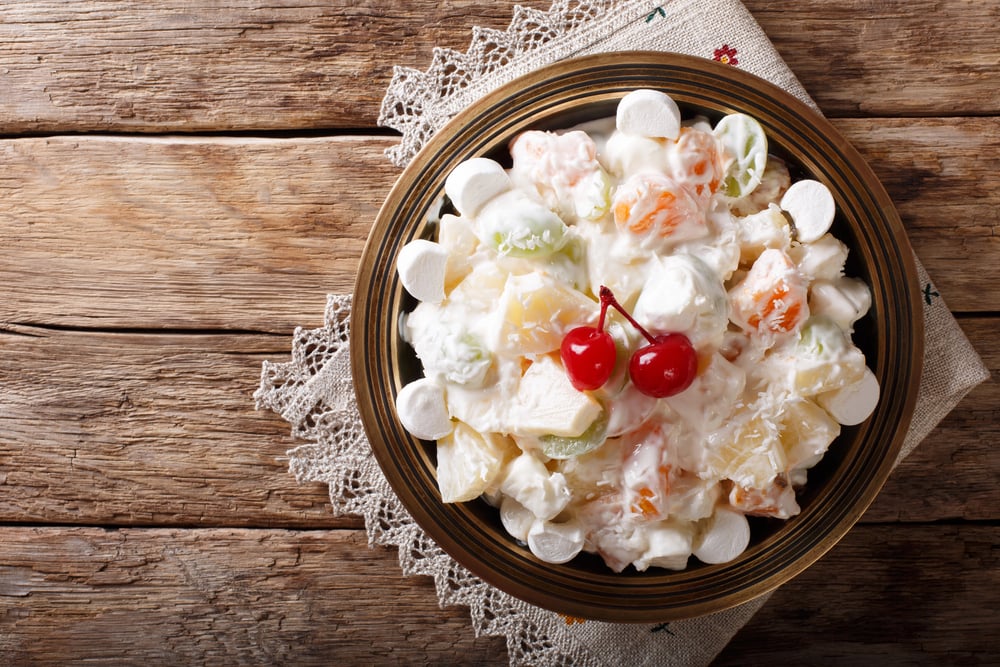
This sweet mixture of canned fruit, coconut, marshmallows, and whipped topping defies the global understanding of ‘salad’ as a vegetable-based dish. Popular at American potlucks and holiday gatherings, ambrosia salad mystifies international visitors who expect salads to be savory rather than sweet.
The combination of shelf-stable ingredients folded into a creamy mixture doesn’t appear on menus or in home kitchens outside North America. Even the name ‘ambrosia’—food of the Greek gods—adds to foreigners’ confusion about this uniquely American creation.
Grape Jelly
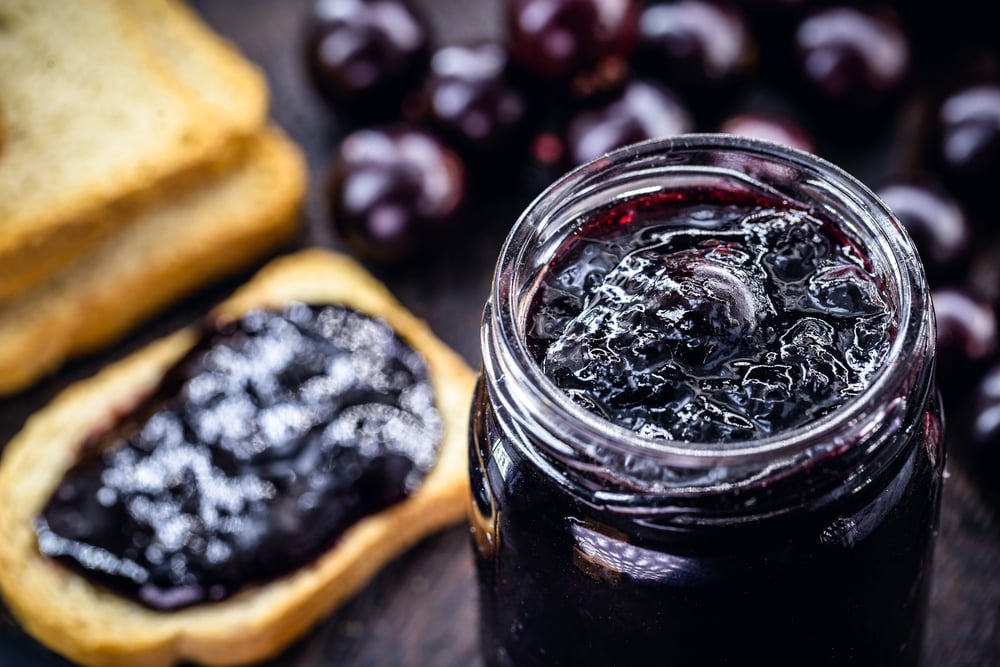
While various fruit preserves are popular worldwide, grape jelly’s dominance in America doesn’t translate internationally. European jam traditions favor strawberry, raspberry, and apricot spreads made from whole fruits rather than the smooth, sweet grape jelly Americans spread on PB&Js.
In wine-producing regions, using grapes for sugary spreads rather than wine production seems wasteful. The distinctive Concord grape flavor that Americans instantly recognize as ‘grape jelly’ is virtually unknown in most countries, where grape-flavored products more closely resemble actual table grapes in taste.
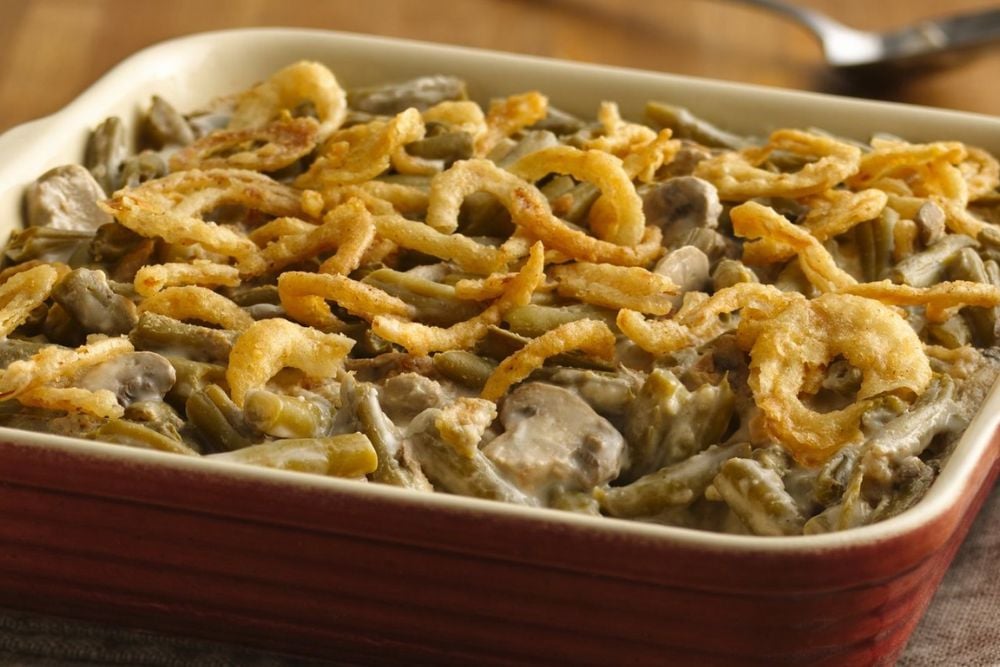
Casseroles with Canned Soup
Though chocolate is loved worldwide, the specific tangy flavor profile of Hershey’s chocolate is an acquired taste that most international chocolate consumers never acquire. The slight sour note in traditional Hershey’s bars comes from a production process that includes butyric acid, also found in parmesan cheese and, less appetizingly, vomit.
European chocolate makers use different processes, resulting in smoother flavors without this tangy undertone. Swiss and Belgian visitors often consider Hershey’s chocolate to be among the worst they’ve tasted, while Americans raised on it find European chocolates too rich or too sweet.
Like Go2Tutors’s content? Follow us on MSN.
American Food Identity

These uniquely American foods showcase how deeply childhood nostalgia and regional traditions shape our preferences. What tastes like comfort to an American often tastes bizarre or unpleasant to someone from another food culture.
Yet these differences aren’t about right or wrong—they simply reflect how powerfully our early food experiences program our taste preferences. So next time you travel abroad, pack your own peanut butter or ranch dressing packets if you can’t imagine life without them, and embrace the opportunity to discover the comfort foods of other cultures that might seem just as strange to your American palate.
More from Go2Tutors!

- 18 Unexpectedly Valuable Collectibles You Might Have Lying Around
- 20 Little-Known Historical Battles That Had Huge Consequences
- 20 Historical Artifacts That Scientists Can’t Explain
- 15 Inventions That Were Immediately Banned After Being Created
- 20 Actors Who Were Almost Cast in Iconic Roles
Like Go2Tutors’s content? Follow us on MSN.



