Modern Army Vehicles Breaking Speed Records
Fleets once lumbered through dust, engines groaning under their own weight. Now machines sprint ahead, strike without warning, vanish into silence.
What matters shifts – velocity matches blast force in value. Designers stretch every limit, chasing performance beyond old boundaries.
Funny how fast things move now. Some military machines sprint past limits you might not expect.
Speeds once thought impossible have already been beaten. These aren’t prototypes – they’re real vehicles doing wild runs on actual ground.
You’d blink and miss one tearing across a desert. Hard to believe wheels can spin so quick under heavy armor.
Each ride pushes what we think machines can do. Not science fiction – this is happening today.
The M1A2 Abrams Tank Across Open Terrain
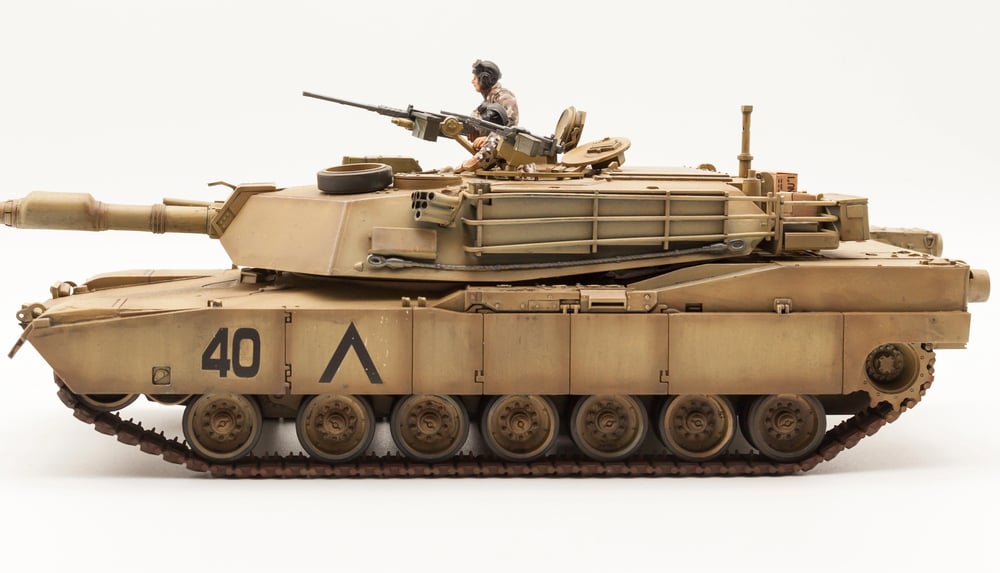
Surprisingly quick for its size, the M1A2 Abrams stands out among global tanks. Rolling across flat terrain, it reaches roughly 42 miles per hour – unexpected for a vehicle tipping the scales at 73 tons.
Power arrives from a robust gas turbine, pushing more than 1,500 horsepower. Few machines so massive manage such pace.
The Patria AMV Moves Fast Over Rough Terrain
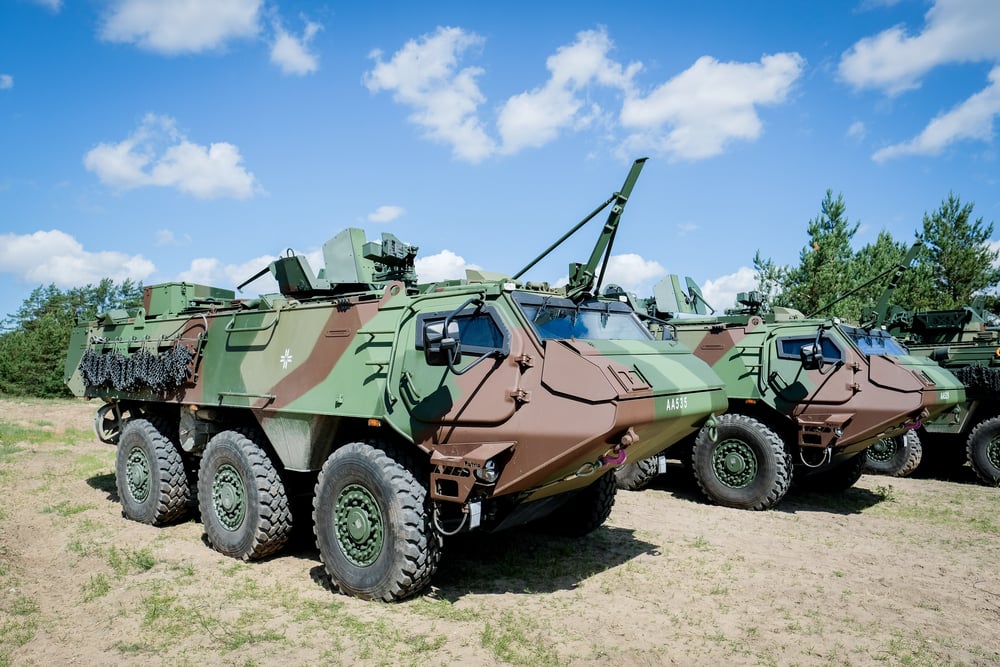
Fast wheels spin through city streets – Finland built this one to carry soldiers fast. Sixty eight miles each hour shows up on flat ground, outpacing regular sport utility vehicles between exits.
Water ahead? No stop needed. The machine swims like it walks, cutting across rivers without pause.
Speed meets swim power here, creating something hard to ignore on modern battlefields. Flexibility moves quickly when both land and water bend to its pace.
The JLTV Moves Faster Than The Old Model
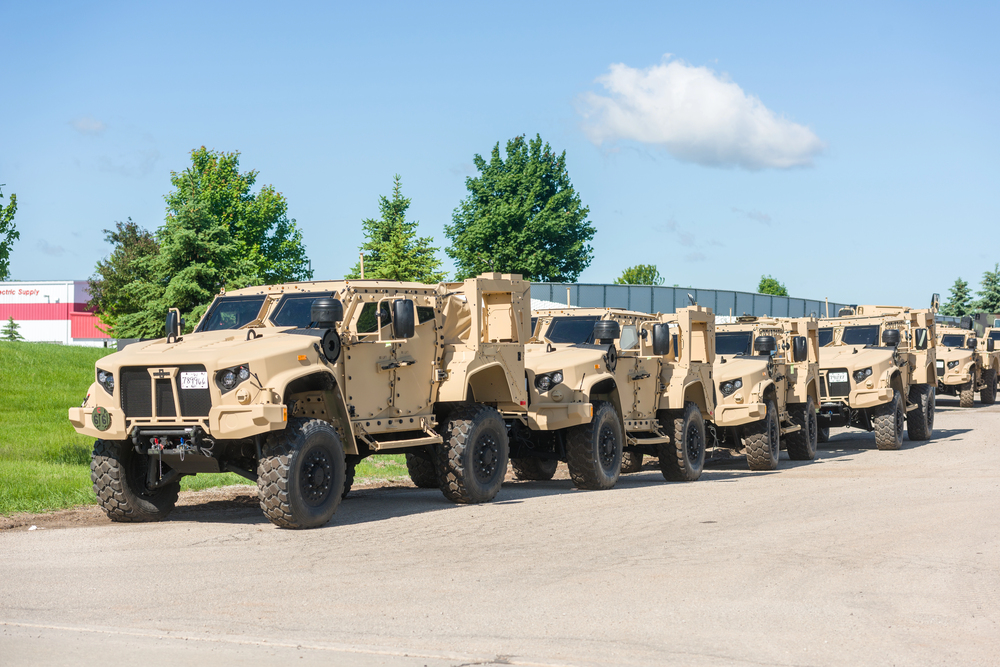
Speed matters out there, so the military switched from Humvees to the newer JLTV. Reaching 70 mph helps troops shift quickly while staying shielded.
While past models fell short under real pressure, this one grips rough ground just right. Built tough, it moves fast yet keeps everyone inside safe.
What used to be slow now adapts – better armor, smarter ride.
The K21 Infantry Fighting Vehicle
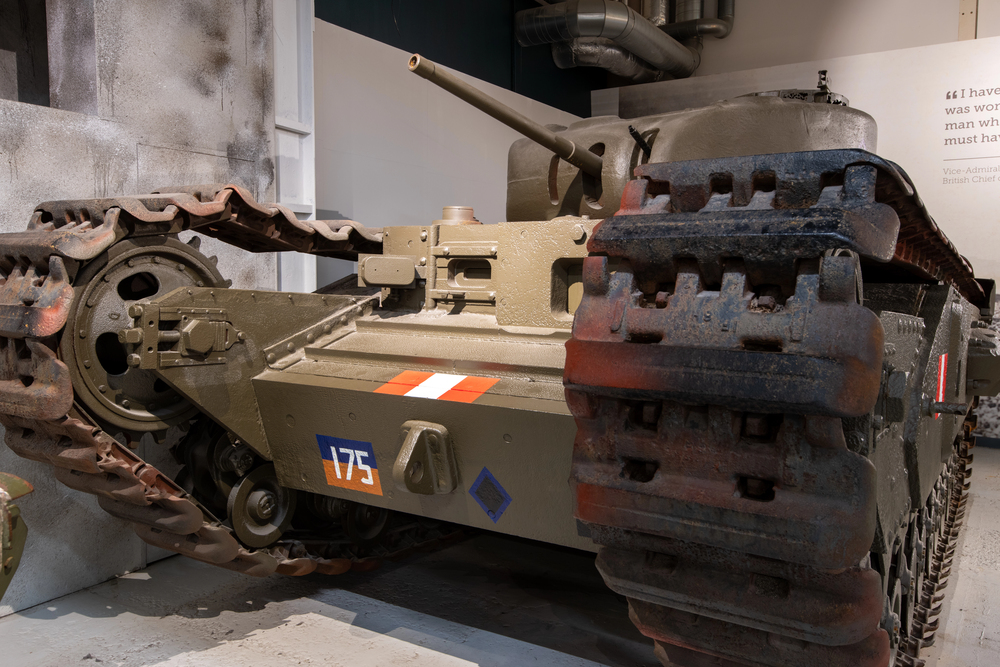
Speed matters just as much as firepower in South Korea’s K21 infantry carrier. Roughly 46 mph on roads, it pushes through land swiftly.
Water crossings? That happens too – floating forward at nearly 5 mph. Lighter compared to similar models, so it surges ahead without delay.
Built specifically for sudden moves across rugged, close-quarters landscapes of the peninsula.
The Ripsaw M5 Robotic Tank
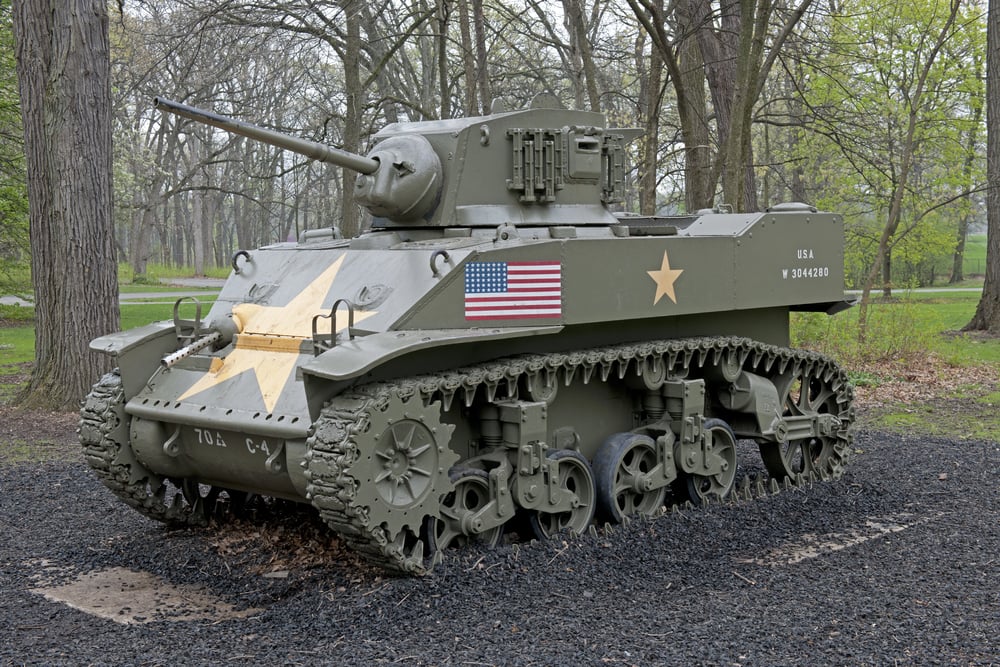
Out there on its own, the Ripsaw M5 moves without anyone inside. Speeds go past fifty miles each hour thanks to missing a driver seat entirely.
With no soldier onboard, engineers skipped restraints meant for handling sudden jolts or sharp turns. Testing now under military eyes, it serves roles where speed matters in battle zones.
Think of it like a machine built to beat armored trucks in a race across rough land.
The Lynx KF41 On Roads
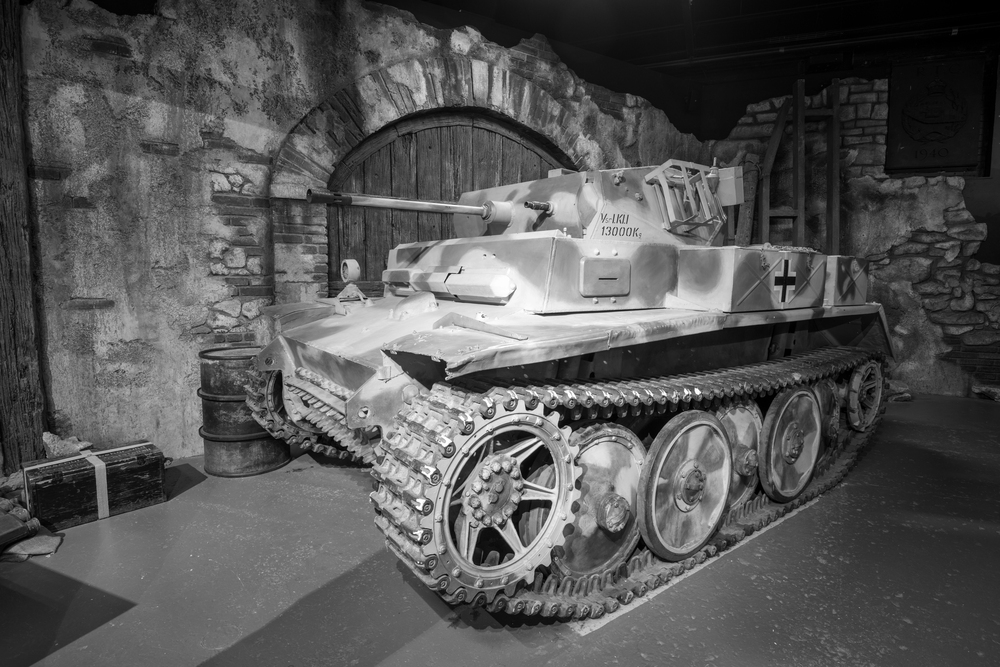
Speeding across open ground, Germany’s Lynx KF41 hits around 43 miles per hour – solid compared to similar vehicles. Built by BAE Systems, it keeps pace with advancing tanks yet fits an entire soldier team inside.
Thanks to a responsive suspension, bouncing over uneven land doesn’t force slower travel. Though designed for rugged use, it still reaches peak speeds off paved surfaces.
Purchased by Hungary and Australia, many see its mix of mobility and utility as hard to beat.
The Bradley Fighting Vehicle’s Lasting Speed Record
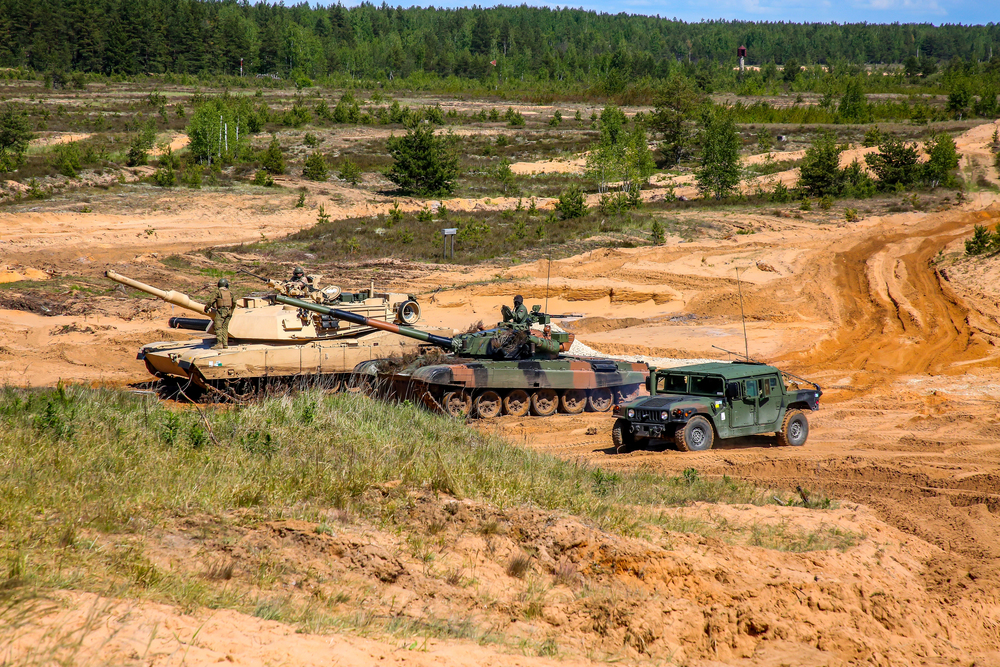
Built decades ago, the Bradley Fighting Vehicle moves quick for its age. Roughly 38 mph on paved surfaces keeps it in the race alongside newer models.
Upgrades rolled out over years help it fit into today’s combat scenes. Speed like that, after so long, surprises some.
Staying swift through time – that matters.
The Stryker Can Travel On Highways

A fast pace defines the Stryker armored vehicle, shaped by a need for quick response. Reaching speeds near 62 miles per hour on smooth highways, it stands among the swiftest wheeled armor now in use.
Because it rolls on eight wheels, it outpaces comparable tracked models on roads. Since distance matters in operations, the U.S. Army assigns whole brigades around this model’s ability to cover ground rapidly.
The Puma Infantry Fighting Vehicle
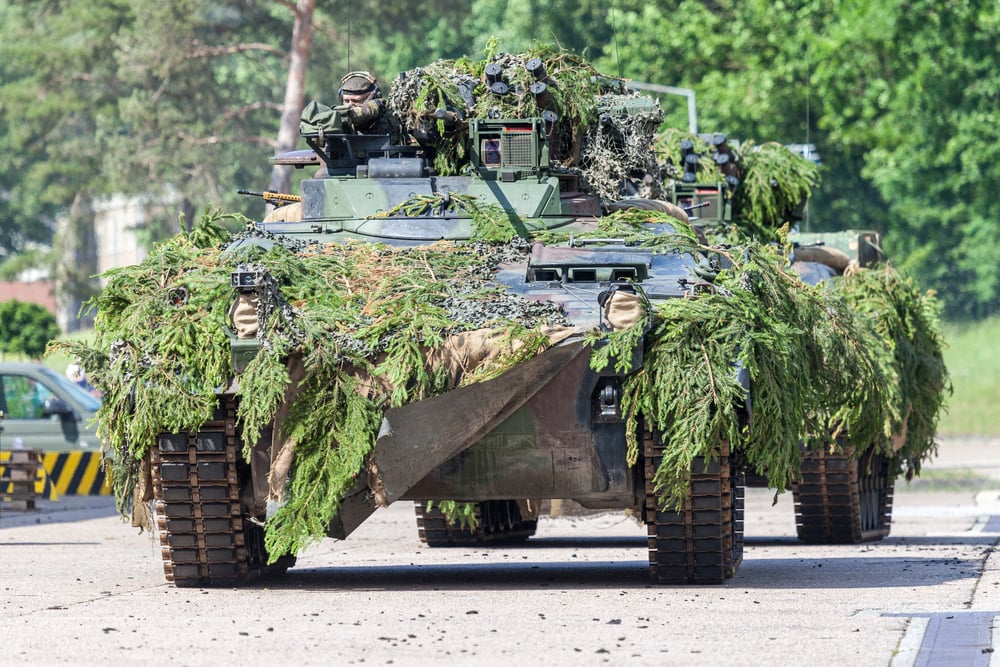
Germany’s Puma infantry fighting vehicle is considered one of the most advanced in the world, and part of that comes from its performance. It reaches speeds of about 43 miles per hour and features a fully digital control system that makes it easier to push its speed limits safely.
The vehicle’s armor is modular, meaning crews can strip weight when speed matters more than protection. That adaptability gives commanders real tactical options in the field.
The T-14 Armata’s Claimed Speed

Russia’s T-14 Armata tank made headlines when it was introduced, and its speed was one of the talking points. Russia claims it can reach up to 50 miles per hour on roads, which would make it one of the fastest main battle tanks ever built.
The tank also features an unmanned turret, which allows for a more compact and aerodynamic hull design. Whether those numbers hold up in full combat conditions is still a subject of debate among military analysts.
The Freccia Wheeled Infantry Vehicle
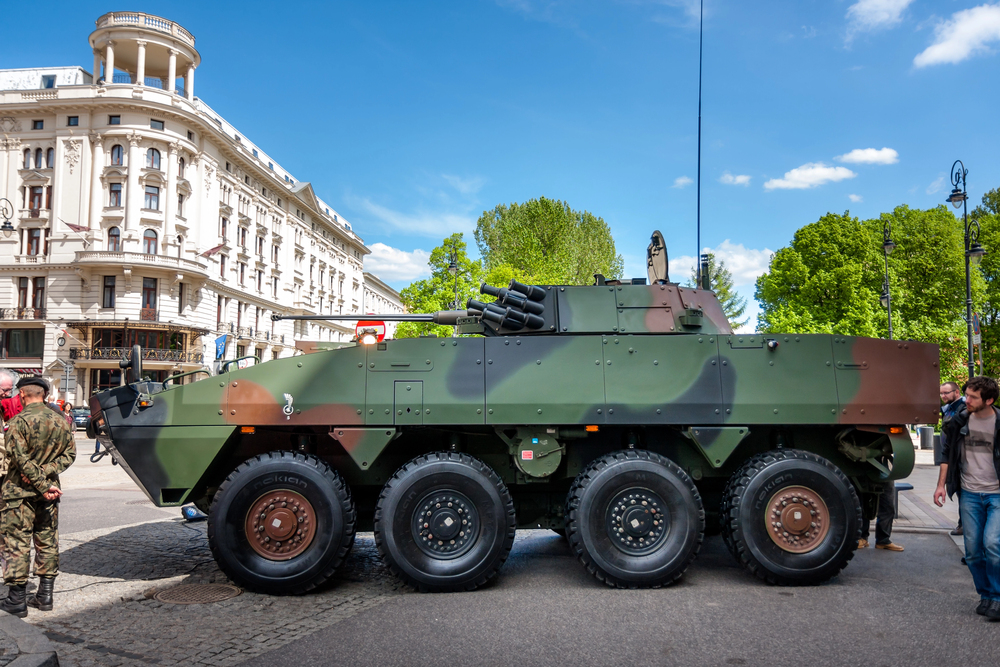
Italy’s Freccia armored vehicle is part of the Centauro family, and it carries on that lineage’s reputation for speed. It can reach about 65 miles per hour on roads, which puts it among the fastest infantry carriers in service.
The Italian Army designed it to move quickly between positions in mixed terrain environments. With that kind of pace, it can relocate an entire infantry squad faster than most people expect from an armored vehicle.
The AMX-10RC Changed How Fast Armored Vehicles Moved In Past Conflicts
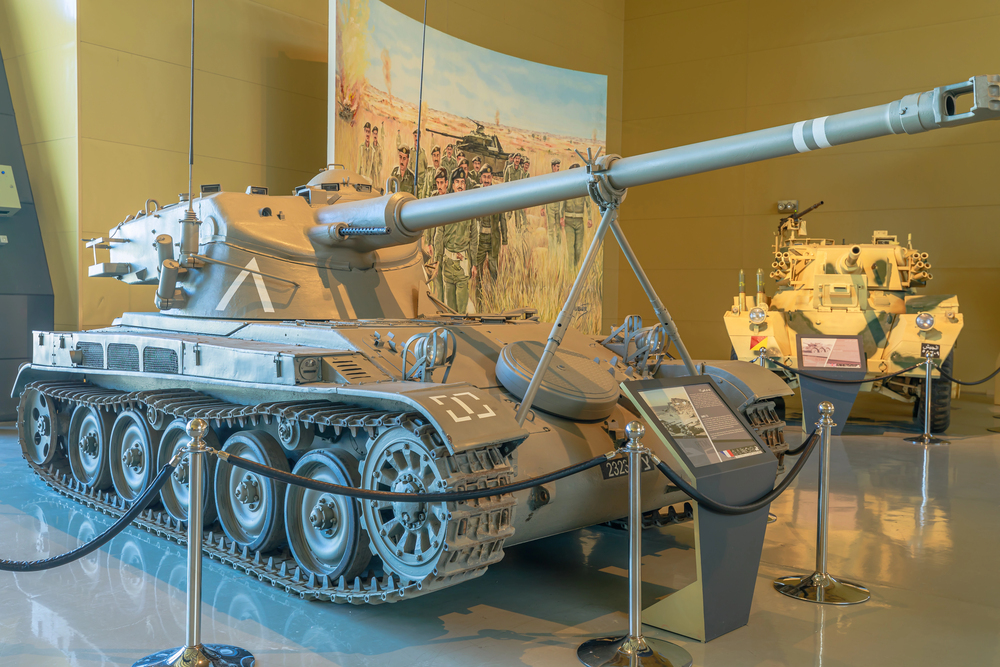
Speed still matters, even in old machines. The French built the AMX-10RC on wheels instead of tracks, turning heads back in the 1980s.
Moving fast – up to 53 mph – gave it an edge few expected. Armies started rethinking quick armor after seeing what it could do.
Recently, some were shipped to Ukraine, where hitting hard then vanishing paid off. Time has passed, yet rushing in and pulling away remains useful.
Design aged, sure, but not the idea behind its pace.
The Centauro Tank Destroyer
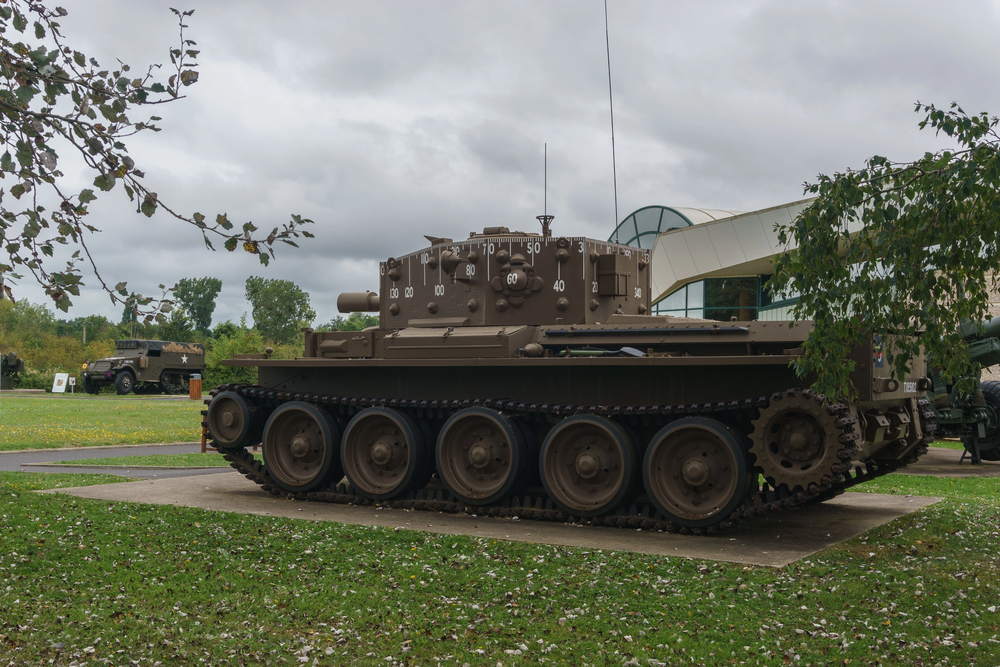
Speed defines Italy’s Centauro more than anything – its wheel-based design lets it move fast despite packing a 105mm gun. Racing along roads at nearly 65 mph, few armed machines match its pace for such heavy weaponry.
Because it rolls on wheels instead of tracks, upkeep stays lighter over time. Maintenance demands shrink when you avoid track systems common in heavier tanks.
For forces wanting punch without the baggage of traditional armor, this machine often stands out.
The ASCOD Infantry Fighting Vehicle
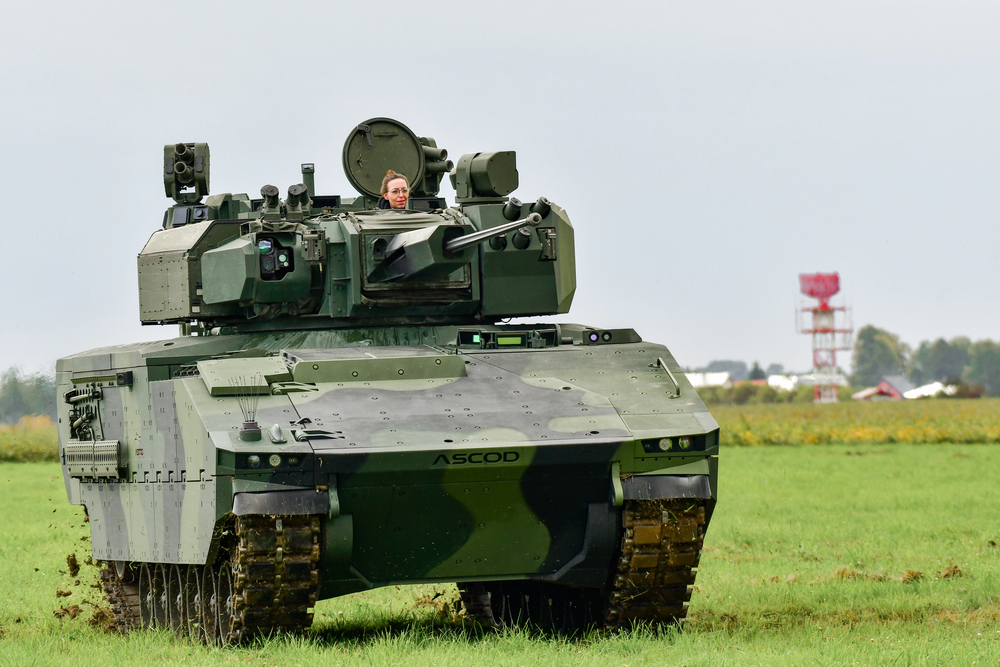
Speed matters, but only when it holds up under pressure. Built for Austria and Spain, the ASCOD moves quick – about 43 mph – with steady footing on smooth highways or broken ground.
Not every machine keeps its rhythm across changing landscapes, yet this one does. The Spanish call theirs Pizarro; Austrians name it Ulan – same base, separate roles, equal strength.
Pushing forward fast is common. Staying tough while doing so? That’s rare.
The CV90 Handles Northern Terrain Effectively
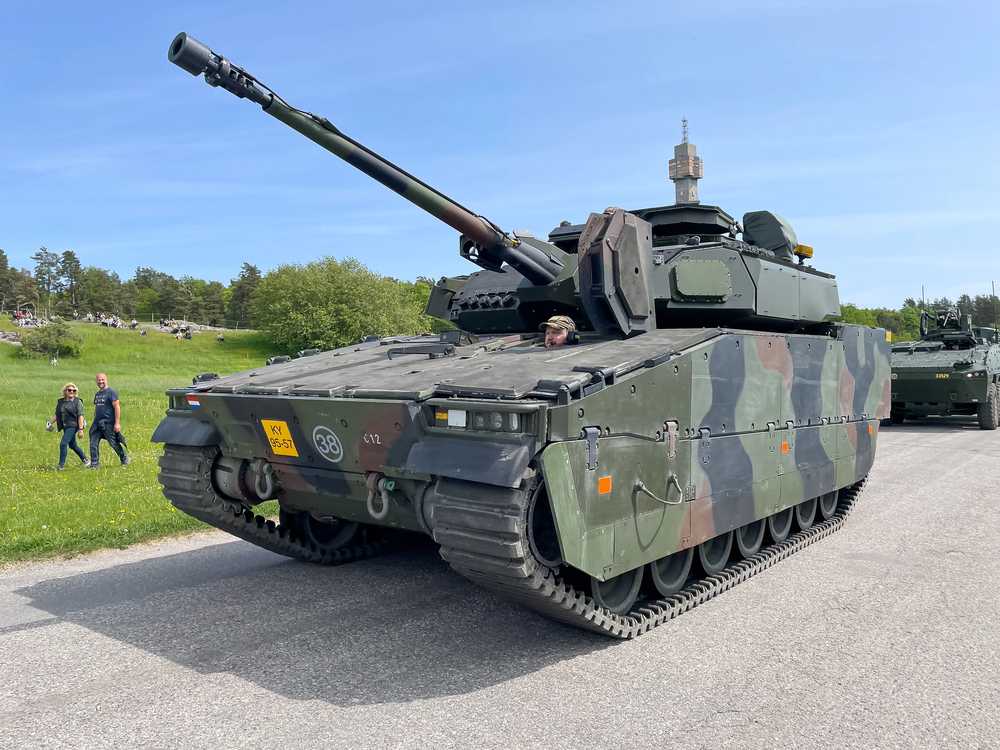
Speeding through icy woods feels natural for Sweden’s CV90 – it was shaped by snowy landscapes and tangled forest floors. Roughly 45 miles per hour keeps it ahead when others stall.
Nations such as Norway, the Netherlands, and Switzerland chose it without hesitation. When mud grips wheels and frost bites metal, its engine pushes forward anyway.
Across northern Europe, ground itself often fights back; here, every mile per hour becomes strength.
The Boxer Modular Vehicle
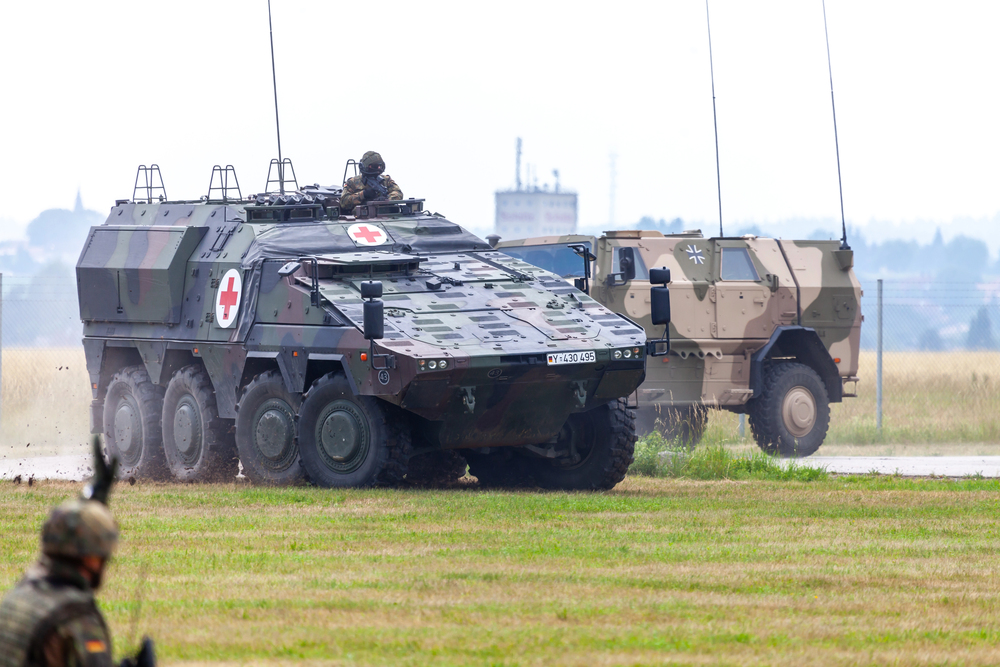
Speed matters less when the design thinks ahead. Germany’s Boxer rolls on wheels yet keeps pace – hitting 65 miles per hour without strain.
Its rear isn’t fixed; instead, modules slide in and out depending on need. Troop transport one day, medical support the next, command hub later – all roll just as fast.
Performance never dips while changing tasks. This mix of quick changeovers and steady motion sets it apart across NATO units.
The VBCI’s Practical French Design
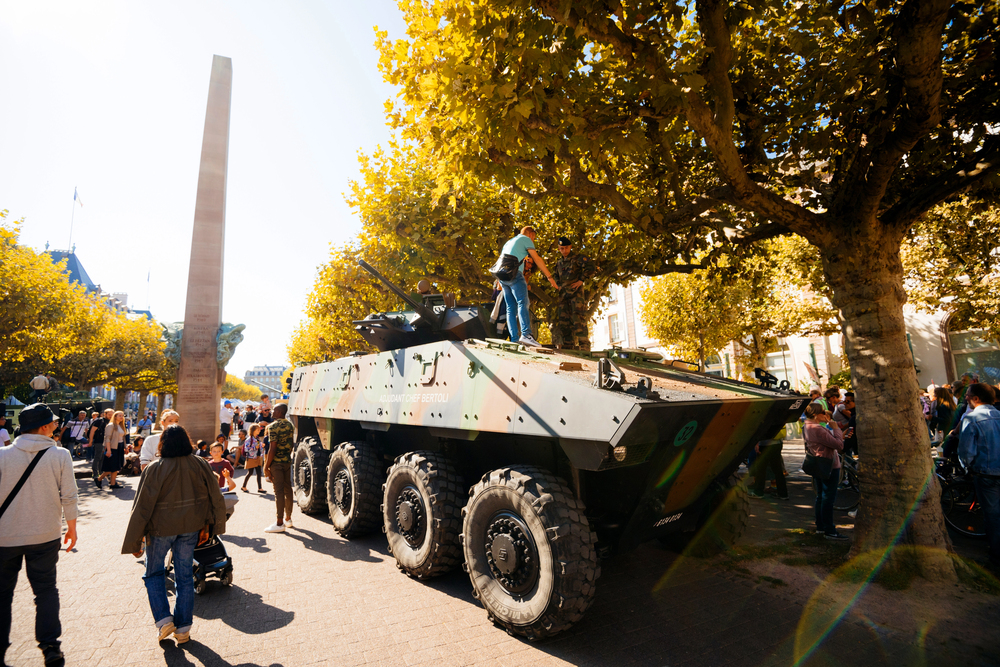
Moving quickly despite its bulk, France’s VBCI infantry carrier handles well at high speeds. Around 62 mph on paved surfaces is what it manages when unloaded.
Two crew members operate it while room remains for nine troops inside. Built for long stretches of open road, it helps French units shift fast through European terrain.
Because it moves swiftly and holds many people, few vehicles match its blend of pace and space in today’s military lineups.
The Namer Heavy APC Testing Its Limits
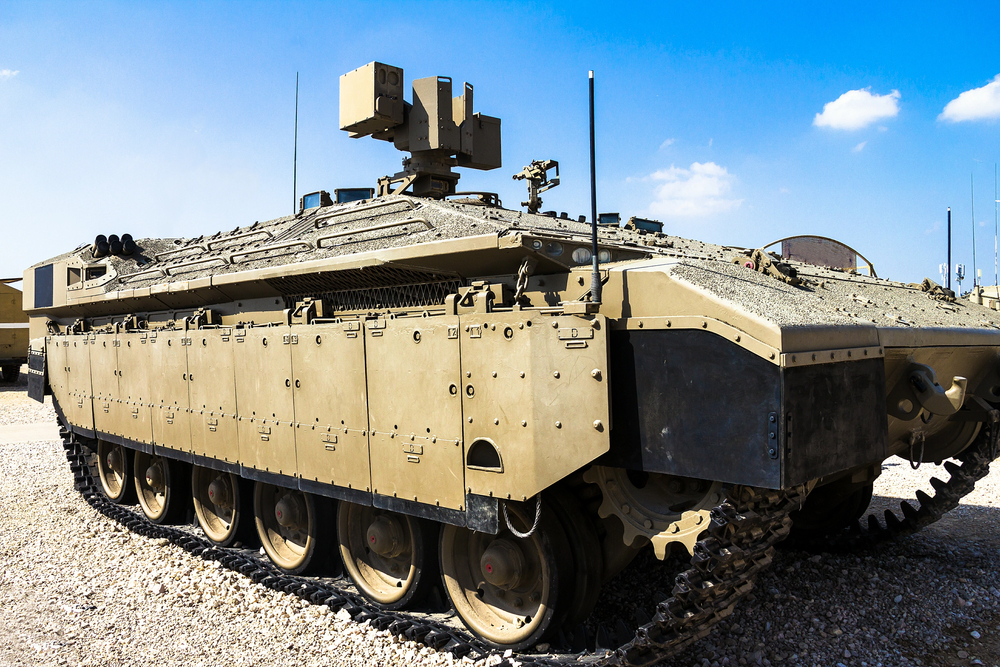
Built on a Merkava tank base, the Namer rolls at around 37 mph – fast, considering its near-60-ton frame. Though bulk like that usually drags across uneven ground, this Israeli carrier pushes forward without lagging behind.
Heavy armor wraps the whole design, making survival a priority during transport. Speed meets protection here, where most would sacrifice one for the other.
Infantry ride inside knowing they won’t be left stranded mid-operation. Movement stays steady, even when terrain turns harsh.
The goal shaped every bolt: get troops through danger zones quickly, yet shielded. Not many carriers manage both so well.
This one does.
Speed As The New Standard

Speed used to lose out when armor went up – those days feel distant now. Instead of picking one, modern forces demand speed plus shielding, both at once.
Designs appearing in deserts, forests, and urban edges reflect that shift clearly. What rolls into drills today carries firepower without sacrificing response time.
Leading examples aren’t loud – they’re quick-thinking machines built to arrive early, strike clean, then vanish before reactions form.
More from Go2Tutors!

- The Romanov Crown Jewels and Their Tragic Fate
- 13 Historical Mysteries That Science Still Can’t Solve
- Famous Hoaxes That Fooled the World for Years
- 15 Child Stars with Tragic Adult Lives
- 16 Famous Jewelry Pieces in History
Like Go2Tutors’s content? Follow us on MSN.



