Most Complex Clocks Built
Clocks do more than just tell time. Some of them are works of art that took decades to build and contain thousands of tiny moving parts.
These timepieces push the limits of what humans can create with gears, springs, and pure determination. The most complex clocks ever made are so detailed that experts still study them today, trying to understand all the clever tricks their makers used.
Let’s take a look at some of the most incredible clocks ever constructed.
The Strasbourg Astronomical Clock

This giant clock in France took 11 years to build and was finished in 1574. It stands three stories tall inside a cathedral and tracks the positions of the sun, moon, and planets.
The clock shows eclipses, religious holidays, and even has a parade of tiny figures that march out every day at noon. Visitors still gather to watch the mechanical rooster crow at the top of each hour.
The whole thing contains thousands of gears working together to keep everything running smoothly.
Breguet Grande Complication Marie-Antoinette
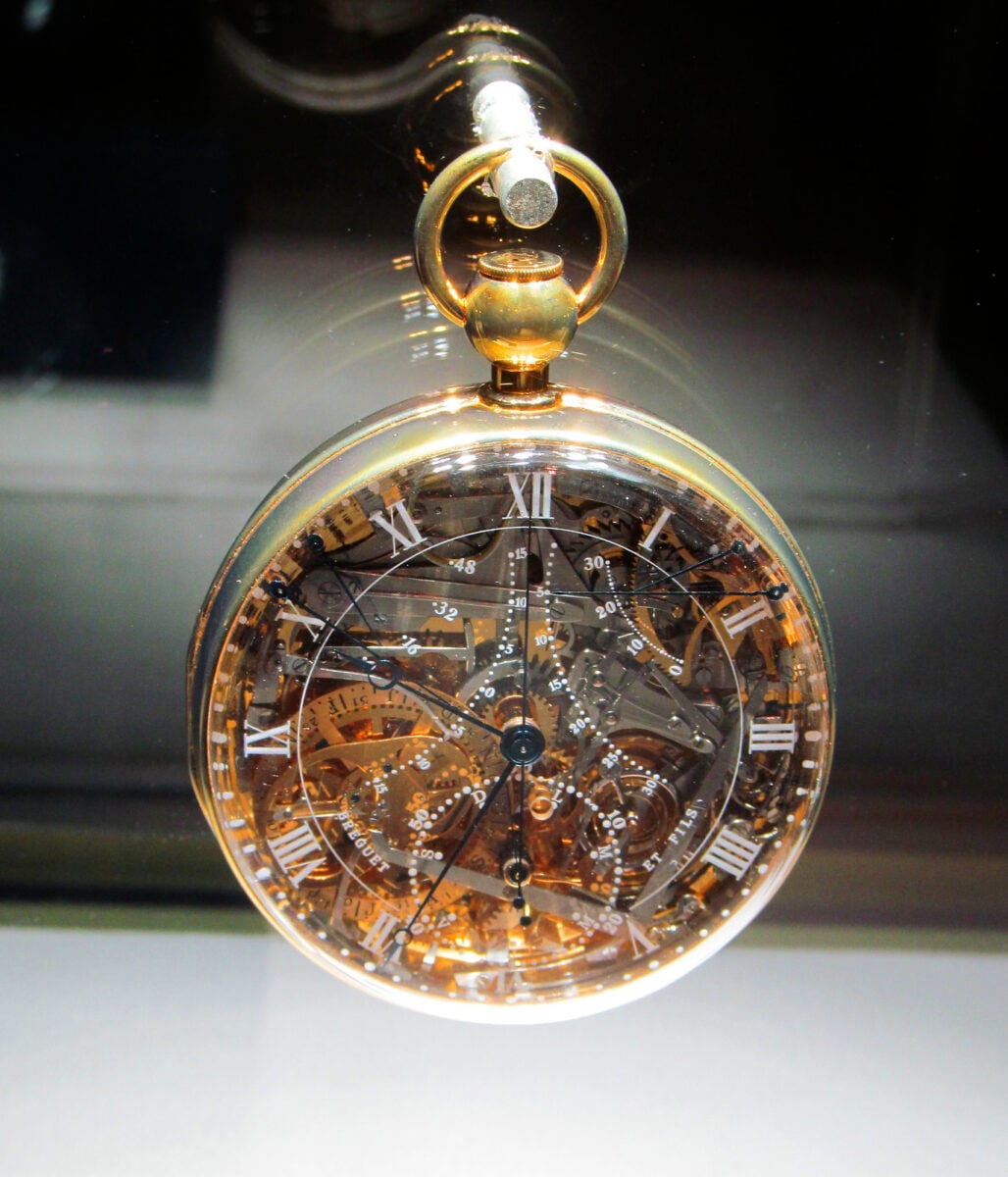
Abraham-Louis Breguet started building this pocket watch in 1782 for Queen Marie-Antoinette, but it took so long that both of them died before it was finished. The watch finally got completed in 1827, a full 45 years after the project began.
It includes every complication that was technically possible at the time, from a perpetual calendar to a thermometer. The original was stolen from a museum in 1983 and stayed missing for 24 years.
A replica now sits in its place while the recovered original remains one of the most valuable watches ever made.
The Prague Astronomical Clock

Built in 1410, this is the oldest astronomical clock still working today. It displays Babylonian time, Old Czech time, German time, and sidereal time all at once.
The clock face shows the position of the sun and moon against a background of zodiac signs and astrological symbols. Every hour, figures of the apostles appear in windows above the clock while a skeleton rings a bell.
Despite being damaged multiple times over six centuries, it still keeps time in the center of Prague’s Old Town Square.
Jens Olsen’s World Clock

Danish clockmaker Jens Olsen spent 15 years designing this masterpiece, though he died before seeing it completed in 1955. The clock displays the time in various time zones around the world and tracks the movements of planets with incredible accuracy.
It shows solar time, sidereal time, sunrises and sunsets, and even the changing length of days throughout the year. The mechanism contains more than 15,000 parts and is accurate to within 0.5 seconds per year.
Engineers had to build special bearings and use materials that wouldn’t expand or contract with temperature changes.
The Clock of the Long Now
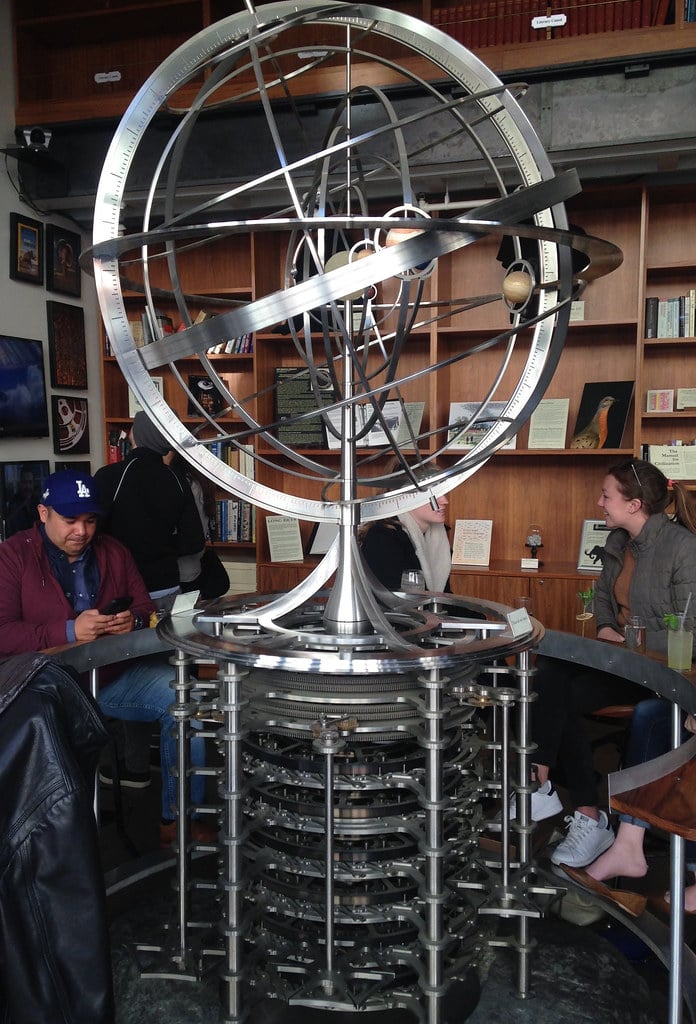
This clock is being built inside a mountain in Texas and is designed to run for 10,000 years. The creators want it to encourage people to think about the distant future instead of just tomorrow or next week.
The clock ticks once per year, with a century hand that advances once every 100 years. A cuckoo comes out on special dates that correspond to mathematical patterns.
The whole thing is powered by temperature changes in the mountain and doesn’t need any external energy source to keep running.
Patek Philippe Calibre 89

This pocket watch was created in 1989 to celebrate the company’s 150th anniversary. It holds 33 complications, which was a world record at the time.
The watch took nine years to design and build, requiring a team of master watchmakers. It tracks leap years, shows the date of Easter, and displays the night sky as seen from Geneva.
Only four of these watches exist, and one sold at auction for over $11 million. The entire mechanism fits in your hand despite containing 1,728 individual components.
The Makkah Royal Clock Tower

This modern clock in Saudi Arabia holds multiple world records for size and engineering complexity. The clock faces are 141 feet across, making them the largest in the world.
The minute hands alone weigh over 12,000 pounds each. The clock includes a lunar calendar for tracking Islamic months and can be seen from 16 miles away.
Over 2 million LED lights illuminate the structure at night. Building it required solving problems that no clockmaker had faced before because of the extreme scale involved.
Antikythera Mechanism

Discovered in a shipwreck off the coast of Greece, this ancient device from around 100 BC is often called the world’s first computer. It uses a complex system of bronze gears to predict the positions of the sun, moon, and planets.
The mechanism also showed the dates of the Olympic Games and could predict eclipses. Scientists spent decades figuring out how it worked because nothing else from that time period came close to its sophistication.
Modern researchers still debate exactly how the ancient Greeks manufactured such precise gears with the tools they had available.
Ridhwan Clock

Built in Morocco during the 14th century, this water clock was one of the most advanced timekeeping devices in the medieval Islamic world. It used falling weights and water pressure to track time and rang bells at regular intervals.
The clock also displayed the hours on a mechanical dial and opened windows to show the current hour. Sadly, the original was destroyed in the 1500s, but historical records describe its incredible complexity.
Engineers have tried to rebuild it based on old documents, but some of the original mechanisms remain a mystery.
The Peacock Clock

Catherine the Great of Russia received this golden clock as a gift in 1781. The timepiece includes mechanical figures of a peacock, rooster, and owl that all move when the clock strikes the hour.
The peacock spreads its tail, the rooster crows, and the owl blinks its eyes. A tiny mechanism creates realistic movements for each animal using hundreds of small gears.
The clock still works today and performs its routine at the Hermitage Museum in Russia. Visitors book tickets months in advance just to see the few minutes when the animals come to life.
Grande Complication by Vacheron Constantin

This modern pocket watch from 2015 contains 57 complications, more than any other timepiece ever created. It includes functions like Hebrew calendar dates, sunrise and sunset times, and the equation of time.
The watch took 11 watchmakers eight years to complete. Each tiny gear and spring had to be made by hand to fit together perfectly.
The final product weighs less than a pound but represents over 30,000 hours of human labor. Only one exists, and the company custom-built it for a single collector.
Su Song’s Cosmic Engine

This enormous clock tower in China from 1094 stood over 30 feet tall and ran on water power. It tracked the stars, showed the time, and rang bells automatically throughout the day.
The tower included a celestial globe that rotated to match the night sky and an armillary sphere for astronomical observations. It kept working for only about 35 years before invading armies destroyed it.
Modern engineers reconstructed parts of it based on historical documents and were amazed at how advanced the design was for its time.
The Hubball Clock

James Cox created this elaborate clock in England around 1766 for the Chinese export market. It includes multiple dials showing different time measurements and decorative figures that move throughout the day.
The clock features a complex musical mechanism that plays different tunes at set intervals. What makes it special is how Cox integrated entertainment with timekeeping, creating something that was part clock and part theatrical performance.
The piece now sits in a museum where conservators regularly maintain its intricate mechanisms.
Lepaute Clock at Versailles
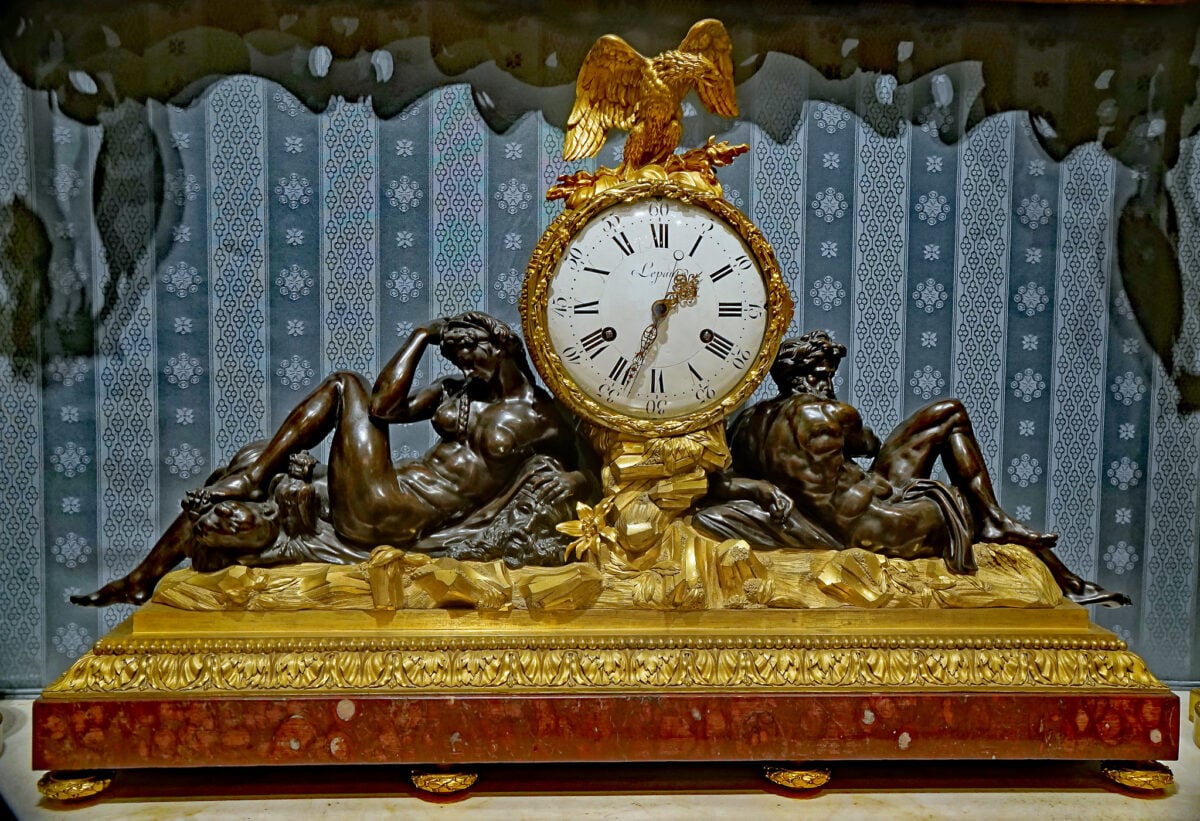
This astronomical clock at the Palace of Versailles displays the time, date, phases of the moon, and positions of planets. Jean-André Lepaute built it in 1753, and it became one of the most talked-about clocks in Europe.
The case alone is a work of art, decorated with bronze sculptures and gilt ornaments. The clock mechanism had to be incredibly precise to keep all its astronomical functions synchronized.
It still works today and stands as a symbol of the scientific advancement happening in France during the 18th century.
Rasmus Sørnes Astronomical Clock

Norwegian mathematician Rasmus Sørnes spent 27 years building this clock between 1930 and 1957. It displays astronomical information for the next 1,000 years without needing adjustment.
The clock shows the positions of the five planets visible to the unaided eye and tracks dozens of astronomical cycles. Sørnes did all the calculations and built all 2,000 parts himself in his spare time.
The clock now sits in a museum where it continues to keep perfect time and make accurate predictions about celestial events.
James Ferguson’s Grand Orrery Clock

A clock built in 1764 links telling time with a moving display of our solar system. Around a fixed sun, each planet turns at its proper pace compared to the others.
Instead of just hours and minutes, gears track moon phases too. Even the orbits of some Jovian and Saturnian satellites appear in motion.
Ferguson made this so learners could study space without needing night skies. Achieving this demanded extreme care, since every planet needed to move just like the one in space. What made it stand out was how gears and wheels turned abstract ideas into something anyone could watch and grasp.
Corpus Clock

A strange-looking timepiece appeared at Cambridge University back in 2008. Rather than using hands, light slips through narrow cuts in a spinning disk to show the hours.
Sitting above it, a small metal insect moves with each second like it’s consuming time itself. At random moments, the device speeds up or drags behind – mirroring how people feel minutes stretch or shrink.
A single mind shaped its core design over half a decade, spending vast sums without pause. Reactions split sharply – some see genius unfold, while others feel uneasy staring at its motion.
What shifted once they arrived
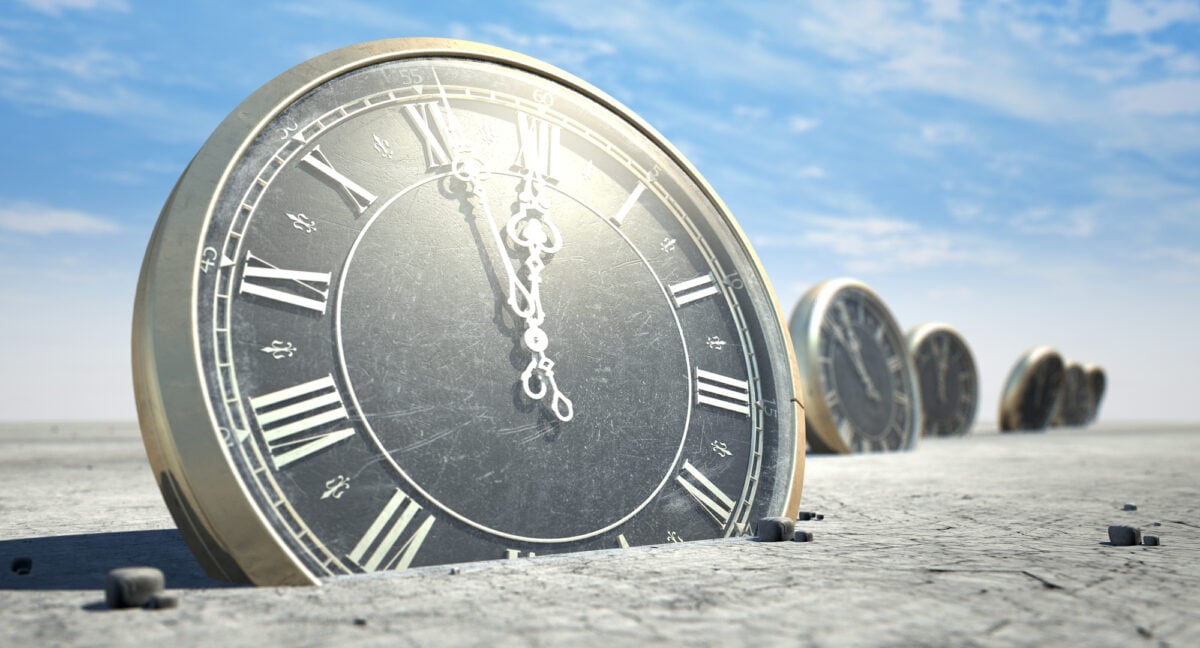
One step at a time, those intricate clocks reveal how far effort and talent can go. Not limited by era or tools, each device stretched limits using only steel, cogs, and bold thinking.
Though death could come before completion, builders carried on without pause. Modern gadgets track seconds flawlessly now, still crowds fly continents just to stand near these moving marvels.
Proof arrives quietly: the act of building greatness often weighs as heavy as the result.
More from Go2Tutors!

- The Romanov Crown Jewels and Their Tragic Fate
- 13 Historical Mysteries That Science Still Can’t Solve
- Famous Hoaxes That Fooled the World for Years
- 15 Child Stars with Tragic Adult Lives
- 16 Famous Jewelry Pieces in History
Like Go2Tutors’s content? Follow us on MSN.