Most Creative Costumes Worn on Screen
Film costumes do more than just dress actors.
They build worlds, define characters, and sometimes become more famous than the movies themselves.
The most creative costumes push boundaries, solve impossible problems, and leave audiences wondering how anyone thought to create something so bold.
From practical ingenuity to pure artistic vision, these costumes changed what people thought was possible on screen.
Here’s a closer look at some of the most inventive and unforgettable costumes ever created for film and television.
The ruby slippers from The Wizard of Oz

Dorothy’s ruby slippers almost didn’t exist.
In the original book, the shoes were silver, but costume designer Adrian Greenberg changed them to ruby red because the vibrant color would pop against the Yellow Brick Road in Technicolor.
The shoes were actually made from silk faille and covered in hand-sequined georgette, with each sequin placed individually.
MGM created multiple pairs because the dancing and walking scenes wore them out quickly.
One pair sold at auction in 2012 for over two million dollars, proving that a simple design choice can become one of the most recognizable props in cinema history.
The shoes weren’t just footwear.
They became a symbol of home, hope, and the magic of movies themselves.
C-3PO’s golden armor from Star Wars

Building a walking, talking robot costume in 1977 presented challenges nobody had really solved before.
Actor Anthony Daniels wore a suit made of fiberglass and plastic that took over two hours to put on and left him unable to sit down between takes.
The costume was so rigid that Daniels couldn’t actually move his arms and legs at the same time, which is why C-3PO has that distinctive stiff walk.
The gold finish came from spray-painting the pieces and then polishing them to a mirror shine.
One leg was silver in the original film, though most people never noticed.
The suit was hot, uncomfortable, and nearly impossible to perform in, but it created a character so believable that audiences forgot there was a human inside.
The xenomorph suit from Alien

H.R. Giger designed the alien creature, but bringing it to life required a seven-foot-tall costume that could move like something genuinely inhuman.
Nigerian design student Bolaji Badejo wore the suit, chosen specifically because his height and thin frame created an unsettling silhouette.
The costume combined fiberglass, latex, and real animal bones to create texture that looked organic and terrifying.
The famous elongated head was actually see-through from the inside, allowing Badejo to see where he was going while keeping the creature mysterious.
Director Ridley Scott kept the alien in shadows for most of the film partly because the costume looked best when partially hidden.
The design was so effective that it spawned an entire franchise and changed how Hollywood approached creature effects.
Margot Robbie’s roller disco outfit from Barbie

Costume designer Jacqueline Durran faced an interesting challenge with the 2023 Barbie film: how do you make plastic doll clothes look good on real humans?
The hot pink roller disco costume became iconic before the movie even released, appearing in promotional materials everywhere.
The outfit featured a custom-made hot pink bodysuit with strategic cutouts and matching skates that actually worked.
Durran’s team created over 100 costume changes for the film, but this particular look captured something essential about Barbie’s impossible proportions and eternal optimism.
The color was so specific that it reportedly caused a global shortage of pink fabric during production.
The costume worked because it didn’t try to make Barbie realistic.
It leaned into the artificiality and made it beautiful.
Tilda Swinton’s glass chamber dress from Orlando

Sandy Powell designed costumes for this 1992 film that spans 400 years of history, but one dress stands out for its sheer ambition.
Swinton wears a massive gown made with actual glass panels and metal framework that weighs over 40 pounds.
The dress was so heavy and fragile that Swinton could barely move in it, which actually served the scene perfectly.
It took a team of people to help her into the costume, and she could only wear it for short periods.
The glass pieces were hand-cut and positioned to catch light in ways that made Swinton look like she was trapped inside a sculpture.
Powell won an Oscar for her work on the film, and this dress showed how costume design could become architecture.
The diva’s costume from The Fifth Element

Jean-Paul Gaultier designed over 900 costumes for this 1997 sci-fi film, but the Diva Plavalaguna opera costume pushed creativity into strange new territory.
The blue alien opera singer wore a costume that combined prosthetics with elaborate costuming to create something genuinely otherworldly.
The tentacle-like protrusions from her head were individually articulated and moved during her performance.
Actress Maïwenn had to sit through hours of makeup application before the costume pieces could even be added.
The whole ensemble weighed close to 30 pounds and restricted movement so much that the character’s performance had to be carefully choreographed around the costume’s limitations.
Gaultier created a look that felt alien but also elegant, which is a nearly impossible balance.
Heath Ledger’s Joker costume from The Dark Knight

Costume designer Lindy Hemming worked with Ledger to create a Joker that felt modern and genuinely disturbing.
The purple coat was actually a custom-made piece that Hemming deliberately distressed to look like the Joker had been wearing it for weeks.
Ledger himself chose the oversized shoes and was involved in every detail of how the costume came together.
The smeared makeup wasn’t part of the costume technically, but Hemming designed the outfit to work with the idea that this Joker didn’t care about appearance in a traditional villain way.
Everything looked slightly wrong on purpose, from the mismatched shirt to the too-long pants.
The costume told a story about chaos and decay without saying a word.
It influenced comic book costuming for years afterward, proving that superhero villains didn’t need to look polished to be iconic.
The bear suit from The Shining

The random appearance of someone in a bear costume during a brief scene in The Shining has confused audiences for decades.
Costume designer Milena Canonero created this disturbing image that lasts only seconds but leaves a lasting impression.
The bear head was custom-made to look simultaneously cartoonish and menacing, with dead eyes and matted fur.
The person wearing it appears in a tuxedo, creating a jarring contrast that makes the whole scene feel like a nightmare.
Canonero never explained the meaning behind the costume, and director Stanley Kubrick famously refused to clarify anything about the film.
The costume works because it’s unexplained and deeply wrong, appearing just long enough to unsettle viewers before disappearing.
Sometimes the most creative costume choices are the ones that make no logical sense.
Lupita Nyong’o’s red jumpsuit from Us
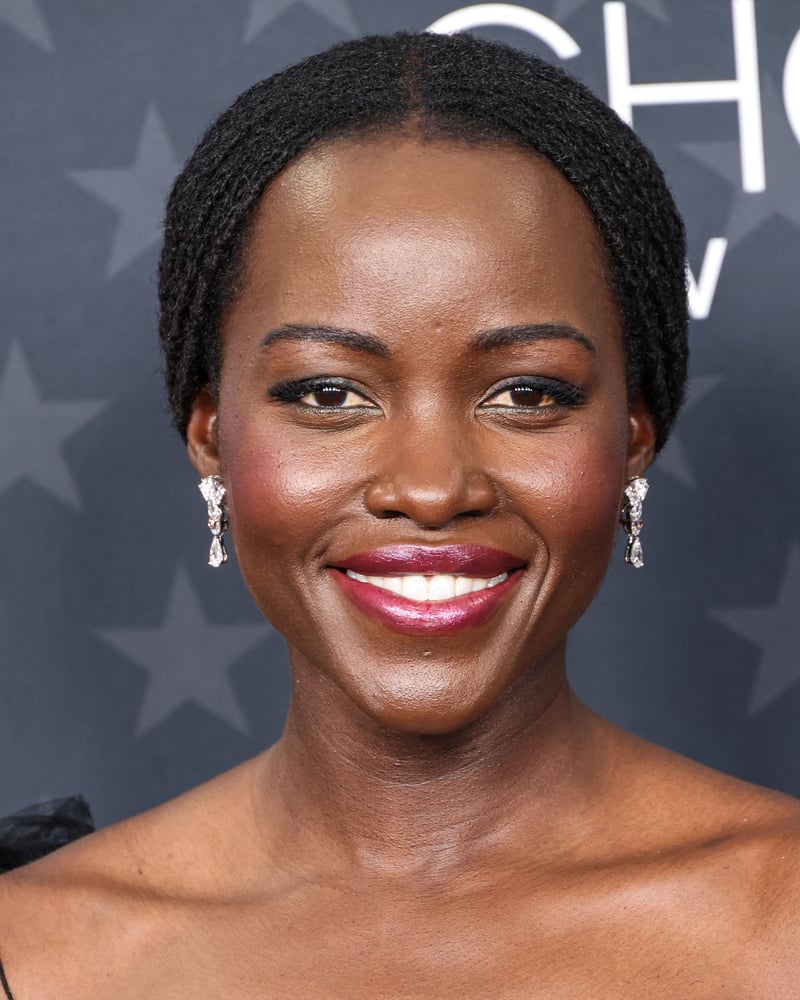
Costume designer Kym Barrett dressed an entire family of doppelgängers in red jumpsuits that became instantly recognizable.
The costumes were custom-dyed to achieve a specific shade of red that looked ominous but not cartoonish.
Barrett chose jumpsuits because they’re practical, unsettling, and reminiscent of prison uniforms or cult clothing.
Each jumpsuit was tailored specifically for the actor wearing it, and the gloves were attached to create a seamless, inhuman appearance.
The single gold scissor prop completed the look and became part of the costume’s identity.
Barrett created a uniform that was simple enough to be replicated by Halloween costume companies but distinctive enough to carry deep symbolic meaning.
The red jumpsuits turned ordinary people into something threatening through nothing but color and context.
The dresses in Marie Antoinette
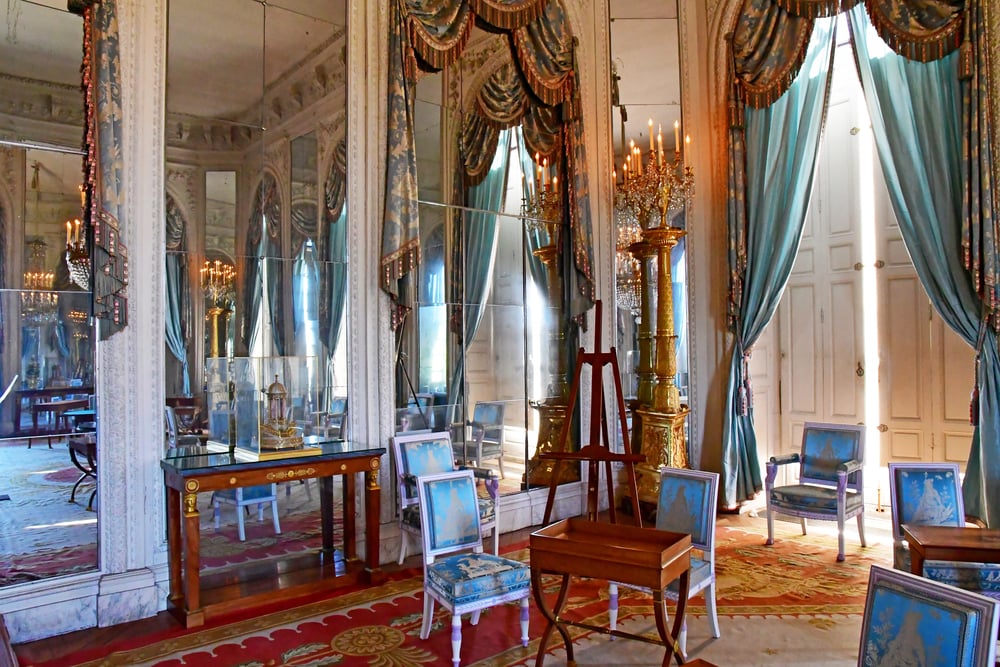
Milena Canonero won an Oscar for the costumes in Sofia Coppola’s 2006 film, which blended historical accuracy with modern sensibility.
The costumes were historically researched but used contemporary colors and styling to make them feel fresh.
Canonero created over 100 dresses for Kirsten Dunst alone, including the famous pink macaron-colored gown that appears in the film’s most iconic scene.
The costumes were so elaborate that some took months to construct, with real embroidery, hand-painted fabrics, and antique techniques.
Canonero deliberately used softer, sweeter colors than would have been typical for the period because she wanted the film to feel like a fantasy.
The result was costumes that captured the excess and ultimate emptiness of Versailles while looking absolutely stunning on screen.
The Daft Punk helmets from Tron Legacy

Costume designer Michael Wilkinson faced the challenge of updating the original Tron aesthetic for modern audiences while keeping it recognizable.
The light-up suits required LED technology integrated directly into the costumes, with battery packs hidden in the actors’ clothing.
Each suit took months to develop and had to be lightweight enough for actors to perform stunts while staying bright enough to film.
The helmets were particularly challenging because they needed to light up, allow actors to see and breathe, and look futuristic.
Wilkinson’s team built over 40 different costume pieces that all had to sync with the film’s visual effects.
The costumes were so complex that specialized technicians stayed on set full-time just to maintain them.
They proved that practical costumes could still compete with digital effects when designed with enough innovation.
Ruth Carter’s costumes for Black Panther

Ruth Carter became the first Black woman to win an Oscar for costume design with her work on Black Panther, and the achievement was well-earned.
She drew inspiration from African tribal wear across the continent, creating distinct looks for each Wakandan tribe.
The Dora Milaje costumes combined traditional African design with futuristic elements, using 3D printing for armor pieces and hand-beading for detailed work.
Carter’s team created over 1,000 costume pieces for the film, with many requiring specialized techniques that had never been used in mainstream cinema.
The costumes weren’t just beautiful.
They told stories about culture, identity, and what African fashion might look like without colonialism’s influence.
Carter’s work elevated costume design from decoration to essential storytelling, showing how clothing can build entire worlds and challenge Hollywood’s narrow vision of what futuristic means.
The creature suits from Where the Wild Things Are

Costume designer Spike Jonze faced an impossible task: bringing Maurice Sendak’s beloved illustrated monsters to life without using full CGI.
The solution involved building massive creature suits that actors could wear and operate, with CGI only used for facial expressions.
Each suit weighed between 60 and 80 pounds and stood up to eight feet tall.
The performers inside had to navigate complex emotions and movements while essentially blind and overheating.
The suits were made from foam, fur, and animatronic components that required multiple operators for some scenes.
Jonze wanted the creatures to feel present and real, which meant actors had to actually interact with these massive costumes on set.
The result was creatures that felt tangible and alive in ways that digital effects often miss.
The costumes took years to develop and nearly bankrupted the production, but they created movie magic that audiences could sense was somehow real.
Jenny Beavan’s post-apocalyptic designs for Mad Max Fury Road

Jenny Beavan won an Oscar for costumes that looked like they were scavenged from actual wasteland ruins.
She and her team created over 2,000 costume pieces using distressing techniques that made everything look sun-bleached, blood-stained, and battle-worn.
The War Boys’ pale body paint and tribal scarification were technically costume elements that had to be reapplied daily for consistency.
Immortan Joe’s translucent armor was built from clear plastic and designed to show his diseased body beneath.
Furiosa’s mechanical arm was a costume piece that blended seamlessly with Charlize Theron’s performance.
Beavan sourced materials from junkyards, thrift stores, and scrap dealers to create a world where nothing was new and everything had a history.
The costumes felt so authentic that many people assumed they were improvised rather than meticulously designed.
Her work proved that creativity sometimes means making everything look destroyed.
The legacy of costume innovation

Screen costumes have evolved from simple wardrobe into genuine art form, pushing boundaries of what fabric, foam, and imagination can achieve.
The most creative costumes solve problems nobody knew existed while creating images that outlive the films themselves.
Today’s costume designers use 3D printing, LED technology, and traditional hand-sewing in the same costume, blending centuries of technique with cutting-edge innovation.
These designs remind us that movies are collaborative magic, where what actors wear can matter just as much as what they say.
The costumes that endure are the ones that to
More from Go2Tutors!

- The Romanov Crown Jewels and Their Tragic Fate
- 17 Halloween Costumes Once Considered Taboo
- Famous Hoaxes That Fooled the World for Years
- 15 Child Stars with Tragic Adult Lives
- 16 Famous Jewelry Pieces in History
Like Go2Tutors’s content? Follow us on MSN.