15 Objects That Evolved Into Completely New Uses
Think about the coffee can sitting in your garage filled with screws and bolts. Or the shoebox under your bed stuffed with old photos.
These everyday transformations happen so naturally that we barely notice them, yet they represent something fascinating about human ingenuity — our ability to see potential where none was intended.
Throughout history, countless objects have drifted far from their original purposes, finding new life in ways their inventors never imagined. Some shifted gradually through practical necessity.
Others leaped into entirely different realms through accident or creative inspiration. The stories behind these transformations reveal as much about human adaptability as they do about the objects themselves.
Bubble Wrap
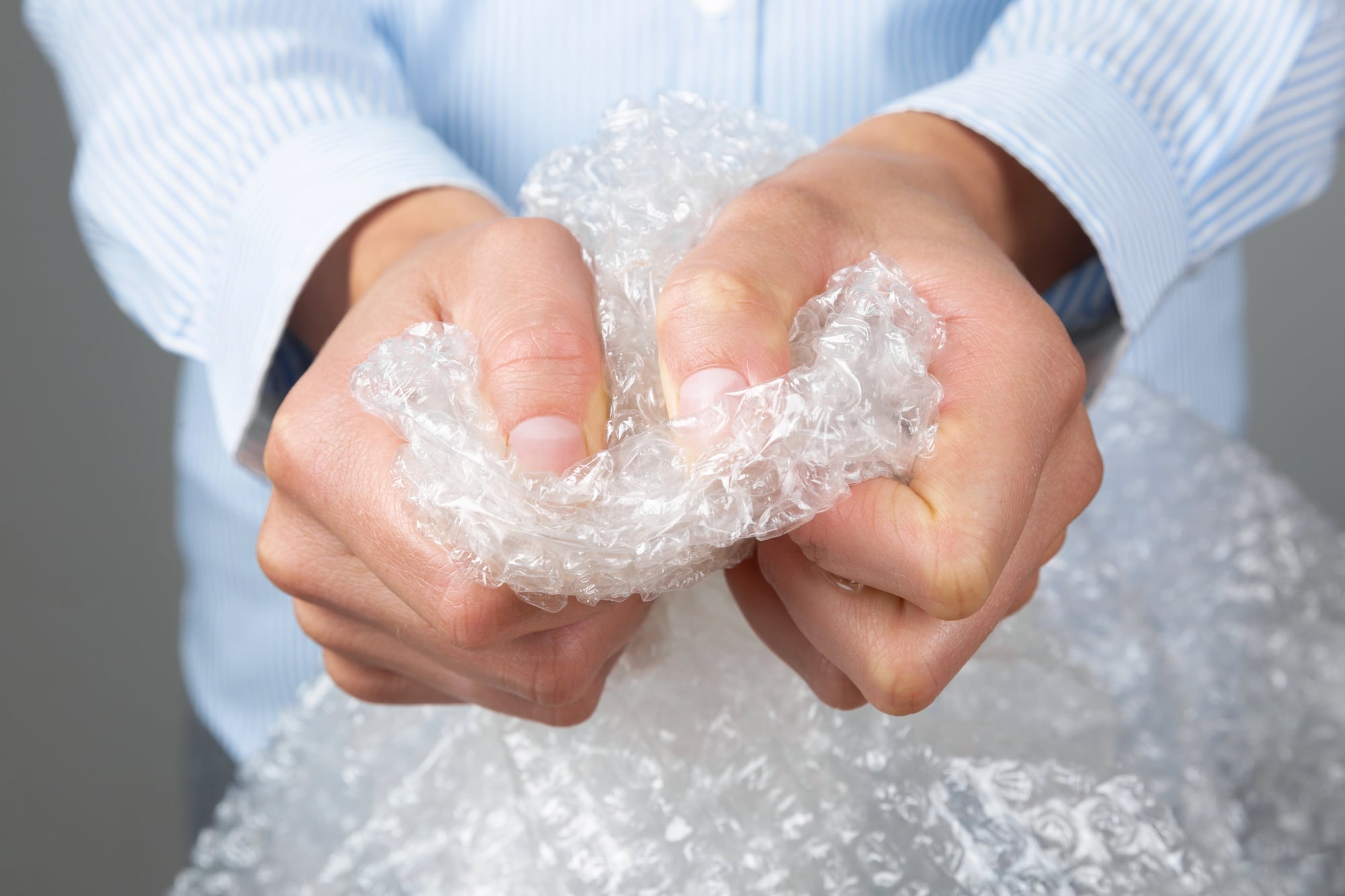
Bubble wrap was supposed to be wallpaper. Marc Chavannes and Al Fielding created it in 1957 as textured wall covering for homes.
Nobody wanted it.
So they pivoted to greenhouse insulation. Still no luck.
Then IBM started shipping computers and needed something protective. Bubble wrap finally found its calling — though not the one anyone expected.
Coca-Cola

John Pemberton mixed up Coca-Cola in 1886 as a medicinal tonic. The Atlanta pharmacist marketed it as a cure for headaches, fatigue, and nervous disorders.
People were supposed to take it like medicine — small doses, serious faces, health benefits expected.
And yet (because humans will always find their own way to enjoy things) customers started treating it less like medicine and more like refreshment. They drank it for pleasure rather than pain relief, which turned out to be exactly what the world needed — even if Pemberton never saw it coming.
The medicinal claims quietly disappeared as the beverage empire grew.
Play-Doh
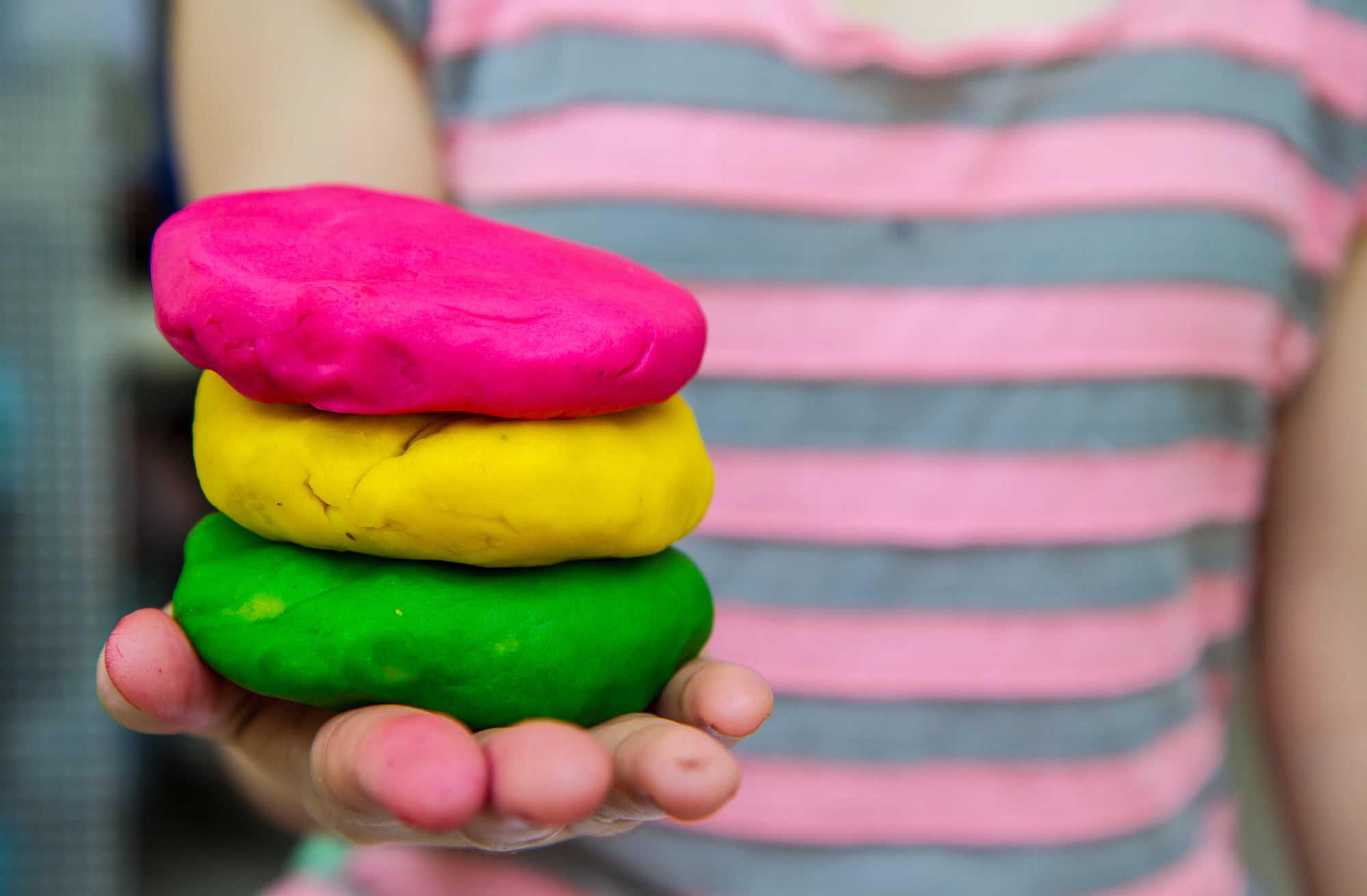
There’s something almost poetic about Play-Doh’s origin story — a cleaning product that became the foundation for millions of childhood creations, the kind of transformation that feels both accidental and inevitable once you know it.
The putty was originally designed to remove soot and grime from wallpaper back in the 1930s, when coal heating left its mark on every surface in the house.
But as natural gas heating became common (and wallpaper cleaning became less urgent), the product faced extinction. Then Kay Zufall, a teacher, noticed how perfectly the non-toxic putty worked for art projects with children.
She contacted the manufacturer, and what had once cleaned walls became the medium through which kids first learned that their hands could shape the world around them.
Kleenex
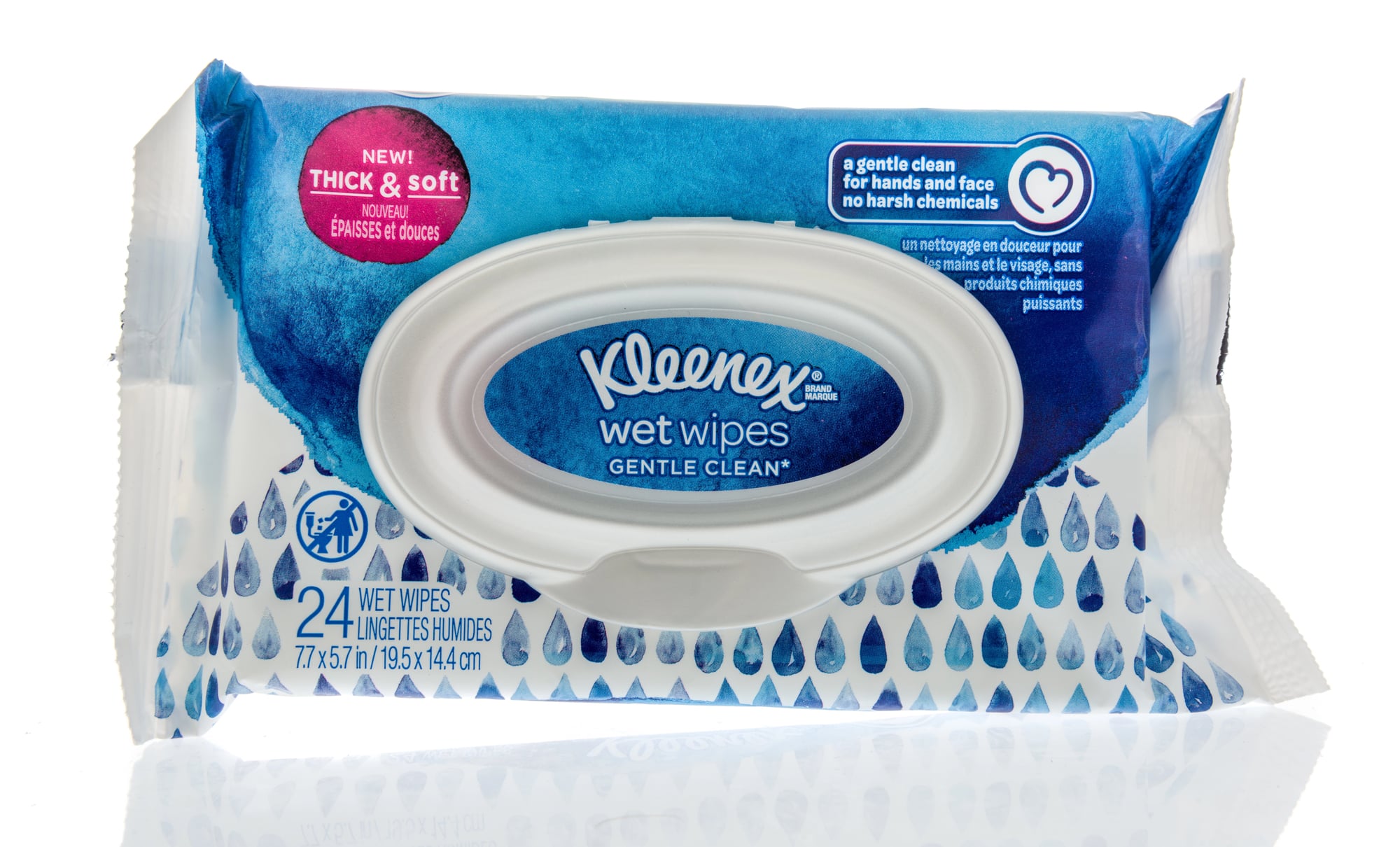
Kleenex tissues were invented as cold cream removers for women taking off makeup. Kimberly-Clark positioned them as a hygienic alternative to washcloths in the 1920s.
People had other ideas. They started using the tissues for runny noses instead of makeup removal.
The company noticed, ran some tests, and discovered that 60% of customers were already treating their product as disposable handkerchiefs. Smart money follows the customer.
Listerine

Joseph Lawrence formulated Listerine in 1879 as a surgical antiseptic. Doctors used it to sterilize wounds and operating rooms.
The amber liquid worked exactly as intended — killing germs and preventing infections in medical settings.
But the Lambert Pharmacal Company (which had acquired the formula) wasn’t content with the limited medical market. Through aggressive marketing campaigns in the 1920s, they repositioned Listerine as a mouthwash that could cure “chronic halitosis” — a condition they helped popularize as a social problem requiring daily treatment.
The antiseptic that once cleaned scalpels became the solution to awkward conversations and missed romantic opportunities, which turned out to be far more profitable than surgery prep ever was.
Frisbee

The Frisbee emerged from the Frisbie Pie Company in Connecticut, where students discovered that empty pie tins flew remarkably well when hurled across campus lawns.
There’s something almost inevitable about it — the way a discarded tin’s perfect weight and aerodynamic shape called out to be thrown rather than thrown away.
Walter Morrison noticed this campus phenomenon and designed the first plastic flying disc in the 1940s, though it took Wham-O’s marketing genius to turn it into the Frisbee we know.
What started as pie container disposal became a sport, a beach essential, a backyard staple. The transformation feels so natural now that it’s hard to imagine those pie tins were ever meant for anything but flight.
Duct Tape
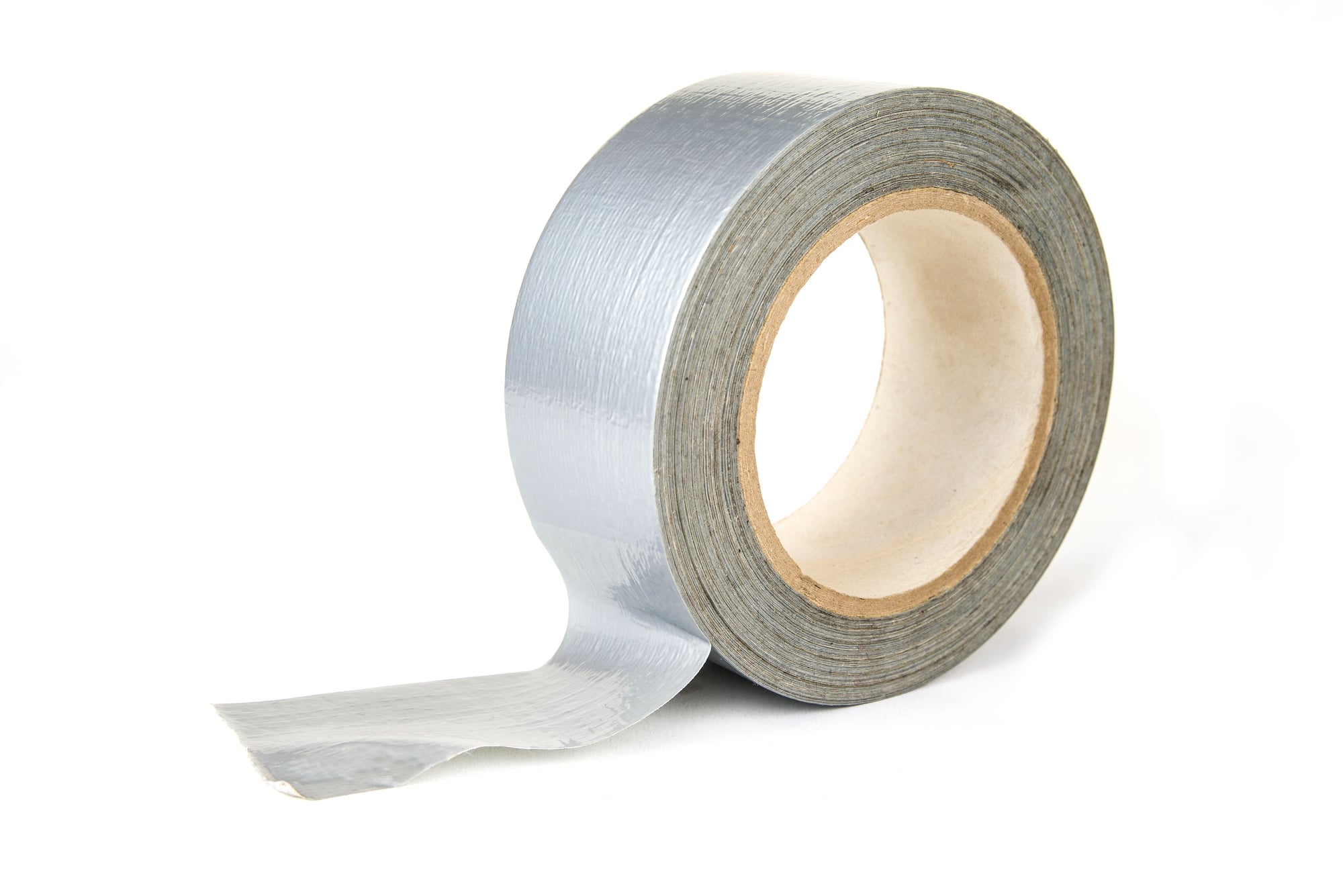
Duct tape began as medical tape during World War II. Johnson & Johnson created it to seal ammunition cases — waterproof, strong, and easy to tear by hand.
Soldiers called it “duck tape” because water rolled off like a duck’s back.
After the war, it found new life in heating and air conditioning work, which is how it became “duct tape.” Then everyone discovered it could fix almost anything.
The medical tape became the universal repair solution.
Corn Flakes
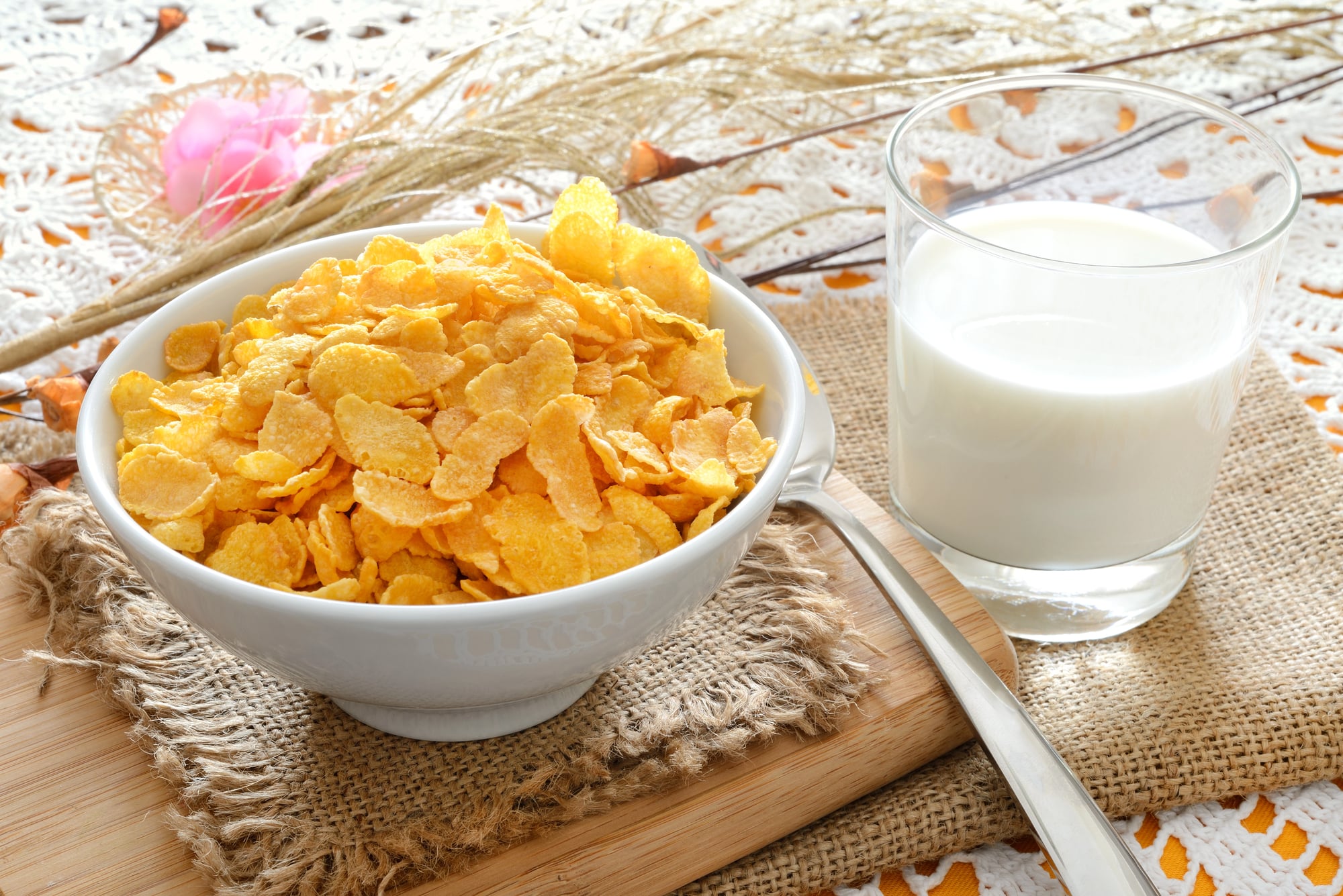
Dr. John Harvey Kellogg created corn flakes in 1894 as part of a bland diet designed to suppress what he considered unhealthy urges in his sanitarium patients.
The cereal was intentionally boring — no sugar, no flavor, nothing that might stimulate the appetite or, in Kellogg’s peculiar medical philosophy, encourage moral corruption.
His brother Will had different ideas. He added sugar, marketed the cereal to families as a convenient breakfast option, and turned the anti-pleasure health food into exactly what John had tried to prevent: something people actually enjoyed eating.
The moral crusade became the foundation of the modern breakfast cereal industry, which is either deeply ironic or perfectly predictable, depending on your view of human nature.
Vaseline
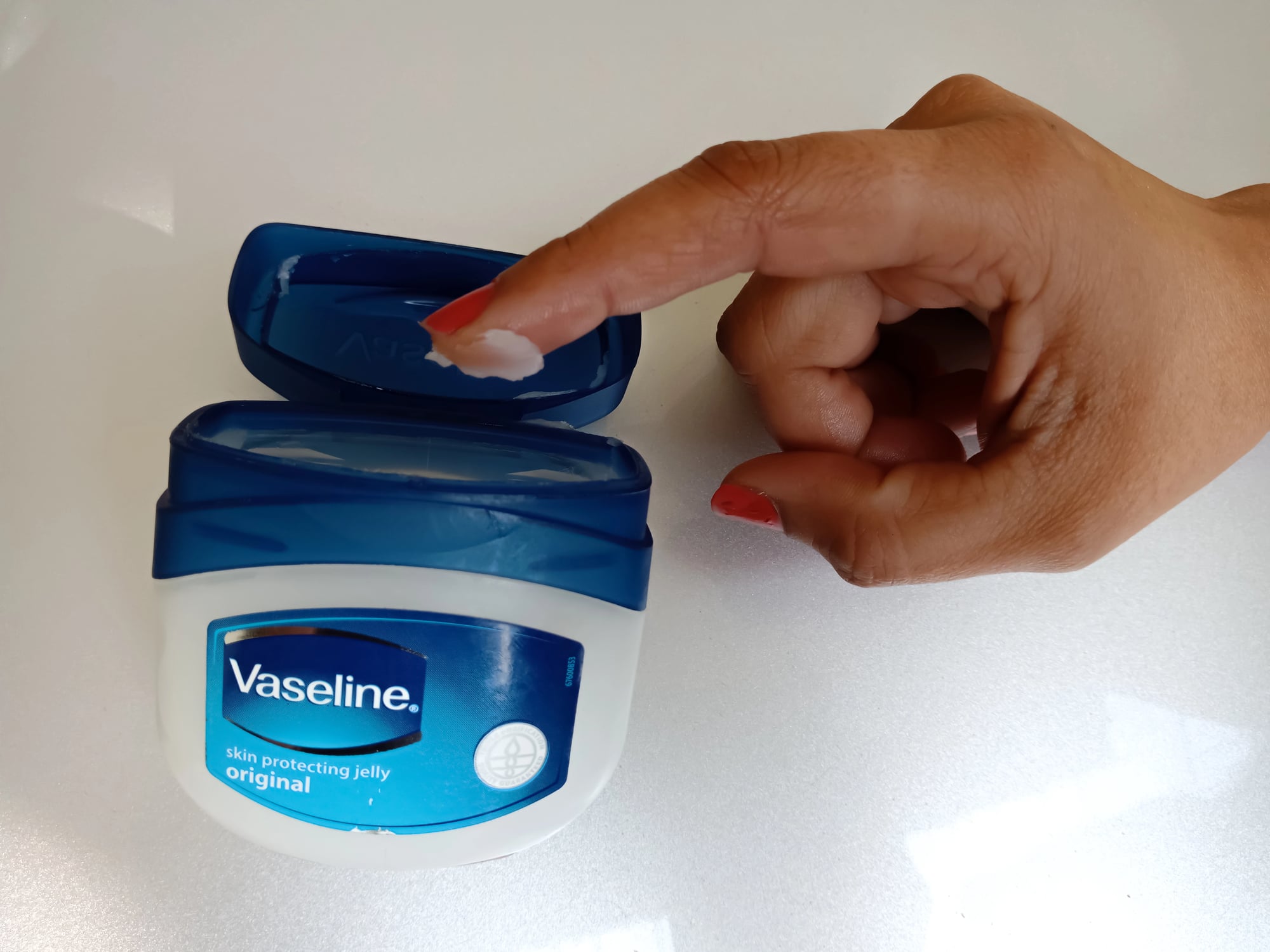
Robert Chesebrough discovered petroleum jelly in 1859 while visiting oil fields in Pennsylvania. Workers there were already using the waxy substance that collected on drilling equipment to heal cuts and burns — a practical discovery born from industrial necessity.
Chesebrough refined the substance, patented it as Vaseline, and began marketing it as a healing ointment.
But customers found their own uses: moisturizer, lip balm, hair pomade, rust prevention, and about a hundred other household applications. The industrial byproduct became the Swiss Army knife of personal care products.
Sometimes the best innovations happen when you stop trying to control how people use your invention.
Viagra

Pfizer developed sildenafil in the 1980s to treat high blood pressure and chest pain. The drug showed modest results for heart conditions during clinical trials — nothing spectacular, but functional enough for its intended cardiovascular purpose.
Then researchers noticed the side effects. Male participants reported unexpected improvements in erectile function, which turned out to be far more marketable than blood pressure management.
Pfizer pivoted completely, and Viagra became one of the most profitable pharmaceuticals in history. The heart medication became a lifestyle drug.
WD-40
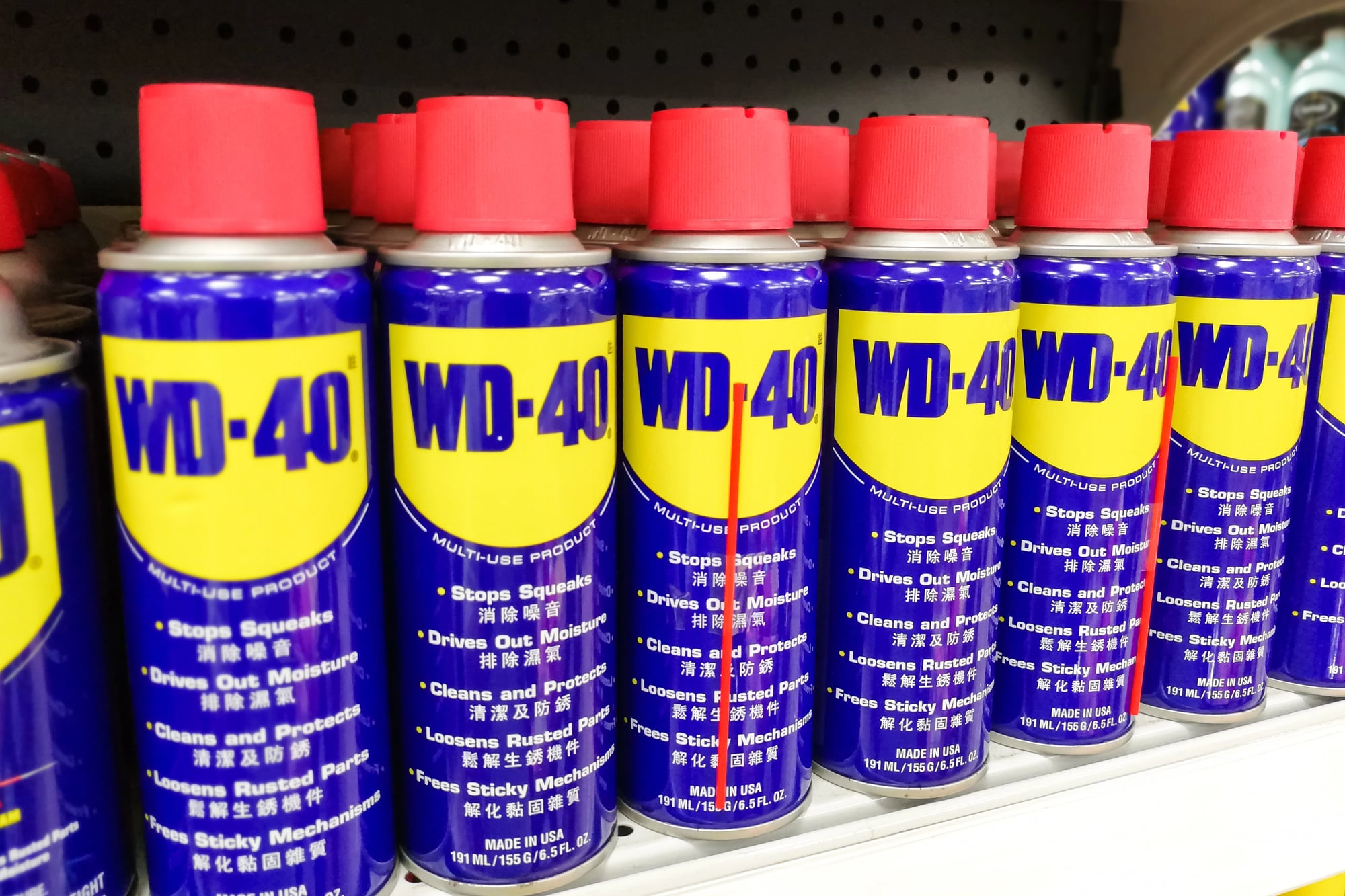
The Rocket Chemical Company created WD-40 in 1953 for one specific purpose: preventing nuclear Atlas rockets from corroding. The formula worked — Water Displacement, 40th formula — and the Rocket Chemical Company figured they had a nice little industrial contract.
And yet employees kept sneaking the stuff home because (as it happens) a product that prevents corrosion on rockets also prevents corrosion on everything else.
They used it on stuck bolts, squeaky hinges, and rusty tools. The company eventually started selling it to consumers, which turned their specialized aerospace product into the ultimate garage essential.
There’s a reason every hardware store stocks it next to the duct tape — some solutions are just too useful to stay in their original lane.
Rogaine

Upjohn developed minoxidil as Loniten in the 1970s to treat severe high blood pressure. The oral medication worked well for its intended purpose, but patients kept reporting an unexpected side effect — increased hair growth all over their bodies.
Doctors noticed that balding patients were growing hair in places where they’d been hairless for years.
Upjohn saw the opportunity and reformulated minoxidil as a topical treatment specifically for male pattern baldness. The blood pressure medication became Rogaine, proving that sometimes the side effect is more valuable than the original effect.
Fair enough — treating vanity often pays better than treating medical conditions.
Post-it Notes

Spencer Silver at 3M was trying to develop a super-strong adhesive in 1968 but accidentally created something weak and repositionable instead. The adhesive stuck lightly and could be removed without damage — exactly the opposite of what he’d intended.
For years, nobody knew what to do with Silver’s “failed” adhesive. Then Art Fry, a 3M colleague who sang in his church choir, realized the weak adhesive would be perfect for bookmarks that wouldn’t damage his hymnal pages.
He started using small pieces of paper coated with Silver’s adhesive to mark songs. The repositionable bookmarks became Post-it Notes — turning Silver’s adhesive failure into one of 3M’s most successful products.
Treadmill

The treadmill started as a punishment device in 19th-century prisons. Inmates were forced to walk on large wheels connected to grain mills or water pumps — productive labor disguised as discipline.
The machines were deliberately exhausting and served no benefit to the person walking on them.
Sir William Cubitt designed these “tread-wheels” in 1818 as a form of hard labor that would reform prisoners through monotonous physical exertion. The idea was that endless walking would break down criminal tendencies while generating useful work.
Now people pay monthly fees to walk on modern versions of Cubitt’s prison punishment device, which says something interesting about how we’ve redefined leisure time. The punishment became the workout.
Champagne

Dom Pérignon and other Champagne makers in the 17th century were trying to make regular still wine, but they kept encountering a problem: secondary fermentation that created unwanted bubbles. The effervescence was considered a flaw — a sign that something had gone wrong in the winemaking process.
Winemakers spent considerable effort trying to prevent the bubbles, viewing them as a defect that made their wine inferior to the smooth, still wines of Burgundy.
But gradually, people started appreciating the sparkling “mistake.” The bubbles added liveliness and celebration to drinking, transforming wine from mere sustenance into something that marked special occasions.
The accidental effervescence became Champagne’s defining characteristic, and what was once a winemaking failure became the drink of choice for every milestone worth celebrating.
Looking Back at Reinvention
These transformations share something beyond mere coincidence — they reveal how innovation often happens not in laboratories or boardrooms, but in the gap between intention and reality.
People take what exists and bend it toward what they actually need, regardless of what the package says it’s for.
The most enduring of these reinventions weren’t forced or marketed into existence. They emerged naturally when someone noticed that the thing in front of them could solve a different problem than the one it was designed for.
That recognition — seeing potential where others see limitation — might be one of the most distinctly human traits we have.
More from Go2Tutors!

- The Romanov Crown Jewels and Their Tragic Fate
- 13 Historical Mysteries That Science Still Can’t Solve
- Famous Hoaxes That Fooled the World for Years
- 15 Child Stars with Tragic Adult Lives
- 16 Famous Jewelry Pieces in History
Like Go2Tutors’s content? Follow us on MSN.



