15 Historical Diaries That Reveal Secrets
Throughout history, people have poured their private thoughts into personal diaries, only for these intimate records to surface years—sometimes centuries—later. Unlike official historical accounts, these unfiltered glimpses into the past reveal secrets their authors never imagined would see daylight.
From political scandals to heartbreaking confessions, diaries preserve raw, unedited perspectives that often contradict public narratives. Here is a list of 15 historical diaries from across the globe that unveiled remarkable secrets when they finally came to light:
Anne Frank’s Diary

The most famous diary of the 20th century wasn’t meant for public consumption—yet it exposed the hidden world of a Jewish family concealed in an Amsterdam annex during Nazi occupation. Beyond documenting their precarious existence, Anne’s writings revealed a literary talent that nobody expected from a teenager.
Readers were often startled to discover her frank thoughts about puberty and her complicated relationship with her mother, which added unexpected dimensions to what many assumed would be merely a chronicle of wartime suffering.
Samuel Pepys’ Coded Chronicles

This 17th-century English naval administrator kept London’s best secrets locked behind a personal shorthand system—a decision that allowed him to document his life with shocking candor. Pepys recorded everything from historically significant events like the Great Fire of London to his countless sexual conquests throughout the city.
His encryption remained unbroken until the 19th century, when scholars finally cracked the code and unveiled a Restoration gentleman’s unvarnished life—complete with professional triumphs and moral failings that would’ve destroyed his reputation had contemporaries discovered them.
Like Go2Tutors’s content? Follow us on MSN.
Emperor Hirohito’s Monologue
Historians thought they understood Japan’s wartime leadership until the Emperor’s personal monologue surfaced decades after World War II—dramatically contradicting the established narrative. While the official story portrayed Hirohito as a figurehead with little real power, his private writings revealed significant involvement in military decisions.
The diary entries suggest he maintained substantial influence over wartime policy—despite cultivating a carefully crafted public image of imperial detachment that helped him avoid prosecution after Japan’s defeat.
Frida Kahlo’s Illustrated Journal

The Mexican artist left behind more than her famous paintings—she created a diary that blended vivid illustrations with deeply personal writings about her physical agony and emotional turmoil. Kahlo’s journal contained heart-wrenching reflections on her miscarriages and inability to have children—topics she deliberately kept out of public discussion.
Her dream-like sketches provide visual manifestations of innermost feelings that words alone couldn’t capture—offering art historians and psychologists alike a profound window into a creative mind shaped by chronic pain and passionate relationships.
Lewis and Clark’s Expedition Journals
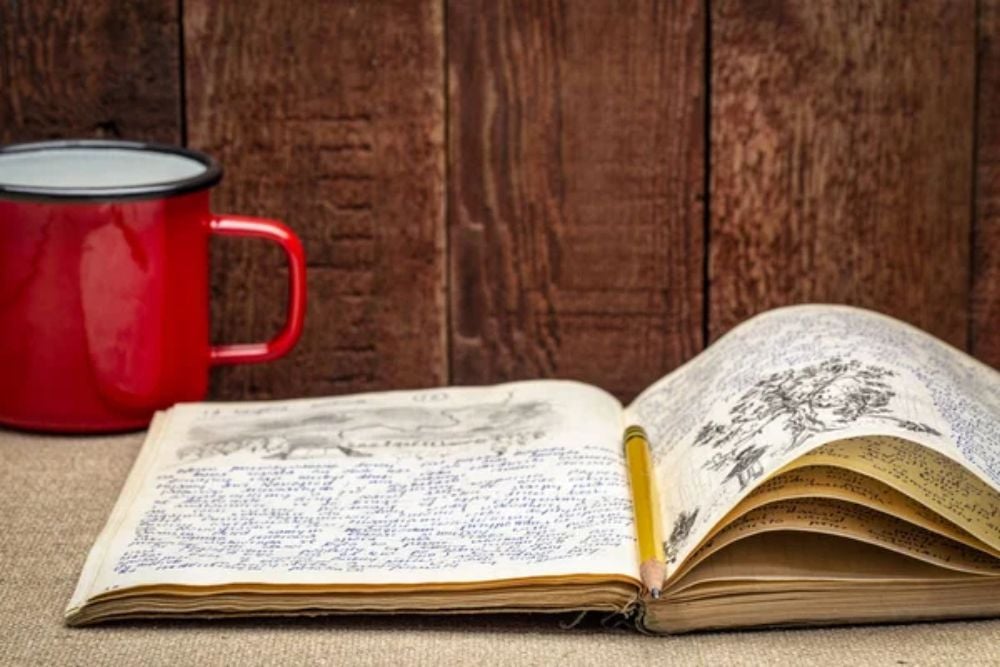
These exploration diaries didn’t just map the American frontier—they documented uncomfortable truths about early American expansion and indigenous encounters. While celebrated for their scientific observations, the journals include assessments of tribal customs that reveal the cultural biases typical of European-American explorers in the early 19th century.
Their private notes about negotiations and conflicts with Native American tribes present a messier, more complex picture than the straightforward heroic narrative that dominated American history textbooks for generations afterward.
Like Go2Tutors’s content? Follow us on MSN.
Victor Klemperer’s Witness Testimony

This German-Jewish professor risked his life to maintain diaries under Nazi rule—creating what would become one of the most important firsthand accounts of how fascism transforms a society. Klemperer meticulously documented the gradual normalization of persecution—showing how ordinary Germans slowly accepted and eventually participated in discrimination against their Jewish neighbors.
His wife, who wasn’t Jewish, preserved these dangerous writings by hiding them in their garden during raids—an act of resistance that saved a priceless historical record of everyday life under totalitarianism.
Che Guevara’s Motorcycle Diaries
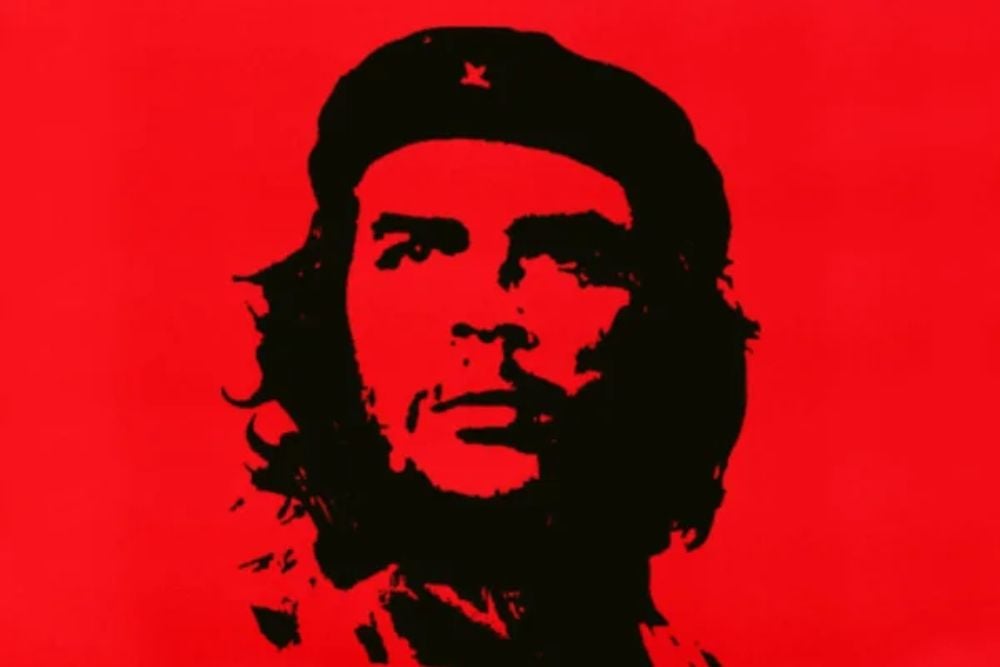
Before becoming the revolutionary face on college dorm posters worldwide, Ernesto “Che” Guevara kept a travel journal that charted his transformation from privileged medical student to radical activist. His diary from a motorcycle journey across South America reveals the exact moments and encounters that radicalized him—particularly his experiences with poverty and inequality throughout the continent.
These private reflections present a more uncertain, evolving young man—quite different from the dogmatic revolutionary leader he would later become in public consciousness.
Lady Sarashina’s Heian-Era Reflections
While men dominated official histories, this 11th-century Japanese noblewoman’s diary—”As I Crossed a Bridge of Dreams”—preserved female perspectives from the imperial court that would’ve otherwise vanished. Sarashina wrote poetically about forbidden attractions and the crushing psychological impact of the strict social constraints placed on aristocratic women.
Her longing for religious pilgrimage and literary accomplishment stands as rare documentation of female ambition during a period when historical records overwhelmingly prioritized male experiences and achievements.
Like Go2Tutors’s content? Follow us on MSN.
Alan Turing’s Personal Notes
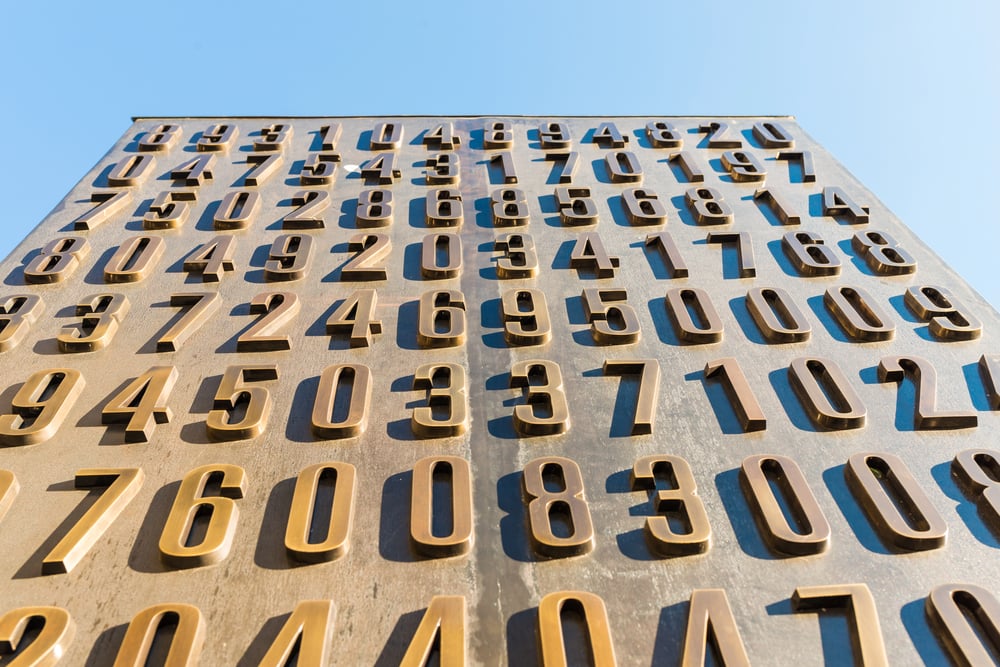
The mathematical genius who shortened World War II by helping crack the Nazi Enigma code couldn’t solve the problem of living authentically in mid-20th century Britain—as his heartbreaking private journals reveal. Turing documented the psychological devastation caused by laws criminalizing homosexuality—culminating in his submission to chemical castration as an alternative to imprisonment.
These painful reflections provide a stark contrast to his professional brilliance—showing how societal persecution ultimately contributed to the tragic early death of one of history’s greatest minds.
Queen Victoria’s Highland Journals
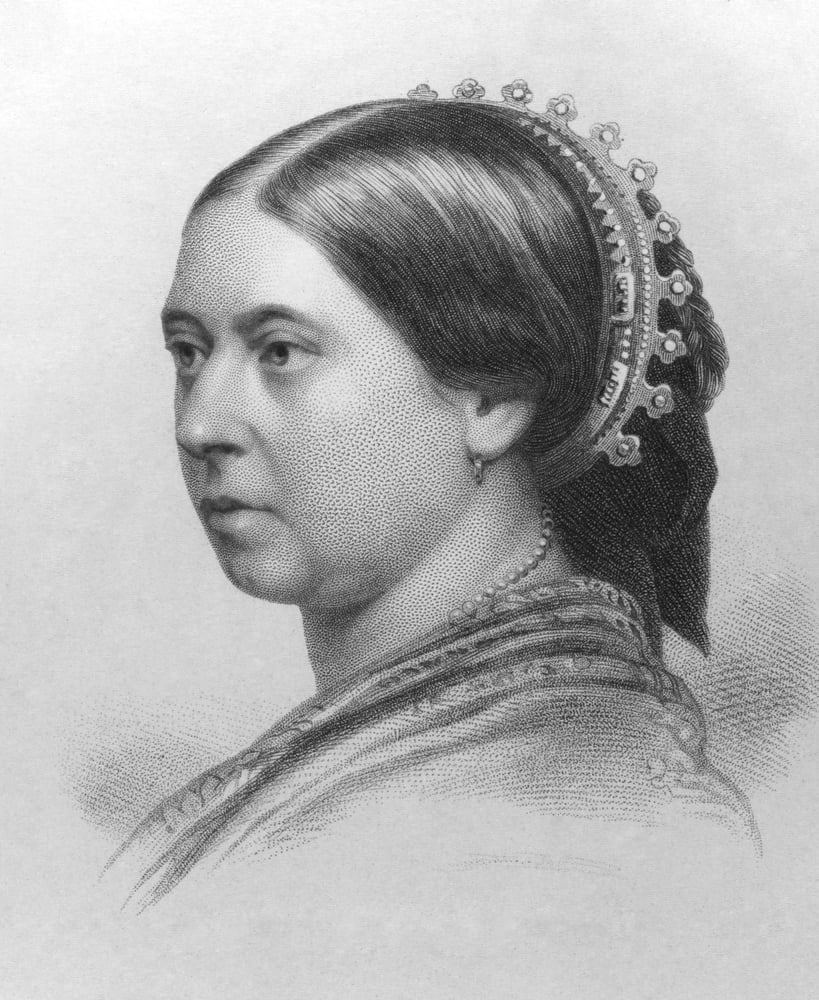
Behind the public image of the stern widow queen dressed perpetually in black lurked a woman with passionate attachments—as revealed in her private Scottish diaries. Victoria’s writings exposed an intense emotional connection to her servant John Brown that far exceeded appropriate boundaries between monarch and staff—fueling rumors that persist to this day.
The candid expressions of dependence on this rough-mannered Scotsman scandalized royal historians—contradicting the carefully maintained public persona of the resolute, independent empress who ruled a quarter of the globe.
The Diary of Lady Murasaki
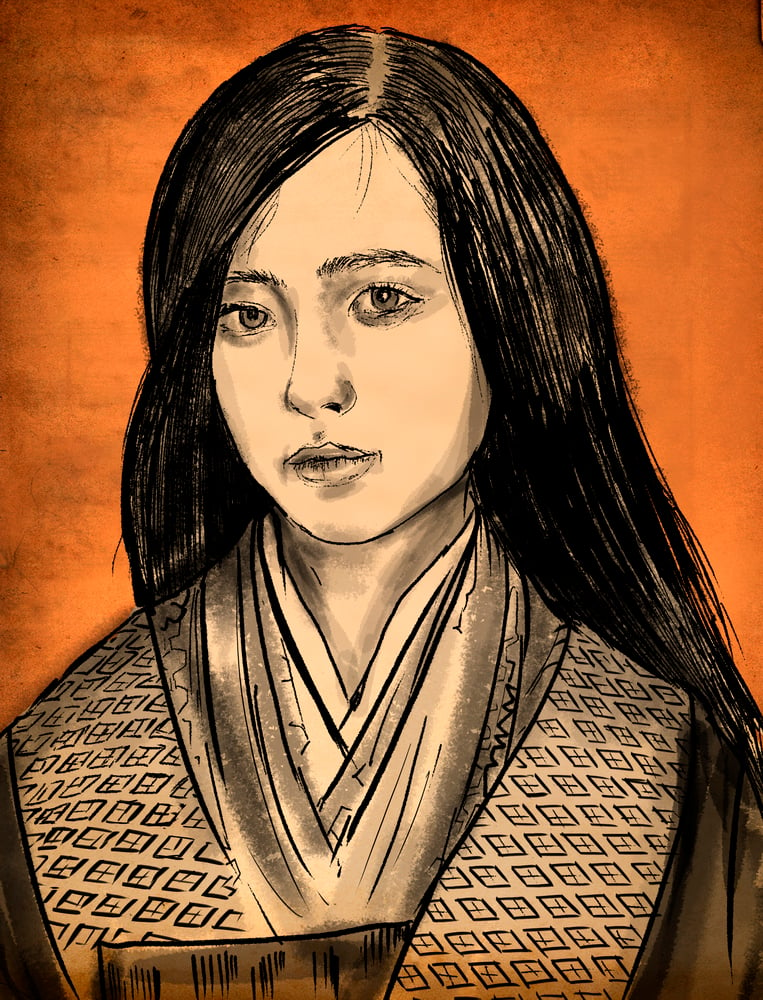
This 10th-century Japanese lady-in-waiting didn’t just write the world’s first novel—she kept a personal diary that offers unprecedented access to women’s experiences in classical Japanese imperial society. Murasaki’s unvarnished observations chronicle the petty rivalries and political maneuverings among imperial consorts and courtiers.
Her detailed accounts of palace life reveal how she transformed real-world experiences into the groundbreaking fiction of “The Tale of Genji,” showing the creative process behind what many scholars consider literature’s first psychological novel.
Like Go2Tutors’s content? Follow us on MSN.
Antarctic Explorer Robert Falcon Scott’s Final Journal
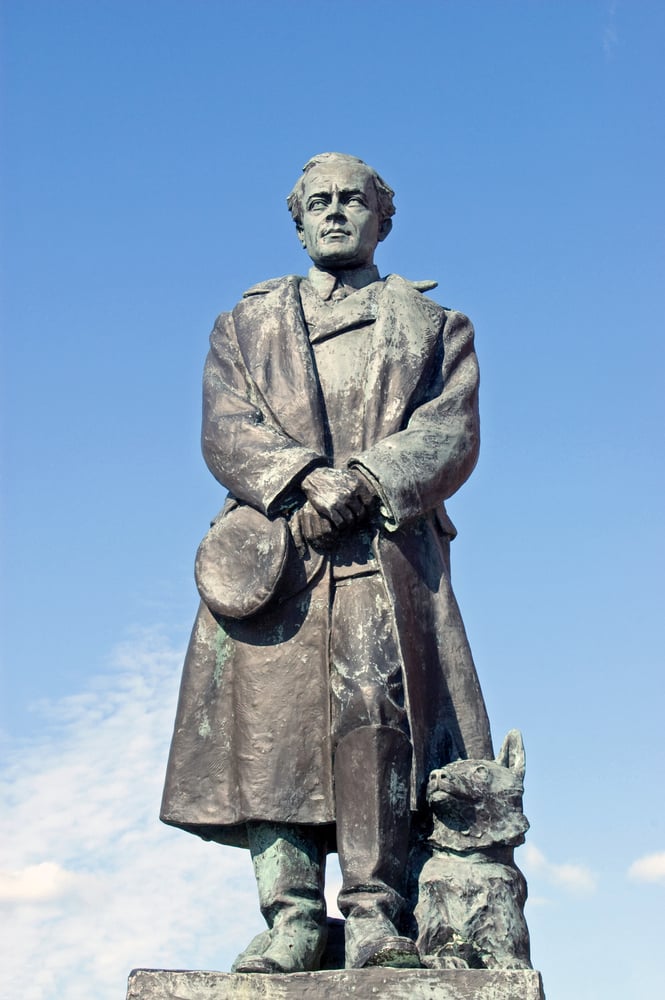
When search parties finally discovered Scott’s frozen body in the Antarctic wasteland in 1912, they also found his diary—containing the haunting final thoughts of a man facing certain death. Scott’s increasingly desperate entries document the crushing disappointment of discovering Norwegian explorer Roald Amundsen had reached the South Pole first, followed by the gradual realization that his entire team would perish on the return journey.
His final pages, written with failing strength as starvation and extreme cold overwhelmed him, stand among history’s most powerful testimonies to human endurance and acceptance of mortality.
Etty Hillesum’s Spiritual Journey

While most Holocaust accounts understandably focus on suffering, this young Dutch Jewish woman’s diary records an extraordinary psychological transformation amid the Nazi occupation of Amsterdam. Unlike many wartime diarists, Hillesum developed an almost mystical outlook despite witnessing escalating brutality against her community.
Her entries document how she maintained inner peace and even discovered moments of joy amid horror—continuing until her deportation to Auschwitz where she perished, leaving behind writings that challenge conventional understandings of human responses to genocide.
Meriwether Lewis’s Western Observations
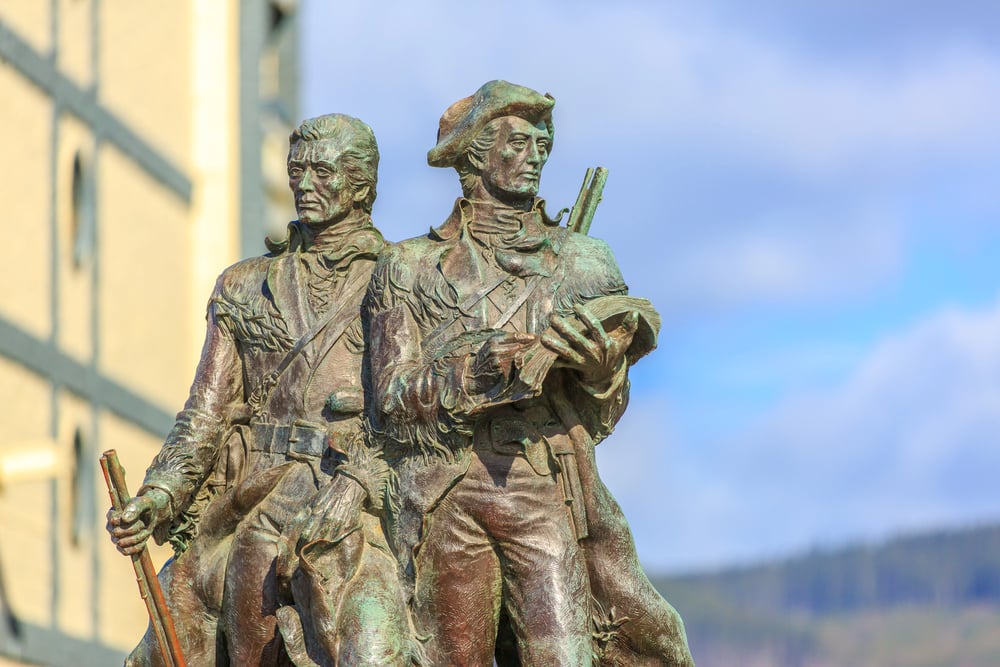
The celebrated explorer of America’s western frontier kept personal notes separate from the official expedition records—revealing darker struggles that complicated the heroic narrative. Lewis documented episodes of severe depression during the journey—mental health challenges that would likely contribute to his suspected suicide just three years after completing the famous expedition.
These private writings provide crucial context for understanding the complex psychological toll of exploration—showing how even triumphant historical achievements often mask profound personal suffering.
Like Go2Tutors’s content? Follow us on MSN.
King Leopold II’s Congo Ledgers
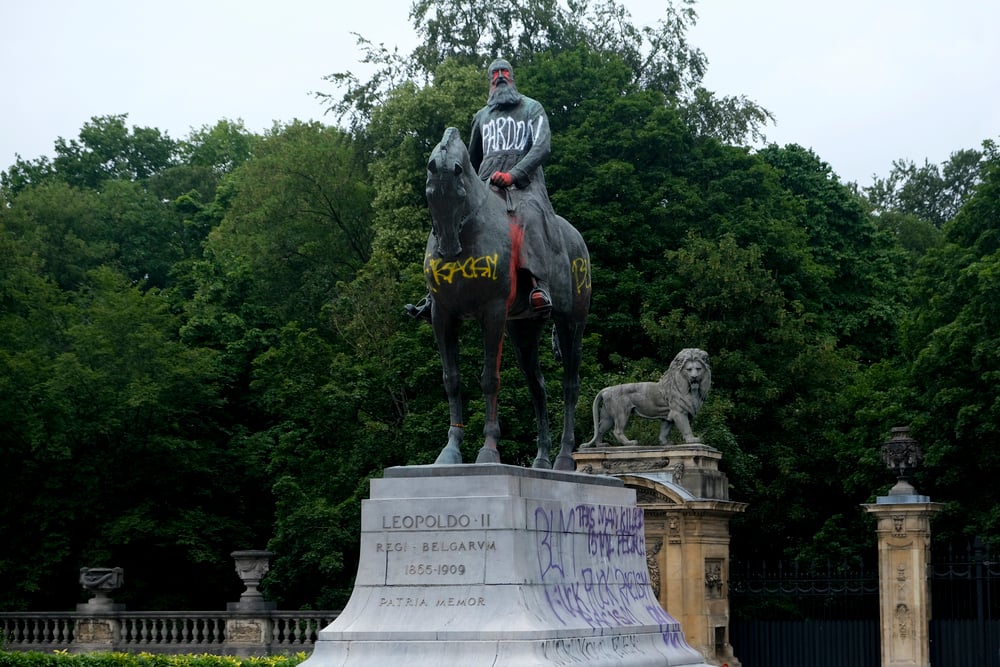
The Belgian monarch maintained meticulous personal accounting books that functioned as a diary of his horrific colonial enterprise in Central Africa. Leopold’s cold calculations detailed profits extracted through brutal forced labor systems that resulted in millions of deaths among the Congolese population. His clinical notes about rubber quotas and punishment methods exposed the murderous reality behind the wealth that transformed Brussels into a city of grand architecture.
These records eventually helped activists like E.D. Morel and Mark Twain expose one of history’s worst colonial atrocities—though only after untold suffering.
Voices from the Past That Still Speak Today
These deeply personal accounts remind us that history isn’t a collection of dusty facts but rather the messy, complicated story of real people caught in extraordinary circumstances. From imperial courts to concentration camps, exploration parties to revolutionary movements, diaries capture authentic human experiences behind historical events that official records typically sanitize or ignore.
The secrets they contain continue reshaping our understanding of the past, proving that sometimes the most valuable historical documents aren’t government archives or scholarly treatises but rather the private thoughts someone never expected anyone else to read.
More from Go2Tutors!

- 16 Restaurant Chains That Went Too Fast
- 12 Things Sold in the 80s That Are Now Illegal
- 15 Strange Things People Have Tried to Ban (And Failed)
- 16 Collectibles People Tossed Out Too Soon
- 17 Myths from Your Childhood That Were Actually Based on Real Things
Like Go2Tutors’s content? Follow us on MSN.