16 Textiles That Revolutionized Fashion
Throughout history, certain fabrics have done more than just cover our bodies—they’ve completely transformed how we dress, express ourselves, and even organize society. From ancient trade routes built around precious silk to modern laboratories creating synthetic wonders, textiles have shaped fashion in ways that ripple through culture, economics, and daily life. Each revolutionary fabric tells a story of innovation, necessity, and human ingenuity.
These groundbreaking materials didn’t just change what people wore—they redefined what was possible in fashion. Here is a list of 16 textiles that fundamentally revolutionized the way we think about clothing and style.
Silk
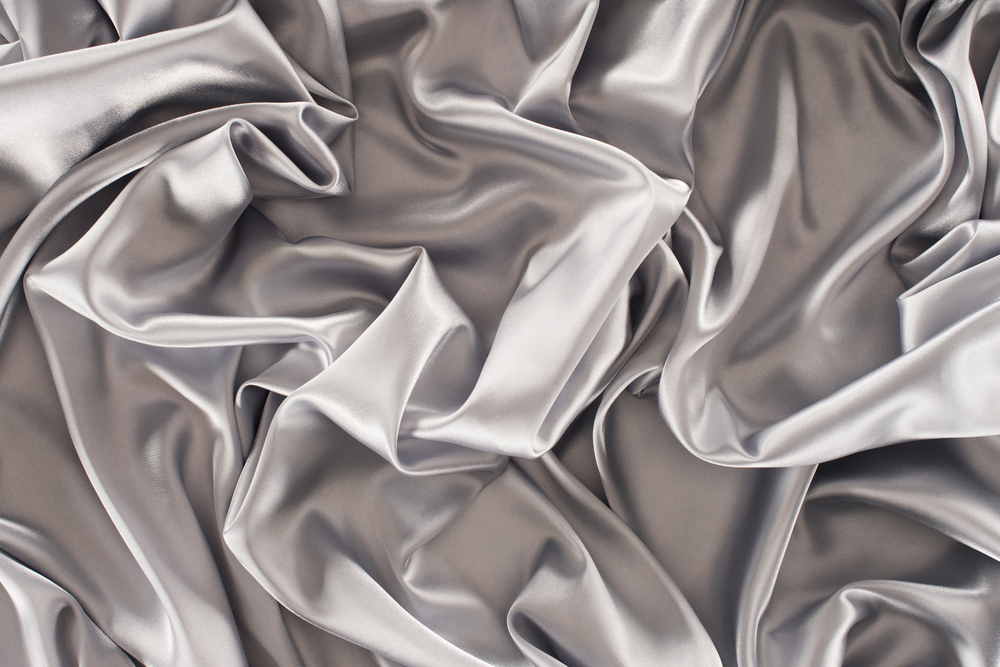
Silk transformed fashion from practical necessity into a luxurious art form when it first emerged from ancient China around 2700 BCE. This incredibly strong yet delicate fiber created the world’s first truly global fashion economy, with entire trade routes developing just to transport this precious material across continents.
The exclusivity and beauty of silk established the foundation for high fashion and luxury goods that still dominates the industry today.
Cotton
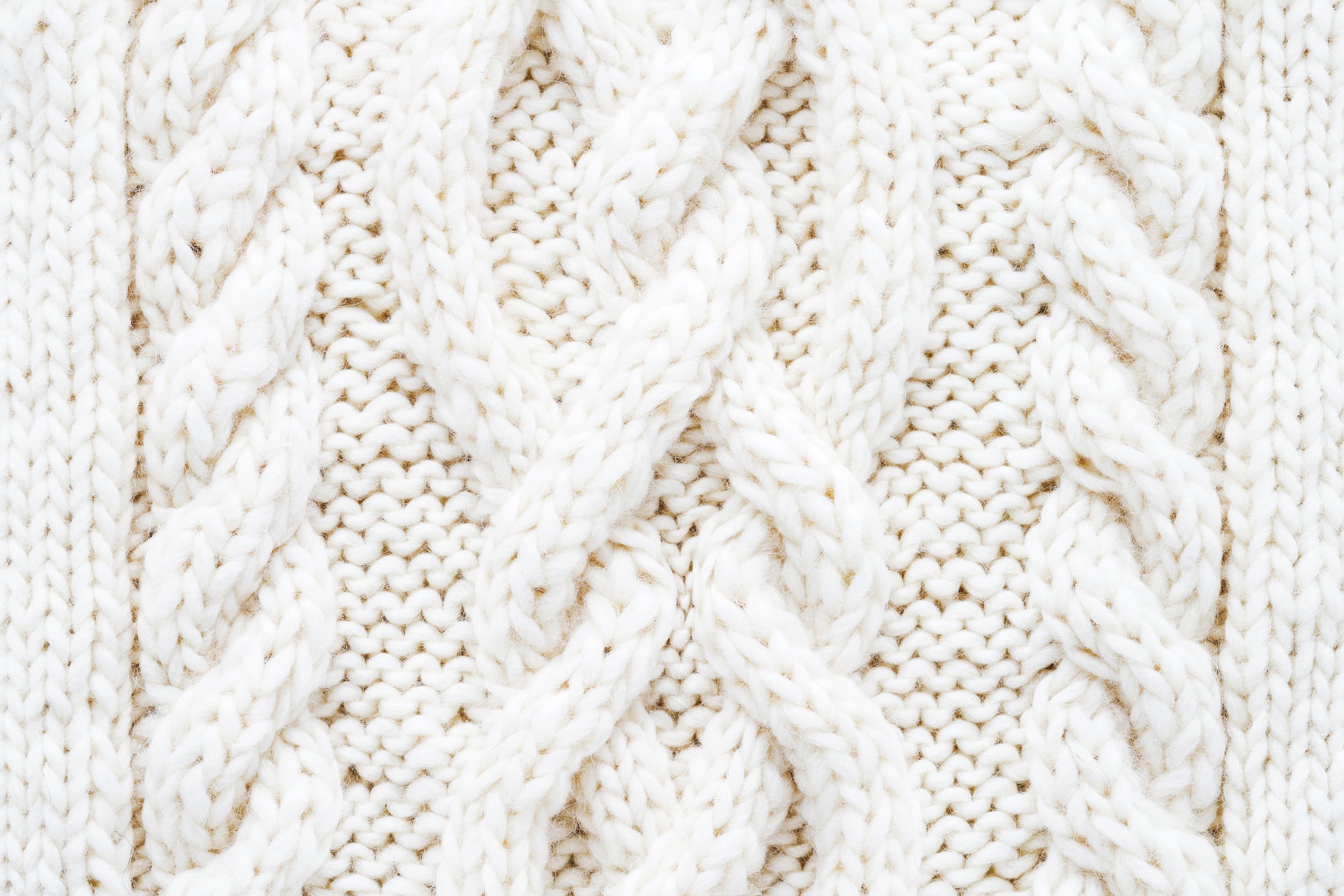
Cotton democratized comfortable clothing when mechanical processing made it widely affordable during the Industrial Revolution. Before cotton became cheap and accessible, most people wore scratchy wool or expensive linen, making soft, breathable fabric a luxury item.
The mass production of cotton fundamentally changed fashion from being primarily about status display to including comfort and practicality for ordinary people.
Like Go2Tutors’s content? Follow us on MSN.
Denim
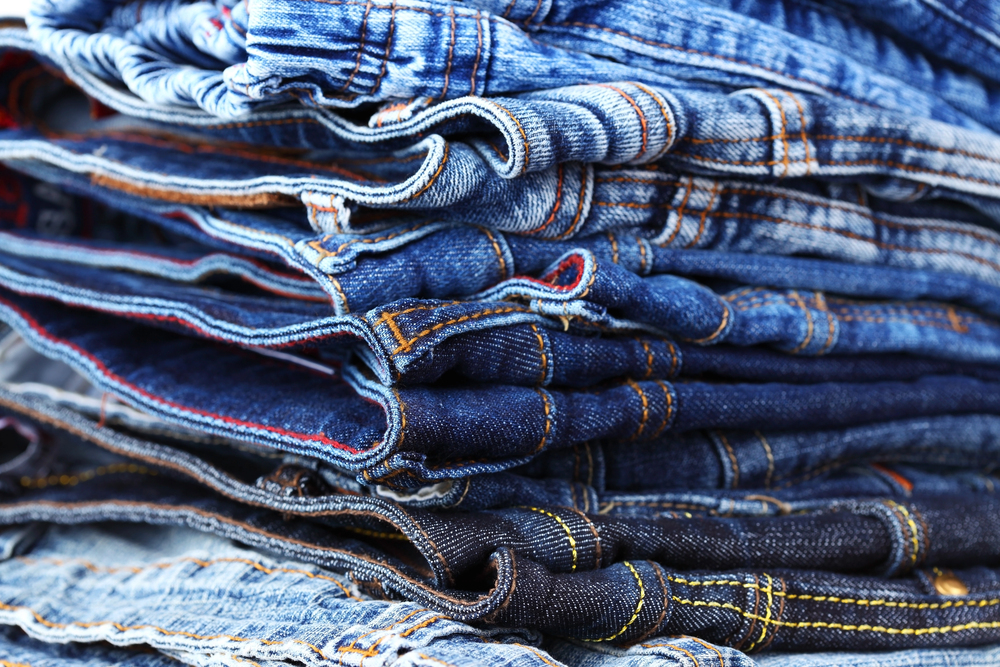
Originally created as durable workwear for miners and railroad workers in the 1870s, denim became fashion’s greatest crossover success story. This sturdy cotton twill weave proved so versatile and long-lasting that it eventually transcended its working-class origins to become a symbol of rebellion, youth culture, and casual style.
No other fabric has maintained such consistent popularity across social classes and generations while constantly reinventing itself.
Polyester
Polyester revolutionized fashion by making stylish clothing virtually maintenance-free when DuPont introduced it in 1941. This synthetic fiber could hold its shape, resist wrinkles, and wash easily—solving major problems that had plagued natural fabrics for centuries.
Despite facing periods of unfashionable reputation, polyester’s technical advantages have made it indispensable in modern clothing production and athletic wear.
Nylon
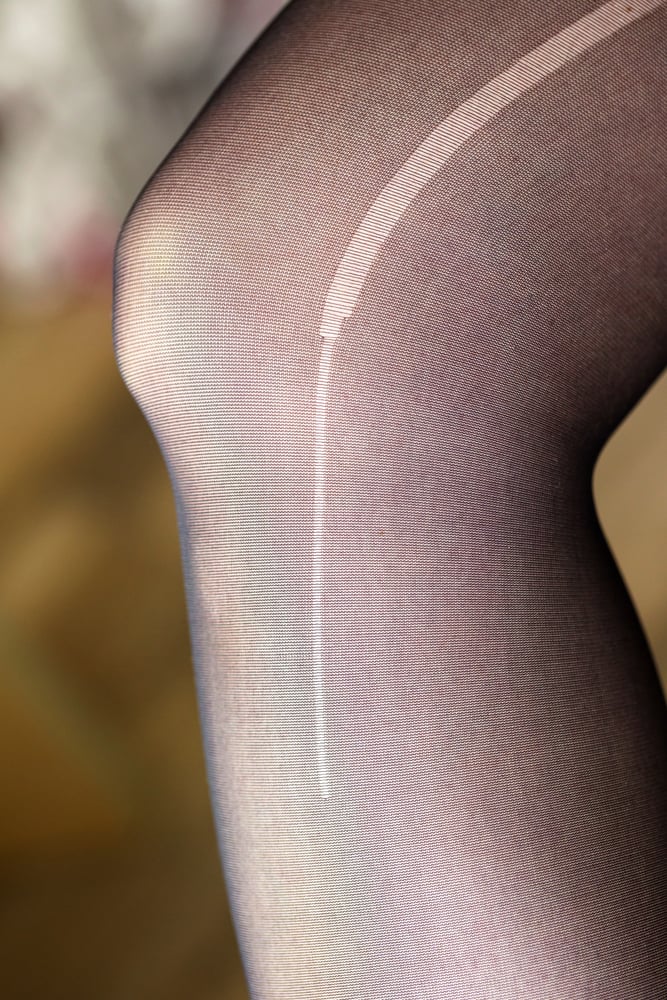
The introduction of nylon in 1935 created the first entirely synthetic fabric that could compete with natural materials in both strength and appearance. Initially revolutionary for stockings and lingerie, nylon proved that laboratory-created fibers could be superior to traditional materials in many applications.
This breakthrough opened the door for all synthetic textiles that followed and changed fashion’s relationship with technology forever.
Like Go2Tutors’s content? Follow us on MSN.
Lycra
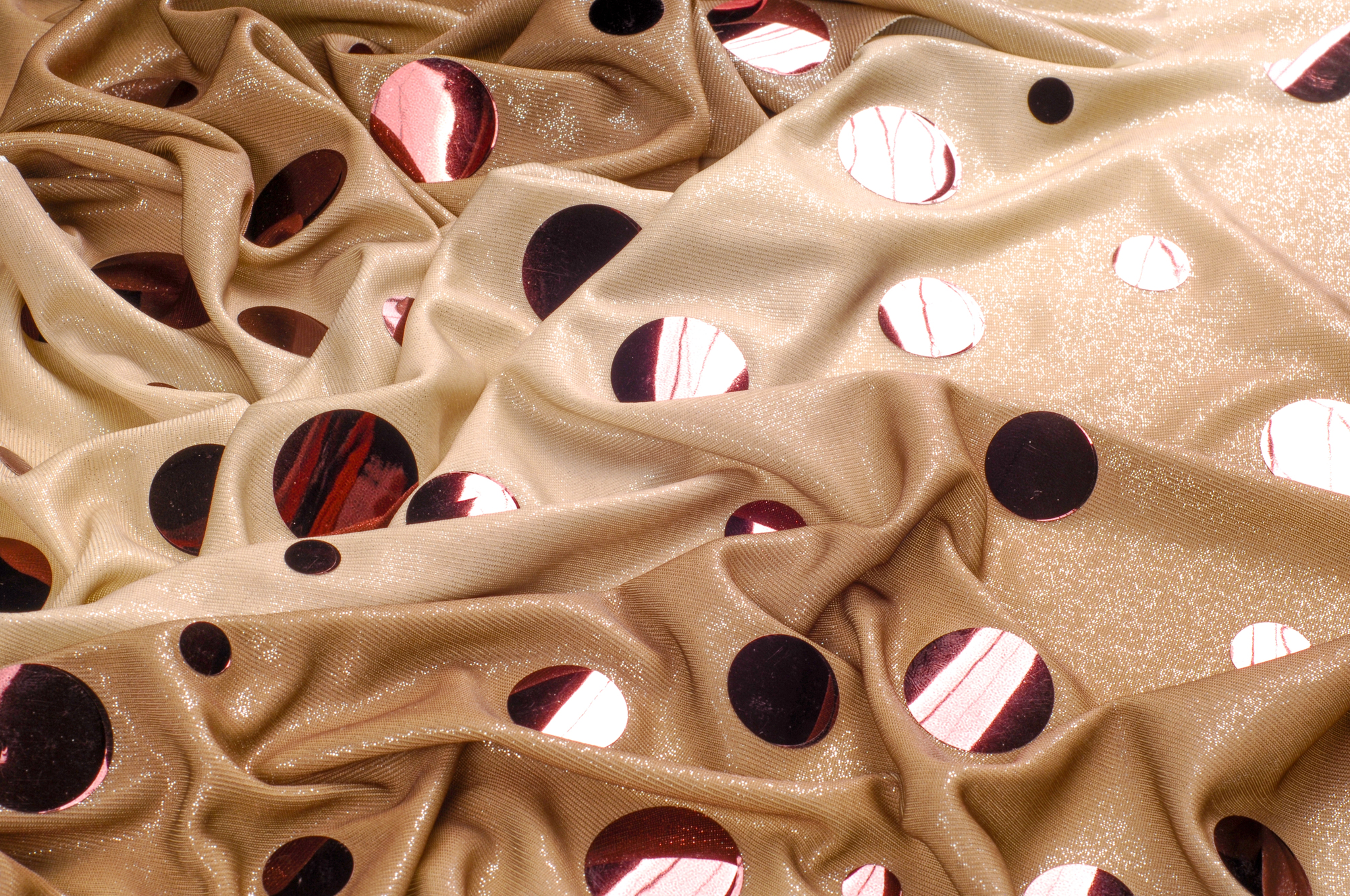
Lycra gave fashion the gift of stretch when DuPont developed this spandex fiber in 1958, creating possibilities for form-fitting clothing that had never existed before. Garments could now move with the body while maintaining their shape, revolutionizing everything from swimwear to activewear to everyday clothing.
The invention of Lycra essentially created entire new categories of fashion and made tight-fitting clothes comfortable rather than restrictive.
Wool
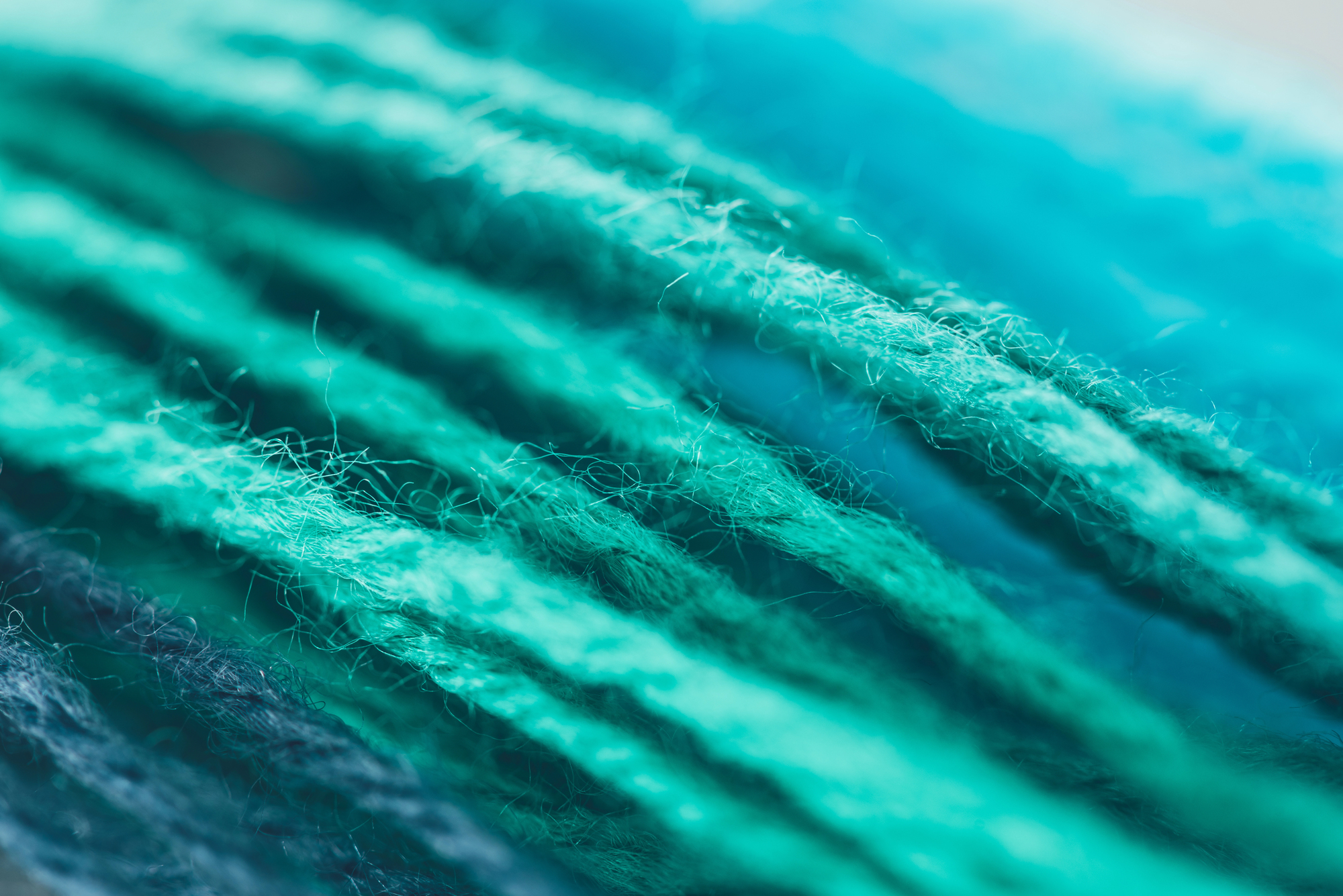
Wool established the foundation of organized fashion production through its remarkable versatility and the complex processes required to transform it from fleece to fabric. This natural fiber could be made into everything from rough work clothes to fine suiting, creating the first real fashion hierarchy based on fabric quality and processing techniques.
The wool trade built entire economies and established many of the business practices that still govern the fashion industry.
Linen
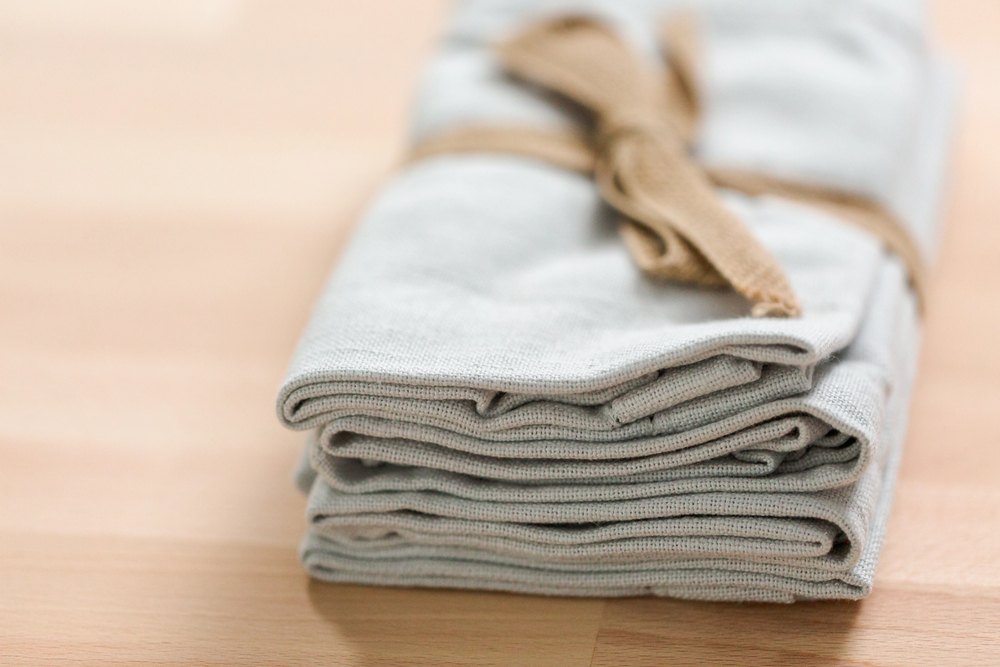
Linen represents humanity’s first attempt at creating refined, comfortable clothing from plant fibers, dating back over 10,000 years. This flax-based fabric introduced concepts of seasonal dressing and breathable luxury that remain central to fashion today.
Despite being labor-intensive to produce, linen’s natural cooling properties and elegant drape established it as the gold standard for warm-weather clothing across cultures.
Like Go2Tutors’s content? Follow us on MSN.
Velvet
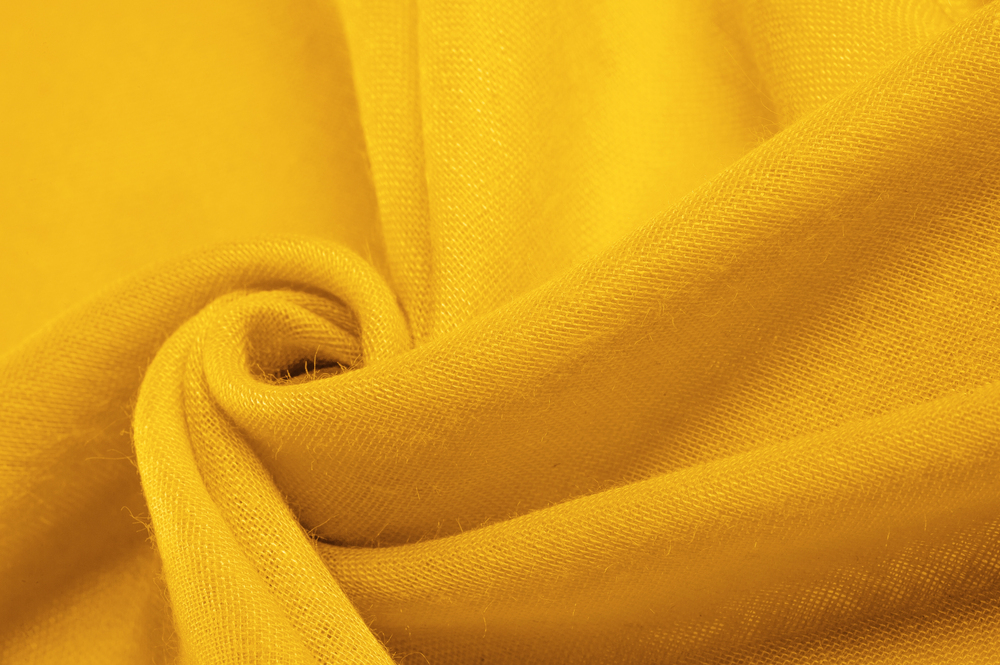
Velvet transformed fashion by introducing texture as a primary design element when it emerged in the medieval period. This complex weave created a fabric that looked and felt completely different from anything that came before, making clothing itself into a sensory experience.
The technical difficulty of producing velvet made it a symbol of wealth and craftsmanship that influenced fashion’s relationship with luxury and exclusivity.
Cashmere
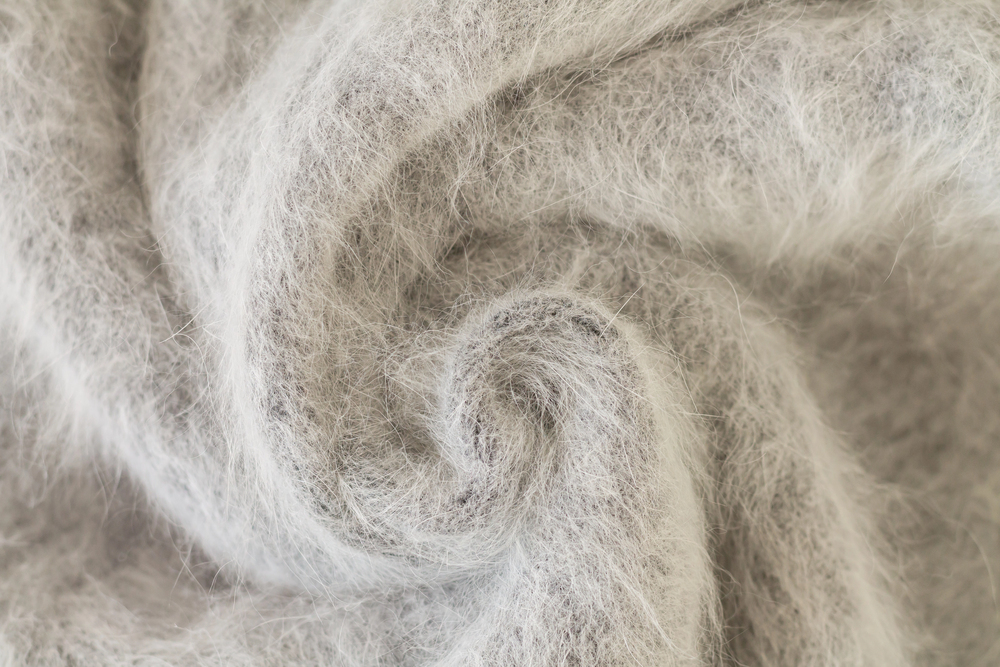
Cashmere redefined luxury in fashion by offering unprecedented softness and warmth in an incredibly lightweight package. Harvested from the soft undercoat of cashmere goats in remote mountain regions, this rare fiber created a new category of ultra-premium textiles.
The scarcity and processing challenges of cashmere established pricing models and marketing approaches that luxury fashion brands still use today.
Rayon
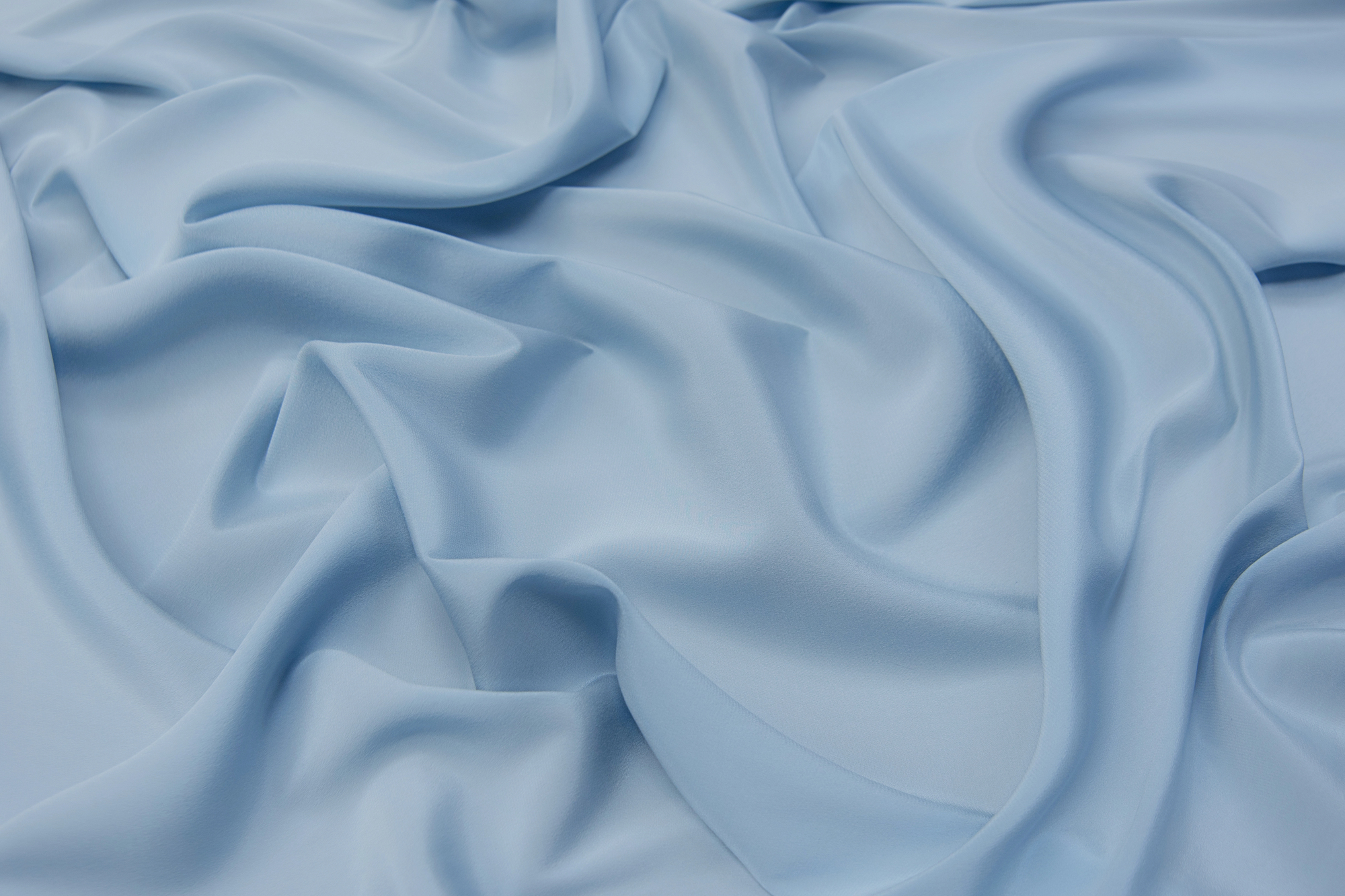
Rayon became fashion’s first successful attempt at creating affordable luxury when it was developed in the 1880s as ‘artificial silk.’ This semi-synthetic fiber could mimic the drape and shine of silk at a fraction of the cost, making elegant clothing accessible to the growing middle class.
Rayon proved that innovative textile technology could bridge the gap between expensive natural fibers and cheap alternatives.
Like Go2Tutors’s content? Follow us on MSN.
Flannel
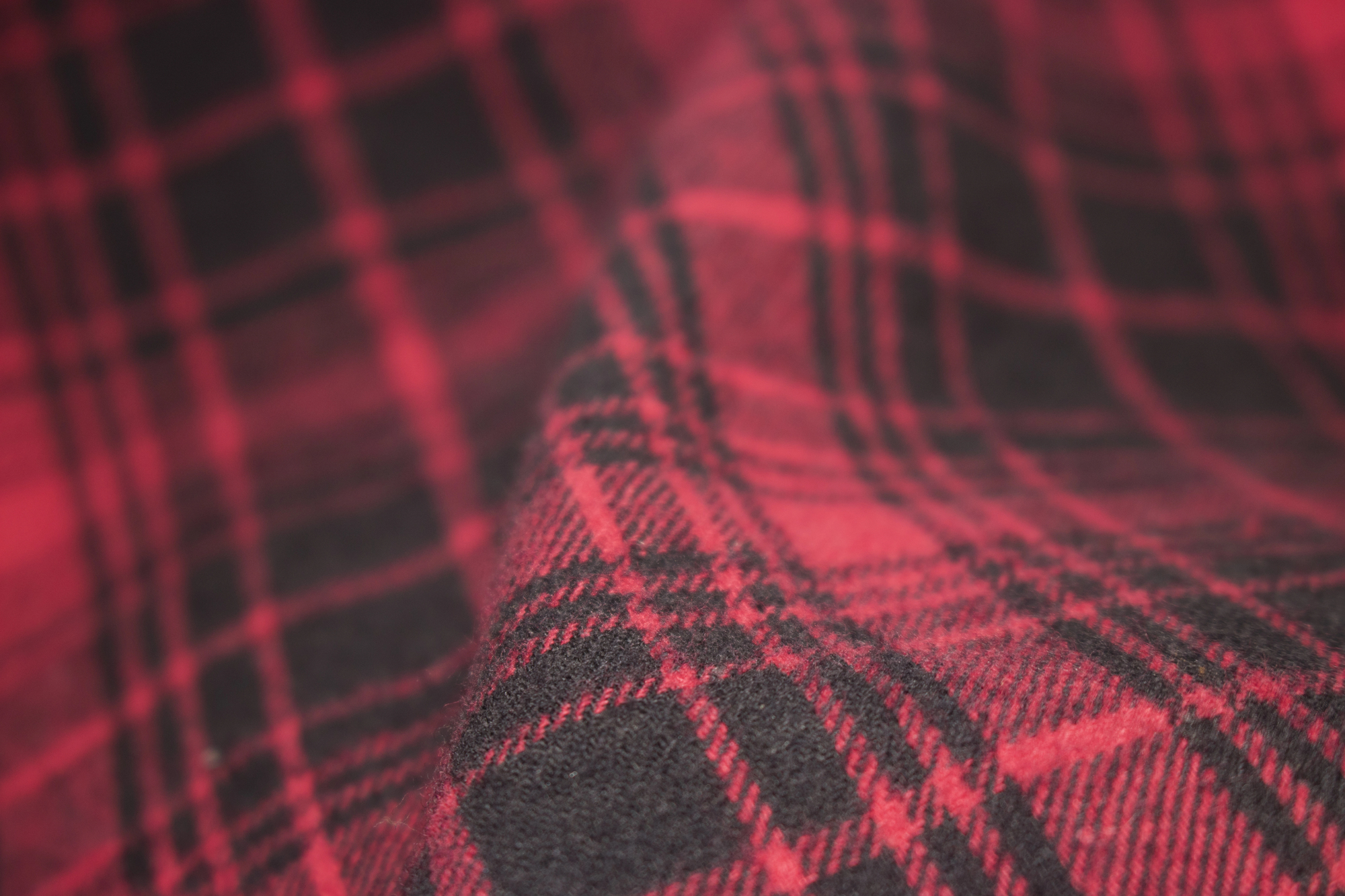
Flannel revolutionized casual and sleepwear by perfecting the art of brushed fabric surfaces that trap warm air while remaining soft against the skin. Originally developed in Wales, this loosely woven wool became the foundation for comfortable, informal clothing that didn’t sacrifice warmth for wearability.
Flannel’s influence extended far beyond its practical applications, helping establish the entire concept of relaxed, comfort-focused fashion.
Tweed
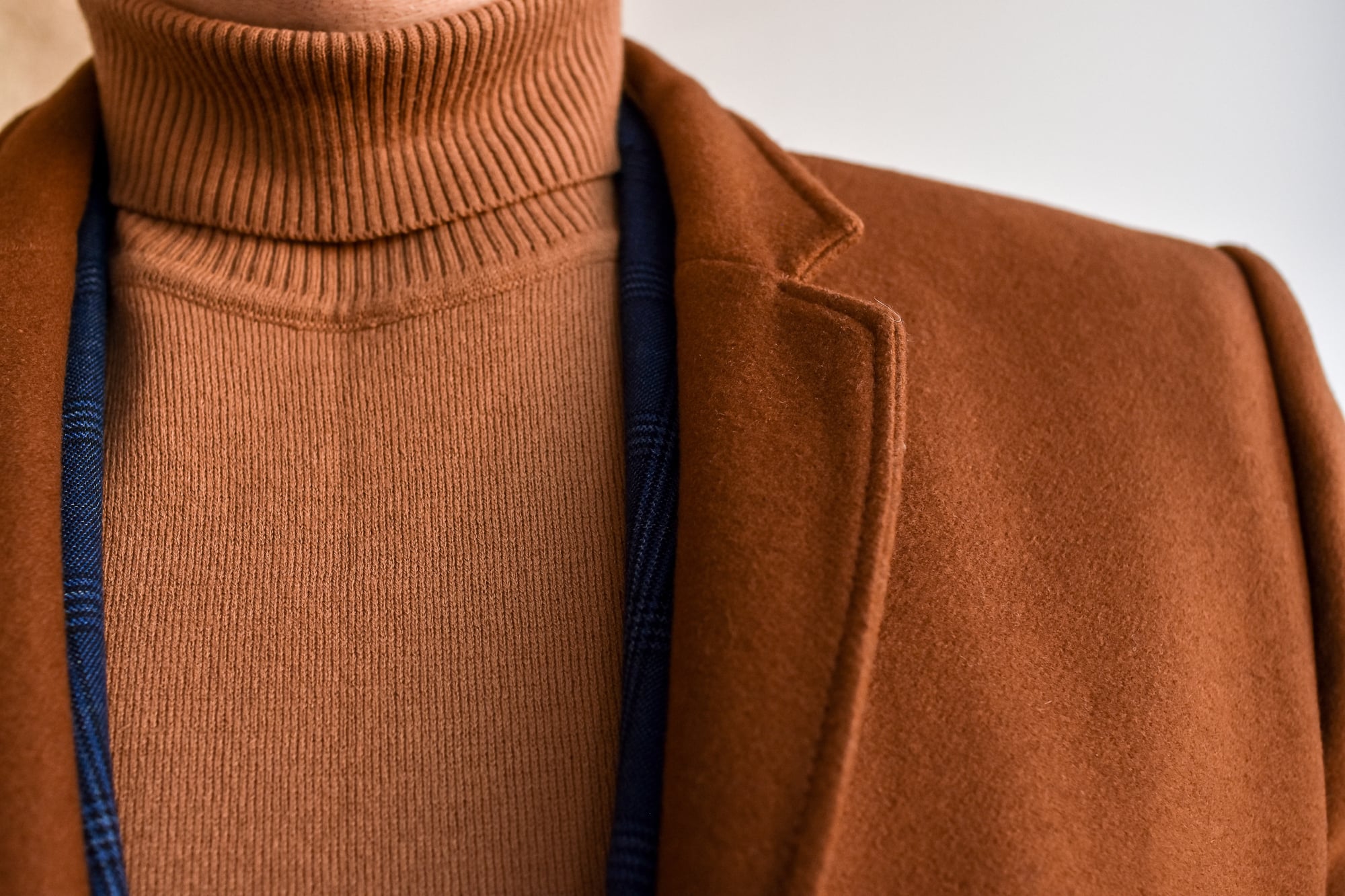
Tweed transformed outerwear by creating the first truly weather-resistant fashion fabric that still looked sophisticated enough for social occasions. Developed in Scotland and Ireland, this tightly woven wool could repel rain and wind while maintaining an attractive appearance that worked for both country and city wear.
Tweed established the template for technical fashion fabrics that combine functionality with style.
Chiffon
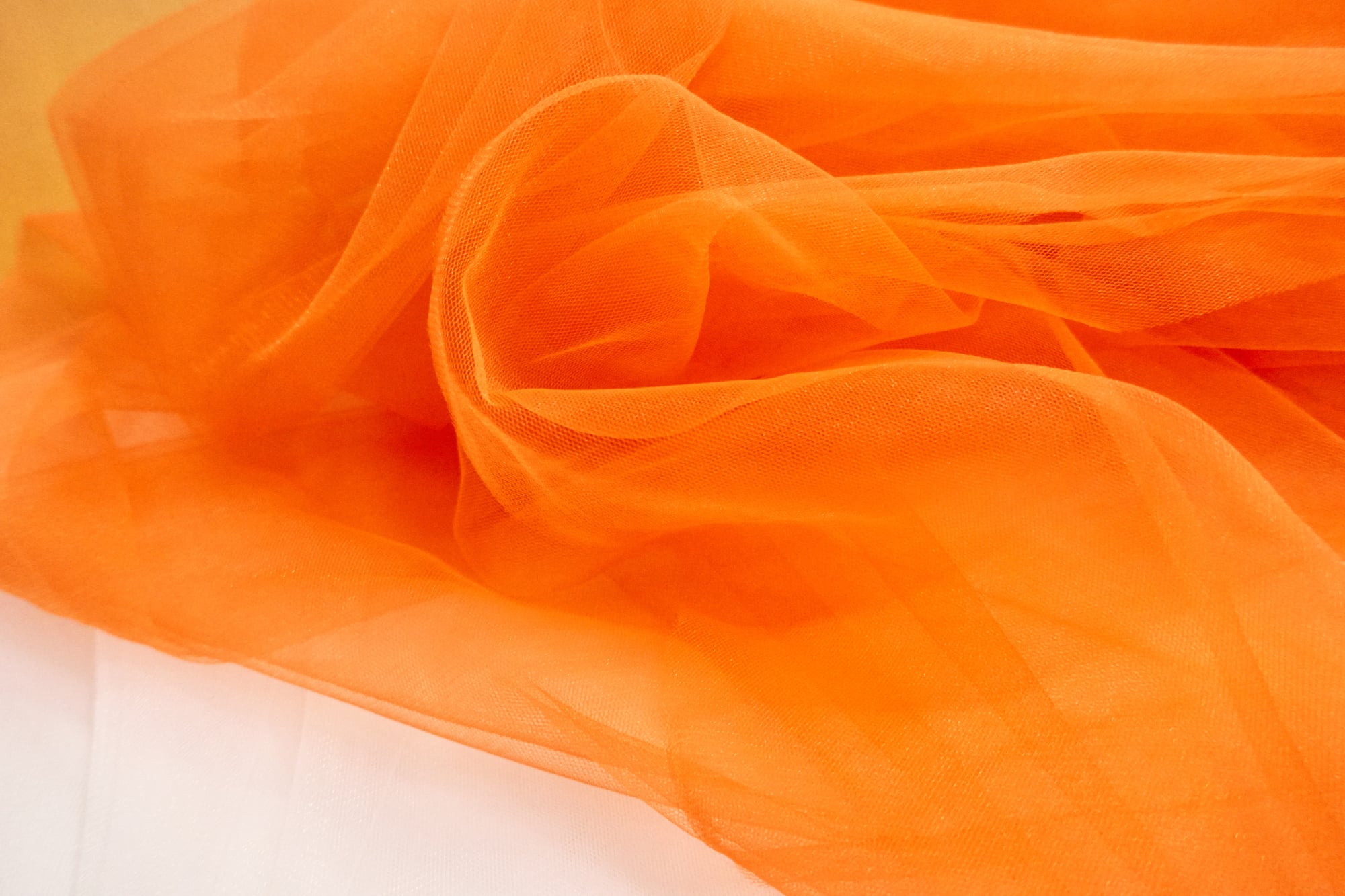
Chiffon brought ethereal, flowing movement to fashion when this sheer, lightweight fabric emerged from silk weaving innovations. The gossamer quality of chiffon allowed designers to create garments that seemed to float around the body, introducing entirely new silhouettes and design possibilities.
This delicate fabric proved that textiles could be valued for their visual and kinetic properties rather than just their protective or status functions.
Like Go2Tutors’s content? Follow us on MSN.
Corduroy
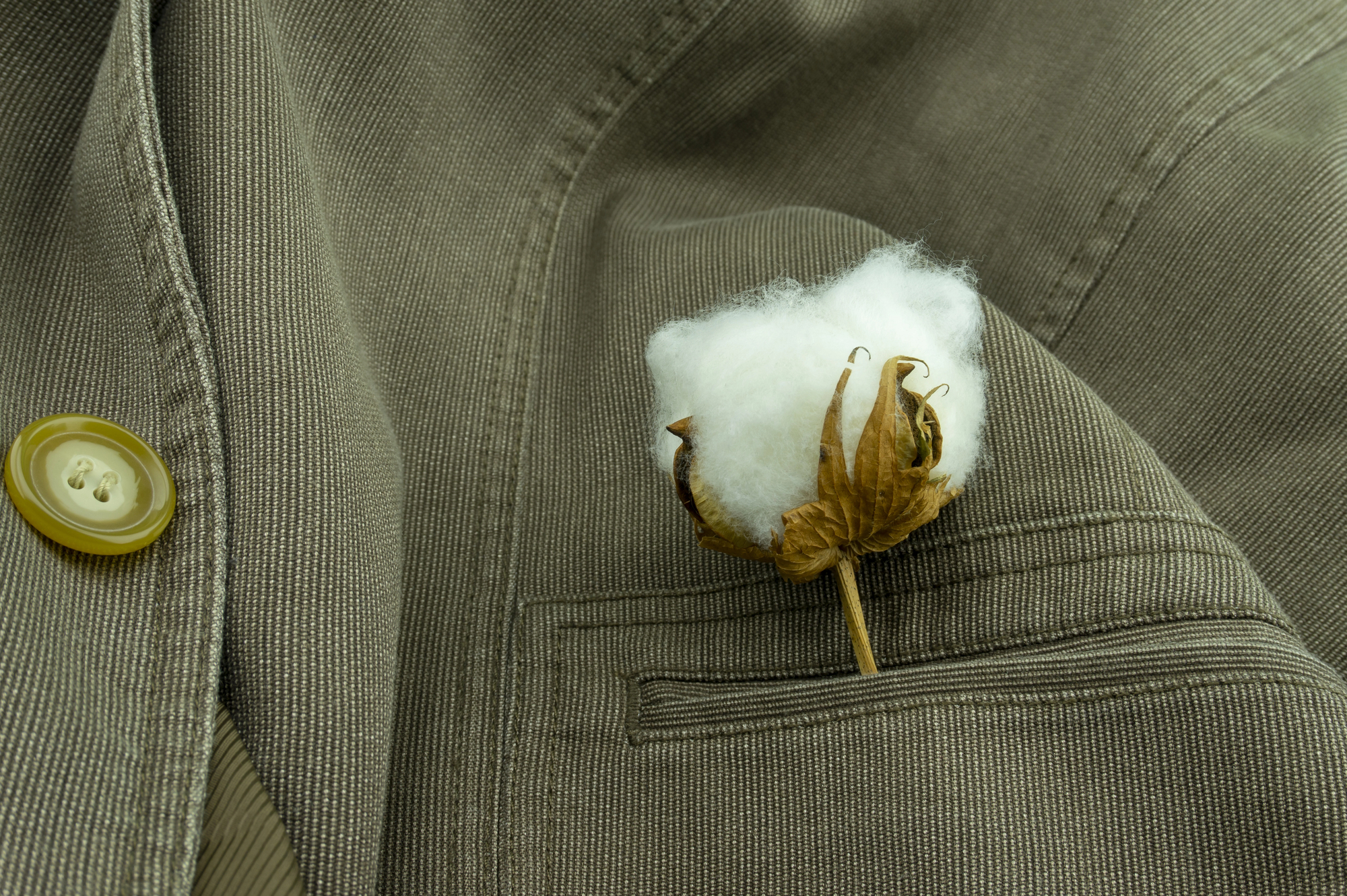
Corduroy democratized textured fashion by creating an affordable fabric with visual and tactile interest that could be mass-produced. The distinctive ribbed surface of corduroy provided warmth and durability while offering a unique aesthetic that set it apart from smooth fabrics.
This cotton-based textile showed how industrial weaving techniques could create entirely new fabric categories that combined practicality with distinctive style.
Leather
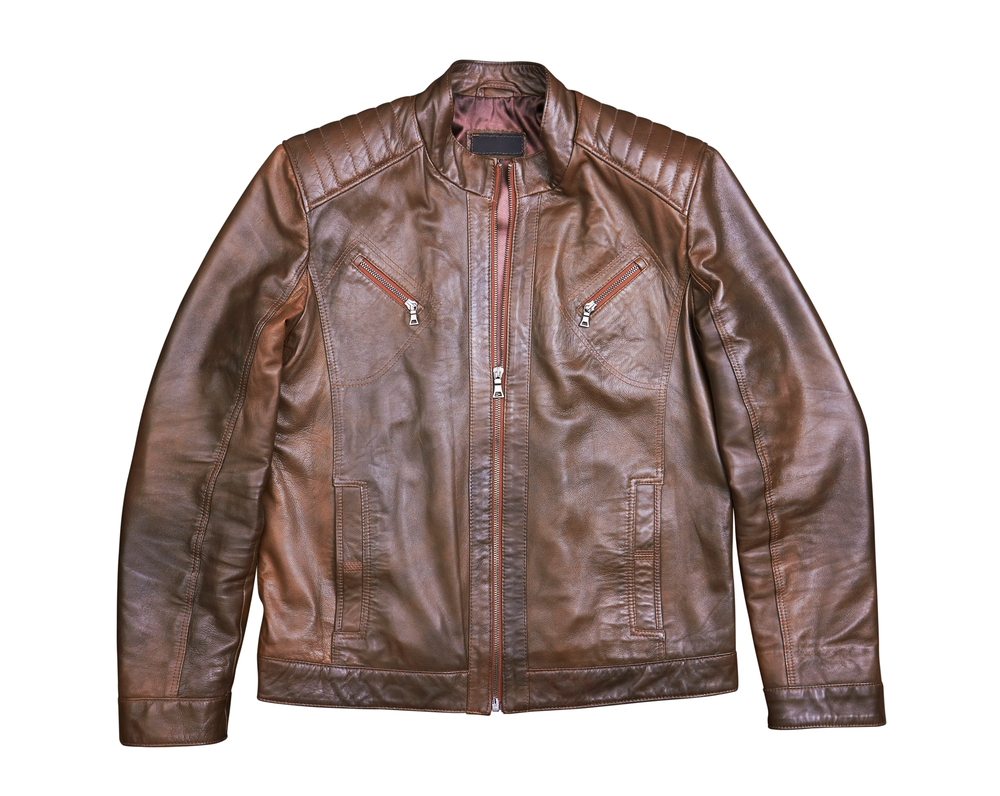
Leather represents humanity’s oldest fashion revolution, transforming animal hides into protective, flexible, and durable clothing that lasted for years rather than seasons. The development of leather processing techniques created the first truly long-lasting fashion items and established craftsmanship traditions that persist today.
Beyond its practical benefits, leather introduced concepts of patina and aging that made clothing more beautiful over time rather than less.
From Ancient Looms to Modern Runways
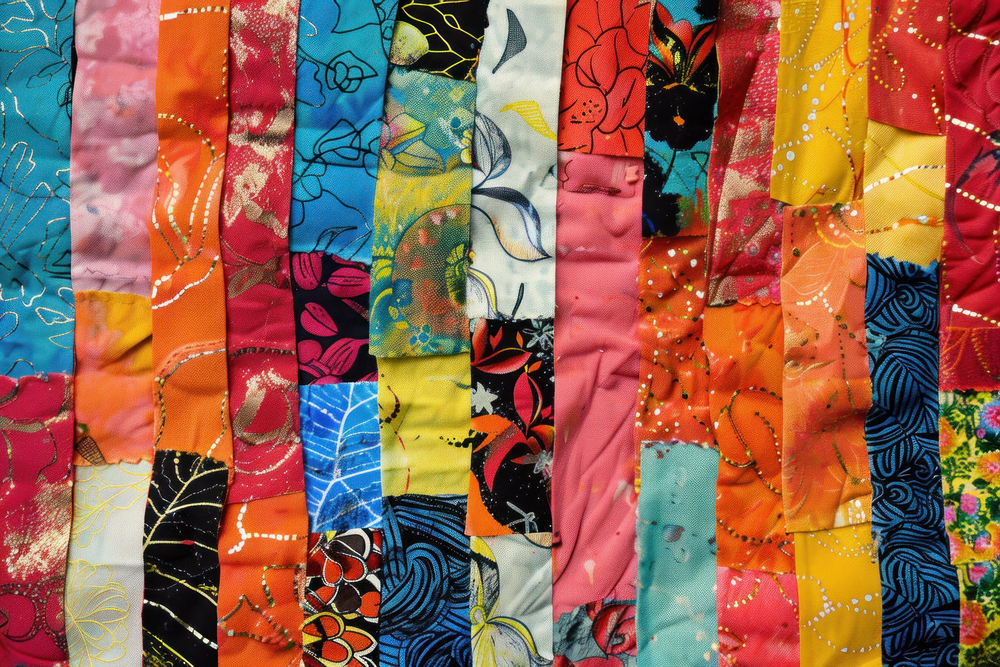
These revolutionary textiles demonstrate that fashion innovation has always been driven by materials technology rather than just design creativity. Each breakthrough fabric didn’t simply offer new aesthetic possibilities—it fundamentally changed how people lived, worked, and expressed themselves through clothing.
Today’s fashion industry continues this tradition, with laboratories developing smart fabrics and sustainable materials that will likely seem as revolutionary to future generations as silk once seemed to ancient civilizations. The story of fashion is ultimately the story of textiles, with each new fiber opening doors to possibilities that previous generations could never have imagined.
Like Go2Tutors’s content? Follow us on MSN.
More from Go2Tutors!

- 16 Historical Figures Who Were Nothing Like You Think
- 12 Things Sold in the 80s That Are Now Illegal
- 15 VHS Tapes That Could Be Worth Thousands
- 17 Historical “What Ifs” That Would Have Changed Everything
- 18 TV Shows That Vanished Without a Finale
Like Go2Tutors’s content? Follow us on MSN.