Famous Photos That Are Actually Fake
It’s hard to think of many things as convincing as a photograph. What you see seems settled, clear, untouched by opinion.
Back when photo manipulation wasn’t possible, folks saw pictures as solid evidence – real moments captured. Because of that belief, some photos came to stand for whole periods, happenings, ideas.
Still, many iconic photos ever taken do not simply show things as they happened. Certain ones had been set up deliberately beforehand.
Different examples got changed later inside chemical rooms, long before digital tools existed. Even when moments were genuine, missing background details led people to believe what wasn’t truly there.
What kept these images alive was never their truthfulness. Strength is what carried them forward.
That force stuck around. A fresh view of well-known photos reveals they’re seen as fact by many – yet what really happened wasn’t so straightforward.
These images stuck in history, but their stories were tangled, hidden beneath layers people didn’t question. What looked real often left out key details, shaped by choices unseen at the time.
Moments frozen in frames carried weight beyond their surface, guided by context most never knew. Behind each shot, something deeper lingered – unspoken, complex, different from how it appeared.
The falling soldier
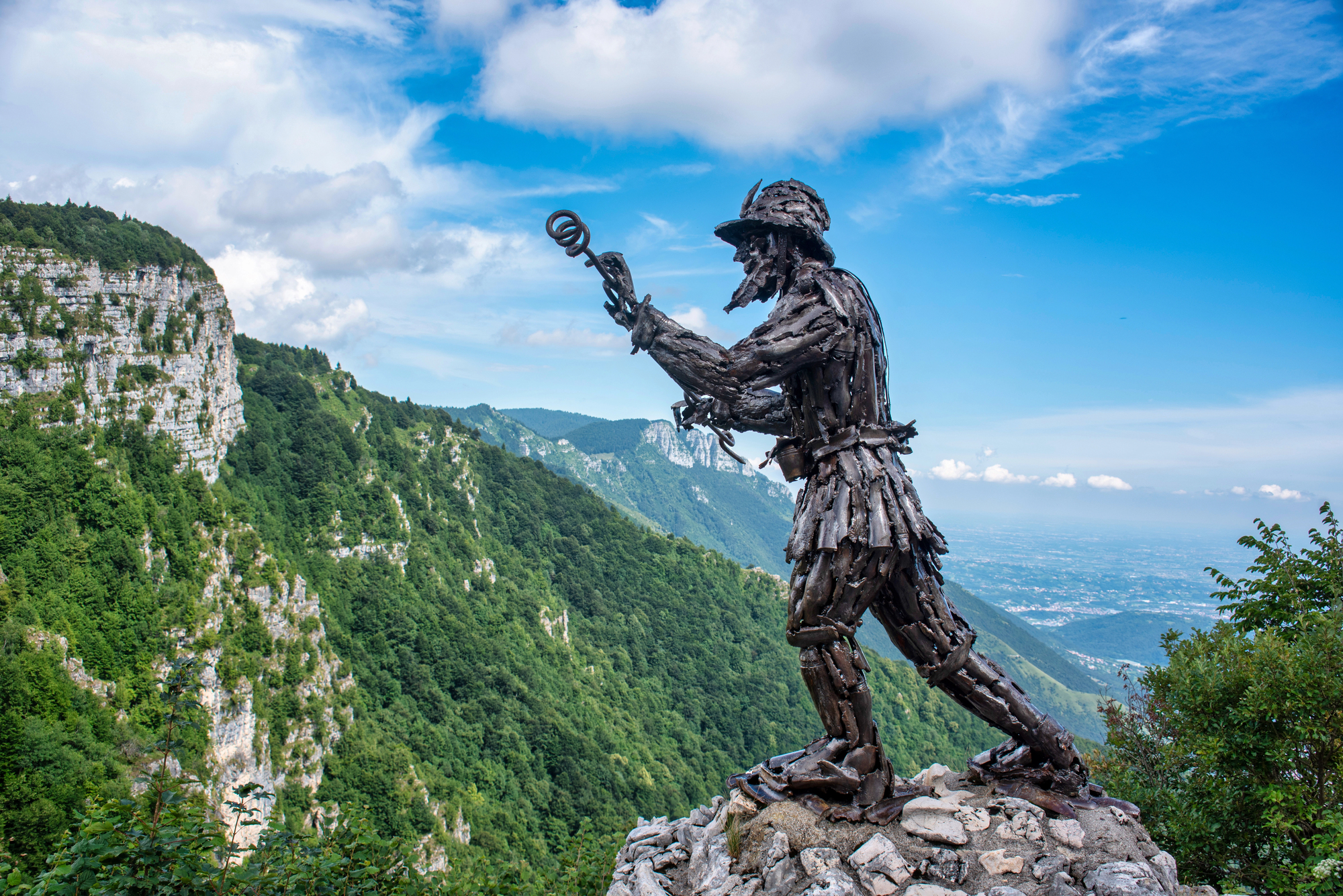
This photograph, attributed to Robert Capa during the Spanish Civil War, shows a man collapsing backward at the moment he appears to be struck by gunfire. For decades, it was celebrated as the most honest depiction of death in combat, a split second frozen without warning.
Later investigations raised doubts that refused to fade. The location did not align with known battle positions, no other soldiers were visible, and similar images from the same roll appeared.
While definitive proof remains elusive, many historians now believe the scene was staged or reenacted. Even so, the photograph reshaped war photography by prioritizing emotional impact over strict documentation.
The flag raised on Iwo Jima
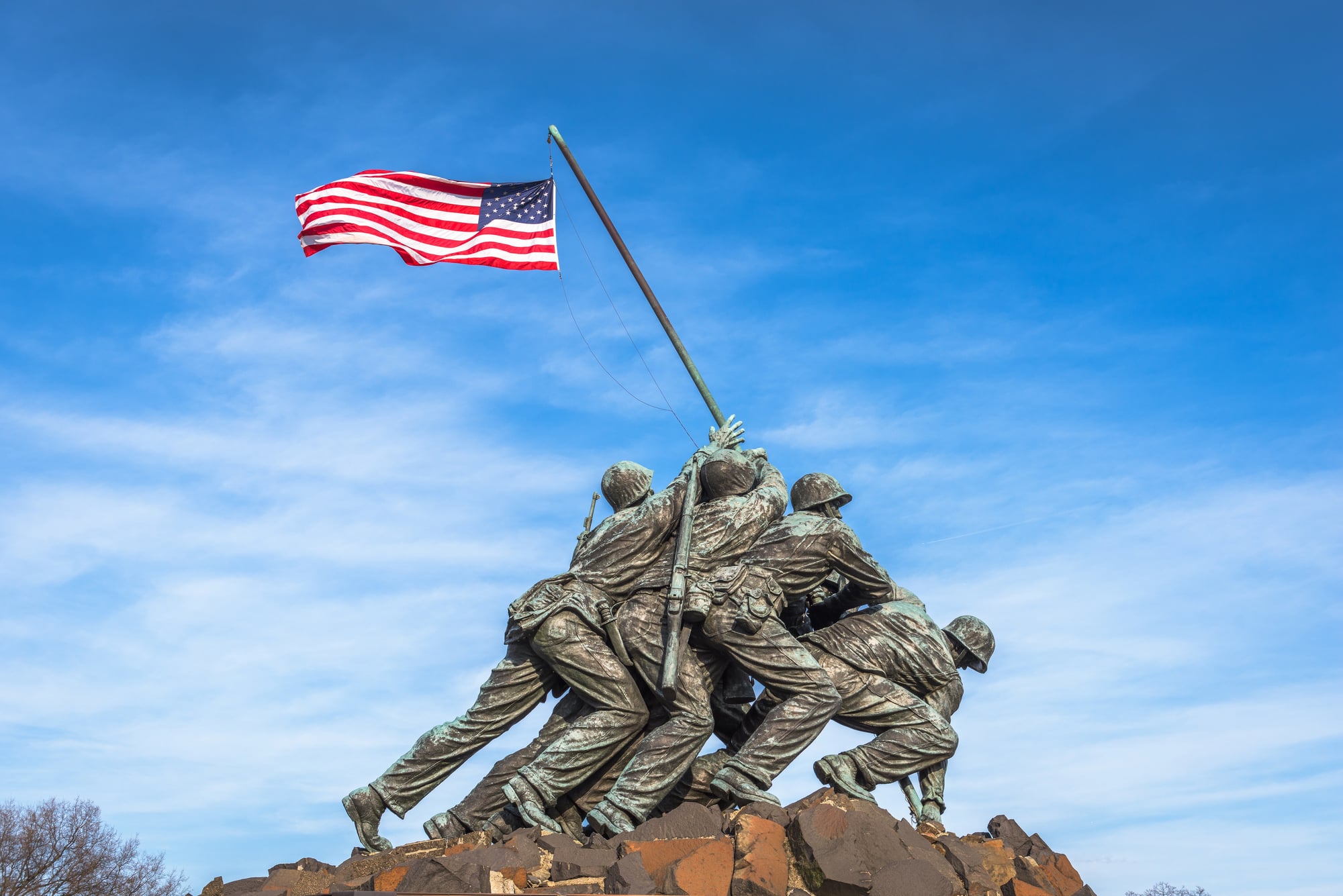
Few images symbolize collective sacrifice as strongly as the photograph of soldiers raising a flag atop Mount Suribachi during World War II. It became an instant icon, reproduced endlessly in memorials, posters, and textbooks.
What is less widely known is that the famous image captured the second flag raising of the day. The first had already occurred, but it was smaller and less visible from a distance.
The later moment was recreated using a larger flag for clarity. The event itself was real, but the timing was intentional.
The photograph remains powerful, even after the staging became public knowledge.
The Loch Ness monster photograph

In 1934, a photograph surfaced claiming to show a mysterious creature rising from the waters of Loch Ness. Its blurred shape and distant framing made it difficult to dismiss outright.
For decades, it was presented as credible evidence of something unknown. The truth emerged much later.
The image was a hoax created using a small model mounted on a toy submarine. The photograph succeeded not because it was convincing, but because it aligned perfectly with public fascination.
It demonstrated how ambiguity can strengthen belief rather than weaken it.
The migrant mother revisions
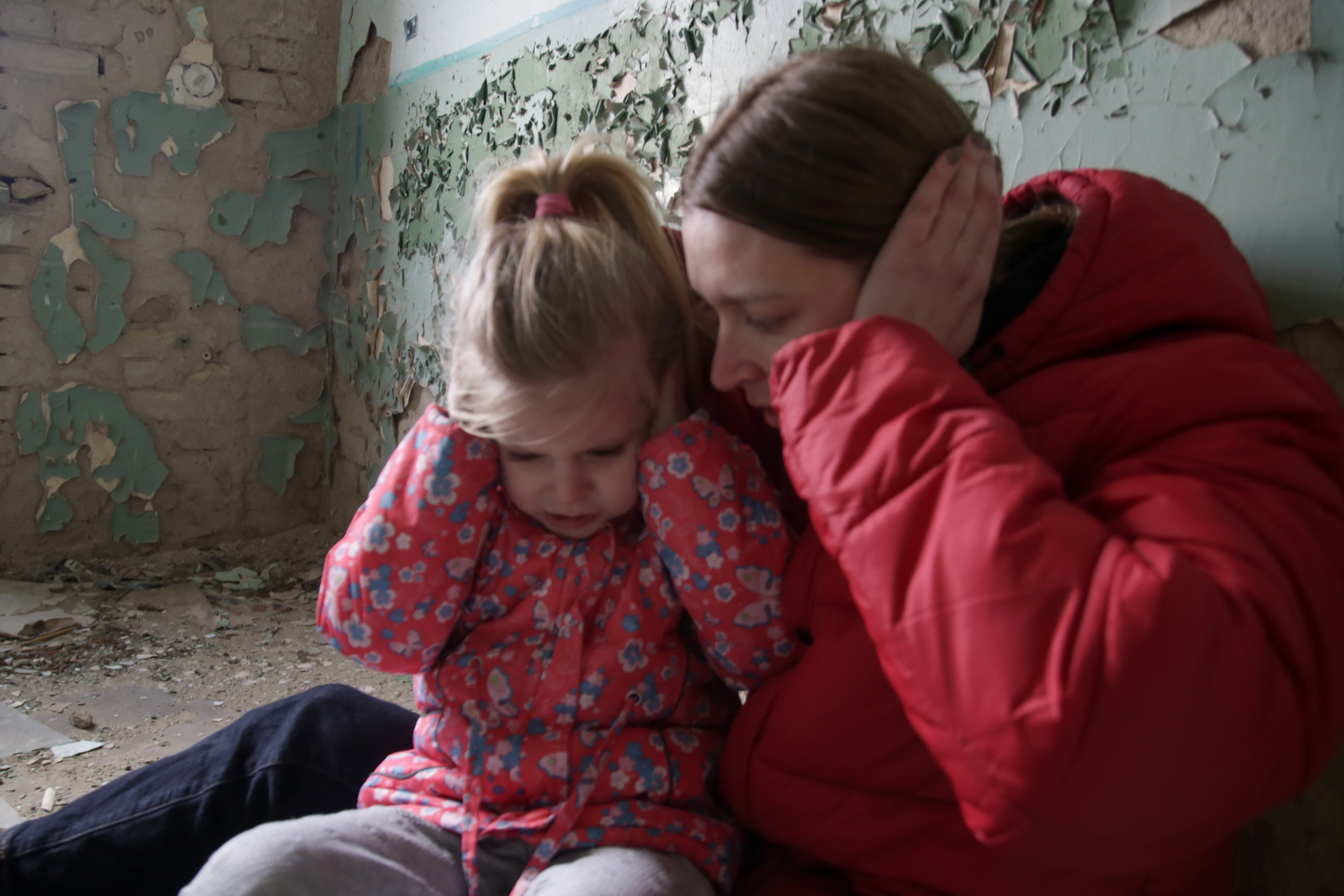
The iconic image of a worried mother surrounded by children during the Great Depression became a symbol of hardship and resilience. It appeared to capture an unfiltered moment of poverty and emotional strain.
What came later complicated the narrative. The photographer retouched the image, removing distracting details to sharpen its emotional focus.
Additionally, the context of the family’s situation was simplified in captions and publications. The photograph was rooted in reality, but it was carefully shaped to tell a clearer story than the original moment provided.
The perfect storm images
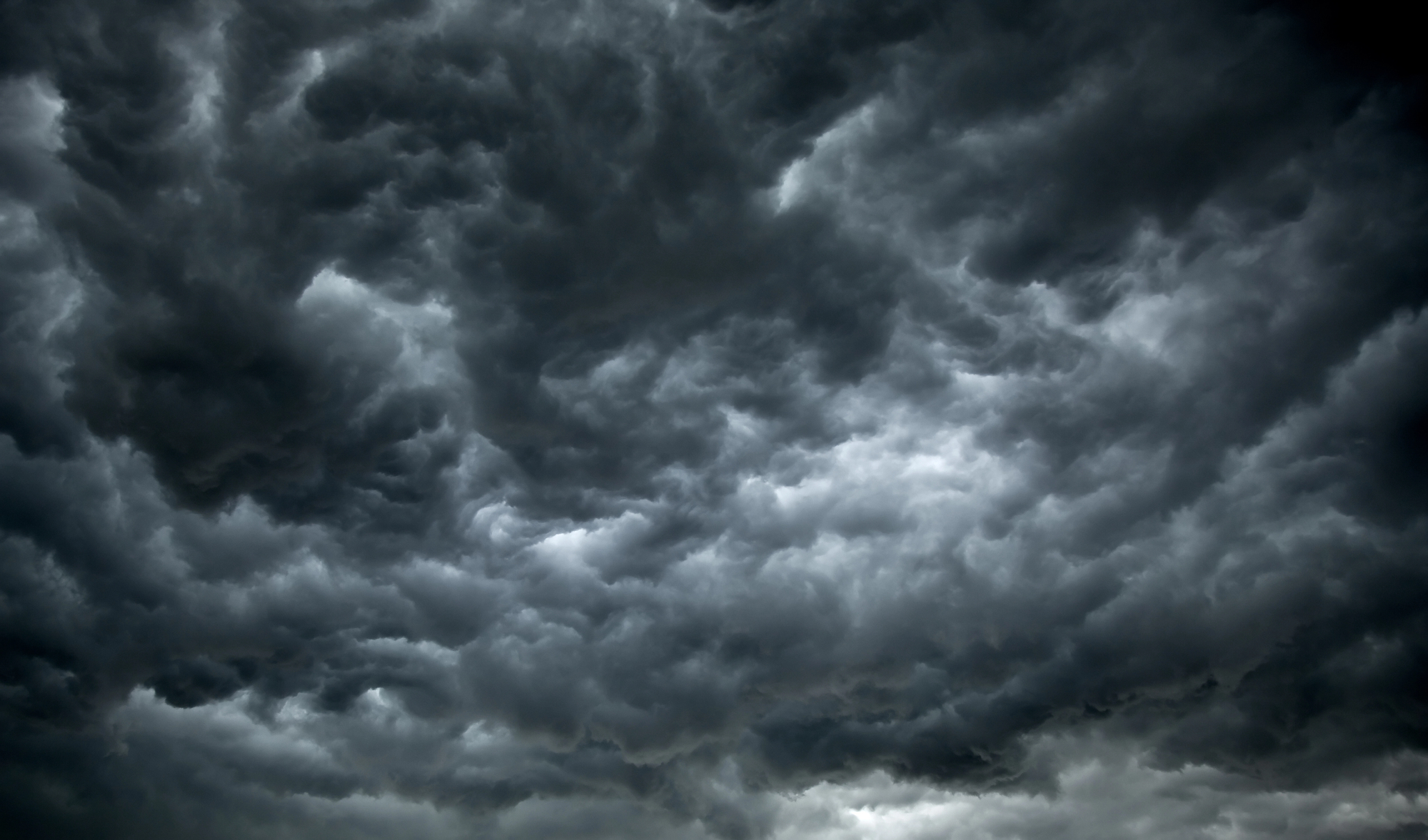
Over the years, dramatic photographs of towering storm formations have circulated widely, often described as once-in-a-generation natural events. Their scale appears almost cinematic, with clouds stretching impossibly high above cities.
Many of these images are composites, created by combining multiple photographs into a single dramatic frame. While severe weather exists, the specific formations shown never occurred as captured.
These images persist because they feel believable, even when they are not.
The disappearing crowds
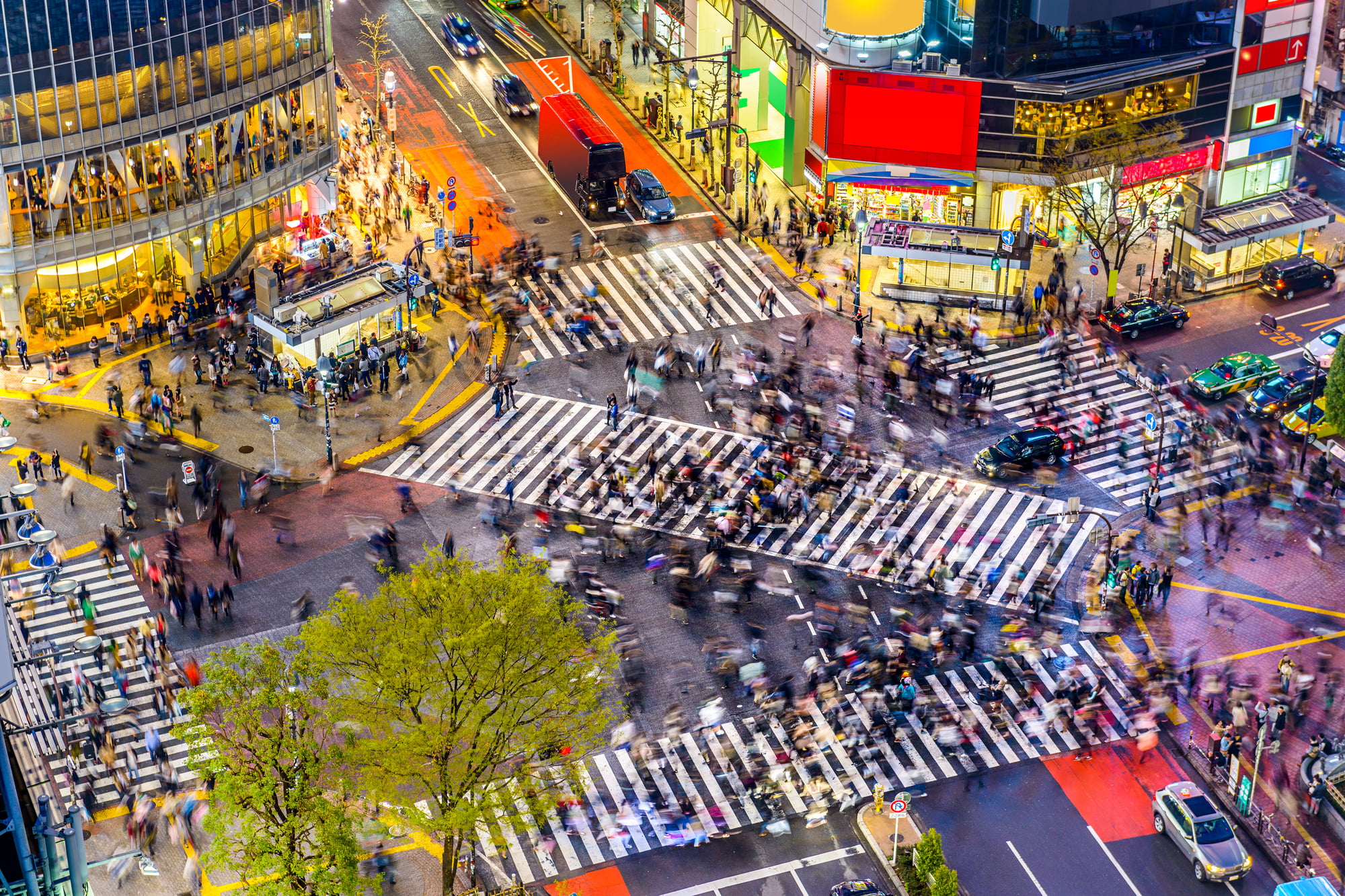
Several famous political photographs have been altered to remove individuals who later fell out of favor. In some cases, people were erased entirely from group portraits, leaving subtle gaps that only became obvious years later.
These alterations were not accidental. They reflected attempts to rewrite history visually, long before digital tools made such changes easy.
The photographs themselves became lessons in how images can be used not just to document power, but to reshape memory.
The moon landing misunderstandings
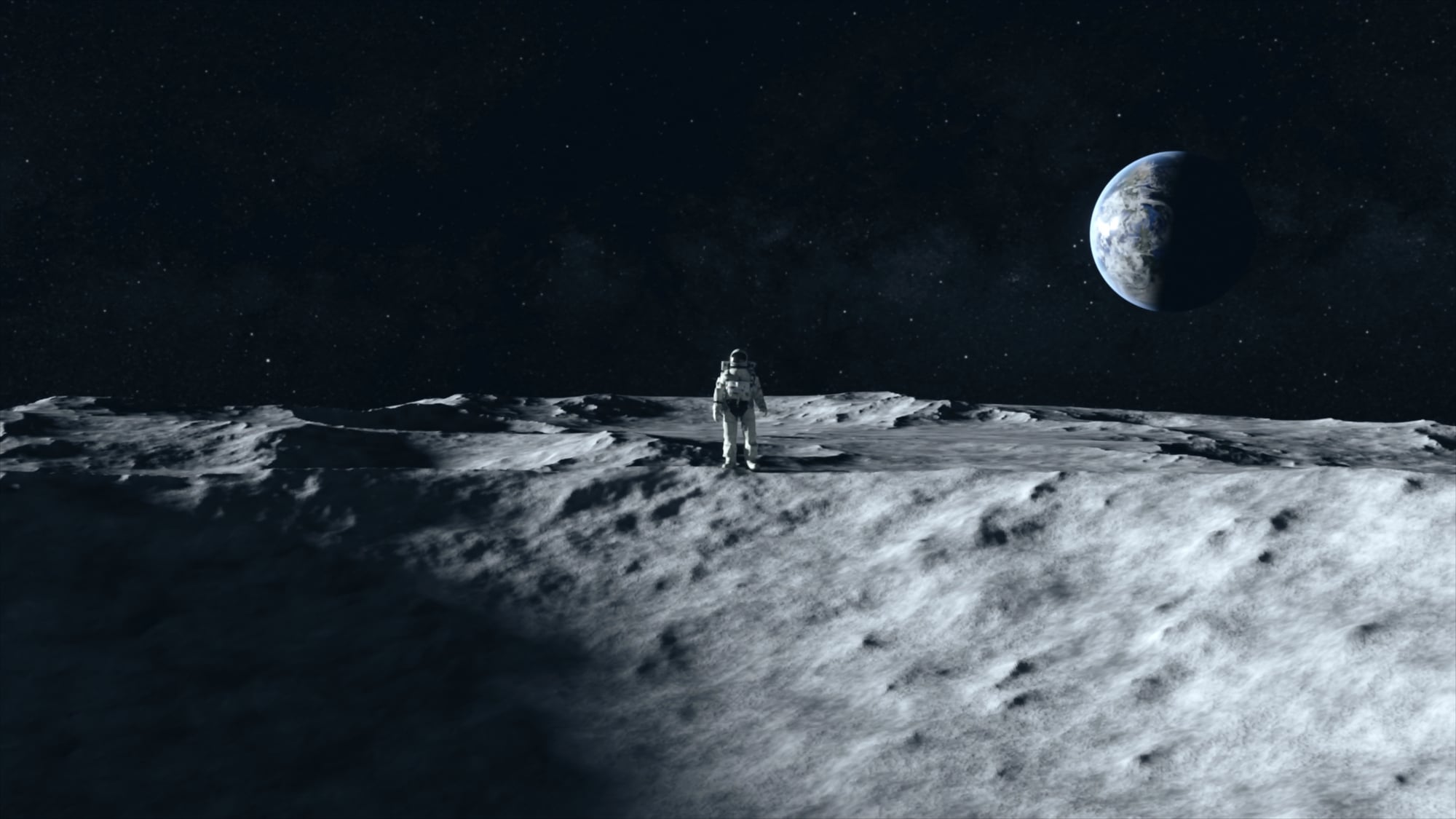
Photographs from the Apollo missions are frequently cited by skeptics as evidence that the moon landings were staged. Shadows appear inconsistent.
The lighting seems unnatural. Reflections raise suspicion.
In reality, these perceived anomalies are the result of unfamiliar conditions. The lack of atmosphere, reflective lunar surfaces, and wide-angle lenses created visuals that do not behave like everyday photographs on Earth.
The images are real, but misinterpretation turned them into supposed fabrications.
The soldier and the vulture
This haunting image of a child collapsed on the ground with a vulture nearby became one of the most controversial photographs of the twentieth century. It was widely interpreted as a moment of abandonment and moral failure.
Later explanations clarified that the situation was not as depicted. The child was not alone, and aid was nearby.
The photograph captured a real moment, but the framing encouraged conclusions that went beyond the facts. The image became a reminder that what is excluded from a frame can matter as much as what is included.
Early spirit photographs
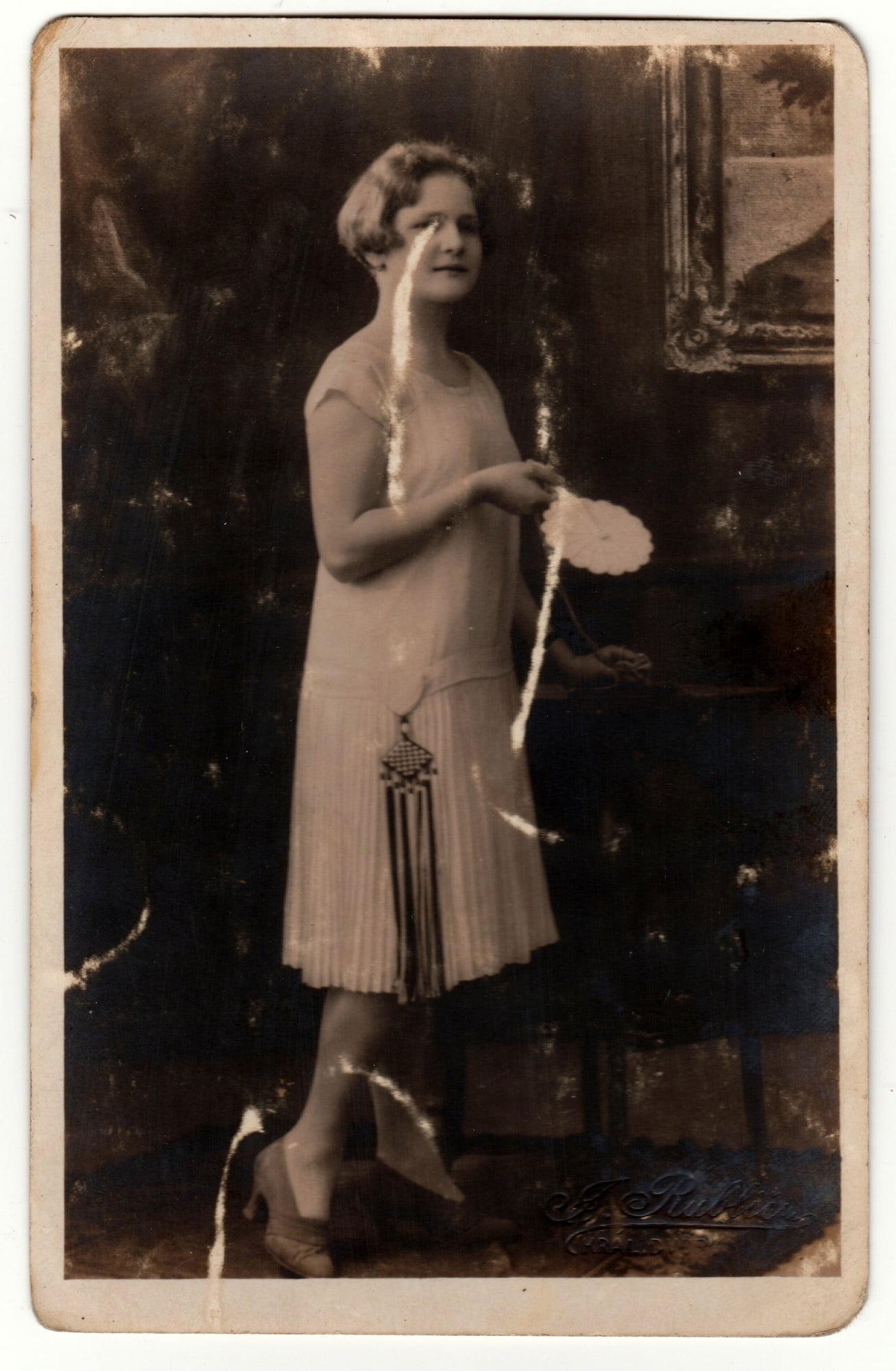
In the late nineteenth and early twentieth centuries, photographs claiming to show spirits or supernatural presences gained popularity. Transparent figures appeared beside the living, convincing many that cameras could capture the unseen.
These images were created using double exposure techniques and controlled lighting. At the time, photographic processes were poorly understood by the public, making the illusions persuasive.
The photos reveal how technological novelty can blur the line between evidence and performance.
Why fake photos succeed
Fake or staged photographs rarely succeed because they are flawless. They succeed because they confirm expectations.
When an image aligns with what people already believe or fear, skepticism softens. Emotion plays a central role.
Images that provoke awe, grief, pride, or wonder tend to override analytical thinking. Once an image becomes symbolic, factual accuracy often becomes secondary to what it represents.
The difference between fake and misleading

Not every fake photo is a fabrication. Some are real moments presented without context.
Others are altered subtly rather than invented outright. The line between documentation and manipulation has always been thinner than people like to admit.
Photography has never been neutral. Choices about framing, timing, and presentation shape meaning long before editing begins.
The myth lies in the belief that a camera alone guarantees truth.
Why it still matters
Fake pictures stick around, not because they fool us forever, but because they expose how shaky seeing really is. Trust sneaks into images even though people guide each frame from start to finish.
When visuals flood daily life nonstop, grasping their slant becomes essential. Past hoaxes teach a quiet skepticism that shapes how we meet today’s snapshots.
A photo holds still – meanings never do.
More from Go2Tutors!

- The Romanov Crown Jewels and Their Tragic Fate
- 13 Historical Mysteries That Science Still Can’t Solve
- Famous Hoaxes That Fooled the World for Years
- 15 Child Stars with Tragic Adult Lives
- 16 Famous Jewelry Pieces in History
Like Go2Tutors’s content? Follow us on MSN.