Most Expensive Domains Bought
The internet has turned ordinary words into gold mines. A simple combination of letters followed by .com can be worth more than skyscrapers, private jets, or entire companies.
When most people register a domain for their blog or small business, they pay about fifteen dollars a year. But at the top of the market, domain names trade for amounts that would make your head spin.
These aren’t just vanity purchases. Behind every multimillion-dollar domain sale sits a calculated business decision.
Companies know that the right web address can mean the difference between being found or forgotten, between looking legitimate or looking sketchy, between dominating a market or fighting for scraps.
Cars.com — The Nearly Billion-Dollar Name
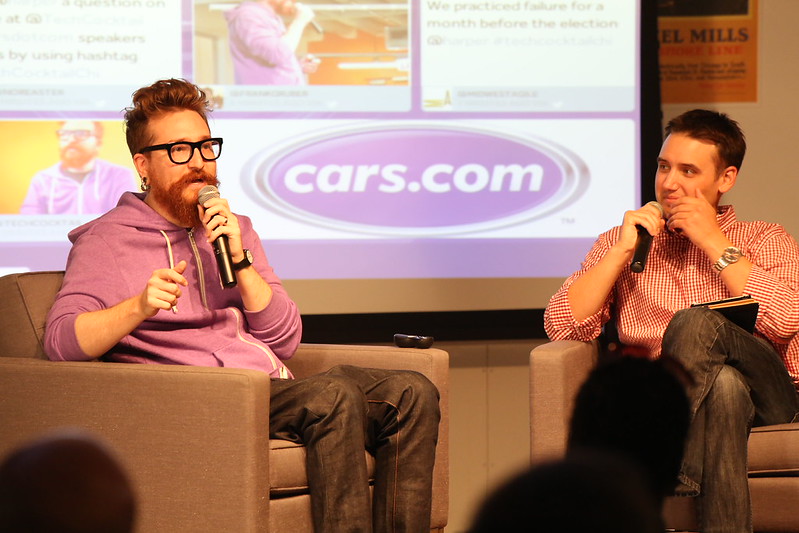
When Gannett acquired Cars.com in 2014, SEC filings revealed something that made domain investors around the world sit up straight. The domain itself carried a valuation of 872 million dollars.
Not the business. Not the technology. Just the name.
This figure gets debated in domain circles because it was part of a larger acquisition. Critics point out that the entire Cars.com business sold for 2.5 billion dollars, so the domain wasn’t purchased separately.
But accounting documents specifically broke down the intangible assets, and that domain name accounted for a staggering chunk of value.
The number makes sense when you think about what Cars.com represents. Type those exact words into a browser and you land on one of America’s biggest automotive marketplaces.
The domain practically explains itself. No creative branding needed.
No marketing spin required. Just two words that tell you exactly what you’ll find.
Business.com — When Corporate Giants Come Calling
Before social media and smartphones changed everything, Business.com sold for 345 million dollars in 2007. The buyer was R.H. Donnelley, a yellow pages company trying to stay relevant as the internet ate their traditional business model.
Multiple bidders fought for this domain. Dow Jones wanted it.
The New York Times made an offer. News Corp threw its hat in the ring.
The auction proved that major media companies understood something that many small businesses still miss today—a perfect domain is worth fighting for.
The domain had sold once before for just 7.5 million back in 1999. That earlier sale already made headlines at the time.
But watching the price jump from seven million to 345 million in eight years showed everyone just how fast domain values could climb.
LasVegas.com — A Thirty-Five Year Payment Plan
Not every big domain sale happens all at once. When LasVegas.com changed hands in 2005 for 90 million dollars, the deal stretched across 35 years.
The buyer paid 12 million upfront, then made monthly payments that escalated over time.
Monthly installments started at about 83,000 dollars for the first three years, then bumped to 125,000 dollars for the next five years.
Then climbed to 208,000 dollars per month through June 2040.
The payment structure itself tells you something about how confident the buyer felt about the domain’s long-term value.
Las Vegas attracts millions of visitors every year. Tourism drives the entire city.
A domain that instantly connects with anyone searching for Vegas hotels, shows, or restaurants carries obvious worth. The name sells itself.
CarInsurance.com — QuinStreet’s Shopping Spree

QuinStreet made a habit of buying premium domains. In 2010, they paid 49.7 million dollars for CarInsurance.com.
This came right after they’d already grabbed Insurance.com for 35.6 million.
The company runs comparison platforms that help people shop for insurance quotes. Every person who types “car insurance” into a search bar becomes a potential customer.
Owning the exact-match domain means controlling a major pipeline of organic traffic.
Insurance domains command premium prices because the industry is built on leads. Companies pay hefty commissions to acquire new policyholders.
A domain that naturally attracts people actively shopping for coverage practically prints money. QuinStreet understood this math better than most.
Insurance.com — The 35 Million Dollar Decision

Insurance.com landed in QuinStreet’s portfolio in 2010 for 35.6 million dollars. At the time, this was the second-highest price ever paid for a domain in public trading.
The domain worked perfectly for a company building a comparison shopping platform. People trust .com addresses.
They remember simple one-word domains. And when someone needs insurance, they often start by typing the most obvious search terms they can think of.
QuinStreet wasn’t gambling on speculation here. They bought a functioning business with existing revenue streams.
The domain came with traffic, brand recognition, and established partnerships with insurance carriers. Still, that 35 million price tag showed just how much value lived inside those fourteen characters.
VacationRentals.com — Blocking The Competition

HomeAway paid 35 million dollars for VacationRentals.com in 2007. The company’s CEO later explained the purchase with refreshing honesty: “The only reason we bought it was so Expedia couldn’t have that URL.”
Sometimes the value of a domain isn’t what you can do with it. Sometimes the value lies in keeping it away from your competitors.
HomeAway knew that vacation rental searches would only grow as internet usage spread. Letting a major competitor control that prime piece of digital real estate would have been a strategic bomb.
The purchase proved prescient. Short-term vacation rentals exploded over the following decade.
Companies like Airbnb changed how people travel. VacationRentals.com sat right at the center of that transformation, catching search traffic from anyone looking to book accommodations.
PrivateJet.com — Luxury Has Its Price

The private aviation market caters to people who can afford to skip commercial flights entirely. In that world, 30.18 million dollars for the perfect domain makes perfect sense.
Nations Luxury Transportation bought PrivateJet.com in 2012 through a deal that mixed cash and stock. The company provides charter services to wealthy clients who value convenience and privacy above all else.
This domain targets a tiny sliver of the population. But that sliver happens to control enormous wealth.
A single private jet charter can cost tens of thousands of dollars. Converting just a handful of website visitors per month justifies a massive domain investment.
The math works when your customers have deep pockets.
Voice.com — Blockchain’s Big Bet

Block.one paid 30 million dollars cash for Voice.com in 2019. The blockchain company wanted to launch a decentralized social media platform and believed the simple name would help them compete against Facebook and Twitter.
This sale stood out because it was purely cash with no business operations attached. Just the domain itself for 30 million dollars.
The transaction closed in less than a week, showing how quickly deals can move when both sides see value.
The Voice.com platform never gained much traction. The site eventually pivoted to become an NFT marketplace.
But the domain purchase itself remains significant. It proved that even in the era of social media and apps, the right web address still commands serious money.
Icon.com — The 2025 Standout

Just last year, Icon.com sold for 12 million dollars, landing it in the all-time top ten. Single-word .com domains with broad brand appeal keep proving their worth even as the internet matures.
The buyer recognized what many others have learned over the years—truly premium domains don’t depreciate. They get more valuable as the internet becomes more crowded.
Standing out gets harder every year. A word like “icon” carries instant recognition and works across multiple industries.
New domains still sell for eight figures when they offer the right combination of brevity, clarity, and commercial potential.
The Icon.com sale showed that premium domain prices aren’t settling down. If anything, competition keeps pushing prices higher.
360.com — When Numbers Work

Vodafone sold 360.com to Chinese security company Qihoo for 17 million dollars in 2015. At the time, this set a record as the highest public domain sale.
Qihoo built their entire brand around the number 360. Their security software products all carried 360 in their names.
The domain matched their identity perfectly, even though the number itself doesn’t immediately suggest any particular industry.
Short numeric domains hold special appeal in Asian markets. Numbers work across languages and cultures.
A three-character .com domain stands out for its simplicity. For Qihoo, 17 million bought them a web address that aligned with years of existing branding.
Internet.com — The Meta Name
QuinStreet paid 18 million dollars for Internet.com back in 2009. The irony wasn’t lost on anyone—buying a domain named after the internet itself.
The word “internet” generates a massive search volume. Anyone trying to learn about connectivity, technology, or online services might start with that search term.
Owning the exact-match domain meant capturing a slice of that enormous traffic.
The domain had obvious branding potential too. Internet.com could position itself as an authority on anything web-related.
The name carried automatic credibility. QuinStreet, already collecting premium domains, understood that certain words were simply too valuable to pass up.
Chat.com — The Communication Gold Rush

Chat.com sold for 15.5 million dollars as messaging apps took over the world. The rise of WhatsApp, Slack, and countless other chat platforms made this four-letter domain increasingly valuable.
Communication drives the internet. Email, instant messaging, video calls—people spend hours every day chatting online.
A domain that captured that behavior with a single word held tremendous potential.
The timing mattered too. As companies raced to build the next big messaging platform, Chat.com represented the ultimate branding opportunity.
One word that everyone already understood, attached to the most trusted domain extension. That combination doesn’t come cheap.
Rocket.com — The 14 Million Dollar Launch

A deal worth fourteen million dollars closed in 2024 when Rocket.com changed hands. Speed comes to mind, also progress, a climb into the future – ideas most tech firms want tied to their brand.
What stood out wasn’t just the price but how high such names continue climbing. Buyers see more than spelling – they see motion, energy, direction.
Fast moves beat slow ones when picking a name. A word like Rocket sticks because it feels quick, alive.
Not just for space stuff – cash zips faster now too. New businesses dream of sharp climbs upward.
Stories hook better if the label already whispers one.
Rocket dot com changed hands for big money, chasing standout status. When everyone scrolls faster each day, being known by name beats fading into noise.
A sum of fourteen million delivered familiarity overnight.
When Digital Property Gains Unmatched Value

Out of all big domain deals, patterns start showing up. Length matters less when it’s short.
Simplicity wins where complexity fails. Words everyone knows pull ahead of invented terms.
What sticks? Always the .com ending.
Still, companies hand over millions just to stay visible online. With each passing year comes another wave of startups joining the web.
Search engines light up nonstop as users query countless topics daily. As battles for attention grow fiercer, those addresses matching common searches rise in worth.
Only time reveals how high prices climb when space runs thin.
Check the labels here. Automobiles. Commerce. Protection. Speech.
Not made-up tags dreamed up by tech tools. Just everyday terms folks actually say.
That connection to real talk? Impossible to copy. Recognition like that? Can’t be built in a lab.
Someone has the ideal web address. Or maybe it is you.
More often now, those people grabbing such names hand over payments filled with zeroes.
More from Go2Tutors!

- The Romanov Crown Jewels and Their Tragic Fate
- 13 Historical Mysteries That Science Still Can’t Solve
- Famous Hoaxes That Fooled the World for Years
- 15 Child Stars with Tragic Adult Lives
- 16 Famous Jewelry Pieces in History
Like Go2Tutors’s content? Follow us on MSN.