18 Cold Cases Solved By Modern Tech
Years went by while many cases stayed frozen, held back by weak methods or vanished clues. Some mysteries simply ran cold, slipping away from reach, leaving loved ones waiting, detectives empty handed.
Lately though, it isn’t dogged effort alone turning things around – it’s machines now peering into traces long ignored, uncovering what eyes could never spot before. Peeling back the years, new tools quietly reopened doors long thought shut – eighteen cases stirring again through sharper science.
What sat frozen for decades shifted under fresh eyes, each clue reexamined without fanfare. Progress crept in through patience, not spectacle, turning silence into answers bit by bit.
Golden State Killer

For over four decades, the Golden State Killer mystery stayed open, even with countless efforts. DNA was there, just no hit through standard police records.
Everything shifted once detectives tried a different path – tracing family lines via shared genetic data online. A single name emerged after tracing relatives on an old-fashioned chart, then matching it to genetic material.
Suddenly, clues hidden for years began falling into place when public ancestry databases were tapped – proving records meant for finding cousins might also find criminals.
April Tinsley

Eight-year-old April Tinsley’s case remained unsolved for decades, with investigators holding onto DNA evidence but lacking a match. Years later, advances in forensic genealogy allowed authorities to revisit that evidence using expanded databases.
The renewed analysis led to a suspect who had previously avoided detection. Once identified, further investigation confirmed his involvement, bringing long-awaited answers to the case.
Bear Brook Murders

The Bear Brook case involved unidentified victims discovered in barrels in New Hampshire. For years, both the victims and the suspect remained unknown.
Traditional investigative methods failed to uncover their identities. Modern DNA analysis and genealogy techniques changed everything.
Investigators were able to identify both the victims and the perpetrator, reconstructing a timeline that had been missing for decades.
Joseph Augustus Zarelli
Known for years only as ‘the Boy in the Box,’ this case puzzled investigators since the 1950s. Despite extensive efforts, the child’s identity remained unknown for generations.
Using advanced DNA sequencing and genealogical research, investigators were finally able to identify him as Joseph Augustus Zarelli. The breakthrough highlighted how even the oldest cases can benefit from modern tools.
Angie Dodge

Angie Dodge’s case saw a wrongful conviction early on, which complicated efforts to find the truth. Years later, her family pushed for renewed testing using updated DNA techniques.
Those efforts led to the identification of the actual perpetrator, correcting a long-standing injustice. The case showed how technology can not only solve crimes but also help set the record straight.
Carla Walker

Carla Walker’s case from the 1970s remained unresolved for decades despite strong evidence. Advances in DNA analysis eventually allowed investigators to extract usable information from preserved samples.
The new data led to a suspect who had never been identified through earlier methods. The case demonstrated how preserved evidence can become valuable again as technology improves.
Christine Jessop

Christine Jessop’s case in Canada involved years of uncertainty and a wrongful conviction. Modern DNA testing, combined with genealogical research, reopened the investigation.
The updated analysis identified the true perpetrator years after the original investigation. It also cleared the name of the person previously accused, showing the corrective power of new forensic methods.
Terry Rasmussen

Terry Rasmussen was linked to multiple cases over several decades, but his full identity and actions remained unclear for years. The Bear Brook investigation played a key role in uncovering more about him.
Through DNA and genealogical research, investigators connected him to previously unidentified victims. The technology helped piece together a complex and long-hidden pattern.
Lyle Stevik

Lyle Stevik was the name used by an unidentified man who checked into a motel and was later found deceased. For years, his true identity remained unknown despite extensive investigation.
Genealogical DNA analysis eventually revealed who he was, providing answers that had eluded authorities for decades. The case showed how identity itself can be uncovered long after traditional methods fail.
Buckskin Girl (Marcia King)

For decades, a young woman known only as ‘Buckskin Girl’ remained unidentified. Her case drew attention but no clear answers.
Advances in DNA testing and online genealogy databases eventually led to her identification as Marcia King. The breakthrough brought recognition and closure to a case that had remained unresolved for years.
Walker County Jane Doe

Another unidentified victim, known as Walker County Jane Doe, remained a mystery for decades. Investigators had limited leads and no confirmed identity.
Using modern DNA tools and genealogical matching, authorities were able to identify her, restoring her name and history. It marked another example of technology giving a voice to the unknown.
Samuel Little Cases

Samuel Little confessed to numerous crimes, but many of his claims could not initially be verified. Investigators faced the challenge of matching his accounts to real cases.
By using databases, forensic analysis, and digital tools, authorities were able to confirm many of his claims and identify victims. Technology played a crucial role in validating and organizing this information.
NorCal Rapist

The NorCal Rapist case remained unsolved for years, despite DNA evidence linking multiple incidents. Traditional database searches failed to produce a match.
Genealogical research eventually pointed investigators toward a suspect, whose DNA confirmed his identity. The case mirrored other breakthroughs made possible by this emerging technique.
Jay Cook And Tanya Van Cuylenborg

This case involved two victims in the 1980s, with little progress made for decades. Evidence existed, but no suspect had been identified.
Modern DNA genealogy allowed investigators to trace a suspect through family connections. The case was finally solved, bringing long-awaited answers to the victims’ families.
Barbara Becker

Barbara Becker’s case remained unresolved for years despite available evidence. Advances in forensic analysis allowed investigators to reexamine the case with new tools.
The updated investigation led to a suspect, demonstrating how even previously analyzed evidence can yield new results when viewed through a modern lens.
Billie Jean Hayworth

Billie Jean Hayworth was an unidentified victim for decades. Her case remained open with few leads.
Through DNA genealogy and expanded databases, investigators were able to identify her and reconstruct her story. The case highlighted the human impact of giving a name back to the unknown.
Rita Curran

Rita Curran’s case from the 1970s remained unsolved for years, with evidence preserved but no clear suspect. Advances in DNA technology allowed investigators to revisit that evidence.
The updated analysis led to the identification of a suspect decades later. It showed how time does not necessarily erase the possibility of resolution.
Harold ‘Fred’ Clouse

Fred Clouse, known as Harold, vanished into a puzzle that stretched across decades. His relatives tangled in whispers, never finding clear answers.
The body parts found sat without names, gathering dust in old files. Time passed slow, truth stayed just out of reach.
Starting with clues buried decades ago, DNA tests today reveal links once thought lost. Though silent for years, family lines speak through science now.
The Shift That Changed Everything
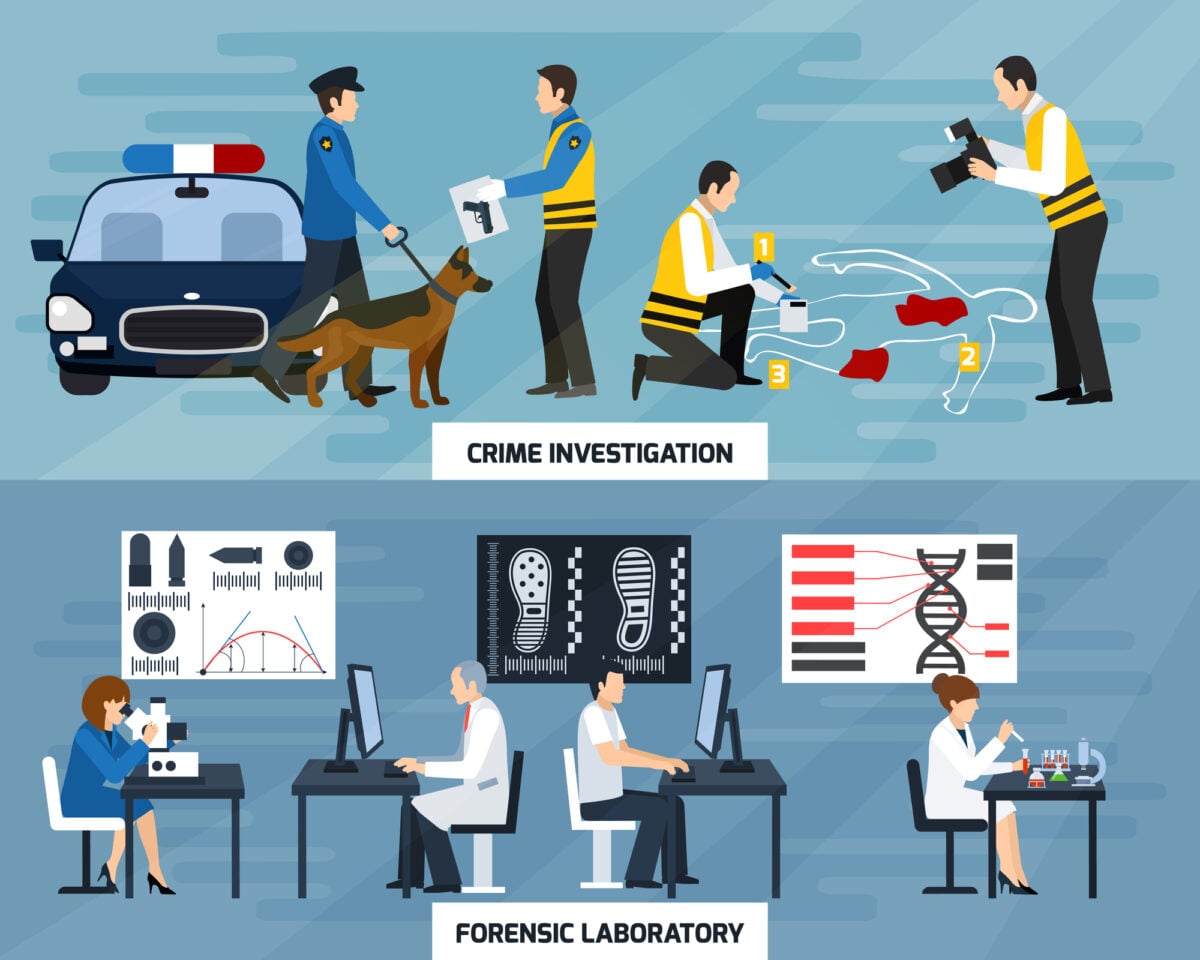
Something links these stories beyond how long ago they happened – it’s the shift in investigative methods. Instead of old limits, scientists now use family DNA matching alongside deeper genetic scans and digital archives.
Because of this, clues frozen for years start revealing fresh details. What stayed silent before finds a voice through modern approaches.
Nowhere else has progress hit so hard as in how we see justice unfold. Old cases, long buried, stir again under fresh light.
Not simply fixing puzzles one by one, today’s tools shift what detection can do – turning silence into speech, doubt into detail.
More from Go2Tutors!

- The Romanov Crown Jewels and Their Tragic Fate
- 13 Historical Mysteries That Science Still Can’t Solve
- Famous Hoaxes That Fooled the World for Years
- 15 Child Stars with Tragic Adult Lives
- 16 Famous Jewelry Pieces in History
Like Go2Tutors’s content? Follow us on MSN.