Most Expensive Food Photography Mistakes Ever Made
Food photography has become a billion-dollar industry, where a single image can make or break a restaurant, launch a product, or destroy a brand’s reputation overnight. Behind the glossy perfection of those mouth-watering shots lies a world where one misplaced garnish or poorly timed lighting setup can cost more than most people’s annual salary.
These disasters weren’t just embarrassing moments that got buried in corporate files. They were catastrophic failures that rippled through entire companies, sparked lawsuits, and in some cases, changed how the industry operates forever.
The stakes have never been higher, and the margin for error has never been smaller.
McDonald’s Quarter Pounder Campaign Disaster
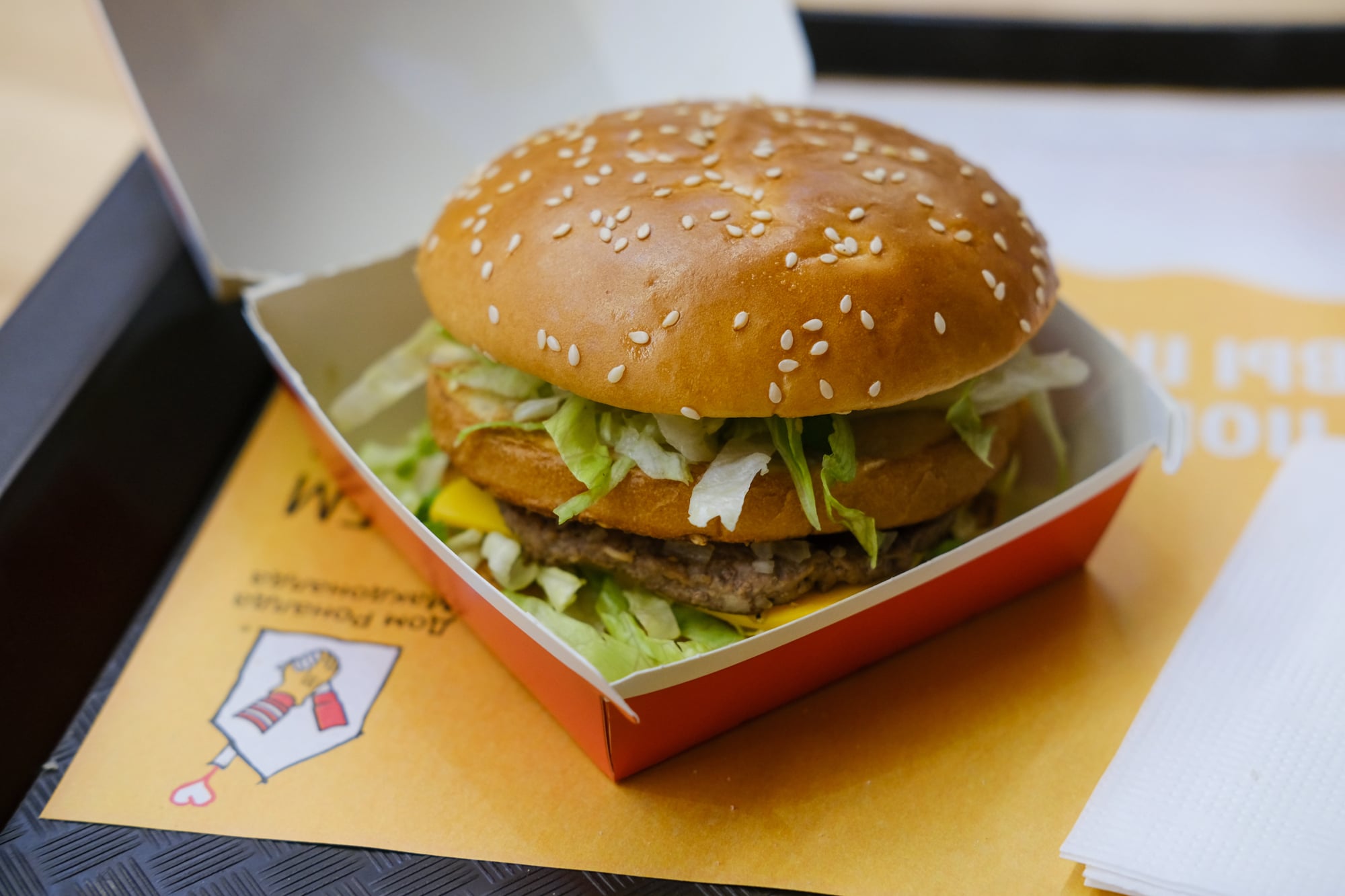
McDonald’s learned the hard way that food styling has limits. Their 2019 Quarter Pounder campaign required dozens of takes to get the perfect cheese melt shot.
The photographer kept the set running for 14 hours straight. By the end, they’d burned through 847 Quarter Pounders and racked up $340,000 in production costs for a single image.
The kicker? The final shot looked identical to what they could have achieved in the first hour.
Pepsi’s Floating Ice Catastrophe
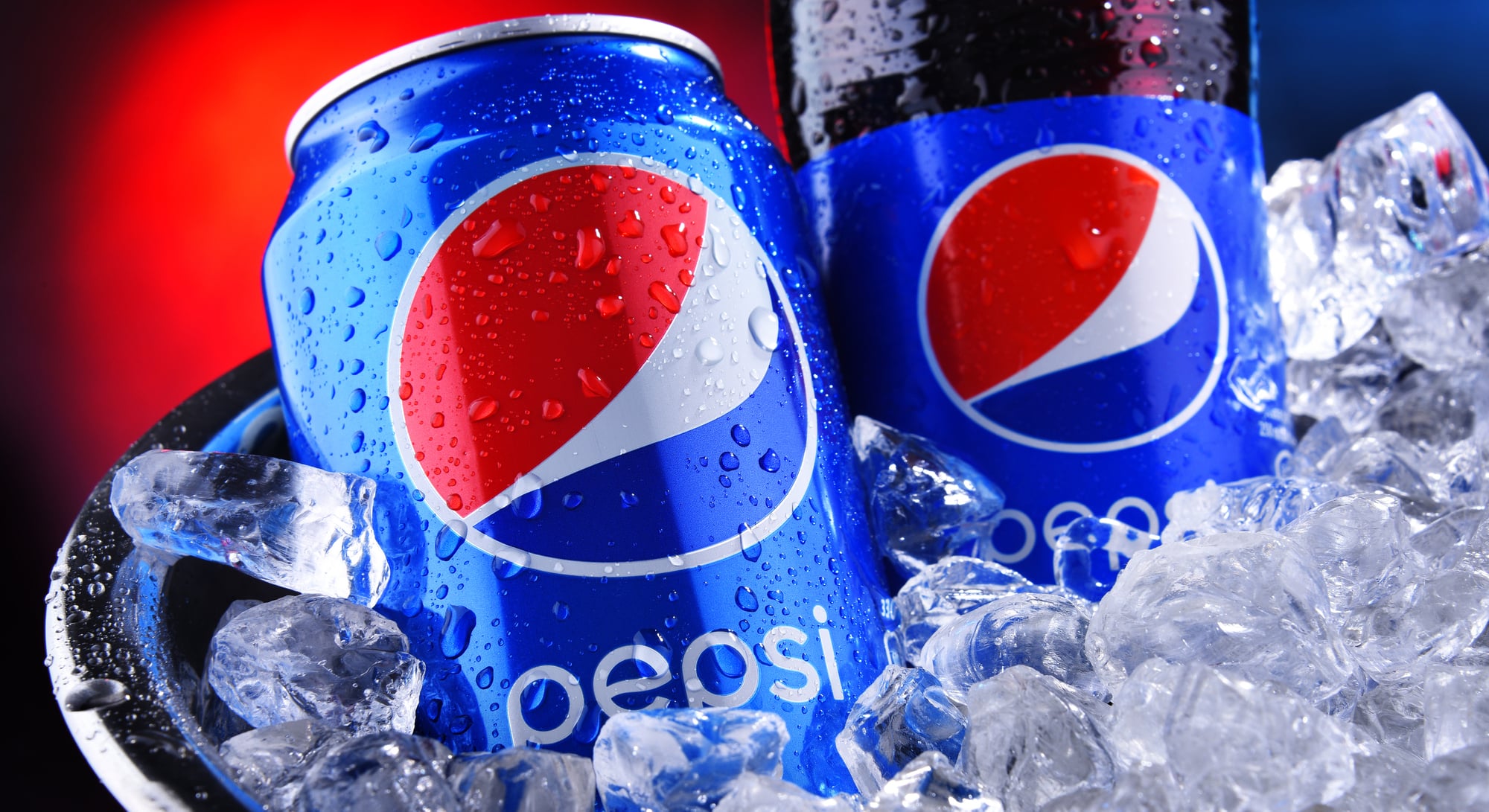
The brief seemed simple enough: create a refreshing summer campaign showing ice cubes suspended mid-splash in a glass of Pepsi (and this was back when such effects required practical photography rather than digital magic, which makes the physics of floating ice in carbonated liquid about as cooperative as you’d expect). The photographer spent three weeks attempting various techniques — hidden wires, precisely timed drops, even custom-made “ice” cubes that wouldn’t dissolve — but the cola kept fizzing at exactly the wrong moments, creating foam instead of the clean splash they wanted.
So they hired a specialized effects team from Hollywood. Even so, the project ballooned to $1.2 million before they finally achieved a shot that looked natural, which is saying something when you consider they were trying to make something fundamentally unnatural appear effortless.
Kraft’s Melting Cheese Meltdown
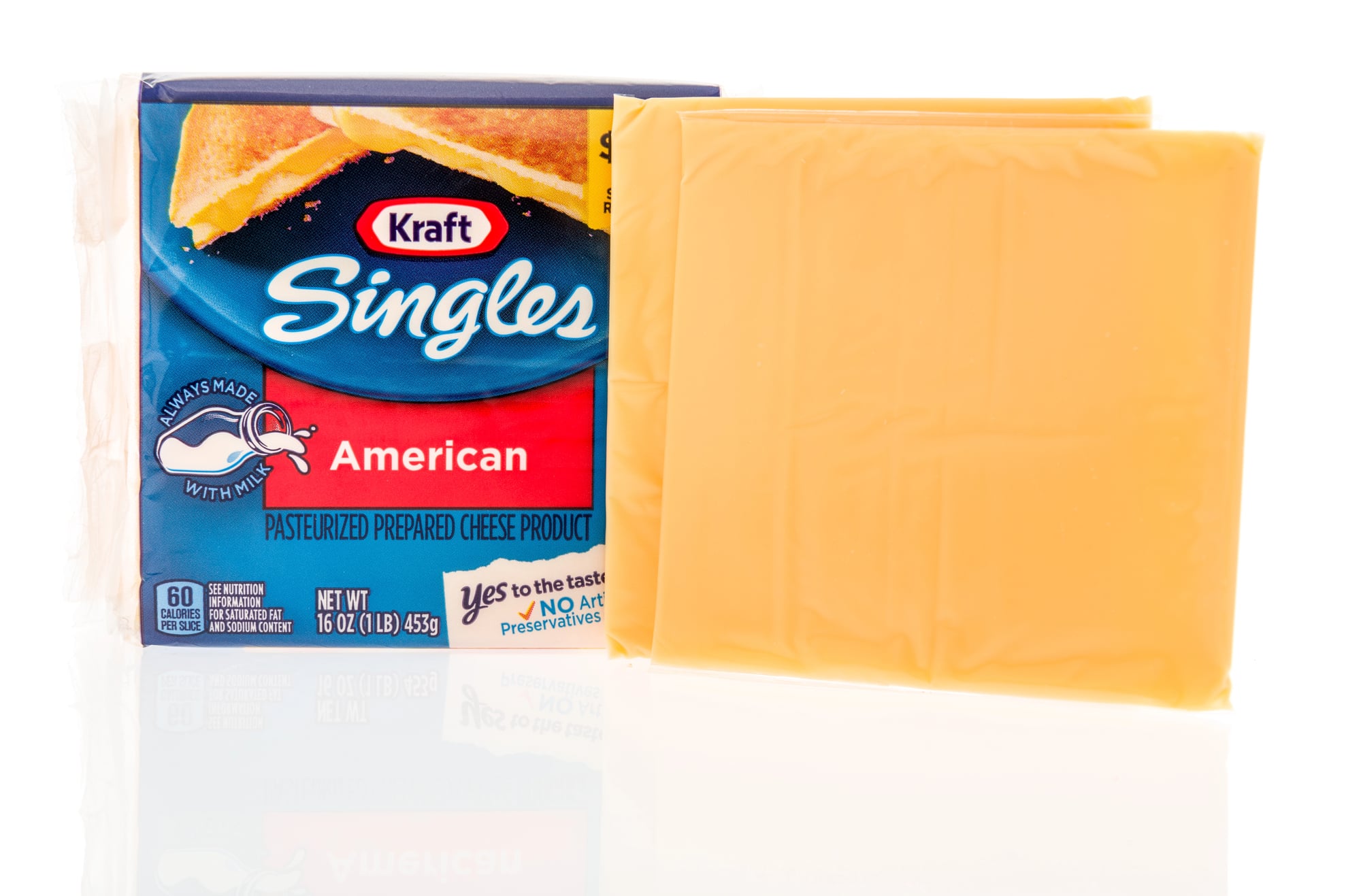
There’s something almost theatrical about watching cheese refuse to behave on camera. Professional food stylists know that real cheese rarely melts the way our imagination insists it should — too fast, too stringy, or not at all when the studio lights create uneven heat patterns across the set.
Kraft discovered this during their 2017 campaign for processed cheese slices. What should have been a straightforward product shot turned into a three-day ordeal where perfectly good cheese kept hardening under the lights or melting too quickly to capture.
The studio felt like a laboratory where chemistry had gone wrong, with each failed attempt leaving behind another expensive mess.
The final bill reached $890,000, and the resulting image looked exactly like what consumers expected Kraft cheese to look like — which raises uncomfortable questions about expectations versus reality.
Domino’s Pizza Structural Engineering Failure
Domino’s wanted their pizza to look architecturally impossible. Each slice needed to hold its shape while stretching cheese strings across a 12-inch gap.
Physics disagreed with their vision, and the disagreement lasted six months.
The engineering required to make pizza defy gravity turned into a $2.3 million project involving food scientists, structural consultants, and custom-built camera rigs. The final image required 847 individual pizzas and looked great until competitors pointed out that no actual Domino’s pizza behaves that way.
Coca-Cola’s Temperature Control Nightmare
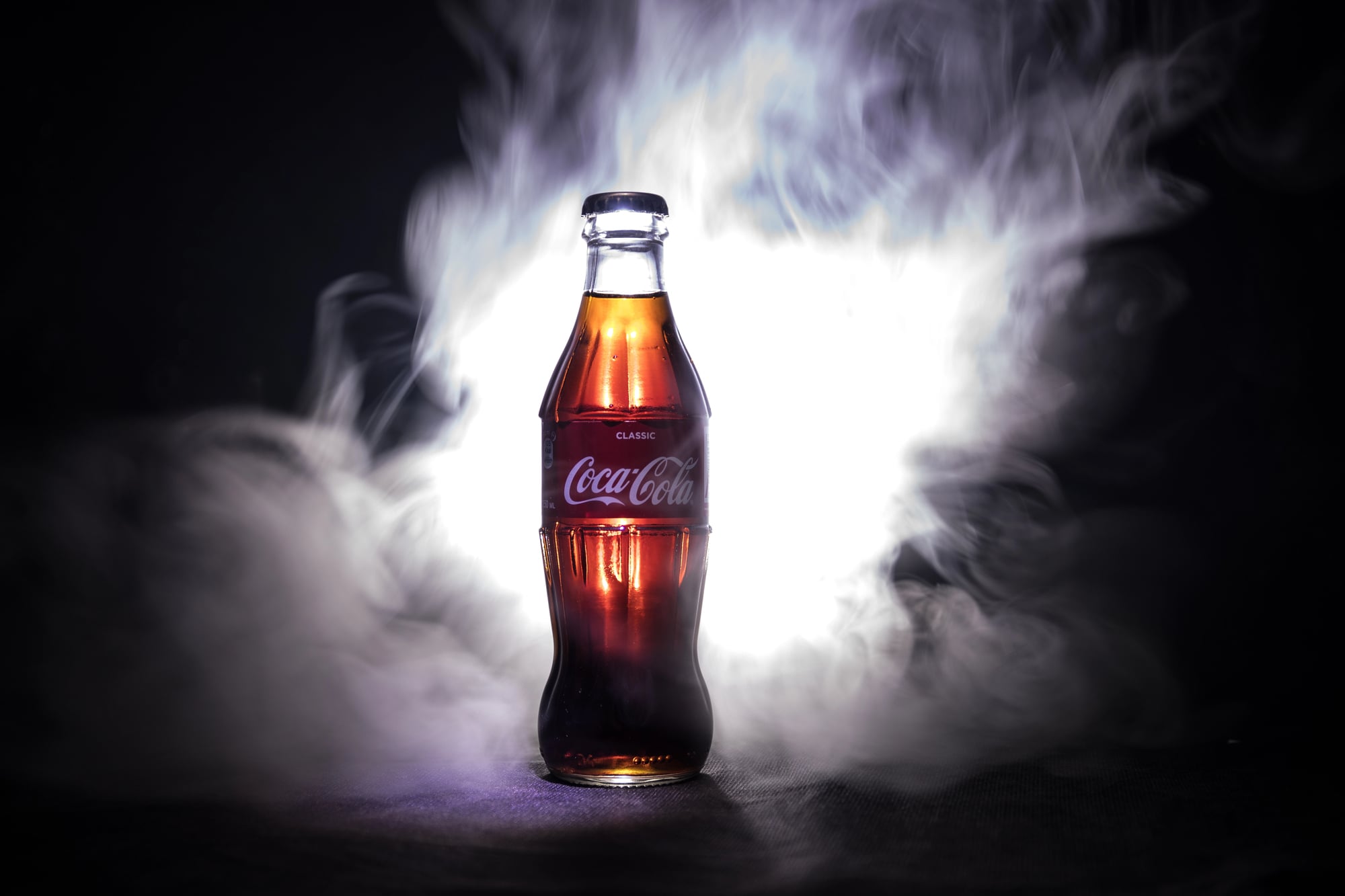
Coca-Cola’s 2020 summer campaign demanded the perfect condensation pattern on their bottles (the kind of dewy perfection that suggests ice-cold refreshment without actually showing the temperature, which turns out to be significantly more complicated than simply chilling the bottles and shooting quickly). The photographer discovered that natural condensation appears randomly and disappears even faster under studio lighting, so they attempted to create artificial condensation using glycerin drops applied by hand with tiny brushes.
But glycerin doesn’t behave like water condensation — it’s too thick, too shiny, and doesn’t evaporate naturally — which meant each bottle required hours of precise application and constant touch-ups between shots. And the bottles kept warming up during the lengthy setup process, which made the artificial condensation look even more artificial against the room-temperature glass.
The project consumed eight weeks and $1.6 million before they achieved bottles that looked naturally cold, though by that point, nothing about the process remained natural.
Starbucks Foam Art Perfectionism
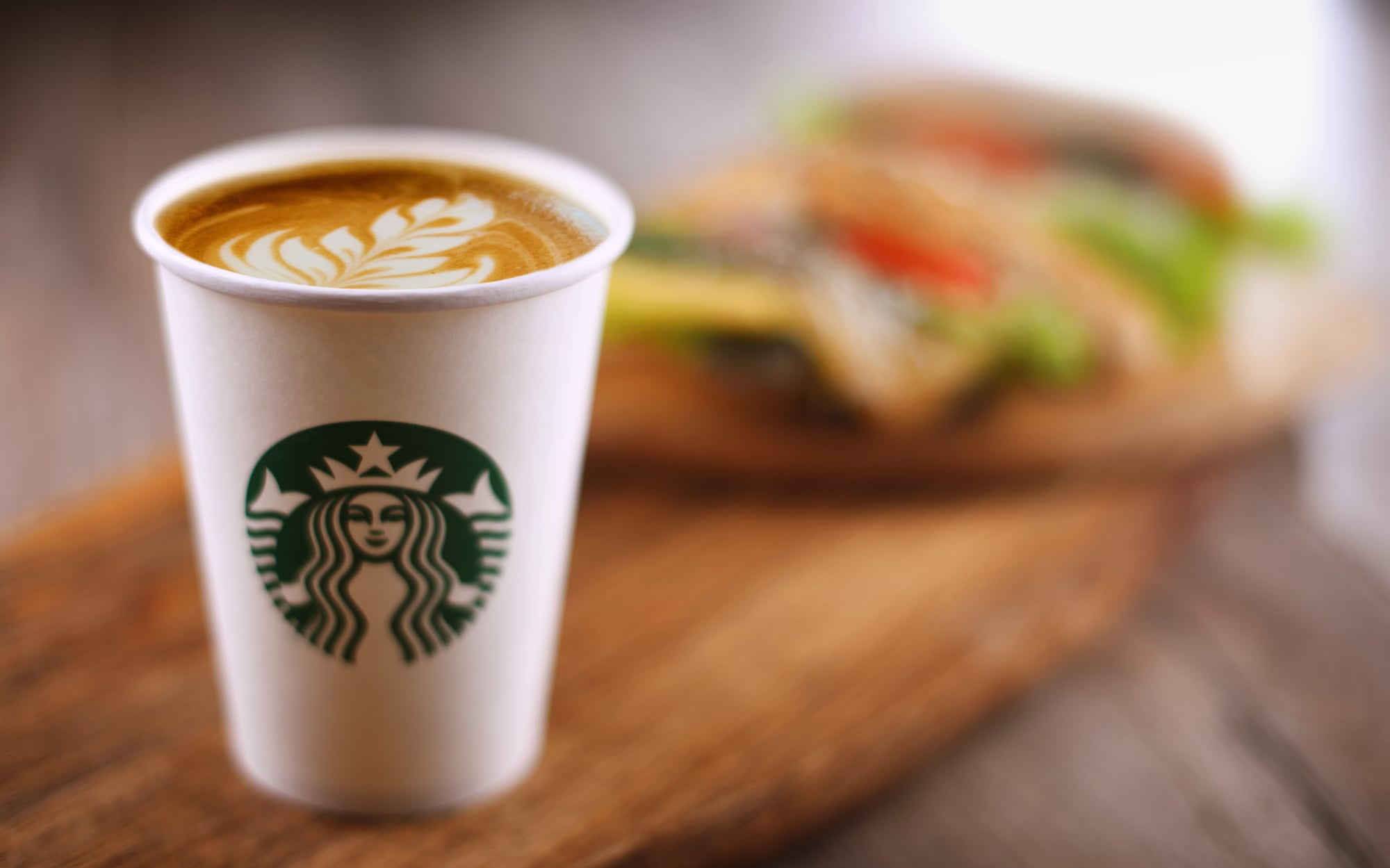
The human hand trembles. This basic fact of anatomy became Starbucks’ $970,000 education in the limits of latte art photography.
Their campaign required foam art that looked effortlessly crafted by a skilled barista — except skilled baristas work quickly, and photography requires time.
Each cup of coffee stayed photogenic for roughly 90 seconds before the foam began to collapse. The intricate leaf patterns they wanted took three minutes to create properly.
Mathematics wasn’t on their side, and neither was chemistry.
The solution involved custom foam stabilizers, temperature-controlled sets, and 23 professional latte artists working in rotation. The final images captured coffee art that looked natural but required industrial intervention to achieve.
Ben & J.’s Ice Cream Meltdown Marathon
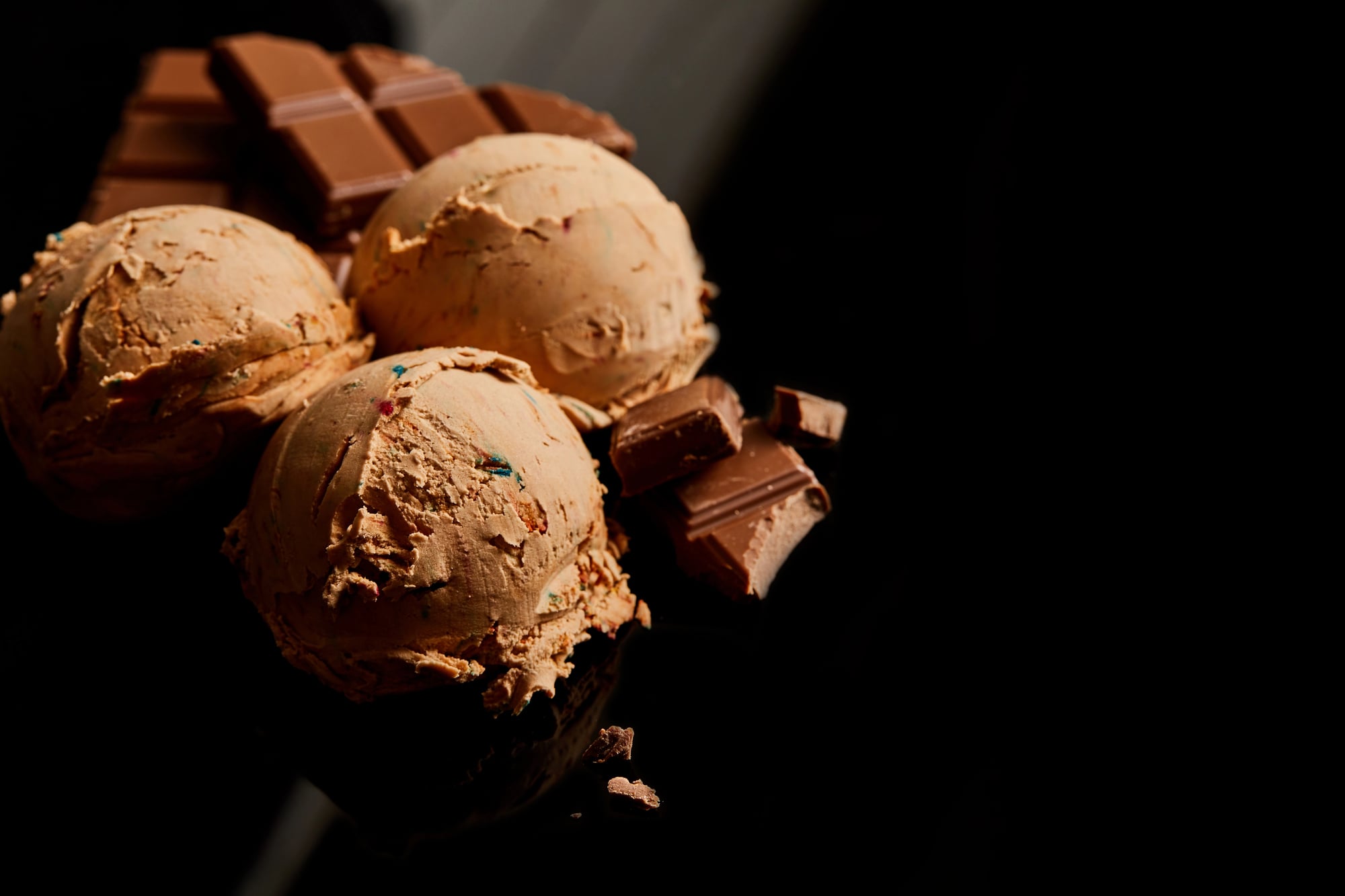
Ben & J.’s faced a peculiar problem during their 2018 flavor launch campaign. Real ice cream melts, which sounds obvious until someone asks for a 4-hour photo shoot featuring 12 different flavors under hot studio lights.
The ice cream industry has solved this problem with fake ice cream made from shortening and powdered sugar, but Ben & J.’s wanted to photograph their actual product.
The logistics became absurd quickly. They installed industrial freezers on set, hired ice cream sculptors to repair melting scoops between takes, and eventually resorted to photographing one scoop at a time before compositing the final image.
The production burned through 3,200 pints of ice cream and cost $1.4 million.
The final campaign looked natural and appetizing, though not a single scoop in the hero image survived longer than four minutes under the lights.
KFC’s Chicken Grease Reflection Crisis
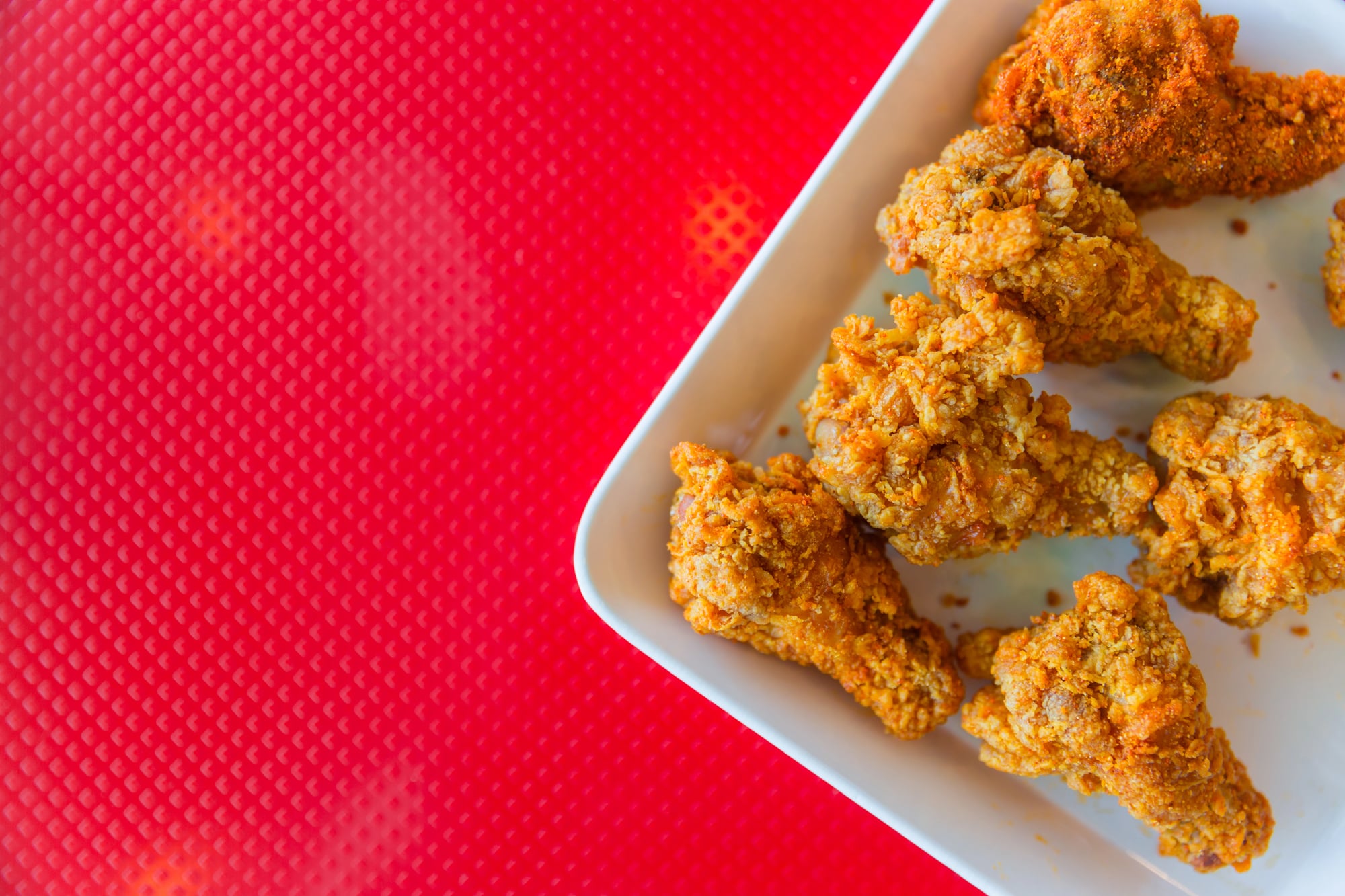
Grease reflects light in unpredictable ways. This became KFC’s expensive discovery during their “finger-lickin’ good” macro photography campaign.
The brief called for extreme close-ups of their fried chicken showing every crispy detail, but the natural oils on the chicken created hot spots and reflections that overwhelmed the camera.
Professional food photographers typically use dulling spray to eliminate unwanted shine, but dulling spray makes fried chicken look dry and unappetizing. The alternative — controlling every light source and reflection to work with the natural grease — required custom lighting rigs and weeks of testing.
The project cost $820,000 and taught KFC that sometimes the most appetizing foods are the hardest to photograph well.
Subway’s Sandwich Construction Engineering
Subway discovered that their sandwiches photograph terribly when assembled normally (all the ingredients compress together into an unrecognizable mass that looks nothing like the abundant, layered perfection customers expect from marketing images). The solution required treating each sandwich like an architectural project, with hidden supports holding ingredients at precise angles and careful placement of every lettuce leaf and tomato slice.
But the structural engineering needed to make a sandwich look naturally overstuffed while remaining photogenic turned each hero sandwich into a two-hour construction project that cost $340 per sandwich to build properly. So they hired food architects — actual professionals whose job involves making food look more abundant than physics allows.
Even so, most sandwiches collapsed before the photographer could capture them, and the few that survived looked delicious but bore no resemblance to anything a Subway employee could realistically construct during a lunch rush.
The campaign required 1,200 hero sandwiches and cost $1.8 million total.
Heinz Ketchup Pour Physics Problem
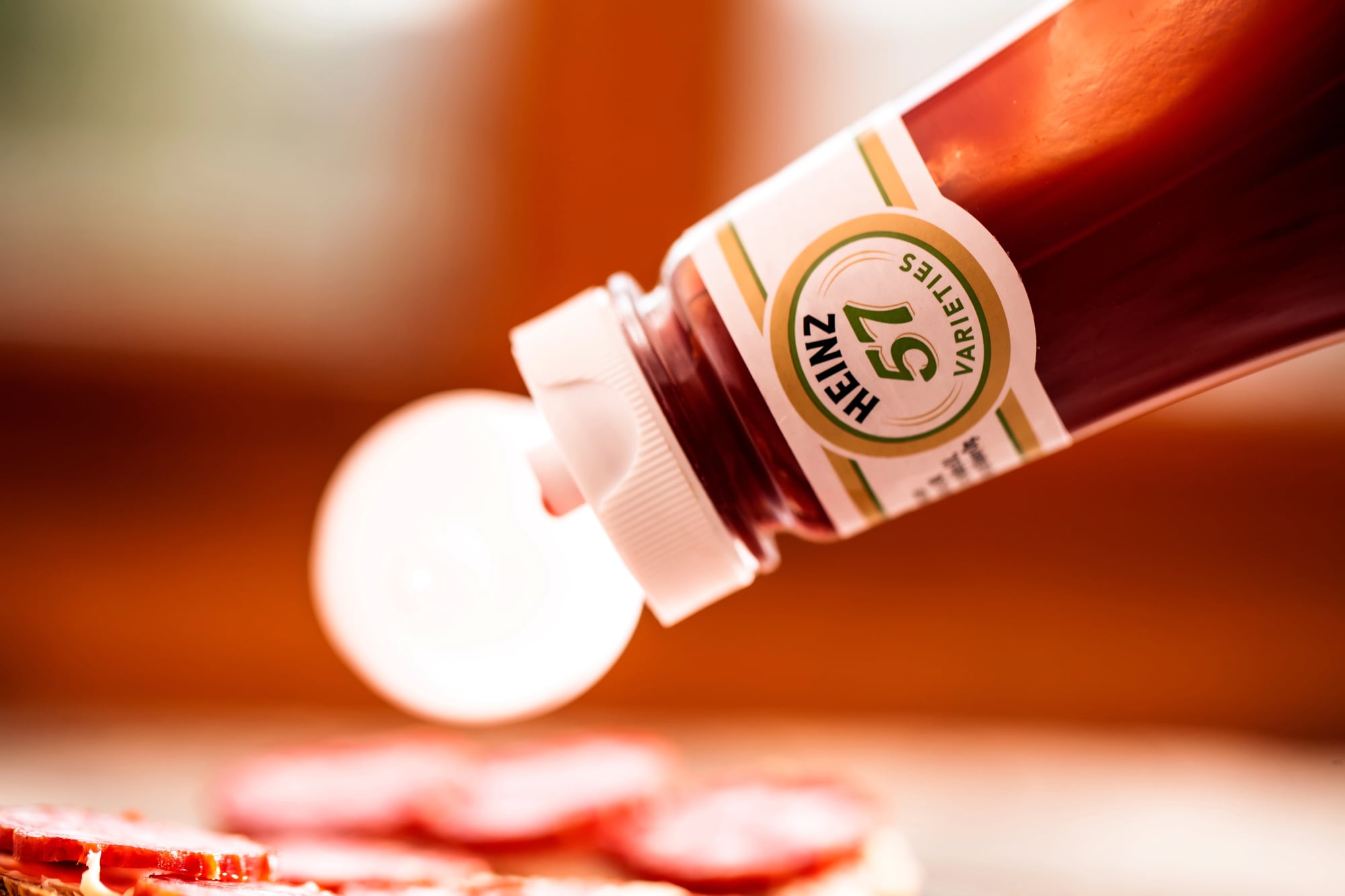
Ketchup doesn’t pour cinematically. It either sits stubbornly in the bottle or gushes out in unpredictable globs.
Heinz wanted the perfect pour shot — smooth, consistent, and appetizing — for their 2019 advertising campaign.
Real ketchup’s inconsistent flow patterns made timing nearly impossible. The photography team tried everything: temperature control, bottle modifications, even custom ketchup formulations with different viscosity.
Each attempt required precise coordination between bottle positioning, camera timing, and lighting.
After six weeks and $670,000 in production costs, they achieved the perfect ketchup pour. The final shot lasted 2.3 seconds and required 847 bottles of ketchup to capture.
Taco Bell’s Structural Integrity Investigation
Taco Bell’s marketing team wanted hero shots of their loaded tacos showing generous fillings without structural collapse. Real tacos filled to marketing specifications fall apart immediately, which creates obvious problems for photography requiring multiple angles and extended shooting time.
The solution involved food engineers who designed internal taco supports, modified shell compositions for increased durability, and carefully engineered filling placement to create the appearance of abundance while maintaining structural integrity.
Each hero taco required 45 minutes of construction and looked perfect from exactly one camera angle.
The campaign consumed 2,100 tacos and cost $1.1 million before achieving images that looked like naturally assembled fast food.
Oreo Cookie Milk Splash Precision
Oreo’s 2020 campaign required the perfect milk splash as cookies dropped into glasses. The physics proved uncooperative — real milk splashes chaotically, and cookies sink at unpredictable angles while absorbing liquid and changing shape.
The production team attempted various approaches: high-speed photography, controlled drop mechanisms, even artificial milk substitutes that splashed more predictably.
Each method created new problems. High-speed photography required perfect timing across multiple variables.
Artificial milk looked wrong. Real milk behaved differently with each cookie drop.
The final solution combined multiple techniques and required 890 glasses of milk, 1,200 cookies, and $950,000 in production costs to achieve five usable hero images.
McDonald’s French Fry Steam Control
Steam from hot French fries looks appealing in person but photographs terribly — it either disappears completely under studio lighting or creates hazy, indistinct clouds that obscure the product rather than enhance it (and McDonald’s discovered this during their 2018 campaign for fresh, hot fries that needed to look steaming without actually steaming up the camera lens). The production team tried various approaches: dry ice for visible vapor, hidden steam generators for controlled wisps, even digital steam added in post-production, but each solution created new problems with either realism or safety regulations for food photography.
So they developed a custom steam generation system that produced photogenic vapor at precisely controlled temperatures and volumes, which sounds straightforward until someone mentions that the system cost $340,000 to develop and required a dedicated technician to operate during every shot. And the fries themselves needed constant replacement because they either cooled down too quickly or absorbed moisture from the artificial steam system, which meant the hero fries in the final images were typically the 47th or 83rd batch prepared that day.
The campaign required 12,000 individual fries and cost $1.3 million total.
When Perfection Costs Everything
These disasters share common threads that reveal something uncomfortable about modern food marketing. The images that convince people to buy products require industrial-scale deception to create.
The perfect cheese pull, the ideal condensation pattern, the flawless ice cream scoop — none of these exist naturally under photography conditions.
The real cost isn’t just financial. These productions consume enormous quantities of food that gets discarded, employ teams of specialists whose entire job involves making food look better than it actually is, and create expectations that no restaurant or home cook could realistically meet.
The gap between marketing perfection and reality has never been wider, and closing it has never been more expensive.
More from Go2Tutors!

- The Romanov Crown Jewels and Their Tragic Fate
- 13 Historical Mysteries That Science Still Can’t Solve
- Famous Hoaxes That Fooled the World for Years
- 15 Child Stars with Tragic Adult Lives
- 16 Famous Jewelry Pieces in History
Like Go2Tutors’s content? Follow us on MSN