Most Expensive Pets to Own
Getting a pet feels like a heartfelt choice, yet for particular creatures, it pulls along heavy wallet demands stretching far into the future. Right after the thrill fades – when a unique or uncommon animal settles in – spending sneaks up via enclosures, meals, vet visits, rules.
With specific species, those bills aren’t random shocks; they anchor every single day.
Cost isn’t usually tied to a single factor when it comes to high-priced animals. Instead, you’re paying for scarcity, tricky upkeep, years of commitment, along with tightly managed living conditions.
Something that seems doable today might turn into a burden stretching decades, matching rent or car payments. Few realize how deep the responsibility runs before they commit.
A peek into pricier pets shows price tags that grow fast after buying. Their real expense?
It sneaks up slowly, hidden in daily needs and surprise bills.
Tibetan Mastiff

The Tibetan Mastiff is often cited as one of the most expensive dogs in the world, largely due to its rarity and historical prestige. Originating from the Himalayan region, this breed was traditionally used to guard livestock and monasteries, giving it an aura of strength and exclusivity that still drives demand today.
The initial price can be staggering, but ongoing costs quickly follow. These dogs are large, independent, and require extensive space, high-quality food, and experienced handling.
Veterinary care is also more expensive due to their size and susceptibility to joint and heart conditions. Over time, ownership becomes a lifestyle commitment rather than a simple pet arrangement.
Savannah Cat
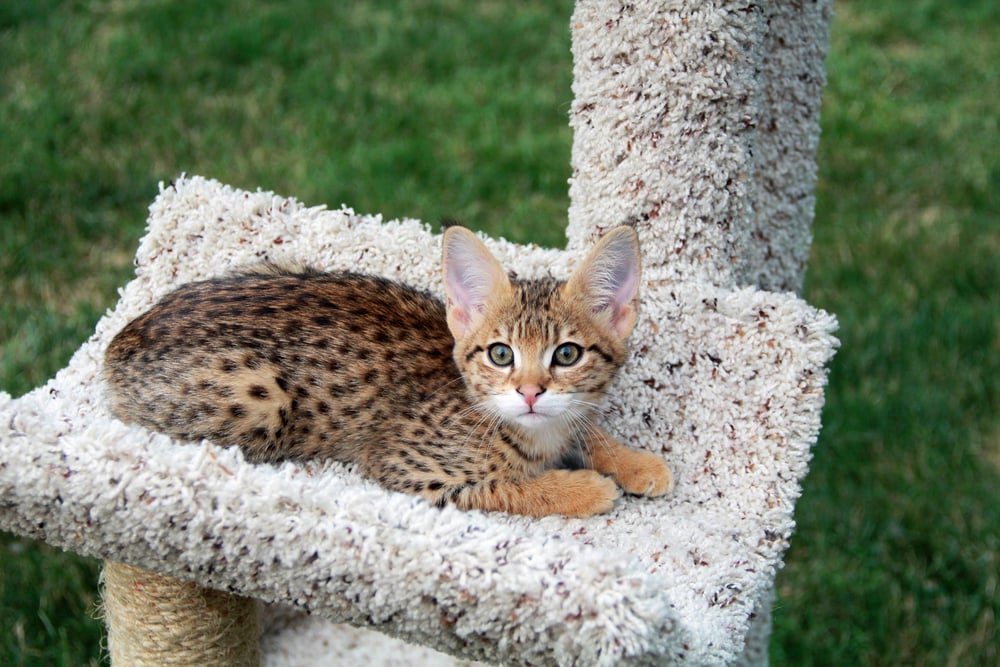
Savannah cats are known for their tall frames, spotted coats, and energetic behavior. Bred from domestic cats and servals, they are prized for their wild appearance paired with domestic companionship.
That unique combination is what drives their high price.
Beyond purchase cost, Savannah cats require enriched environments to prevent stress and behavioral issues. Large enclosures, climbing structures, and constant mental stimulation are essential.
Specialized veterinary care is often necessary, and legal restrictions in some regions can add permit fees or relocation costs. Their intelligence and energy make them captivating, but also demanding.
Macaw
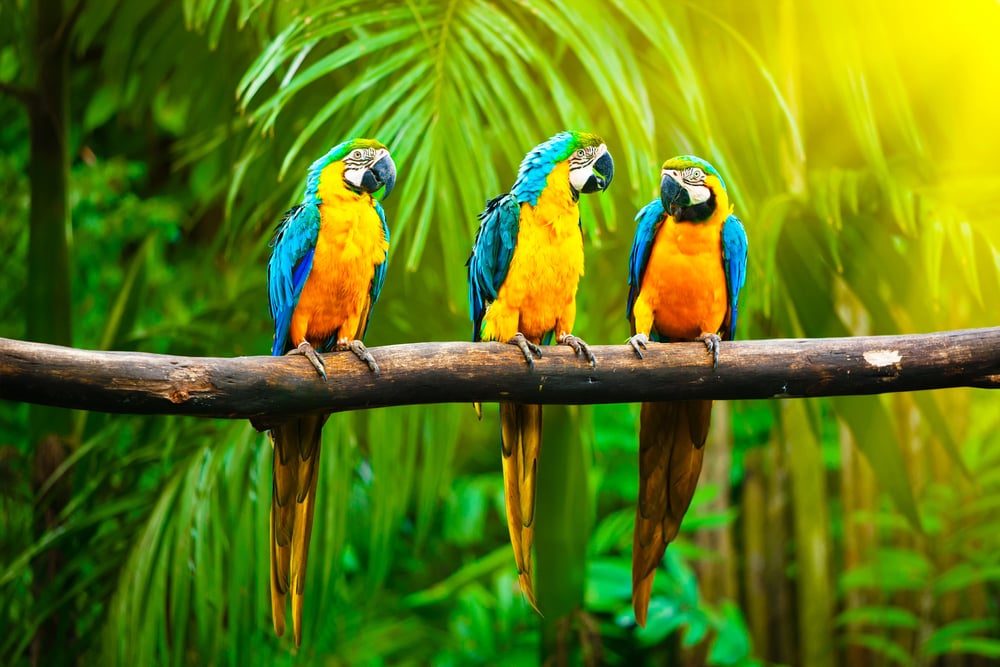
Macaws are visually striking and emotionally complex birds that can live for several decades. Their vivid colors and social nature make them appealing, but their long lifespan dramatically increases their total cost of ownership.
Housing alone is a major expense. Macaws need large, reinforced enclosures and daily interaction to remain healthy.
Their diet includes fresh fruits, vegetables, and formulated pellets, which adds ongoing cost. Veterinary care for birds is highly specialized and not widely available, making routine checkups and emergencies more expensive than expected.
Over time, the financial and time investment becomes substantial.
Capuchin Monkey
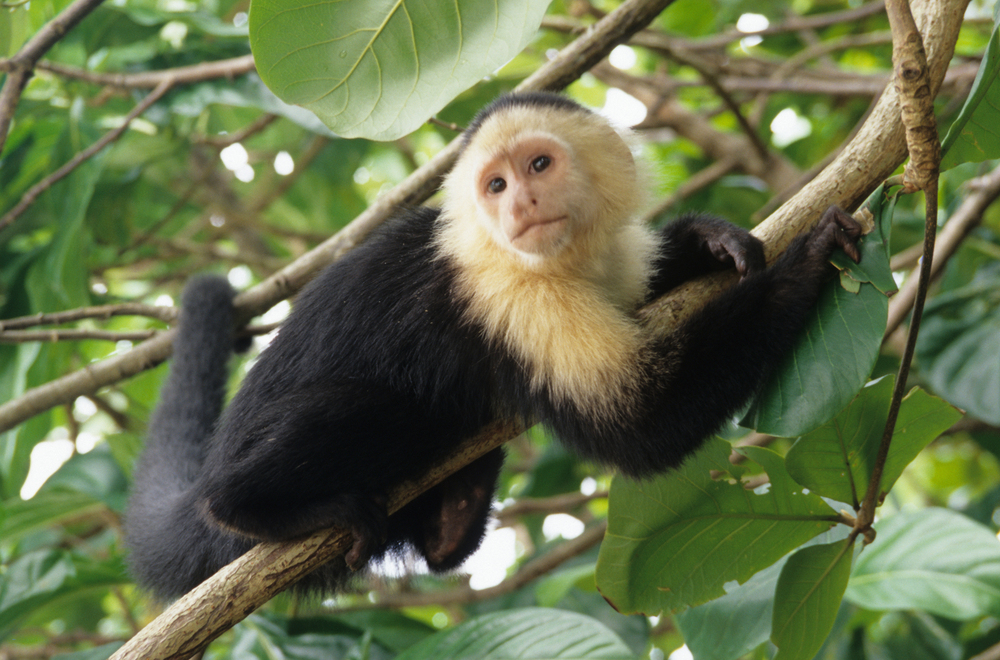
Capuchin monkeys are intelligent, social animals that require constant care and attention. While they are sometimes portrayed as manageable companions, reality is far more complex and costly.
Their intelligence demands ongoing stimulation, specialized diets, and carefully controlled living environments. Medical care must be provided by veterinarians trained in exotic species, which significantly raises costs.
Additionally, legal requirements and permits vary widely and can involve recurring fees and inspections. Ownership often requires structural modifications to living spaces, adding another layer of expense.
Bengal Cat
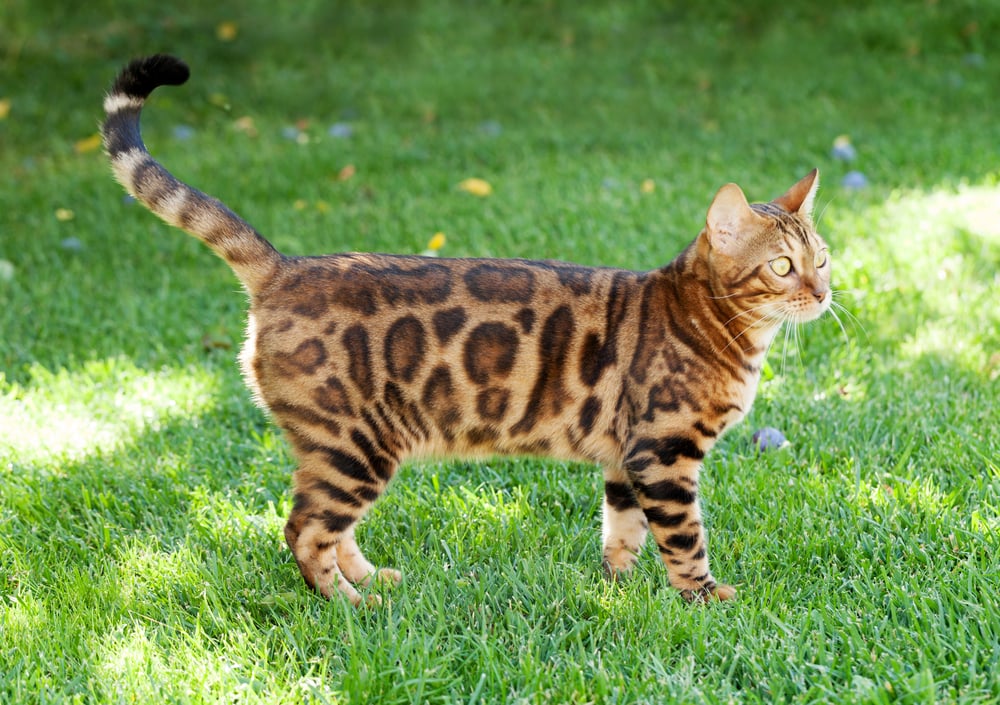
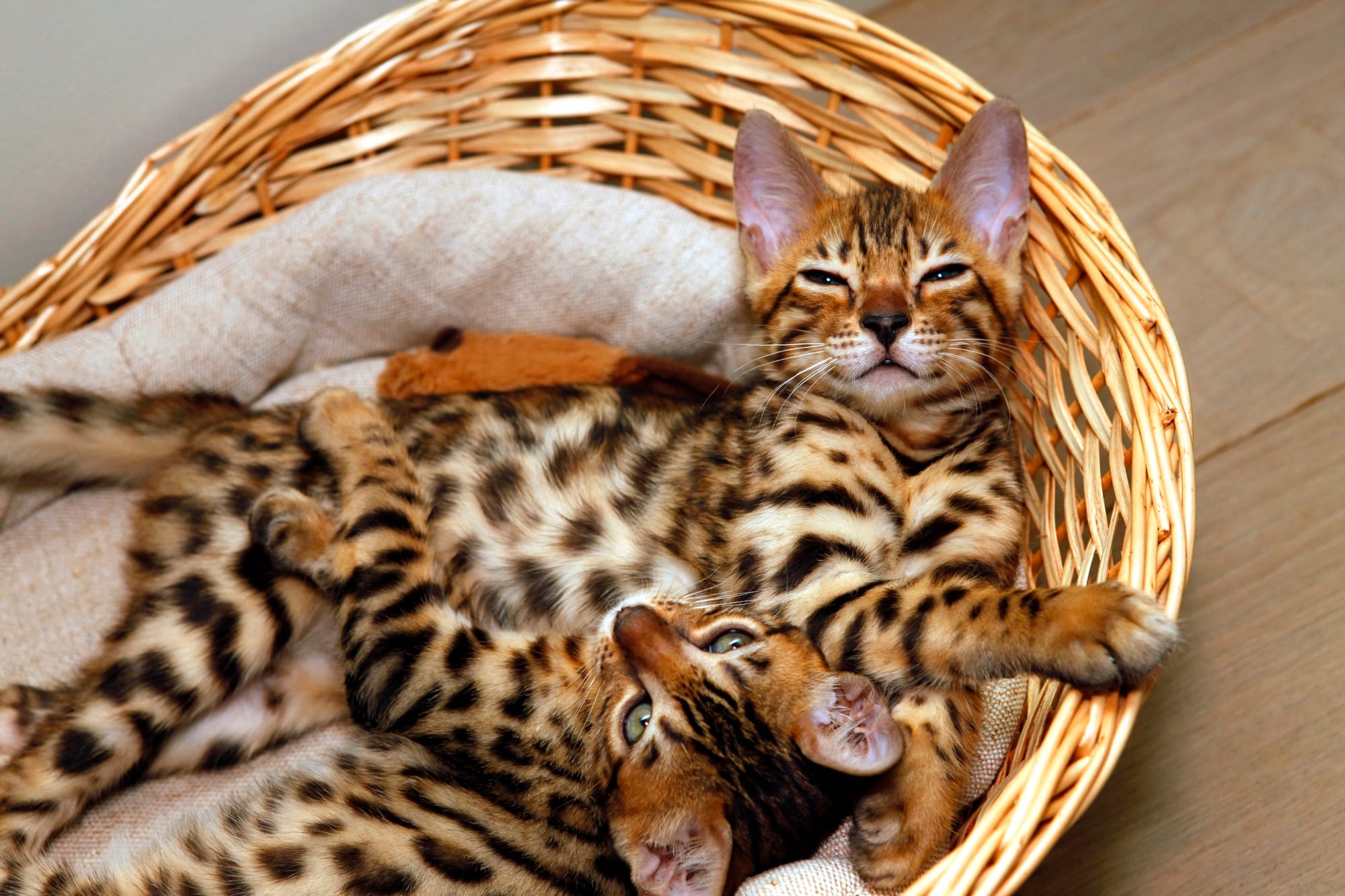
Bengal cats are known for their sleek coats and high energy levels. While more common than some exotic pets, high-quality Bengal cats can still command premium prices, particularly those with distinctive markings.
Their expenses come from their activity needs and health considerations. Bengals thrive on interaction and structured play, often requiring larger living spaces and enrichment tools.
They are also prone to certain genetic conditions that require regular monitoring. Over time, food, care, and environmental needs add up, making them more costly than typical domestic cats.
Hedgehog

Hedgehogs may appear small and straightforward, but their care requirements often surprise first-time owners. These animals need carefully regulated temperatures and specialized diets to stay healthy.
Climate control alone can significantly increase costs, especially in regions with colder weather. Veterinary care for hedgehogs is limited and specialized, often requiring travel to qualified professionals.
While the initial purchase price is lower than many exotic pets, the ongoing expenses can rival larger animals due to their specific needs.
Boa Constrictor
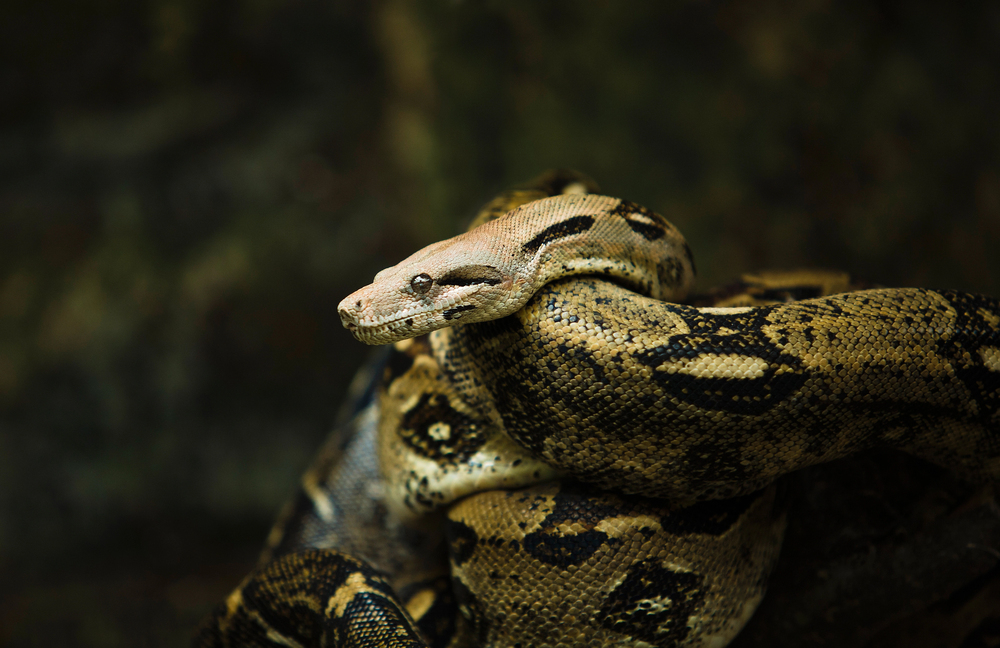
Large snakes like boa constrictors require long-term planning and financial commitment. Their enclosures must be secure, spacious, and precisely controlled for temperature and humidity.
As the snake grows, enclosure upgrades become necessary, often involving custom-built habitats. Feeding costs increase over time, and veterinary care for reptiles is specialized and costly.
Lifespans can stretch for decades, meaning expenses accumulate slowly but steadily, often catching owners off guard.
Wolfdog
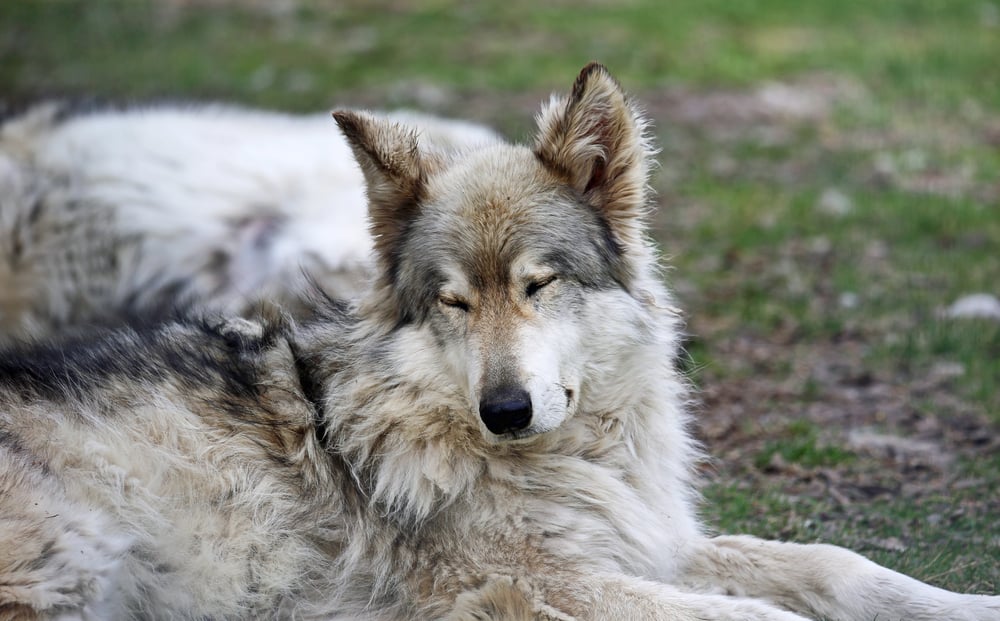
Wolfdogs, bred from domestic dogs and wolves, occupy a challenging middle ground. Their appearance draws interest, but their care requirements are far from typical.
These animals need large, secure outdoor spaces and experienced handlers. Their diet often includes higher-quality food, and veterinary care can be complicated by their genetics.
Legal restrictions are common, sometimes requiring special permits or limiting where owners can live. The combination of space, care, and compliance costs makes ownership expensive and restrictive.
Chimpanzee
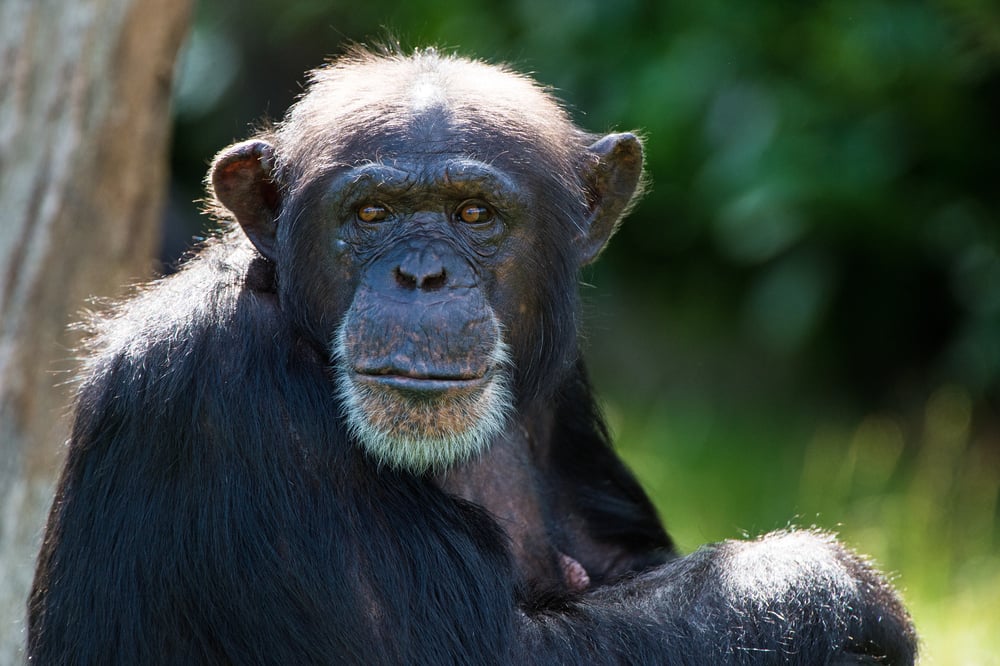
Chimpanzees are among the most expensive and demanding animals ever kept by private individuals. Their intelligence, strength, and long lifespan make them unsuitable for casual ownership, yet their cost profile illustrates why they are so challenging.
They require constant supervision, complex social interaction, and highly specialized care. Housing must be reinforced and regularly upgraded as the animal grows stronger.
Medical care is extremely specialized and expensive. Over decades, the cost of meeting their needs can reach extraordinary levels, far exceeding initial expectations.
Why These Pets Cost So Much
The expense of these animals is not driven by novelty alone. Rarity increases acquisition cost, while specialized care multiplies long-term expenses.
Many require controlled environments, enriched habitats, and access to limited veterinary expertise.
Another factor is time. Animals with long lifespans accumulate costs slowly but relentlessly.
What feels manageable in the first year can become overwhelming over decades. Unexpected health issues, enclosure upgrades, and regulatory changes often add unplanned expenses.
The Difference Between Price and Responsibility
High cost does not automatically mean high reward. Expensive pets often come with emotional and logistical challenges that outweigh their appeal.
Ownership demands consistency, patience, and the willingness to adapt life around the animal’s needs.
Many people underestimate how quickly novelty fades while responsibility remains. Unlike luxury items, pets cannot be set aside when circumstances change.
Their needs persist regardless of financial shifts or lifestyle changes.
What These Costs Reveal

The most expensive pets highlight an important truth about ownership. Cost reflects complexity.
Animals that are rare, intelligent, or long-lived require more resources because their needs are harder to meet.
Understanding these costs upfront allows for more responsible decision-making. For some, admiration is better expressed through conservation support or professional care environments rather than private ownership.
When Fascination Meets Reality

Something pulls folks toward expensive pets – more than cost, really. Their appearance, odd habits, sometimes just being rare sets them apart from usual companions at home.
Yet beyond that shine sits daily life: meals on schedule, trips to doctors, budget choices planned weeks before. What stands out most might not be the tag but what happens after.
Few realize that real closeness comes not from control but from patience with their subtle ways. Not every cost shows on a receipt.
Time given, word held, attention chosen – these shape what trust becomes. Quiet effort often means far more than any price tag ever could.
More from Go2Tutors!

- The Romanov Crown Jewels and Their Tragic Fate
- 13 Historical Mysteries That Science Still Can’t Solve
- Famous Hoaxes That Fooled the World for Years
- 15 Child Stars with Tragic Adult Lives
- 16 Famous Jewelry Pieces in History
Like Go2Tutors’s content? Follow us on MSN.



