18 Sneaker Facts From Different Eras
Sneakers have been around for well over a century, and their journey has been anything but boring. From sports courts to fashion runways, these shoes have stepped through history with some surprising stops along the way.
Some of these facts might bring a smile, while others might make you look at your favorite pair a little differently. Let’s jump right into it.
The first sneakers had rubber soles and no left or right foot

In the 1800s, the first rubber-soled shoes were called plimsolls. They didn’t have a left or right shoe — both looked exactly the same.
People wore them mostly for sports or comfort. The rubber soles made them quieter than leather shoes, so they were nicknamed “sneakers.”
Today, the name stuck, even though the designs are much more advanced.
Converse all stars date back to 1917
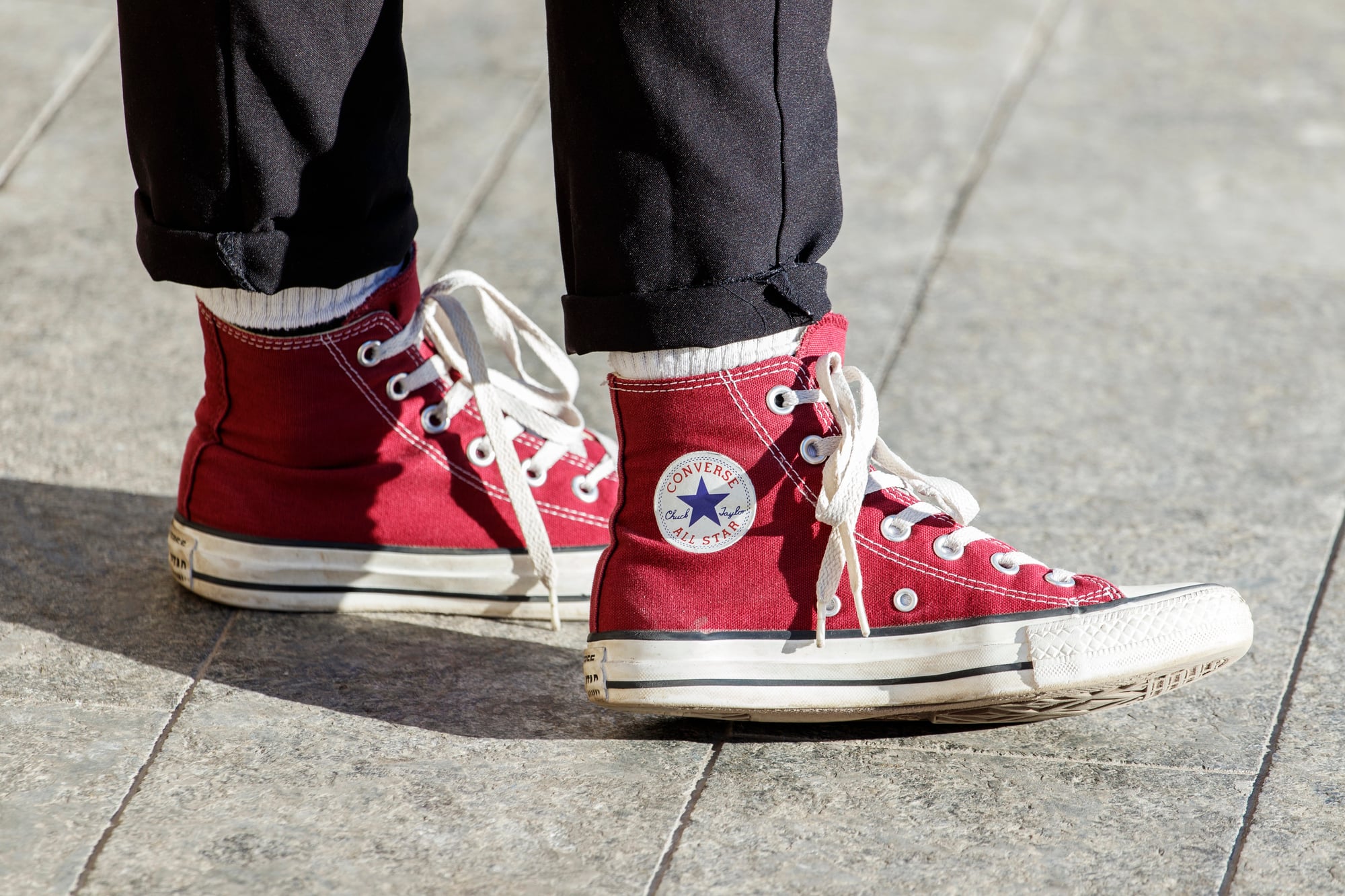
Converse launched the All-Star basketball shoe in 1917, but it wasn’t until 1921 that Chuck Taylor, a semi-pro player, began promoting and refining the design. His input helped the shoes gain popularity, and by the 1930s his name was officially added, cementing the “Chuck Taylor All Stars” legacy.
Adidas and Puma were started by brothers who had a falling out
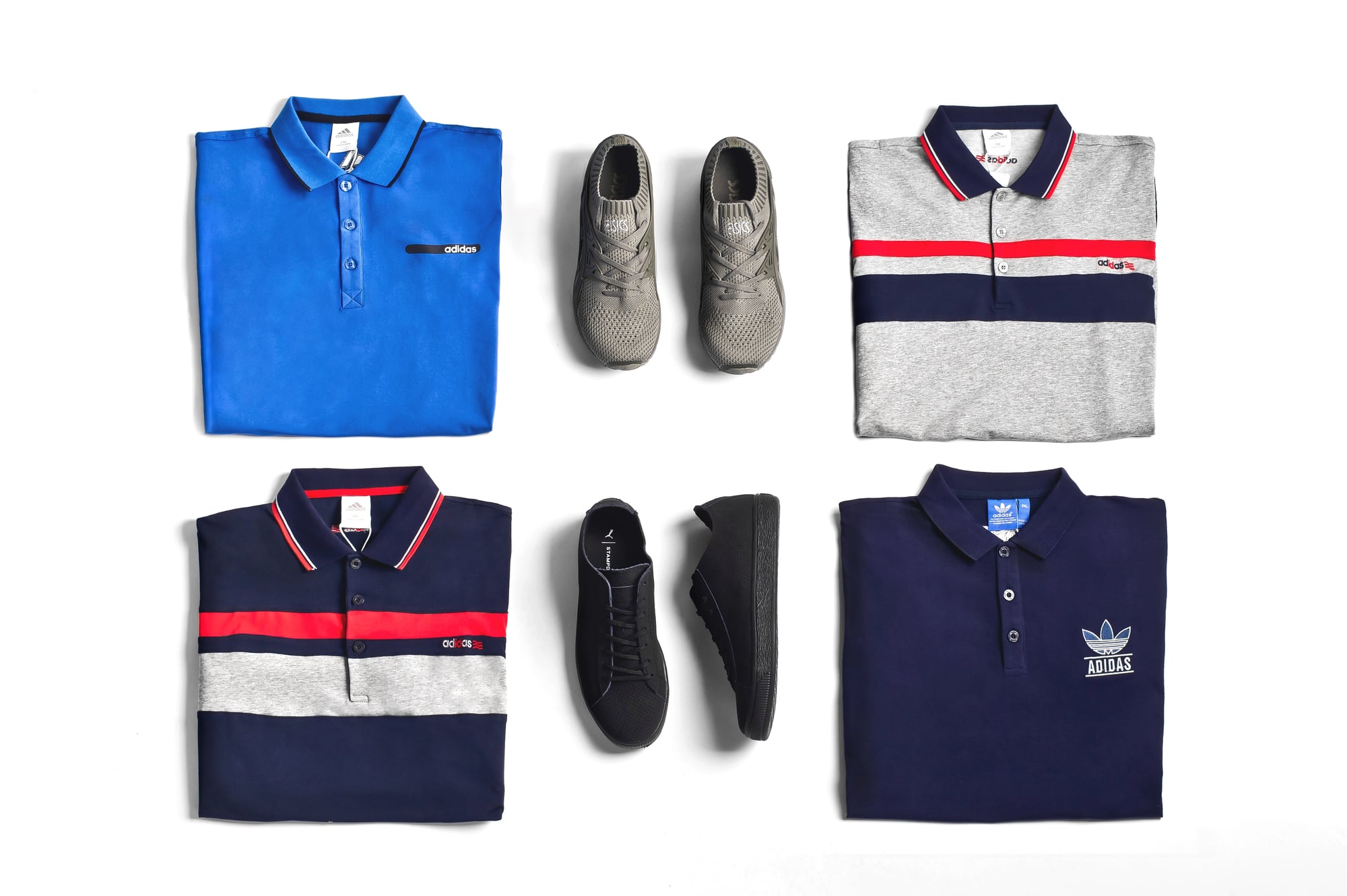
In 1940s Germany, two brothers ran a shoe business together. They had a personal conflict and split the company.
One started Adidas and the other started Puma. Their rivalry divided their town for decades.
People even chose who to talk to based on the brand they wore.
Nike’s famous swoosh logo cost just $35

The swoosh logo was designed by a student named Carolyn Davidson in 1971. She was paid only $35 for it.
Years later, Nike gave her stock in the company, which became worth a lot more. That logo is now known all over the world.
It’s a great example of small beginnings leading to something huge.
The “banned” Air Jordan story was clever marketing
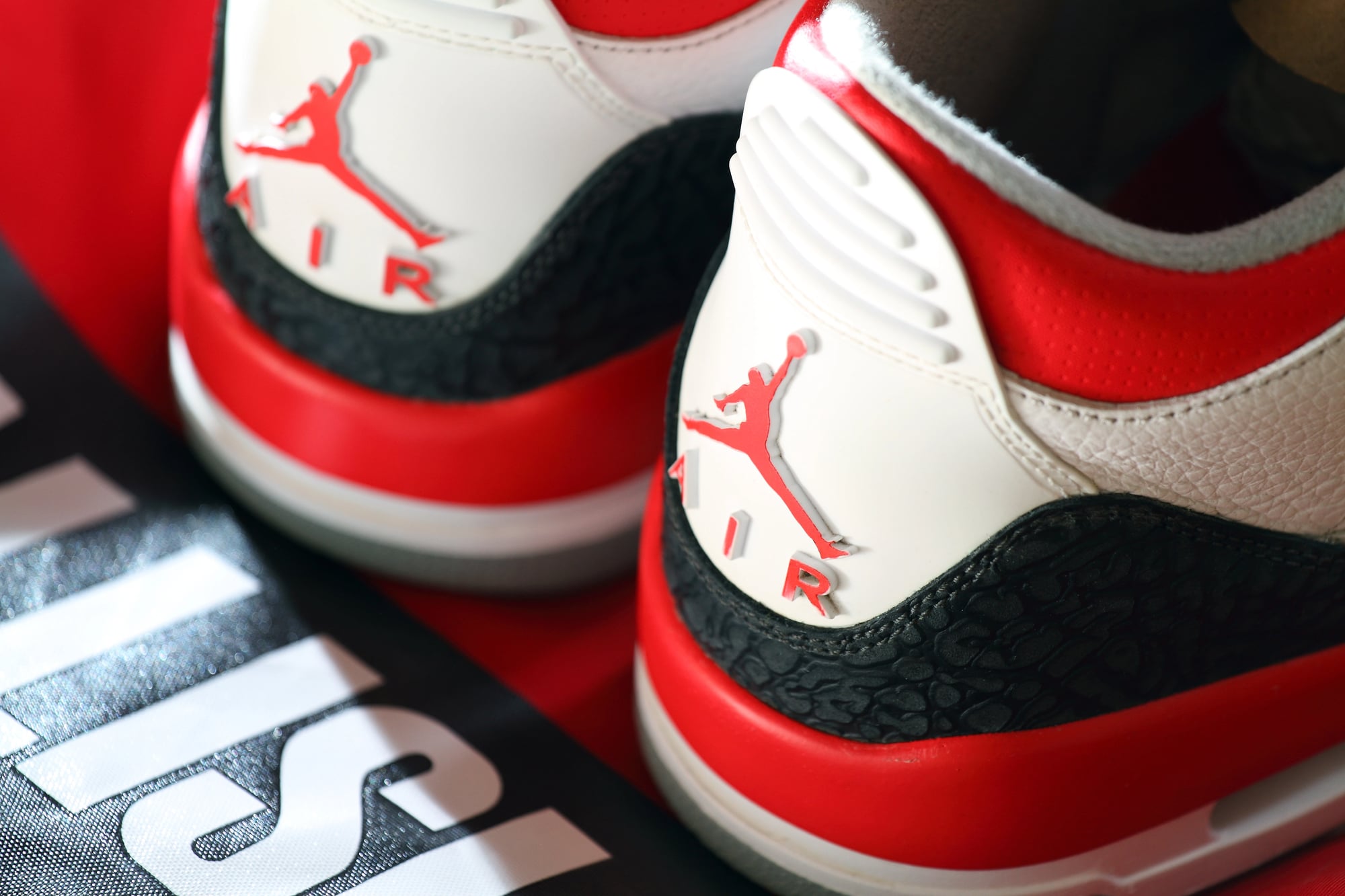
In 1984, the NBA objected to Michael Jordan’s black-and-red Nike Air Ship for breaking uniform rules — not the Air Jordan 1 itself. But Nike ran with the “banned” narrative when promoting the AJ1, even paying Jordan’s fines and turning the controversy into a genius ad campaign.
The myth helped launch the sneaker into legend and changed sports marketing forever.
Reebok made the first athletic shoe just for women
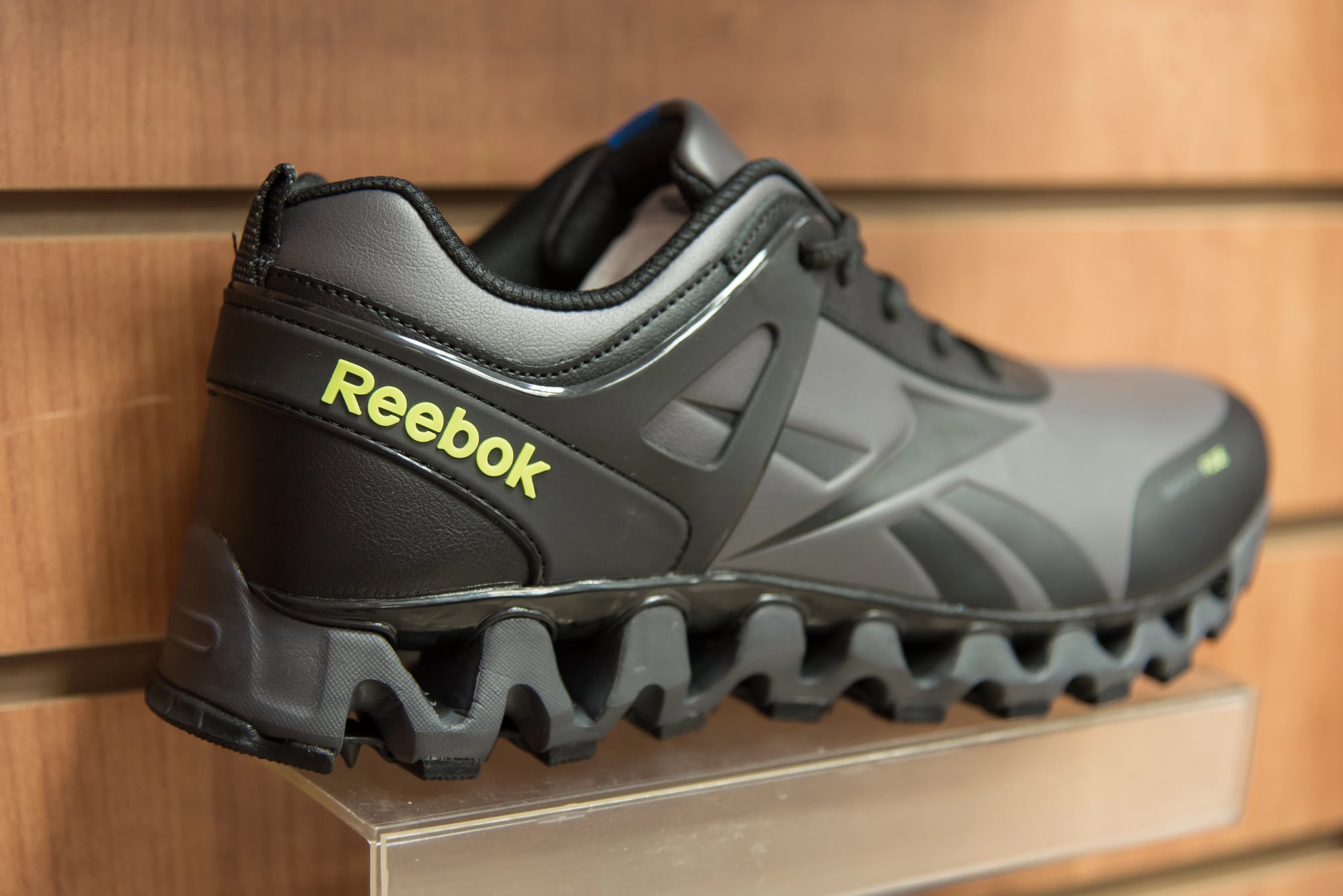
In the early 1980s, aerobics was booming, and Reebok spotted the opportunity. They released the Freestyle in 1982, a lightweight leather shoe designed specifically for fitness classes.
It became hugely popular with women and crossed over into everyday fashion, turning Reebok into a household name.
The first self-lacing sneaker was a movie prop

In 1989, the movie “Back to the Future Part II” showed Marty McFly wearing self-lacing Nikes. Fans loved the idea and waited years for it to become real.
Nike finally made them in 2016, calling them the HyperAdapt. They used sensors and motors to tighten the laces.
It was a big step in sneaker tech.
Vans became a skater favorite almost by accident

Vans opened in California in 1966, selling simple rubber-soled shoes. Skaters loved them because they were durable and had great grip.
The company didn’t plan to target skaters, but once they saw the trend, they embraced it. By the 1970s, Vans became a symbol of skateboarding.
That connection still lasts today.
Sneaker collecting became big in the ’90s
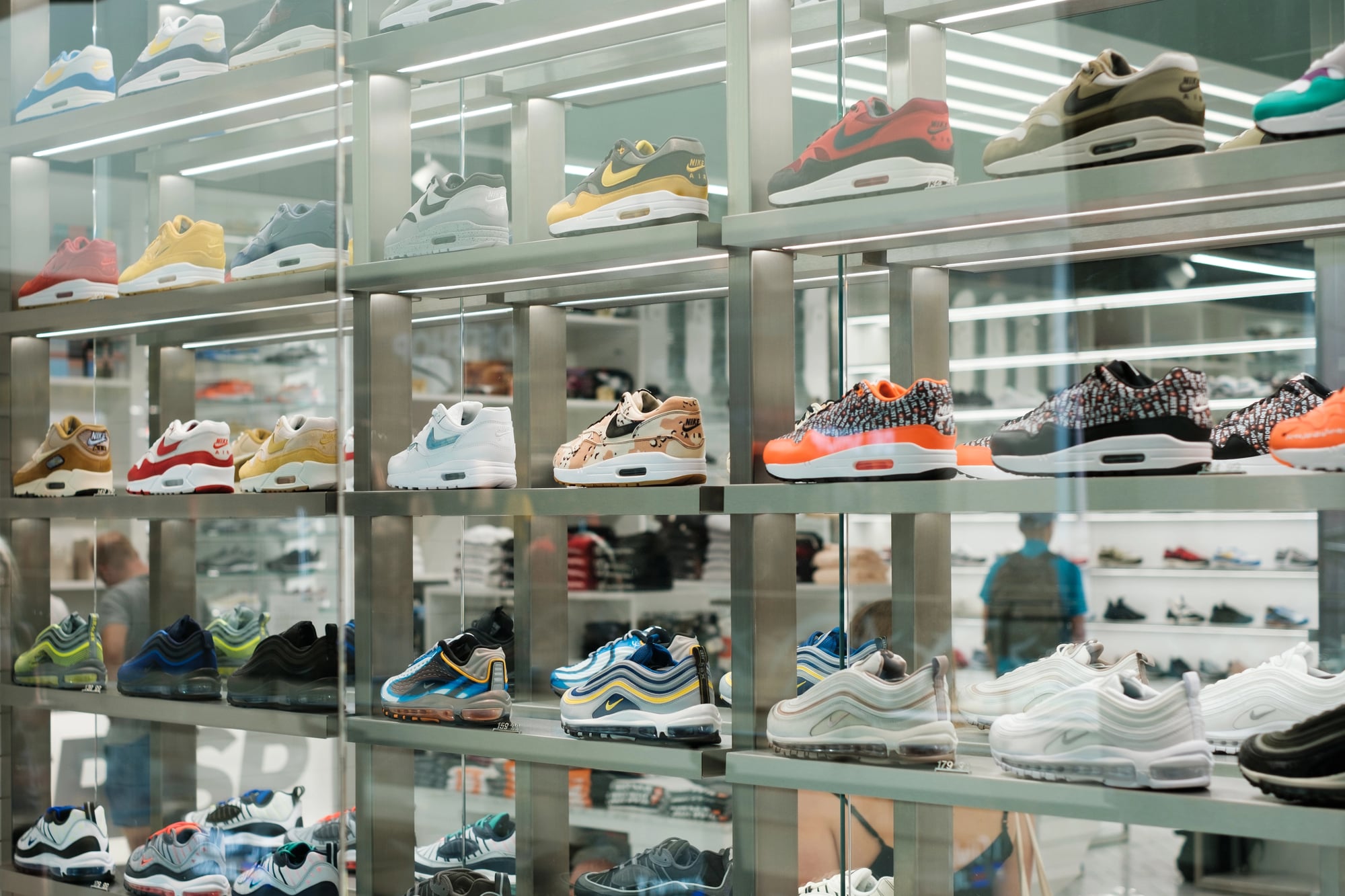
Before the 1990s, most people just bought sneakers to wear. But during that decade, collecting rare shoes became popular.
Limited releases and athlete endorsements drove the demand. Some collectors kept shoes in perfect condition, never worn.
Sneaker culture had officially arrived.
New Balance was once known for orthopedic shoes
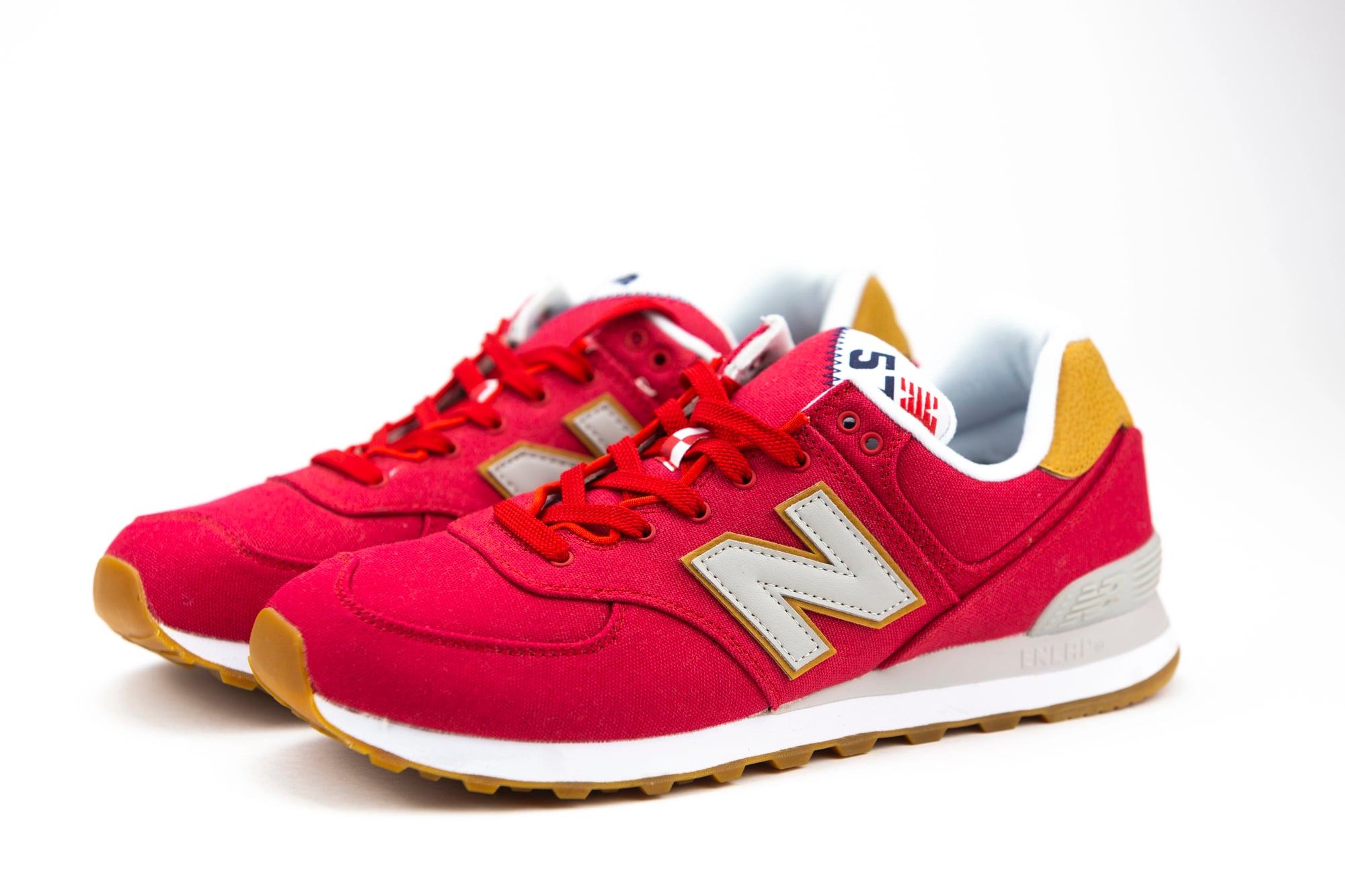
New Balance didn’t start as a trendy brand. It began in 1906 with arch supports and comfort-focused designs.
For years, people with foot pain wore them more than runners did. But as time passed, athletes and casual wearers took notice.
Now it’s known for mixing comfort and cool.
Kanye West changed sneaker marketing with Yeezys
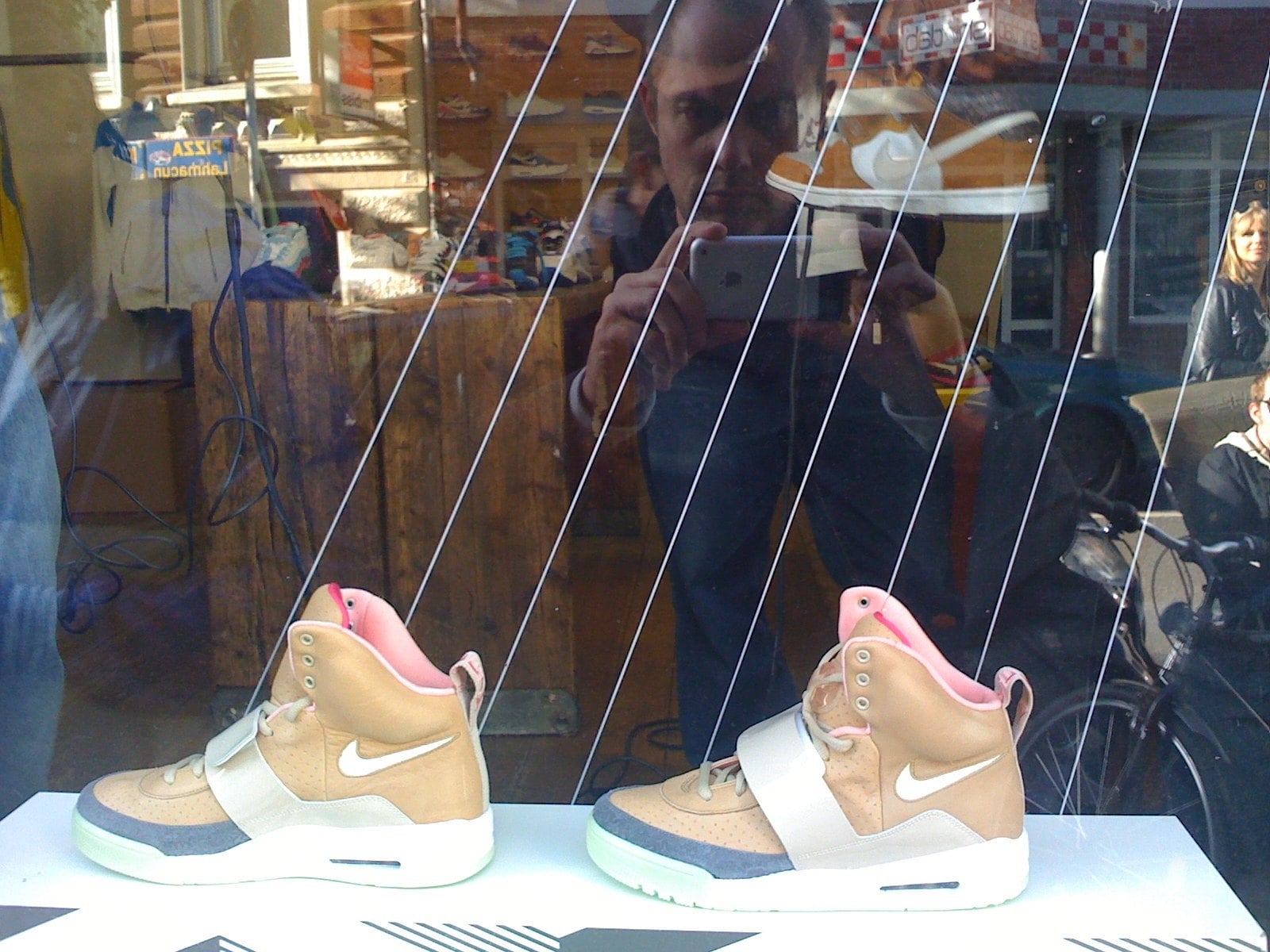
When Kanye West partnered with Adidas, things changed fast. He skipped traditional ads and focused on hype, exclusivity, and buzz.
Yeezys sold out within minutes of each release. His influence turned shoes into cultural moments.
It proved that one person could change an entire market.
High-end fashion brands entered the sneaker game

Luxury brands like Gucci and Balenciaga used to ignore sneakers. But in the 2010s, that changed.
They started creating bold, expensive sneaker designs. Suddenly, sneakers showed up at fashion shows.
It blurred the line between comfort and luxury.
“Dad shoes” became cool again

Big, chunky sneakers were once considered outdated. But fashion flipped and made them popular again.
People began wearing so-called “dad shoes” from brands like Fila and New Balance. They were comfy, sturdy, and suddenly stylish.
It showed how trends can surprise everyone.
Sneakers made from recycled plastic hit the shelves

As more people cared about the planet, brands responded. Adidas released shoes made from ocean plastic.
Others created sneakers from plants, rubber, or recycled materials. These eco-friendly shoes gained popularity.
Now fashion and sustainability go hand in hand.
Kids used to call them “tennis shoes,” even if they weren’t for tennis

In many places, kids grew up calling all sneakers “tennis shoes.” It didn’t matter if the shoes were for running, gym class, or everyday wear.
The name stuck, even if it wasn’t accurate. It was just what people said.
Language and habits don’t always follow logic.
Skechers took over the comfort crowd

While other brands chased hype and athletes, Skechers zeroed in on comfort. Their memory foam soles, wide-fit options, and affordable prices won over nurses, teachers, service workers, and older adults.
They didn’t need flashy campaigns — word of mouth built them a loyal following, and today Skechers is one of the biggest footwear companies worldwide.
Sneaker resale became a billion-dollar business
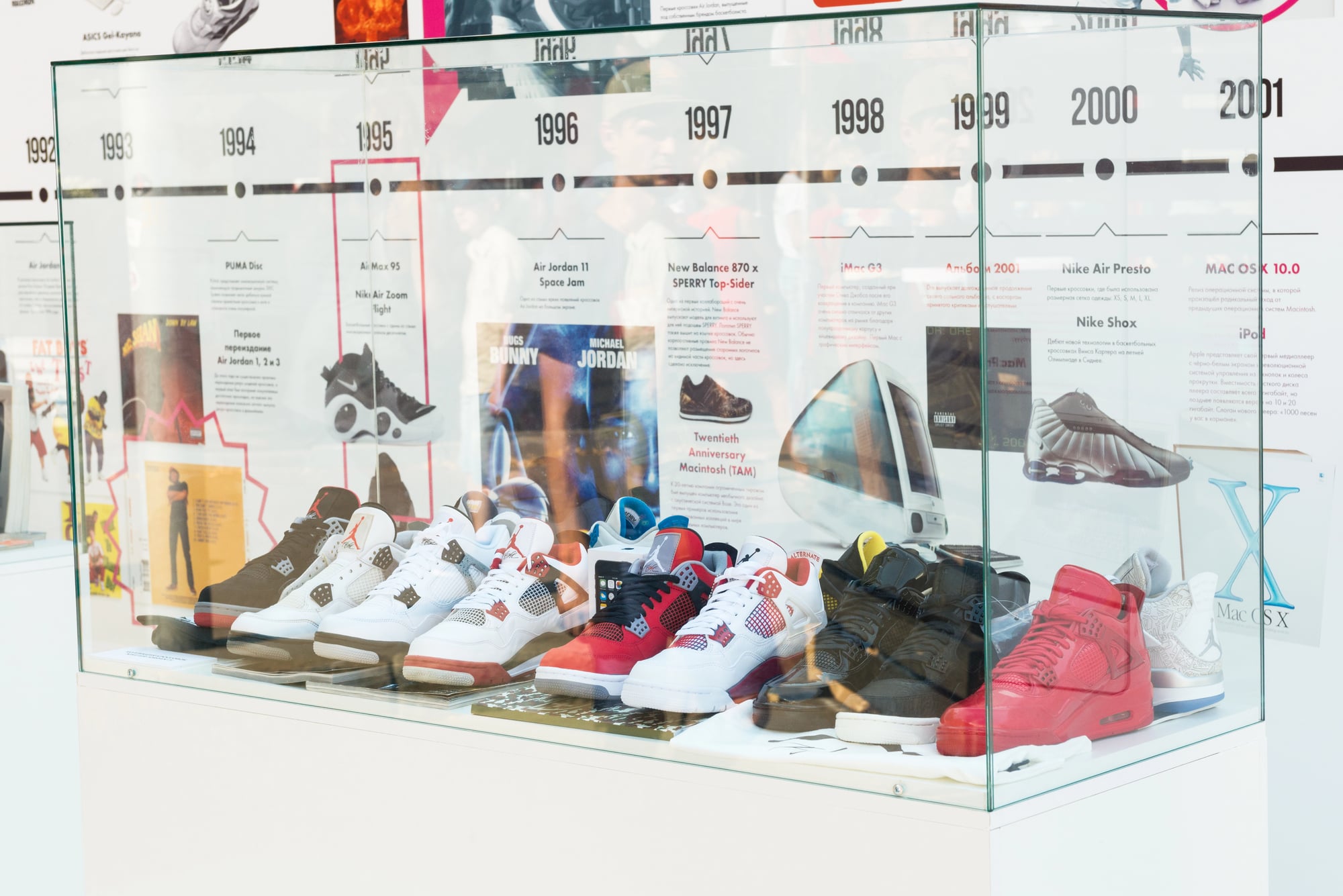
People began buying sneakers just to resell them at higher prices. Some rare pairs sold for thousands of dollars.
Apps and websites were created just for this market. It turned sneakers into investments.
The resale world became just as important as the original release.
The most expensive sneaker ever sold hit $2.2 million
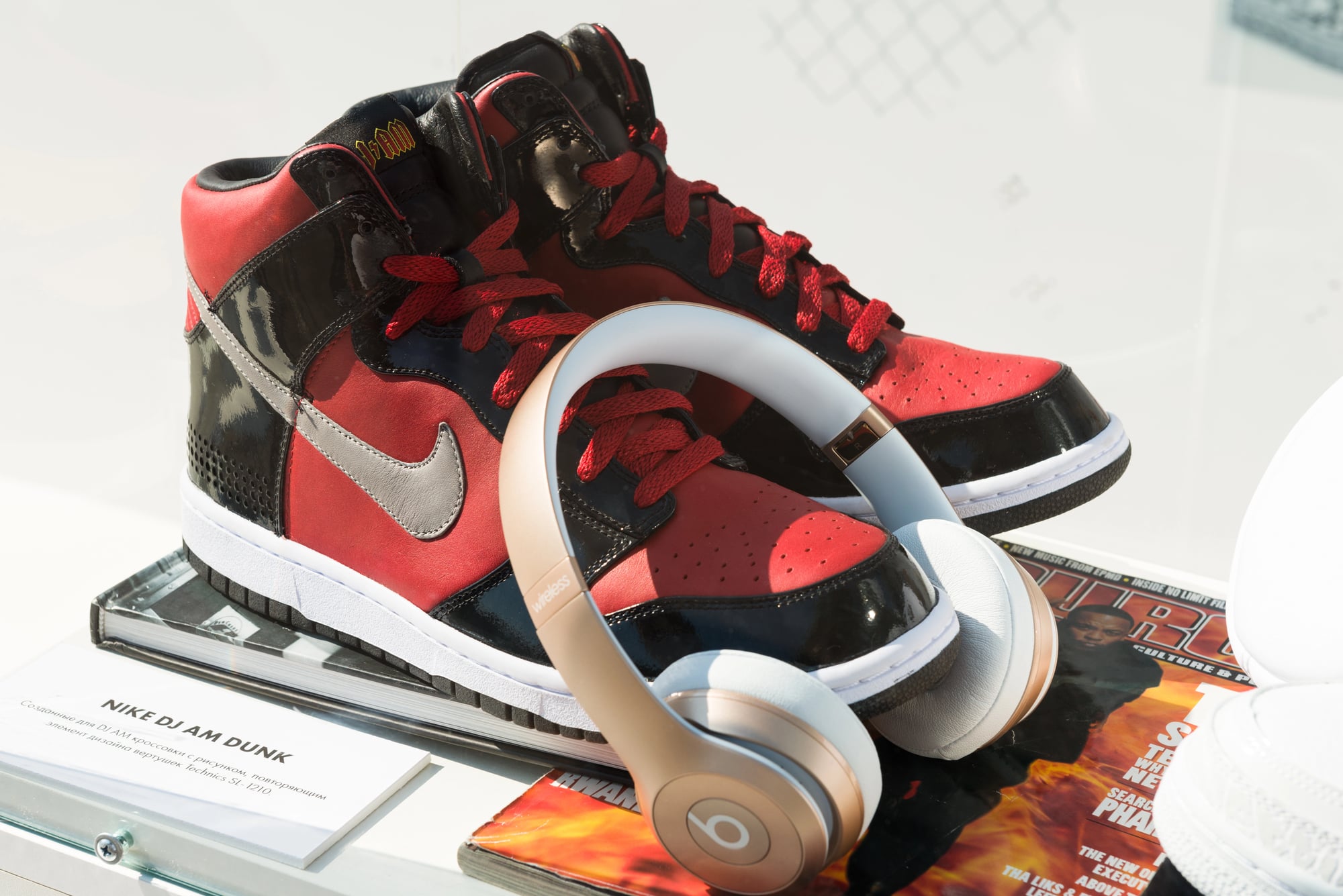
In 2023, a pair of Michael Jordan’s game-worn “Bred” Air Jordan 13s from the 1998 NBA Finals sold for a record $2.2 million at Sotheby’s. Earlier big-ticket sales, like Kanye West’s $1.8 million Nike Air Yeezy 1s, paved the way — but Jordan’s Finals shoes set the bar.
Sneakers had officially entered the same league as fine art and luxury collectibles.
From training grounds to fashion capitals
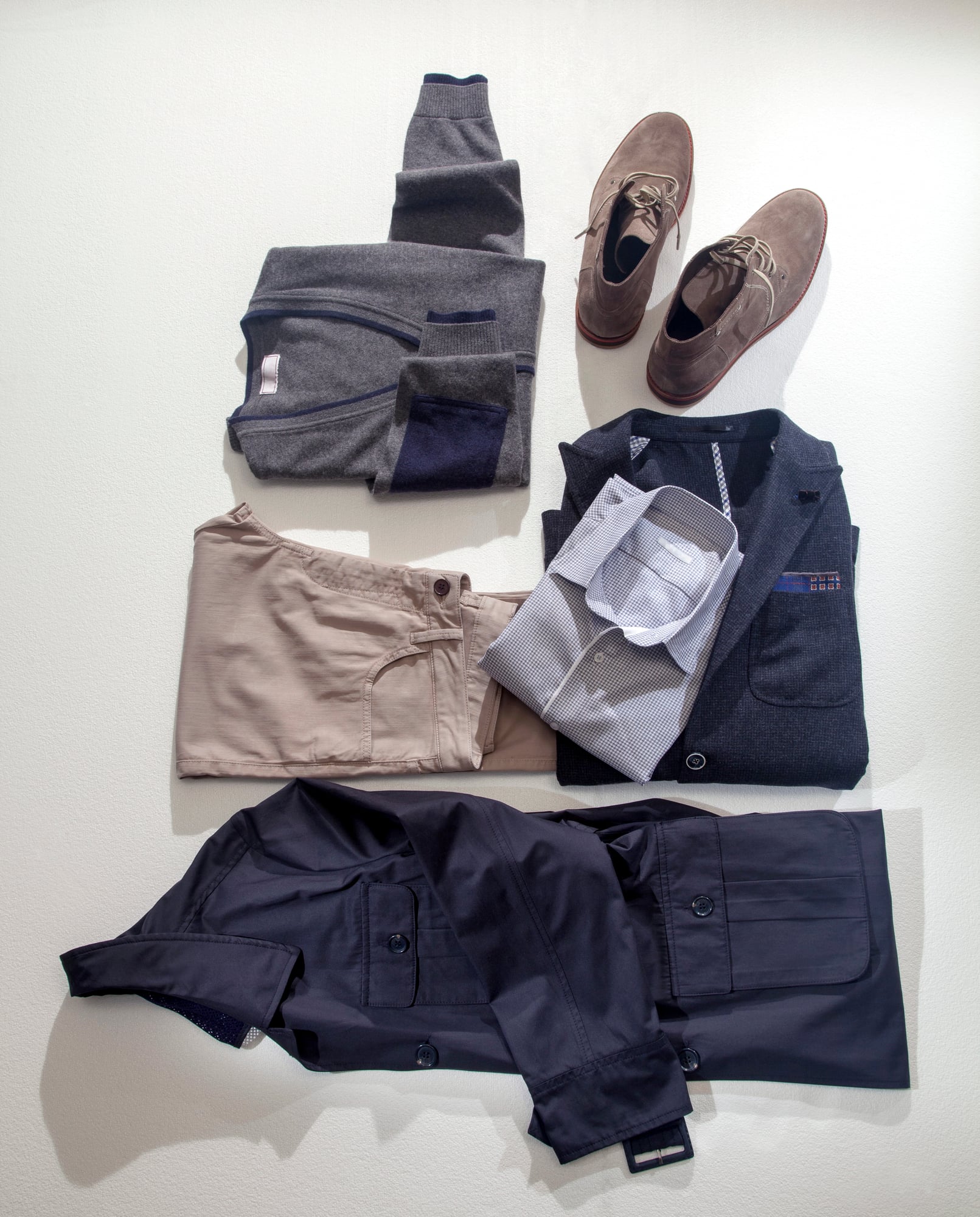
Sneakers have moved far beyond gym floors and schoolyards. They’ve grown with every generation, shifting from basic footwear to cultural icons.
Whether made for comfort, fashion, or performance, they tell stories from every era. Looking back shows just how much they’ve changed — and how they keep stepping into something new.
As trends shift again, one thing’s certain: sneakers will always find a way to fit in.
More from Go2Tutors!

- 16 Historical Figures Who Were Nothing Like You Think
- 12 Things Sold in the 80s That Are Now Illegal
- 15 VHS Tapes That Could Be Worth Thousands
- 17 Historical “What Ifs” That Would Have Changed Everything
- 18 TV Shows That Vanished Without a Finale
Like Go2Tutors’s content? Follow us on MSN.